Author: Ethan

  • The hidden biological weakness that makes blue whales surprisingly vulnerable

    The hidden biological weakness that makes blue whales surprisingly vulnerable

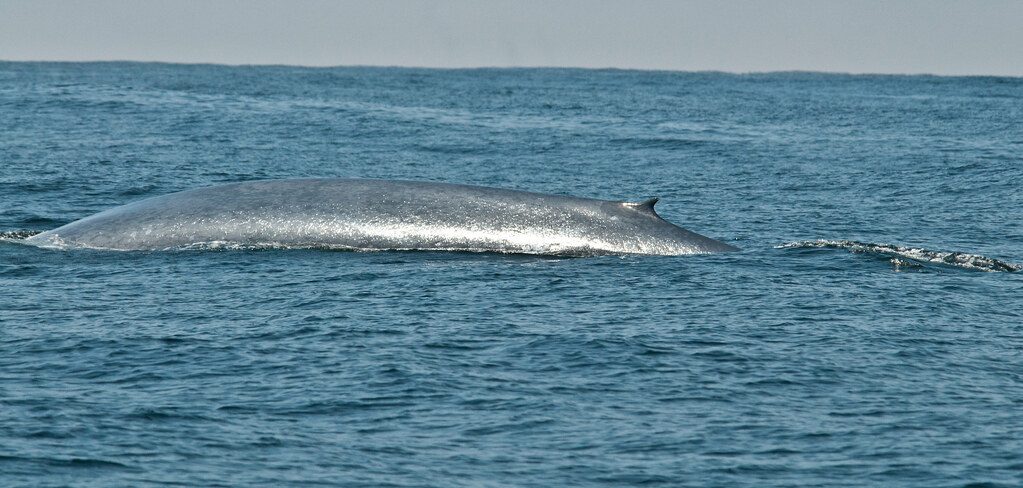
    The blue whale is the largest animal ever known to have lived on Earth. Its enormous body is an extraordinary evolutionary achievement, but that size also creates hidden biological challenges. Every day, the whale must move an immense body, circulate blood through massive organs, and find enough food to sustain itself.

    Scientists are still studying how these giants continue functioning so efficiently without exceeding their physical limits. This article explores the hidden risks of being Earth’s largest animal and why the blue whale remains one of biology’s greatest mysteries.

    A body unlike any other
    Antarctic blue whale” by Oregon State University is licensed under CC BY-SA 2.0

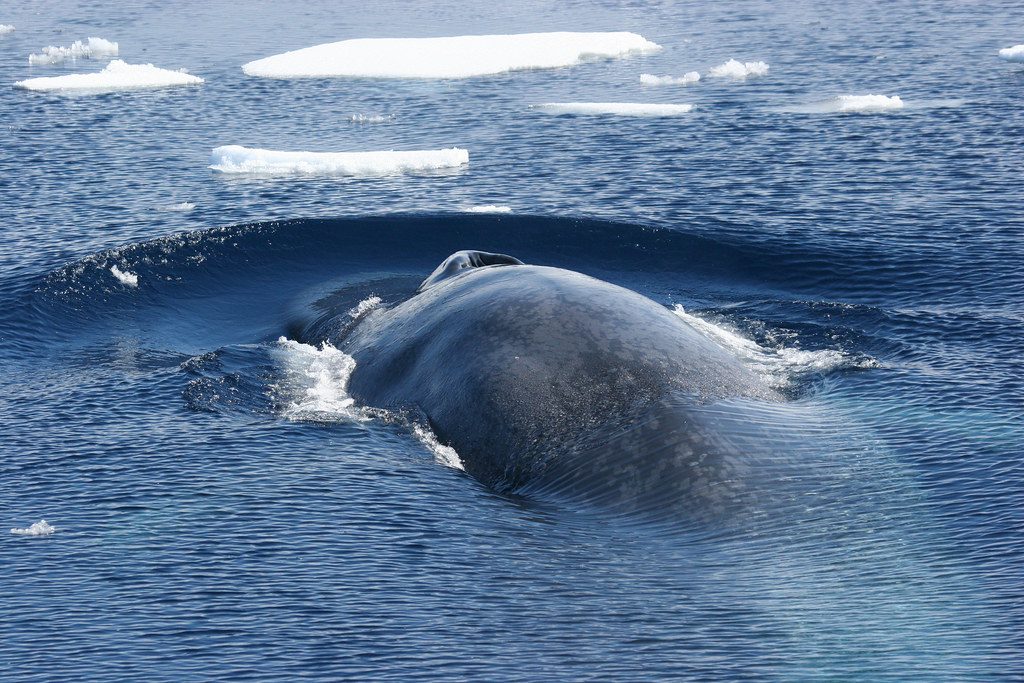
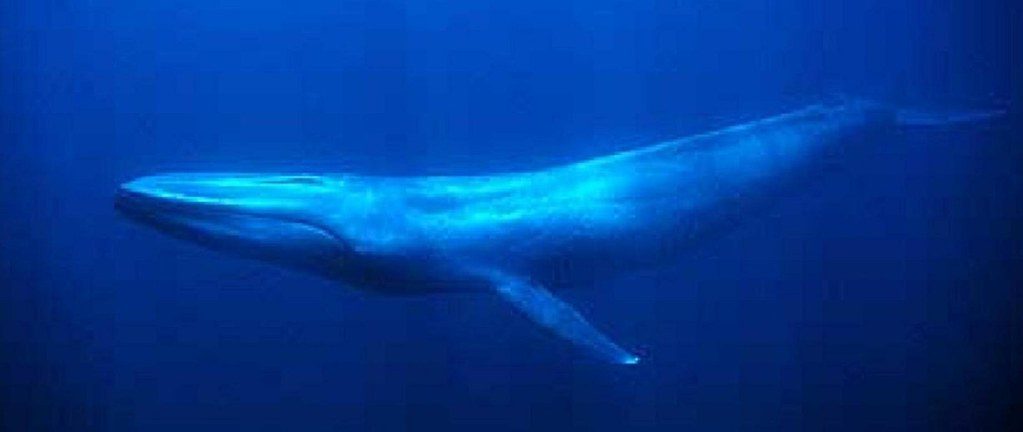
    Blue whales can grow to more than 100 feet long and weigh well over 150 tons, making them larger than any dinosaur known with certainty. Their tongue alone can weigh as much as an elephant, while their heart is about the size of a small car.

    Such incredible size requires every organ to perform on an extraordinary scale. From the lungs to the circulatory system, nearly every part of the whale’s body has evolved to support an animal unlike anything else alive today.

    Feeding pushes the body to its limits
    Blue Whale” by flickkerphotos is licensed under CC BY-NC-ND 2.0

    Despite their enormous size, blue whales feed mainly on tiny shrimp-like animals called krill. During feeding season, a single whale may consume several tons of krill in one day to meet its energy needs.

    Each feeding dive requires the whale to open its mouth wide, expand its throat folds, and engulf huge amounts of water before filtering out the krill. This process demands tremendous energy and places great stress on the body’s muscles and circulation.

    The heart carries an enormous workload
    Blue Whale (Balaenoptera musculus)” by dave and rose is licensed under CC BY 2.0

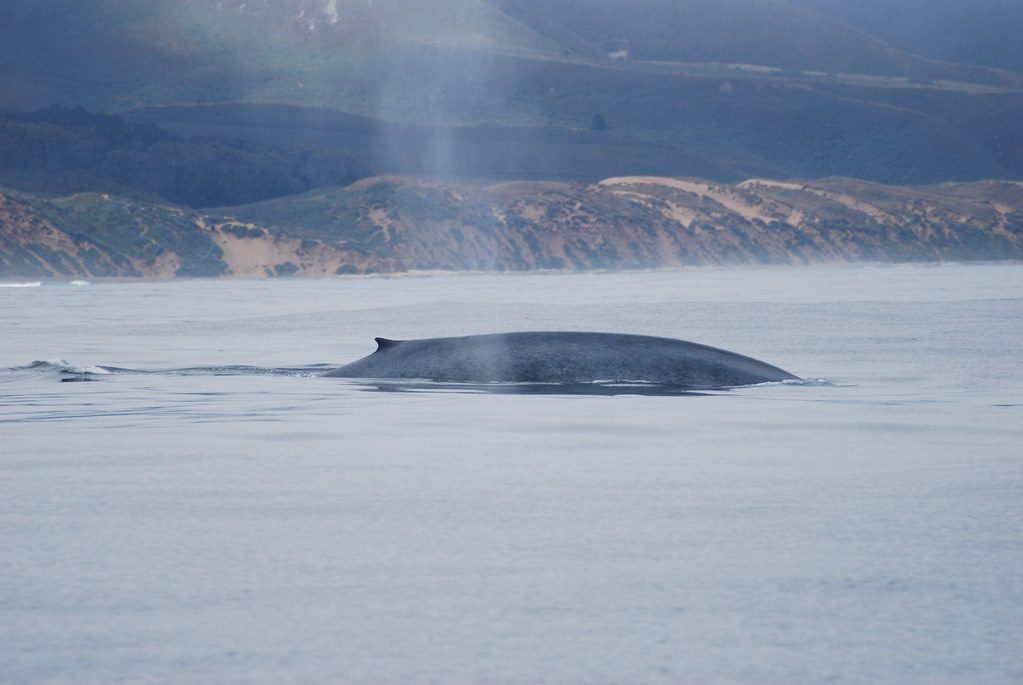
    Moving blood through such a massive body is one of the blue whale’s greatest biological challenges. Its heart must pump oxygen to muscles spread across an animal that can be longer than a basketball court.

    Researchers continue studying how the whale’s cardiovascular system performs during deep dives and intense feeding. Understanding these limits may help explain why blue whales have reached a size that few other animals could ever achieve.

    Bigger is not always better
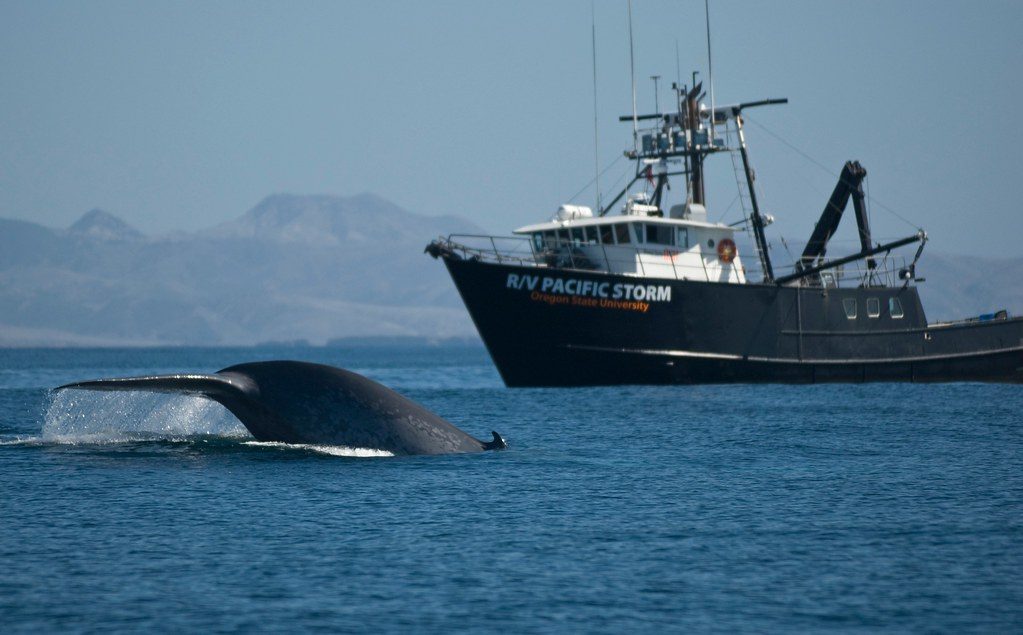
    Tagging blue whales” by Oregon State University is licensed under CC BY-SA 2.0

    Growing larger provides important advantages, including protection from most predators and the ability to travel long distances efficiently. However, larger bodies also require more food, more oxygen, and more energy to stay alive.

    Scientists believe these growing demands eventually create biological limits that prevent animals from becoming much larger. The blue whale appears to live remarkably close to those natural boundaries.

    Evolution found remarkable solutions
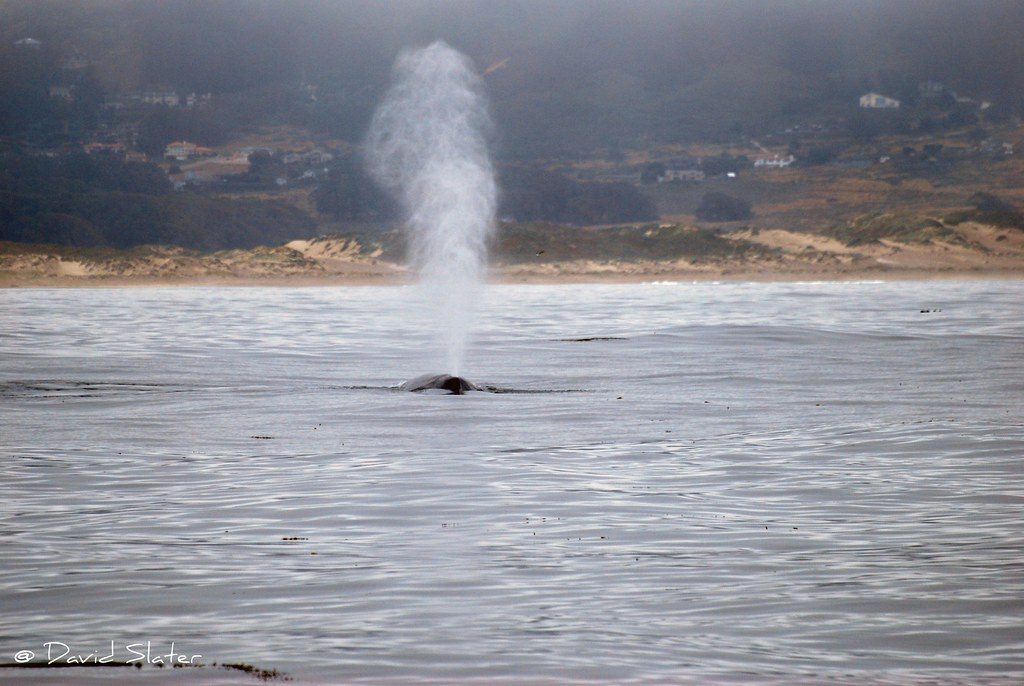
    Blue Whale (Balaenoptera musculus)” by dave and rose is licensed under CC BY 2.0

    Over millions of years, blue whales evolved specialized features that allow them to support their extraordinary size. Efficient swimming, massive lungs, flexible throat grooves, and highly adapted feeding behavior all help them survive.

    Even with these adaptations, researchers continue asking how evolution produced an animal that operates so close to the edge of biological possibility. Many questions about the whale’s physiology remain unanswered.

    The mystery is still unfolding
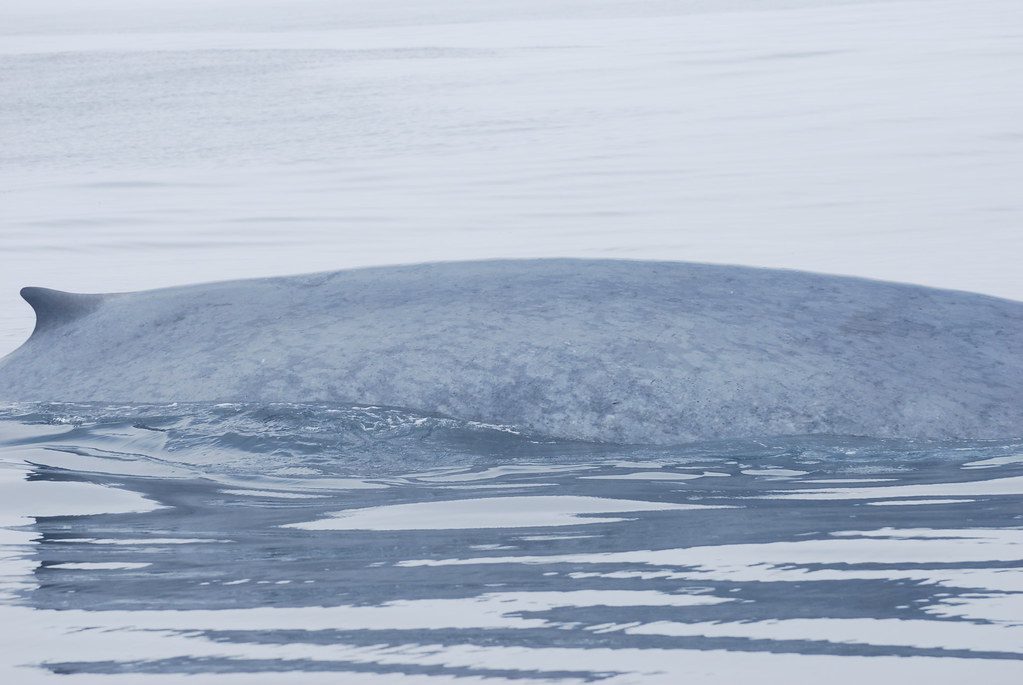
    Blue Whale (Balaenoptera musculus)” by dave and rose is licensed under CC BY 2.0

    Scientists continue learning new details about how blue whales dive, feed, migrate, and manage the enormous demands placed on their bodies. Every new study reveals another piece of this biological puzzle.

    The blue whale reminds us that evolution can produce extraordinary solutions to extreme challenges. Even after decades of research, the largest animal ever known still holds many secrets beneath the ocean’s surface.
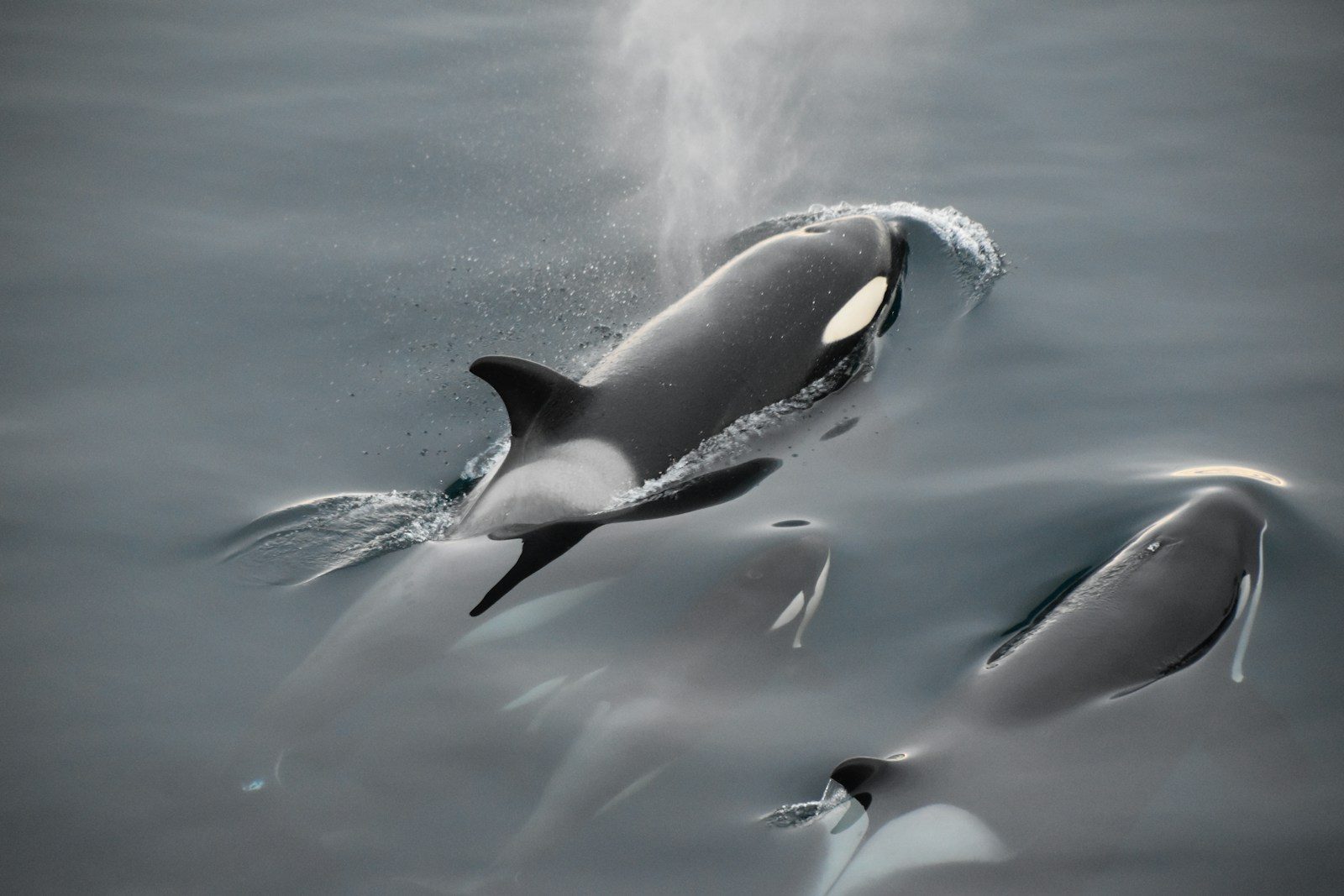
  • The incredible teamwork killer whales use to hunt animals bigger than themselves

    The incredible teamwork killer whales use to hunt animals bigger than themselves

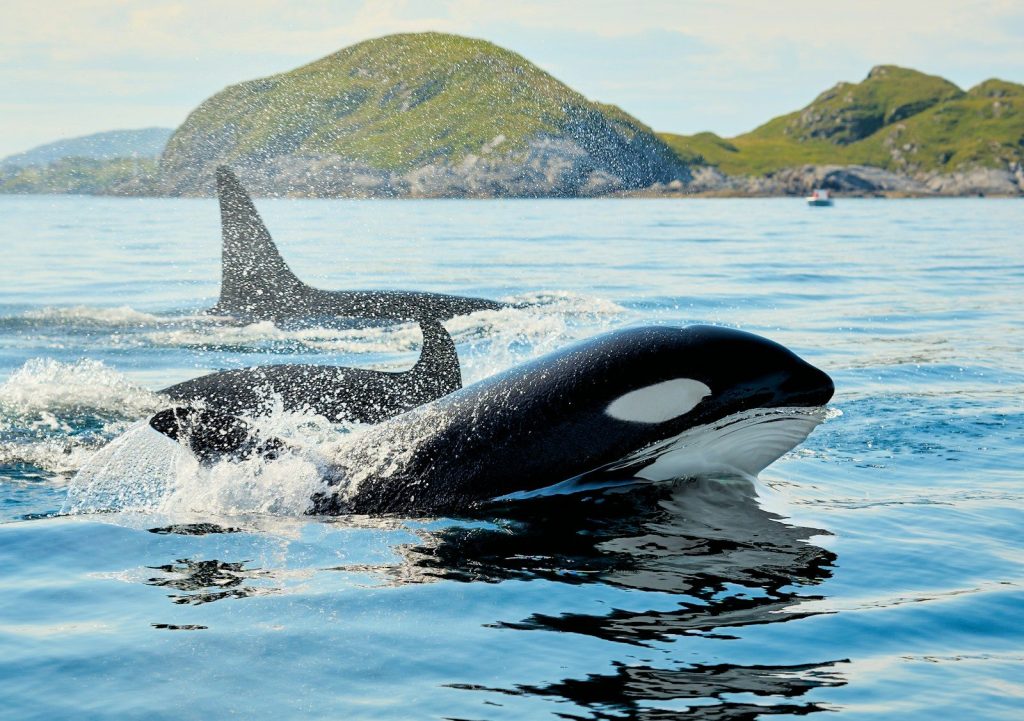
    Killer whales are among the ocean’s most powerful and intelligent predators. Although a single orca is formidable, their greatest strength comes from working together as a team. In some hunts, a small pod can overpower whales much larger than themselves by using carefully coordinated movements instead of brute force alone.

    Scientists have spent decades studying these remarkable hunting strategies, yet many of their behaviors continue to surprise researchers. This article explains how killer whales cooperate during hunts, why teamwork makes them such effective predators, and what these encounters reveal about one of the ocean’s smartest animals.

    Killer whales hunt as a team

    A couple of orca's swimming in a body of water
    Photo by Vidar Nordli-Mathisen on Unsplash

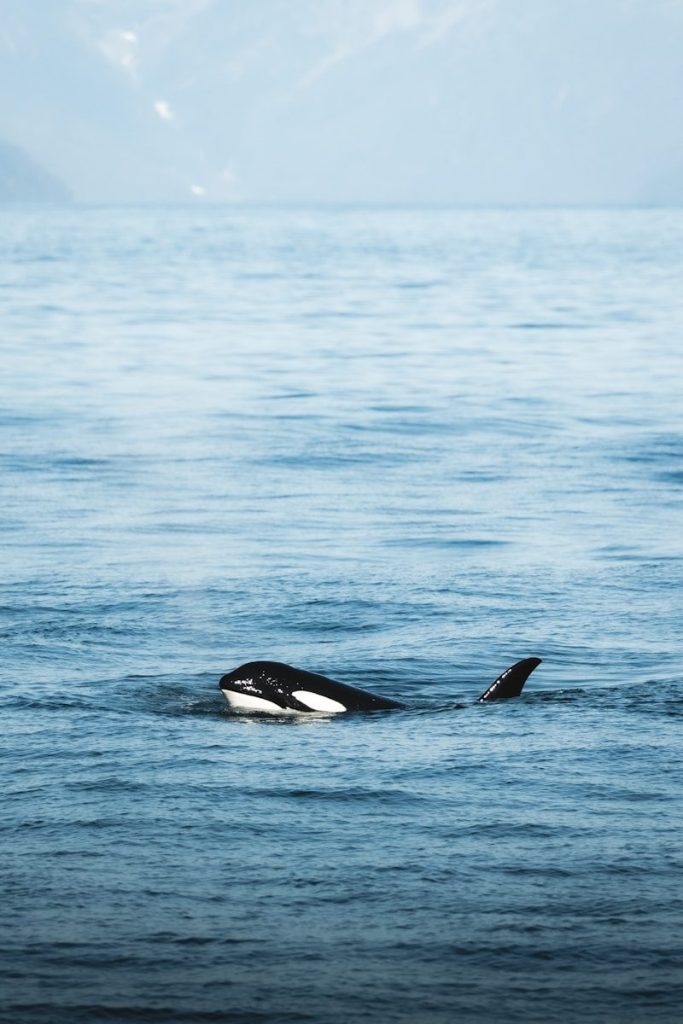
    Unlike many predators that hunt alone, killer whales usually work together in family groups called pods. These groups communicate constantly and coordinate their movements as they search for prey.

    Each pod may develop its own hunting traditions, passed from one generation to the next. Young orcas learn by watching experienced adults, allowing complex hunting techniques to be passed down within the family.

    Large whales can become targets

    blue whale on sea
    Photo by Todd Cravens on Unsplash

    Some killer whale populations hunt marine mammals, including seals, dolphins, and even large whales. Depending on the prey, several orcas may work together to chase, isolate, and exhaust an animal before making their final attack.

    Researchers have documented orcas attacking species such as gray, humpback, and minke whales, and even blue whales. These hunts require careful coordination because the prey is often much larger than any individual orca.

    Strategy is their greatest advantage

    a black and white animal swimming in the ocean
    Photo by Tomáš Malík on Unsplash

    Rather than relying only on strength, killer whales use strategy throughout a hunt. They may surround their target, separate it from companions, and take turns attacking while conserving energy.

    This teamwork gradually weakens the prey over time. Every pod member plays a role, allowing the group to succeed against animals that would be impossible for a single orca to overpower.

    Intelligence shapes every hunt

    two black and white orca swimming in a body of water
    Photo by Stephen Walker on Unsplash

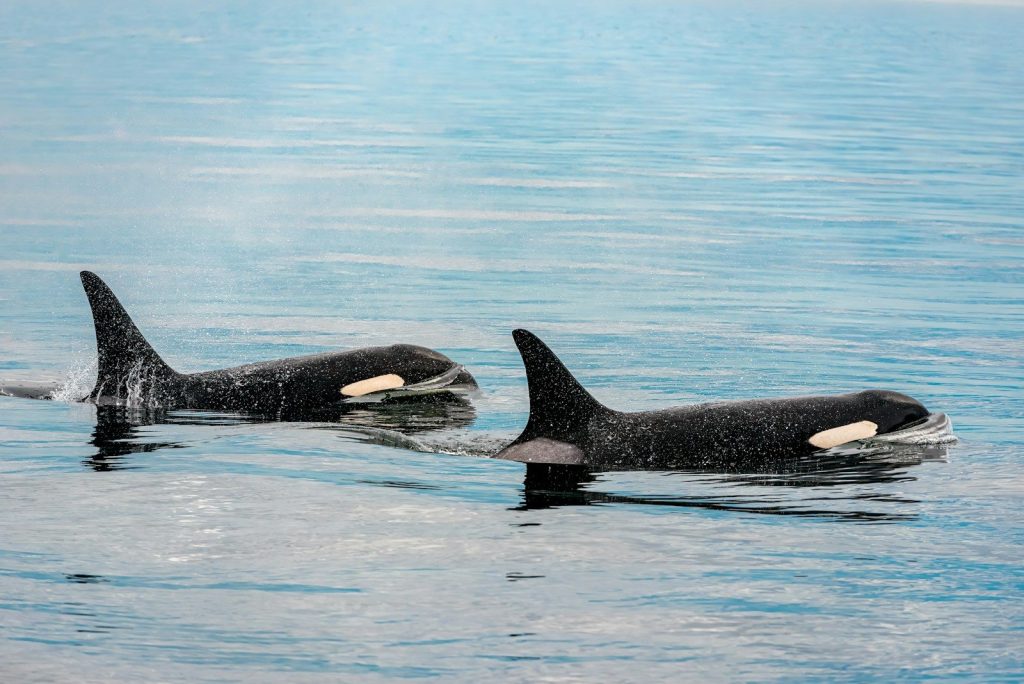
    Killer whales have some of the most complex social structures in the animal kingdom. They communicate through vocal calls, learn from one another, and pass on hunting skills across generations.

    Scientists believe this ability to learn and cooperate is one reason orcas are found in oceans around the world. Different populations specialize in different prey, demonstrating the flexibility and intelligence of these predators.

    Every pod hunts differently

    two black dolphins on body of water during sunrise
    Photo by Bart on Unsplash

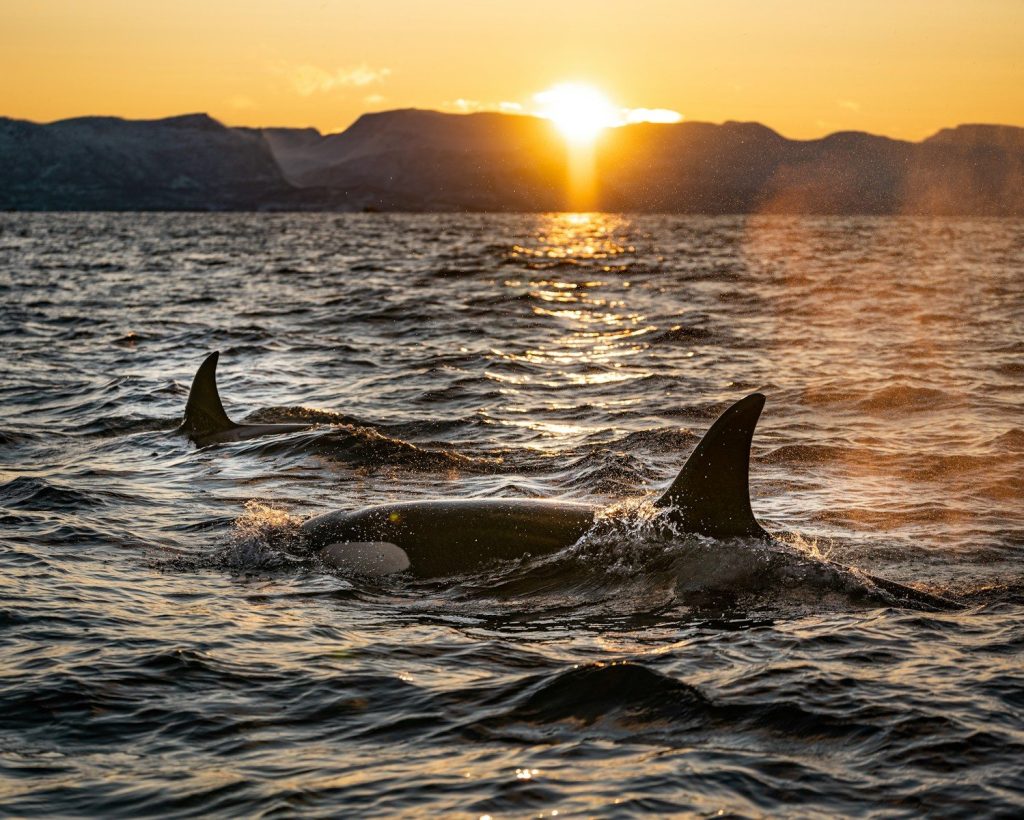
    Not all killer whales hunt the same way. Some populations feed mainly on fish, while others specialize in marine mammals, sharks, or other large prey. Their hunting methods change depending on what they eat.

    Researchers continue discovering new hunting behaviors, including coordinated attacks on whale sharks and other large marine animals. These observations show that orcas can adapt their techniques to different environments and prey species.

    The ocean’s ultimate team hunters

    A whale is swimming in the ocean
    Photo by Vidar Nordli-Mathisen on Unsplash

    Watching a coordinated orca hunt reveals far more than raw power. It demonstrates communication, cooperation, planning, and years of learned experience working together as a family group.

    Although these hunts can appear dramatic, they are a natural part of healthy marine ecosystems. Killer whales are apex predators, and their success depends not only on their size but also on their remarkable intelligence and teamwork.

  • The heartbreaking moment a baby seal stayed beside his trapped mother until help arrived

    The heartbreaking moment a baby seal stayed beside his trapped mother until help arrived

    A young seal’s love for his mother touched millions of people worldwide. As rescuers rushed to help an injured mother seal trapped in a dangerous fishing line, her baby refused to leave her side. The frightened pup stayed close, watching every moment as the rescue unfolded.

    The emotional scene became a powerful reminder that marine animals form strong family bonds and that human pollution continues to threaten wildlife. This article explains what happened during the rescue, why fishing line is so dangerous for seals, and what this story teaches us about protecting our oceans.

    A mother seal needed urgent help

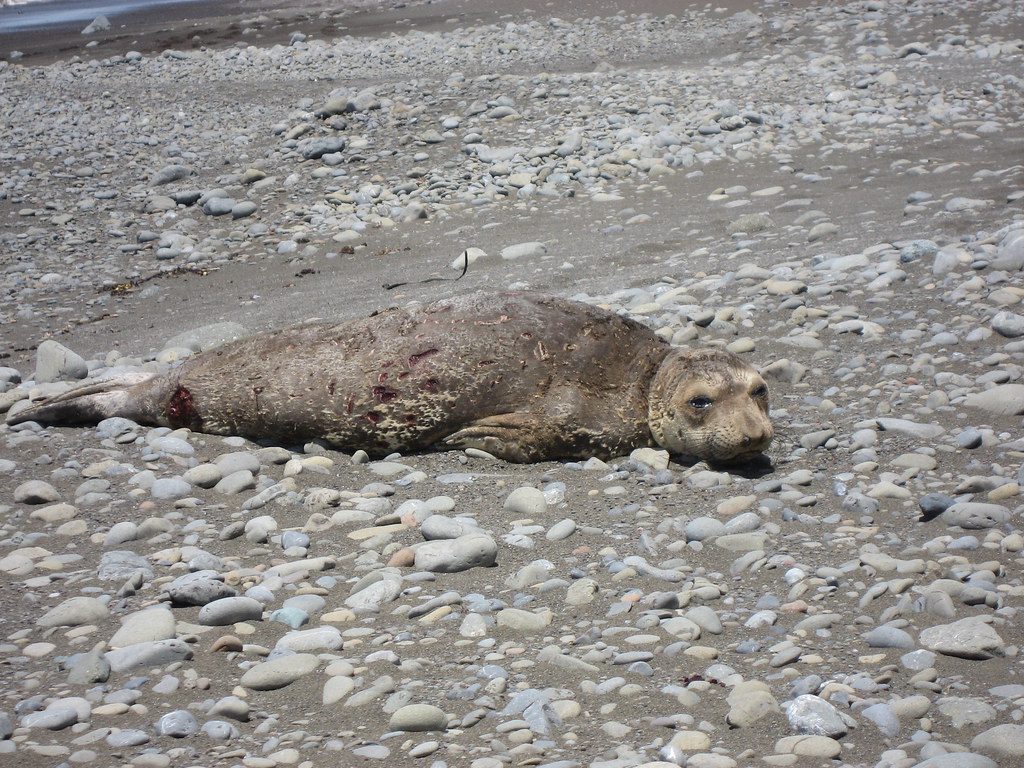
    dying seal” by bec.w is licensed under CC BY-NC 2.0

    The mother seal had become tangled in discarded fishing line that wrapped tightly around her body. The material caused pain and made it harder for her to move freely through the water.

    As rescuers prepared to help, the seal was frightened and stressed. Every passing day increased the risk that the fishing line would tighten further and cause even more serious injuries.

    A baby seal refused to leave

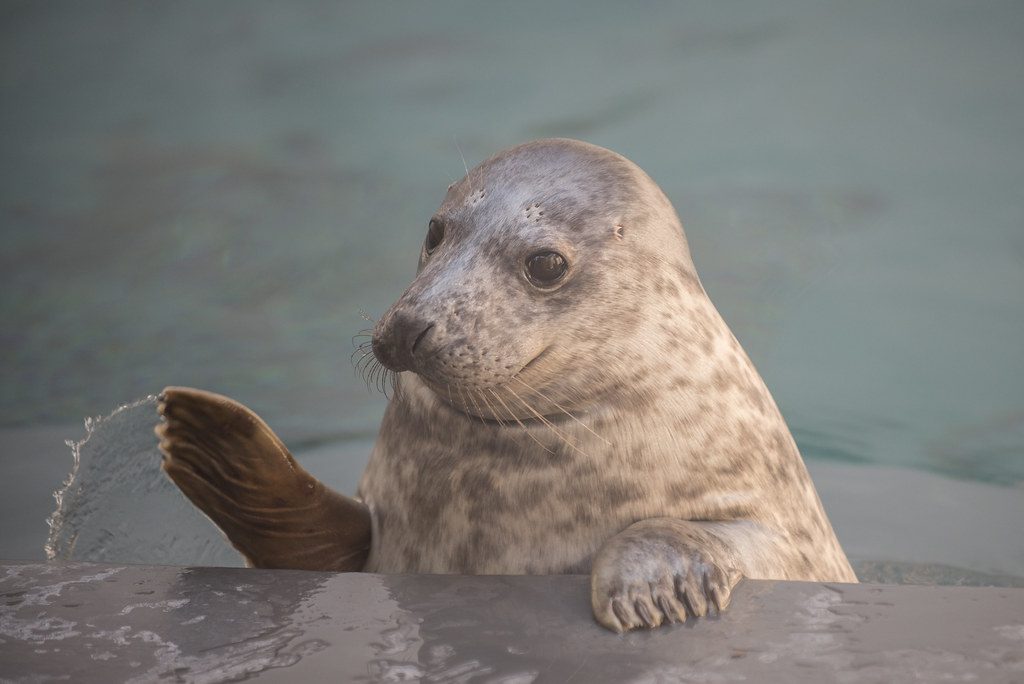
    Gray Seal Pup Update at the Smithsonian’s National Zoo” by Smithsonian’s National Zoo is licensed under CC BY-NC-ND 2.0

    Throughout the rescue, the tiny seal pup stayed close to his mother. Even with people nearby, he remained by her side instead of swimming away to safety.

    The touching scene showed the strong bond between a mother and her young. Many viewers were deeply moved as the baby appeared unwilling to leave until his mother was safe again.

    Why is fishing line so dangerous?

    Tangled fishing line” by Aristocrats-hat is licensed under CC BY 2.0

    Discarded fishing line, rope, and other marine debris can become deadly traps for seals. Curious young animals often play with floating objects without realizing the danger they pose.

    As seals continue to grow, the material can cut deeper into their skin, leading to painful wounds, infections, and difficulty swimming or feeding. Without rescue, many entangled animals do not survive.

    The rescue made all the difference

    Three men in casual outdoor clothing talking
    Photo by Frederick Shaw on Unsplash

    Experienced rescuers carefully approached the mother seal and removed the dangerous fishing line. Their quick actions gave her the chance to recover from injuries that could have become fatal.

    The rescue also allowed the baby seal to remain with his mother. What had begun as a heartbreaking situation ended with hope because trained wildlife experts arrived in time.

    Pollution affects more than one animal

    Polluted Water at Dakshinkali” by ankraut is licensed under CC BY-NC-SA 2.0

    Marine pollution rarely harms only a single animal. When a mother becomes trapped or injured, her young may also struggle because they depend on her for protection and care.

    This rescue highlighted how discarded fishing gear can affect entire seal families. A single piece of waste left in the ocean can have life-changing consequences for wildlife.

    A powerful reminder to protect the ocean

    Ocean” by Chris.L.Dodds is licensed under CC BY-SA 2.0

    The emotional rescue reminded millions of people that simple human actions can have lasting effects on marine life. Properly disposing of fishing gear and reducing ocean pollution can help prevent similar tragedies.

    The baby seal’s loyalty to his mother became the most memorable part of the rescue. It showed that wild animals form meaningful family connections and deserve healthy oceans where they can live free from unnecessary dangers.

  • 6 real animals that may have inspired the world’s most famous cryptids

    6 real animals that may have inspired the world’s most famous cryptids

    Stories of mysterious creatures have fascinated people for hundreds of years. From giant lake monsters to winged beasts and forest giants, these legends continue to capture the imagination.

    While science has not confirmed the existence of famous cryptids, researchers and wildlife experts have suggested that some sightings may have been inspired by unusual real animals. This article explores six remarkable species that resemble famous legends and explains why nature can sometimes appear just as mysterious as folklore.

    Could a giant sturgeon explain the Loch Ness Monster?

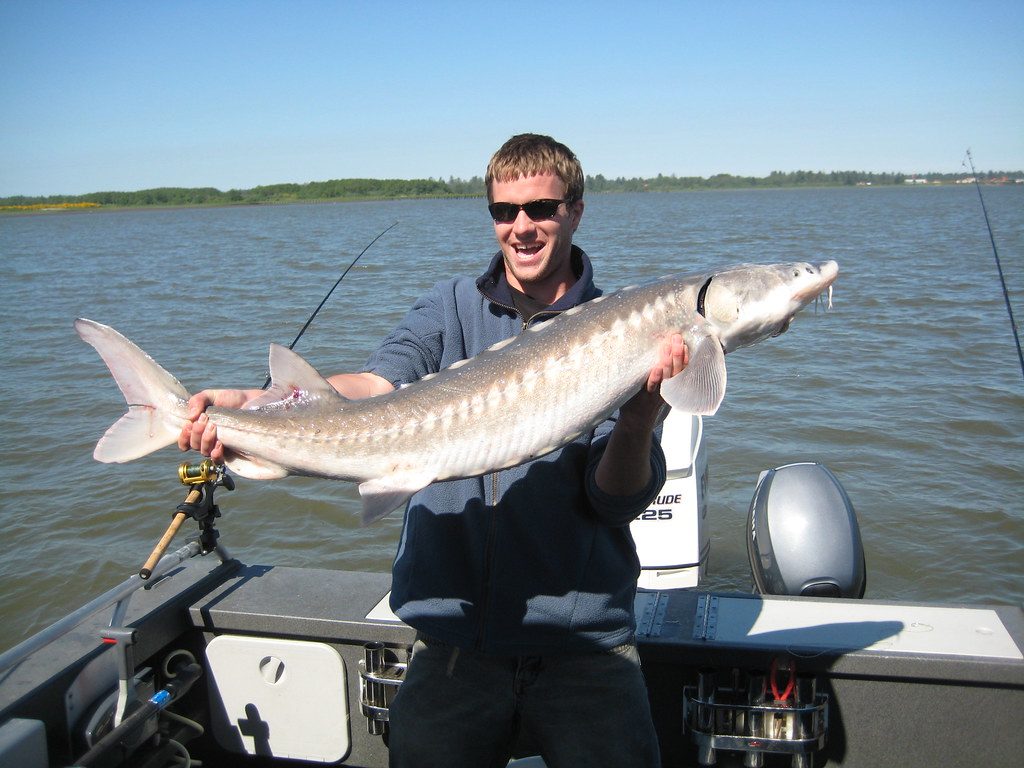
    Sturgeon Fishing” by Keltose is licensed under CC BY-NC-SA 2.0

    Large sturgeon are among the oldest fish alive today. Some species can grow to several meters long and have rows of bony plates that give them an unusual prehistoric appearance.

    When viewed from a distance in dark water, a large sturgeon could appear very different from an ordinary fish. Some researchers have suggested that rare sightings of oversized fish may have contributed to stories about the Loch Ness Monster, although no evidence links sturgeon directly to the legend.

    Could giant birds inspire Thunderbird stories?

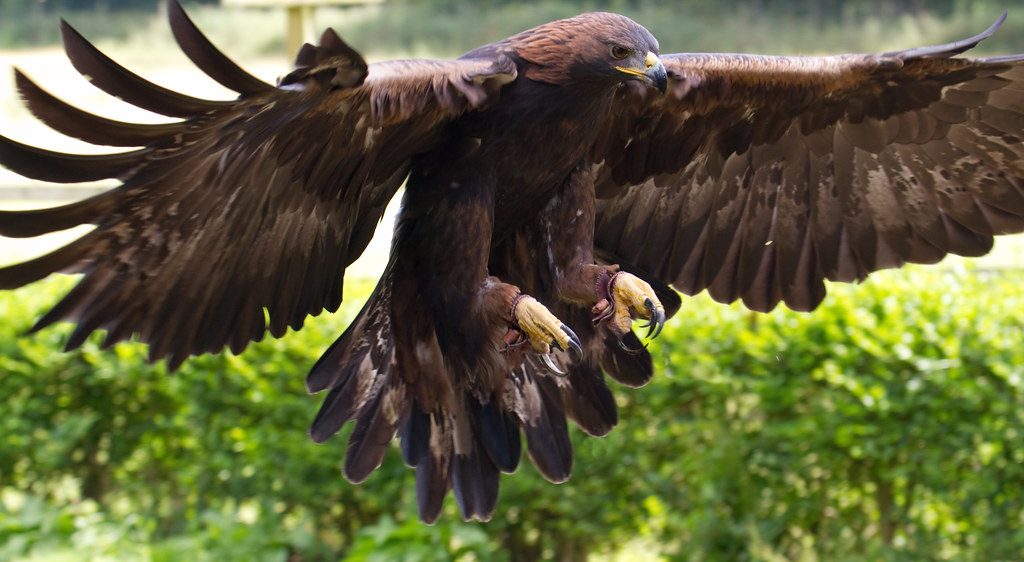
    Golden Eagle 12a” by ahisgett is licensed under CC BY 2.0

    Many Native American traditions include stories of enormous birds known as Thunderbirds. These legends existed long before modern wildlife studies and remain an important part of Indigenous cultures.

    Large birds such as bald and golden eagles, and other birds of prey, can appear much larger than expected, especially when seen from a distance or in flight. While they do not match the legendary Thunderbird, unexpected encounters with impressive birds may help explain some reported sightings.

    Why the hammer-headed bat resembles the Jersey Devil

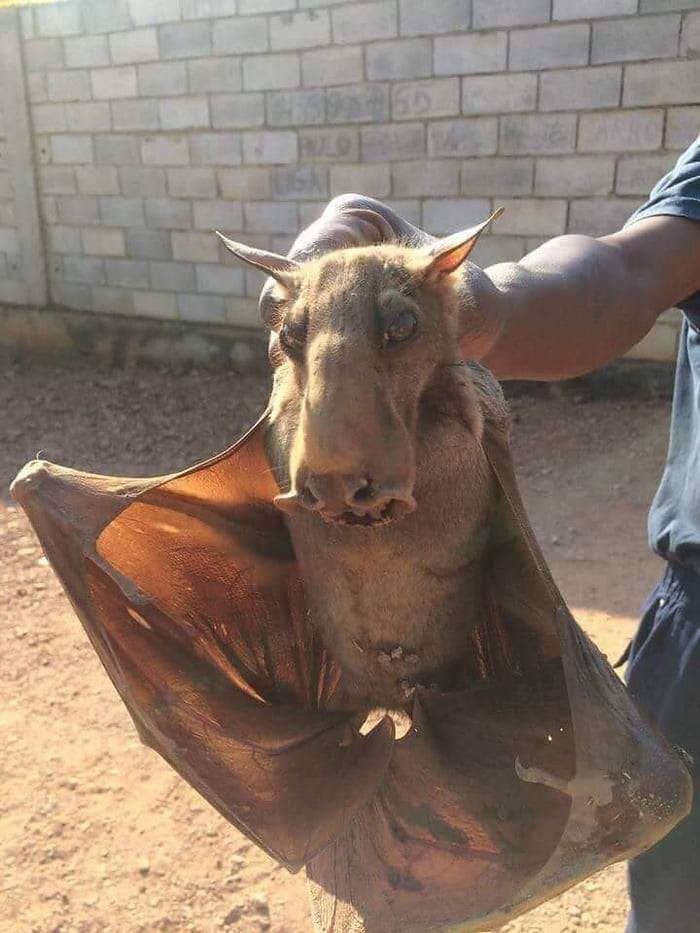
    The hammer-headed bat” by w_kites is licensed under CC BY-SA 2.0

    The hammer-headed bat from Central Africa has one of the most unusual faces in the animal kingdom. Its large head and striking appearance have led many people to compare it with artistic depictions of the Jersey Devil.

    Scientists do not consider the hammer-headed bat a likely explanation for the Jersey Devil because the species is native to Africa and has never established wild populations in North America. The resemblance is visual rather than scientific.

    Why Bigfoot remains unproven

    Bigfoot statue” by Olivander is licensed under CC BY-NC-SA 2.0

    The famous 1967 Patterson Gimlin film helped make Bigfoot one of the world’s best-known cryptids. Decades later, scientists still have no verified physical evidence showing that Bigfoot is a real species.

    Many reported sightings later proved to be bears, people in costume, or mistaken observations. Even so, the legend continues to inspire documentaries, books, and wildlife discussions worldwide.

    Could owls explain Mothman sightings?

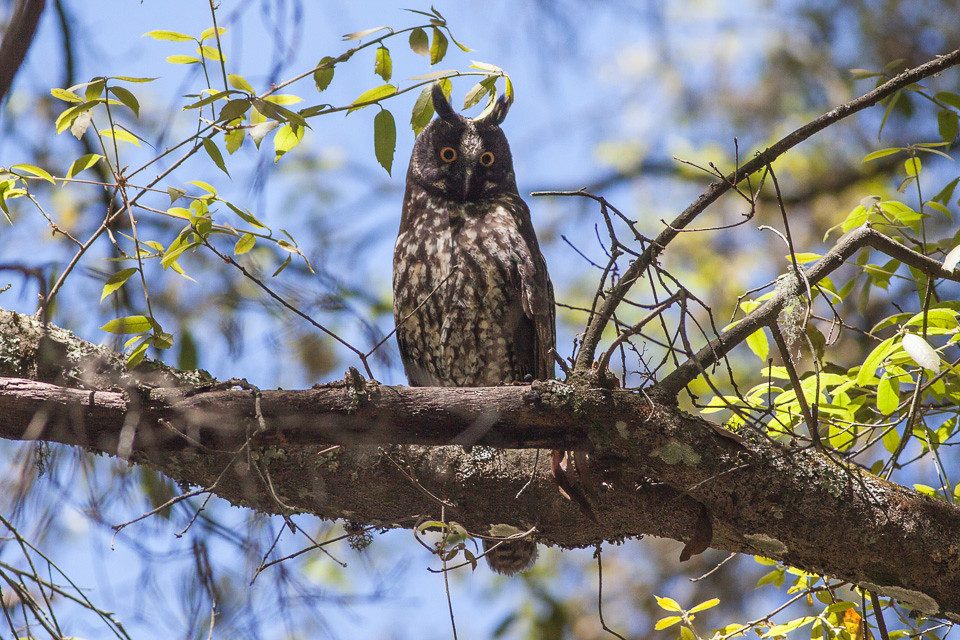
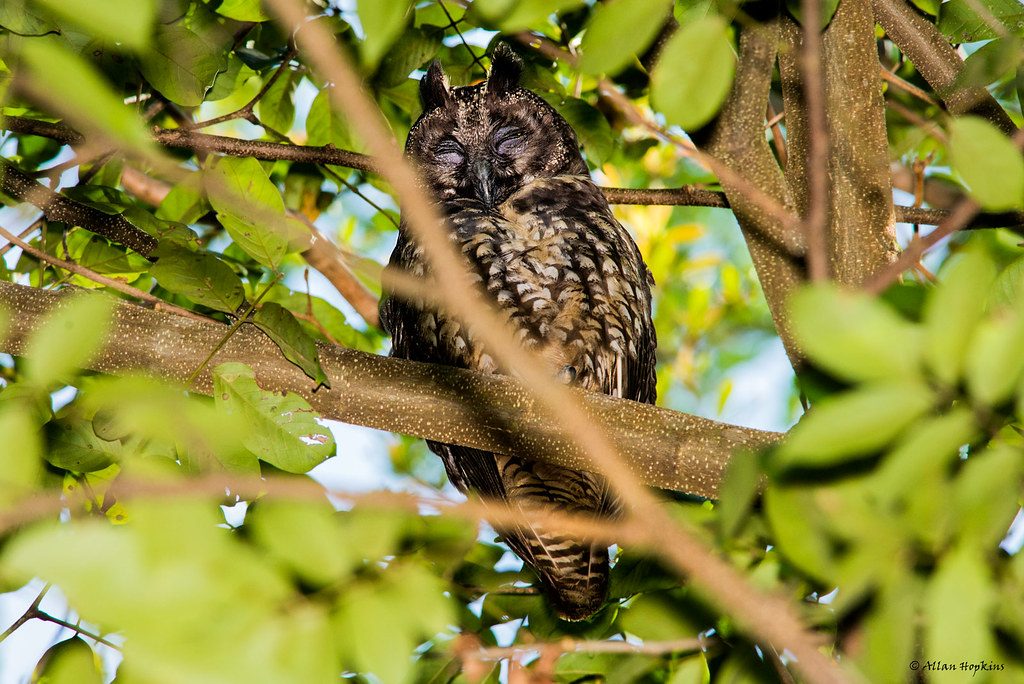
    Stygian Owl (Asio stygius siguapa)” by Allan Hopkins is licensed under CC BY-NC-ND 2.0

    The Stygian owl is a real bird with dark feathers, bright eyes, and a startling appearance in low light. Like many nocturnal birds, it can appear much larger and stranger than expected during brief nighttime encounters.

    Although there is no evidence linking the species to the Mothman legend, wildlife experts have often noted that unfamiliar birds seen in poor light can be mistaken for something much more mysterious.

    Could a coyote explain Chupacabra sightings?

    animal standing on grass during day
    Photo by Dylan Ferreira on Unsplash

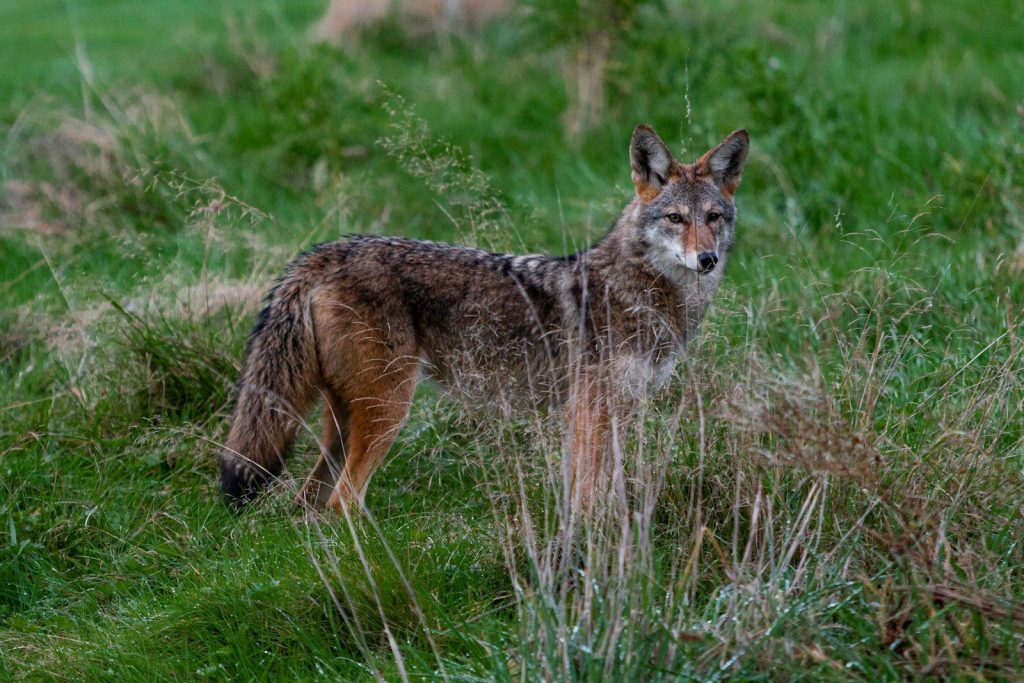
    Many reported “chupacabra” sightings have later been identified as coyotes or dogs suffering from severe mange. Hair loss caused by the disease can leave these animals with wrinkled skin, a thin body, and an appearance that is very different from that of a healthy wild animal.

    Although the chupacabra remains a legend with no confirmed scientific evidence, wildlife experts have repeatedly linked many modern sightings to diseased coyotes. The striking appearance of these animals helps explain why they are often mistaken for mysterious creatures.

  • Rescuers almost missed the hidden trap that was slowly killing this young seal

    Rescuers almost missed the hidden trap that was slowly killing this young seal

    Sometimes the greatest danger is the one that nobody notices. That was the case for a young seal carrying a hidden trap that caused pain every day, yet remained almost invisible to the people around it. Even experienced rescuers nearly missed the problem before finally spotting it.

    By then, the seal had already spent a long time living with discomfort and an uncertain future. This article tells the story of the remarkable rescue, explains why hidden entanglements are so dangerous, and shows how one careful observation gave this seal a second chance.

    A hidden danger no one could easily see

    seal lying on gray sand during daytime
    Photo by Steve Adams on Unsplash

    At first glance, the seal appeared to be moving normally among many other animals. Nothing immediately suggested that it was in serious trouble, making the hidden trap extremely difficult to notice.

    As time passed, the unseen object continued causing pain. Because the danger blended into the seal’s body and surroundings, it remained hidden even from people who regularly watched the colony.

    Living with pain every single day

    sea lion on white sand during daytime
    Photo by Steve Adams on Unsplash

    The seal continued swimming, resting, and searching for food while carrying the hidden trap. Every movement likely added more pressure as the object stayed tightly wrapped around its body.

    Without help, these types of entanglements can become worse as young seals grow. What begins as a small problem may slowly lead to deep wounds, infection, and increasing difficulty moving or feeding.

    The moment rescuers finally noticed

    Three men in casual outdoor clothing talking
    Photo by Frederick Shaw on Unsplash

    During a careful search, rescuers spotted the subtle sign that everyone else had overlooked. What seemed like a normal seal was actually carrying a dangerous piece of debris that needed immediate attention.

    Once the problem was identified, the rescue team acted quickly. Their experience and patience allowed them to approach the seal safely and remove the hidden trap before further damage could occur.

    Why entanglements are so dangerous

    selective focus photography of seal lying on ground
    Photo by Pascal Mauerhofer on Unsplash

    Marine debris such as discarded fishing line, rope, and plastic loops can tighten over time as seals continue to grow. Because these animals are active swimmers, the material often cuts deeper into the body instead of falling away.

    Many entangled seals survive for weeks or even months despite injuries that become increasingly severe. Early detection greatly improves the chances of a successful rescue.

    A powerful reminder for wildlife conservation

    white and black seal on ice
    Photo by Héloïse Delbos on Unsplash

    The rescue showed how easily dangerous debris can go unnoticed in the wild. Even trained wildlife teams sometimes need several opportunities before spotting an entangled animal hidden among hundreds of healthy seals.

    Removing marine debris from beaches and coastal waters can help reduce these injuries. Every successful rescue also reminds people of the importance of protecting ocean wildlife from human-made hazards.

    Relief at last

    sealion on top of rock
    Photo by Pascal Mauerhofer on Unsplash

    After the hidden trap was removed, the seal was finally free from the object that had caused so much pain. The rescue marked the end of a long period of suffering and the beginning of recovery.

    The emotional moment demonstrated how a single act of careful observation can change an animal’s future. It also reminded everyone that some of the most serious threats to wildlife are the hardest to see.

  • GoPro footage reveals life beneath the surface

    GoPro footage reveals life beneath the surface

    Most people only see the surface of the water, leaving the underwater world hidden. By attaching a small camera to a fish, researchers captured a completely different perspective of life beneath the surface. As the fish moved naturally through its habitat, the camera recorded scenes that divers and boats rarely witness.

    The footage revealed sudden encounters, changing landscapes, and the constant challenges of survival. This article explores what the fish’s journey revealed, why this viewpoint is so valuable, and how animal-borne cameras are helping scientists better understand marine life.

    A new way to explore the underwater world

    a body of water filled with lots of green plants
    Photo by Nicole Bomar on Unsplash

    The experiment began with a small camera attached to a fish. Instead of filming from a boat or by a diver, the camera traveled wherever the fish naturally swam, creating a true underwater point of view.

    This unique perspective captured scenes that would be difficult for humans to observe. Every turn, every burst of speed, and every encounter happened naturally without the fish changing its behavior for the camera.

    The ocean looked completely different

    gray turtle
    Photo by Francesco Ungaro on Unsplash

    What seemed calm from above was full of activity below. As the fish moved through its environment, the scenery changed quickly between open water, underwater plants, rocks, and other habitats.

    The footage showed a world where every movement mattered. Small changes in direction could lead to new food sources, nearby shelter, or unexpected encounters with other marine animals.

    Life beneath the surface is always changing

    black and white bird flying over the sea
    Photo by Naja Bertolt Jensen on Unsplash

    The fish’s journey revealed that underwater life is rarely still. Schools of fish appeared and disappeared within seconds, while different habitats created constantly changing surroundings.

    The rapid pace of these changes highlighted the need for marine animals to remain alert. Every moment can bring new opportunities and dangers in an environment that is always in motion.

    Why this perspective is valuable

    rocks on sea bed
    Photo by Yannis Papanastasopoulos on Unsplash

    Scientists have long used underwater cameras to study marine life, but animal-borne cameras provide a view that stationary equipment cannot. Instead of waiting for animals to pass by, the camera follows them wherever they go.

    This approach helps researchers better understand movement patterns, habitat use, feeding behavior, and interactions with other species while causing minimal disturbance to natural behavior.

    Learning how fish survive

    three shark underwater
    Photo by Talia Cohen on Unsplash

    The footage offered a closer look at how fish respond to their surroundings. Quick changes in direction, careful movement around obstacles, and interactions with other animals all reflected the daily challenges of survival.

    Observing these natural behaviors helps researchers understand how fish use different habitats and adapt to changing underwater conditions. Every journey provides valuable insights into marine ecosystems.

    Seeing the ocean through different eyes

    gray and black fish under water
    Photo by Francesco Ungaro on Unsplash

    Watching the ocean from a fish’s perspective creates an experience that feels both natural and surprising. Instead of observing wildlife from outside the water, viewers become part of the fish’s journey through its environment.

    The experiment also reminds us that much of the underwater world remains unseen. New technologies continue to reveal hidden behaviors and environments, giving scientists and the public a better understanding of life beneath the waves.

  • Rare shark fight reveals ocean’s fierce rivals

    Rare shark fight reveals ocean’s fierce rivals

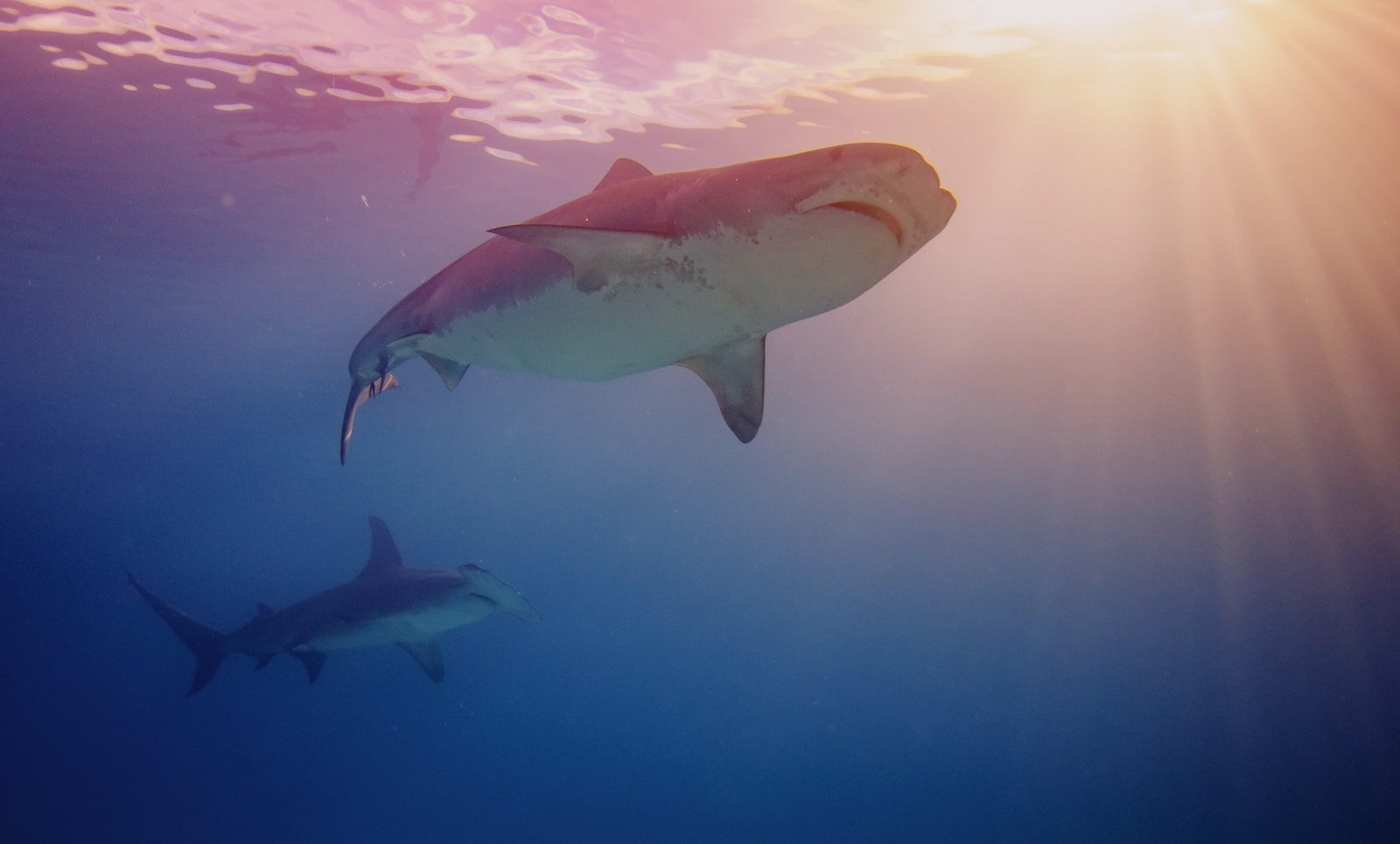
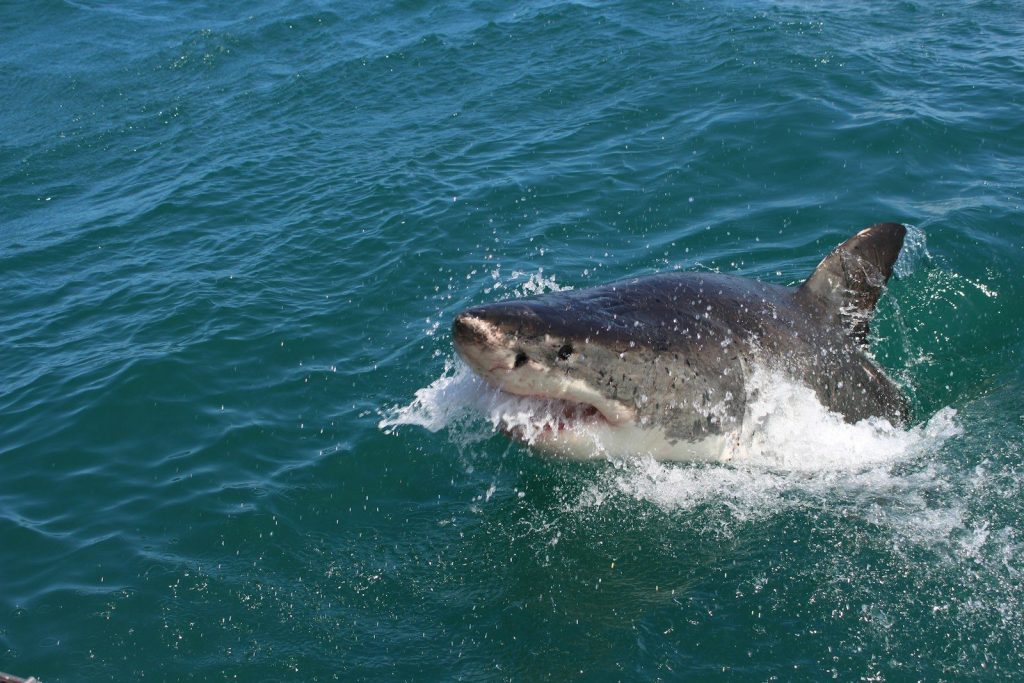
    Sharks are often seen as the ocean’s top predators, but they do not always hunt fish or marine mammals. Sometimes, they fight each other. A rare underwater video captured a violent battle between sharks, revealing a side of ocean life that few people ever witness.

    Every powerful strike and sudden burst of movement showed how dangerous these encounters can become. This article explains why sharks sometimes fight, what scientists know about these rare battles, and what they reveal about survival at the top of the ocean food chain.

    A rare underwater battle

    shark on sea
    Photo by Alex Steyn on Unsplash

    The dramatic footage captured two sharks engaged in a violent struggle beneath the surface. Powerful movements, sudden attacks, and rapid changes in direction highlighted the strength of these apex predators.

    Such encounters are rare because they often occur far from shore or deep underwater. When recorded, they provide valuable insight into natural shark behavior that scientists and the public rarely observe.

    Why sharks fight each other

    underwater photography of school of gray shark
    Photo by Jakob Owens on Unsplash

    Not every shark encounter involves hunting smaller fish. Sharks may fight over food, defend territory, compete for mates, or attack smaller sharks as prey, depending on the species involved.

    Some shark species prey on smaller sharks in certain situations. These interactions are part of the natural balance of marine ecosystems and help shape predator populations in the wild.

    Life as an apex predator

    white shark
    Photo by Karen Zhang on Unsplash

    Being an apex predator does not guarantee safety. Even the ocean’s most powerful hunters can face competition from other large predators searching for the same resources.

    These encounters demonstrate that survival depends on strength, experience, and opportunity. In the open ocean, even dominant predators must constantly respond to changing conditions and competing animals.

    Why are these encounters rarely filmed?

    two black sharks in water
    Photo by Gerald Schömbs on Unsplash

    Most shark interactions occur far below the surface or in remote parts of the ocean, where few people are present. As a result, scientists rely on underwater cameras, research expeditions, and occasional eyewitness footage to study this behavior.

    Every recorded encounter helps researchers better understand how sharks interact with one another. Rare videos can reveal behaviors that are difficult to document through traditional field studies alone.

    What shark battles teach scientists

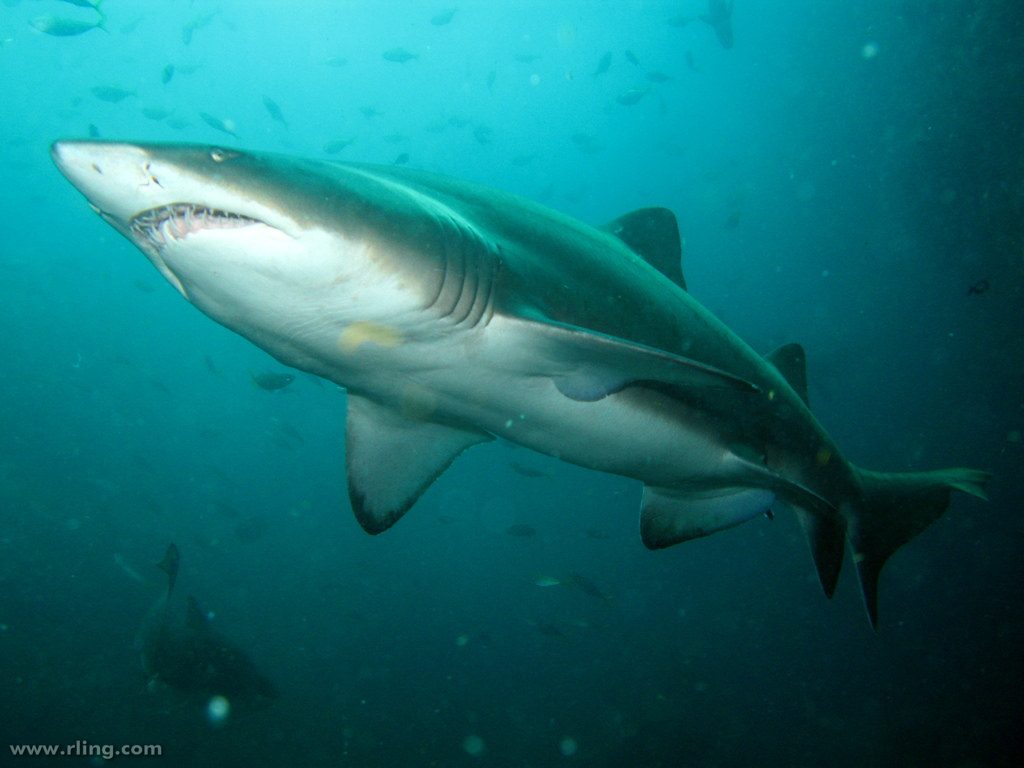
    Grey Nurse Shark” by richard ling is licensed under CC BY-NC-ND 2.0

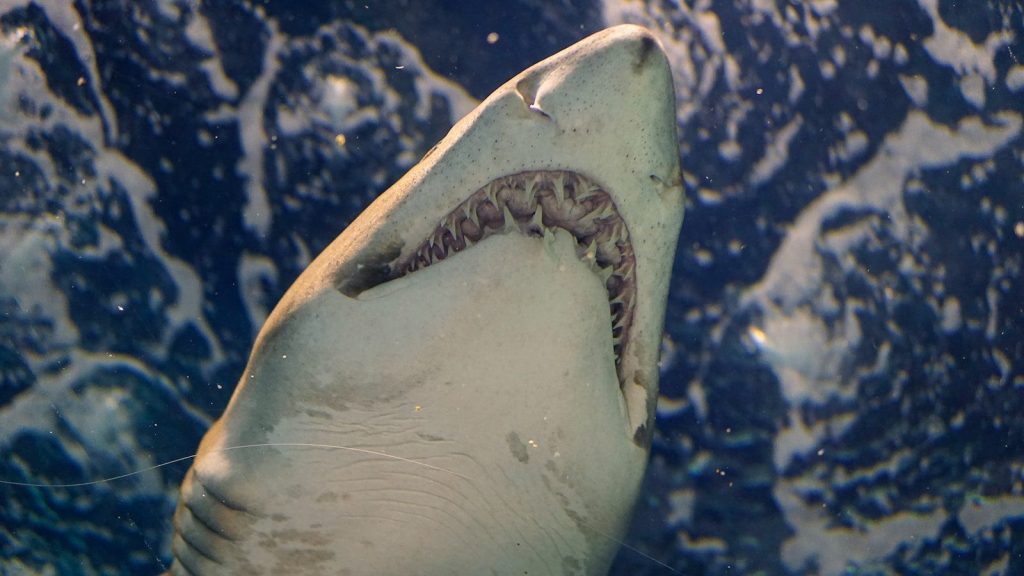
    Observing sharks during aggressive encounters provides valuable information about feeding behavior, competition, and social interactions. These observations help researchers understand how different shark species share habitats and resources.

    Although dramatic, these fights are a natural part of ocean life. They reflect the constant competition among predators at the top of the marine food web.

    A reminder of the ocean’s hidden world

    a couple of sharks swimming in the ocean
    Photo by Oliver Tsappis on Unsplash

    The shark fight revealed a side of the ocean that most people never see. Beneath the calm surface, powerful predators are constantly making decisions that determine whether they survive or become another animal’s meal.

    As underwater technology continues to improve, scientists are gaining new opportunities to study these elusive moments. Each new recording helps uncover another piece of the complex lives of the ocean’s most formidable predators.

  • Rare giant oarfish washes ashore

    Rare giant oarfish washes ashore

    A giant fish with a bright red fin and a long silver body can look more like a sea monster than a real animal. That is exactly why videos of giant oarfish spread so quickly whenever one washes up on a beach.

    Most people never see these unusual fish alive because they spend nearly their entire lives deep beneath the ocean’s surface. This article explains where giant oarfish live, why they are so rarely seen, what makes them look so unusual, and why scientists are still learning about one of the ocean’s most mysterious giants.

    A giant from the deep ocean

    oarfish – detail” by Tim Evanson is licensed under CC BY-SA 2.0

    The giant oarfish spends its life far below the surface, often living hundreds to thousands of feet beneath the waves. Because it rarely comes close to shore, encounters with living oarfish are extremely uncommon.

    When one washes up on a beach, it quickly attracts attention. Many people have never seen an animal like it before, making every stranding an important event for both the public and marine scientists.

    Why does it look like a sea monster

    oarfish” by Tim Evanson is licensed under CC BY-SA 2.0

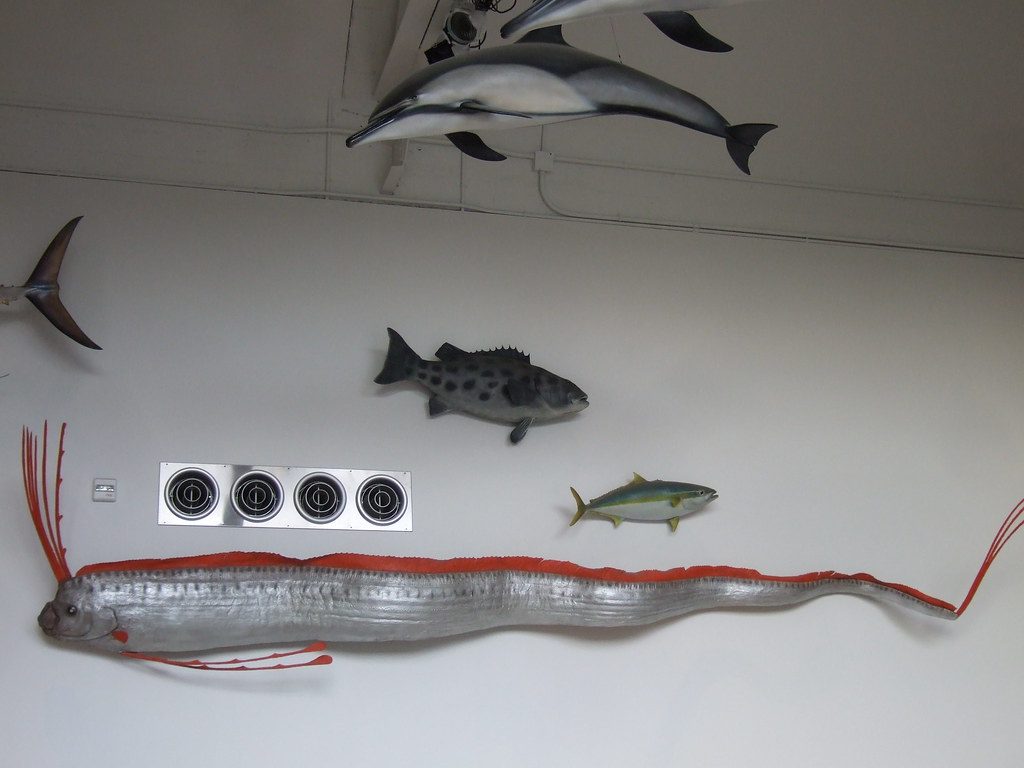
    The giant oarfish has a long ribbon-like body that can reach impressive lengths. Its silver skin, protruding jaw, and bright red dorsal fin give it an appearance unlike almost any other fish.

    For centuries, these unusual features have inspired stories about sea serpents and ocean monsters. Today, scientists know the fish is real, but its appearance remains just as remarkable as the old legends.

    Why scientists rarely see them alive

    Oarfish head” by CSUF Photos is licensed under CC BY-NC-SA 2.0

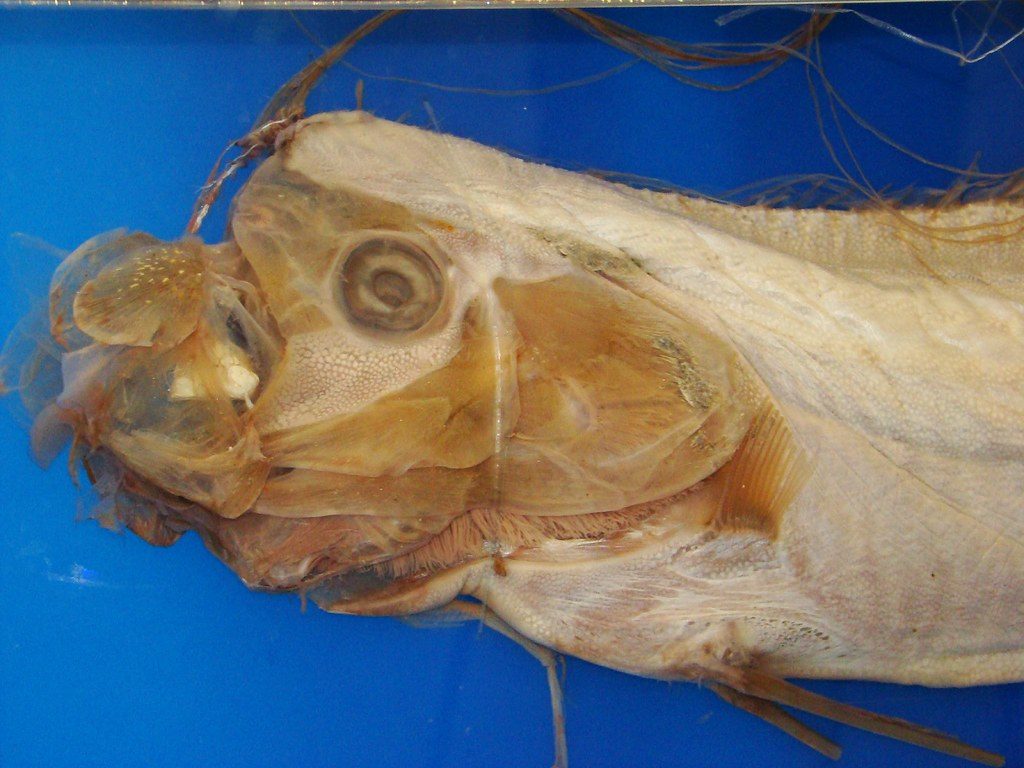
    Oarfish live in deep ocean waters where sunlight barely reaches. Their habitat makes it difficult for researchers to observe them in the wild, so much of what scientists know comes from stranded animals or rare underwater sightings.

    Most oarfish that reach the surface are sick, injured, or dying. Healthy individuals usually remain in the deep ocean, far away from people and coastal waters.

    The truth behind the mystery

    Oarfish Research” by CSUF Photos is licensed under CC BY-NC-SA 2.0

    In some cultures, giant oarfish are known as “doomsday fish” because folklore claims they appear before earthquakes or tsunamis. These stories have spread widely whenever an oarfish washes ashore.

    Scientists have found no reliable evidence that oarfish can predict natural disasters. Most researchers believe the strandings are more likely linked to illness, injury, or changing ocean conditions than to upcoming earthquakes.

    What researchers still do not know

    Oarfish” by lierne is licensed under CC BY-NC 2.0

    Despite being one of the longest bony fish in the world, the giant oarfish remains difficult to study. Researchers are still learning about its behavior, reproduction, lifespan, and movements through the deep ocean.

    Every stranded specimen gives scientists a valuable chance to examine an animal that is rarely available for research. Each new discovery helps fill gaps in our understanding of this elusive species.

    A reminder of the ocean’s hidden life

    Oarfish” by muzina_shanghai is licensed under CC BY-NC-ND 2.0

    The giant oarfish reminds us that much of the deep ocean is still unexplored. Even today, scientists continue discovering new information about animals that spend their lives far below the surface.

    When an oarfish washes ashore, it may look like a mythical sea monster. In reality, it is one of the ocean’s most extraordinary fish and a reminder that many mysteries still exist beneath the waves.

  • The mysterious deep dives of giant manta rays

    The mysterious deep dives of giant manta rays

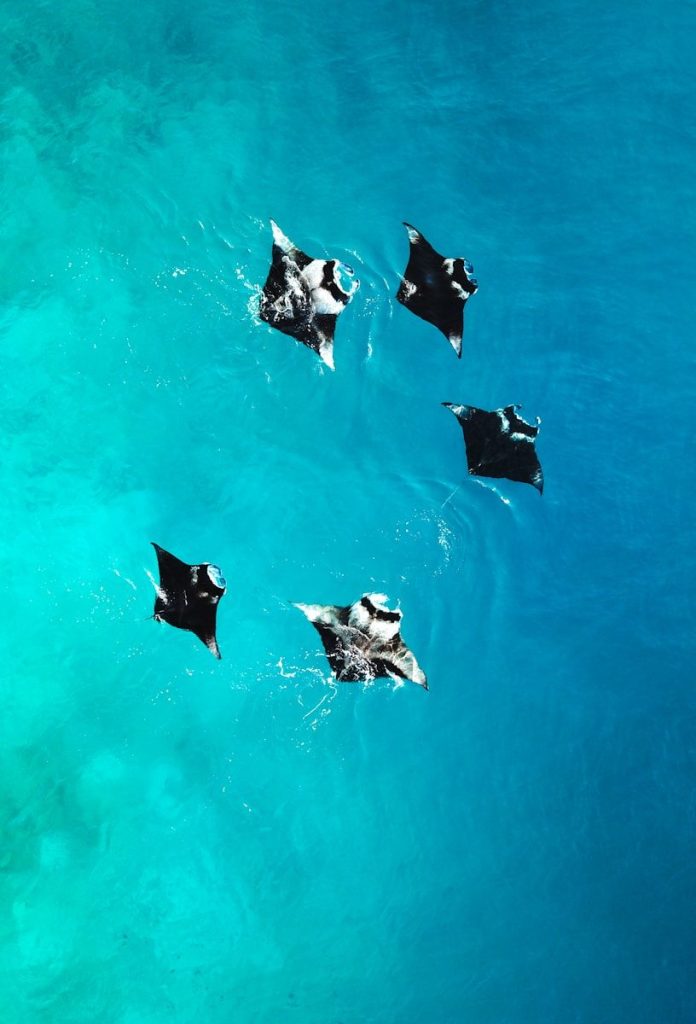
    A giant manta ray can appear from the deep ocean almost without a sound. With wings that can stretch close to 8 meters, these graceful animals move through the water like underwater aircraft. They glide with remarkable efficiency, yet they also make deep dives into dark, cold waters where sunlight barely reaches.

    Scientists are still discovering why they make these journeys and how intelligent they may be. This article explores the amazing abilities of giant manta rays, their mysterious deep dives, and why these gentle giants remain one of the ocean’s greatest mysteries.

    A giant built for effortless movement

    black and white whale under water
    Photo by naushad mohamed on Unsplash

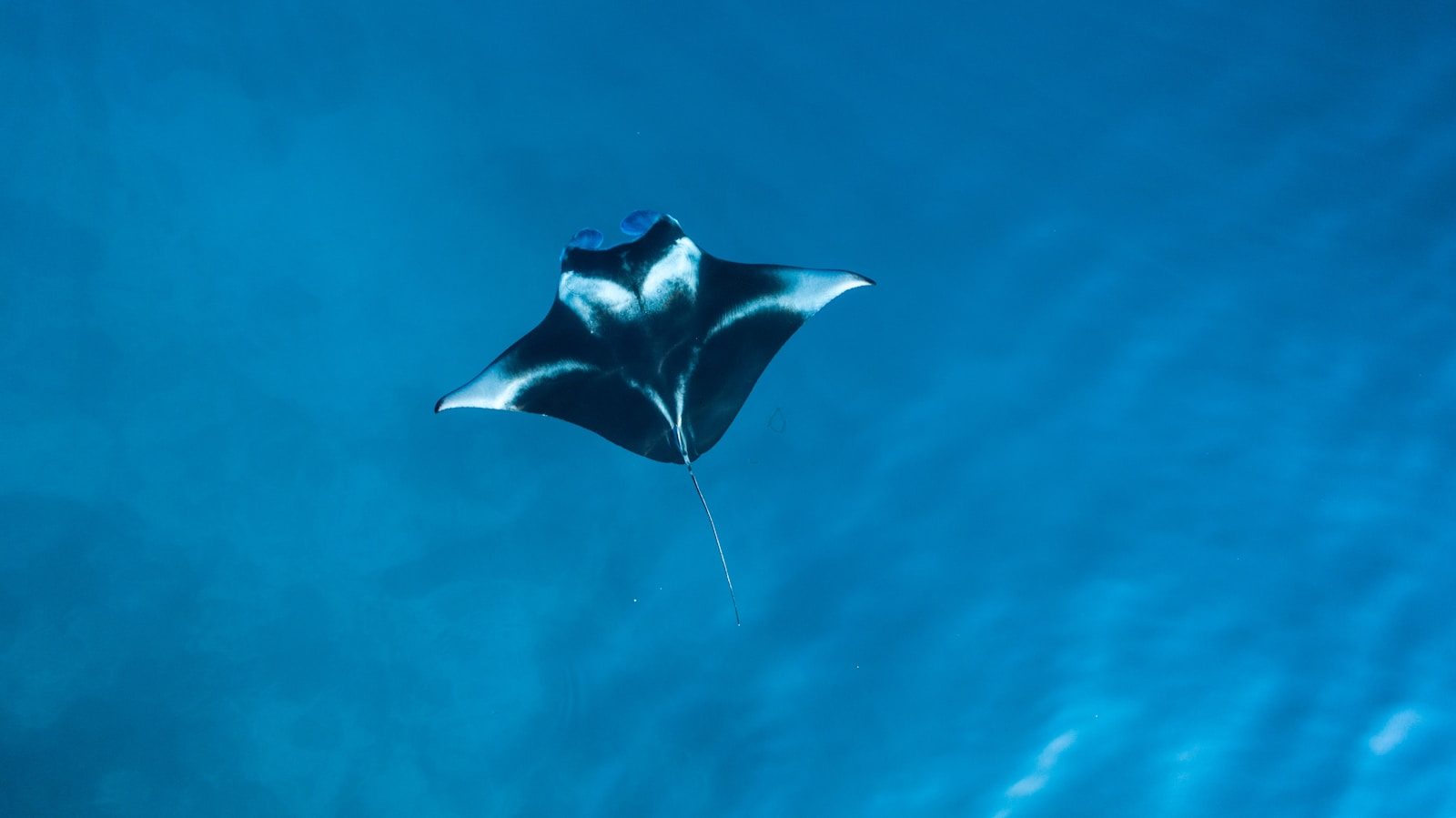
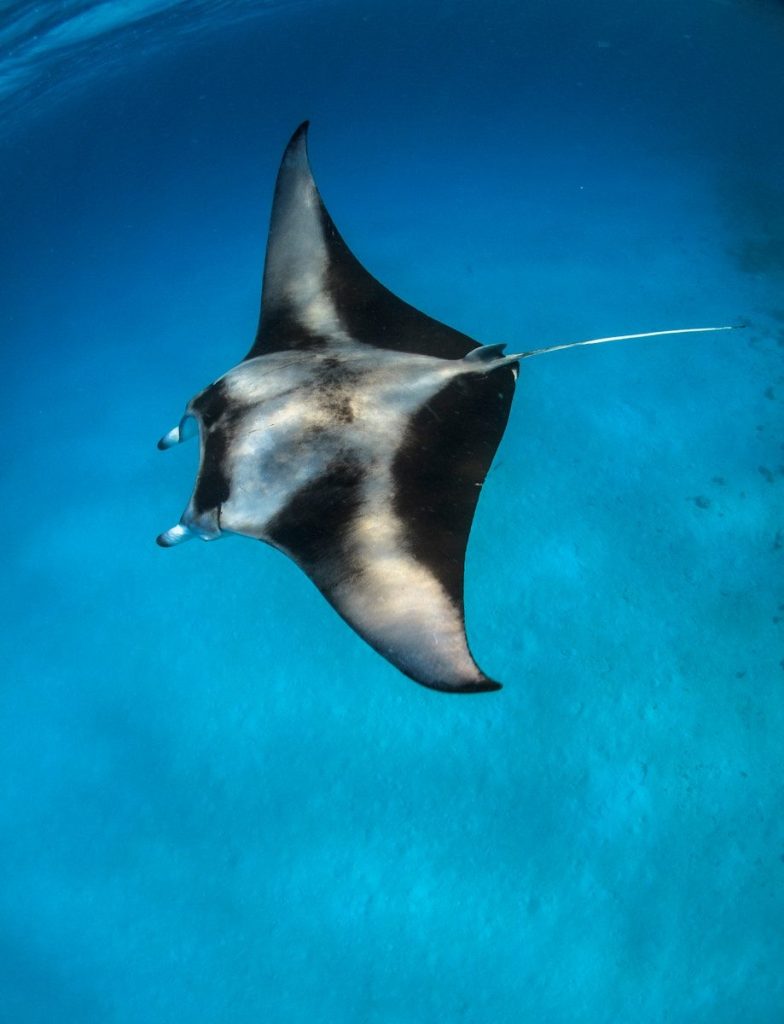
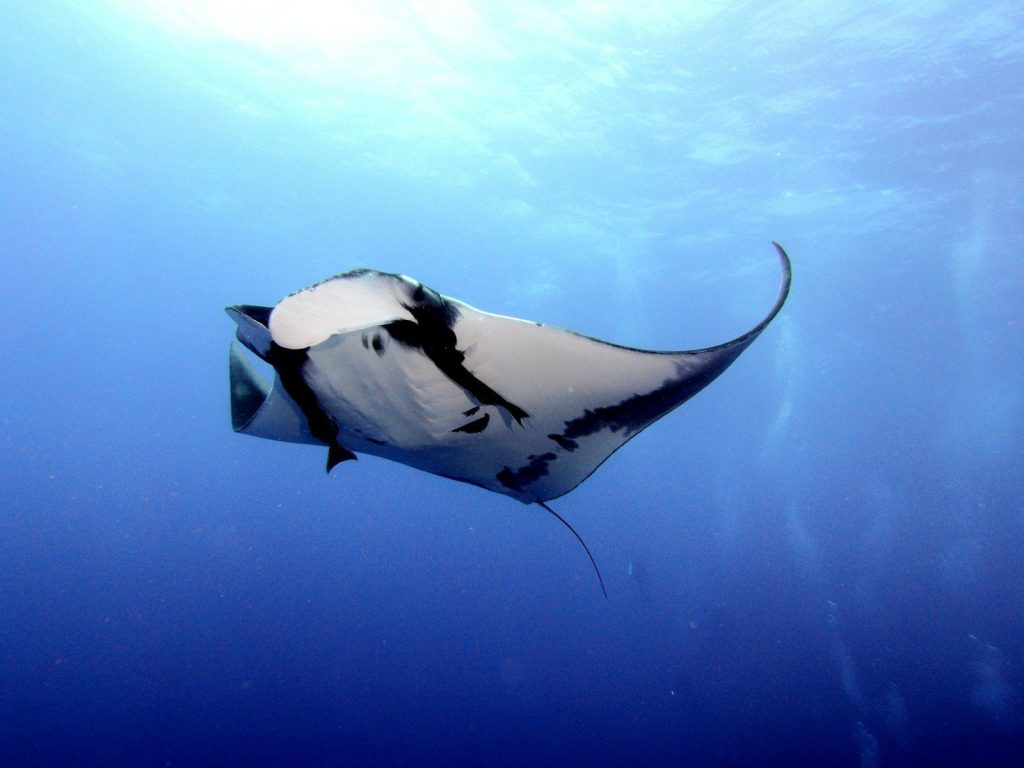
    The giant oceanic manta ray is the world’s largest ray. Its broad wing-like fins allow it to glide through the water with very little effort while searching for food across vast areas of the ocean.

    Unlike many other large marine animals, manta rays are filter feeders. They swim with their mouths open, collecting tiny zooplankton rather than hunting large prey. Their smooth movements help them travel long distances while using energy efficiently.

    Why do manta rays dive into the deep?

    A group of small boats floating on top of a body of water
    Photo by Adam Azim on Unsplash

    Although they are often seen near the ocean’s surface, giant manta rays regularly dive hundreds of meters into dark, cold water. These deep dives expose them to environments with little light and much lower temperatures.

    Scientists believe these dives may help manta rays gather information about their surroundings or locate food that lives far below the surface. Recent research suggests the dives may also help them navigate across the open ocean.

    More intelligent than many people realize

    black stingray on water
    Photo by Hoodh Ahmed on Unsplash

    Researchers have found that giant manta rays have the largest brain-to-body ratio of any fish. Studies also suggest they possess advanced learning abilities, strong memory, and complex problem-solving skills.

    Some research has even suggested that manta rays may recognize themselves in mirrors, a behavior associated with high levels of cognitive ability in only a small number of animal species. While scientists continue to study this behavior, the findings highlight how remarkable these animals may be.

    Their social lives are still being explored

    grey-and-black stingray in underwater photography
    Photo by Sebastian Pena Lambarri on Unsplash

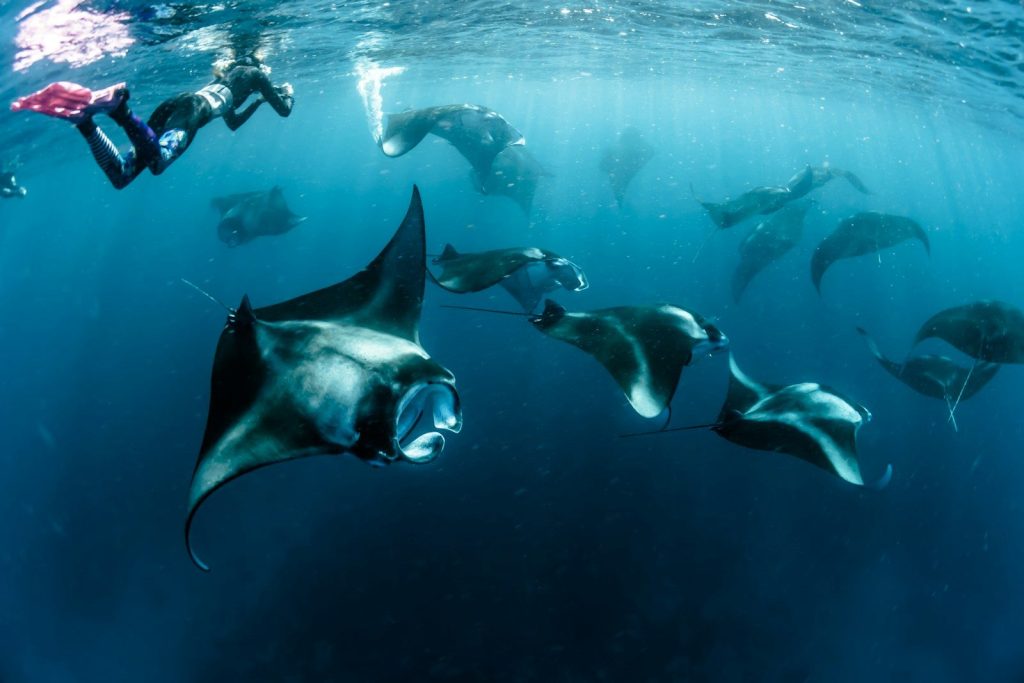
    Giant manta rays are not always solitary animals. Researchers have observed them gathering at feeding sites, cleaning stations, and other important locations where they interact with one another.

    Scientists are still learning how these interactions work. Recent studies suggest manta rays may have more organized social relationships than previously believed, but many questions about their communication and group behavior remain unanswered.

    Every discovery reveals new mysteries

    a group of fish swimming in the water
    Photo by Valentina Paschetto on Unsplash

    Despite decades of research, giant manta rays continue to surprise scientists. New tracking studies have shown that their deep dives are more complex than researchers once thought, raising fresh questions about how they use the open ocean.

    The deeper scientists investigate, the more they realize these animals are far from simple. Each new discovery reveals another part of a life that is still largely hidden beneath the waves.

    Why protecting manta rays matters

    time lapse photography of white and black stingray in water
    Photo by Swanson Chan on Unsplash

    Giant manta rays grow slowly, produce few young, and face threats from fishing, bycatch, and habitat changes. Because of these factors, protecting their populations is important for the future of the species.

    Learning more about how manta rays travel, feed, and interact helps scientists develop better conservation strategies. Every new study brings us closer to understanding and protecting one of the ocean’s most extraordinary animals.

  • Can sharks sense disasters before they happen?

    Can sharks sense disasters before they happen?

    The ocean often changes before people notice anything unusual. Some scientists believe sharks may detect these changes long before humans can. Studies have found that tagged sharks sometimes change their normal movements before earthquakes and other underwater events.

    While researchers are still trying to understand why this happens, the findings have raised exciting questions about how sharks sense their environment. This article explains what scientists have discovered, how sharks detect environmental changes, and why more research is needed before these behaviors can be used to predict natural disasters.

    Why scientists are studying shark behavior

    gray sharks
    Photo by Colton Jones on Unsplash

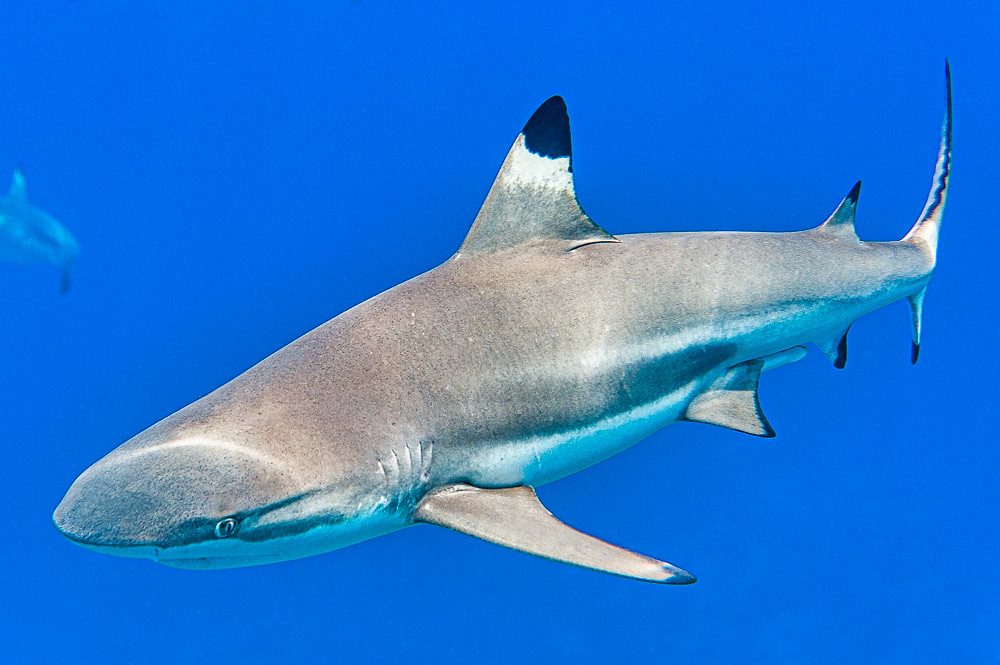
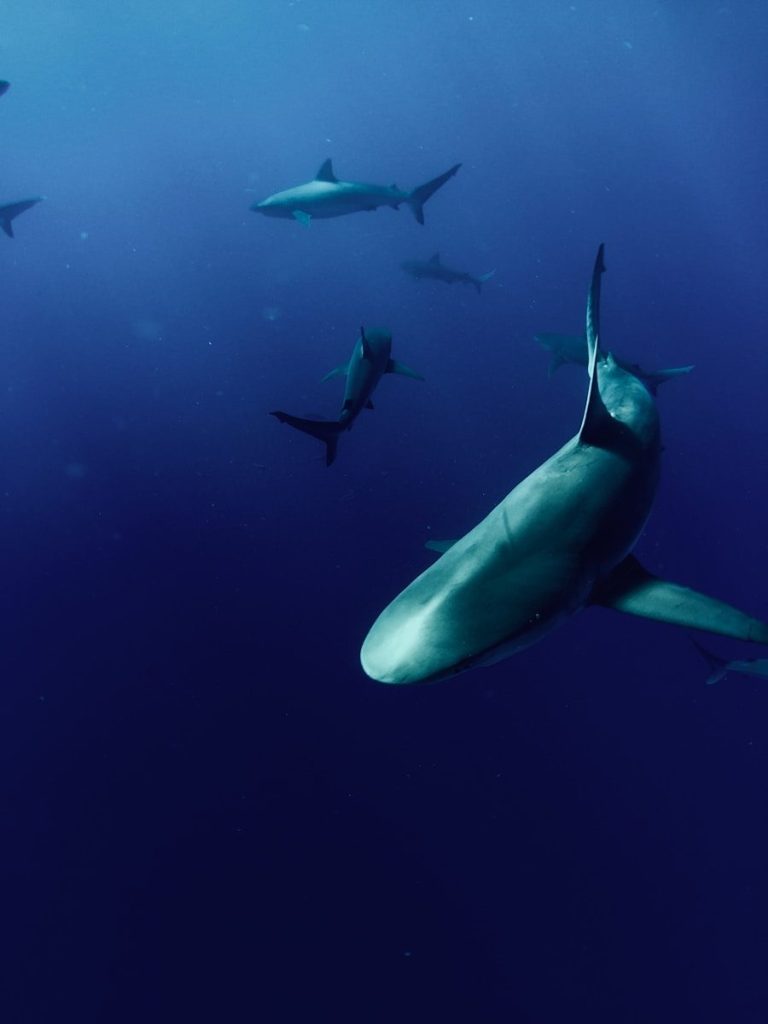
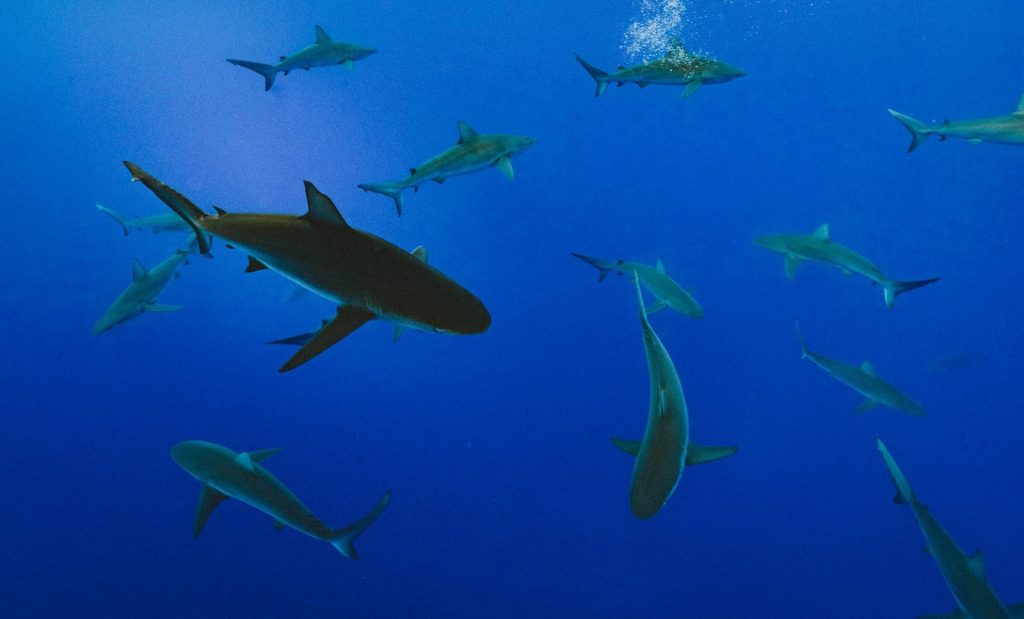
    Sharks have some of the most advanced senses in the animal kingdom. They can detect tiny electrical signals, water movement, and other environmental changes that most animals cannot notice.

    Because of these remarkable abilities, scientists have begun studying how sharks behave before earthquakes and other underwater events. Tagged sharks have occasionally shown unusual movement patterns before certain natural events, leading researchers to investigate whether the behaviors are connected.

    What researchers have observed

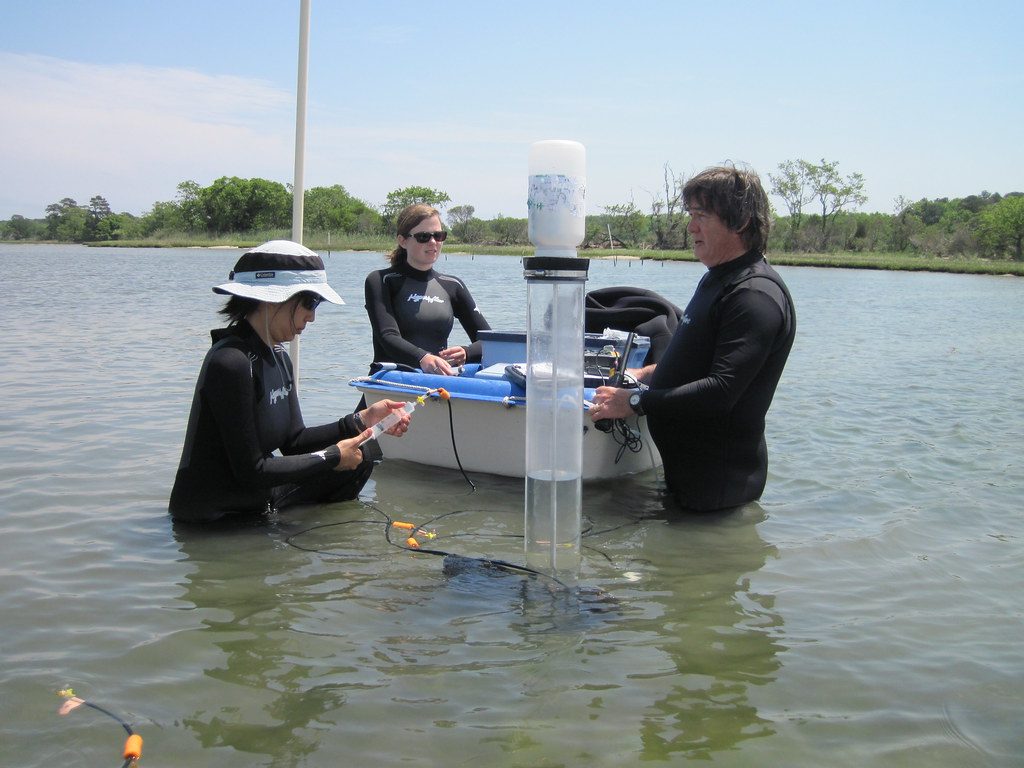
    Marine Scientist Jennifer Stanhope, VASG Graduate Research Fellow Annie Murphy, and Mark Luckenbach take water samples from the cores over the course of the day to measure the nutrient concentrations in the water. ©Margaret Pizer/VASG” by Virginia Sea Grant is licensed under CC BY-ND 2.0

    In several studies, sharks fitted with tracking devices moved differently before some underwater disturbances. Instead of following their normal travel routes, they changed direction or left certain areas before the events occurred.

    These observations have attracted scientific interest because the movement patterns appeared unusual compared with the sharks’ normal behavior. However, researchers stress that these findings do not yet prove sharks can predict earthquakes.

    How sharks may detect changes

    three shark underwater
    Photo by Talia Cohen on Unsplash

    One possible explanation involves electromagnetic fields. Sharks have special sensory organs called the ampullae of Lorenzini that allow them to detect extremely weak electrical fields produced by living animals and changes in their surroundings.

    Scientists have also suggested that sharks may respond to changes in water pressure or other environmental conditions that sometimes precede underwater geological events. At this stage, these ideas remain scientific hypotheses rather than proven explanations.

    Why the evidence is still limited

    white and black shark in water
    Photo by Alexandre Boucey on Unsplash

    Although the research is fascinating, scientists caution against drawing firm conclusions too soon. Unusual animal behavior has been reported before earthquakes for centuries, but establishing consistent scientific proof has been difficult.

    Many experts believe that more long-term tracking studies are needed. Researchers must determine whether sharks behave differently before earthquakes often enough to separate meaningful patterns from normal movement changes.

    What this could mean for science

    man in blue and orange zip up jacket wearing white helmet standing on boat during daytime
    Photo by NOAA on Unsplash

    If future research confirms a reliable connection, studying shark movements could improve our understanding of how marine animals respond to changes in the Earth’s environment. It could also reveal new information about shark biology and sensory systems.

    Even if sharks cannot predict disasters, their remarkable senses continue to help scientists learn more about the hidden world beneath the ocean’s surface. Every new study brings researchers closer to understanding these extraordinary predators.

    A mystery that still needs answers

    great white shark
    Photo by Marcelo Cidrack on Unsplash

    The idea that sharks may sense approaching natural disasters remains one of the most interesting questions in marine science. Their unusual movements before some underwater events have encouraged researchers to continue investigating the possibility.
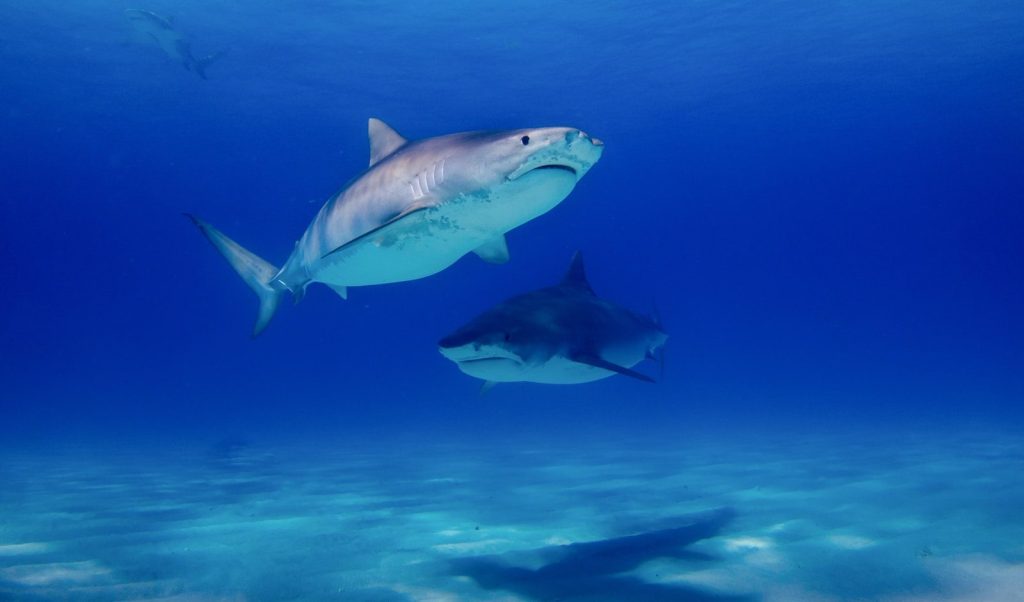
    For now, the evidence suggests there may be a connection, but it is not yet strong enough to say sharks can predict earthquakes or other disasters. Scientists will need much more data before reaching that conclusion.