Author: Ethan

  • Scientists found scars from deep-sea whale battles

    Scientists found scars from deep-sea whale battles

    Far below the ocean’s surface, where sunlight never reaches, one of Earth’s most remarkable predators is hunting. Sperm whales are massive animals that can weigh up to 60 tons and dive thousands of feet into complete darkness in search of food. These giants regularly pursue giant squid and other deep-sea prey in an environment filled with crushing pressure and extreme conditions.

    Yet hunting is only part of their story. Scientists are also discovering that sperm whales may have one of the most advanced communication systems in the animal kingdom. From mysterious scars left by deep-sea encounters to complex vocal patterns, these whales continue to reveal surprising secrets about life in the abyss.

    Life in the deep ocean
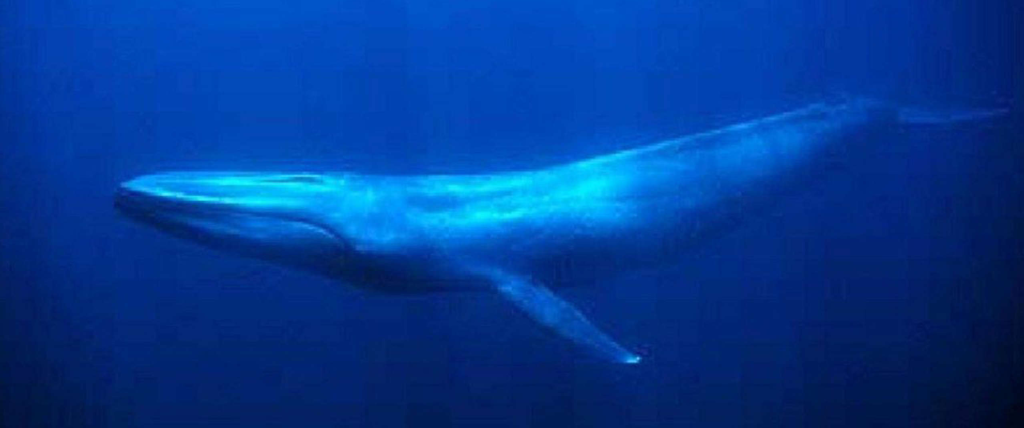
    “Blue Whale” by flickkerphotos is licensed under CC BY-NC-ND 2.0

    Sperm whales spend much of their lives exploring parts of the ocean that humans rarely see. They regularly dive to great depths where sunlight disappears, and temperatures drop significantly. These conditions create one of the most challenging environments on Earth.

    Despite these difficulties, sperm whales are perfectly adapted for deep diving. Researchers have documented their ability to spend long periods underwater while searching for prey. Their remarkable diving skills enable them to reach areas where many other predators cannot.

    Hunting giant prey in darkness
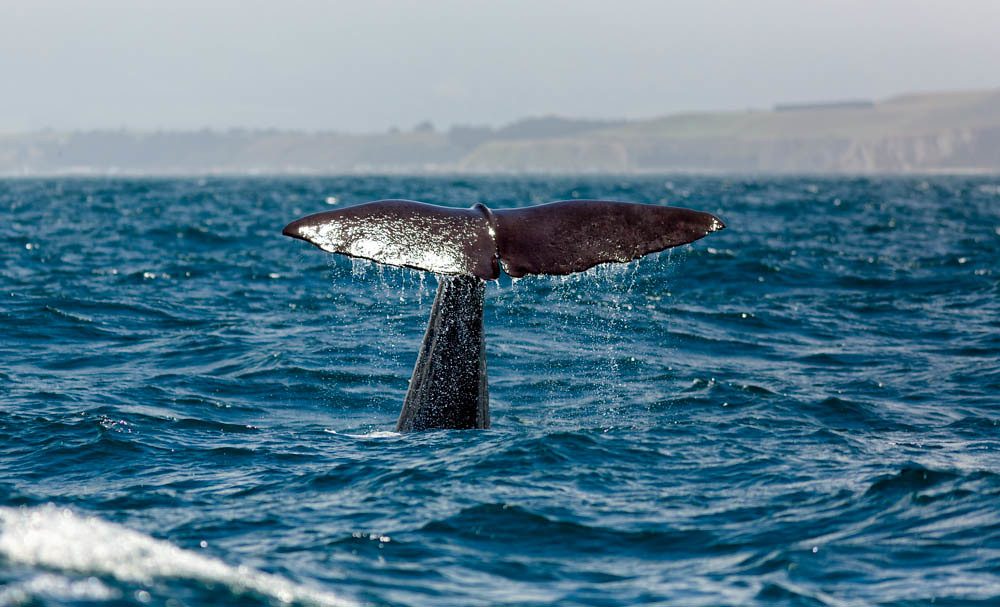
    Sperm Whale Diving” by stewartbaird is licensed under CC BY-NC-ND 2.0

    The deep ocean is home to giant squid and other large creatures that make up an important part of a sperm whale’s diet. Finding prey in complete darkness requires specialized abilities that few animals possess.

    Sperm whales use powerful echolocation clicks to navigate and locate prey. These clicks help them build a picture of their surroundings even when visibility is nearly zero. This biological sonar allows them to hunt effectively in the deep sea.

    The mystery behind the scars
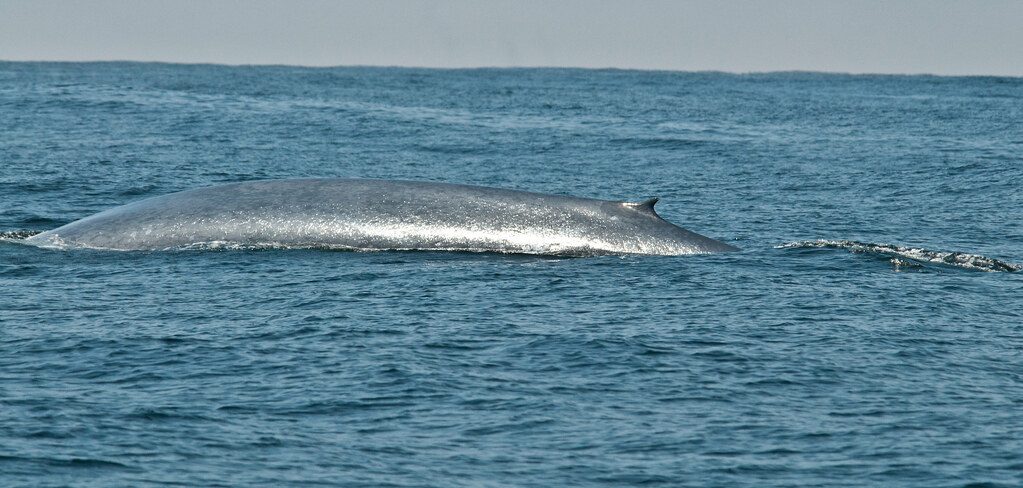
    Blue Whale (Balaenoptera musculus)” by jkirkhart35 is licensed under CC BY 2.0

    Scientists have long observed scars and marks on the bodies of sperm whales. Many researchers believe some of these injuries result from encounters with large squid deep beneath the surface.

    These marks offer clues about battles that humans rarely witness. While much remains unknown about these encounters, the scars suggest that hunting giant prey can sometimes involve intense struggles in the darkness of the deep ocean.

    The largest toothed predator on Earth
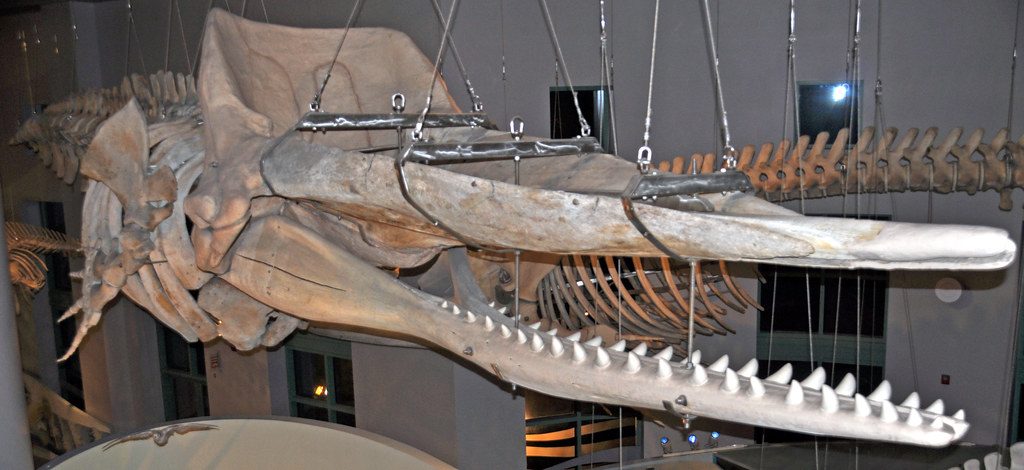
    Physeter macrocephalus (sperm whale) (Wrightsville Beach, North Carolina, USA) 3” by James St. John is licensed under CC BY 2.0

    Sperm whales hold a unique place in the animal kingdom. They are the largest toothed predators on the planet, combining enormous size with exceptional hunting abilities. Their massive heads also contain the largest brains known in any living animal.

    Their physical adaptations help them dominate deep ocean ecosystems. Powerful sonar, large size, and specialized diving abilities allow them to thrive in environments where few other predators can compete.

    A surprisingly complex social life
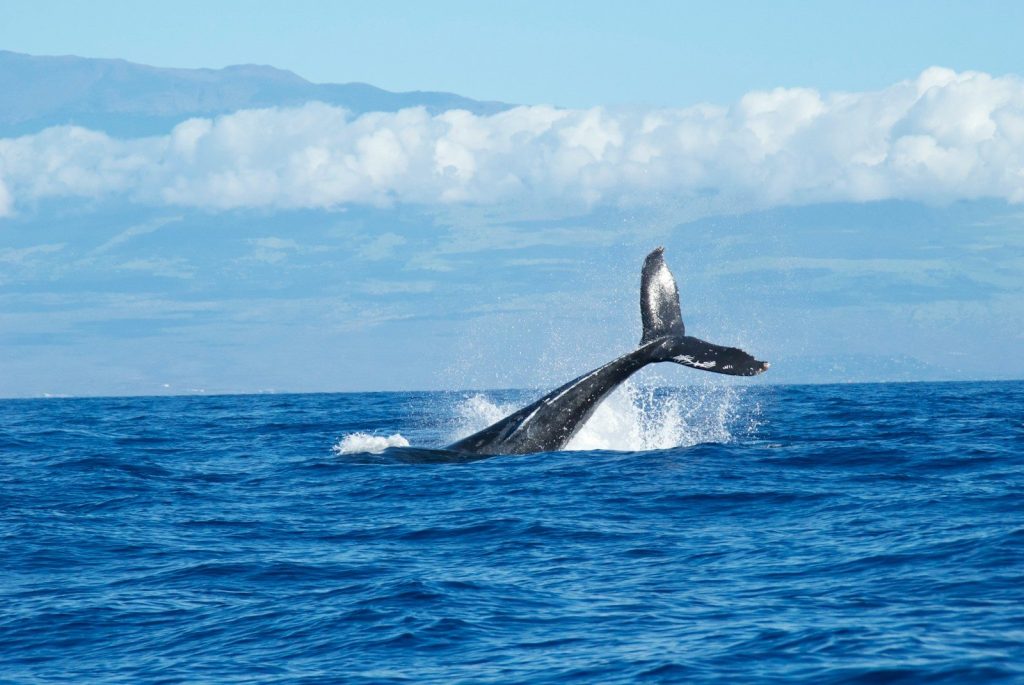
    black fish dove into ocean at daytime
    Photo by Abigail Lynn on Unsplash

    For many years, scientists focused mainly on the physical abilities of sperm whales. More recent research has revealed that their social lives may be just as remarkable as their hunting skills.

    Sperm whales communicate using patterns of clicks known as codas. Research has shown that these vocalizations contain complex structures and may help whales coordinate activities, maintain social bonds, and identify members of their groups.

    Scientists are trying to decode whale communication
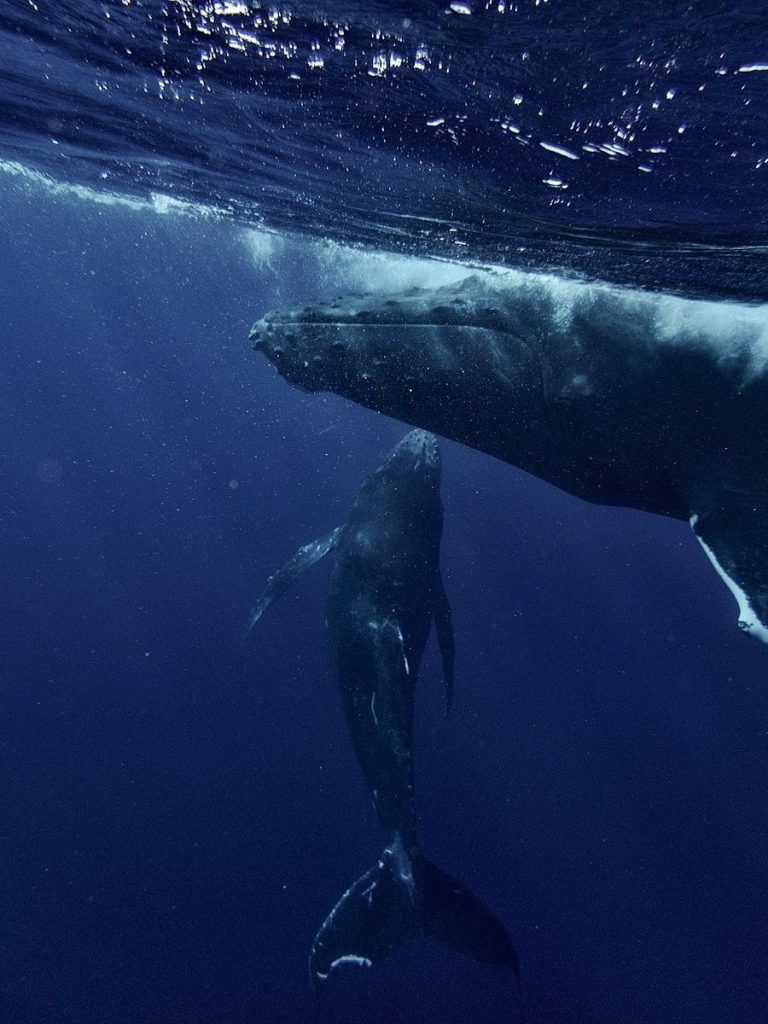
    two humpback whales swimming in the ocean
    Photo by Chinh Le Duc on Unsplash

    Researchers are now using advanced technology and artificial intelligence to better understand sperm whale communication. Studies suggest these whales use distinct click patterns that may carry different types of information.

    Recent findings indicate that sperm whale vocal systems may be far more sophisticated than previously believed. Scientists have identified structured vocal patterns and group-specific communication styles, leading to growing interest in decoding what these whales may be saying to one another.
  • Why narwhals never survive in aquariums

    Why narwhals never survive in aquariums

    Narwhals are among the most mysterious animals in the ocean. With their long, spiral tusks and life in the icy Arctic, they often seem more like mythical creatures than real animals. Many people dream of seeing these “unicorns of the sea” up close, but there is one place where they are almost never found: aquariums.

    The reason is both surprising and tragic. Only two major attempts have been made to keep narwhals in captivity, and both ended in failure. These experiences changed how scientists and aquariums view the species. Today, the story of narwhals in captivity serves as an important lesson about the challenges of caring for some of the ocean’s most sensitive animals.

    Narwhals are unlike most marine mammals

    Narwhal!” by richpompetti is licensed under CC BY-NC-SA 2.0

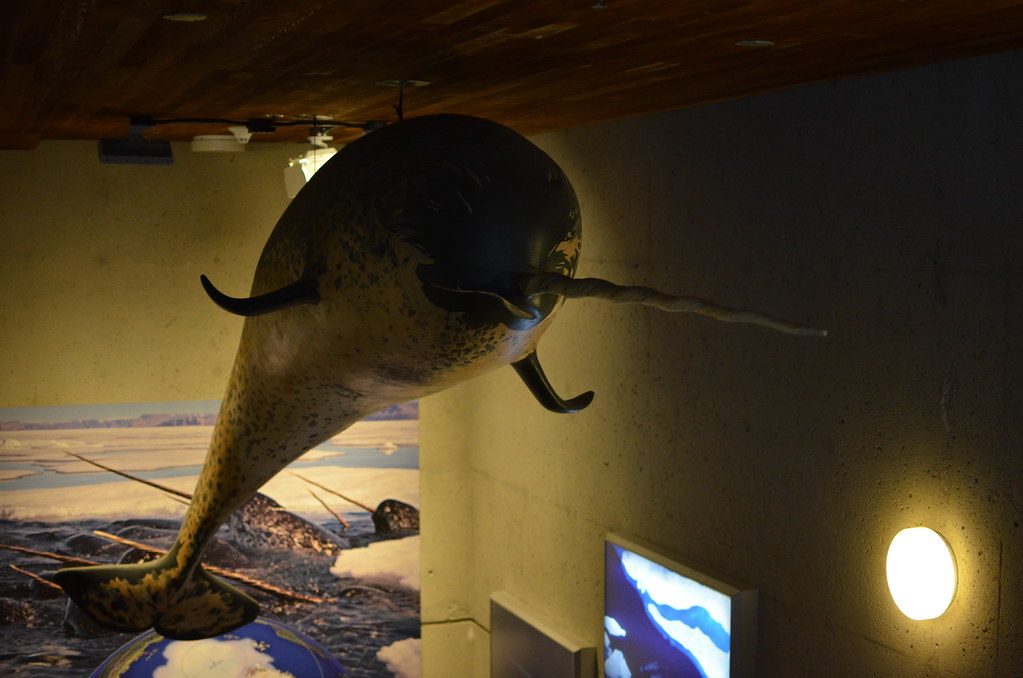
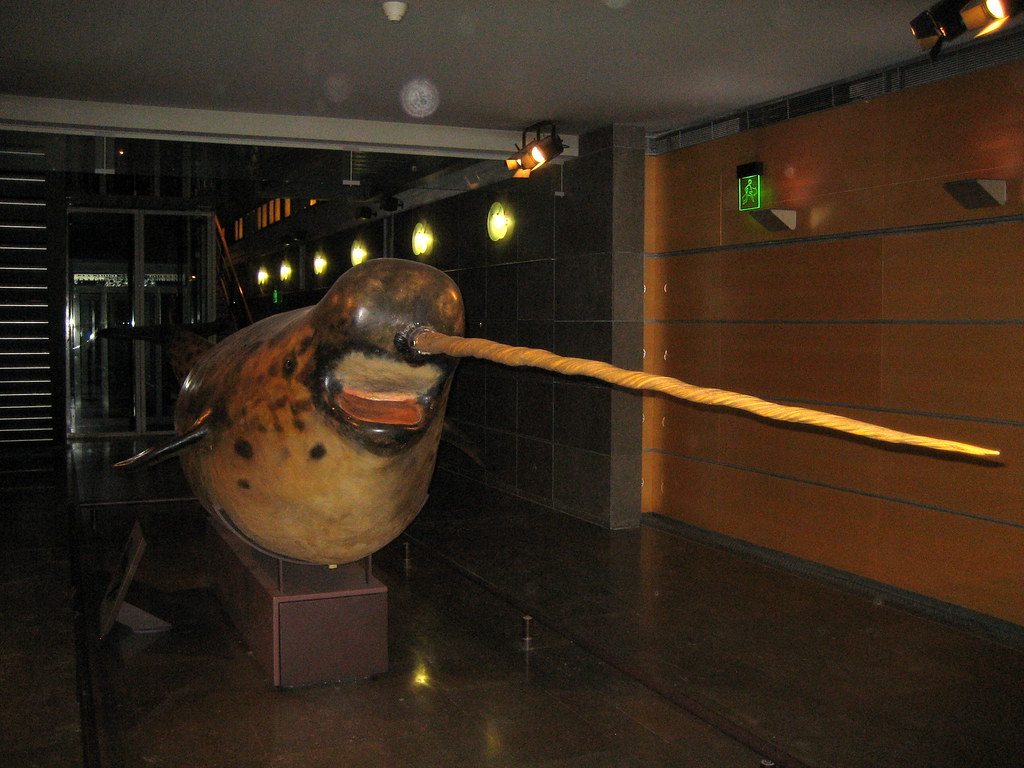
    Narwhals are toothed whales that are closely related to belugas and orcas. They live in Arctic coastal waters and rivers, where they spend much of their lives in cold and remote environments. Their most famous feature is the long tusks, which are mainly seen in males.

    The tusk is actually a tooth that can grow up to 10 feet long. Narwhals often travel in large groups and have adapted to some of the harshest conditions on Earth. Their remote habitat has helped make them one of the ocean’s most elusive animals.

    The first captive narwhal arrived in New York

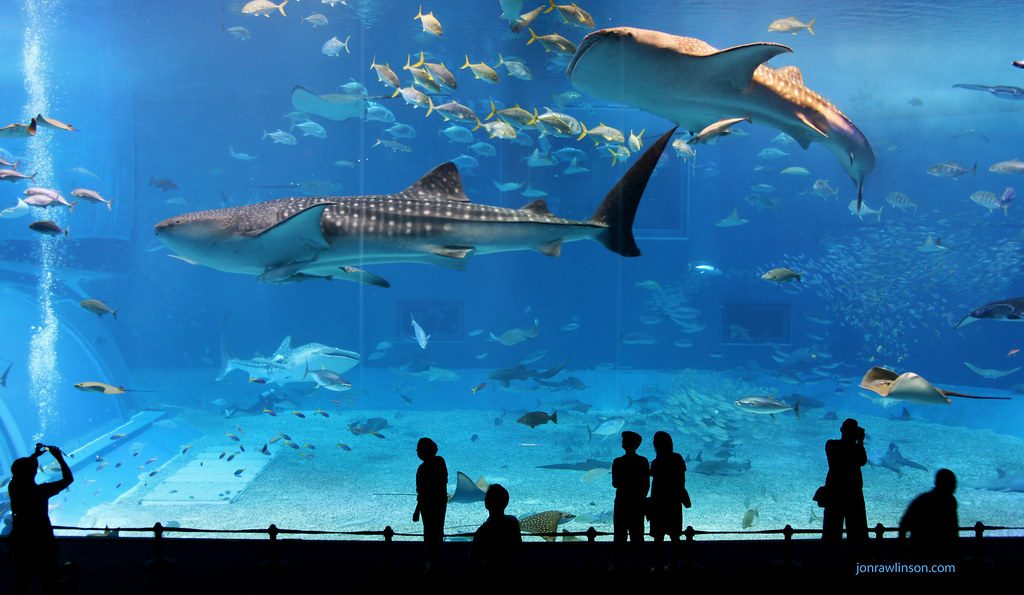
    Kuroshio Sea – 2nd largest aquarium tank in the world” by jonrawlinson is licensed under CC BY 2.0

    In 1969, the New York Aquarium at Coney Island became the first facility to display a narwhal. The young calf was named Umiak, after the traditional Arctic canoe used to hunt the species.

    According to reports, Umiak was orphaned after Inuit hunters killed its mother for meat. The calf followed its canoe back to camp and was eventually brought to the aquarium. Staff tried to care for the young narwhal by feeding it milk mixed with chopped clams, while a female beluga reportedly acted as a surrogate mother.
    Umiak’s story ended in tragedy

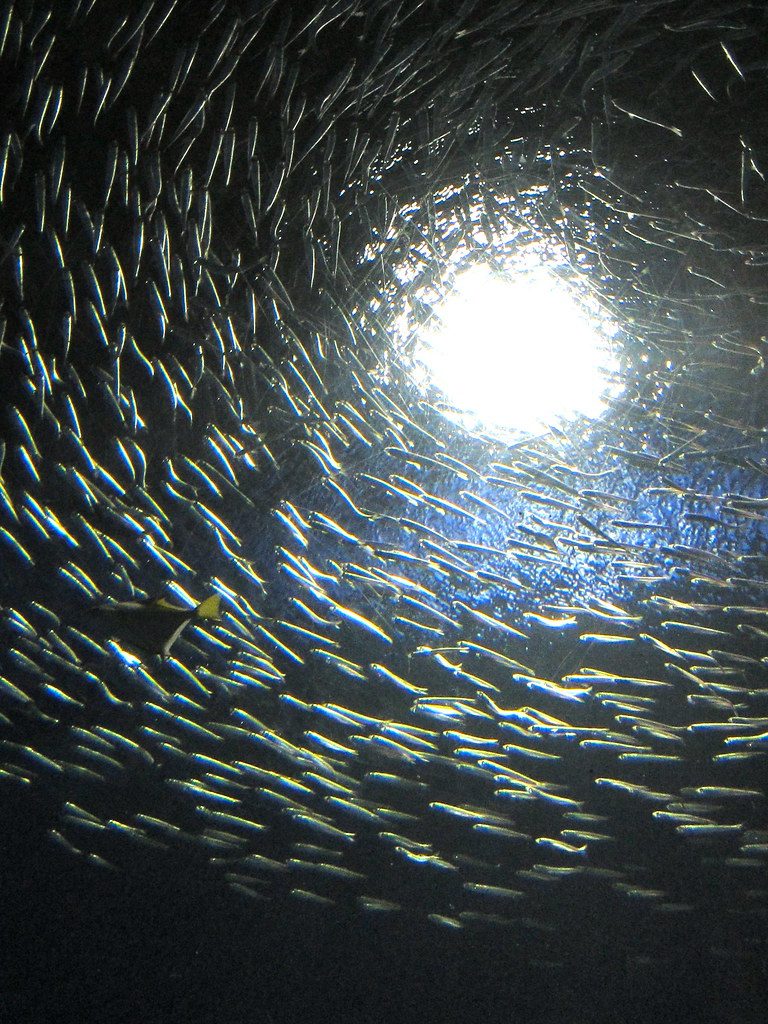
    Osaka Aquarium” by kevin dooley is licensed under CC BY 2.0

    Despite the aquarium staff’s efforts, Umiak struggled to adapt to captivity. Keeping the young whale healthy proved far more difficult than expected. The unusual environment may have placed significant stress on the animal.

    Less than a year after arriving at the aquarium, Umiak died from pneumonia. The loss highlighted the challenges of caring for a species that had never before been successfully maintained in captivity. Unfortunately, the lesson was not enough to stop another aquarium from trying again.

    Vancouver Aquarium made a second attempt

    Vancouver Aquarium” by Tjflex2 is licensed under CC BY-NC-ND 2.0

    In 1970, Vancouver Aquarium brought a young male narwhal named Keela Luguk to its facility. The aquarium’s leadership hoped that displaying narwhals would increase public interest in the species and encourage conservation efforts.

    Within days of Keela Luguk’s arrival, the aquarium added two female narwhals and three calves to the exhibit. However, problems quickly emerged. The three calves died within a month, and the two adult females died by November. Public concern grew as more animals died.

    Public pressure grew as losses mounted

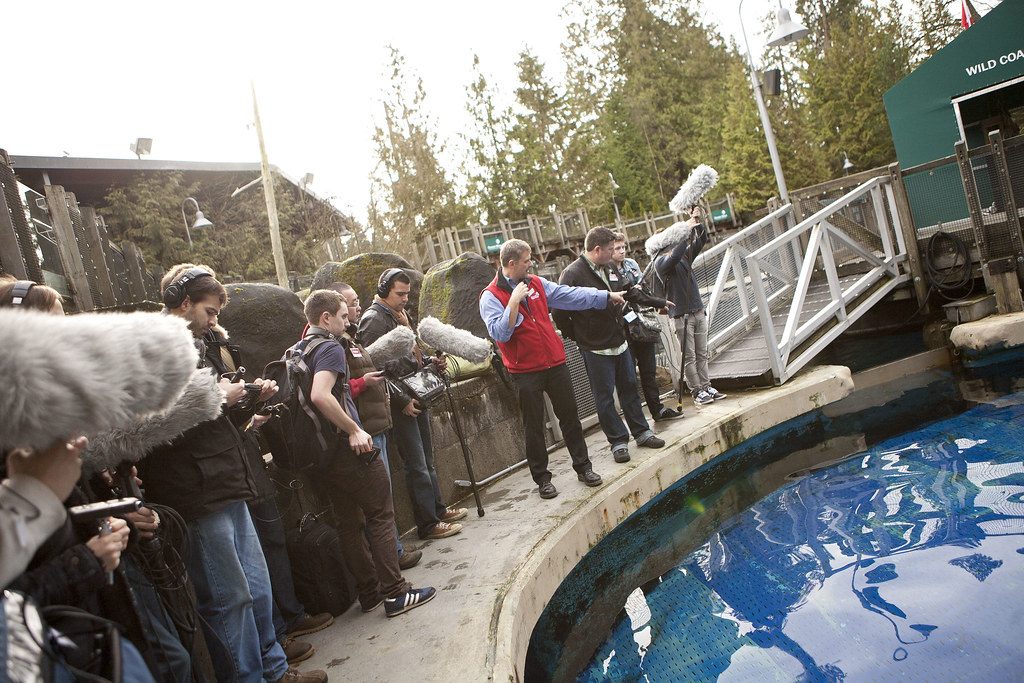
    VFS Sound Design for Visual Media: Vancouver Aquarium 2013” by vancouverfilmschool is licensed under CC BY 2.0

    As the deaths continued, many people questioned whether narwhals should be kept in captivity at all. Concern became so widespread that Vancouver’s mayor reportedly called for Keela Luguk to be released back into the wild.

    The aquarium refused to return the animal, but the debate continued. Then, on December 26, 1970, Keela Luguk also died. With the deaths of every captive narwhal involved in the project, public opinion increasingly shifted against future attempts to keep the species in aquariums.

    Scientists still do not know all the answers

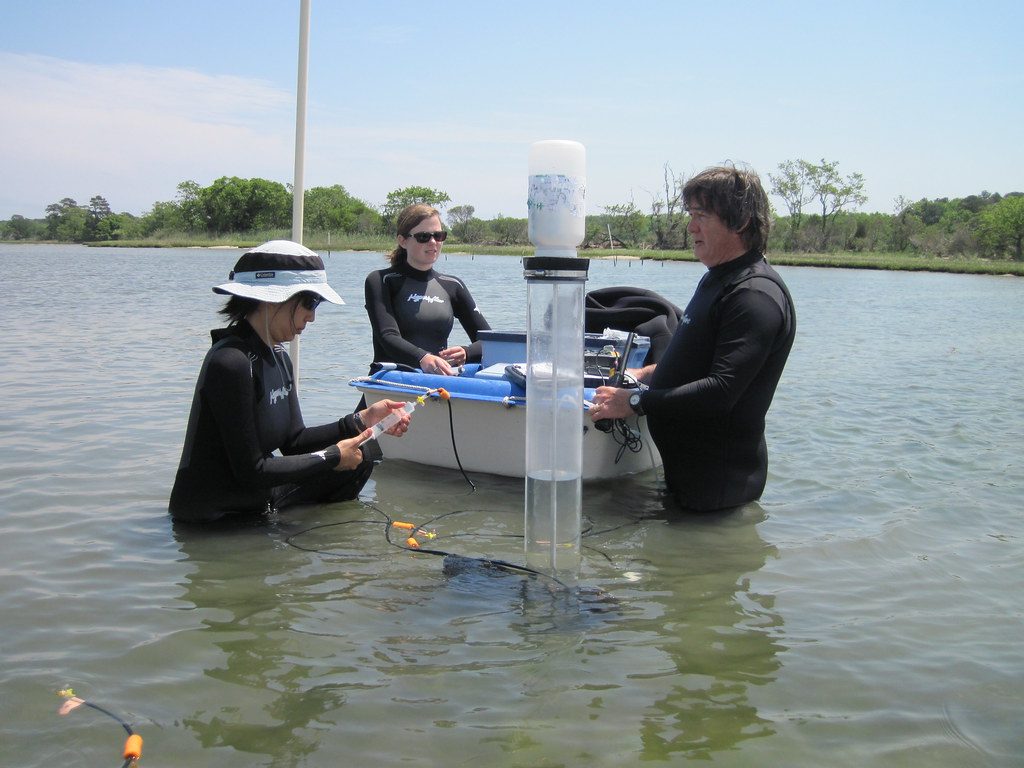
    Marine Scientist Jennifer Stanhope, VASG Graduate Research Fellow Annie Murphy, and Mark Luckenbach take water samples from the cores over the course of the day to measure the nutrient concentrations in the water. ©Margaret Pizer/VASG” by Virginia Sea Grant is licensed under CC BY-ND 2.0
    Researchers do not fully understand why narwhals performed so poorly in captivity. This is especially puzzling because belugas, their close relatives, can survive for years or even decades in managed facilities.
    Scientists know that narwhals are highly sensitive animals. Research suggests that even human-made noise, including nearby ships, can significantly affect their behavior. These findings have strengthened the belief that narwhals are not suited to life in aquariums. As a result, modern aquariums have largely abandoned efforts to keep them, allowing these remarkable animals to remain in their natural Arctic home.

  • Rescuers could not believe what was wrapped around the seal’s neck

    Rescuers could not believe what was wrapped around the seal’s neck

    When rescuers spotted a seal with something unusual wrapped around its neck, they expected to find the kind of marine debris they often remove from animals. Instead, what they discovered surprised even experienced wildlife rescuers. The object was linked to a larger story unfolding along Namibia’s coastline, where thousands of seals had recently died from starvation. As surviving seals searched desperately for food, they began hunting prey they would not normally target, leading to unexpected and sometimes dangerous encounters.

    This article explores the remarkable rescue, the severe seal die-off that preceded it, the strange fish involved, and what rescuers learned from the discovery. By understanding what happened, readers can gain a deeper appreciation for how environmental changes can affect wildlife behavior and create surprising challenges for marine animals.

    A devastating seal crisis along Namibia’s coast

    Pelican Point Peninsula” by D-Stanley is licensed under CC BY 2.0

    Before rescuers found the seal with the strange object around its neck, Namibia’s coastline was already facing a major wildlife crisis. Thousands of seal pups and many adult seals had been dying over a period of weeks. Observers reported that the animals appeared extremely thin, showing clear signs of starvation. Many pups died before they had a chance to grow strong enough to survive on their own.

    Starvation affects more than just an animal’s health. When food becomes scarce, wildlife often changes its behavior in an attempt to survive. Animals may travel farther, take greater risks, or hunt prey they would normally avoid. For Namibia’s seals, the lack of food created a desperate situation that pushed them toward unfamiliar hunting opportunities in nearby waters.

    Hungry seals began targeting unusual prey

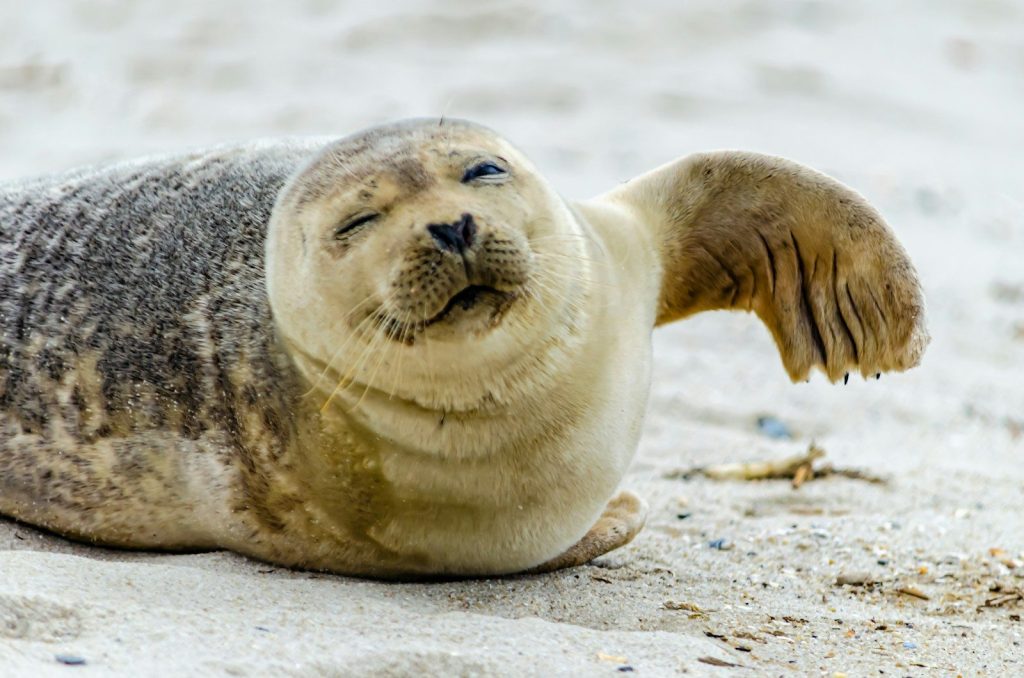
    seal lying on gray sand during daytime
    Photo by Steve Adams on Unsplash

    Seals are skilled hunters that normally feed on fish, squid, and other marine creatures they can safely catch and swallow. During periods of food abundance, they tend to focus on prey that provides the most energy with the least risk. However, when food becomes difficult to find, survival often becomes more important than caution.

    Rescuers and researchers began noticing something unusual in several seals they examined. Some animals had sharp objects stuck in their bodies, especially around the throat and neck area. At first, these objects appeared to resemble stingray barbs. Since stingrays possess dangerous spines capable of causing injuries, this seemed like a reasonable explanation. Yet the mystery remained unsolved because no one had direct proof of where the sharp objects were coming from.

    The surprising discovery that solved the mystery

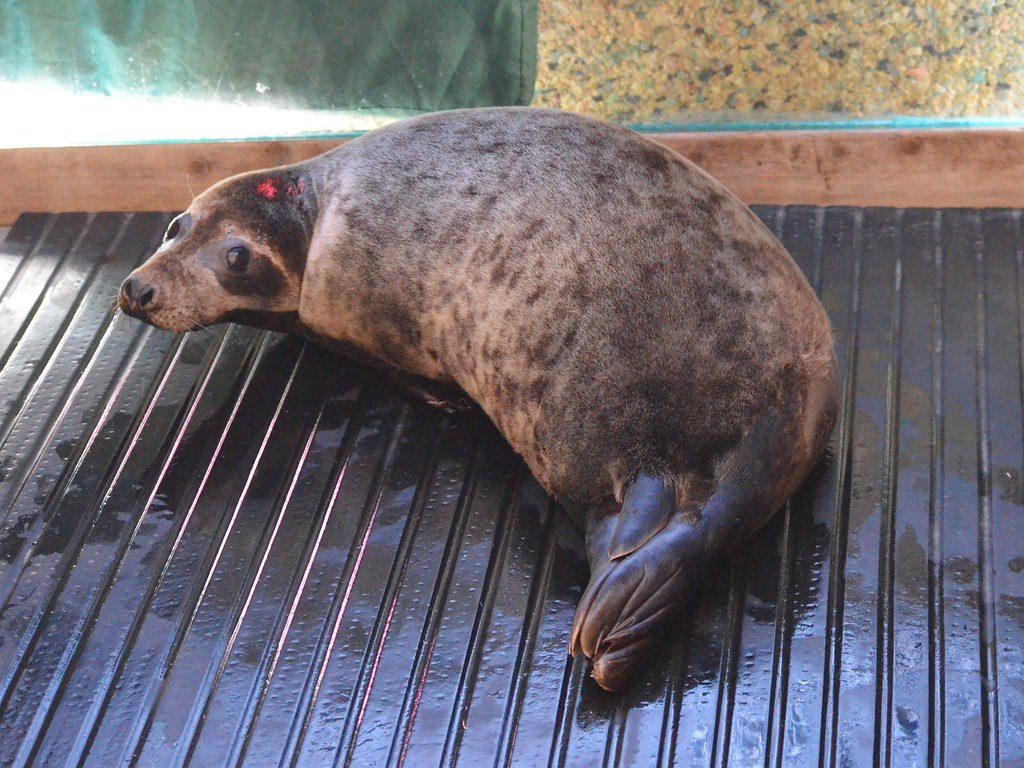
    Seal Rescue Ireland” by chripell is licensed under CC BY-SA 2.0

    The answer finally became clear when rescuers encountered another seal carrying evidence that could not be ignored. This animal still had part of a fish associated with the injury. The discovery allowed rescuers to identify the true source of the mysterious spikes that had been appearing in seals over the previous weeks.

    The fish was identified as a St. Joseph shark, a species known for having a long, sharp spine near the front of its body. This spine can appear very similar to the barbs found on stingrays, which explains why rescuers originally believed stingrays were responsible. Finding the fish attached to the injury provided the missing piece of the puzzle and revealed that hungry seals had been attempting to eat a prey species that carried its own natural defense weapon.

    What rescuers found around the seal’s neck

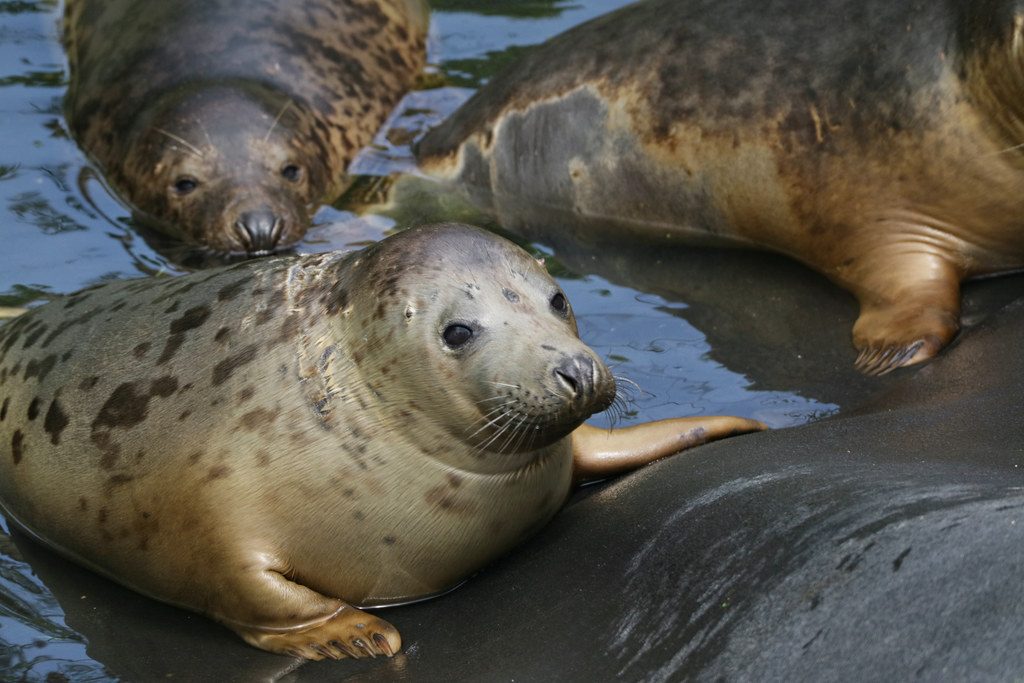
    Seal Rescue Ireland” by chripell is licensed under CC BY-SA 2.0

    When the rescue team approached the seal, they quickly realized something unusual was wrapped around its neck. Upon closer inspection, they found fishing line and hooks embedded around the animal. Entanglement in fishing gear is a common problem for marine wildlife around the world. Seals are especially vulnerable because they are curious animals and often investigate objects floating in the water.

    The rescuers carefully worked to remove the fishing line and hooks without causing additional harm. During the process, they also observed a significant cut on the seal’s chest. Such injuries can become serious if left untreated because open wounds may become infected or make it harder for an animal to move normally. Fortunately, the team was able to free the seal and give it a better chance of survival.

    How the St. Joseph shark injured the seals

    White Shark Cage Diving, Gansbaai” by Sara&Joachim is licensed under CC BY-SA 2.0

    The discovery of the St. Joseph shark helped explain the injuries rescuers had been seeing. According to observations from the rescue team, seals likely caught the fish in their mouths and then shook it violently, which is a common feeding behavior. Shaking prey helps seals tear food apart and position it for swallowing.

    However, this behavior may have worked against them when hunting the St. Joseph shark. As the fish was shaken, its sharp spine could become lodged in the seal’s throat or neck. Bite marks found on some of the fish supported this explanation. The seals were trying to eat an unfamiliar food source, but the fish’s defensive spine created a dangerous obstacle. While the spine could cause painful injuries, rescuers noted that its venom is generally believed to be less severe than the venom associated with many stingray species.

    What this event teaches us about wildlife survival

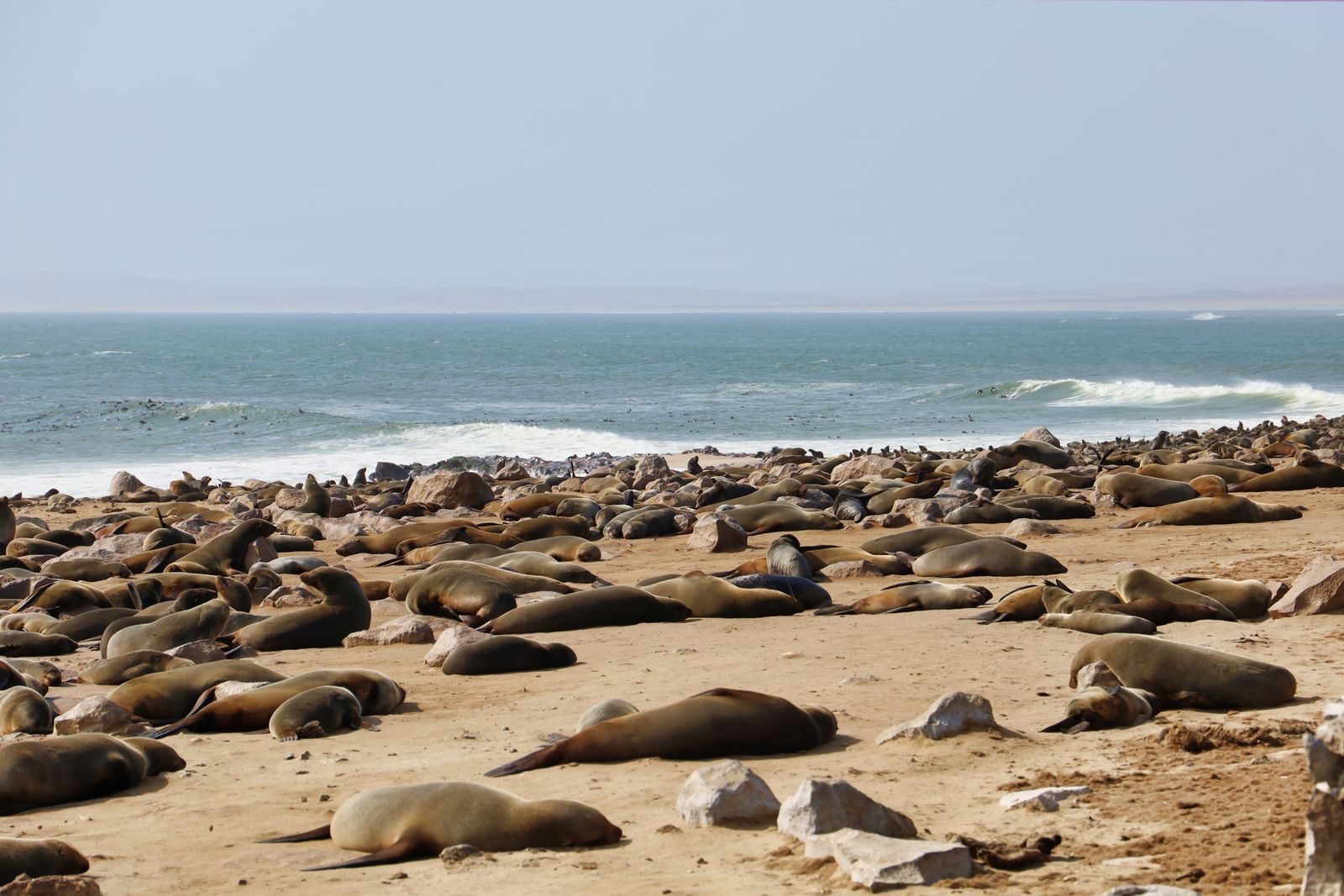
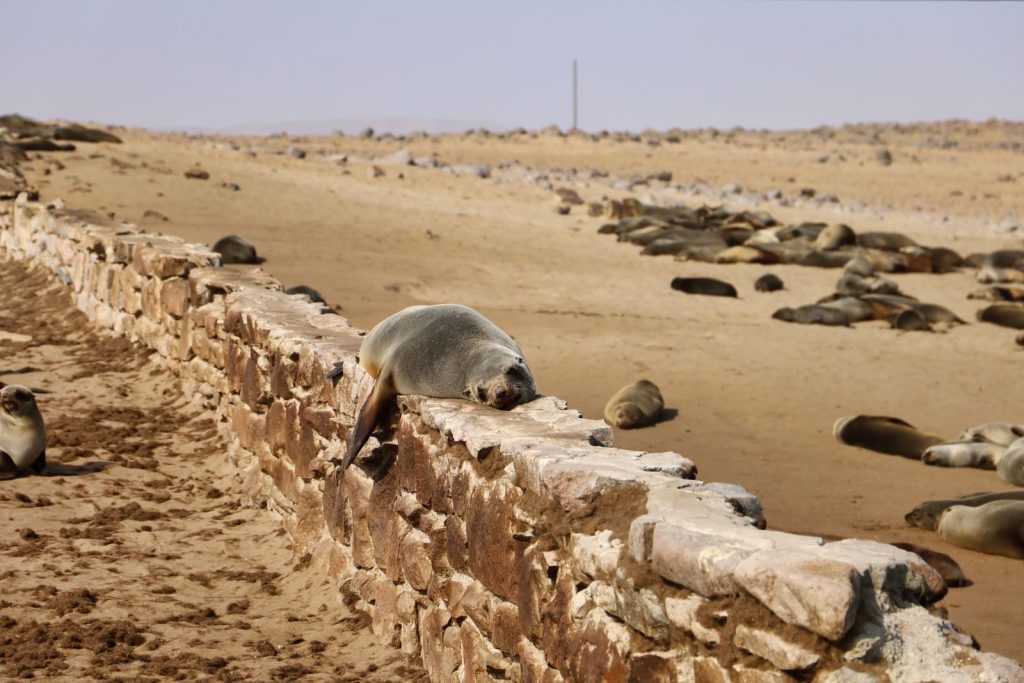
    A serene scene of Cape fur seals lounging on a sandy, rocky beach in Namibia.
    Photo by Rino Adamo on Pexels

    The rescue highlights how closely wildlife health is connected to environmental conditions. When food sources decline, animals often change their behavior in ways that increase risk. The starving seals of Namibia were not hunting St. Joseph sharks because they preferred them. Instead, they were likely taking advantage of whatever prey they could find in order to survive.

    This event also demonstrates the importance of wildlife rescue organizations. Without careful observation and intervention, the true cause of the injuries might have remained unknown. The rescue team not only freed an entangled seal but also uncovered valuable information about how starvation was affecting seal behavior. Their work provided insight into a larger ecological problem and helped improve understanding of the challenges these animals were facing.

  • The incredible story of the prehistoric fish that survived the dinosaur extinction

    The incredible story of the prehistoric fish that survived the dinosaur extinction

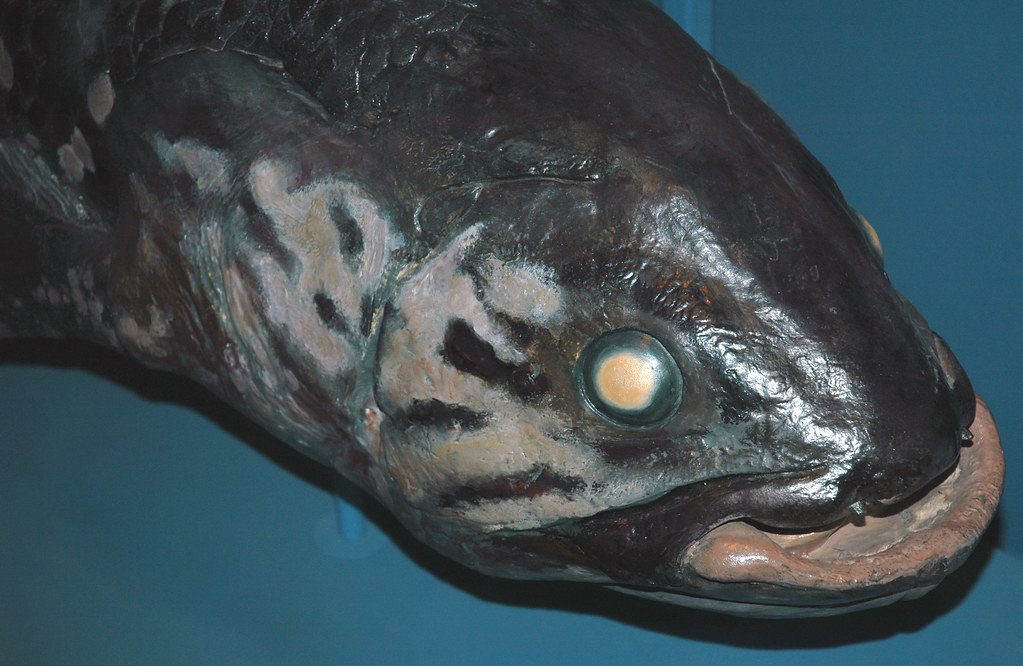
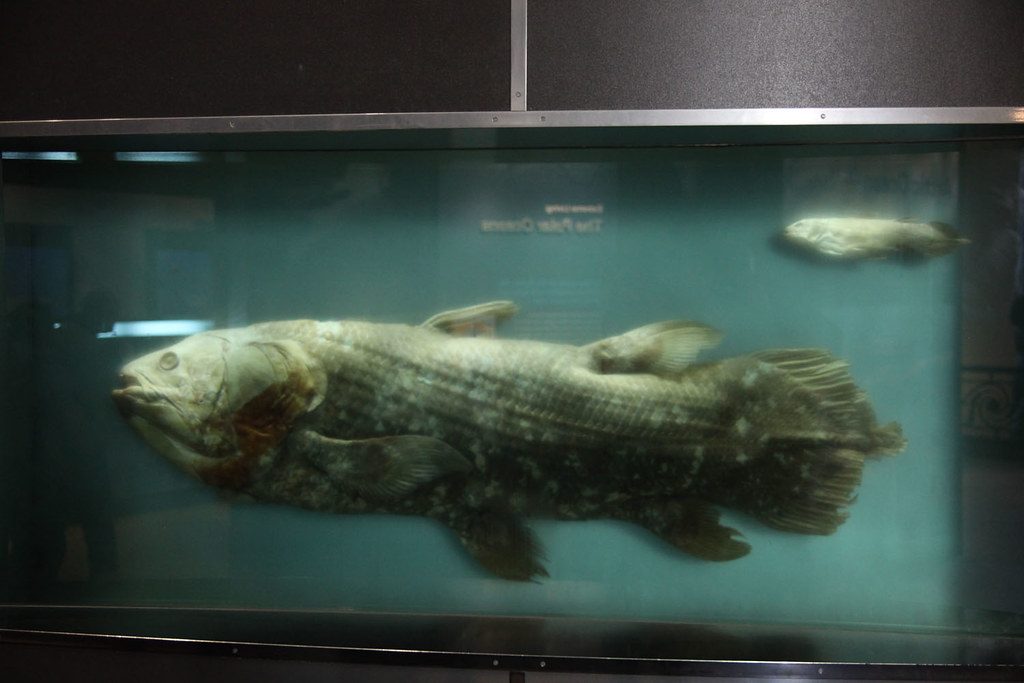
    Few scientific discoveries have been as surprising as the rediscovery of the coelacanth. For decades, scientists believed this ancient fish had disappeared with the dinosaurs about 66 million years ago. Then, in 1938, a living coelacanth was caught off the coast of South Africa, proving the species had survived unnoticed in the deep ocean.

    Its discovery changed the way scientists think about extinction and inspired the search for other so-called Lazarus species. This article explores the remarkable story of the coelacanth, why it remained hidden for so long, and how other “lost” animals have also been rediscovered.

    The fish that surprised the scientific world

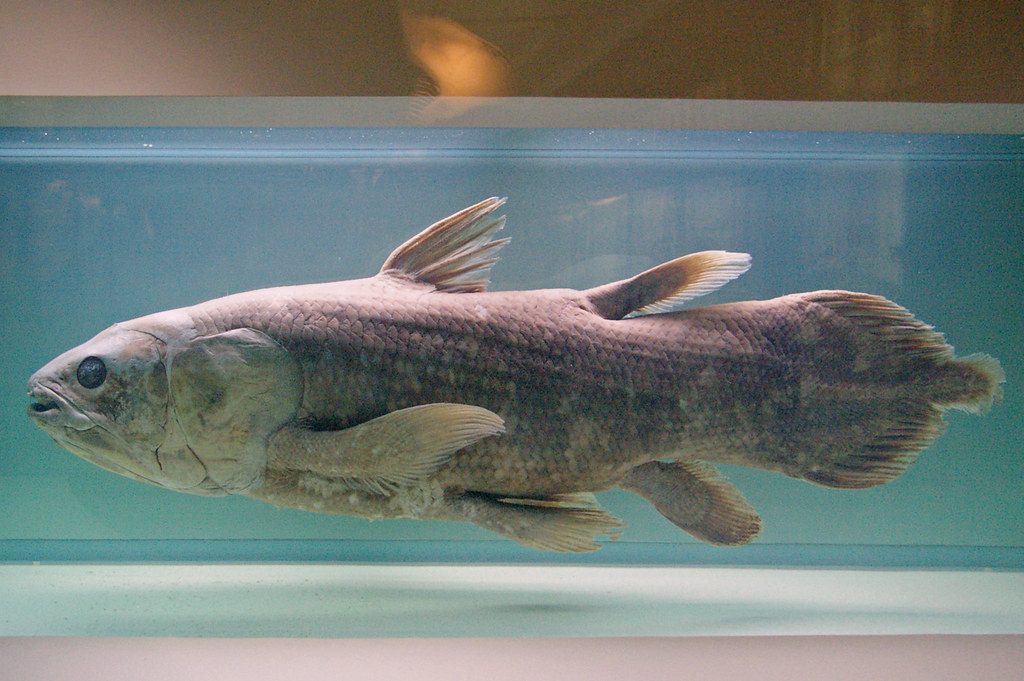
    coelacanth and pup – smithsonian” by Tim Evanson is licensed under CC BY-SA 2.0

    Before 1938, coelacanths were known only from fossils. Because the fossil record showed no recent examples, scientists believed they had become extinct during the mass extinction that ended the age of the dinosaurs about 66 million years ago.

    Everything changed when a living coelacanth was discovered off the coast of South Africa. The unexpected find became one of the greatest zoological discoveries of the twentieth century and proved that the ancient fish had survived in deep ocean habitats.

    Life hidden in the deep ocean

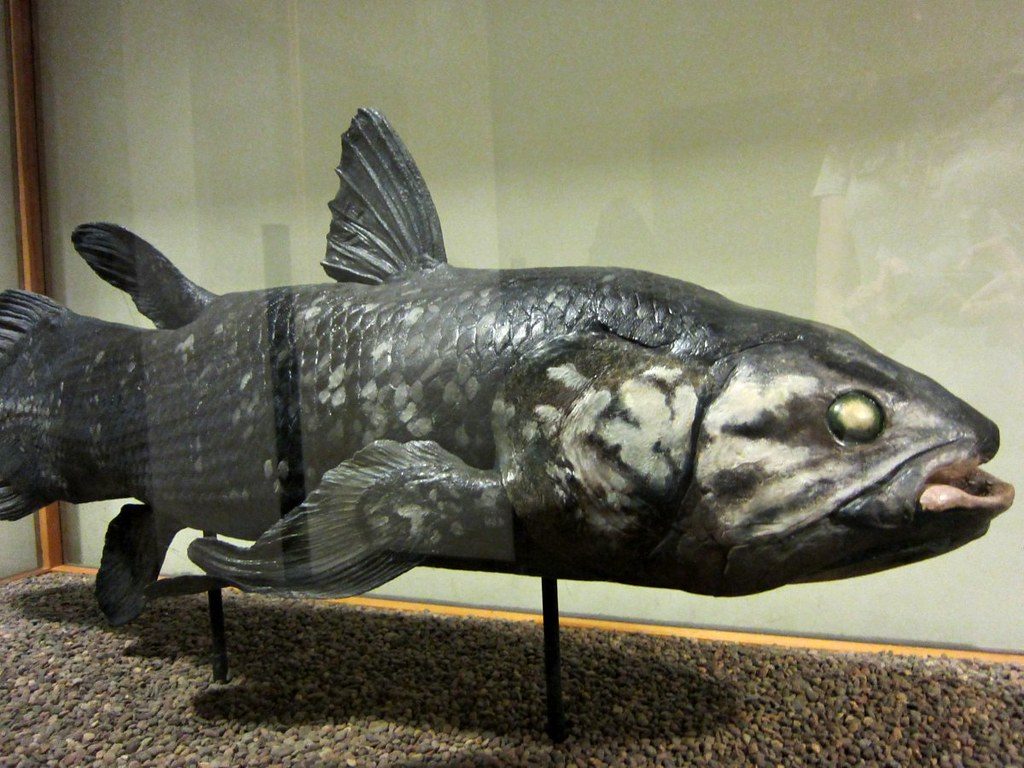
    Latimeria chalumnae – coelacanth head – Smithsonian Museum of Natural History – 2012-05-17” by Tim Evanson is licensed under CC BY-SA 2.0

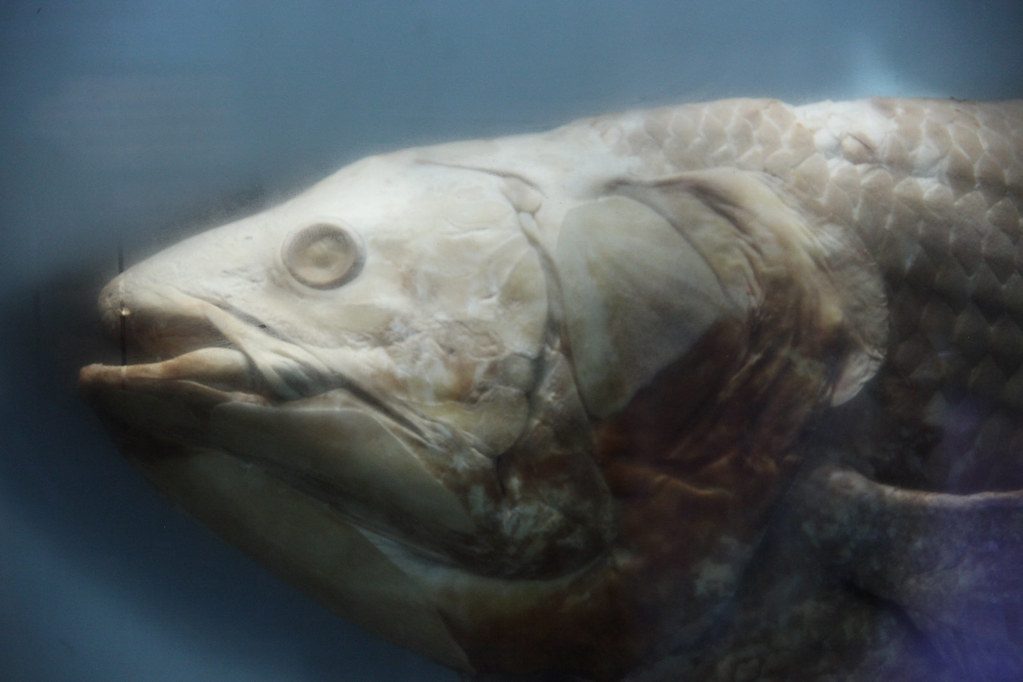
    Coelacanths live hundreds of feet below the ocean surface, often sheltering in underwater caves during the day. Their remote habitat made encounters with people extremely rare, helping explain why they remained unknown for so long.

    Today, scientists recognize two living species of coelacanth. One lives near islands off eastern Africa, while the other is found in Indonesian waters. Even now, sightings remain uncommon because of the fish’s deep-water lifestyle.

    What are the Lazarus species?

    Coelacanth” by Todd Huffman is licensed under CC BY 2.0

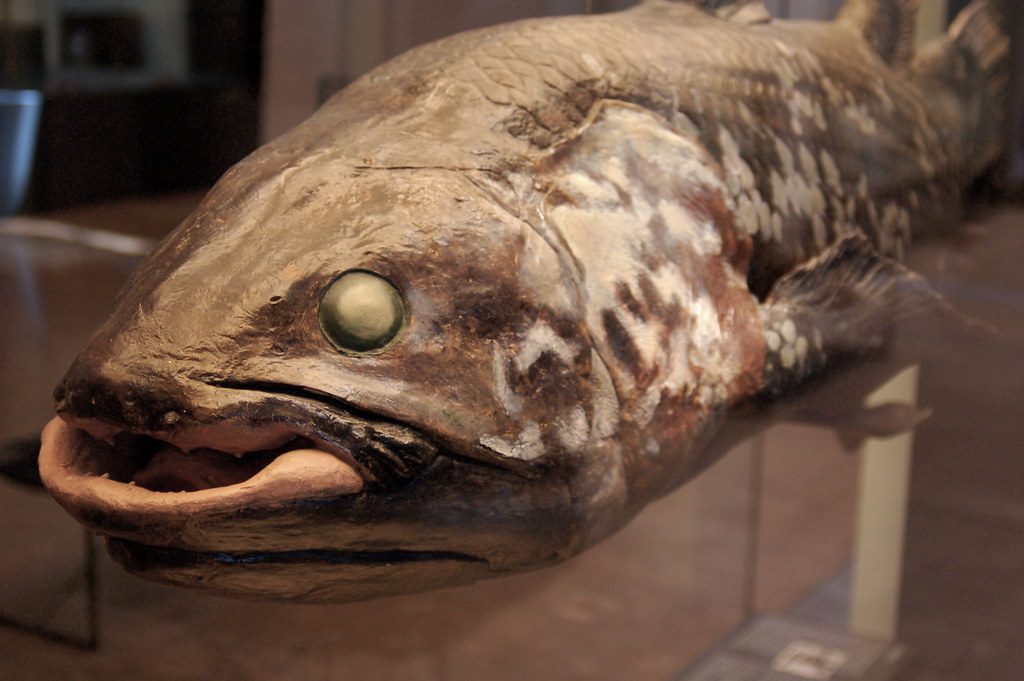
    The coelacanth is one of the best-known examples of a Lazarus species. This term describes animals or plants that were believed extinct but were later rediscovered alive after disappearing from scientific records for many years.

    Other Lazarus species include frogs, birds, mammals, reptiles, insects, and plants that survived in isolated habitats where scientists had not looked or had very limited access. These rediscoveries continue to reshape our understanding of biodiversity.

    Why some species remain hidden

    Coelacanthe” by sybarite48 is licensed under CC BY 2.0

    Many rediscovered species survive in remote mountains, dense forests, deep oceans, or isolated islands that receive little scientific attention. Local communities sometimes know these animals still exist long before researchers formally document them.

    Small populations, secretive behavior, and difficult environments make some species extremely challenging to study. Even with modern technology, scientists continue to discover animals that were previously unknown or thought to be extinct.

    Why these discoveries matter

    Field Museum: Coelacanth” by allisonmeier is licensed under CC BY-SA 2.0

    Rediscovering a species gives conservationists a second chance to protect it. Once scientists know a species still exists, they can begin studying its habitat, population size, and the threats it faces.

    These discoveries also remind us that Earth’s biodiversity remains poorly understood. Every rediscovered species highlights how much remains to be explored in remote ecosystems around the world.

    The search continues

    Marine Scientist Jennifer Stanhope, VASG Graduate Research Fellow Annie Murphy, and Mark Luckenbach take water samples from the cores over the course of the day to measure the nutrient concentrations in the water. ©Margaret Pizer/VASG” by Virginia Sea Grant is licensed under CC BY-ND 2.0

    Scientists continue exploring deep oceans, isolated forests, mountain ranges, and other difficult environments in search of species that may still survive unnoticed. Every expedition has the potential to reveal another remarkable discovery.

    The coelacanth remains a powerful symbol of scientific curiosity. Its rediscovery showed that even long-accepted ideas can change when new evidence appears, encouraging researchers to keep searching for life in Earth’s most unexplored places.

  • Meet the ancient crocodile, so unusual that most people have never seen one

    Meet the ancient crocodile, so unusual that most people have never seen one

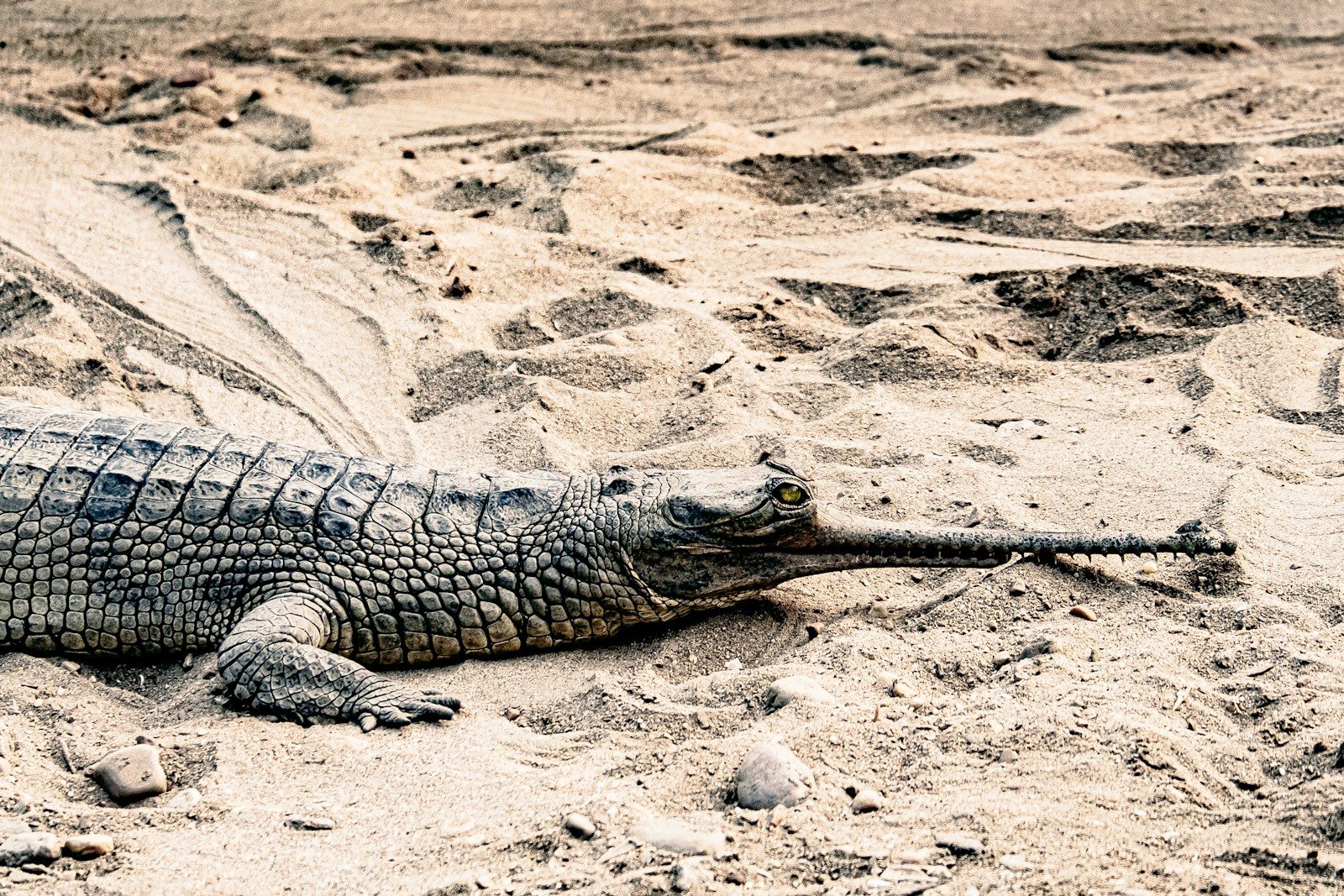
    Most people can recognize a crocodile, but far fewer have ever heard of the gharial. This ancient reptile looks unlike any other crocodilian alive today. Its long, needle-thin snout and rows of sharp teeth make it perfectly suited to catching fish rather than large animals.

    Once found across much of South Asia, the gharial is now one of the world’s most endangered reptiles. This article explores what makes the gharial so unique, why it almost disappeared, and how conservation efforts are helping protect the few that remain in the wild.

    A crocodile unlike any other

    a couple of alligators laying on top of a rock
    Photo by Mochamad Arief on Unsplash

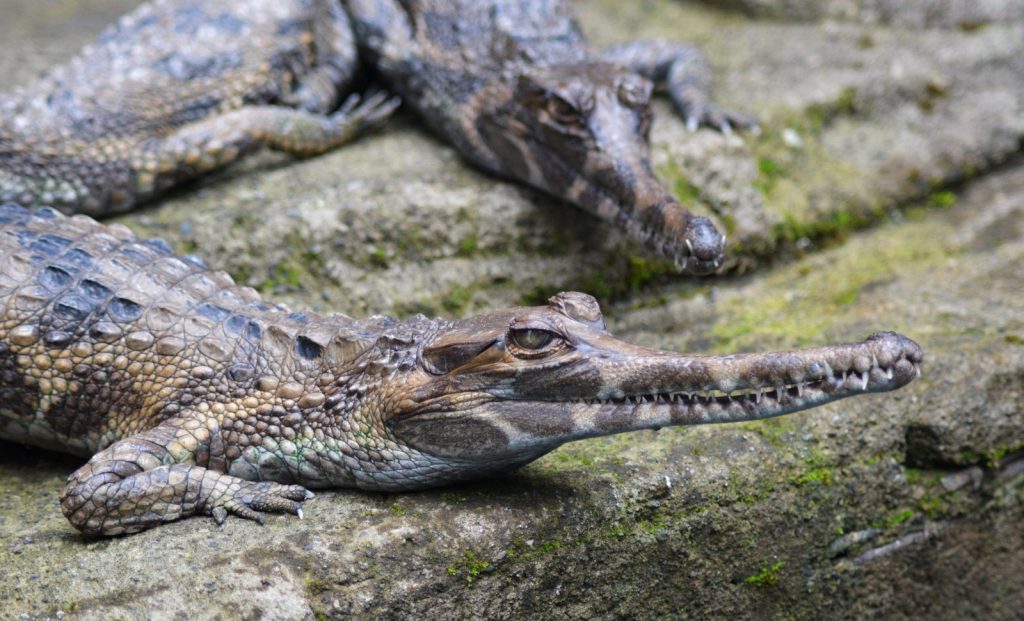
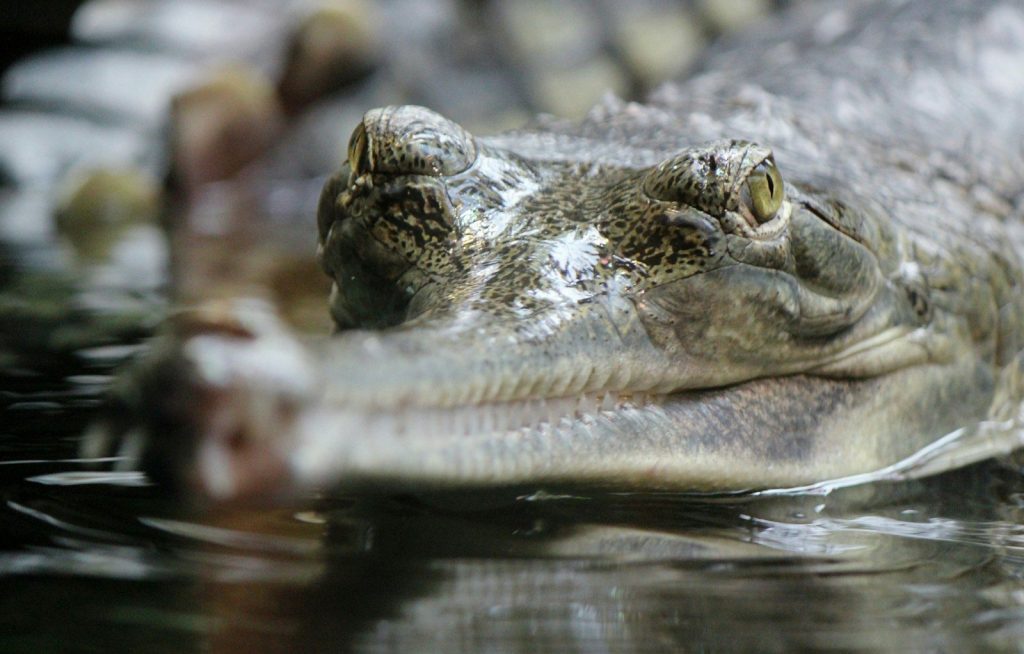
    The gharial is easy to recognize because of its extremely long, narrow snout. Unlike the broad jaws of most crocodiles, its slender snout creates very little resistance in the water, allowing it to snap quickly at fast-moving fish.

    Its mouth contains more than 100 sharp, interlocking teeth that help grip slippery prey. Adult males also develop a rounded growth on the tip of the snout called a “ghara,” which is used during communication and courtship.

    Built almost entirely for catching fish

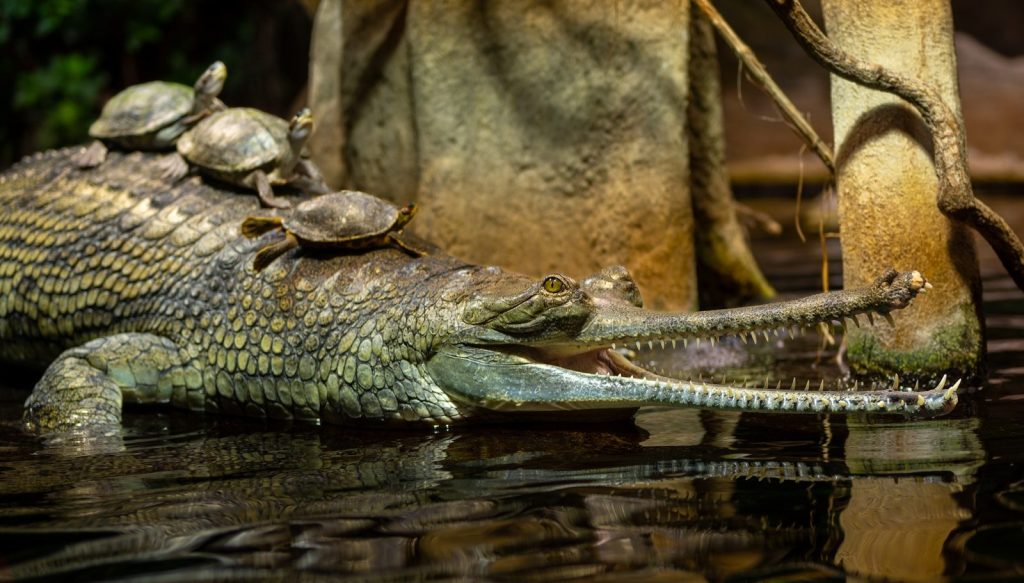
    a large alligator with a group of turtles on it's back
    Photo by Einar Storsul on Unsplash

    Unlike many crocodiles that hunt mammals, birds, and reptiles, adult gharials feed almost entirely on fish. Their long jaws allow them to move rapidly through the water while chasing prey.

    Young gharials eat insects, frogs, and small aquatic animals before switching to a mostly fish-based diet as they mature. This specialized feeding strategy has shaped nearly every part of their body over millions of years.

    Life depends on healthy rivers

    shallow focus photo of crocodile
    Photo by Dušan veverkolog on Unsplash

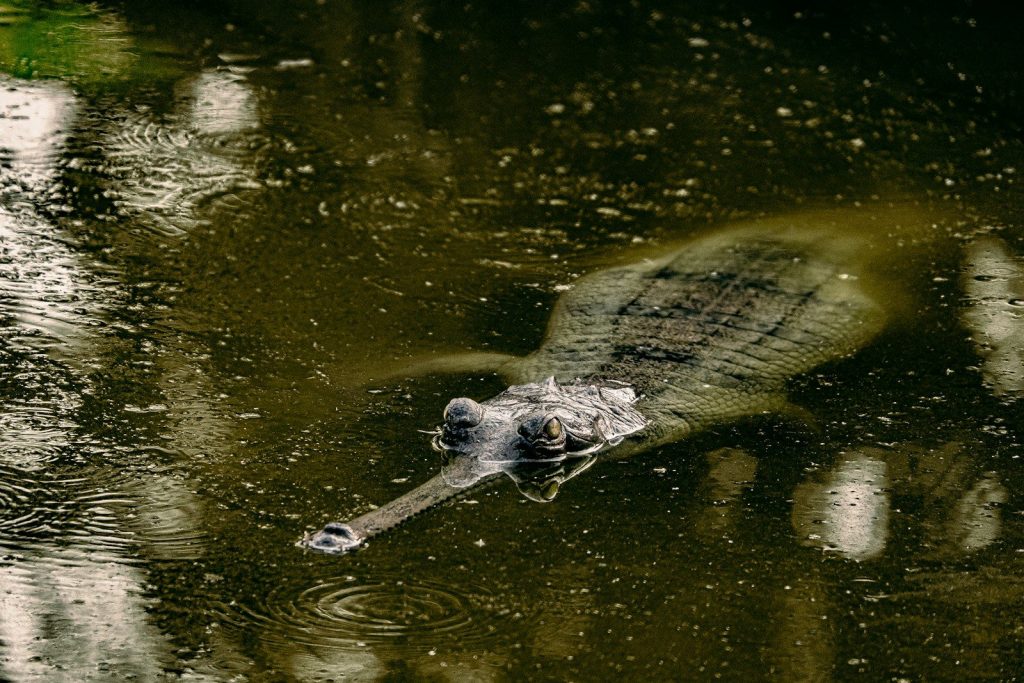
    Gharials spend nearly all of their lives in large freshwater rivers with sandy banks. They are less capable of moving on land than many other crocodilians and depend on clean, flowing rivers for hunting, nesting, and raising their young.

    As rivers have been altered by dams, sand mining, pollution, and water extraction, suitable habitat has become much harder to find. Many populations have disappeared as their river ecosystems changed.

    A species pushed toward extinction

    A bottle floating on top of a body of water
    Photo by Daniele Franchi on Unsplash

    The gharial is now listed as Critically Endangered after suffering one of the steepest population declines among crocodilians. Today, it survives in only a small part of its former range across India and Nepal.

    Fishing nets also pose a serious threat, as the gharial’s long snout can easily become entangled underwater. Many animals drown before they are able to escape.

    Scientists are helping the species recover

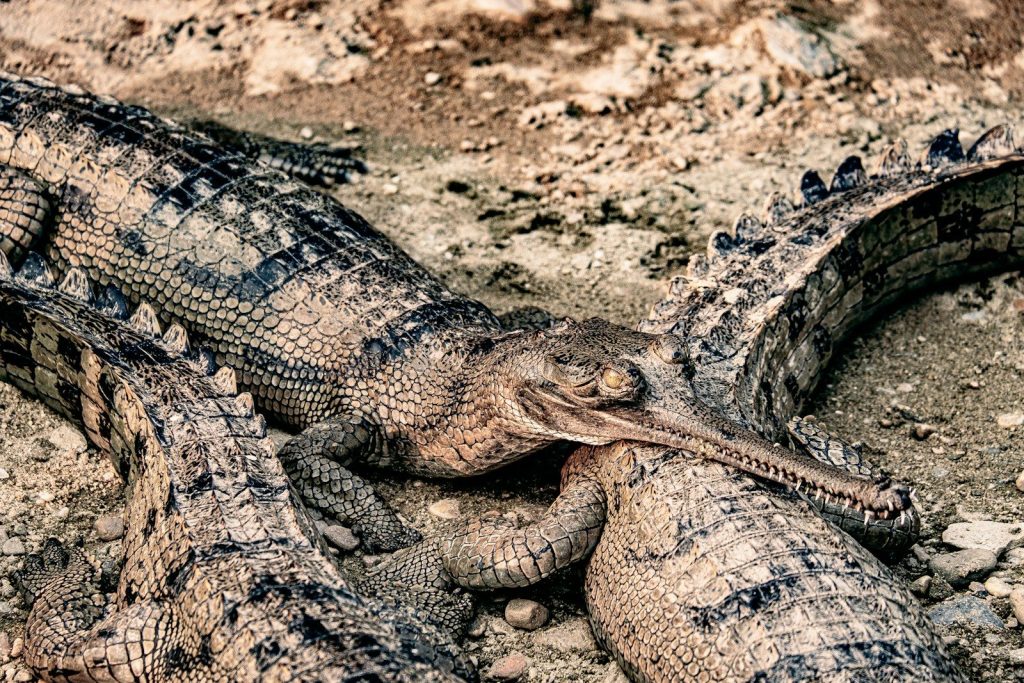
    A couple of large alligators laying next to each other
    Photo by Daniele Franchi on Unsplash

    Conservation groups and wildlife agencies are working to protect nesting beaches, restore river habitats, and breed gharials for release into the wild. These programs have helped increase populations in several protected river systems.

    Researchers continue monitoring wild populations to better understand how the animals use rivers and what additional protection they need. Long-term success depends on keeping rivers healthy and reducing human impacts.

    A remarkable survivor from another age

    A large alligator swimming in a body of water
    Photo by Daniele Franchi on Unsplash

    The gharial has survived for millions of years, yet today it faces challenges largely driven by environmental changes. Its unusual appearance reflects a long evolutionary history that produced one of the world’s most specialized crocodilians.

    Protecting the gharial means protecting the rivers where it lives. Every successful conservation effort helps ensure that future generations will still have the chance to see one of Earth’s most extraordinary reptiles in the wild.

  • Dead ducks spark Reflecting Pool investigation

    Dead ducks spark Reflecting Pool investigation

    The recent discovery of three dead ducks near the Lincoln Memorial Reflecting Pool has raised new questions about the ongoing renovation of the pool. While some people have suggested algae or water treatment chemicals could be involved, no official cause has been confirmed.

    Wildlife experts are now examining the birds to learn what happened. This article explains why the duck deaths are receiving attention, what scientists know so far, how the Reflecting Pool renovation has faced repeated challenges, and why experts say it is too early to reach conclusions.

    Three ducks were found near the Reflecting Pool

    A group of ducks floating on top of a lake
    Photo by Jean-Luc Picard on Unsplash

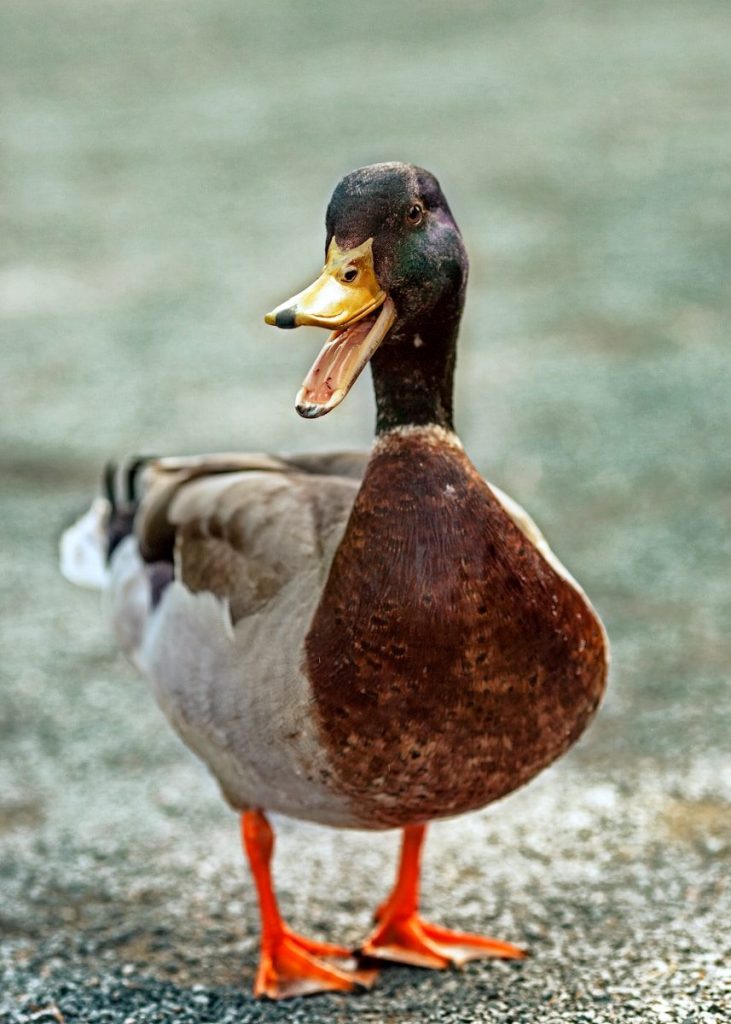
    Concern grew after two dead ducks were collected from a nearby pond by City Wildlife, a Washington, D.C., wildlife rehabilitation organization. On the same day, another young duck was seen floating in the Lincoln Memorial Reflecting Pool.

    The discoveries quickly raised questions because the pool has recently experienced algae growth and other problems following a major renovation. However, wildlife officials have stressed that the cause of death remains unknown until testing is complete.

    Wildlife experts are investigating

    brown and white duck on water
    Photo by Matusalem Marques on Unsplash

    City Wildlife announced that it plans to perform necropsies on the recovered ducks. The examinations are expected to help determine whether the birds died from disease, injuries, environmental conditions, or another cause.

    The organization has also continued its daily monitoring of ducks around the Reflecting Pool. Until laboratory results are available, it says it cannot comment on the cause of the deaths.

    Questions about algae and water treatment

    green and black abstract painting
    Photo by James Lee on Unsplash

    Some observers have wondered whether harmful blue-green algae, known as cyanobacteria, could be present in the green water. Others have questioned whether recent algae treatment methods played any role in the incident.

    Federal officials have previously said the hydrogen peroxide used to control algae is a standard treatment and does not pose harmful side effects to wildlife when used correctly. Former U.S. Fish and Wildlife Service official Brad Bortner also said that hydrogen peroxide at algae-control levels is unlikely to have caused the duck deaths.

    The renovation has faced several problems

    Water reflects the surrounding greenery and tiles.
    Photo by Maria Ernesto on Unsplash

    The Reflecting Pool renovation was intended to prepare the landmark for upcoming national celebrations. Soon after the pool was refilled, algae spread across the water, and workers also discovered areas where the new liner had begun peeling.

    Officials have treated the algae with peroxide and ozone, and used cleaning equipment, while continuing to investigate the liner problems. The National Park Service has also reported suspected vandalism involving damage to the liner, although investigations remain ongoing.

    Many possible causes remain

    brown and white duck on gray concrete floor
    Photo by Ross Sokolovski on Unsplash

    Wildlife experts caution that ducks can die for many different reasons. In urban areas, young ducks often fall victim to predators, injuries, disease, drowning, or other natural hazards.

    Experts say it would be wrong to assume the renovation caused these deaths without scientific evidence. Water testing and necropsy results will be needed before investigators can determine whether the ducks were exposed to harmful algae or any other environmental factor.

    Waiting for scientific answers

    a couple of birds on the ground
    Photo by Mykyta Kondratov on Unsplash

    For now, the duck deaths remain under investigation. Conservation groups continue to monitor the area while scientists work to identify what happened.

    The situation highlights why evidence is important before reaching conclusions. Whether the cause turns out to be natural, environmental, or unrelated to the renovation, the ongoing investigation will help guide future decisions about protecting wildlife at one of Washington’s best-known landmarks.

  • Yellowstone’s biggest grizzly was almost unstoppable

    Yellowstone’s biggest grizzly was almost unstoppable

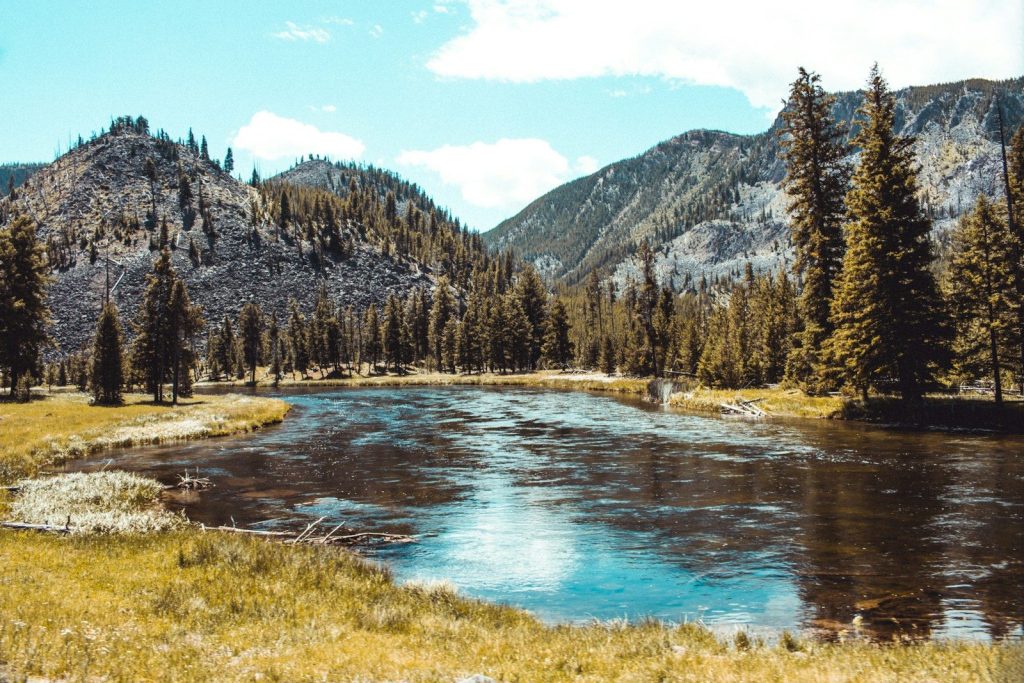
    Yellowstone National Park is famous for its incredible wildlife, but few animals capture people’s attention like the grizzly bear. These powerful predators roam mountains, forests, and river valleys, standing at the top of the food chain. Every year, visitors hope to catch a glimpse of one of these iconic animals in the wild.

    Among Yellowstone’s many grizzlies, a few have become legendary because of their enormous size. Researchers have documented some truly massive bears over the decades, including one record-setting male that remains the heaviest grizzly ever officially recorded in the Greater Yellowstone Ecosystem. These giants show just how impressive grizzly bears can become when they have access to abundant food and healthy habitat.

    The record-setting Yellowstone giant

    forest and body of water during day
    Photo by Austin Farrington on Unsplash

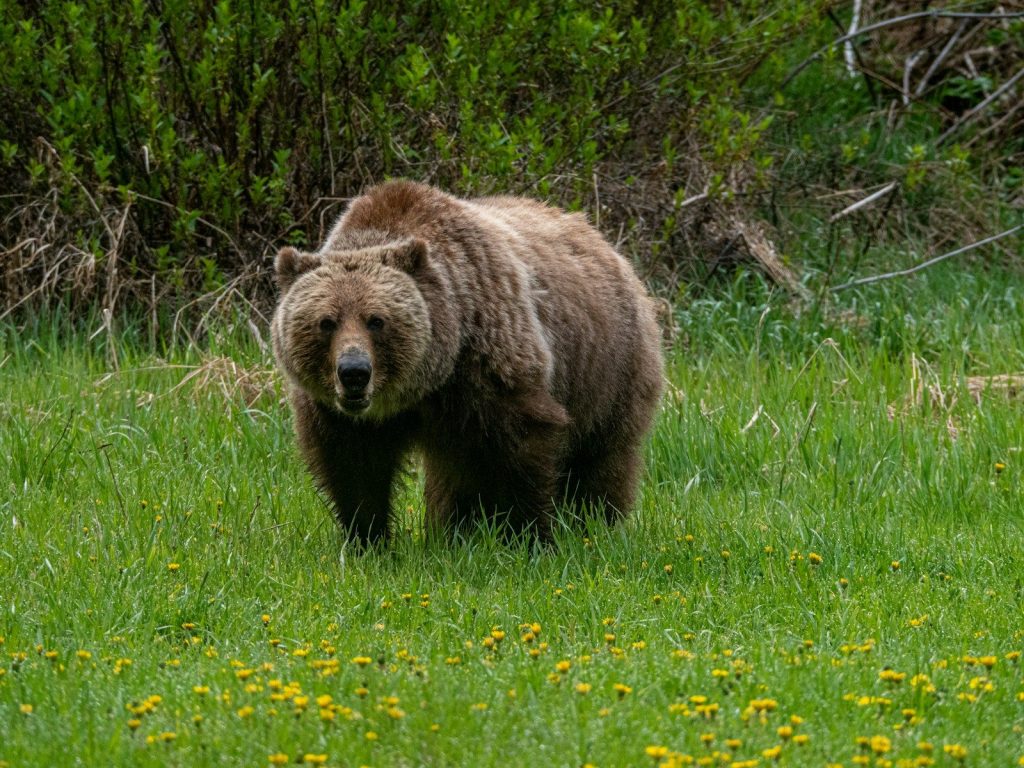
    The largest grizzly bear ever officially recorded in the Greater Yellowstone Ecosystem weighed an astonishing 715 pounds. Researchers documented the massive male in 1977, and his record has stood for nearly five decades. Even today, very few Yellowstone grizzlies come close to matching that incredible weight.

    A bear reaching this size is extremely rare. Most adult male grizzlies are much smaller, making the 715-pound giant a remarkable example of what Yellowstone’s ecosystem can support when conditions are favorable. His record remains one of the most impressive measurements ever taken from a Yellowstone-area grizzly.

    Why do some grizzlies grow so large?

    brown bear on green tree during daytime
    Photo by John Thomas on Unsplash

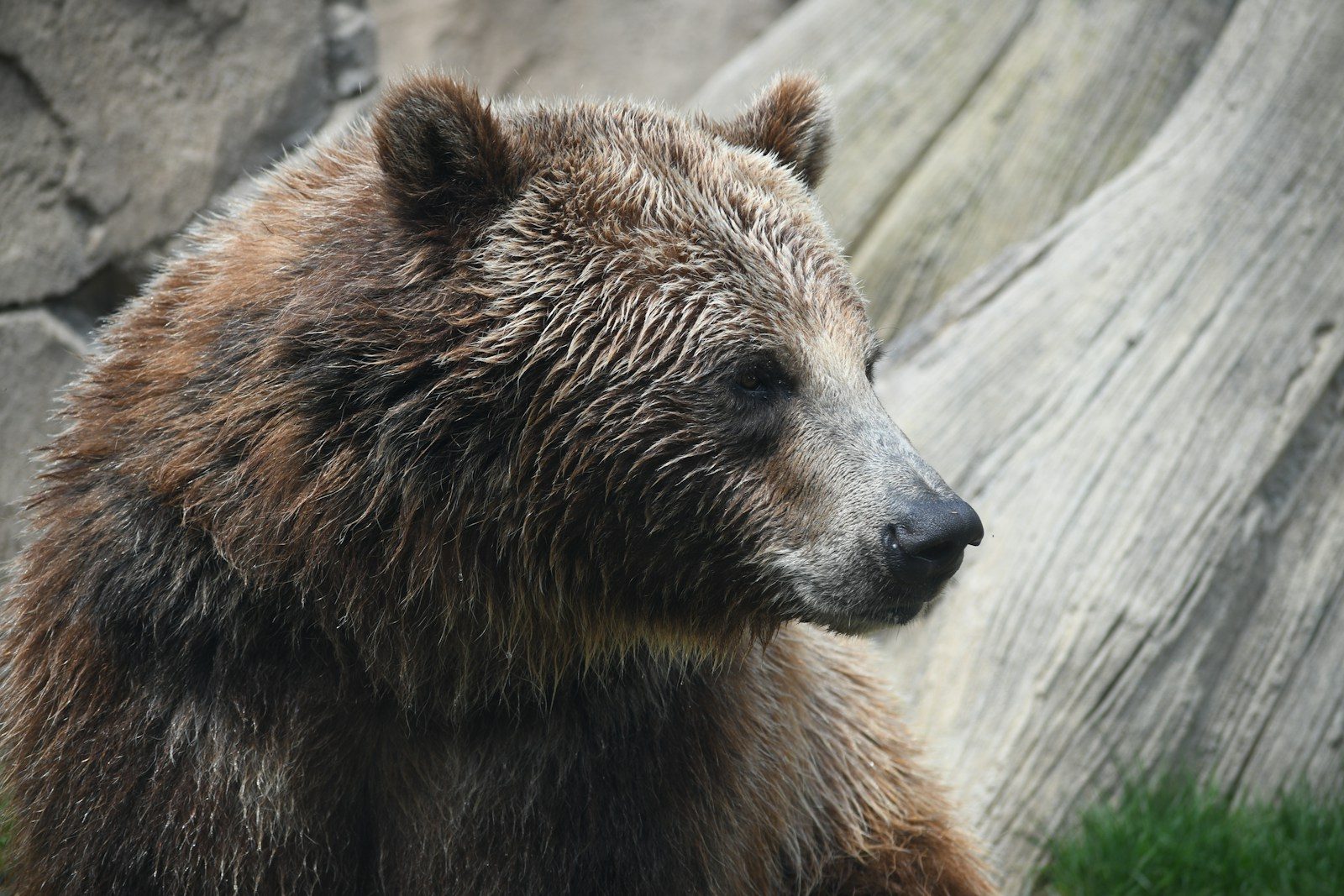
    Size in grizzly bears depends on several factors, including age, genetics, habitat quality, and food availability. Adult males continue growing for many years and often reach their largest size during middle age when they are strongest and most experienced.

    Yellowstone provides access to a wide range of food sources that help bears build fat reserves and muscle. During productive years, some males can gain extraordinary amounts of weight before winter hibernation, allowing them to reach sizes rarely seen elsewhere.

    Grizzly 566 nearly broke the record

    brown bear on body of water
    Photo by Danika Perkinson on Unsplash

    One of the closest challengers to the long-standing record appeared in 2023. Researchers captured and examined Grizzly 566, a massive 19-year-old male that weighed 712 pounds, only three pounds lighter than the record holder from 1977.

    Wildlife experts described the bear as exceptionally large, noting that animals of this size are rarely encountered. Although he narrowly missed becoming the heaviest grizzly on record, Grizzly 566 demonstrated that Yellowstone still produces some of the largest grizzly bears in North America.

    The legend of Grizzly 791

    brown bear on green grass during daytime
    Photo by Richard Lee on Unsplash

    Another famous giant is Grizzly 791, a powerful male that many wildlife photographers consider one of the largest bears currently living in the Yellowstone region. Estimates place his weight somewhere between 600 and 700 pounds.

    Grizzly 791 gained attention after being filmed taking down a large bull elk, showcasing the immense strength that mature male grizzlies possess. While he has never officially surpassed the Yellowstone weight record, he remains one of the most impressive bears regularly seen by visitors and photographers.

    Strength beyond size

    a large brown bear laying on top of a lush green field
    Photo by Philipp Deus on Unsplash

    A grizzly’s size is only part of the story. These bears possess incredible power, capable of digging, overturning heavy objects, and defending themselves against other predators. Their muscular shoulders and powerful forelimbs make them among North America’s strongest land animals.

    Even bears that weigh significantly less than the record holders remain formidable animals. Their combination of strength, speed, and intelligence allows them to thrive across Yellowstone’s diverse landscape, where survival often depends on adaptability as much as raw power.

    Yellowstone’s grizzly legacy

    brown bear on green grass field during daytime
    Photo by Lesly Derksen on Unsplash

    The Greater Yellowstone Ecosystem has become one of the world’s most important strongholds for grizzly bears. Decades of conservation efforts have helped the population recover, allowing these iconic animals to remain a defining part of the region’s wildlife.

    Record-breaking bears like the 715-pound giant, Grizzly 566, and Grizzly 791 capture public attention, but they also represent the success of a healthy ecosystem. Their presence reminds visitors why Yellowstone remains one of the best places on Earth to witness truly wild grizzly bears.

  • A loud bang echoed inside the deepest dive ever attempted

    A loud bang echoed inside the deepest dive ever attempted

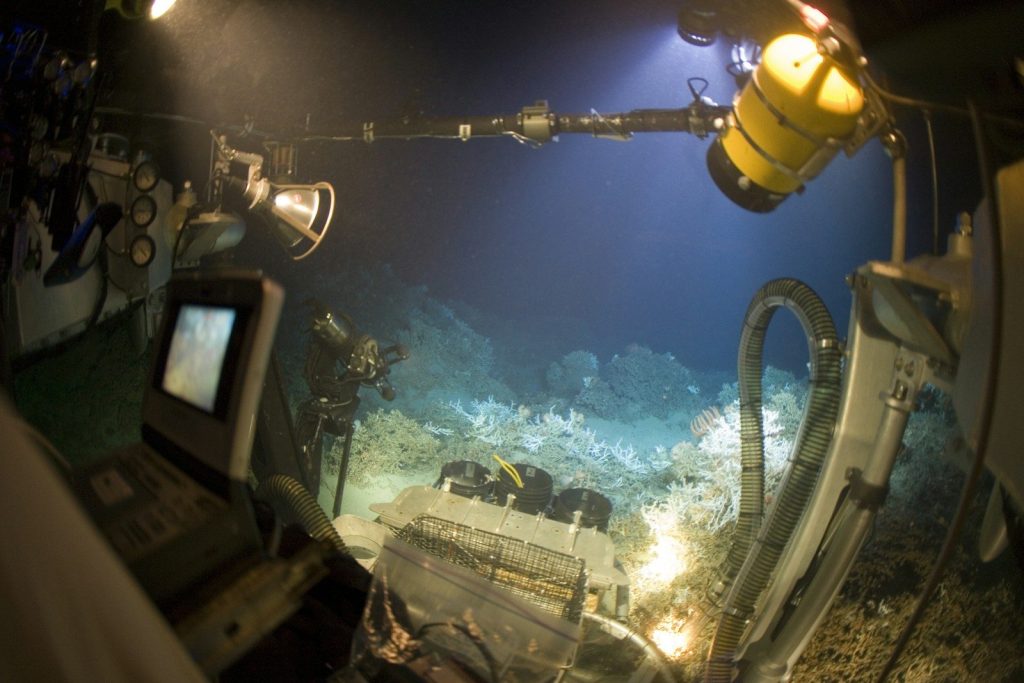
    The Mariana Trench is the deepest known place in Earth’s oceans. Hidden beneath the western Pacific Ocean, it plunges nearly 36,000 feet into a world of crushing pressure, total darkness, and near-freezing temperatures.

    In 1960, two explorers decided to travel to the bottom of this underwater abyss. What followed became one of the greatest exploration achievements in history. Along the way, they heard a terrifying crack from their vessel — a sound that could have ended the mission instantly. Instead of turning back, they continued deeper into the unknown.

    A mission to the deepest place on Earth

    gray turtle
    Photo by Francesco Ungaro on Unsplash

    The expedition was led by U.S. Navy Lieutenant Don Walsh and Swiss oceanographer Jacques Piccard. Their vessel, called the Trieste, was unlike a traditional submarine.

    The craft consisted of a small pressure sphere suspended beneath a large gasoline-filled float. The sphere was designed to withstand immense pressure as it carried the two men toward Challenger Deep, the deepest point of the Mariana Trench.

    The pressure becomes unimaginable

    yellow and black gas lamp
    Photo by NOAA on Unsplash

    As the Trieste descended, the pressure outside increased dramatically. Every few feet brought greater force from the surrounding water.

    At Challenger Deep, pressure reaches more than 16,000 pounds per square inch — over 1,000 times the atmospheric pressure at sea level. Under such conditions, even the smallest structural failure could have catastrophic consequences.

    A terrifying crack in the darkness

    statue under ocean water
    Photo by Jeremy Bishop on Unsplash

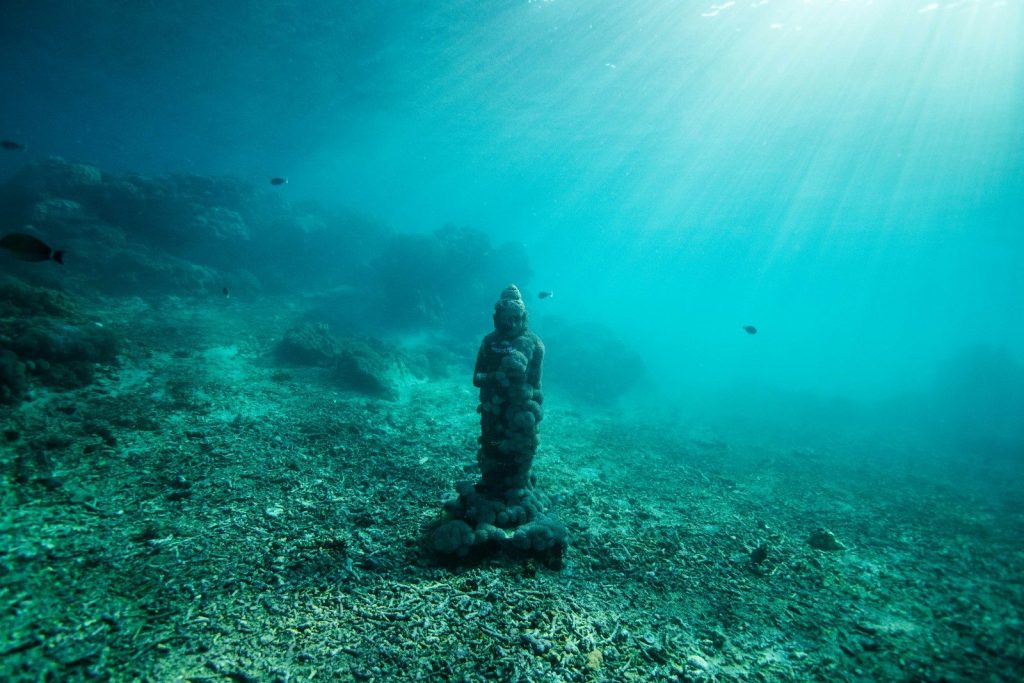
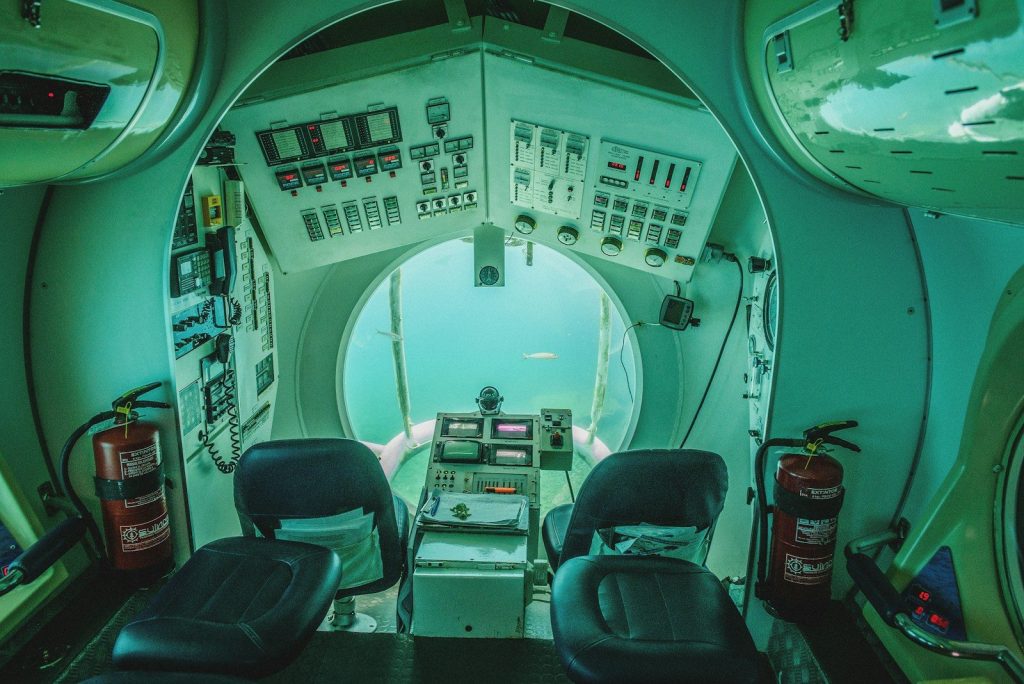
    At roughly 29,500 feet below the surface, the explorers heard a loud bang echo through the vessel. The noise immediately raised concerns that something critical had failed. After checking their systems, they discovered that one of the outer Plexiglas window blocks had cracked under the extreme pressure.

    Fortunately, the damaged section was not the main pressure-bearing window. The inner window remained intact, and the vessel was still safe to continue. Even so, hearing a crack nearly six miles beneath the ocean surface was enough to test anyone’s nerves.

    Reaching Challenger Deep

    man wearing black headphones
    Photo by Teo D on Unsplash

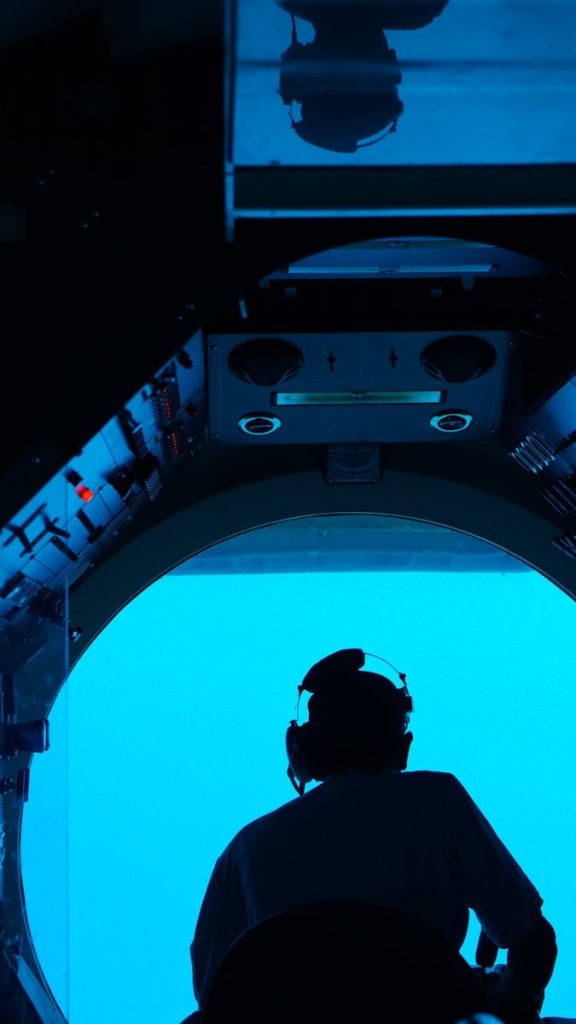
    Despite the frightening incident, Walsh and Piccard continued descending. After nearly five hours, they reached the bottom of Challenger Deep on January 23, 1960. For the first time in history, humans had arrived at the deepest known point on Earth.

    The seafloor appeared surprisingly flat and covered with fine sediment. Visibility was limited because the descent stirred up mud, creating a cloud around the vessel. Still, the achievement marked a historic milestone in ocean exploration.

    Life where none was expected

    a turtle swimming in the water
    Photo by Adél Grőber on Unsplash

    One of the most surprising discoveries came when the explorers reported seeing signs of life on the ocean floor.

    At the time, many scientists believed such extreme depths might be too hostile to support complex organisms. The immense pressure, lack of sunlight, and scarcity of food made survival seem unlikely.

    Yet the observations suggested that life could exist even in one of the harshest environments on the planet. Later research would confirm that deep-sea ecosystems thrive throughout the trench, supported by remarkable biological adaptations.

    A legacy that changed ocean science

    empty seats inside vehicle with fire extinguishers
    Photo by Michal Mrozek on Unsplash

    The Trieste mission proved that humans could safely reach the deepest parts of the ocean and return. It also transformed scientific understanding of life in extreme environments.

    More than six decades later, the Mariana Trench remains one of Earth’s most mysterious places. While technology has improved dramatically since 1960, only a handful of people have visited Challenger Deep.

  • This shark tore off his arm in 8 seconds, and he survived

    This shark tore off his arm in 8 seconds, and he survived

    Most people would never return to the ocean after losing a limb in a shark attack. Paul de Gelder did something very different. In 2009, the Australian Navy diver was conducting a training exercise in Sydney Harbor when a bull shark attacked without warning. The violent encounter lasted only seconds but left him missing his right hand and part of his right leg.

    Against overwhelming odds, he survived thanks to his training and his teammates’ quick actions. Instead of letting fear control his life, he later returned to the water and became one of the world’s most recognizable shark advocates. His story is one of survival, resilience, and a surprising new understanding of sharks.

    A routine training mission turned into a nightmare

    white and black shark underwater
    Photo by Gerald Schömbs on Unsplash

    In February 2009, Paul de Gelder was taking part in a military counterterrorism training exercise in Sydney Harbor. The mission was routine, and there was little indication that anything unusual was about to happen.

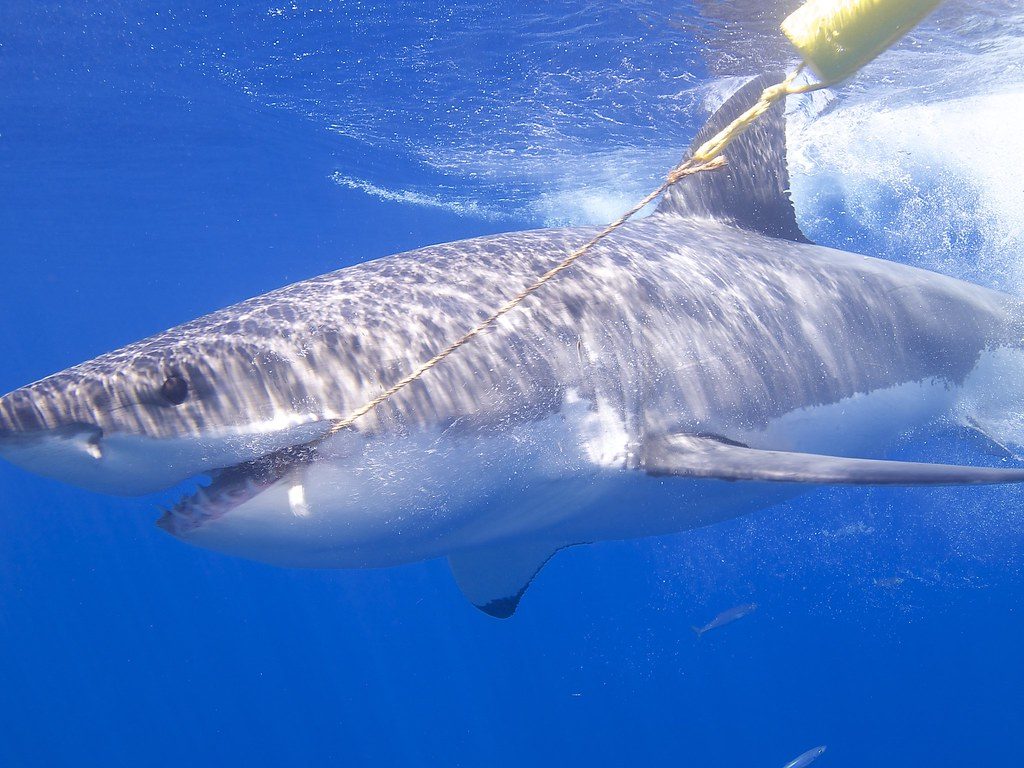
    As he floated in the water, a bull shark suddenly attacked. The shark struck with incredible force, grabbing his arm and leg during a terrifying encounter that lasted only a few seconds. By the time the attack ended, he had suffered catastrophic injuries.

    The fight for survival began immediately

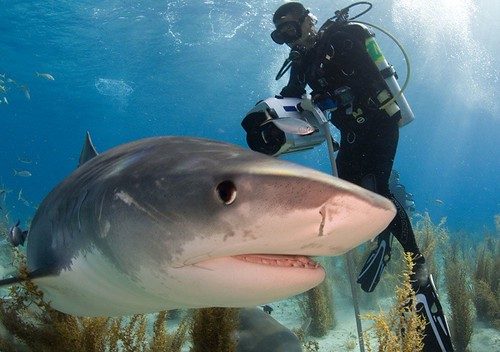
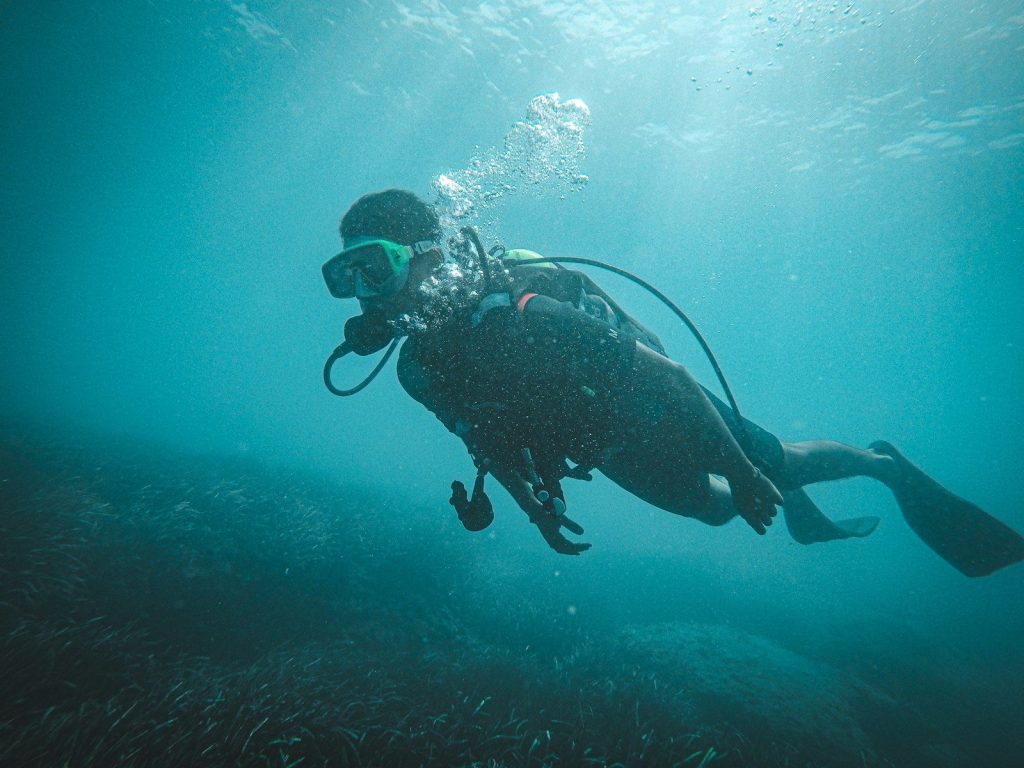
    Tiger shark with diver” by WIlly Volk is licensed under CC BY-NC-SA 2.0

    The attack left Paul critically injured and losing blood rapidly. Despite the shock and trauma, he managed to stay focused and move toward safety. His military training helped him remain calm during one of the worst moments imaginable.

    His teammates acted quickly once he reached the safety boat. They applied emergency first aid and worked to control the bleeding until medical help arrived. Medical experts later said those actions played a crucial role in saving his life.

    Losing two limbs changed everything

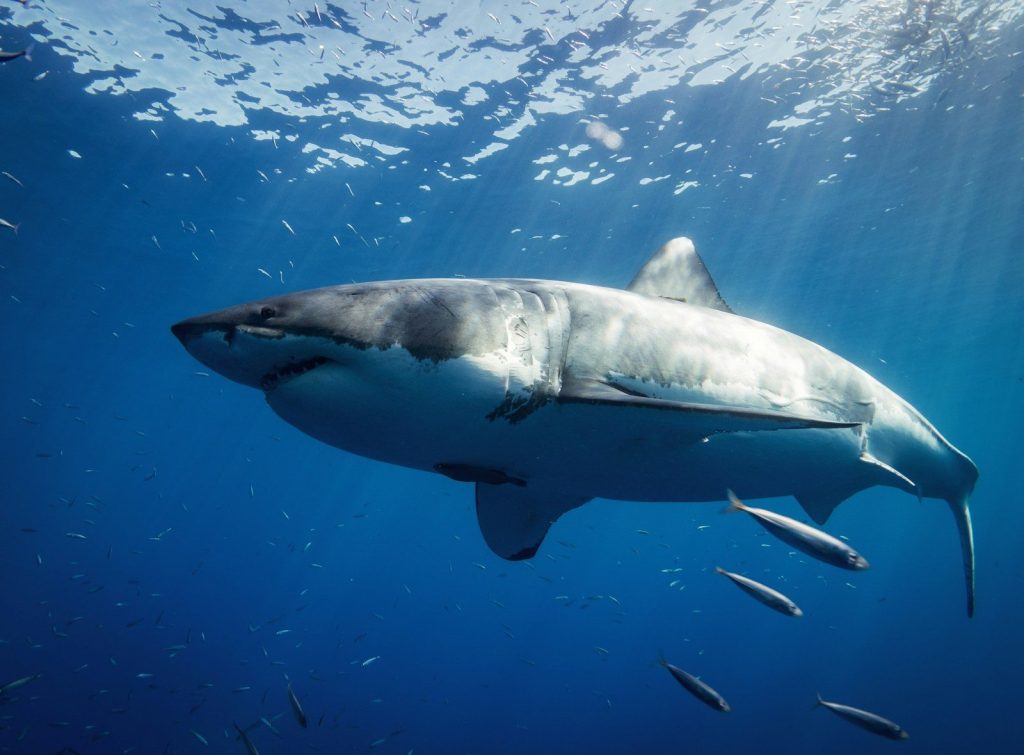
    Great White Shark” by Elias Levy is licensed under CC BY 2.0

    The shark attack resulted in the loss of Paul’s right hand and part of his right leg. For many people, such injuries would completely alter their future plans and goals.

    Recovery required extensive rehabilitation and adjustment. He had to learn how to live with prosthetic limbs while rebuilding his strength and confidence. The physical challenges were enormous, but he refused to allow the attack to define him.

    He refused to fear the ocean

    man in black and white diving suit under water
    Photo by Adrien Delforge on Unsplash

    One of the most remarkable parts of Paul’s story is what happened after his recovery. Instead of avoiding the ocean, he returned to the water and continued working around marine life.

    He eventually began diving with sharks and speaking publicly about shark conservation. His experiences convinced him that sharks are not mindless killers but important predators that play a vital role in ocean ecosystems.

    What he learned about sharks surprised many people

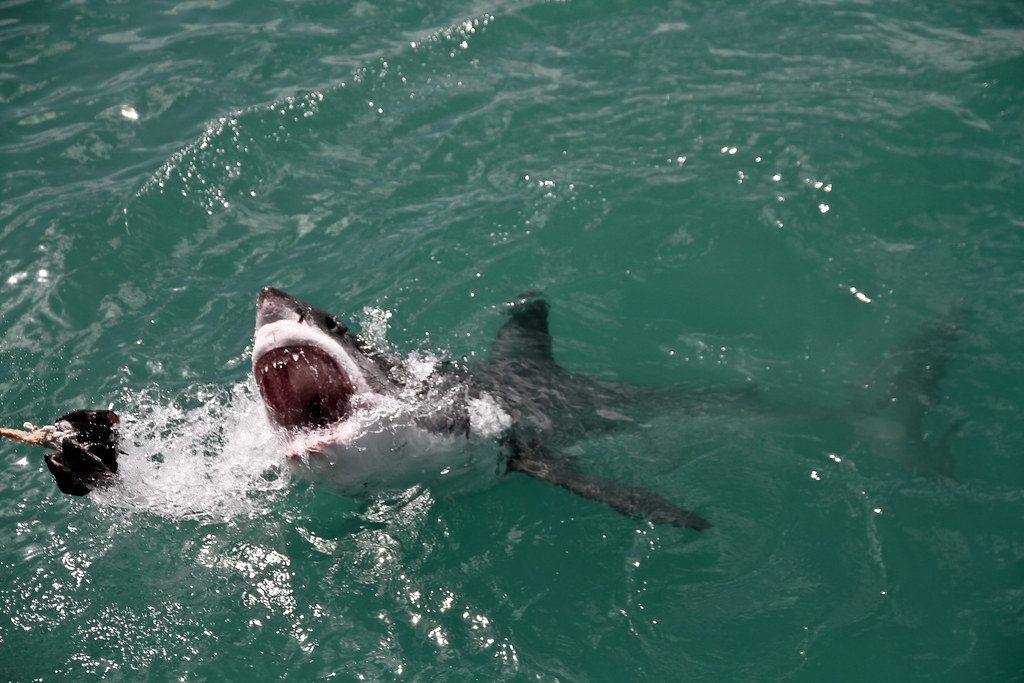
    Great white shark” by Gussy (Luke) is licensed under CC BY-NC-ND 2.0

    After the attack, Paul spent years studying shark behavior and educating the public. He frequently challenges common misconceptions about sharks and explains that attacks remain extremely rare.

    He has repeatedly emphasized that humans are not a preferred food source for sharks. While attacks can be devastating, he believes fear and misinformation often create a misleading picture of these animals.

    An 8-second attack became a lifelong mission

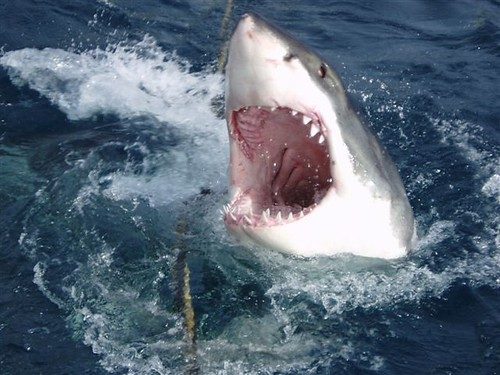
    An angry Great White Shark” by TheGrantPeters is licensed under CC BY 2.0

    Today, Paul de Gelder is known worldwide as a motivational speaker, television personality, and shark advocate. His story has inspired countless people facing adversity and personal challenges.

    What began as an eight-second encounter with a bull shark ultimately became a lesson in resilience. Rather than focusing on what he lost, Paul chose to focus on what he could still achieve, turning a near-fatal tragedy into a powerful message about courage and determination.

  • Why Gustave remains one of history’s biggest crocodiles

    Why Gustave remains one of history’s biggest crocodiles

    What happens when one crocodile becomes a legend? In Burundi, a massive Nile crocodile named Gustave has been feared for decades. Stories about him have spread across the region, making him one of the most famous crocodiles ever known.

    Gustave the Nile crocodile gained attention because of reports linking him to attacks near the Ruzizi River and the northern shores of Lake Tanganyika. While many details of his life remain uncertain, his enormous size, unusual behavior, and mysterious fate have made him a lasting legend. This article explores what is known about Gustave, the attempts to capture him, and why he continues to fascinate people today.

    Who was Gustave the Nile crocodile?

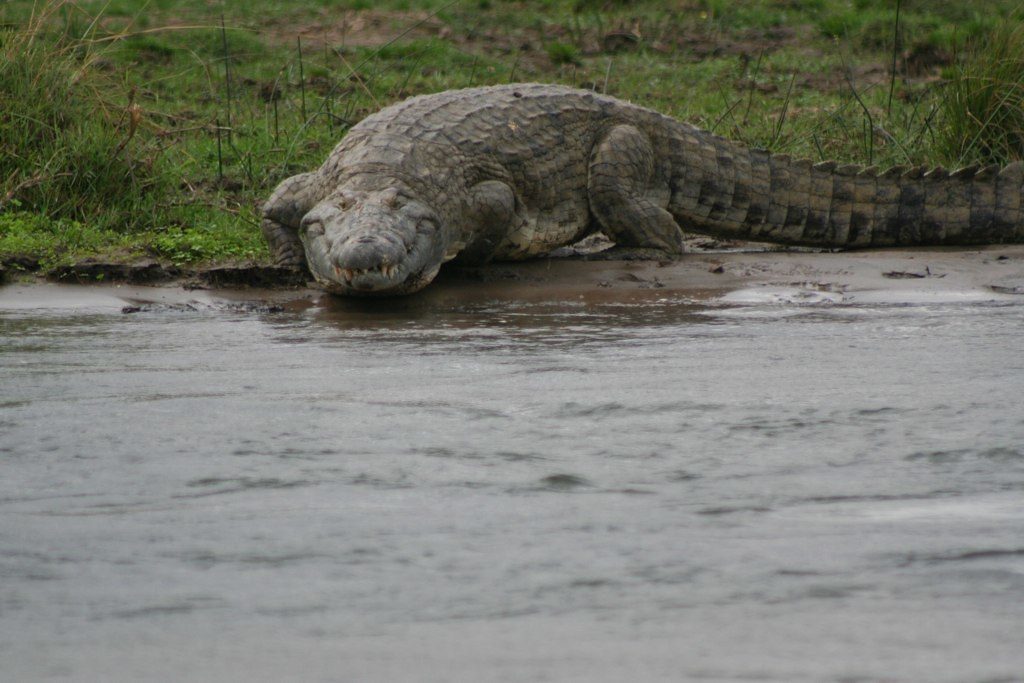
    Bloated Nile Crocodile” by shankar s. is licensed under CC BY 2.0

    Gustave was a male Nile crocodile that lived in Burundi. He became widely known because of reports that connected him to attacks on people living near the Ruzizi River and Lake Tanganyika. Over time, stories about him spread throughout the region, creating a reputation that made him one of the most feared animals in the area.

    The crocodile was named by Patrice Faye, a herpetologist who studied it beginning in the late 1990s. Much of the information about Gustave comes from the documentary Capturing the Killer Croc. The film followed efforts to learn more about the giant reptile and attempted to capture him for study.

    Why Gustave became so famous

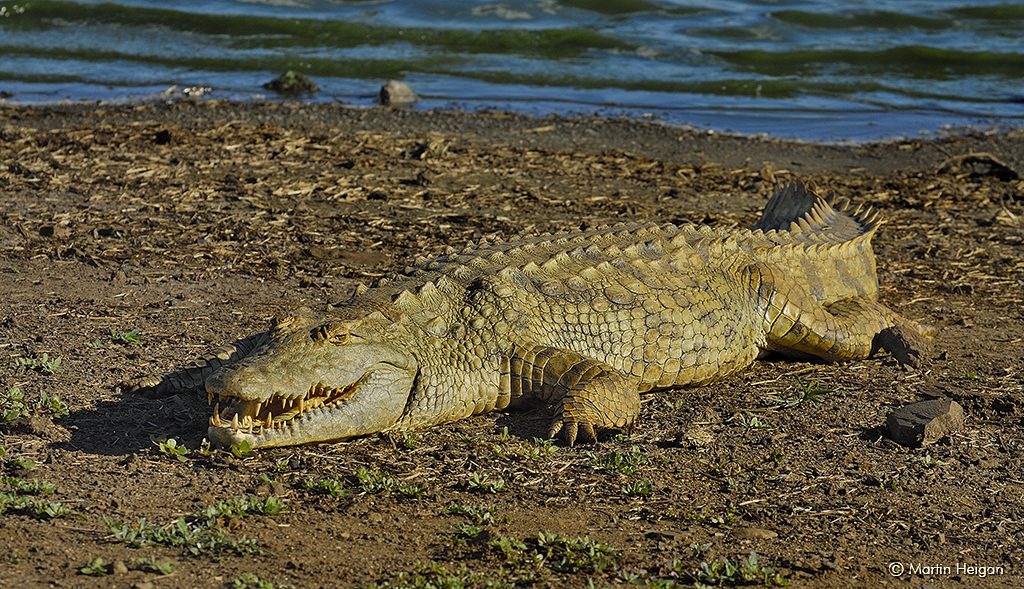
    Nile crocodile” by Martin_Heigan is licensed under CC BY-NC-ND 2.0

    Gustave gained mythical status because of the large number of attacks linked to him. Some reports claimed he may have killed between 200 and 300 people. However, a more recent estimate suggested the real number was likely 60 people or fewer. The exact figure remains unknown.

    His reputation grew because people in the region feared him greatly. Unlike ordinary crocodiles, which often go unnoticed, Gustave became a well-known figure whose name was recognized by many local residents. Stories about him were passed from person to person, adding to the mystery surrounding his life.

    The enormous size of Gustave

    Nile crocodile” by pk2004 is licensed under CC BY 2.0

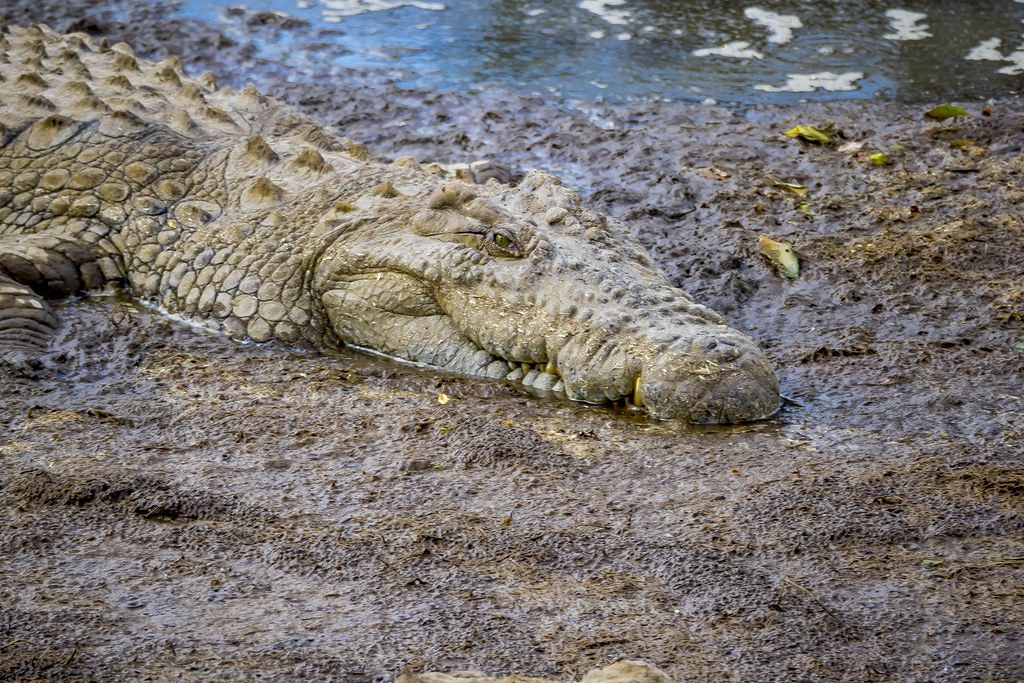
    No one knows Gustave’s exact length or weight because he was never successfully captured and measured. In 2002, National Geographic estimated that he could be more than 20 feet long and weigh over 2,000 pounds. These estimates placed him among the largest Nile crocodiles ever reported.

    Researchers also believed he was more than 60 years old and still growing. Nile crocodiles can live for many decades, and larger individuals may reach 70 to 100 years. His age and size helped make him stand out from other crocodiles living in the same region.

    The scars and unusual behavior

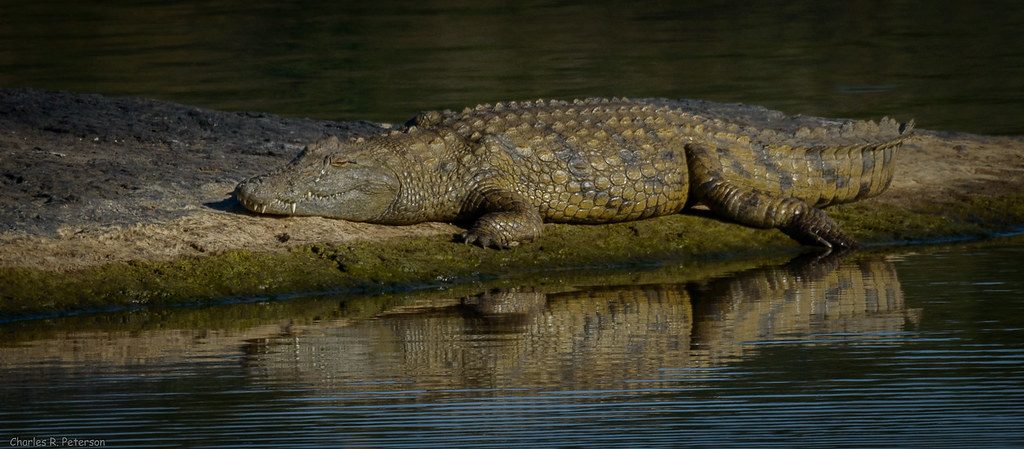
    Nile Crocodile and Reflection – South Africa” by petechar is licensed under CC BY-NC-ND 2.0

    Observers noticed several scars on Gustave’s body during the late 1990s and early 2000s. Three scars appeared to be bullet wounds, while another deep injury was seen on his right shoulder blade. No one knows exactly how he received these wounds.

    Scientists believed his huge size may have affected the way he hunted. Typical Nile crocodile prey includes animals such as fish, antelope, and zebra. Researchers suggested that Gustave’s massive body may have made it harder for him to catch these faster animals, causing him to target larger prey instead. Local stories also claimed that many victims were left uneaten, adding another unusual detail to his legend.

    The failed effort to capture him

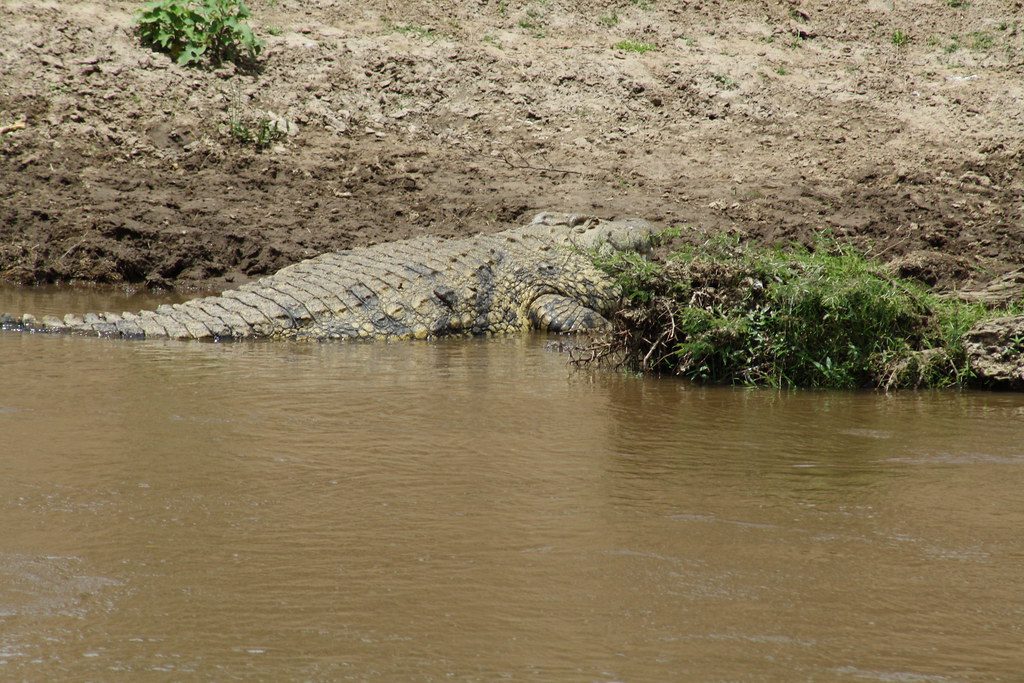
    Nile Crocodile / Masai River / Kenya” by fotopamas is licensed under CC BY 2.0

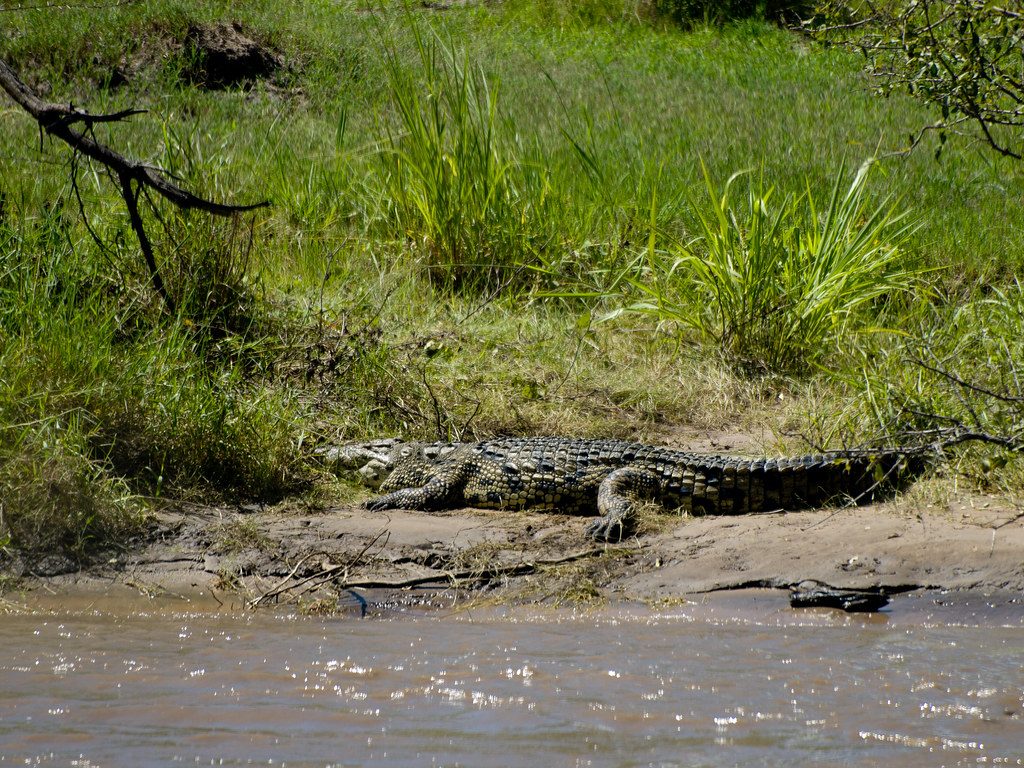
    Patrice Faye and a team of scientists spent two years trying to capture Gustave. They designed a trap cage that weighed about 2,000 pounds and stretched nearly 30 feet. The team carefully located areas where Gustave was believed to travel and placed bait inside the cage.

    Despite these efforts, the crocodile avoided capture. Different types of bait failed to attract him, and several giant snares only caught smaller crocodiles. In a final attempt, a live goat was placed inside the cage. A thunderstorm damaged the hidden camera, and by the next morning, the goat was gone. Because no footage was recorded, the team never learned exactly what happened.

    Sightings and the mystery of his fate

    Nile Crocodile” by wwarby is licensed under CC BY 2.0

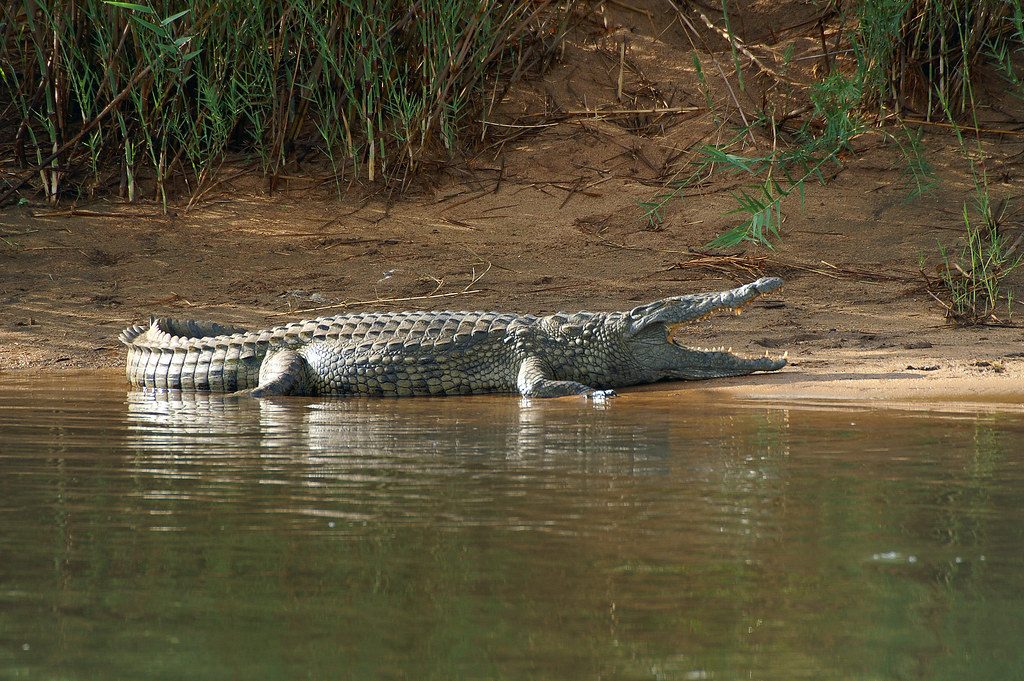
    Years after the capture attempt, Gustave was reportedly seen again. In 2009, he appeared in the Ruzizi River near Lake Tanganyika. The sighting suggested that he had survived and continued living in the region despite years of attention from researchers and local residents.

    Questions about his fate remain unanswered. A travel article published in 2019 reported that Gustave had been killed. However, the report did not explain how, where, or by whom this happened. No photographs or confirmed evidence have ever been presented, leaving many people uncertain about whether the famous crocodile is truly dead.

    Why Gustave remains a legend

    Nile Crocodile (Crocodylus niloticus)” by Arno Meintjes Wildlife is licensed under CC BY-NC-SA 2.0

    Gustave’s story continues to attract attention because so many parts of it remain unknown. His estimated size, advanced age, and ability to avoid capture helped create an image that seemed larger than life. Few wild animals have inspired as many stories and debates as he has.

    Even today, people continue discussing whether the reports about him were fully accurate and what ultimately happened to him. The lack of clear answers has kept the mystery alive, ensuring that Gustave remains one of the most famous crocodiles ever recorded.