Author: Ethan

  • 12-year-old rushed to hospital after shark attack in the Bahamas

    12-year-old rushed to hospital after shark attack in the Bahamas

    A 12-year-old boy was rushed to the hospital after a shark attack in the Bahamas, leaving many families wondering how such incidents happen and how common they really are. The frightening event took place while the child was swimming during a family tour, turning what should have been a fun vacation into an emergency. Although shark attacks are rare, they often make headlines because they happen without warning.

    This article explains what happened during the Bahamas shark attack, where it took place, how the boy was treated, and what experts know so far. It also looks at shark activity in the Bahamas and shares why visitors should always follow basic water safety advice while enjoying the ocean.

    What happened during the shark attack

    two boys standing on rock in beach
    Photo by Michael Weibel on Unsplash

    The attack happened on June 23, 2026, near Staniel Cay in the Exuma Cays, a popular tourist area in the Bahamas. According to Bahamian authorities, the 12-year-old American boy was swimming with his brother during a family tour when a shark bit him. Officials have not released the boy’s name or the type of shark involved.

    Emergency crews quickly responded after receiving reports of the incident. The injured boy was transported by boat to New Providence, where he received medical treatment. Police later confirmed that he was in stable condition, which was welcome news for his family and everyone following the story.

    Why the location attracts visitors
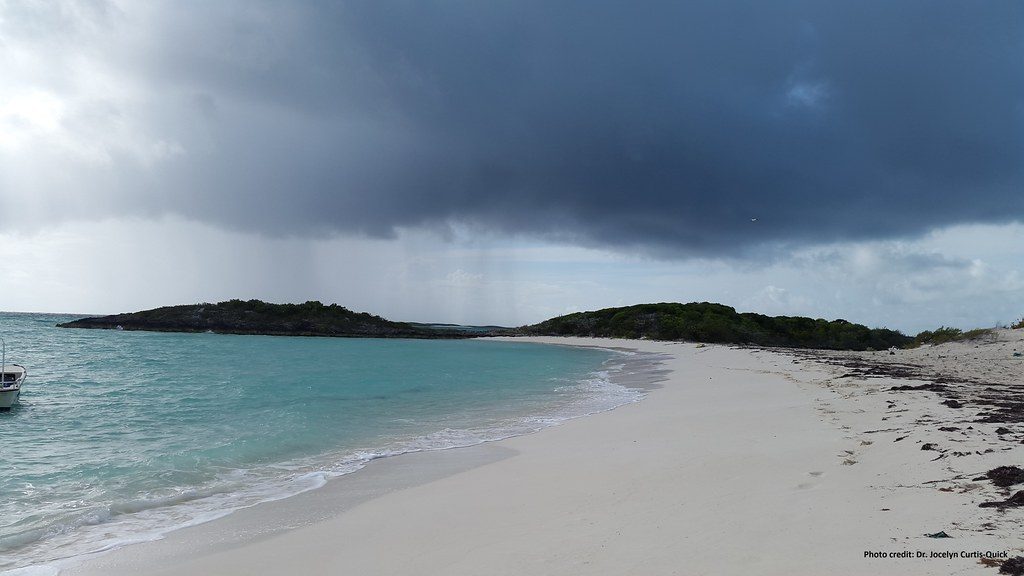
    Northern exumas cays” by FWC Research is licensed under CC BY-NC-ND 2.0

    The Exuma Cays are known for their clear blue water, coral reefs, and marine life. Thousands of visitors travel there every year to swim, snorkel, dive, and enjoy the beautiful beaches. The area is considered one of the Bahamas’ top vacation spots because of its natural beauty and rich underwater world.

    That same environment is also home to many sea animals, including sharks. Seeing sharks in Bahamian waters is not unusual because more than 40 shark species live around the islands. Most sharks avoid people, and attacks remain very uncommon despite the large number of tourists who visit every year.

    What authorities have confirmed

    silver corded microphone in shallow focus photography
    Photo by Kane Reinholdtsen on Unsplash

    Police have confirmed only a few key facts about the case. The boy was swimming near Staniel Cay during a family outing when the attack occurred. He was taken by boat to New Providence for treatment and was reported to be in stable condition after receiving medical care.

    Officials have not shared details about the extent of his injuries or identified the shark species. They have also not released additional information about the family’s identity, likely to protect the child’s privacy while the investigation continues.

    How common are shark attacks
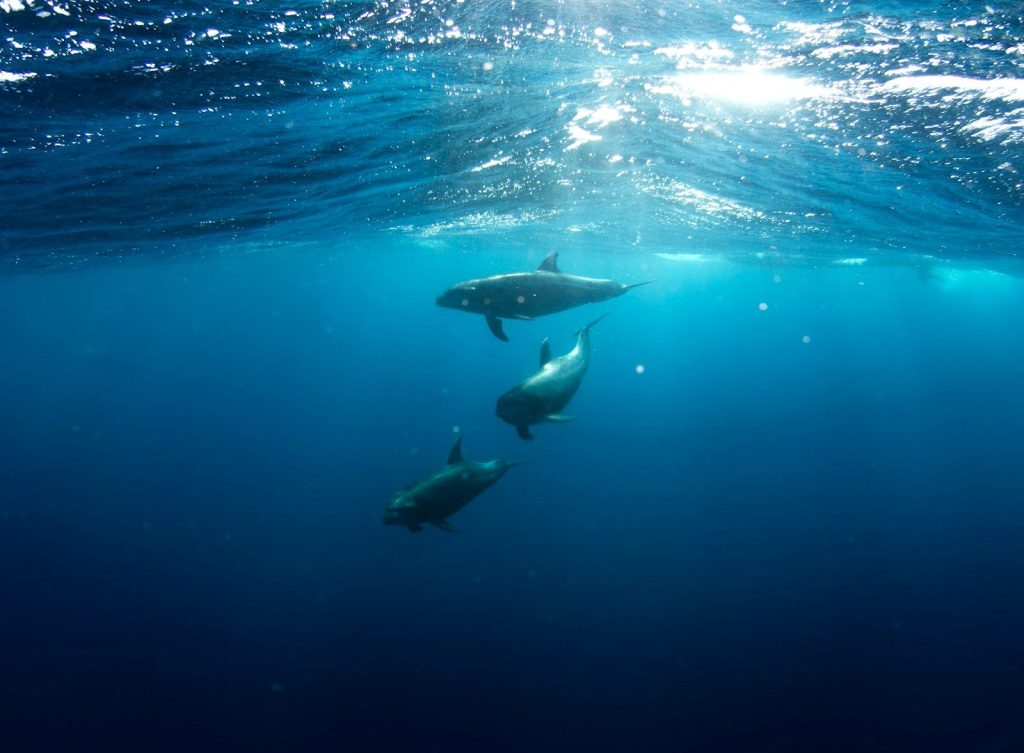
    three shark underwater
    Photo by Talia Cohen on Unsplash

    Shark attacks are much rarer than many people believe. Millions of people swim in the ocean each year without any problems. Even in places where sharks naturally live, attacks on humans are uncommon because sharks do not usually see people as prey.

    The Bahamas has recorded several unprovoked shark attacks over the years, placing it among the countries with the highest number of reported incidents worldwide. Even so, the total number remains very small compared with the huge number of people who safely enjoy the country’s beaches and waters each year.

    Staying safe while swimming
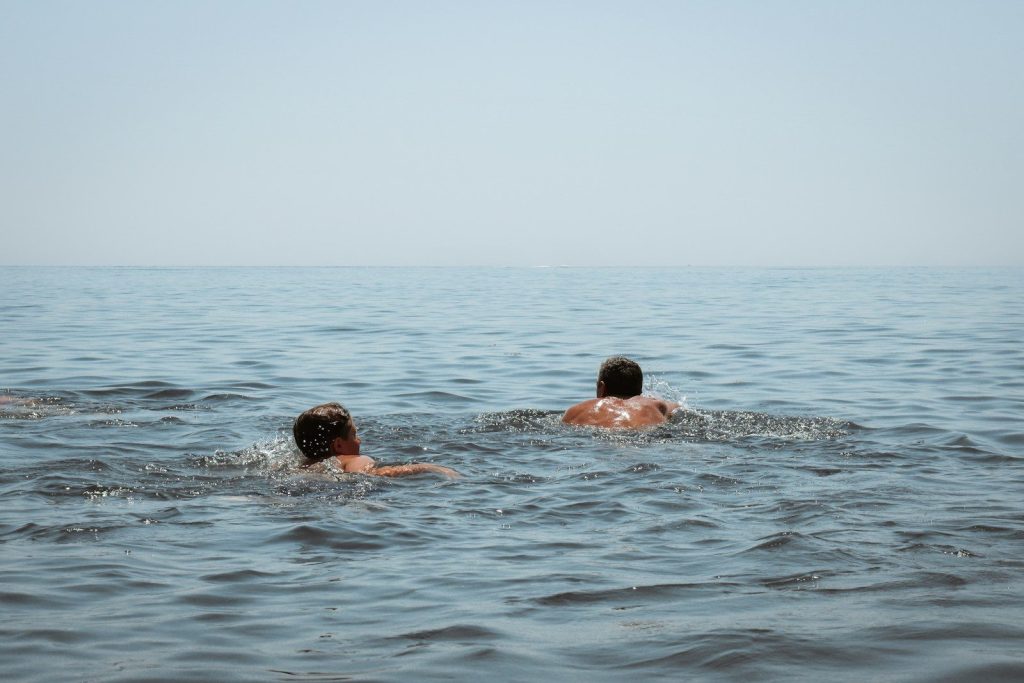
    Two people swimming in the calm ocean.
    Photo by Sara Ruffoni on Unsplash

    Experts recommend several simple steps that can lower the chance of a shark encounter. Swimming with other people instead of alone is one of the most important safety tips. It is also safer to avoid swimming at dawn or dusk, when some shark species are more active.

    People should also stay away from schools of fish and avoid entering the water if they are bleeding from a cut or wound. Following local safety advice, paying attention to warning signs, and listening to lifeguards or tour guides can help visitors enjoy the ocean more safely.

    What this incident reminds travelers
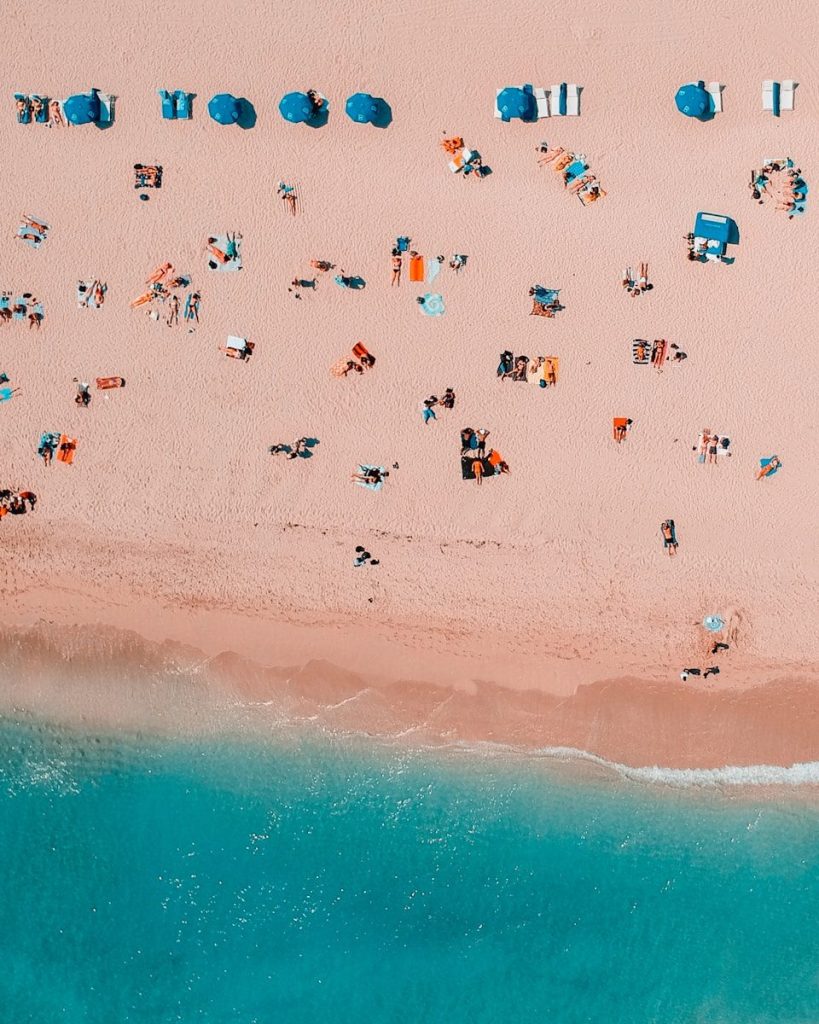
    bird's-eye view photography of people in seashore
    Photo by Guzmán Barquín on Unsplash

    This frightening event shows that even popular vacation spots can have natural risks. Quick action by emergency responders and medical teams helped the injured boy receive treatment as fast as possible, and reports that he is in stable condition offer hope for his recovery.

    The incident also reminds travelers to respect the ocean and its wildlife. Sharks play an important role in keeping marine ecosystems healthy, and encounters with people are still very rare. By understanding the risks and following safety guidance, visitors can continue to enjoy the Bahamas while staying as safe as possible.
  • Three-year-old recovering after terrifying fall into crocodile enclosure

    Three-year-old recovering after terrifying fall into crocodile enclosure

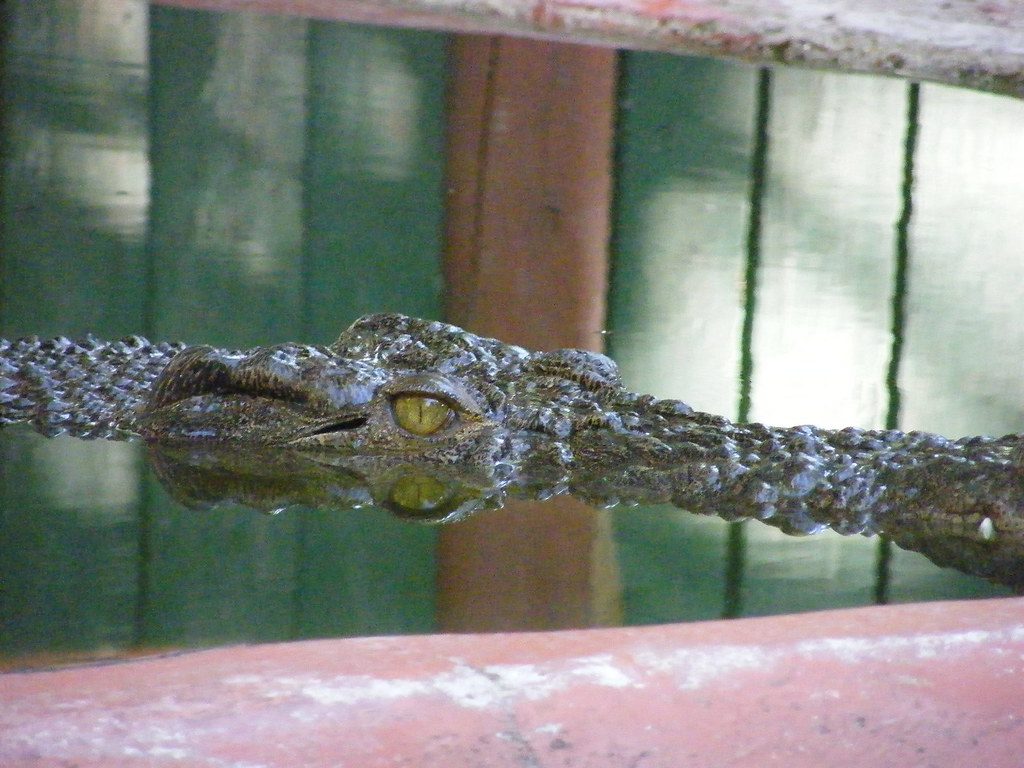
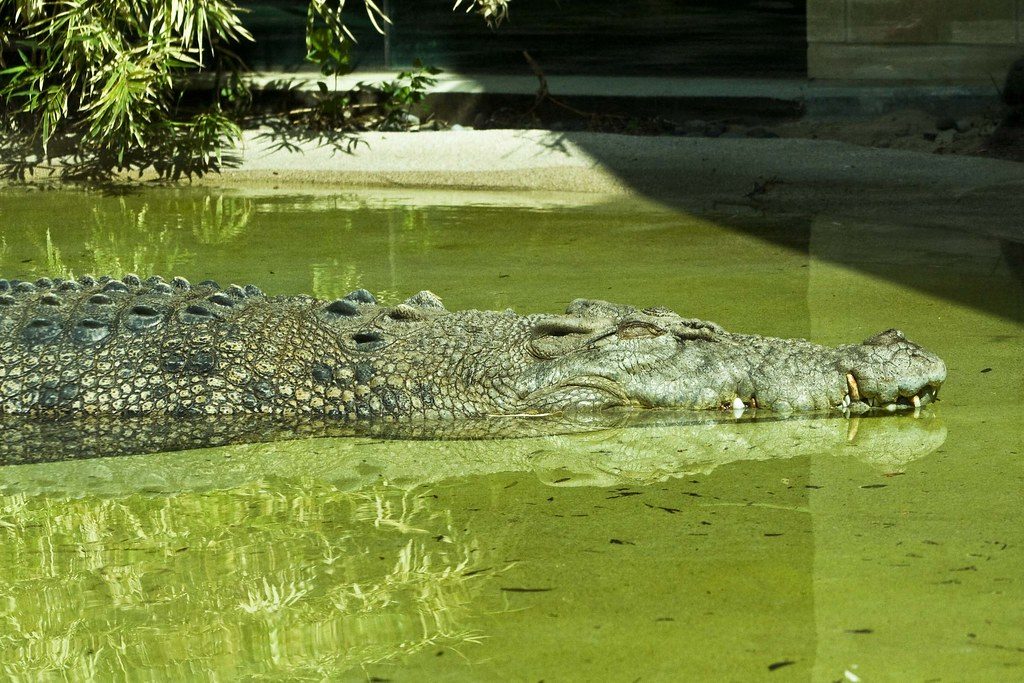
    A three-year-old recovering after a terrifying fall into a crocodile enclosure has captured attention around the world. The shocking incident happened at Johnsons of Old Hurst zoo in Cambridgeshire, England, where the child suffered serious injuries after ending up inside a crocodile exhibit. The case is still under police investigation, making it important to separate confirmed facts from rumors.

    This article explains what happened, how the rescue unfolded, the child’s condition, the ongoing investigation, and why zoo safety remains a top priority. By understanding the verified details, readers can better appreciate both the dangers involved and the quick actions that helped save the young boy.

    What happened at the zoo

    Crocodile” by AndreaTX is licensed under CC BY-NC-ND 2.0

    The incident took place on June 18, 2026, at Johnsons of Old Hurst zoo in Cambridgeshire. Police say a three-year-old boy ended up inside a crocodile enclosure after a 30-year-old man allegedly threw him into the exhibit from an elevated walkway. Authorities said the suspect was not known to the child, and the case is being treated as a suspected attempted murder while investigators continue reviewing evidence.

    The child fell about 15 feet into the enclosure, where crocodiles were present. Emergency services, including an air ambulance, responded quickly. The boy suffered serious injuries during the fall and the attack, including broken bones, before being rushed to Addenbrooke’s Hospital for emergency treatment.

    Brave rescue saved valuable time

    Zoo co-owner Tracey Johnson immediately entered the crocodile enclosure to rescue the child despite the obvious danger. Her husband and son also joined the effort, helping remove the boy from the exhibit and providing first aid before paramedics arrived.

    Officials and wildlife experts praised the family’s courage, noting that acting quickly was critical. Although entering an enclosure with crocodiles carries major risks, the fast response helped get the injured child medical care within minutes, giving doctors the best chance to treat his injuries.

    Child’s recovery brings hopeful news

    a person with a bandage on their hand sitting on a bed
    Photo by engin akyurt on Unsplash

    Doctors initially described the boy’s injuries as critical but stable. Over the following days, his condition improved, and hospital officials later confirmed he was recovering in stable condition. Reports said he suffered injuries including a broken arm and pelvis but responded well to treatment.
    While the child continues recovering, doctors are carefully monitoring his progress. His family has received privacy and support as they focus on his healing. Medical experts say children who experience major trauma often require both physical recovery and emotional support after such frightening events.

    Police continue investigating

    a close up of a police car with its lights on
    Photo by Max Fleischmann on Unsplash

    Cambridgeshire Police arrested a 30-year-old man from Norfolk on suspicion of attempted murder shortly after the incident. Investigators said the suspect has learning difficulties and was visiting the zoo with caregivers. He was later released on bail after being considered unfit for police interviews while the investigation continues.

    Police are reviewing witness statements, CCTV footage, and other evidence to determine exactly what happened. Officers have asked the public to avoid speculation because the investigation remains active, and many important facts are still being examined before any legal decisions are made.

    Zoo safety under renewed attention

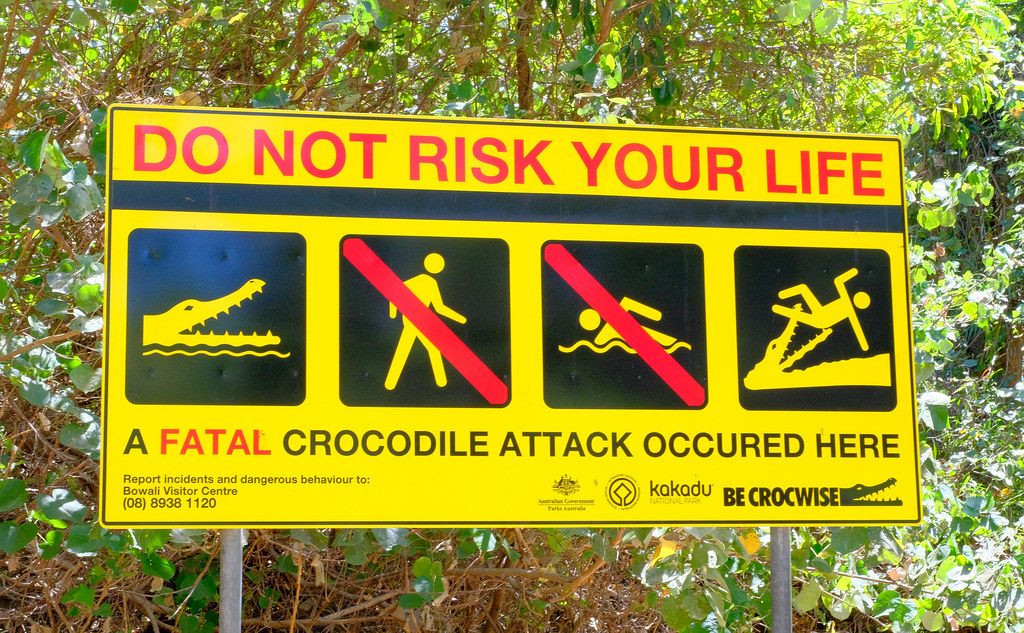
    Crocodile warning sign, Cahill’s Crossing, East Alligator River, Kakadu National Park, Northern Territory, Australia” by Geoff Whalan is licensed under CC BY-NC-ND 2.0

    Modern zoos use multiple layers of protection, including barriers, railings, warning signs, and controlled visitor paths to keep both people and animals safe. Incidents involving visitors entering dangerous animal exhibits are extremely rare because these safety systems are designed to prevent accidents.

    This case has prompted questions about visitor supervision and emergency response rather than the enclosure itself. Experts note that no safety system can completely prevent deliberate criminal acts, but regular safety reviews and trained staff help reduce risks and improve emergency responses when unexpected events occur.

    Privacy concerns after the incident

    Doctor writing on a patient's chart
    Photo by Vitaly Gariev on Unsplash

    After the boy was hospitalized, Cambridge University Hospitals launched an investigation after approximately 40 staff members reportedly accessed his medical records. The hospital stated it is reviewing whether everyone had a legitimate reason to view the child’s information.

    Hospital officials also reported the matter to the Information Commissioner’s Office because patient records are protected by strict privacy laws. The investigation highlights that even during high-profile cases, healthcare workers must only access medical information when it is necessary for patient care.

  • Inside the island where giant crabs are everywhere

    Inside the island where giant crabs are everywhere

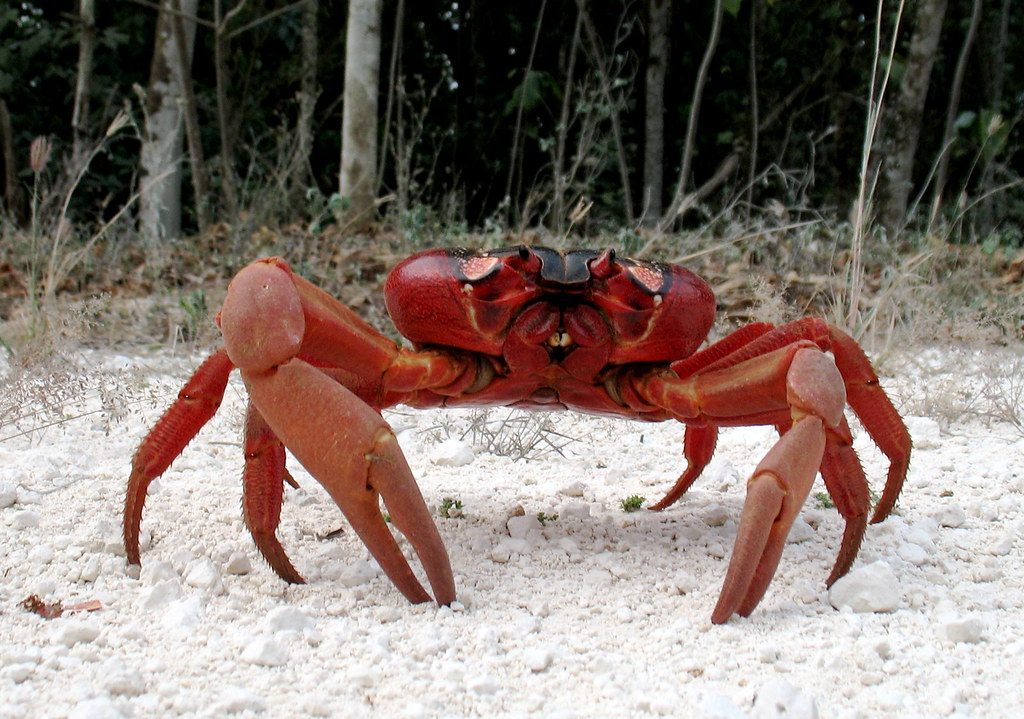
    Have you ever wondered what it would be like to visit a place where crabs seem to be everywhere? On Australia’s Christmas Island, that is a real experience. Every year, millions of bright red land crabs cover roads, forests, beaches, and even yards during one of the world’s most amazing wildlife events.

    This island is also home to the giant coconut crab, making it one of the most unusual places on Earth. In this article, you’ll learn why so many crabs live here, how they survive, why they migrate, and how people work to protect this incredible natural wonder.

    Why Christmas Island is full of crabs

    Snorkeling Christmas Island” by D-Stanley is licensed under CC BY 2.0

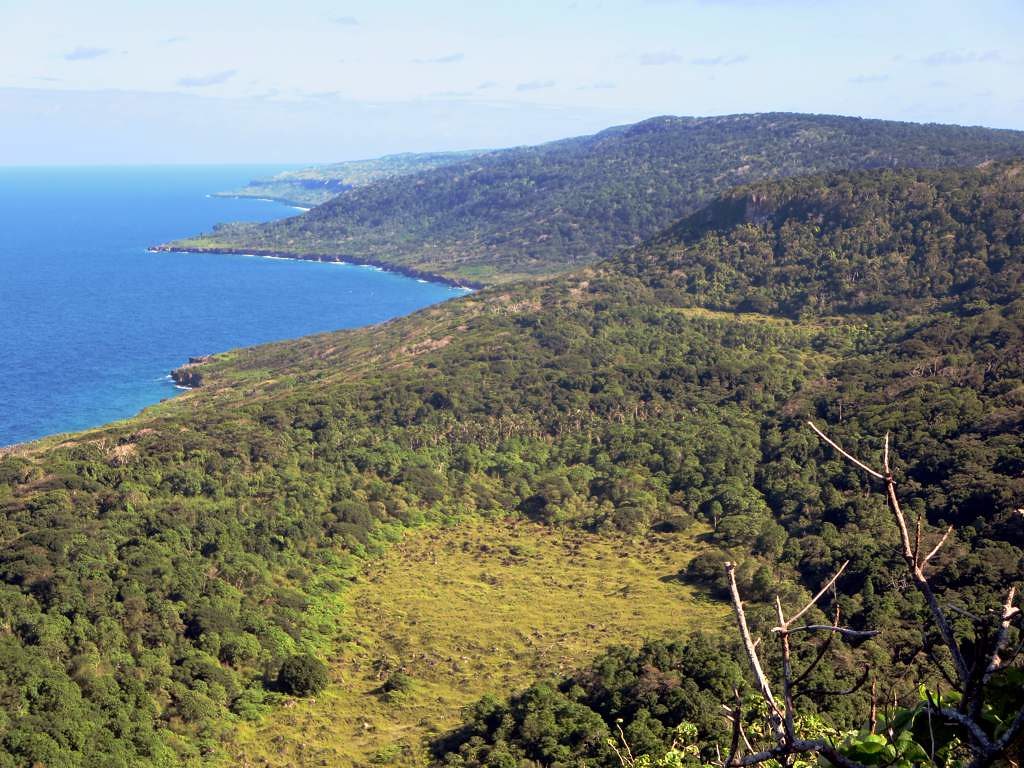
    Christmas Island is a small Australian territory in the Indian Ocean. Its tropical rainforest, warm weather, and limited number of land predators make it the perfect home for red crabs. Scientists estimate that well over 100 million red crabs live across the island, making them the most common large land animal there.

    The island is also famous for the giant coconut crab, the world’s largest land-living arthropod. These powerful crabs can climb trees, crack open coconuts with their strong claws, and live for many decades. While they are much less common than red crabs, they share the island’s forests.

    The famous red crab migration

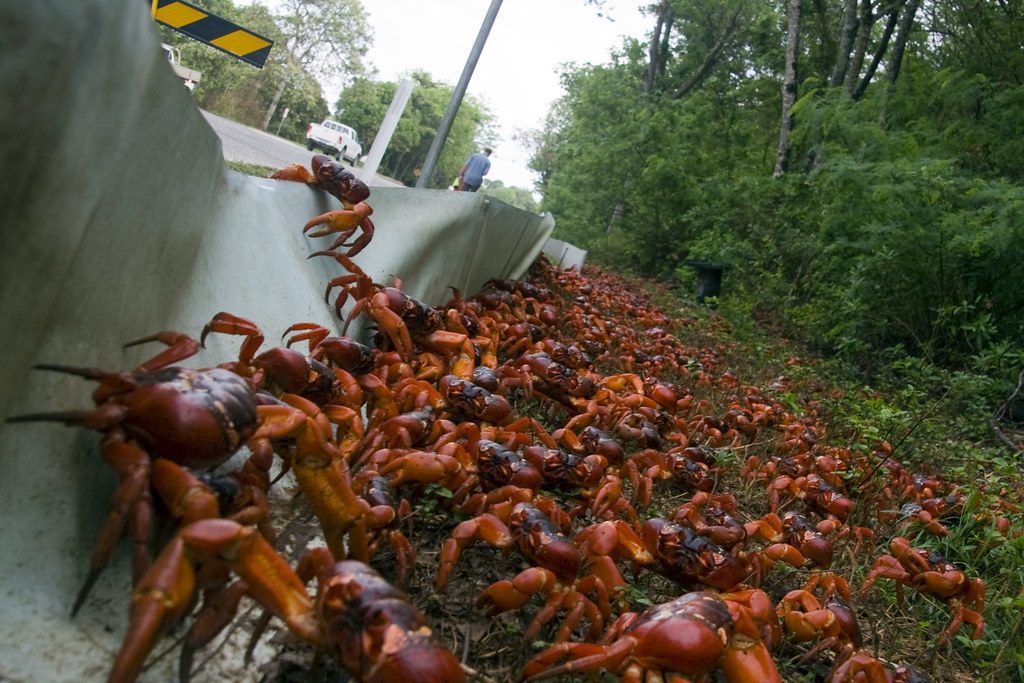
    Red crab migration” by frogtrail images is licensed under CC BY-NC-ND 2.0

    The island becomes most famous during the annual red crab migration. After the first heavy rains of the wet season, millions of crabs leave the forest and travel to the ocean to breed. The exact timing depends on rainfall, tides, and the moon, making every migration slightly different.

    Male crabs usually arrive at the coast first and dig burrows. Females later join them, mate, and carry thousands of eggs before releasing them into the sea during the correct tidal conditions. Only a tiny number of baby crabs survive the dangerous journey back to land.

    How people live alongside the crabs

    Life on Christmas Island changes during migration season. Roads may close for several hours or even days so the crabs can cross safely. Drivers slow down, and many people avoid certain routes until the migration ends.

    The island has built special crab bridges, fences, and tunnels that guide the animals across busy roads. Park workers and residents also help by carefully moving crabs away from danger. These efforts have greatly reduced the number of crabs killed by traffic.

    Why the crabs matter to the forest

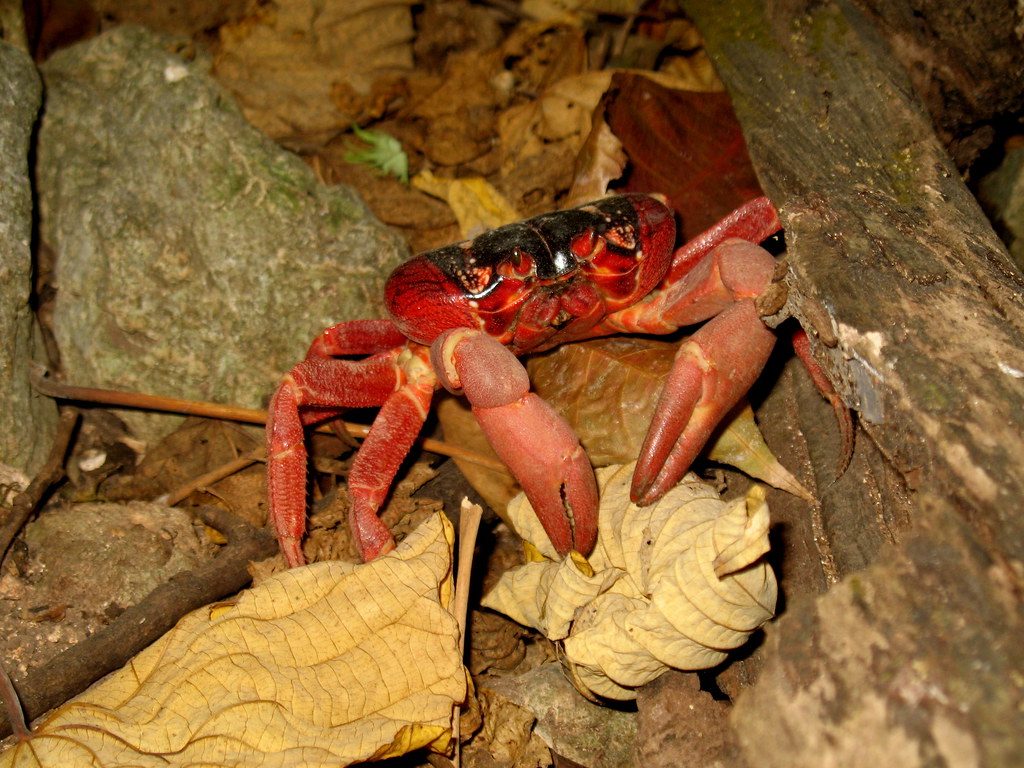
    Red crab Christmas Island” by Peter from Perth is licensed under CC BY-NC-ND 2.0

    Red crabs do much more than create a colorful sight. They help keep the rainforest healthy by eating fallen leaves, fruit, flowers, and dead plants. As they feed, they recycle nutrients back into the soil, helping trees and other plants grow.

    The crabs also control the amount of leaf litter on the forest floor. Without them, the island’s rainforest would look very different. Scientists consider them a key species because so many other parts of the ecosystem depend on their daily activities.

    Challenges the crabs still face

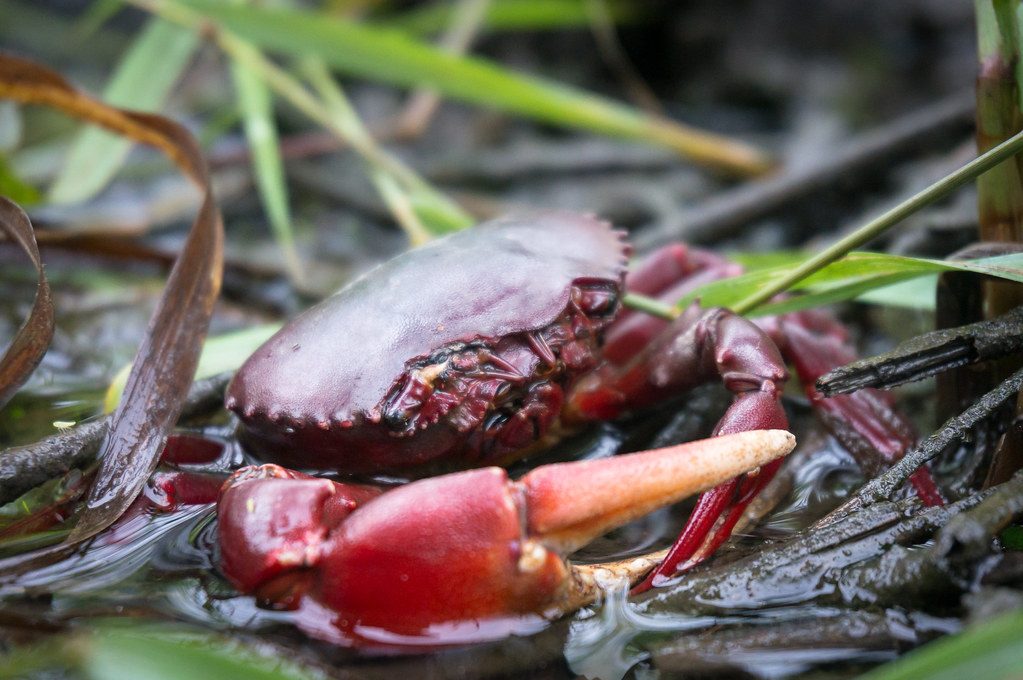
    Red Crab” by benjohnlamb is licensed under CC BY-NC-SA 2.0

    Although millions of crabs still live on Christmas Island, they face serious threats. One of the biggest problems comes from invasive yellow crazy ants. These ants attack red crabs, and past outbreaks killed millions of them across the island.

    Conservation teams continue to control the ant population while protecting crab habitat. Road crossings, careful wildlife management, and ongoing monitoring have helped crab numbers recover in many areas, but scientists continue to watch the population closely.

    Visiting this one-of-a-kind island

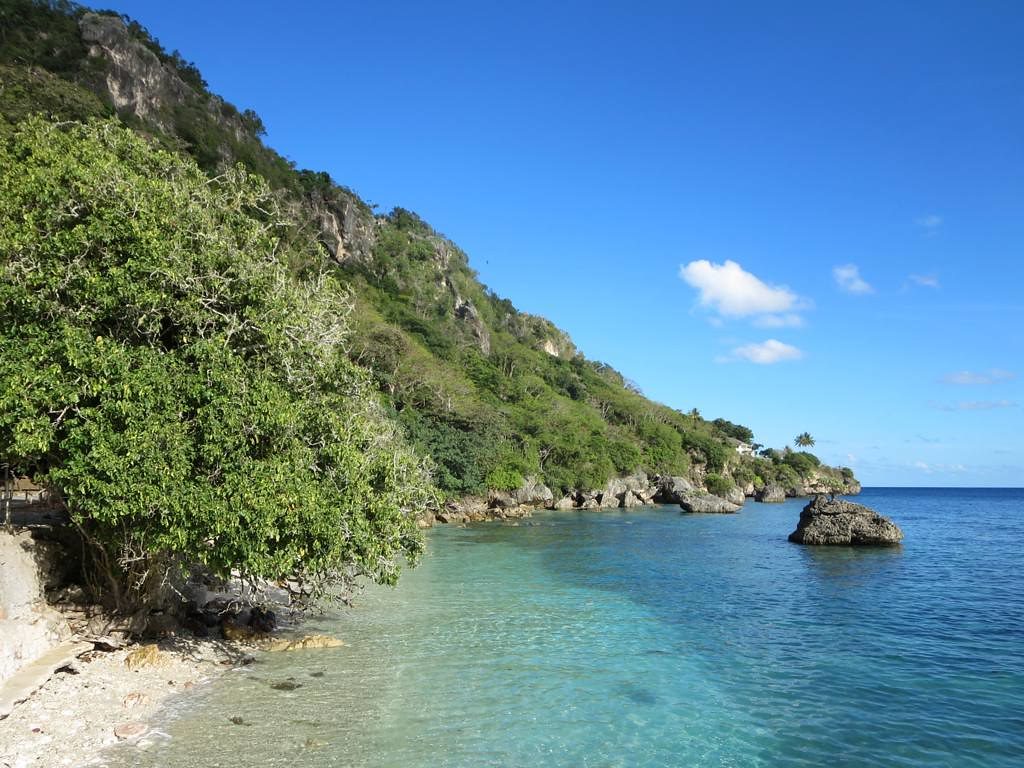
    East Coast of Christmas Island” by D-Stanley is licensed under CC BY 2.0

    Visitors often plan trips during migration season to see the island turn into a moving sea of red. Walking trails, viewing areas, and crab bridges provide safe places to watch the migration without disturbing the animals.

    Outside migration season, travelers can still spot red crabs throughout the rainforest and may even see the giant coconut crab at night. Together, these remarkable animals make Christmas Island one of the world’s most unforgettable wildlife destinations.

  • Mysterious big cat spotted roaming a Norfolk field

    Mysterious big cat spotted roaming a Norfolk field

    Have you ever wondered what you would do if you spotted a big cat walking through a field? That question became real after a mysterious big cat was seen in a Norfolk field. The unusual sighting quickly caught people’s attention because large wild cats are not supposed to roam free in the British countryside.

    Experts and animal welfare groups soon began looking into the case to learn what the animal really was. This article explains what happened, where the cat was seen, what experts believe it may be, why officials are taking the sighting seriously, and what people should do if they ever come across a similar animal.

    The unusual sighting in Norfolk

    man beside dog walking in pathway surrounded by trees
    Photo by Julia Vivcharyk on Unsplash

    The sighting happened near the village of Bramerton in Norfolk. A man named Tom Baker was walking his dog when he noticed what first looked like a large fox in a nearby field. After taking a closer look with his camera, he realized the animal looked much larger than a normal house cat and even reminded him of a small leopard.

    The animal was filmed walking calmly across the field before disappearing into the countryside. The video quickly spread online and drew attention from local wildlife groups, the RSPCA, and many people who were curious about what the mysterious animal could be.

    What experts think the animal was

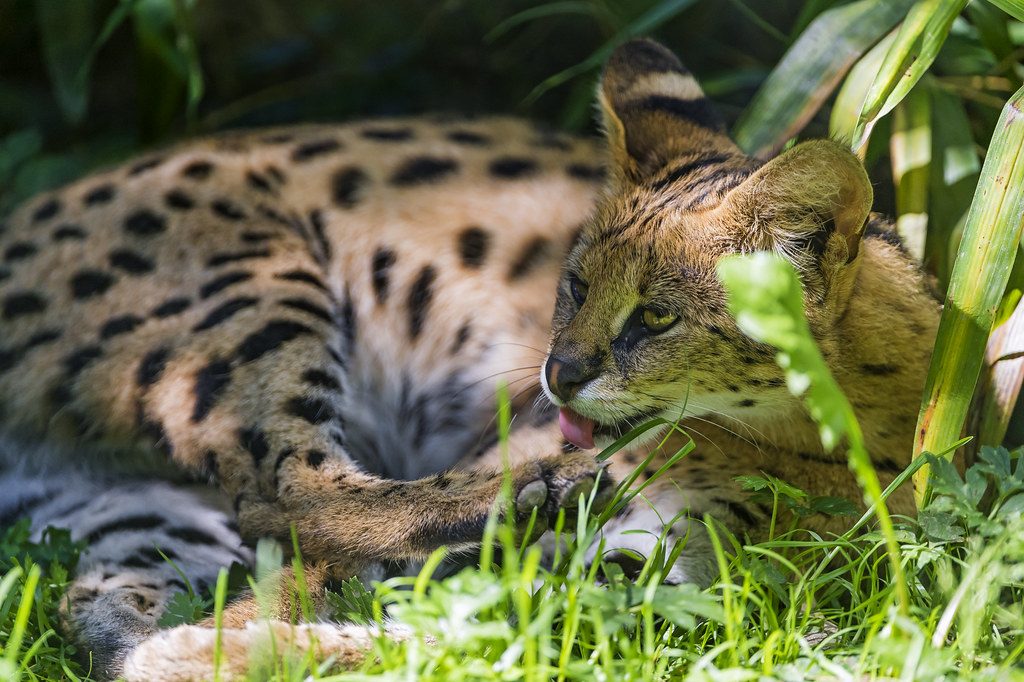
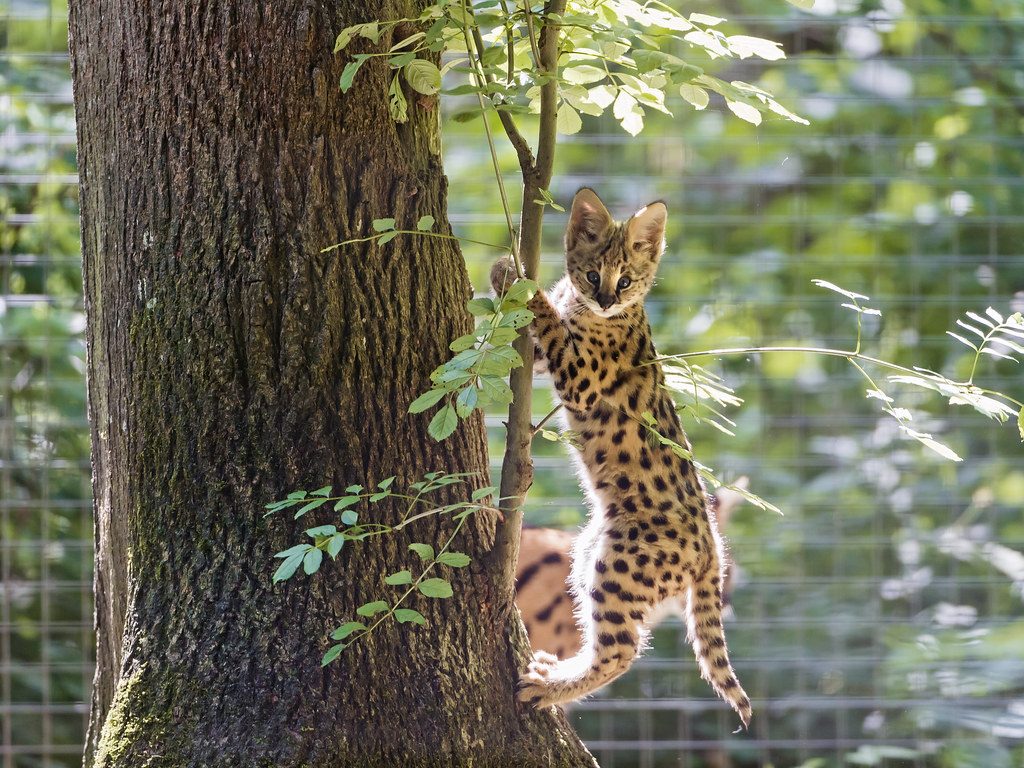
    Climbing serval kitten II” by Tambako the Jaguar is licensed under CC BY-ND 2.0

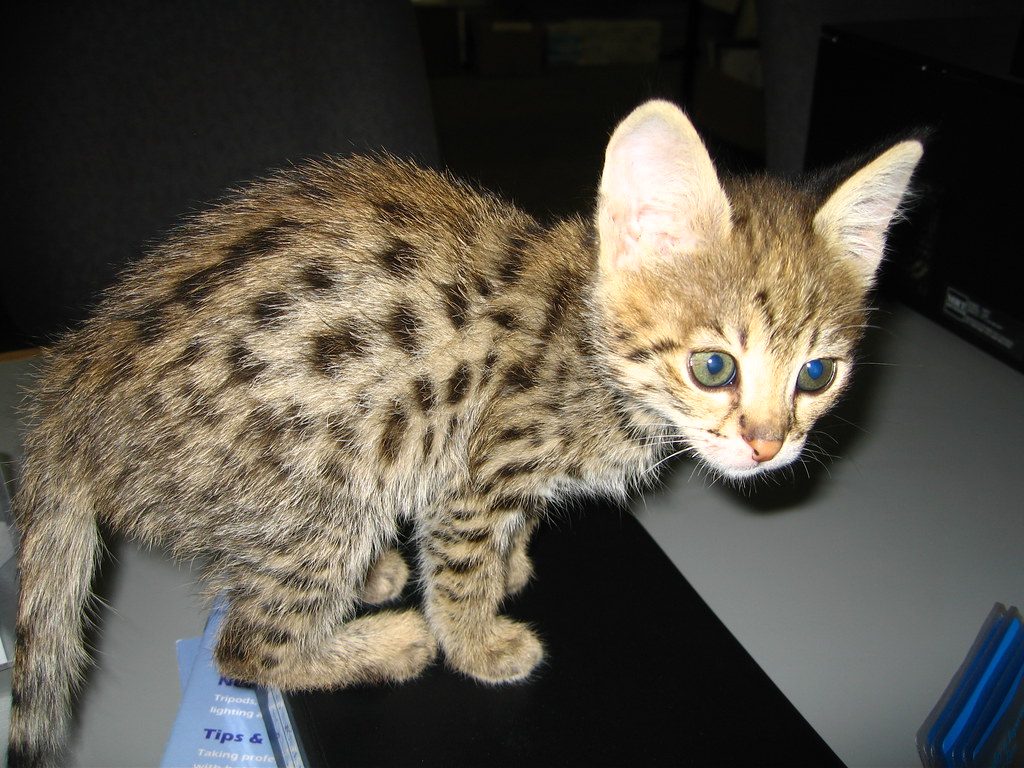
    Although many people called it a “big cat,” wildlife experts do not believe it was a wild leopard. Instead, they think it was most likely a serval or a Savannah cat. A serval is a wild cat from Africa with very long legs, large ears, and a spotted coat. A Savannah cat is a hybrid created by breeding a serval with a domestic cat.

    These animals are much larger than normal pet cats, which explains why they can surprise people. Their size, long legs, and unusual markings often make them look like small leopards, especially from a distance or in low light.

    Why officials are investigating

    RSPCA Thank You” by psd is licensed under CC BY 2.0

    The RSPCA and local wildlife groups took the sighting seriously because an escaped exotic cat could face many dangers outdoors. Officials said they had not received any official reports of a missing serval or Savannah cat at the time of the sighting, but they encouraged anyone with information to come forward.

    Norfolk Wildlife Rescue later said that someone claiming to be the animal’s owner had contacted them. Wildlife experts advised people not to chase or corner the cat because frightened animals can become stressed and harder to rescue safely.

    Are people in danger?

    Savannah Cat” by johncpiercy is licensed under CC BY-NC-ND 2.0

    Experts believe the risk to the public is low. Servals and Savannah cats usually avoid humans and prefer to escape rather than confront people. Even so, they are still powerful animals with sharp teeth and claws, so keeping a safe distance is important.
    Anyone who spots an unusual animal should avoid trying to feed it or capture it. Instead, they should contact local animal welfare organizations or the police so trained professionals can safely handle the situation if needed.

    Why exotic pets can become a problem

    people having meeting on rectangular brown table
    Photo by Christina @ wocintechchat.com M on Unsplash

    The Norfolk sighting has also raised questions about keeping exotic animals as pets. Animals such as servals have complex needs that are difficult to meet in a normal home. They require plenty of space, special diets, and expert care throughout their lives.

    Animal welfare organizations have long warned that exotic pets can become a problem if owners are not fully prepared. If these animals escape or are abandoned, they may struggle to survive while also creating concern for nearby communities.

    What happens next

    a group of people sitting around a white table
    Photo by UK Black Tech on Unsplash

    Officials will continue gathering information to confirm exactly what the animal was and whether it has been safely recovered. If the reported owner is confirmed, the focus will likely be on making sure the cat returns safely and receives proper care.

    While the video created excitement, experts say it should not be treated as proof that wild big cats are living across the British countryside. Instead, this case appears to involve an unusual escaped exotic cat rather than a naturally wild predator.

  • Boy dies after fleeing vicious dogs by diving into a California lake

    Boy dies after fleeing vicious dogs by diving into a California lake

    A tragic California lake drowning has left a family and community heartbroken after a 12-year-old boy tried to escape a group of aggressive dogs. What began as a normal day at a local park quickly turned into a deadly emergency.

    The heartbreaking case has also raised questions about dog owner responsibility and public safety. This article explains what happened, how the investigation unfolded, what the police have said, and why this incident has drawn so much attention across California.

    What happened at the California park

    brown and white short coated dogs on gray concrete floor
    Photo by Jason Murphy on Unsplash

    The tragedy happened on June 18, 2026, at Central Park in California City, located in Kern County. According to police, 12-year-old Fernando Torres Moreno was at the park when three dogs allegedly began chasing him and another child. In an effort to escape, Fernando jumped into the park’s lake.

    Emergency responders arrived within minutes after receiving reports of a drowning. Officers found Fernando at the bottom of the lake, pulled him from the water, and immediately started CPR. He was taken to a local hospital before being transferred to Children’s Hospital in Bakersfield, where he later died despite lifesaving efforts.

    Another child was seriously injured

    an ambulance driving down a street next to a building
    Photo by Walter Dziemianczyk on Unsplash

    The incident did not affect only Fernando. An 8-year-old girl was also attacked by the same dogs and suffered serious dog bite injuries. Thankfully, her injuries were not considered life-threatening, and she was treated at a hospital before being released.

    Police focused on helping both children while also securing the area and collecting evidence. Witness statements and early findings helped investigators understand how the attack unfolded and identify the dogs believed to have been involved.

    Police identified the dog’s owner

    man in white and green adidas jersey shirt and black hat
    Photo by Ethan Wilkinson on Unsplash

    During the investigation, officers contacted 68-year-old Kenneth Dobbins, who told police he had been at the park with three dogs. At the time, officers photographed him and the animals but did not arrest him because the full extent of the children’s injuries was not yet known.

    As investigators gathered more evidence, they concluded that Dobbins’ dogs were allegedly responsible for chasing and attacking the children. Police later obtained an arrest warrant charging him with involuntary manslaughter and negligent ownership of an animal that caused serious injury or death.

    Search for the suspect and the dogs

    Two police officers investigate a crime scene at night, entering a house with caution.
    Photo by cottonbro studio on Pexels

    When officers returned to arrest Dobbins several days later, they discovered he had left the area. Authorities launched a search for both the suspect and the three dogs connected to the incident.

    Police later located and seized one of the dogs in Los Angeles County. At the time authorities announced the investigation, they were still searching for Dobbins and the remaining dogs. Officials asked anyone with information to contact law enforcement instead of approaching the suspect themselves.

    A community mourns a young life

    Beautiful red roses placed on a tombstone, symbolizing love and remembrance in a cemetery setting.
    Photo by Ivan Cuesta on Pexels

    Fernando’s death deeply affected his family, friends, and the California City community. Family members described him as a kind, caring boy who loved spending time outdoors, playing with his siblings, and making new friends.

    Community members organized memorial gatherings to honor Fernando’s life, while an online fundraiser was created to help his family with funeral expenses. Many people shared messages of support, remembering him for his bright personality and the happiness he brought to those around him.

    Why this case matters

    A dog is looking out from inside a box.
    Photo by Vicky on Unsplash

    This case has renewed discussion about responsible pet ownership and the dangers that can arise when aggressive dogs are not properly controlled. Dog owners have a legal responsibility to prevent their animals from harming others, especially in public places where children and families gather.

    The tragedy also shows how quickly emergencies can become deadly. Fernando was not attacked by the water itself but lost his life while trying to escape a frightening situation. Authorities continue to investigate the case, and the legal process will determine responsibility based on the available evidence.

  • Hammerhead’s deadly hunting skills leave prey with no chance

    Hammerhead’s deadly hunting skills leave prey with no chance

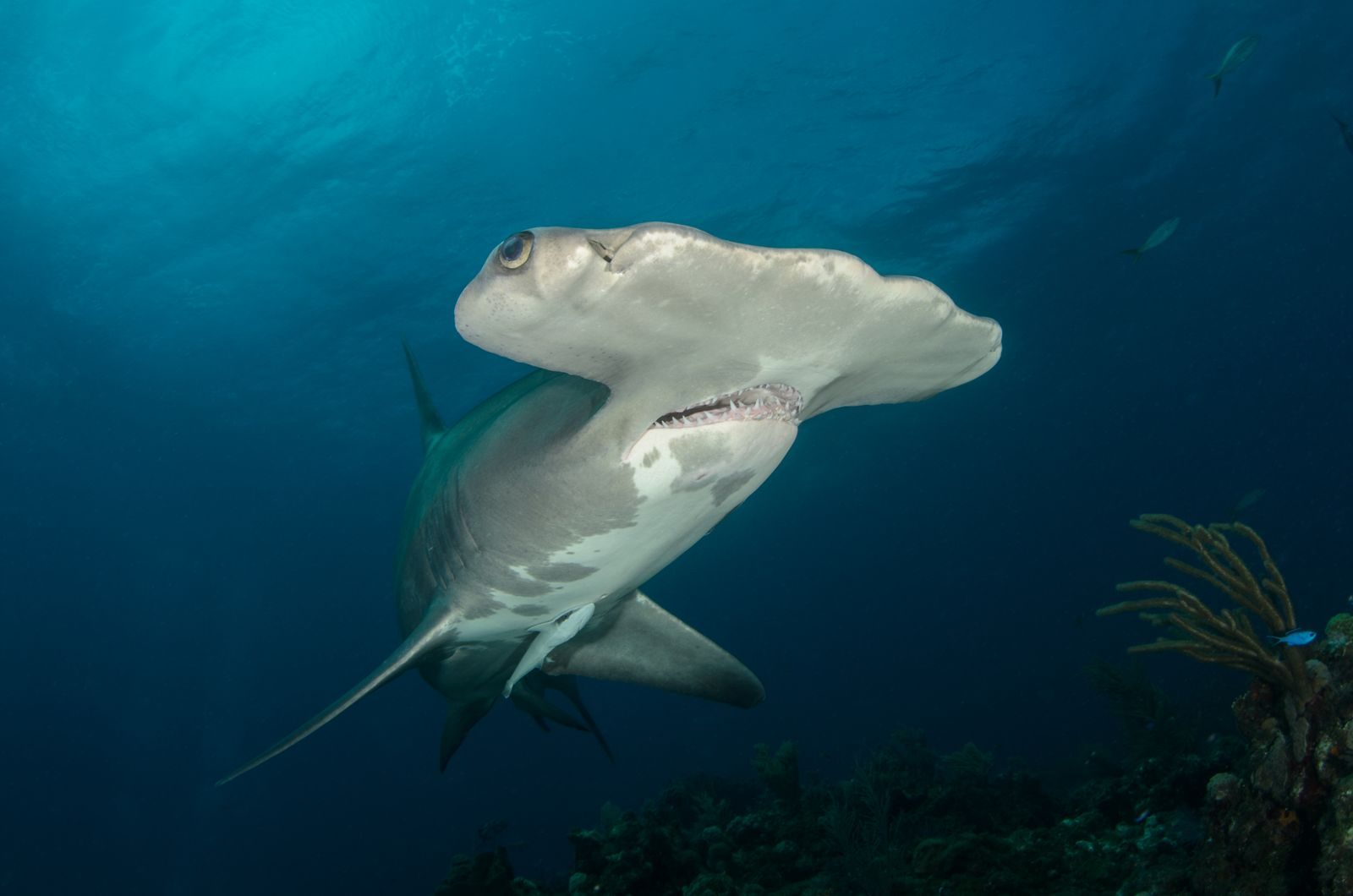
    Hammerhead’s deadly hunting skills have made these sharks some of the ocean’s most successful predators. Their wide, hammer-shaped head is not just for looks. It helps them find hidden prey, make fast turns, and catch animals that many other sharks would miss.

    These smart hunters use a mix of sharp senses, speed, and strength to survive in warm oceans around the world. In this article, you will learn how hammerhead sharks hunt, why their unique head gives them an advantage, what they like to eat, and how their amazing abilities help them stay at the top of the marine food chain.

    The hammer-shaped head gives a hunting edge

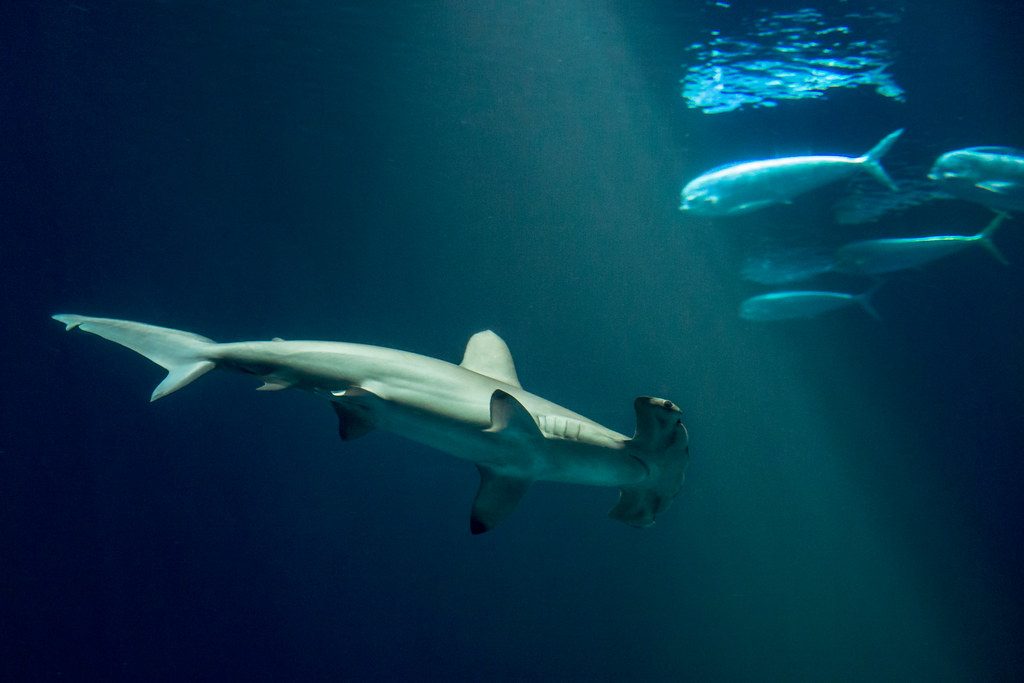
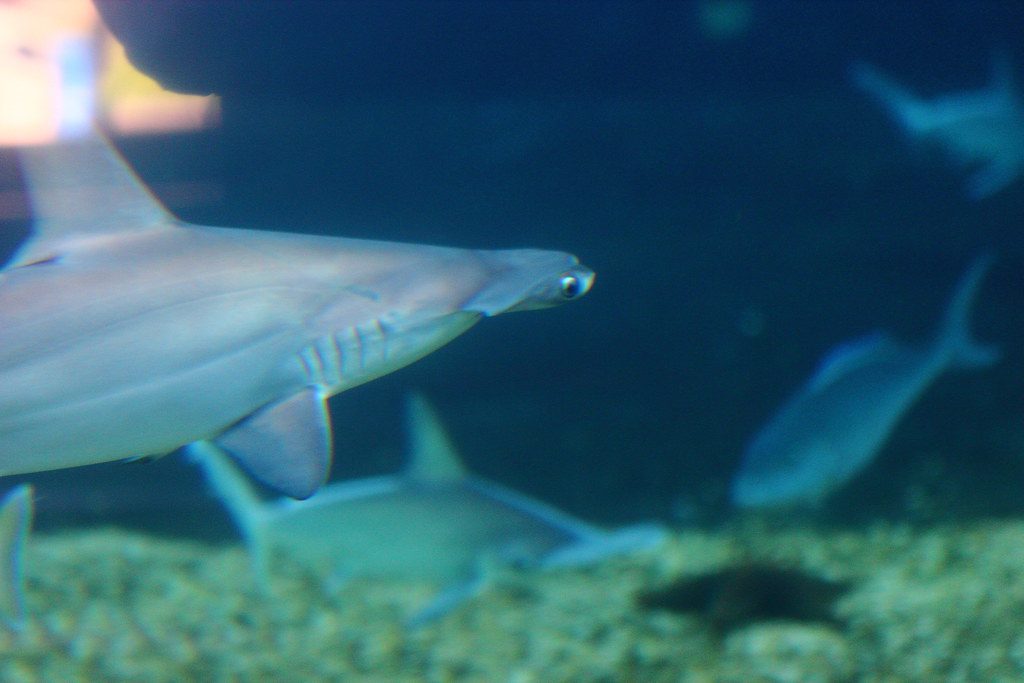
    Hammerhead shark” by suneko is licensed under CC BY-SA 2.0

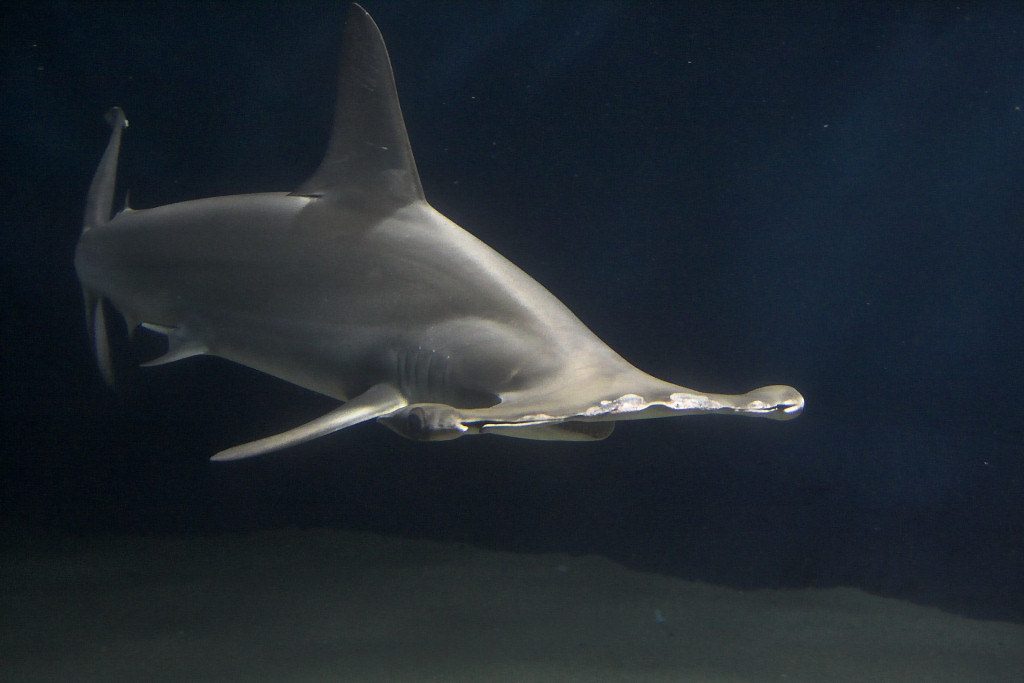
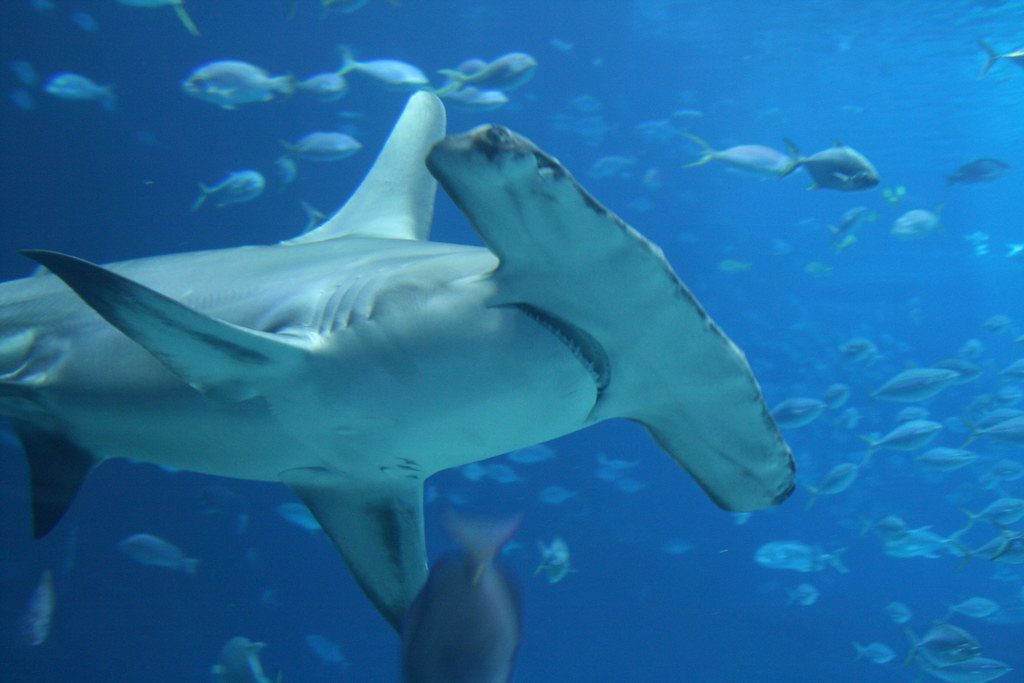
    The most famous feature of a hammerhead shark is its wide head, called a cephalofoil. Scientists believe this special shape improves several hunting abilities at once. It spreads the shark’s sensory organs over a larger area, making it easier to detect tiny electrical signals given off by living animals hiding beneath the sand.

    The head also helps the shark make quick, tight turns while chasing prey. This extra control is useful when hunting fast-moving animals like fish or stingrays. The eyes are placed far apart, giving the shark a wide view of its surroundings while still allowing good depth perception in front.

    Powerful senses help locate hidden prey

    Hammerhead Shark” by Averain is licensed under CC BY 2.0

    Hammerhead sharks rely on much more than eyesight. Like all sharks, they have tiny sensory organs called ampullae of Lorenzini that detect weak electrical fields produced by muscles and nerves. Because these sensors are spread across the wide head, hammerheads can search a larger area of the seafloor as they swim.

    Their excellent sense of smell also helps them track wounded or hidden animals from long distances. At the same time, the lateral line running along the body detects water movement and vibrations. Together, these senses allow hammerheads to locate prey even when it is buried under sand or hidden by poor visibility.

    Stingrays are a favorite target

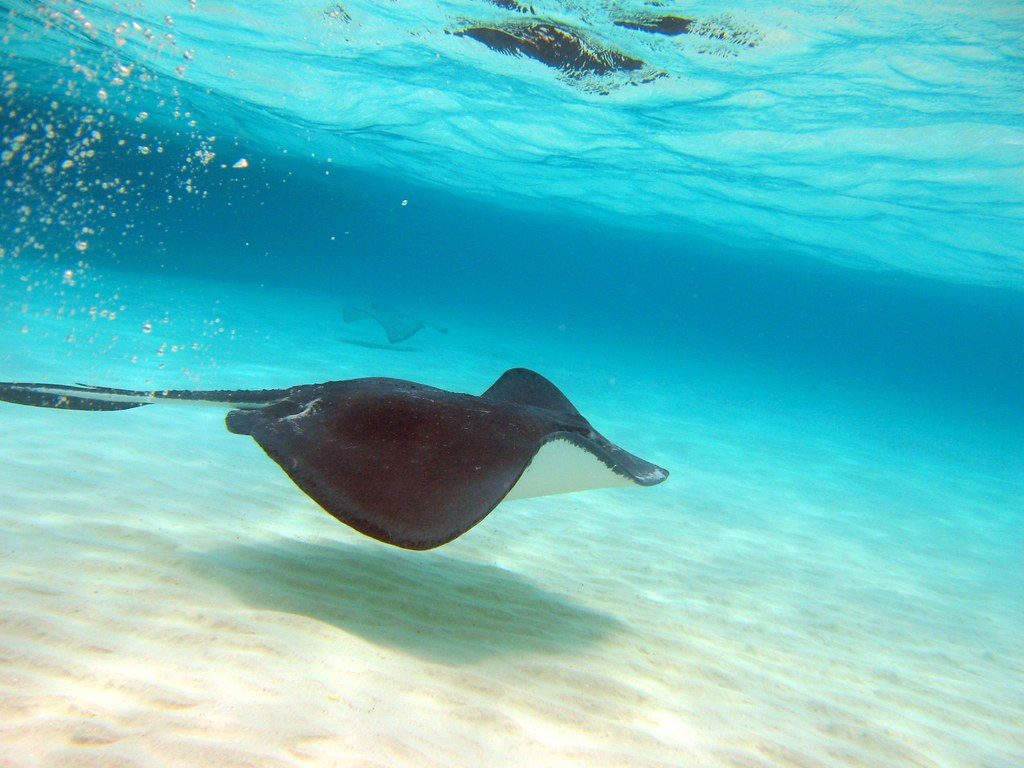
    Stingray, Grand Cayman” by GANDALF_GREY is licensed under CC CC0 1.0

    Many hammerhead species, especially the great hammerhead, are famous for hunting stingrays. The shark often swims low over the ocean floor until it detects the electrical signal of a ray buried beneath the sand. Once it finds the target, it attacks with great speed.

    The shark may pin the stingray to the bottom using its broad head before biting into the ray. This makes it harder for the prey to escape. Great hammerheads are known to eat stingrays even though the sharp tail spines can become stuck inside the shark’s mouth without causing serious harm.

    Fast attacks leave prey little time to escape

    Great Hammerhead Shark” by Wendell Reed is licensed under CC BY-NC-SA 2.0

    Hammerhead sharks usually depend on surprise. Instead of chasing prey over long distances, they move quietly before launching a sudden attack. Their streamlined bodies and powerful tails allow them to reach high speeds over short distances.

    These sharks also benefit from excellent maneuverability. They can quickly change direction while pursuing fish, squid, octopus, and other prey. This ability makes escape difficult because the shark can react almost instantly to sudden movements.

    Different hammerhead species hunt different prey

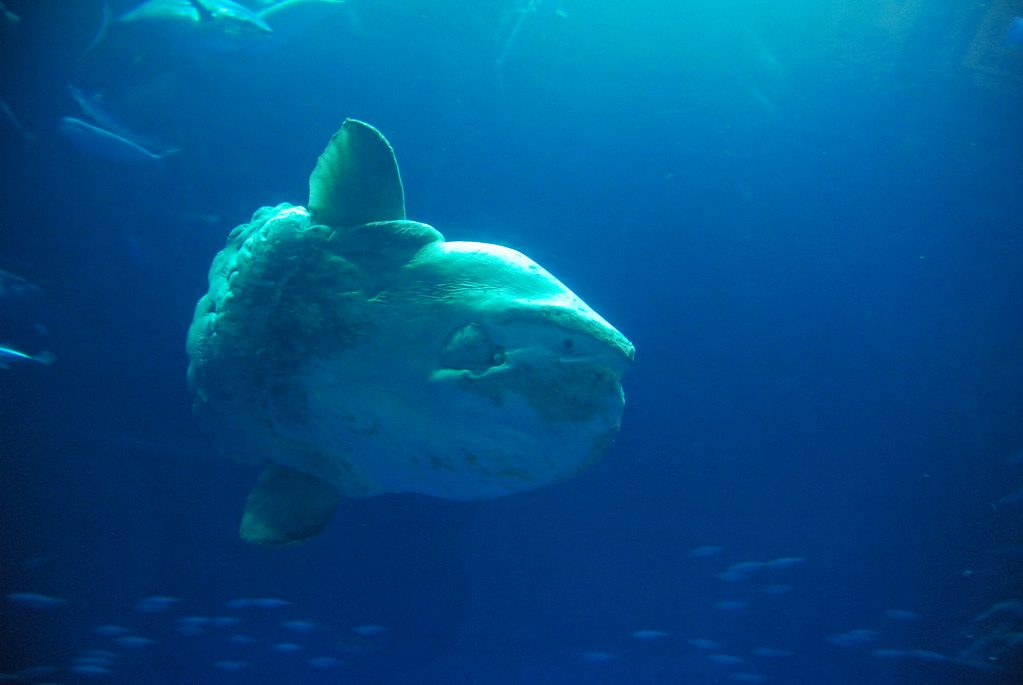
    Ocean Sunfish” by jillmotts is licensed under CC BY-NC-SA 2.0

    There are several hammerhead shark species, and their diets vary. Great hammerheads often feed on stingrays, smaller sharks, skates, and bony fish. Scalloped and smooth hammerheads also eat fish, squid, octopus, and crustaceans depending on where they live.

    Most hammerheads hunt alone, especially at night or during low-light hours. However, some species, such as scalloped hammerheads, gather in large schools during the day before separating to hunt. This behavior helps balance protection with successful feeding.

    Why these hunting skills matter

    Close-up of a great hammerhead shark swimming in the clear waters of The Bahamas, showcasing marine life.
    Photo by Ben Phillips on Pexels

    Hammerhead sharks play an important role in keeping ocean ecosystems healthy. As top predators, they help control the numbers of fish, rays, and other marine animals. Healthy predator populations support balanced food webs and stronger ocean habitats.

    Sadly, many hammerhead species face serious threats from overfishing, accidental capture in fishing gear, and the shark fin trade. Because these sharks grow slowly and produce relatively few young, their populations can take many years to recover. Protecting them helps protect the health of the entire marine environment.

  • Lone orca’s hunting behavior raises new questions

    Lone orca’s hunting behavior raises new questions

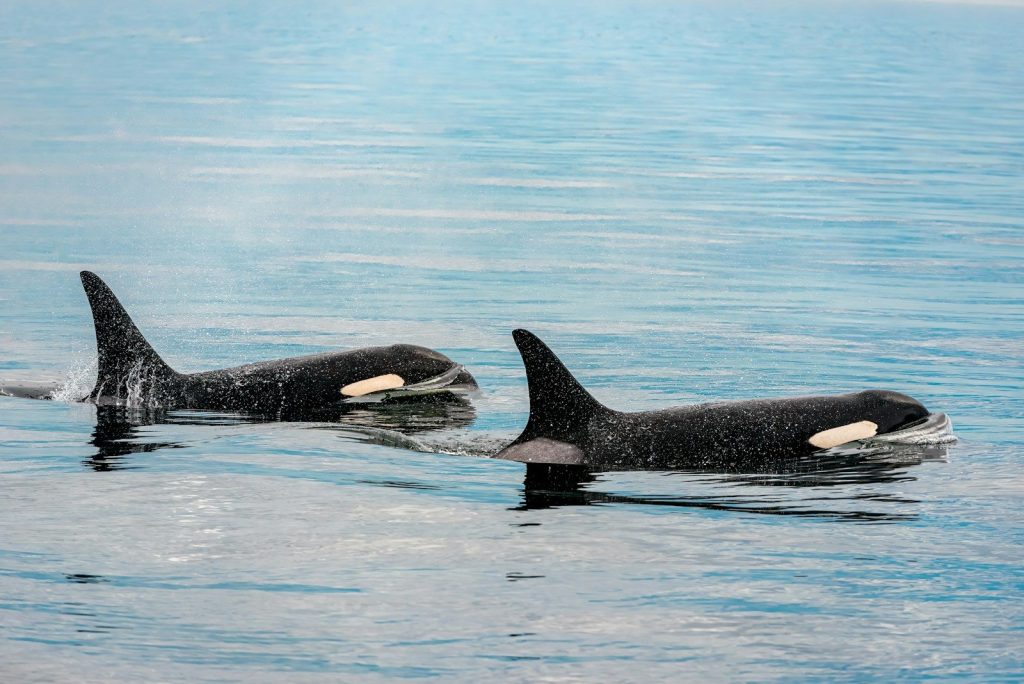
    A lone orca’s hunting behavior raises new questions because killer whales are best known for hunting together in family groups called pods. So what happens when one orca hunts alone? Scientists have started paying closer attention after rare observations showed that a single orca could successfully catch large prey without help.

    These discoveries are changing what researchers thought they knew about orca hunting skills, learning, and intelligence. In this article, you will learn why these solo hunts matter, how they compare with group hunting, and what they could mean for the future of marine science.

    Why do orcas usually hunt in groups

    A couple of orca's swimming in a body of water
    Photo by Vidar Nordli-Mathisen on Unsplash

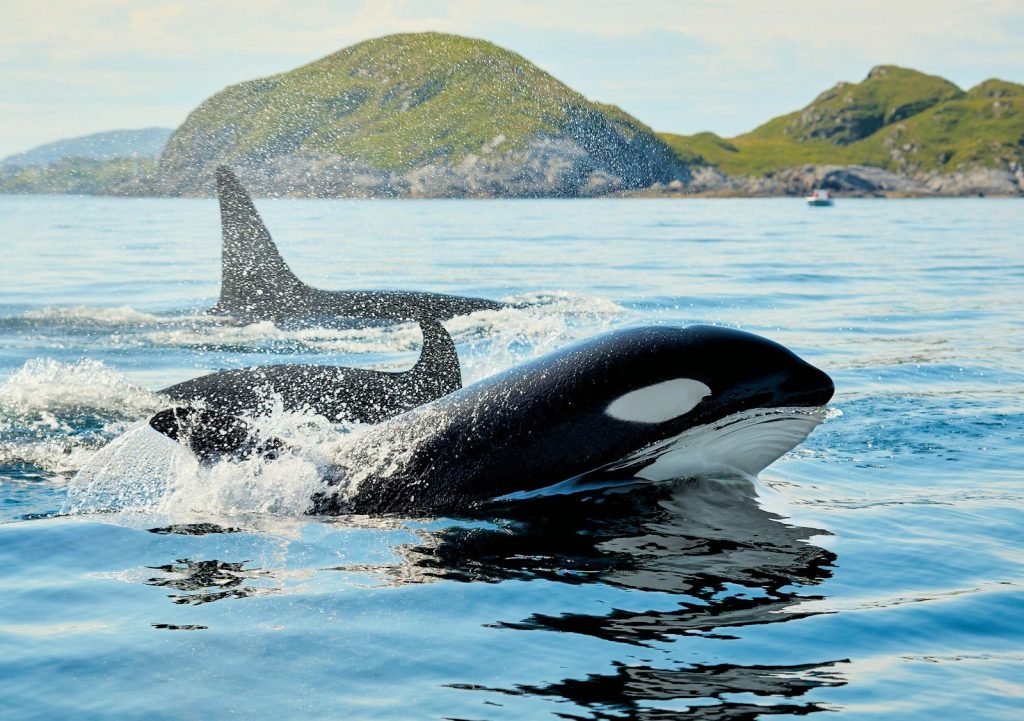
    Orcas are highly social animals that live in close family groups led by older females. Many pods stay together for life, sharing food, protecting young calves, and teaching hunting skills. Different groups even have their own hunting methods that are passed from one generation to the next. This social learning is one reason orcas are considered among the smartest animals in the ocean.

    Group hunting gives orcas many advantages. They can surround schools of fish, create waves to knock seals off ice, or work together to tire larger prey. Teamwork helps them catch food more efficiently while lowering the energy each whale must use during a hunt.

    A rare case of a lone hunter

    Close!” by kightp is licensed under CC BY-NC-ND 2.0

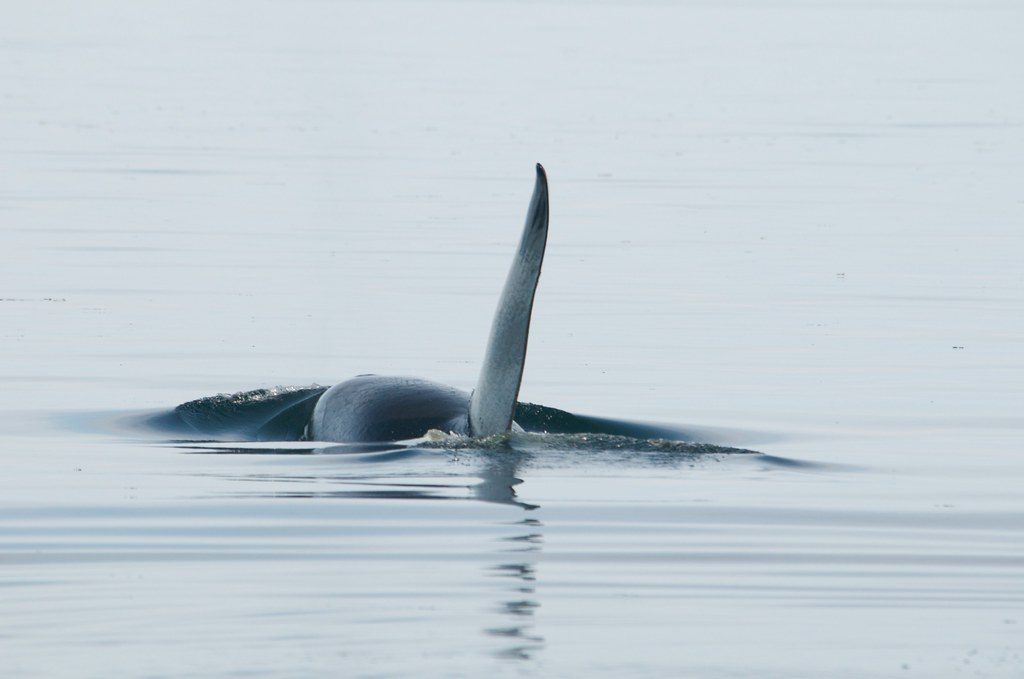
    Scientists became especially interested after watching a male orca known as Starboard hunt and kill a great white shark by himself off South Africa. The whale attacked quickly and removed the shark’s nutrient-rich liver in only a few minutes. This was the first documented case of a lone orca successfully hunting a great white shark from start to finish.

    Researchers believe this observation is important because great white sharks are powerful predators. Until this event, scientists mainly associated shark hunting with pairs or groups of orcas. The successful solo hunt suggests that some experienced individuals can perform difficult hunting tasks without assistance.

    What the behavior tells scientists

    three people in lab coats looking at a tablet
    Photo by National Cancer Institute on Unsplash

    The observation shows that some orcas may be far more flexible than researchers once believed. Instead of relying only on teamwork, an experienced whale may adjust its hunting strategy based on the prey, local conditions, and its own skills. This ability to adapt is a sign of advanced problem-solving.

    Scientists are also asking whether solo hunting is something learned through years of experience or whether certain whales naturally become more independent. Because individual orcas can develop unique behaviors, researchers believe these rare events may reveal how intelligence and learning shape survival in the wild.

    How solo hunting compares with pod hunting

    two black and white orca swimming in a body of water
    Photo by Stephen Walker on Unsplash

    Even though solo hunting is impressive, it is still uncommon. Most orcas continue to depend on their pods because working together increases the chance of catching prey while reducing risk. Large whales, seals, and fast-moving fish can be difficult for one animal to handle alone.

    Solo hunting also requires excellent timing, strength, and knowledge of prey behavior. A single mistake could cost valuable energy or allow the prey to escape. For this reason, scientists think lone hunting is likely used only in certain situations or by especially skilled individuals rather than replacing cooperative hunting.

    Why this matters for ocean ecosystems

    grey and white shark underwater
    Photo by Hunter Newton on Unsplash

    Orcas sit at the top of the marine food chain, so changes in their hunting behavior can affect many other species. In South Africa, increased hunting of sharks by orcas has been linked with changes in where great white sharks spend their time. When top predators move away, other marine animals may also change their behavior.

    Learning more about lone hunters also helps scientists understand how predators respond to changing oceans. As fish populations, shark numbers, and marine habitats shift, adaptable hunters like orcas may develop new ways to find food, giving researchers valuable clues about the health of ocean ecosystems.

    What researchers hope to learn next

    quadcopter flying over body of water
    Photo by Aaron Burden on Unsplash

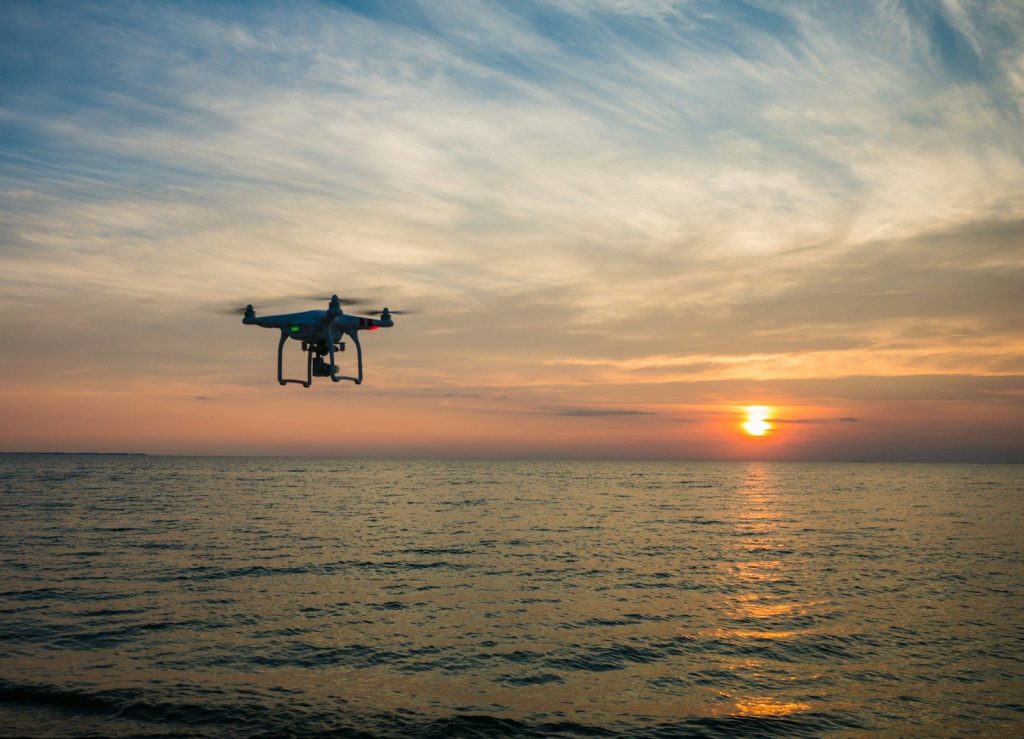
    Scientists are continuing to monitor individual orcas using drones, satellite tracking, photo identification, and underwater recordings. These tools help researchers discover whether solo hunting happens more often than previously thought or whether only a few whales have mastered the behavior.

    Future research may also reveal how young orcas learn hunting skills, whether lone hunters teach others, and how new behaviors spread between populations. Every carefully documented observation adds another piece to the puzzle of understanding one of the ocean’s most intelligent predators.

  • Why Cape Town’s great white sharks are disappearing

    Why Cape Town’s great white sharks are disappearing

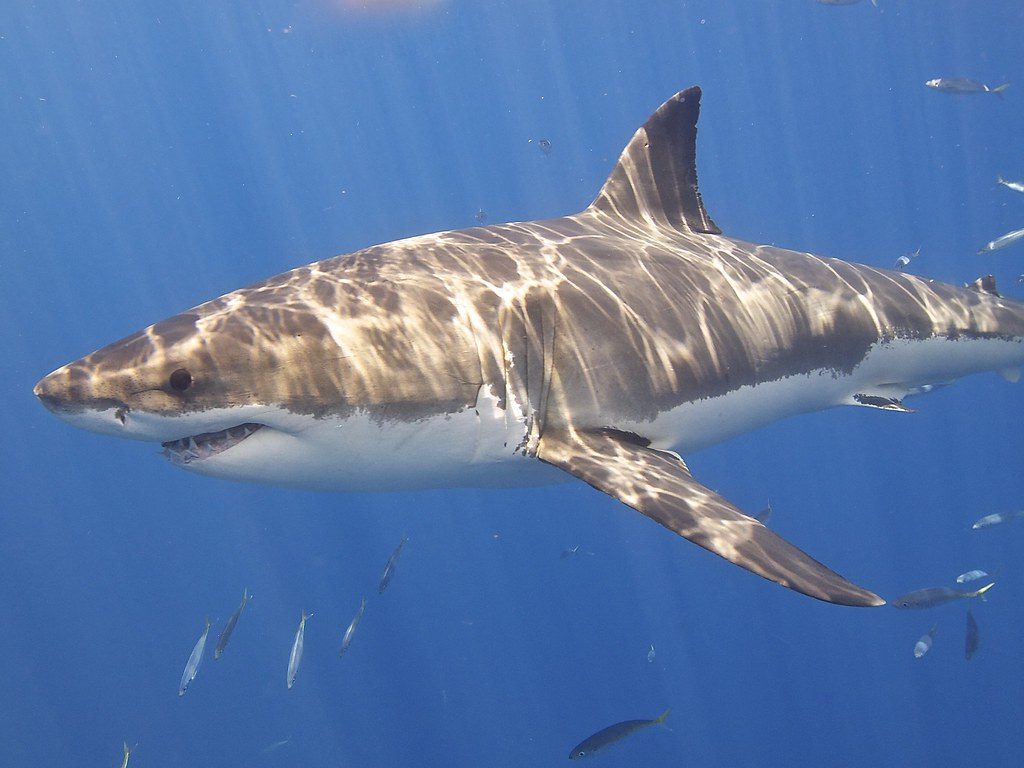
    Why are Cape Town’s great white sharks disappearing? It is a question that has puzzled scientists, conservation groups, and wildlife lovers for years. False Bay, near Cape Town, was once one of the best places in the world to see these powerful predators. Today, sightings have become rare.

    Researchers now believe there is no single cause. Instead, several problems have combined to push great white sharks away from the area. In this article, you will learn why the sharks are disappearing, how killer whales, fishing, and changing ocean conditions play a role, and what this means for the future of South Africa’s marine life.

    Cape Town was once a shark hotspot

    purple flower near body of water during daytime
    Photo by Eric McLachlan on Unsplash

    For many years, False Bay was famous for its large population of great white sharks. Tourists traveled from around the world to watch sharks hunt Cape fur seals near Seal Island. Scientists also studied the animals because they appeared so often and were easy to observe.

    Around 2015, researchers noticed that shark sightings were dropping. By 2018, great white sharks had almost vanished from parts of False Bay where they had once been seen almost daily. This sudden change surprised experts and raised questions about what had happened.

    Killer whales have changed shark behavior

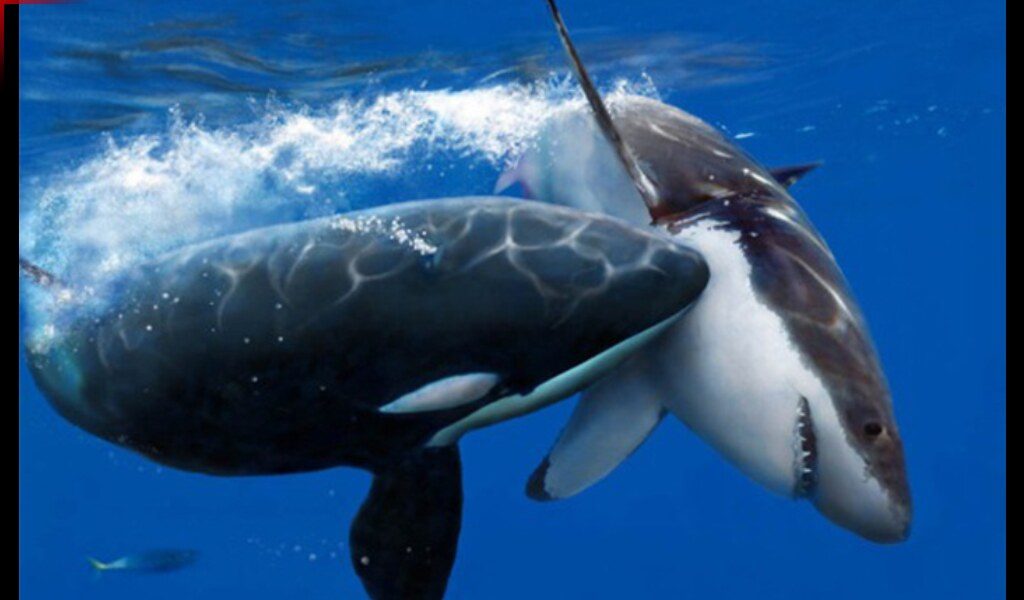
    Orca vs shark” by catmando1962 is licensed under CC BY-SA 2.0

    One of the biggest discoveries involved two male killer whales, often called orcas, that learned to hunt great white sharks. Scientists found shark bodies floating near the coast with large wounds and their nutrient-rich livers missing. This showed that the orcas had become skilled shark hunters.

    Research suggests that the presence of these orcas causes many great white sharks to leave the area to avoid becoming prey. Sharks are powerful predators, but they also try to avoid danger. Even though orca attacks are important, many scientists agree they are only one part of the story rather than the only reason for the sharks’ disappearance.

    Human activity has added more pressure

    black fishing rod and body of water during golden hour
    Photo by James Wheeler on Unsplash

    Fishing has also placed great white sharks under stress. Some sharks become trapped in protective shark nets and drumlines that were designed to reduce the risk of shark attacks on people. Others are caught by accident in commercial fishing gear.

    At the same time, overfishing has reduced the number of smaller sharks and fish that great whites depend on for food. When prey becomes harder to find, great white sharks may move to other areas where food is more available. This long-term loss of prey has likely weakened local shark populations over many years.

    Changes in the ocean are affecting sharks

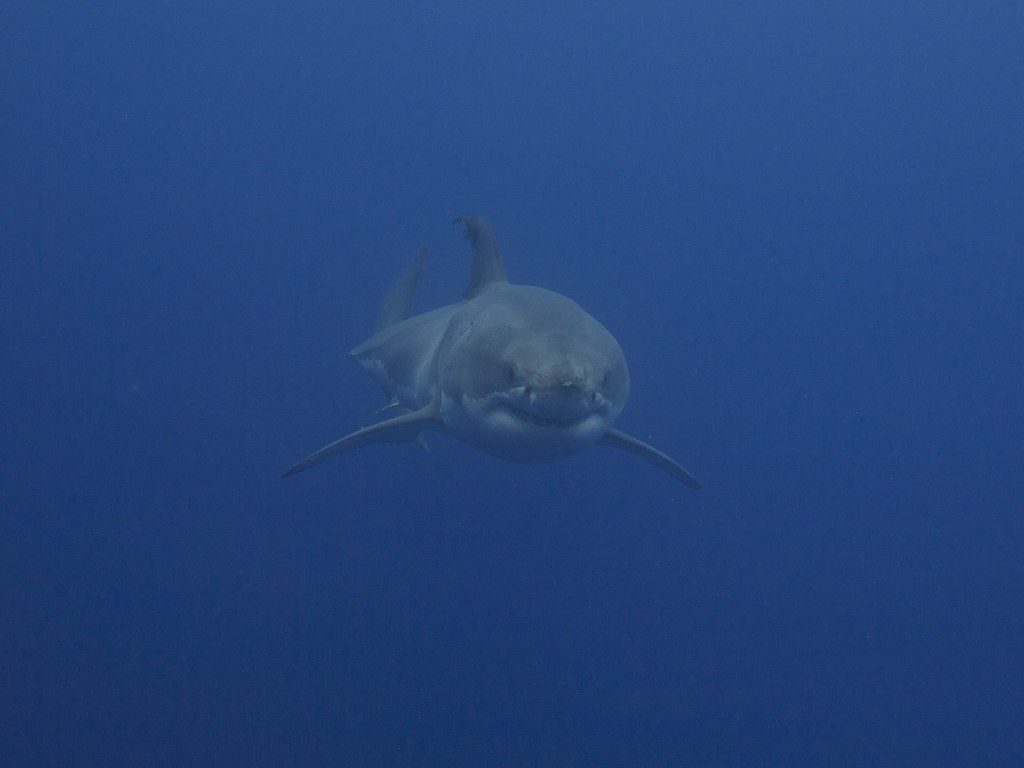
    Great White Shark” by Elias Levy is licensed under CC BY 2.0

    The ocean around South Africa is constantly changing. Water temperature, ocean currents, and food availability can all influence where sharks travel. Great white sharks naturally migrate, but changing environmental conditions may encourage them to spend less time near Cape Town.

    Scientists believe climate change may also be affecting marine ecosystems by changing where prey species live. While researchers are still studying these effects, most agree that changing ocean conditions work together with fishing pressure and orca predation to influence shark movements.

    The ecosystem is already changing

    A serene scene of Cape fur seals lounging on a sandy, rocky beach in Namibia.
    Photo by Rino Adamo on Pexels

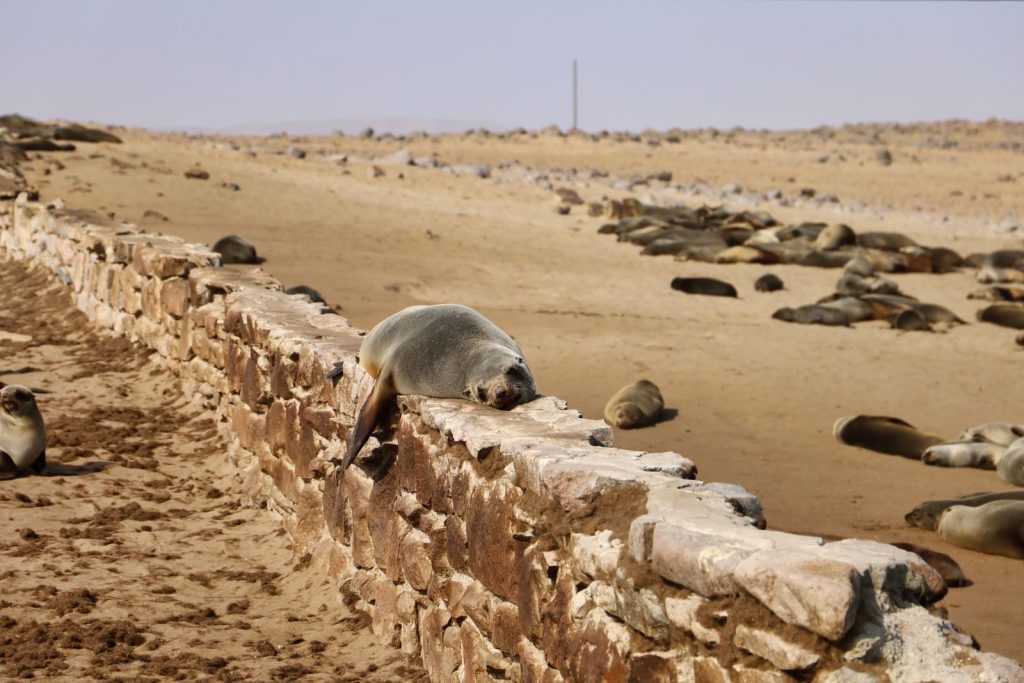
    Great white sharks are apex predators, meaning they sit at the top of the food chain. When they disappear from an area, other animals often become more common. Researchers have already recorded increases in Cape fur seals and sevengill sharks in parts of False Bay.

    These changes can spread throughout the food web. As seal and sevengill shark numbers rise, they consume more fish and smaller sharks. Scientists call this a trophic cascade, where the loss of one top predator creates a chain reaction that affects many other species in the ecosystem.

    Can great white sharks return?

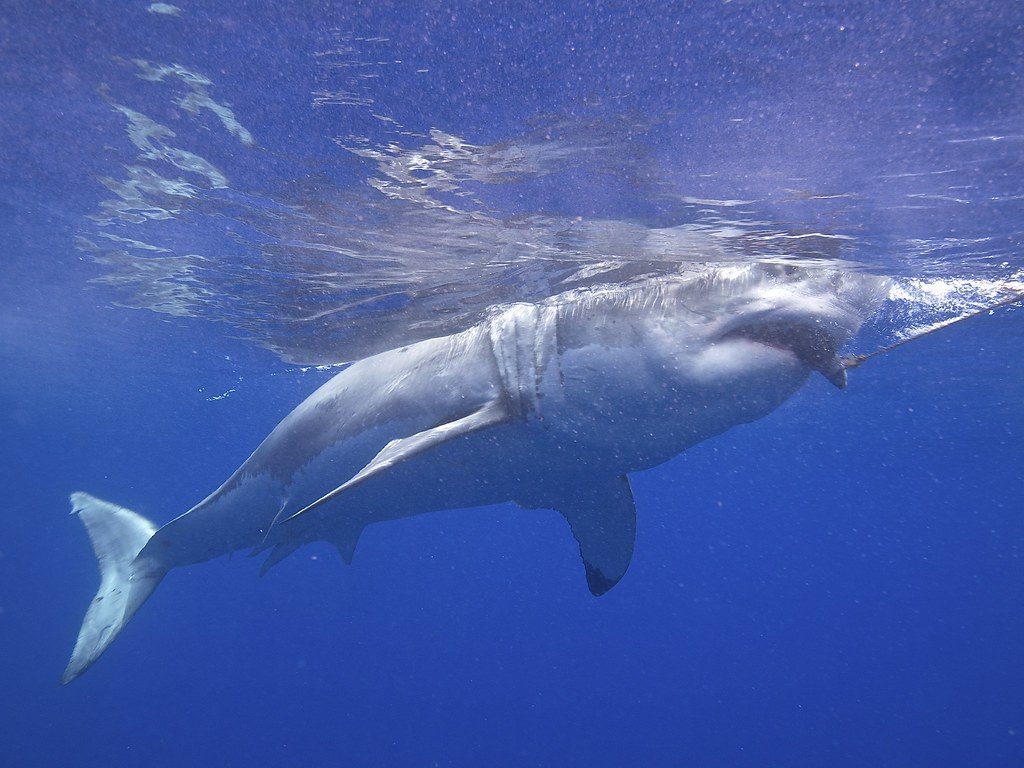
    Great White Shark” by Elias Levy is licensed under CC BY 2.0

    Many researchers hope great white sharks could return if conditions improve, but no one can guarantee that will happen soon. Protecting shark habitats, reducing accidental catches, managing fisheries more carefully, and continuing scientific research may all improve their chances.

    Experts also stress that understanding the problem is important because the disappearance appears to be caused by several factors working together. Protecting great white sharks means protecting the entire ocean ecosystem that supports them. Continued monitoring will help scientists understand whether the sharks are relocating or if local populations are continuing to decline.

  • Sea otter lovingly cradles newborn after Morro Bay birth

    Sea otter lovingly cradles newborn after Morro Bay birth

    Seeing a sea otter lovingly cradle its newborn is a rare and heartwarming moment. The recent sea otter cradles newborn after Morro Bay birth story has captured attention because it shows the strong bond between a mother and her pup.

    These special moments also remind people why protecting sea otters and their coastal habitat matters. In this article, you will learn what happened in Morro Bay, how sea otter mothers care for their young, why the location is important, and how these animals help keep California’s coastal waters healthy.

    A touching moment in Morro Bay

    Rockfishing, Morro Bay, CA” by – Adam Reeder – is licensed under CC BY-NC 2.0

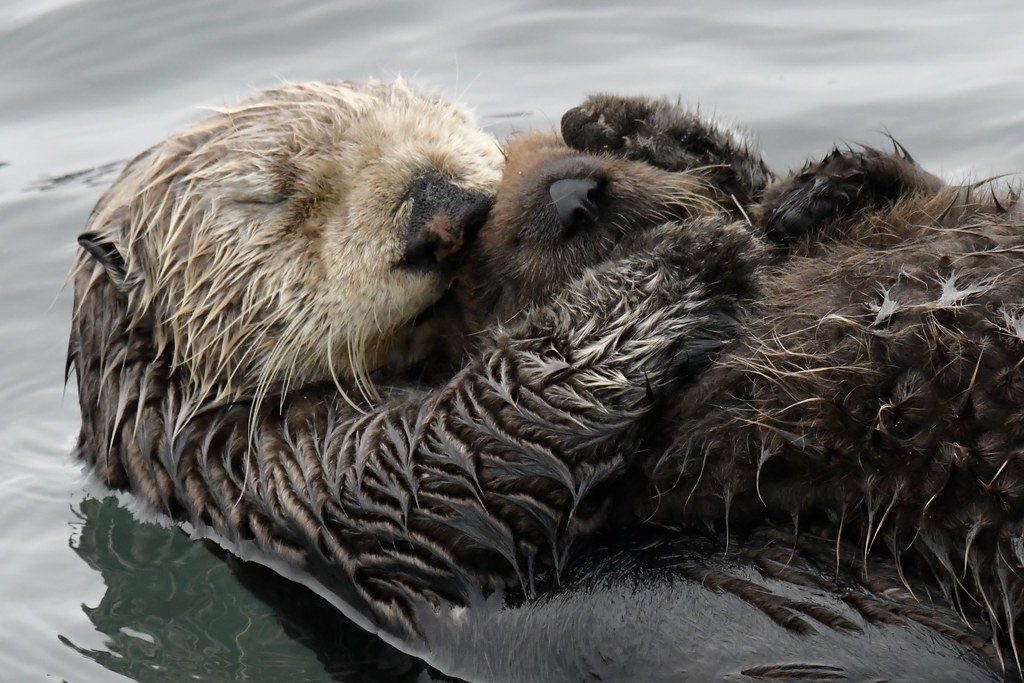
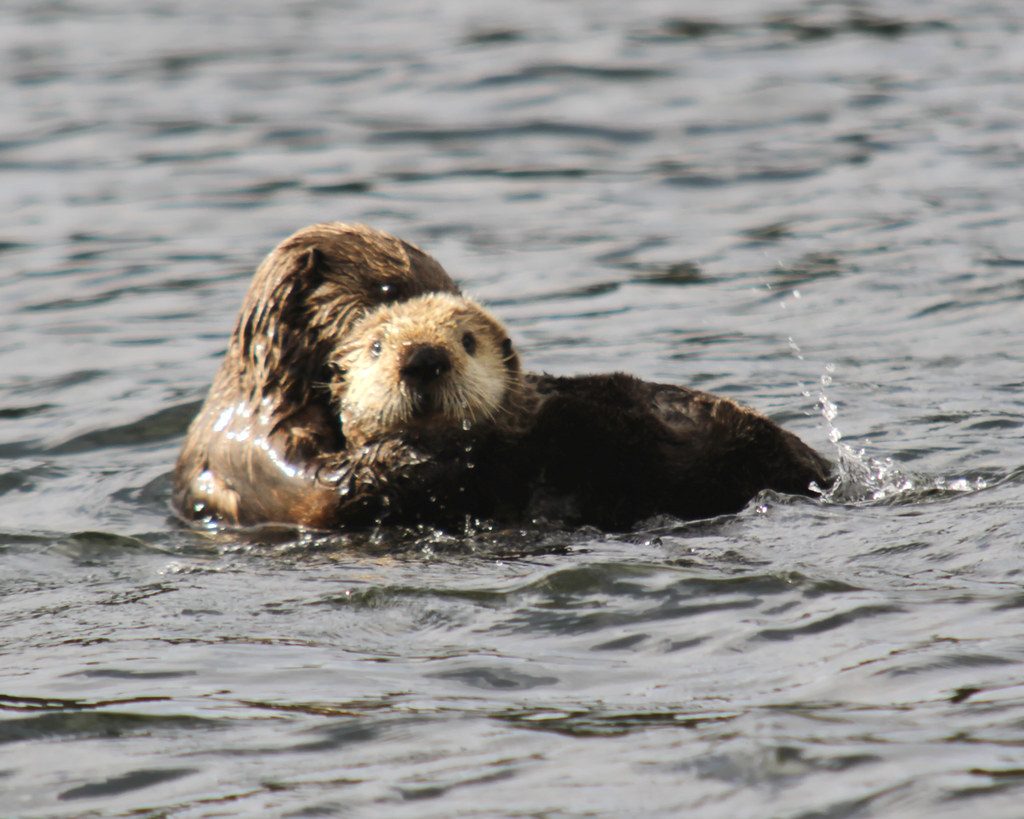
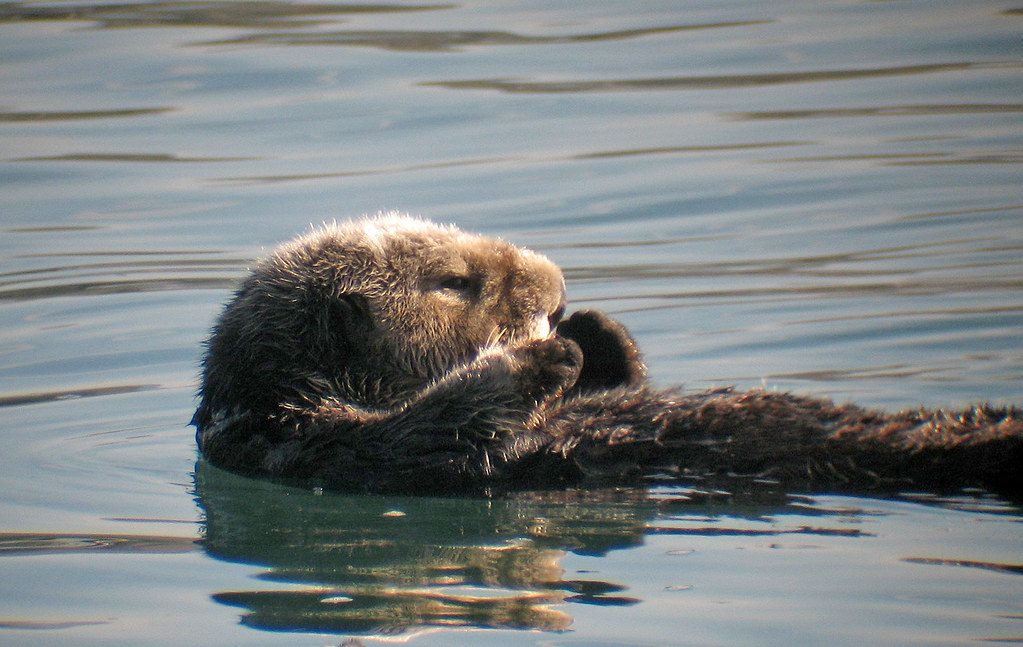
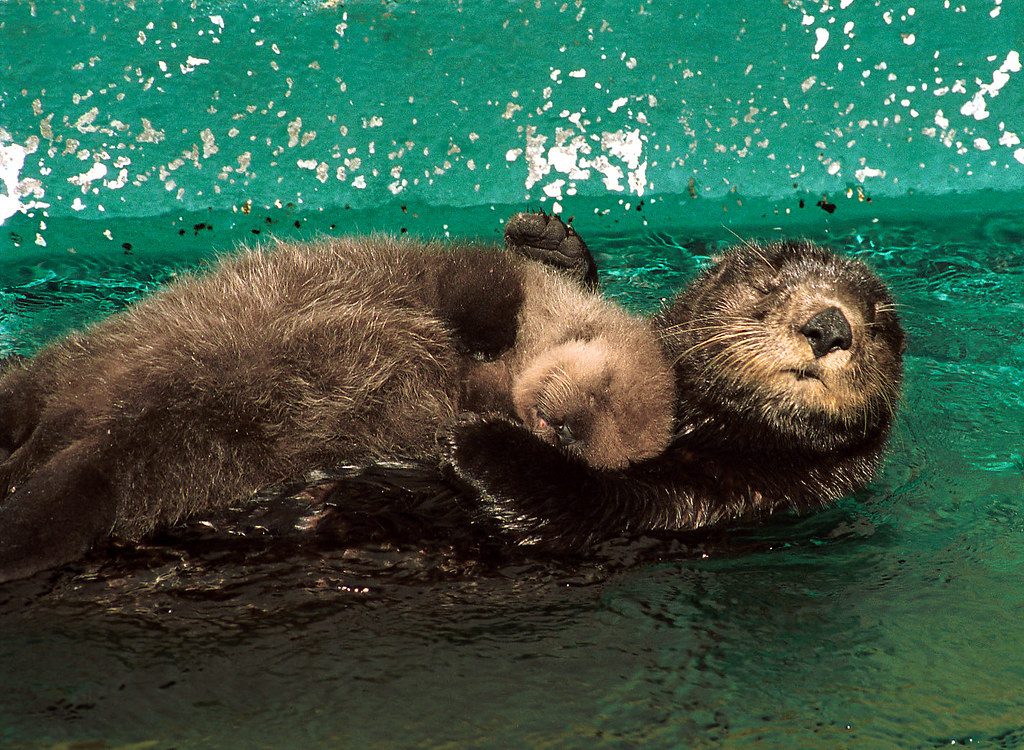
    A sea otter mother was recently seen floating on her back while holding her newborn pup close in Morro Bay, California. The touching scene quickly spread online because it showed the gentle care that sea otter mothers give their babies from the very first moments of life. The tiny pup rested safely on its mother’s chest while she kept it warm and protected.

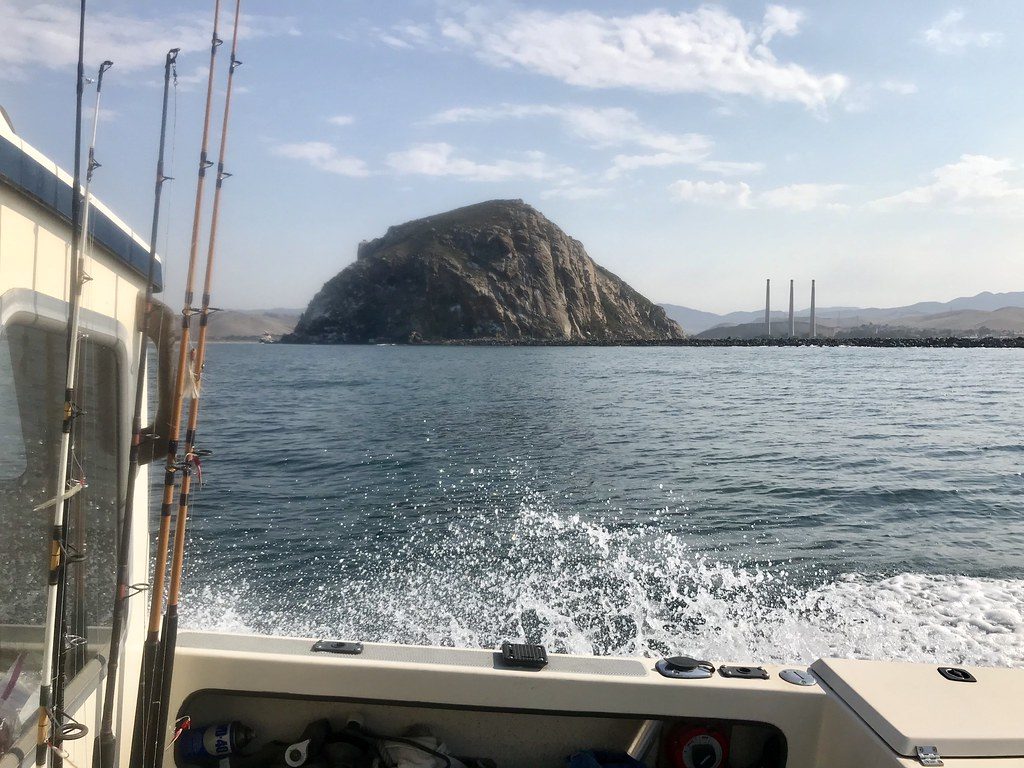
    Morro Bay is one of the best places in California to see southern sea otters in the wild. The calm water, rich food supply, and protected habitat make it an important nursery for mothers raising young pups. Wildlife experts often watch the bay during pupping season because healthy births are a positive sign for the recovering population.

    How sea otter mothers care for their pups

    Mother and baby sea otter” by Stephen Braund is licensed under CC BY-NC-SA 2.0

    Sea otter mothers are fully responsible for raising their babies. Unlike many other mammals, fathers do not help care for the young. A newborn pup depends on its mother for food, warmth, protection, and learning important survival skills during its first several months of life.

    Newborn sea otters are born with fluffy fur that traps air, allowing them to float on the water’s surface. Because of this thick coat, they cannot dive underwater at first. Mothers often place their pups on their chest or wrap them in floating kelp while they dive to find food. They also spend many hours grooming the pup to keep its fur clean and waterproof.

    Why Morro Bay is important for sea otters

    Sea Otter” by K Schneider is licensed under CC BY-NC 2.0

    Morro Bay has become one of the most important homes for southern sea otters along California’s Central Coast. The bay contains eelgrass beds, kelp, shellfish, crabs, and other food that help support both adult otters and growing pups. The protected waters also offer shelter from rough ocean waves.

    Southern sea otters nearly disappeared during the fur trade in the 18th and 19th centuries. Conservation efforts have helped the population slowly recover, but the species remains threatened. Every successful birth in places like Morro Bay is valuable because each pup helps strengthen the future population.

    The challenges newborn sea otters face

    Mother and baby otter at Seattle Aquarium, 2002” by Seattle Municipal Archives is licensed under CC BY 2.0

    Even with a caring mother, life is not easy for a young sea otter. Storms, strong currents, predators, disease, pollution, and food shortages can all threaten a pup’s survival. If a pup becomes separated from its mother, its chances of surviving in the wild drop sharply because it cannot yet feed or care for itself.

    Wildlife rescue teams have successfully reunited separated pups with their mothers in Morro Bay by carefully locating the mother and allowing the pair to reconnect naturally. These rescues are uncommon, but they show how trained experts can sometimes help without disrupting natural behavior when a young pup is truly in danger.

    Sea otters play a big role in the ocean

    brown and black seal in water
    Photo by mana5280 on Unsplash

    Sea otters do much more than delight visitors. They are considered a keystone species because they help keep coastal ecosystems balanced. They eat sea urchins, crabs, mussels, and other shellfish, preventing some prey species from growing out of control.

    When sea otters keep sea urchin numbers in check, kelp forests stay healthier. Healthy kelp forests provide food and shelter for fish, birds, and many other marine animals. They also help protect coastlines from wave damage and store carbon, making them valuable for both wildlife and people.

    Why people should admire sea otters from a distance

    Sea otters are floating together in the water.
    Photo by Joss Woodhead on Unsplash

    Watching a mother and newborn pup is exciting, but wildlife experts remind visitors to give sea otters plenty of space. Getting too close with boats, kayaks, drones, or people on shore can stress the animals and interrupt feeding or nursing. Disturbing a mother may even increase the risk of separation from her pup.

    People visiting Morro Bay can help by observing quietly from a safe distance, following local wildlife rules, and reporting injured or stranded marine mammals to trained rescue organizations instead of trying to help on their own. Responsible viewing helps keep these remarkable animals safe for future generations.

  • A rare seal attack led to a scientist’s tragic death in Antarctica

    A rare seal attack led to a scientist’s tragic death in Antarctica

    A rare seal attack in Antarctica shocked the scientific world when an experienced marine biologist lost her life during a research dive. The tragedy remains the only confirmed human death caused by a leopard seal, making it one of the most unusual wildlife incidents ever recorded in Antarctica. While leopard seals are powerful predators, attacks on people are extremely uncommon.

    This article explains what happened, why scientists believe the attack occurred, how leopard seals normally behave, and how the event changed safety practices for researchers working in Antarctica.

    The tragic incident at Rothera Research Station

    A woman snorkeling with a school of fish
    Photo by Zunnoon Ahmed on Unsplash

    On July 22, 2003, 28-year-old British marine biologist Kirsty Brown was snorkeling near Rothera Research Station on the Antarctic Peninsula. She was studying marine life close to shore when a leopard seal suddenly attacked and pulled her underwater. Her research partner and nearby teammates responded immediately, launching a rescue within moments.

    Brown was brought back to the surface, and medical staff performed CPR for about an hour. Despite their efforts, she could not be revived. The incident became the first and only confirmed fatal leopard seal attack on a human, making it one of the rarest wildlife accidents ever recorded in Antarctica.

    Why leopard seals can be dangerous

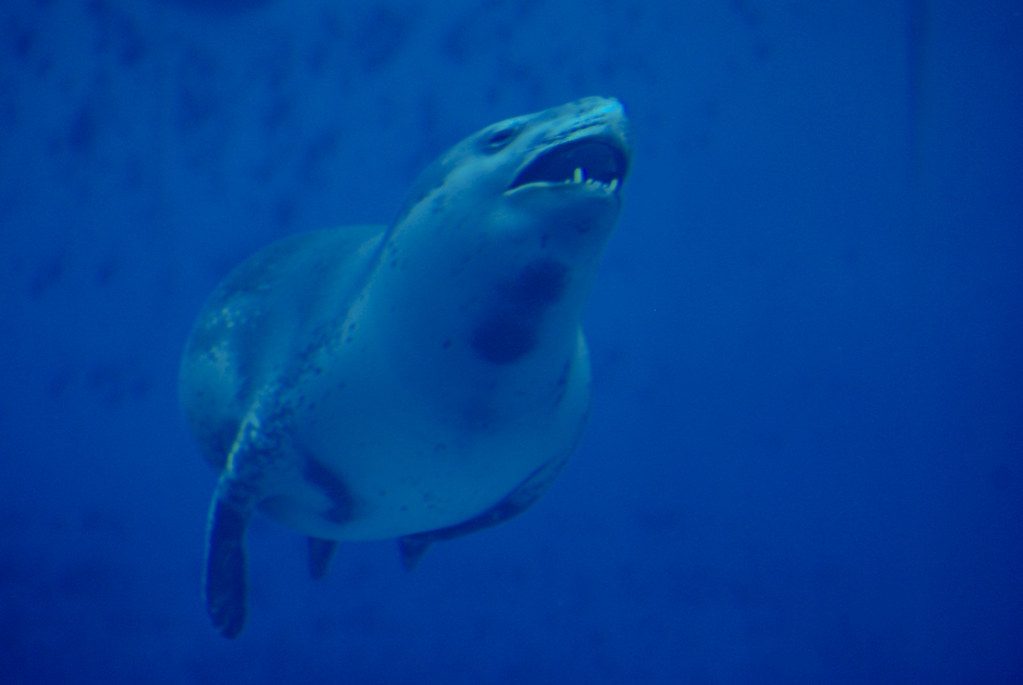
    Leopard seal” by xeno_sapien is licensed under CC BY-NC 2.0

    Leopard seals are the second-largest seal species in Antarctica, growing up to about 12 feet long and weighing more than 1,000 pounds. They are top predators that hunt penguins, fish, squid, and even other seals. Their large jaws, long teeth, and strong bodies make them highly effective hunters in icy waters.

    Even though they are powerful, leopard seals rarely attack humans. Most encounters involve curious animals that swim close to divers or boats without becoming aggressive. Scientists have recorded only a handful of attacks over many decades, and Brown’s death remains the only confirmed fatal case.

    What scientists believe happened

    man in blue shorts diving on water
    Photo by Subtle Cinematics on Unsplash

    The exact reason for the attack will never be known with certainty. Experts suggested the seal may have mistaken Brown for natural prey because she was snorkeling at the water’s surface. Another possibility is that the seal reacted defensively after being surprised by a person entering its hunting area.

    Investigators found that the seal held Brown underwater for several minutes, causing her to drown. She also suffered multiple bite and scratch injuries, mostly around her head and neck. The official investigation ruled her death accidental, with drowning caused by the leopard seal attack.

    How this changed Antarctic research

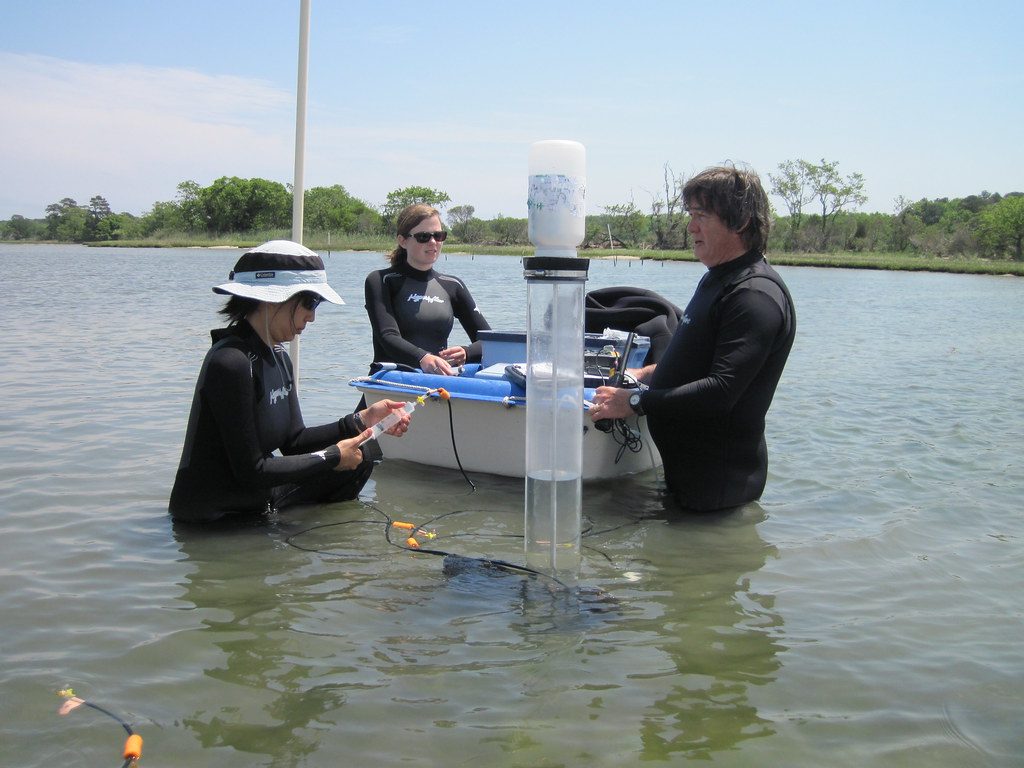
    Marine Scientist Jennifer Stanhope, VASG Graduate Research Fellow Annie Murphy, and Mark Luckenbach take water samples from the cores over the course of the day to measure the nutrient concentrations in the water. ©Margaret Pizer/VASG” by Virginia Sea Grant is licensed under CC BY-ND 2.0

    The tragedy led Antarctic research organizations to review their safety procedures for diving and snorkeling. Scientists now pay even closer attention to wildlife activity before entering the water, especially in areas where leopard seals are known to hunt.

    Research teams also improved emergency planning, communication, and rescue procedures. Divers often work with dedicated surface support teams and carefully assess animal behavior before beginning underwater surveys. These measures are designed to reduce risk while allowing important scientific work to continue.

    Understanding leopard seal behavior

    Leopard Seal” by AegirPhotography is licensed under CC BY-NC 2.0

    Leopard seals spend much of their lives alone, patrolling the icy waters around Antarctica. They are intelligent, curious animals that sometimes approach divers without showing signs of aggression. Wildlife photographers have even reported peaceful encounters lasting several minutes.

    Still, scientists remind people that leopard seals are wild apex predators. Like polar bears or great white sharks, they deserve caution and respect. Most experts agree that Brown’s death was an extraordinary event rather than normal leopard seal behavior.

    The lasting impact of Kirsty Brown’s story

    iceberg
    Photo by Annie Spratt on Unsplash

    Kirsty Brown was remembered as a talented scientist with a promising career studying Antarctic marine ecosystems. Her work focused on how icebergs affect life on the seafloor, an important area of research for understanding Antarctic environments. An island near Rothera Research Station was later named Kirsty Island in her honor.

    Her story continues to remind researchers that even the most experienced professionals face risks when working in remote natural environments. It also highlights the importance of balancing scientific discovery with careful wildlife safety, especially in one of Earth’s most extreme places.