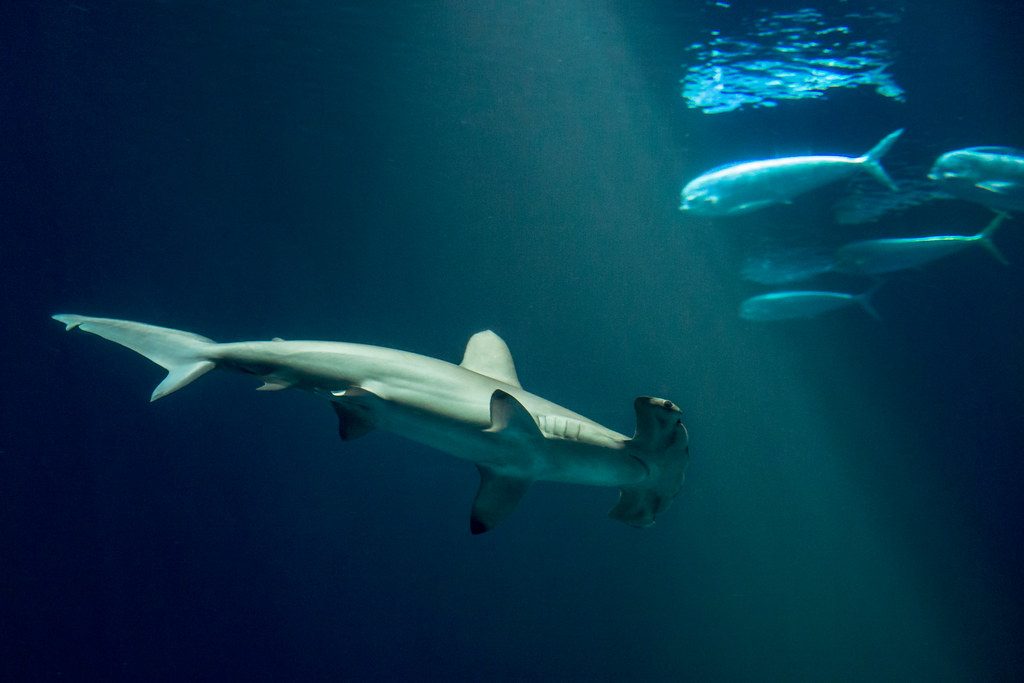
Hammerhead’s deadly hunting skills have made these sharks some of the ocean’s most successful predators. Their wide, hammer-shaped head is not just for looks. It helps them find hidden prey, make fast turns, and catch animals that many other sharks would miss.
These smart hunters use a mix of sharp senses, speed, and strength to survive in warm oceans around the world. In this article, you will learn how hammerhead sharks hunt, why their unique head gives them an advantage, what they like to eat, and how their amazing abilities help them stay at the top of the marine food chain.
The hammer-shaped head gives a hunting edge
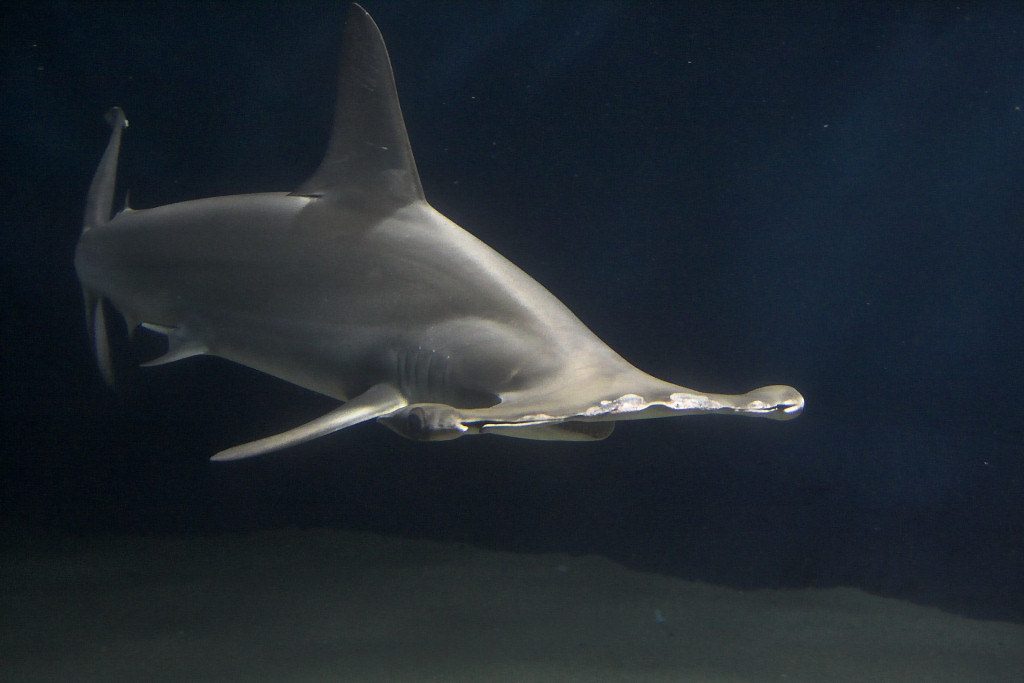
The most famous feature of a hammerhead shark is its wide head, called a cephalofoil. Scientists believe this special shape improves several hunting abilities at once. It spreads the shark’s sensory organs over a larger area, making it easier to detect tiny electrical signals given off by living animals hiding beneath the sand.
The head also helps the shark make quick, tight turns while chasing prey. This extra control is useful when hunting fast-moving animals like fish or stingrays. The eyes are placed far apart, giving the shark a wide view of its surroundings while still allowing good depth perception in front.
Powerful senses help locate hidden prey
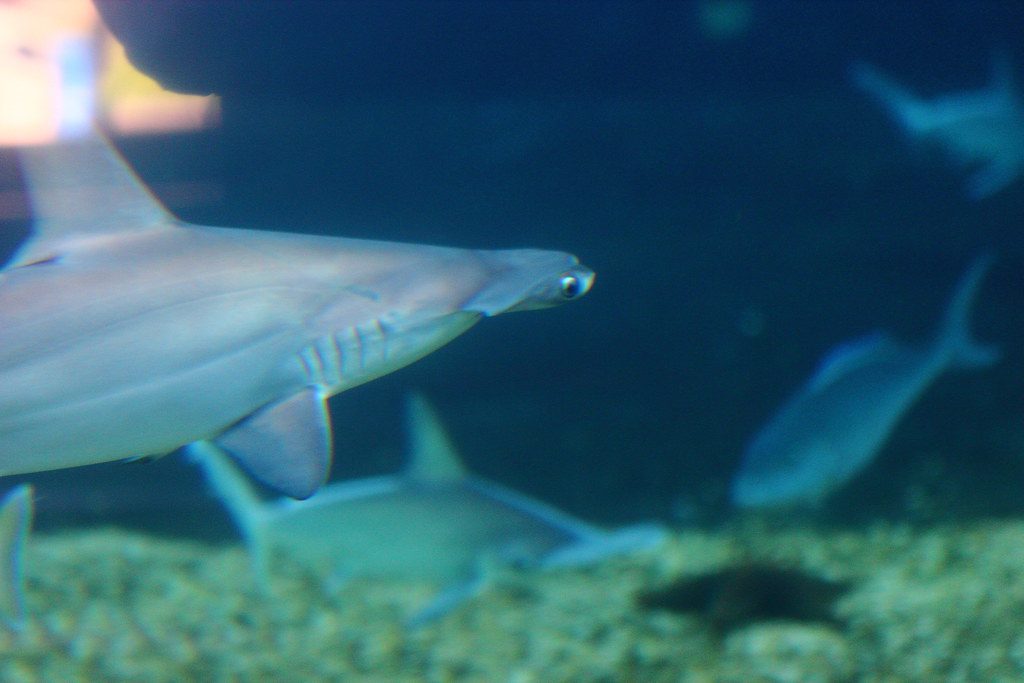
Hammerhead sharks rely on much more than eyesight. Like all sharks, they have tiny sensory organs called ampullae of Lorenzini that detect weak electrical fields produced by muscles and nerves. Because these sensors are spread across the wide head, hammerheads can search a larger area of the seafloor as they swim.
Their excellent sense of smell also helps them track wounded or hidden animals from long distances. At the same time, the lateral line running along the body detects water movement and vibrations. Together, these senses allow hammerheads to locate prey even when it is buried under sand or hidden by poor visibility.
Stingrays are a favorite target
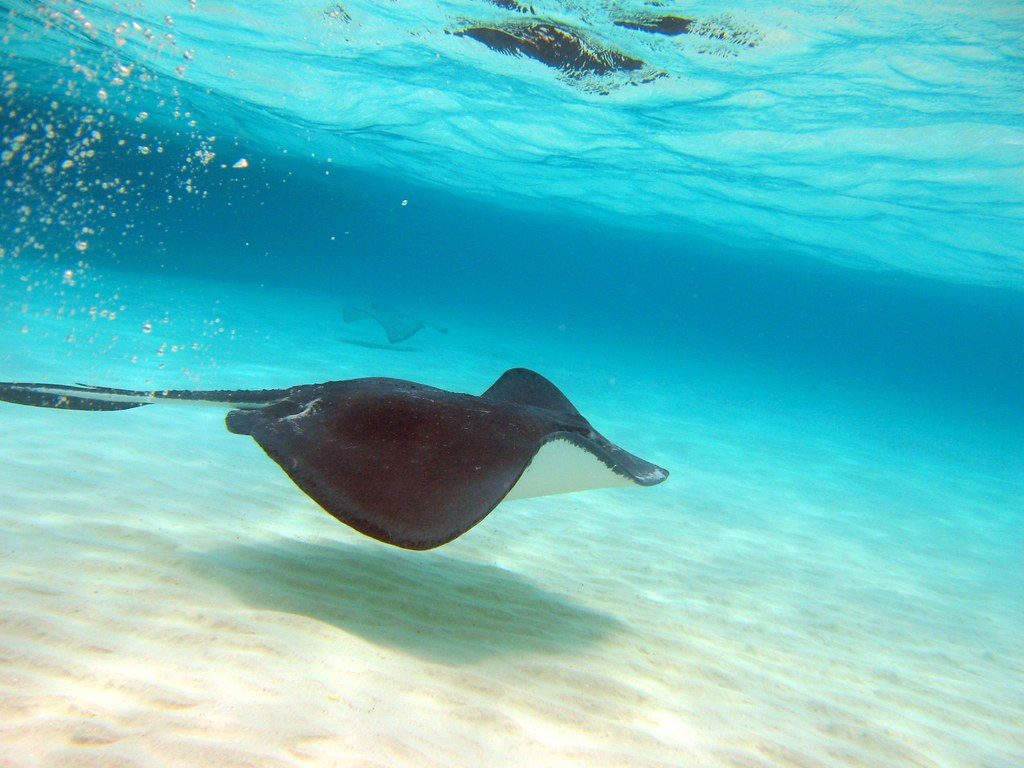
Many hammerhead species, especially the great hammerhead, are famous for hunting stingrays. The shark often swims low over the ocean floor until it detects the electrical signal of a ray buried beneath the sand. Once it finds the target, it attacks with great speed.
The shark may pin the stingray to the bottom using its broad head before biting into the ray. This makes it harder for the prey to escape. Great hammerheads are known to eat stingrays even though the sharp tail spines can become stuck inside the shark’s mouth without causing serious harm.
Fast attacks leave prey little time to escape
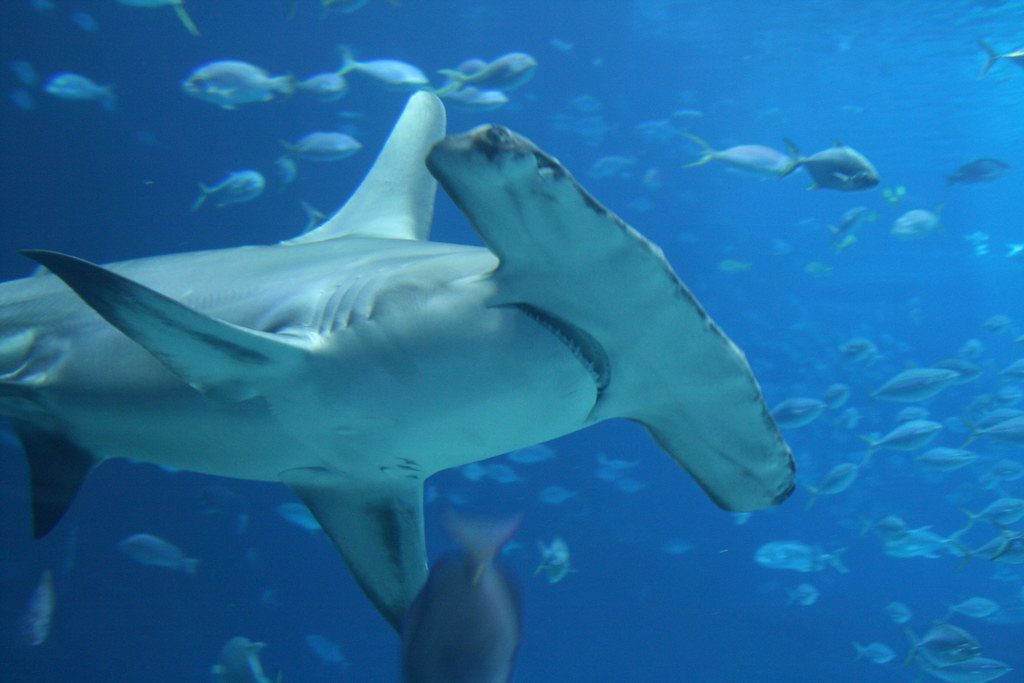
Hammerhead sharks usually depend on surprise. Instead of chasing prey over long distances, they move quietly before launching a sudden attack. Their streamlined bodies and powerful tails allow them to reach high speeds over short distances.
These sharks also benefit from excellent maneuverability. They can quickly change direction while pursuing fish, squid, octopus, and other prey. This ability makes escape difficult because the shark can react almost instantly to sudden movements.
Different hammerhead species hunt different prey
There are several hammerhead shark species, and their diets vary. Great hammerheads often feed on stingrays, smaller sharks, skates, and bony fish. Scalloped and smooth hammerheads also eat fish, squid, octopus, and crustaceans depending on where they live.
Most hammerheads hunt alone, especially at night or during low-light hours. However, some species, such as scalloped hammerheads, gather in large schools during the day before separating to hunt. This behavior helps balance protection with successful feeding.
Why these hunting skills matter
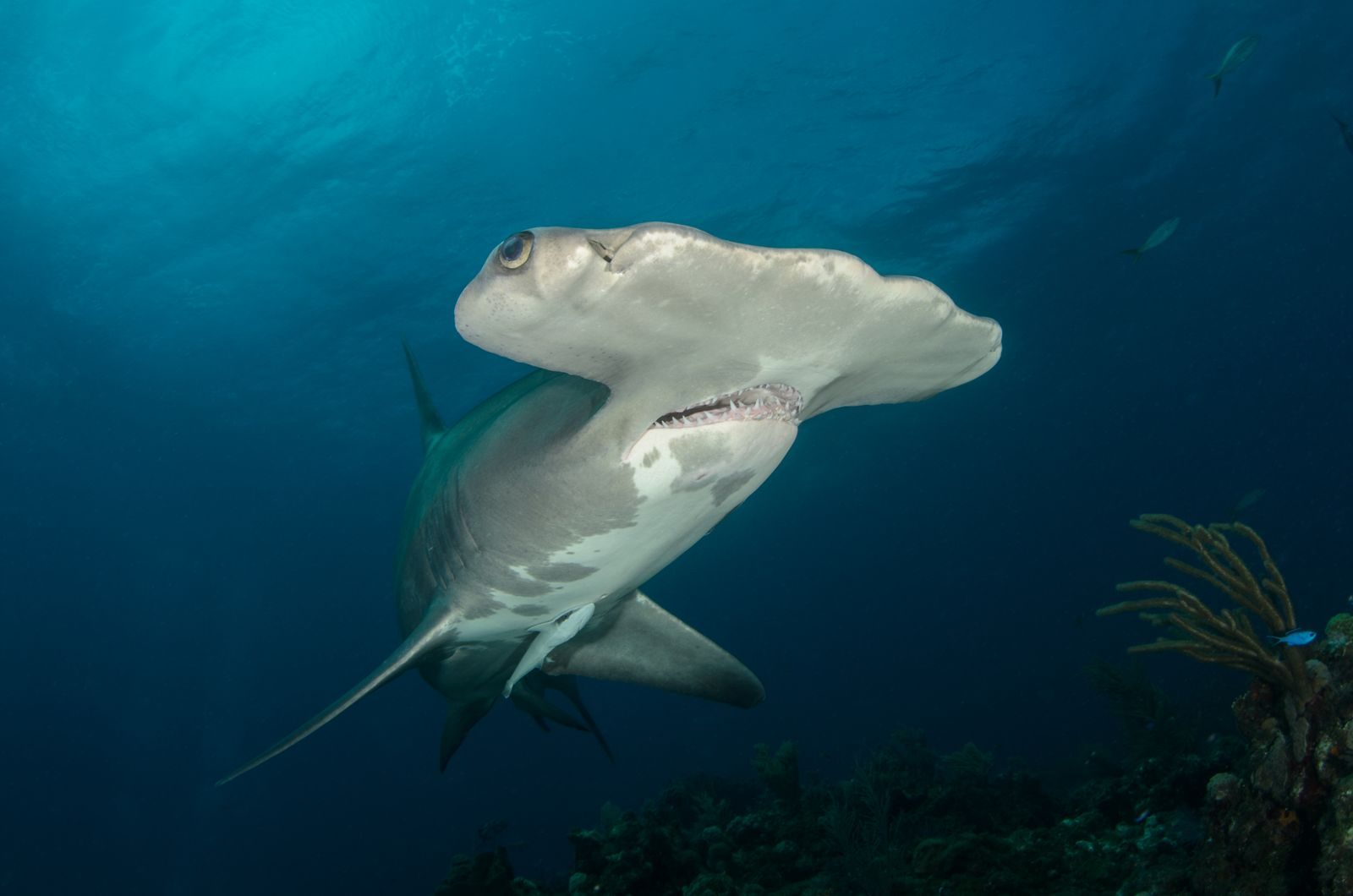
Hammerhead sharks play an important role in keeping ocean ecosystems healthy. As top predators, they help control the numbers of fish, rays, and other marine animals. Healthy predator populations support balanced food webs and stronger ocean habitats.
Sadly, many hammerhead species face serious threats from overfishing, accidental capture in fishing gear, and the shark fin trade. Because these sharks grow slowly and produce relatively few young, their populations can take many years to recover. Protecting them helps protect the health of the entire marine environment.
Leave a Reply