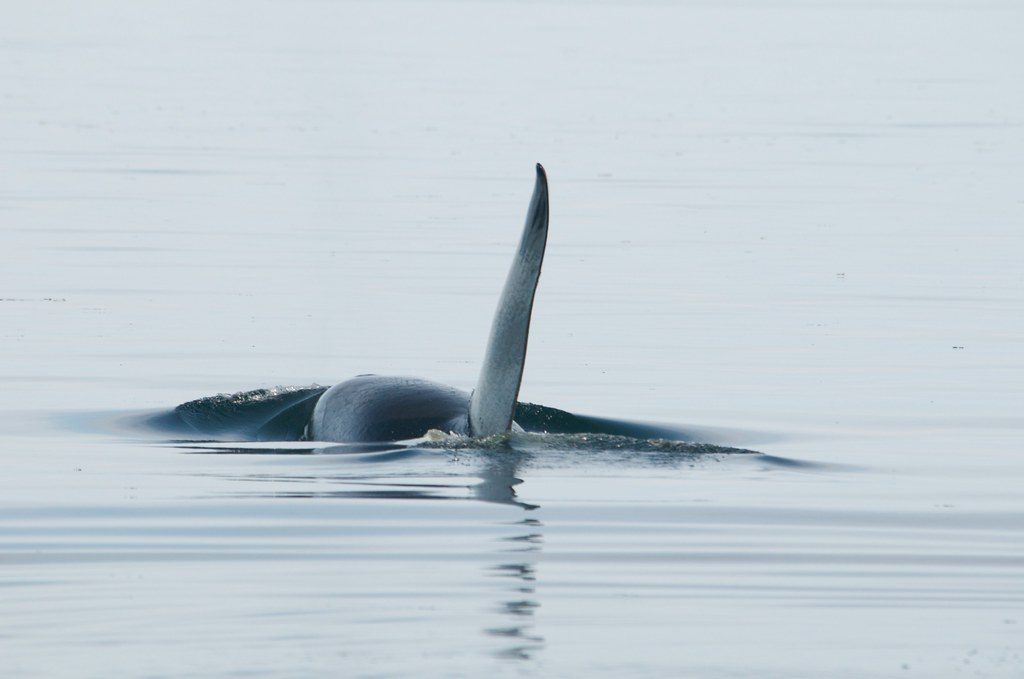
A lone orca’s hunting behavior raises new questions because killer whales are best known for hunting together in family groups called pods. So what happens when one orca hunts alone? Scientists have started paying closer attention after rare observations showed that a single orca could successfully catch large prey without help.
These discoveries are changing what researchers thought they knew about orca hunting skills, learning, and intelligence. In this article, you will learn why these solo hunts matter, how they compare with group hunting, and what they could mean for the future of marine science.
Why do orcas usually hunt in groups
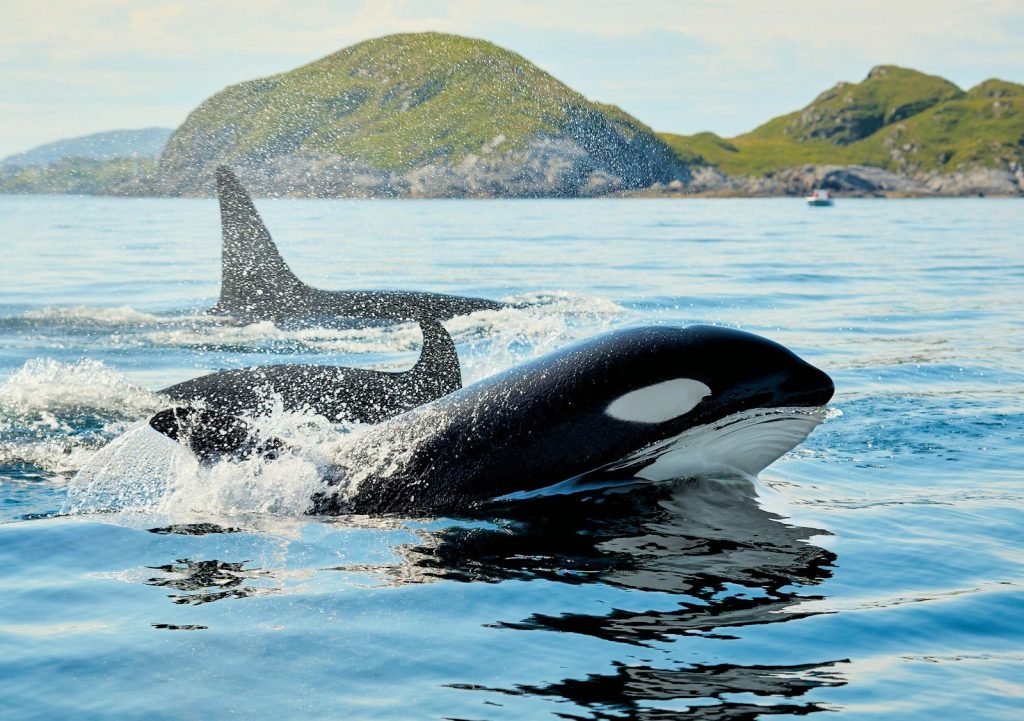
Orcas are highly social animals that live in close family groups led by older females. Many pods stay together for life, sharing food, protecting young calves, and teaching hunting skills. Different groups even have their own hunting methods that are passed from one generation to the next. This social learning is one reason orcas are considered among the smartest animals in the ocean.
Group hunting gives orcas many advantages. They can surround schools of fish, create waves to knock seals off ice, or work together to tire larger prey. Teamwork helps them catch food more efficiently while lowering the energy each whale must use during a hunt.
A rare case of a lone hunter
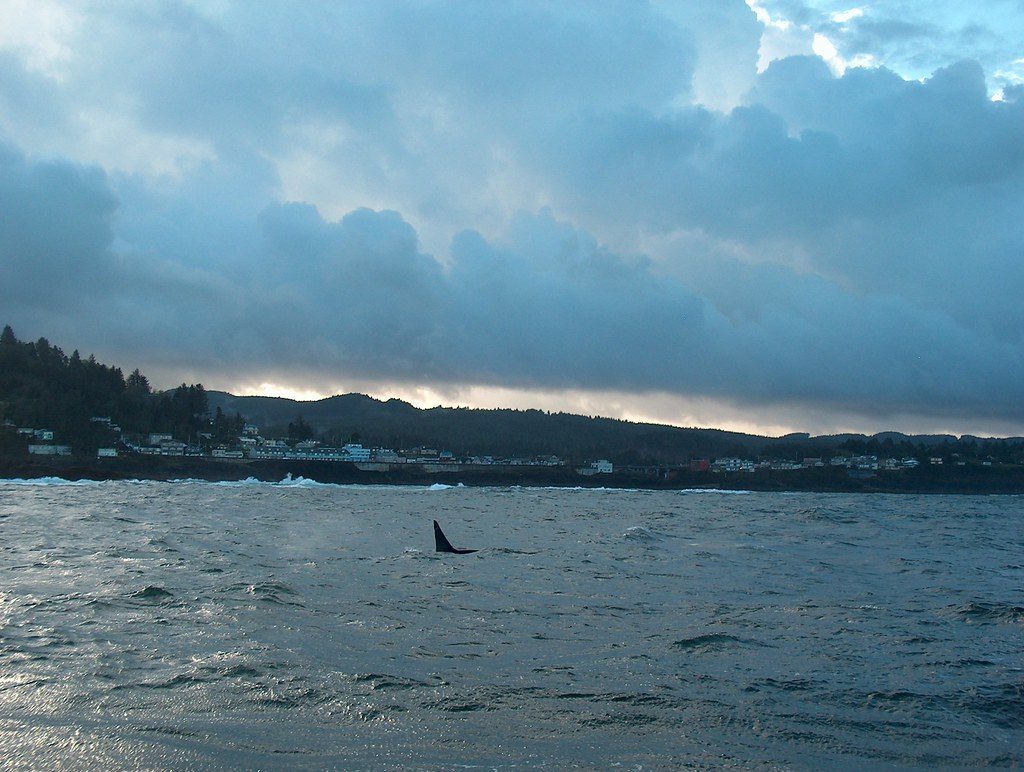
Scientists became especially interested after watching a male orca known as Starboard hunt and kill a great white shark by himself off South Africa. The whale attacked quickly and removed the shark’s nutrient-rich liver in only a few minutes. This was the first documented case of a lone orca successfully hunting a great white shark from start to finish.
Researchers believe this observation is important because great white sharks are powerful predators. Until this event, scientists mainly associated shark hunting with pairs or groups of orcas. The successful solo hunt suggests that some experienced individuals can perform difficult hunting tasks without assistance.
What the behavior tells scientists

The observation shows that some orcas may be far more flexible than researchers once believed. Instead of relying only on teamwork, an experienced whale may adjust its hunting strategy based on the prey, local conditions, and its own skills. This ability to adapt is a sign of advanced problem-solving.
Scientists are also asking whether solo hunting is something learned through years of experience or whether certain whales naturally become more independent. Because individual orcas can develop unique behaviors, researchers believe these rare events may reveal how intelligence and learning shape survival in the wild.
How solo hunting compares with pod hunting
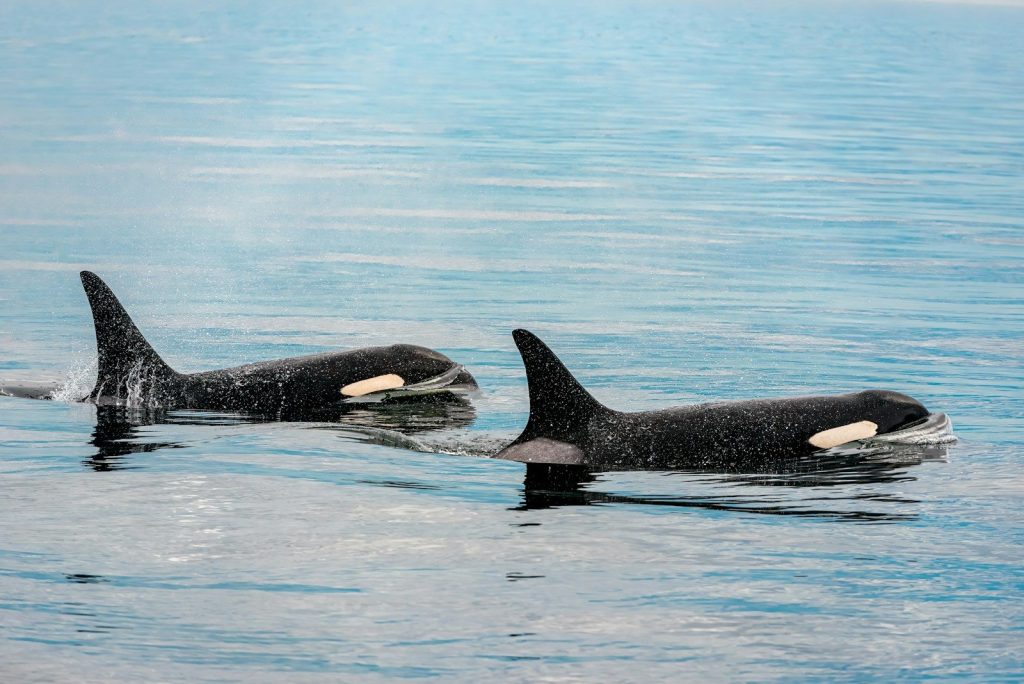
Even though solo hunting is impressive, it is still uncommon. Most orcas continue to depend on their pods because working together increases the chance of catching prey while reducing risk. Large whales, seals, and fast-moving fish can be difficult for one animal to handle alone.
Solo hunting also requires excellent timing, strength, and knowledge of prey behavior. A single mistake could cost valuable energy or allow the prey to escape. For this reason, scientists think lone hunting is likely used only in certain situations or by especially skilled individuals rather than replacing cooperative hunting.
Why this matters for ocean ecosystems
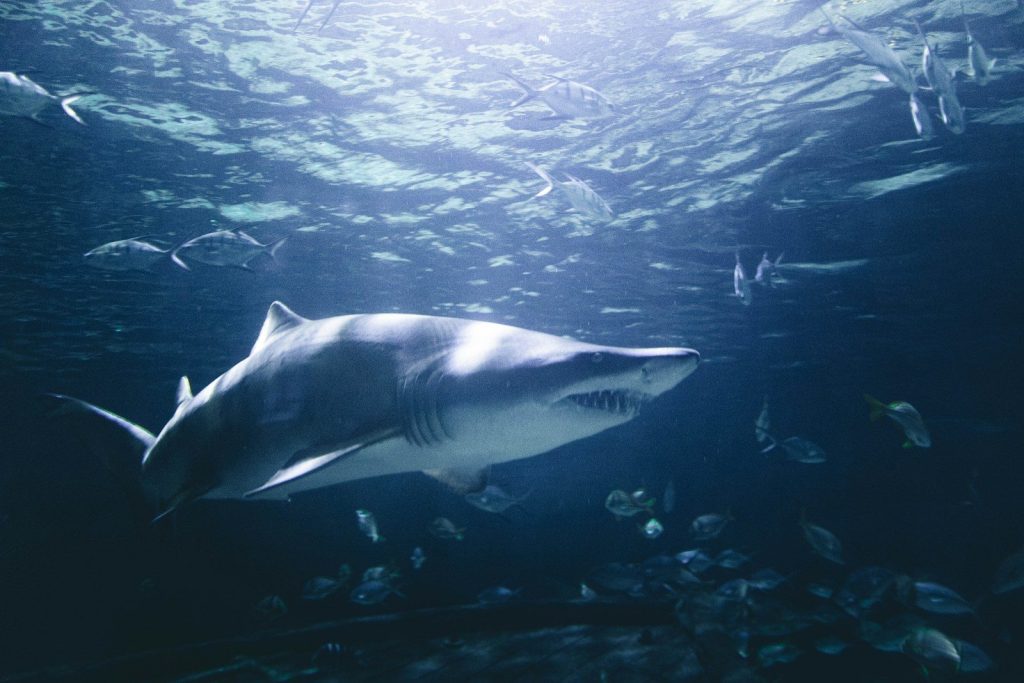
Orcas sit at the top of the marine food chain, so changes in their hunting behavior can affect many other species. In South Africa, increased hunting of sharks by orcas has been linked with changes in where great white sharks spend their time. When top predators move away, other marine animals may also change their behavior.
Learning more about lone hunters also helps scientists understand how predators respond to changing oceans. As fish populations, shark numbers, and marine habitats shift, adaptable hunters like orcas may develop new ways to find food, giving researchers valuable clues about the health of ocean ecosystems.
What researchers hope to learn next
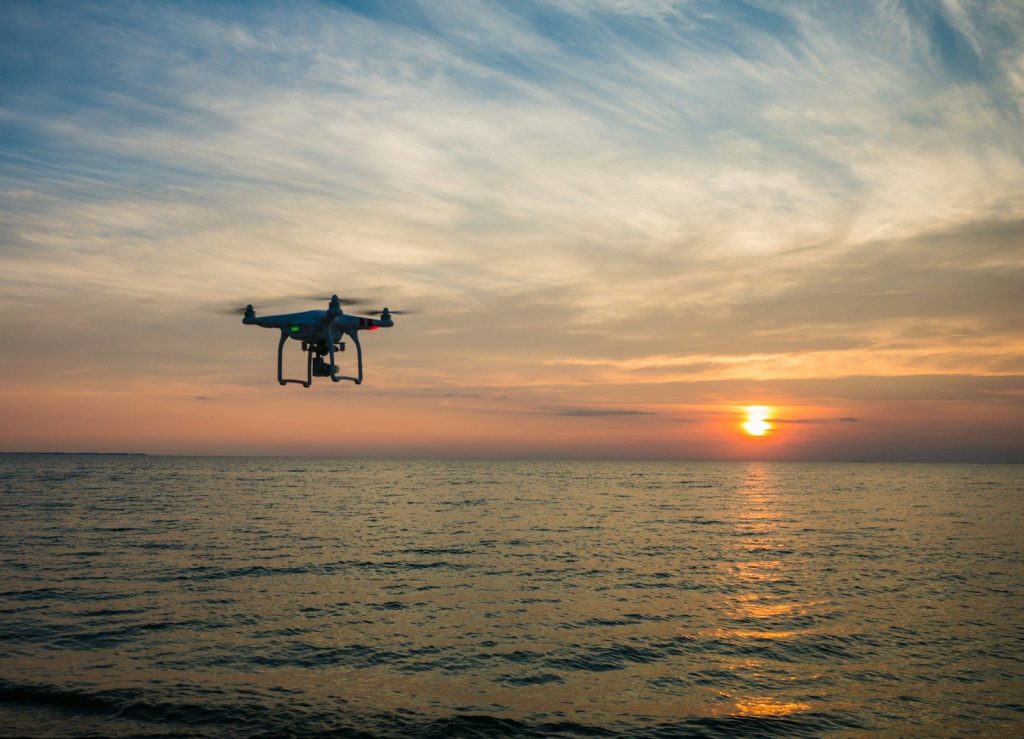
Scientists are continuing to monitor individual orcas using drones, satellite tracking, photo identification, and underwater recordings. These tools help researchers discover whether solo hunting happens more often than previously thought or whether only a few whales have mastered the behavior.
Future research may also reveal how young orcas learn hunting skills, whether lone hunters teach others, and how new behaviors spread between populations. Every carefully documented observation adds another piece to the puzzle of understanding one of the ocean’s most intelligent predators.
Leave a Reply