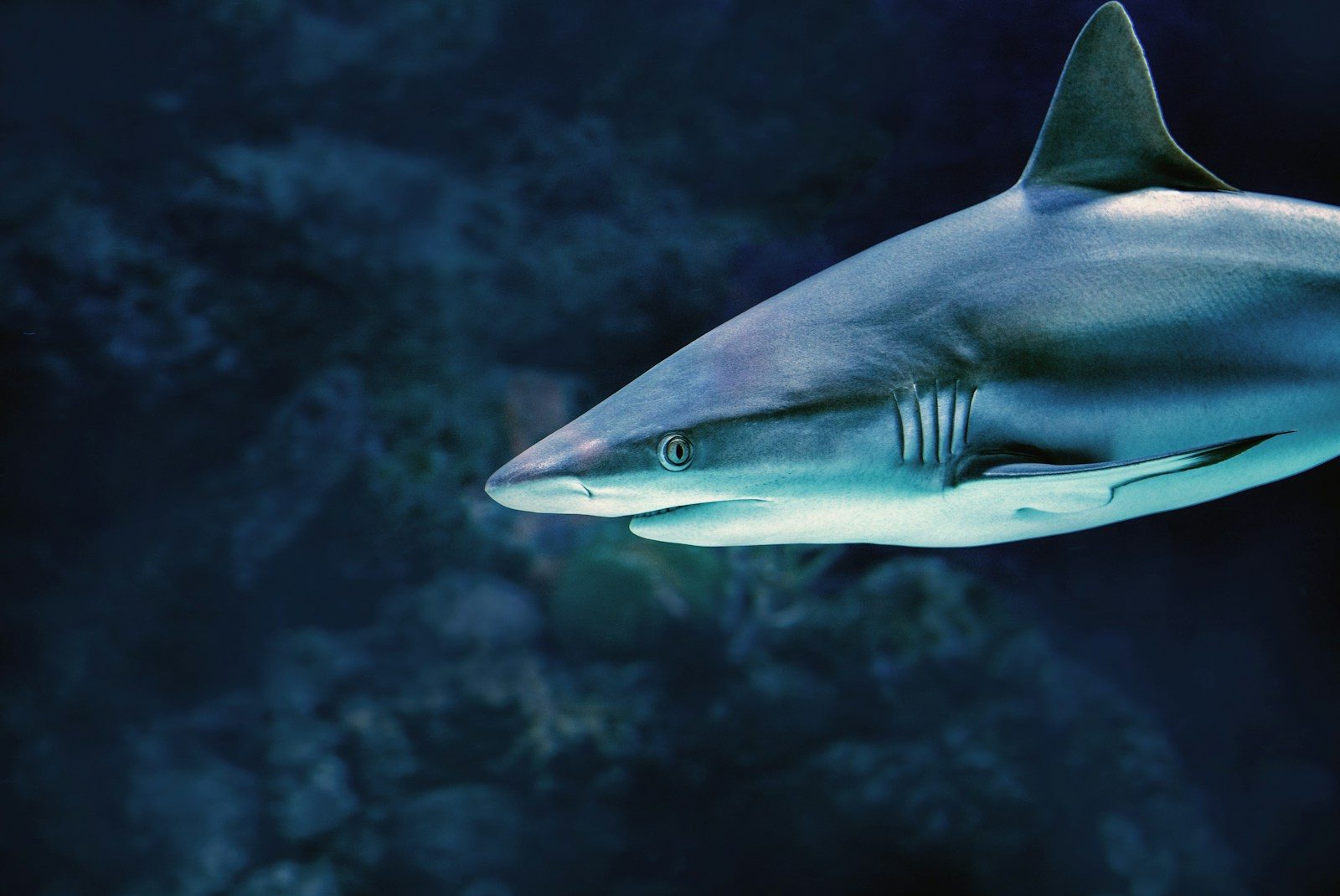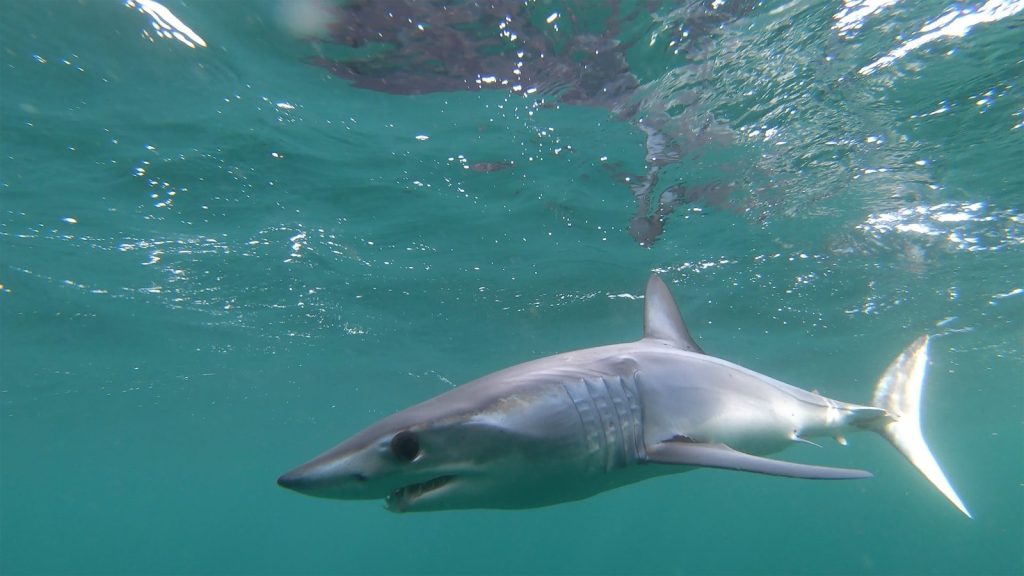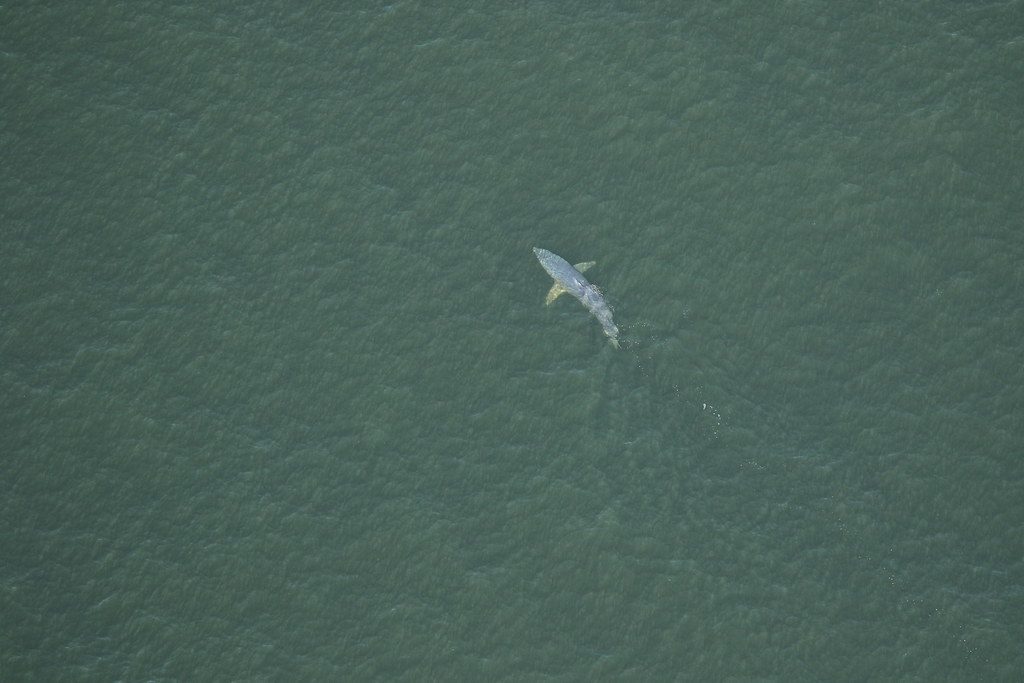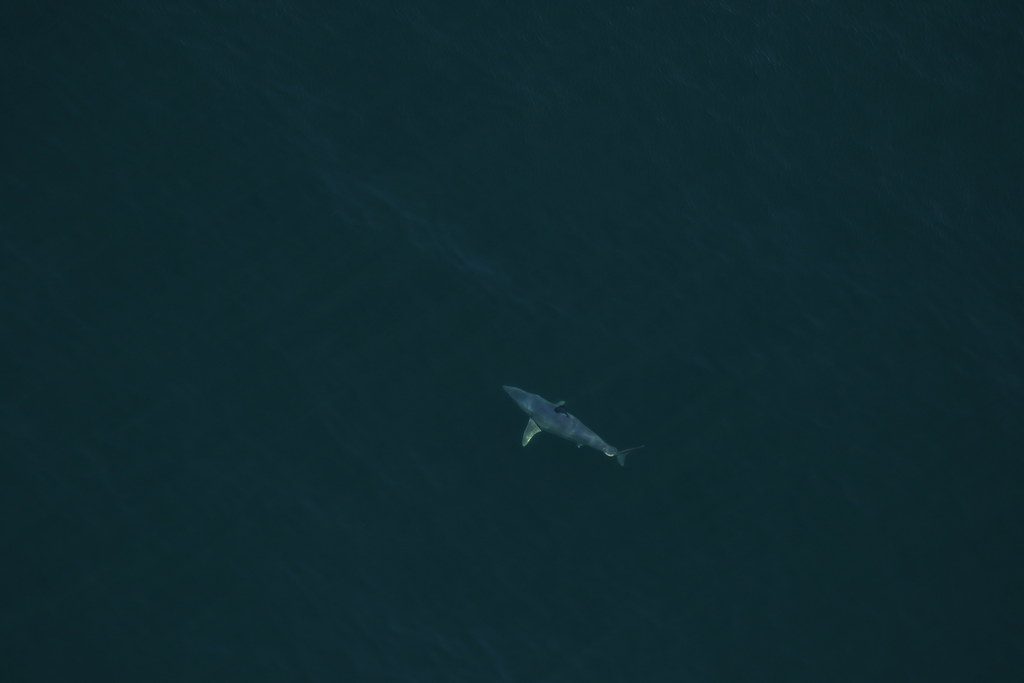
Author: Ethan

  • 4-ton elephant seals clash in a brutal showdown

    4-ton elephant seals clash in a brutal showdown

    A 4-ton elephant seals clash is one of the most powerful wildlife battles on Earth. These giant marine mammals can shake an entire beach as they slam into each other with incredible force. While the fight may look shocking, it is a natural part of life during the breeding season. Strong males battle to earn the right to control a beach and mate with females.

    This article explains why elephant seals fight, how these huge animals use their size and strength, what happens during these intense contests, and why most battles end without death. By the end, you will better understand one of nature’s most dramatic displays of power.

    Why elephant seals fight
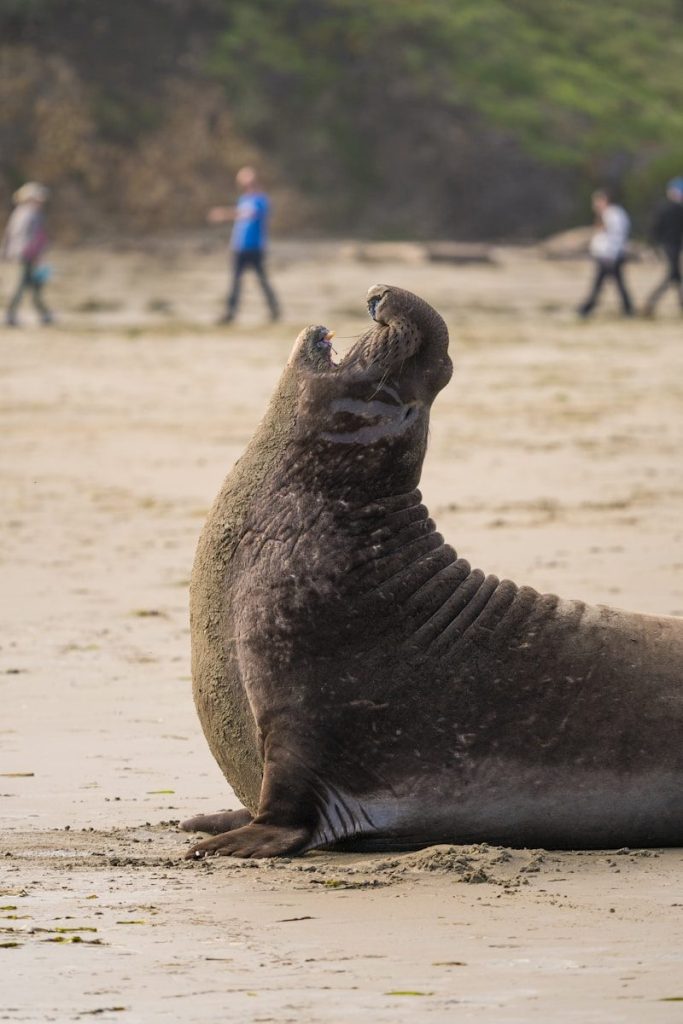
    a seal on a beach with people in the background
    Photo by Y S on Unsplash

    Male elephant seals gather on breeding beaches before the females arrive. Their first goal is not to find food but to claim the best territory. A strong male that controls part of the beach has the best chance of breeding, so competition is fierce from the very beginning.

    These fights are driven by reproduction rather than anger. The largest and most experienced males often become “beachmasters,” guarding groups of females called harems. Younger or weaker males challenge them, hoping to take over or find an opening to breed.

    How giant bulls battle each other
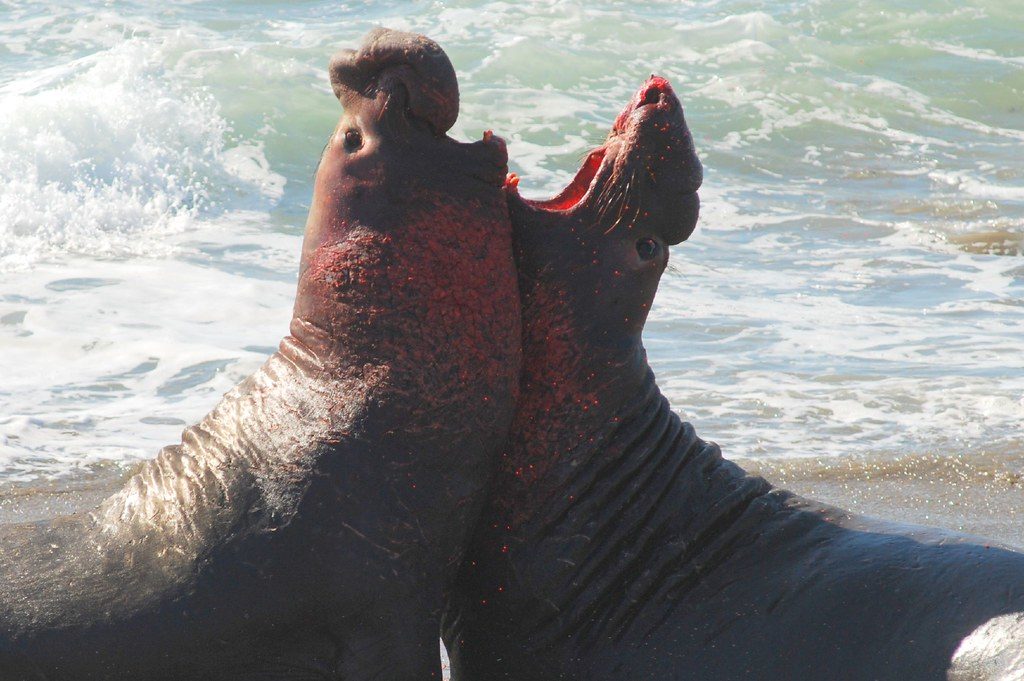
    Elephant seal fight.” by Malingering is licensed under CC BY-NC-ND 2.0

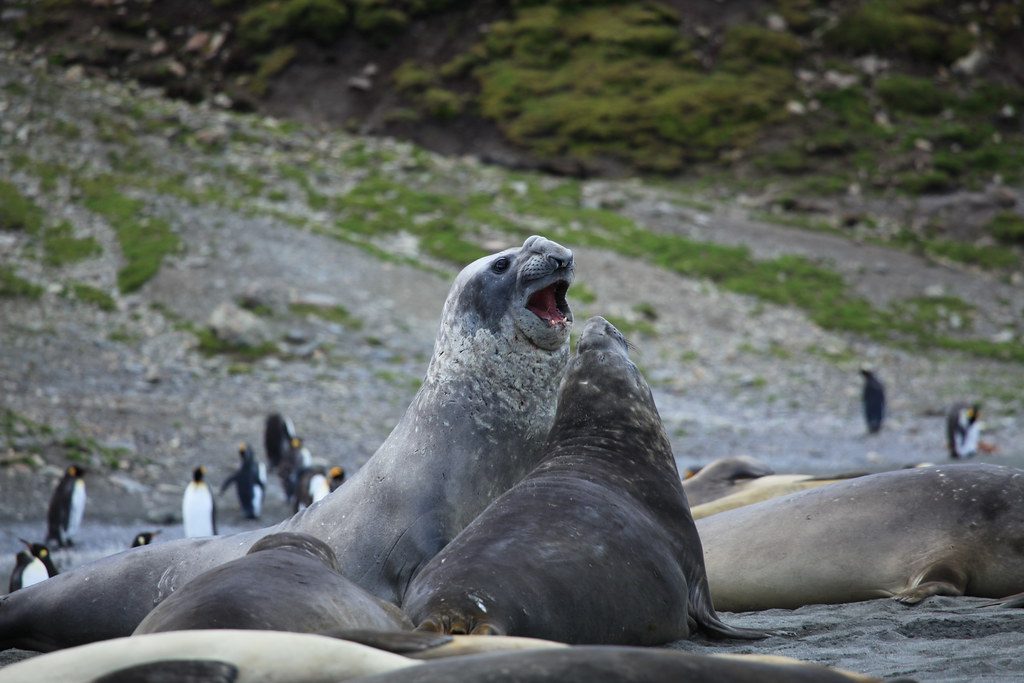
    Adult male southern elephant seals can weigh close to 4 tons, making them the largest living seals in the world. During a fight, the rivals raise the front half of their bodies, roar loudly, inflate their large noses, and crash their chests together before biting with sharp canine teeth.

    The thick skin around a male’s neck and chest acts like natural armor, helping protect vital areas from deep bites. Even with this protection, battles often leave both animals covered in cuts, blood, and scars that can last for years.

    Size often decides the winner
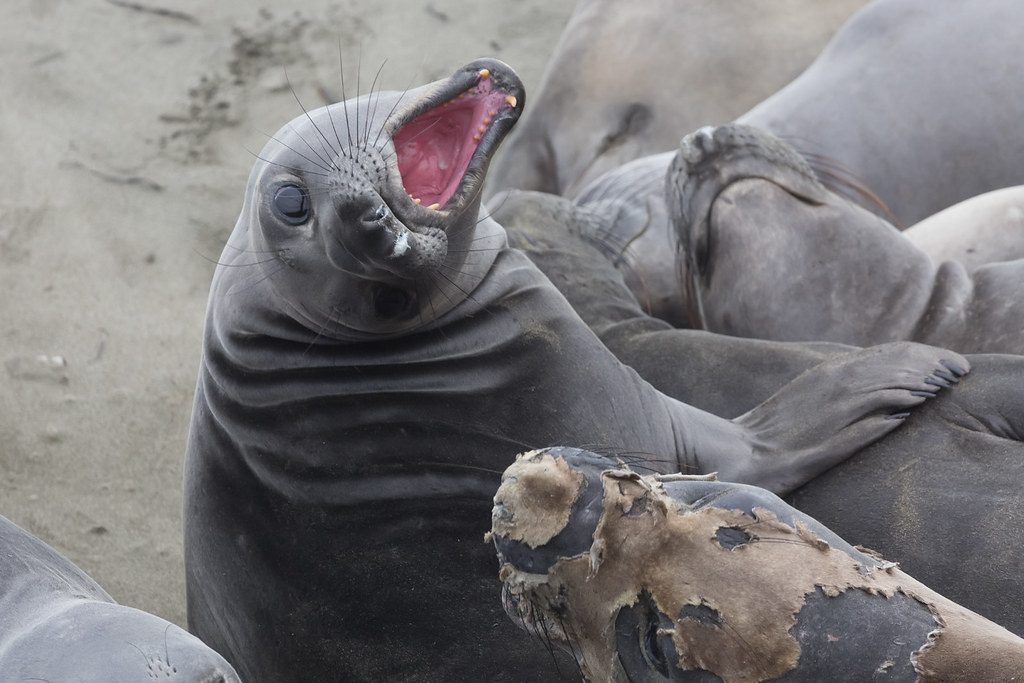
    Elephant Seal Fight” by Photomatt28 is licensed under CC BY-NC-ND 2.0

    Body size plays a huge role in elephant seal battles. Larger males usually have greater strength, more experience, and better endurance. Their deep calls and confident displays can even convince smaller rivals to back away before a serious fight begins.

    Scientists have also found that male elephant seals recognize the unique calls of rivals they have fought before. This helps many seals avoid dangerous fights they are unlikely to win, saving valuable energy during the breeding season when males may fast for several months.

    Life as a beachmaster

    Elephant Seals fighting, King Edward Point, South Georgia” by size4riggerboots is licensed under CC BY-ND 2.0

    Winning a fight is only the beginning. A beachmaster must stay alert every day because other males constantly look for a chance to take over. The dominant bull spends much of his time roaring, chasing rivals, and protecting the females in his territory.

    This demanding job comes at a cost. During the breeding season, dominant males usually do not eat. Instead, they survive on stored body fat while defending their position. By the time the season ends, they may have lost a large amount of body weight.

    The dangers of these massive clashes
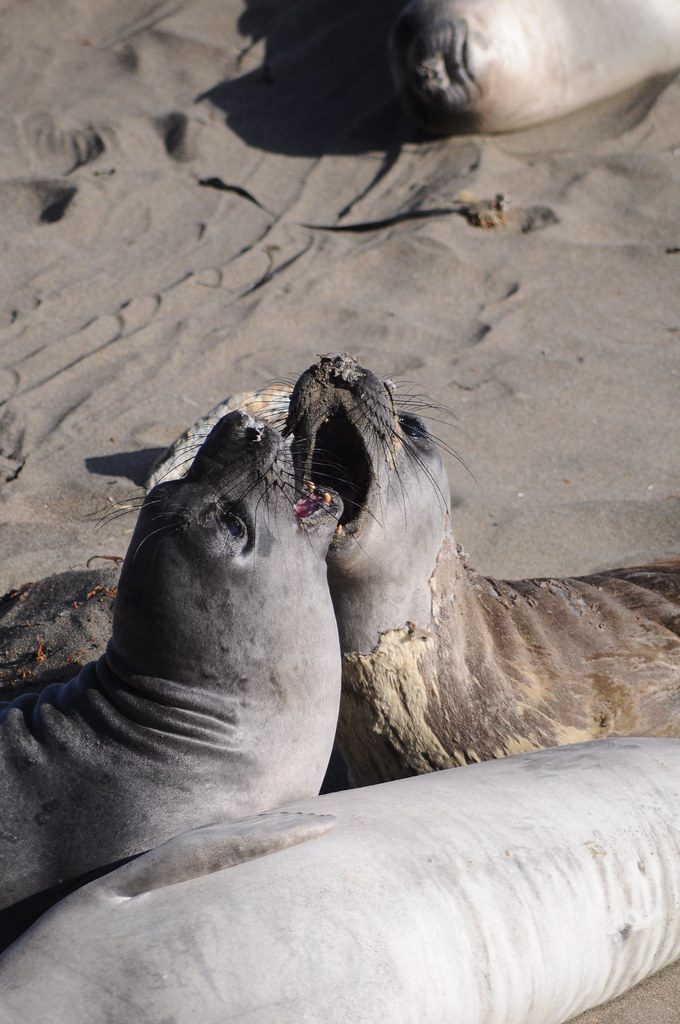
    Baby Elephant Seals Fighting” by Amaury Laporte is licensed under CC BY-NC 2.0

    Although elephant seal fights are natural, they can be extremely violent. Deep bite wounds, torn skin, and heavy bleeding are common. Most defeated males escape before injuries become fatal, but some suffer infections or severe wounds that affect them later.

    Young pups can also face danger if fighting bulls charge through crowded breeding beaches. Mothers try to protect their young, but the sheer size of battling males means accidents can happen during these chaotic moments.

    Why these battles matter for the species
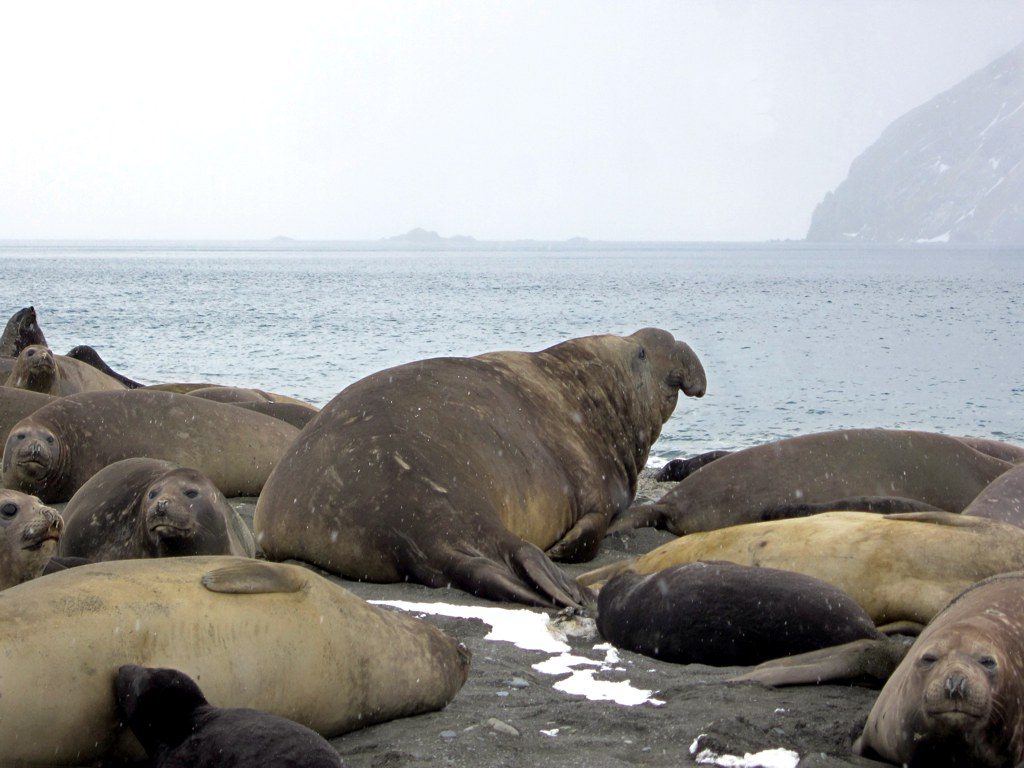
    Elephant Seals” by D-Stanley is licensed under CC BY 2.0

    These contests are an important part of natural selection. Strong, healthy males are more likely to win breeding rights, passing their genes to the next generation. This process has helped elephant seals remain well adapted to life in some of the world’s harshest marine environments.

    Despite their fierce behavior on land, elephant seals spend most of their lives at sea. They are remarkable divers that can travel thousands of miles, dive to great depths, and stay underwater for more than an hour while hunting fish, squid, and other prey. Their dramatic beach battles are only a small part of their extraordinary lives.
  • Scientists find thousands of living giant eggs inside an underwater volcano

    Scientists find thousands of living giant eggs inside an underwater volcano

    Scientists find thousands of living giant eggs inside an underwater volcano, and the discovery is changing what experts know about life in the deep sea. While exploring an ancient seamount off Canada’s Pacific coast, researchers expected to study old volcanic rocks. Instead, they found a huge nursery filled with giant egg cases belonging to Pacific white skates.

    Even more surprising, the volcano was still releasing warm, mineral-rich water. That gentle heat appears to help the eggs develop in one of the coldest places on Earth. This article explains where the eggs were found, why the volcano matters, how the skates use it as a nursery, and why scientists believe this rare habitat deserves protection.

    Scientists found a hidden nursery

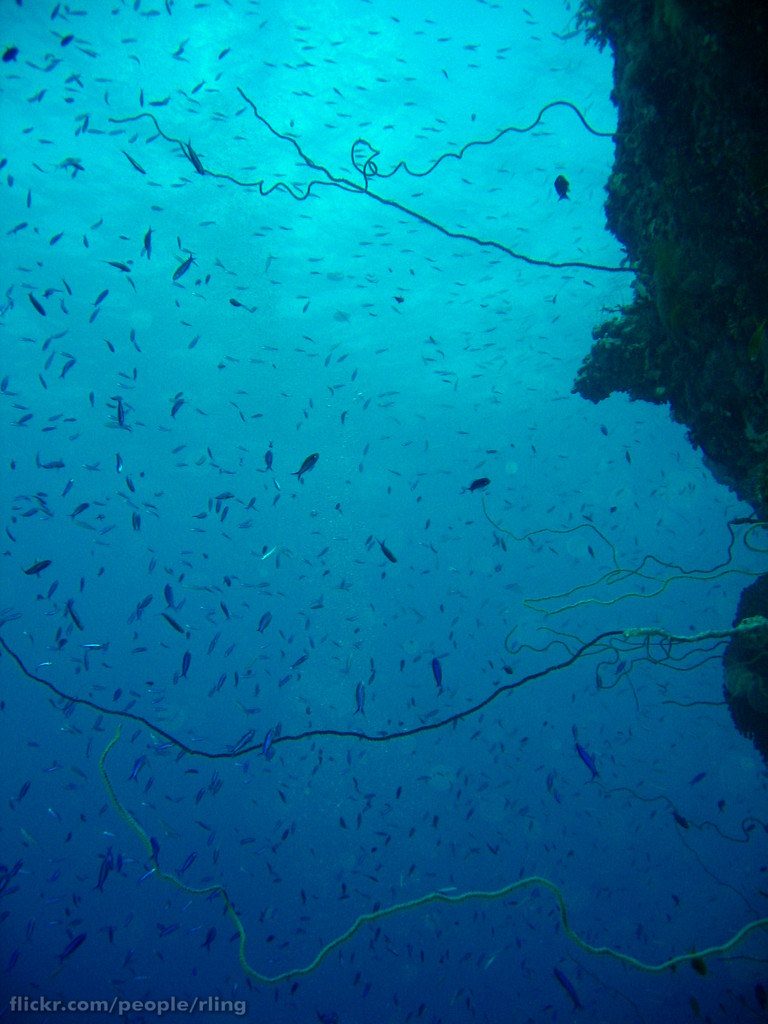
    Whip Corals and Anthias” by richard ling is licensed under CC BY-NC-ND 2.0

    The discovery happened during a research expedition to an underwater volcano off the coast of British Columbia, Canada. Scientists believed the volcano had gone extinct long ago. When they sent remotely operated vehicles to the summit, they found warm water flowing from the seafloor along with thousands of giant egg cases spread across the rocky surface.

    The eggs belong to the Pacific white skate, a deep-sea relative of sharks and rays. Researchers estimate that the volcano may hold hundreds of thousands, and possibly close to one million, egg cases. It is now considered one of the largest known skate nurseries ever discovered in the deep ocean.


    Why the volcano helps the eggs survive

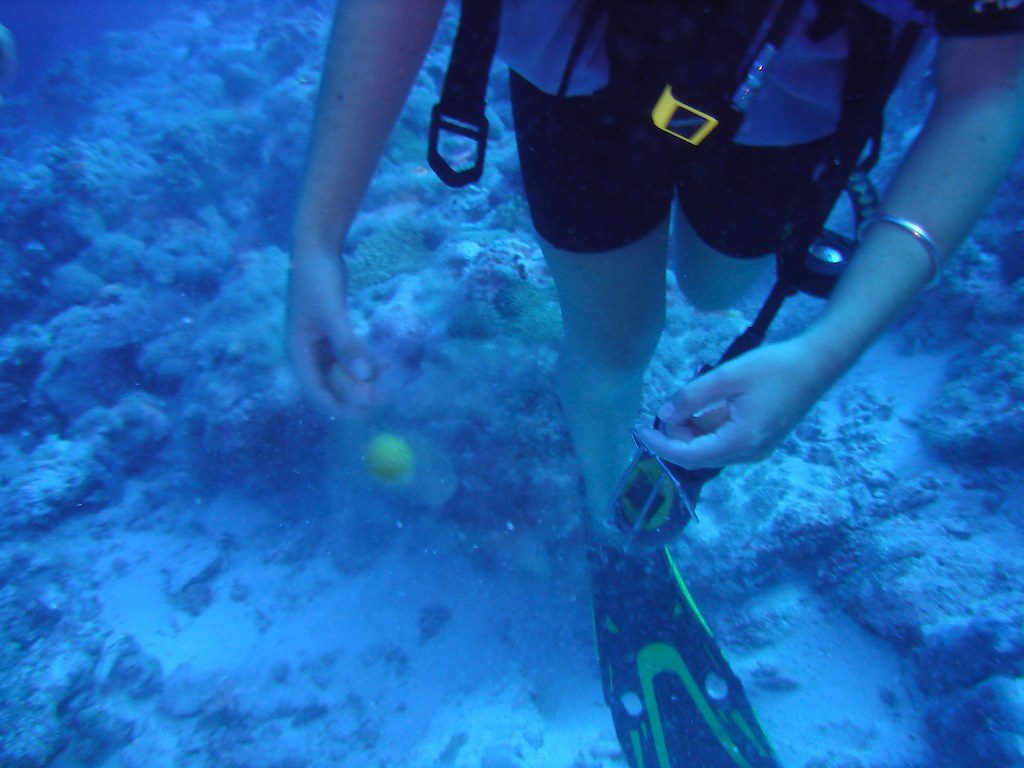
    An egg underwater, North Horn, Coral Sea Great Barrier Reef, Australia.jpg” by gruntzooki is licensed under CC BY-SA 2.0

    Most of the deep ocean is freezing cold, which slows the growth of developing animals. Pacific white skate embryos spend several years inside their egg cases before hatching. Even a small increase in water temperature can help speed up this long process.

    The volcano releases warm, mineral-rich fluids through cracks in the seafloor. Scientists believe this natural heat acts like an underwater incubator, giving the eggs a better chance to develop successfully. Similar nesting behavior was previously observed near hydrothermal vents in the Galápagos, but the Canadian site is much larger.

    The giant eggs belong to a deep-sea skate

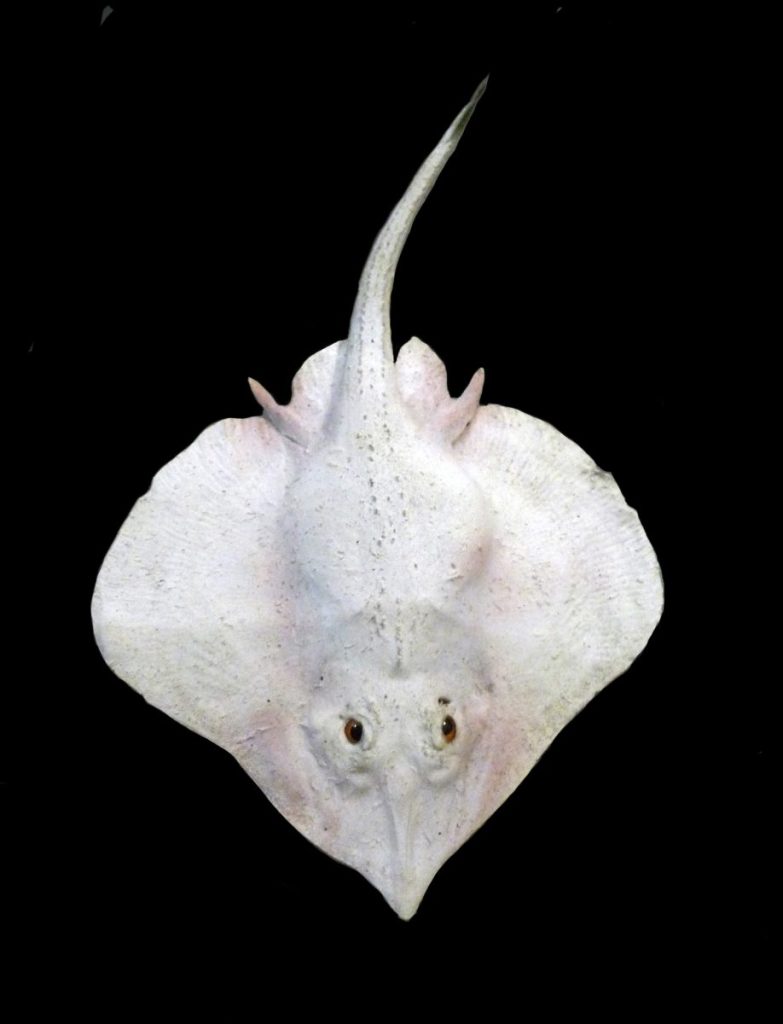
    Bathyraja” by This illustration was made by Citron You must credit this : Citron / CC-BY-SA-3.0 is licensed under CC BY-SA 3.0

    Pacific white skates are among the deepest-living skates in the world. They can live nearly 9,500 feet below the ocean’s surface and grow to more than 6 feet long. Unlike many fish that release thousands of tiny eggs into the water, female skates lay fewer but much larger egg cases.

    Each egg case measures about 20 inches long, making it one of the largest known egg cases produced by any marine animal. The leathery cases are often compared to oversized ravioli or the familiar “mermaid’s purses” sometimes found on beaches, although these are much larger than those from shallow-water species.

    A rare look at deep-sea life

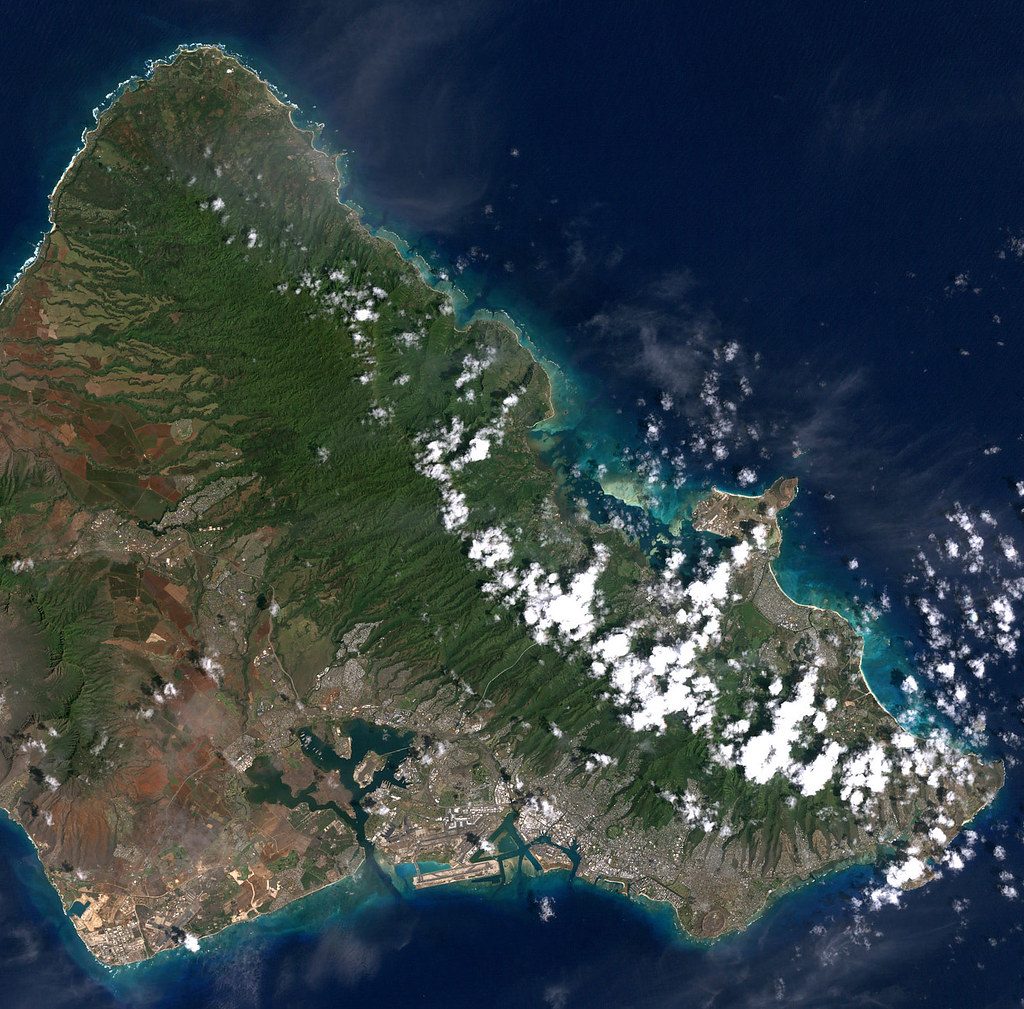
    Pearl Harbor, Hawaii” by NASA Goddard Photo and Video is licensed under CC BY 2.0

    The expedition captured something scientists had never recorded before. Cameras filmed a female Pacific white skate laying an egg directly on the volcano’s summit. This provided the first direct evidence that these skates intentionally use warm volcanic habitats as breeding grounds.

    Researchers also found healthy deep-sea corals and sponges growing around the volcano. Together, these animals create a rich ecosystem that supports many forms of marine life. The discovery shows that underwater volcanoes can provide safe habitats instead of being empty stretches of seafloor.

    Why scientists want to protect the site

    three people in lab coats looking at a tablet
    Photo by National Cancer Institute on Unsplash

    Deep-sea ecosystems grow very slowly, making them especially vulnerable to damage. If fishing gear or other human activities disturb the volcano’s summit, the eggs and surrounding coral communities could take many years to recover.

    Scientists plan to return to the site to learn how often Pacific white skates use the nursery and how much the volcanic heat affects embryo growth. The findings may also help researchers understand how other deep-sea animals survive in extreme environments where warmth is rare.

    What this discovery means for science

    a group of people working in a lab
    Photo by National Institute of Allergy and Infectious Diseases on Unsplash

    The underwater volcano has shown that geology and biology can work together in surprising ways. Heat rising from deep inside Earth creates conditions that help one of the ocean’s largest skates raise its young in an otherwise harsh environment.

    The discovery reminds scientists that many parts of the deep sea remain unexplored. New technology continues to reveal hidden ecosystems that were impossible to study just a few years ago. Each expedition adds valuable knowledge about marine life and highlights the importance of protecting these remarkable underwater habitats for future generations.

  • Rare images show America’s elusive mini-canid is still alive

    Rare images show America’s elusive mini-canid is still alive

    Have you ever wondered if a rare animal could disappear for years and then suddenly return? That is exactly what happened when rare images showed America’s elusive mini-canid is still alive. The discovery has excited wildlife experts because the tiny Cozumel dwarf fox had not been confirmed alive for more than 20 years. For many people, the animal was close to becoming a forgotten mystery.

    Now, these photographs have given scientists fresh hope and a new reason to protect one of North America’s rarest wild canids. In this article, you will learn what makes this fox so special, why it vanished from view, and why its future still depends on urgent conservation.

    The rare discovery surprised scientists

    A solitary wild fox sits alert in a lush green field, blending with nature.
    Photo by Rajukhan Pathan on Pexels

    The first confirmed photographs of the Cozumel dwarf fox came after researchers responded to reports of a small fox wandering near a road on Cozumel Island, Mexico. Although the pictures were taken in 2023, they were only recently published as part of a scientific study. Before this, the last confirmed sighting dated back to 2001, making the new images an important milestone for wildlife conservation.

    The fox was safely captured for a health check before being released into the protected Laguna Colombia State Reserve. Scientists say this is the first time the animal has ever been photographed, giving researchers valuable proof that the tiny population still survives in the wild.

    Why this fox is so unusual

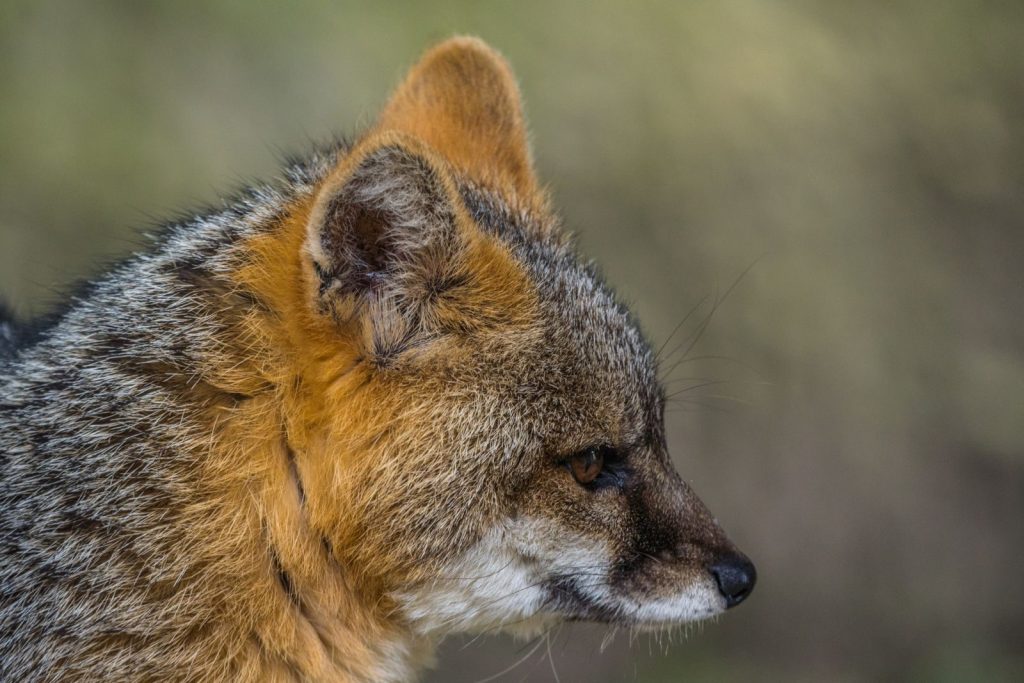
    Side profile of an island fox in its natural habitat, Sopo, Colombia.
    Photo by Juan Felipe Ramírez on Pexels

    The Cozumel dwarf fox is much smaller than the mainland gray fox. Experts believe it became smaller through a process called island dwarfism. Over thousands of years, animals living on isolated islands often evolve into smaller versions because food and space are limited.

    Researchers estimate that the Cozumel dwarf fox is only about 60% to 80% the size of its mainland relative. It has large ears, a long bushy tail, and gray, golden, and white fur. Despite its unique appearance, scientists still do not know if it is a separate species or a distinct population of the gray fox.

    Why the fox disappeared for so long

    Peaceful dirt trail through a lush coniferous forest, perfect for hiking and nature exploration.
    Photo by Lauri Poldre on Pexels

    One reason the fox remained hidden is that very little research has ever been done on it. Scientists have never completed a full population survey, and most earlier evidence came from ancient animal remains found at Maya archaeological sites rather than living animals.

    The island’s forests are also difficult to study, making sightings extremely rare. Because so few people knew the fox existed, it quietly disappeared from public attention. The latest discovery reminds experts that some species can come close to extinction without the world noticing.

    The biggest threats facing the species

    Destruction in Mocoa, Colombia due to natural disaster. Damaged structures and debris.
    Photo by Franklin Peña Gutierrez on Pexels

    Finding one healthy fox does not mean the species is safe. Scientists believe the Cozumel dwarf fox is still critically endangered because its population may be very small and limited to the southern part of the island.

    Habitat loss, expanding development, invasive animals, road traffic, and natural disasters all threaten its survival. Hurricanes can also damage the island’s forests, leaving wildlife with fewer places to live and find food. Until researchers know how many foxes remain, protecting them will remain a major challenge.

    What happens next for conservation

    A surveillance camera mounted on a post against a modern urban building in a city setting.
    Photo by Mads Thomsen on Pexels

    Researchers are now working to learn much more about the mysterious fox. Camera trap surveys are being expanded across Cozumel to discover where the animals live and estimate how many still survive.

    Scientists also hope to study the fox’s DNA to determine whether it should officially be recognized as a separate species. Better information will help conservation groups create stronger protection plans and preserve the habitats that these rare animals depend on.

    Why this rediscovery matters

    Mirror reflection of a photographer capturing rural scenery through car mirror.
    Photo by Mehin Qehremanzade on Pexels

    The rediscovery is more than an exciting wildlife story. It shows that rare animals can survive even after decades without confirmed sightings. At the same time, it reminds people that many species may disappear before scientists fully understand them.

    The first photographs have created a second chance for the Cozumel dwarf fox. Whether that chance leads to recovery depends on continued research, habitat protection, and public support. The images are a hopeful beginning, but they are only the first step in protecting one of North America’s rarest wild canids.

  • Rare four-eyed toad found in Canada puzzles experts

    Rare four-eyed toad found in Canada puzzles experts

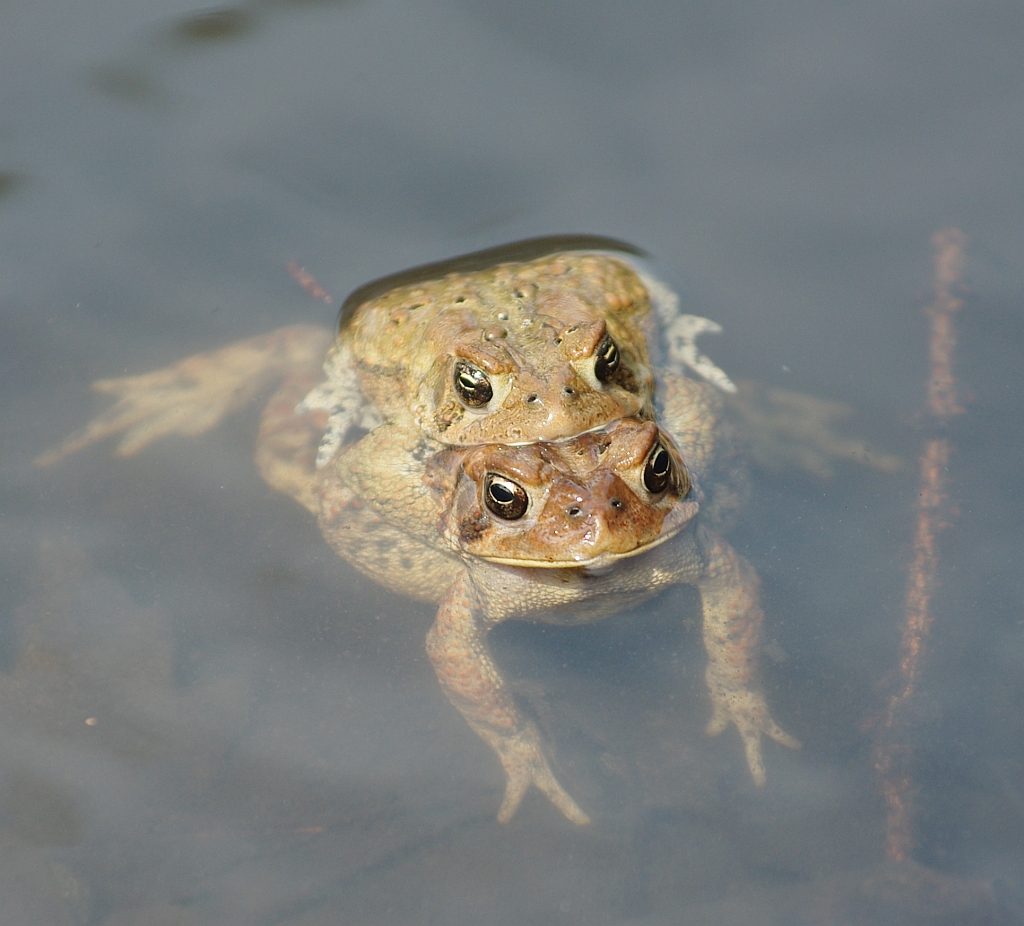
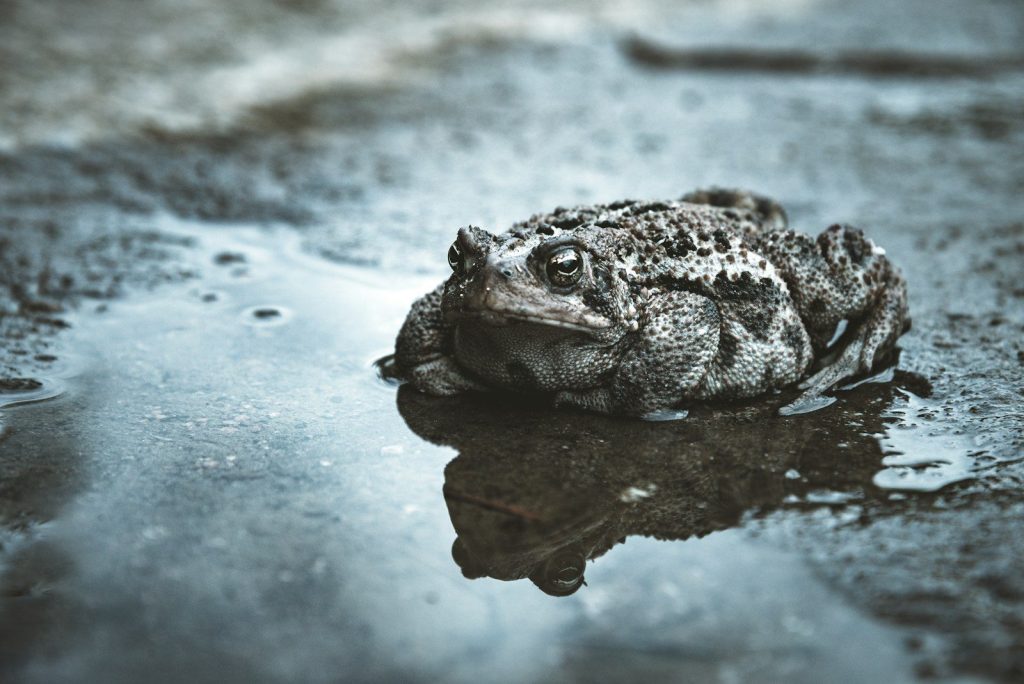
    A rare toad discovery in Canada is giving scientists a new mystery to solve. The unusual amphibian was found in Ontario with an extremely rare genetic mutation that caused it to develop four eyes instead of the usual two. Researchers have confirmed the animal is real, not a fake or edited image, but they still do not know what caused the condition.

    Discoveries like this can help scientists learn more about how amphibians grow, how healthy their habitats are, and what environmental changes may affect wildlife. Here’s what experts know so far and why this unusual toad matters.

    The rare discovery surprised researchers

    Photographer, San Juan Islands, Washington” by woodleywonderworks is licensed under CC BY 2.0

    The unusual toad was photographed in Ontario, Canada, where it caught the attention of wildlife experts because of its four visible eyes. Scientists later examined the case and confirmed that the animal had a real developmental mutation rather than an injury or camera trick.

    Cases like this are extremely uncommon in wild amphibians. While frogs and toads can sometimes be born with physical differences, a four-eyed mutation is exceptionally rare. Because of that, researchers see this animal as an important chance to study how such changes happen during early development.

    Scientists are still searching for answers

    three people in lab coats looking at a tablet
    Photo by National Cancer Institute on Unsplash

    Researchers have not identified the exact reason why the mutation happened. It may have occurred naturally while the toad was developing as an embryo, but there is currently no evidence proving a specific cause.

    Scientists also caution against blaming pollution, chemicals, or other environmental factors without solid proof. Many genetic mutations happen naturally in wildlife, and a single animal cannot be used to draw broad conclusions about the health of an ecosystem. More research is needed before experts can explain what happened.

    Why amphibians are important indicators

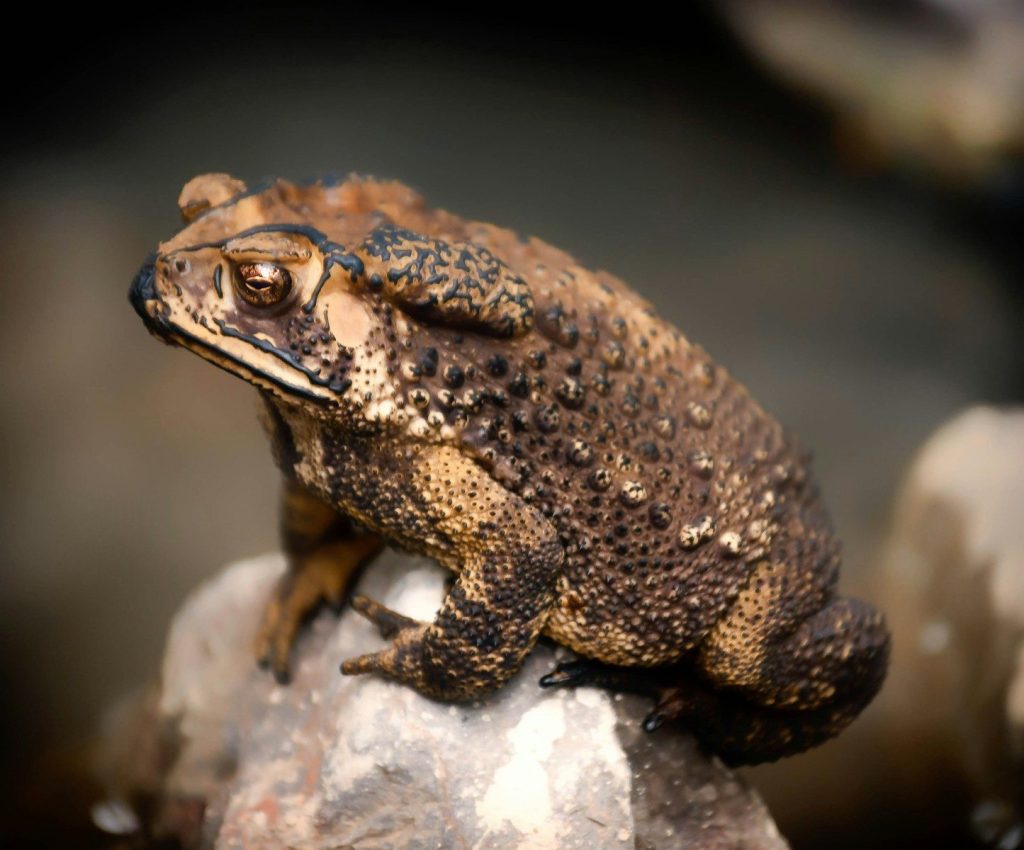
    brown frog on gray rock
    Photo by Thomas Oxford on Unsplash

    Toads and frogs are often called indicator species because they are very sensitive to changes in their environment. Their thin skin absorbs water and chemicals easily, making them among the first animals to show signs of habitat problems.

    When scientists study unusual amphibians, they also learn more about wetlands, forests, and freshwater ecosystems. Healthy amphibian populations usually suggest healthy habitats, while declining populations may point to larger environmental concerns that deserve closer attention.

    Rare mutations help advance science

    a group of people working in a lab
    Photo by National Institute of Allergy and Infectious Diseases on Unsplash

    Although unusual mutations may look strange, they can provide valuable scientific information. Researchers study these rare cases to better understand genetics, embryo development, and how different body parts form before an animal is born.

    Every documented case adds to scientific records. By comparing similar discoveries over time, experts may find patterns that improve their understanding of amphibian biology and help protect vulnerable species in the future.

    Canada is home to many native toads

    black frog on wet surface
    Photo by Jonathan Gagnon on Unsplash

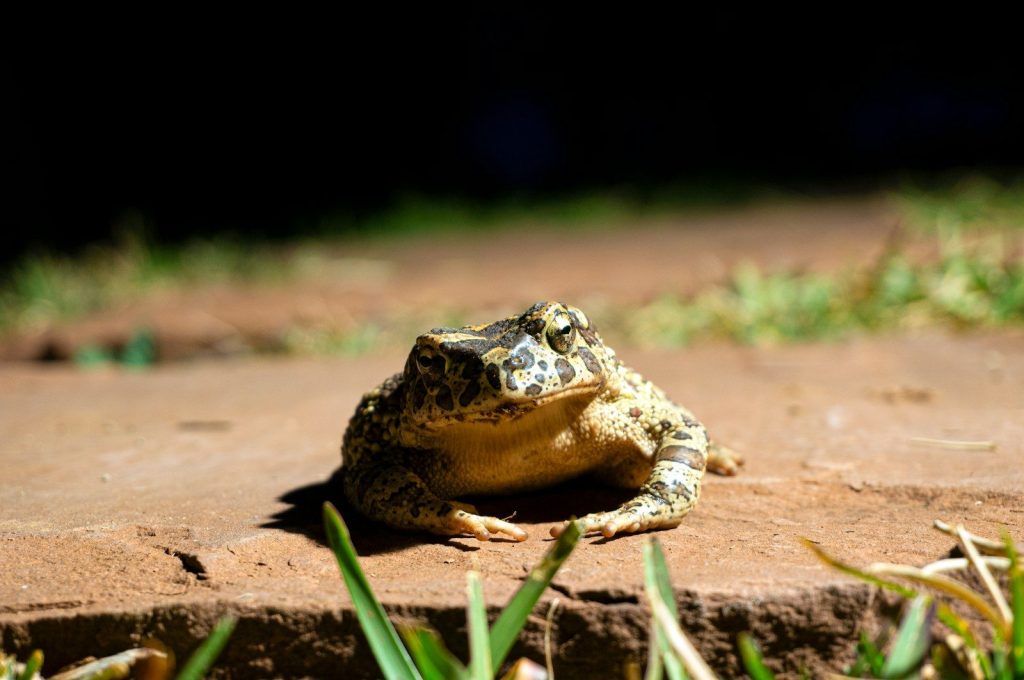
    Canada has several native toad species that live in forests, wetlands, grasslands, and other natural habitats. These animals play an important role by eating insects and serving as food for larger wildlife.

    Many amphibian populations face growing challenges from habitat loss, climate change, disease, and invasive species. Because of these threats, scientists regularly monitor wild populations to better understand how amphibians are changing over time and what conservation steps may be needed.

    What happens next for the unusual toad

    brown and black frog on brown soil
    Photo by Pete Bread on Unsplash

    Researchers hope additional study will reveal more about the mutation, but they may never know exactly why it occurred. Rare genetic events can happen without leaving clear evidence, making some questions difficult to answer with certainty.

    Even so, the discovery reminds scientists that nature still holds many surprises. Every unusual finding helps improve scientific knowledge, encourages further research, and highlights the importance of protecting the habitats where wildlife continues to thrive.

  • Scientists reveal how this 2-ton shark launches seals into the air

    Scientists reveal how this 2-ton shark launches seals into the air

    Have you ever wondered how a giant shark can burst out of the ocean with enough force to send a seal flying through the air? Scientists have spent years studying this amazing hunting move, often called a breach. The great white shark, which can weigh around 2 tons, uses speed, surprise, and perfect timing to catch fast-moving seals.

    In this article, you’ll learn how these sharks build incredible power underwater, why they leap into the air, and what researchers have discovered about one of nature’s most dramatic hunting strategies. The facts below are based on observations from marine scientists and published research.

    Why great white sharks target seals

    Leopard Seal” by AegirPhotography is licensed under CC BY-NC 2.0

    Great white sharks hunt many kinds of prey, but adult sharks often prefer seals because they are rich in fat. That fat provides a large amount of energy, helping the sharks survive long periods between meals. This is especially important for large predators that travel long distances in the ocean.

    Young seals are often the main target because they are less experienced and easier to catch than healthy adults. Scientists have found that sharks usually attack from below, where they are harder for seals to see against the bright surface above.

    How sharks build enough speed

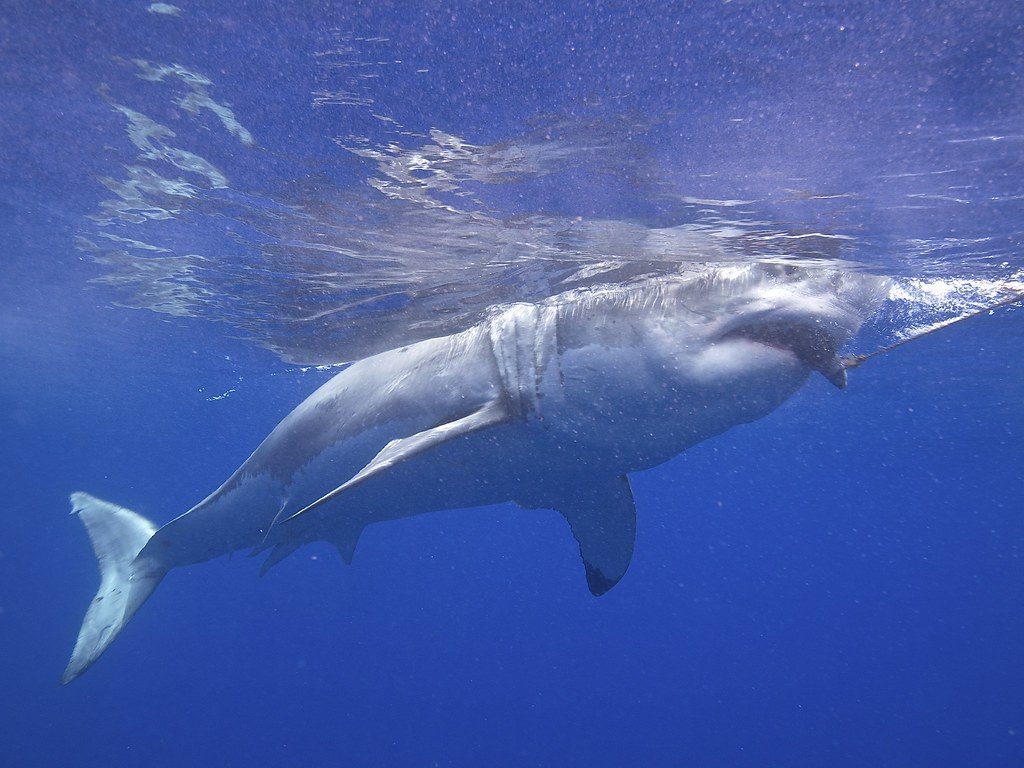
    Great White Shark” by Elias Levy is licensed under CC BY 2.0

    Before attacking, a great white shark may swim about 60 feet below the surface. It then points its body upward and powers forward with strong tail beats. This rapid climb creates enough speed for the shark to burst through the water while chasing a seal.

    Researchers using motion sensors and animal-mounted cameras found that these sharks carefully control their body angle during the attack. By aiming almost straight up, they can carry their momentum out of the water, sometimes launching both themselves and the seal into the air.

    Why seals are thrown into the air

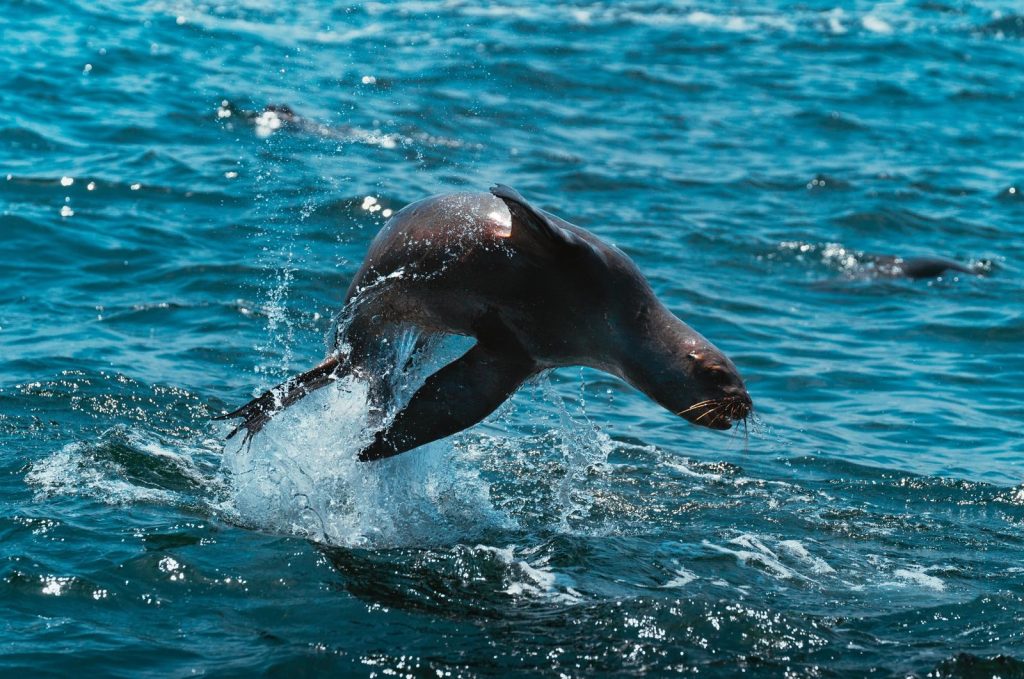
    A sea lion gracefully jumps out of the ocean on a sunny day, showcasing wildlife energy.
    Photo by Lyon Peru on Pexels

    The famous leap is not meant to impress anyone. It happens because the shark is already moving at very high speed when it strikes a seal near the surface. The force of the attack continues upward, causing the shark to leave the water, while the seal may also be thrown into the air.

    Scientists estimate that great white sharks can clear several feet above the ocean during these attacks. Even though the breach looks dramatic, it is simply the result of powerful swimming and the laws of motion.

    What scientists learned from new technology

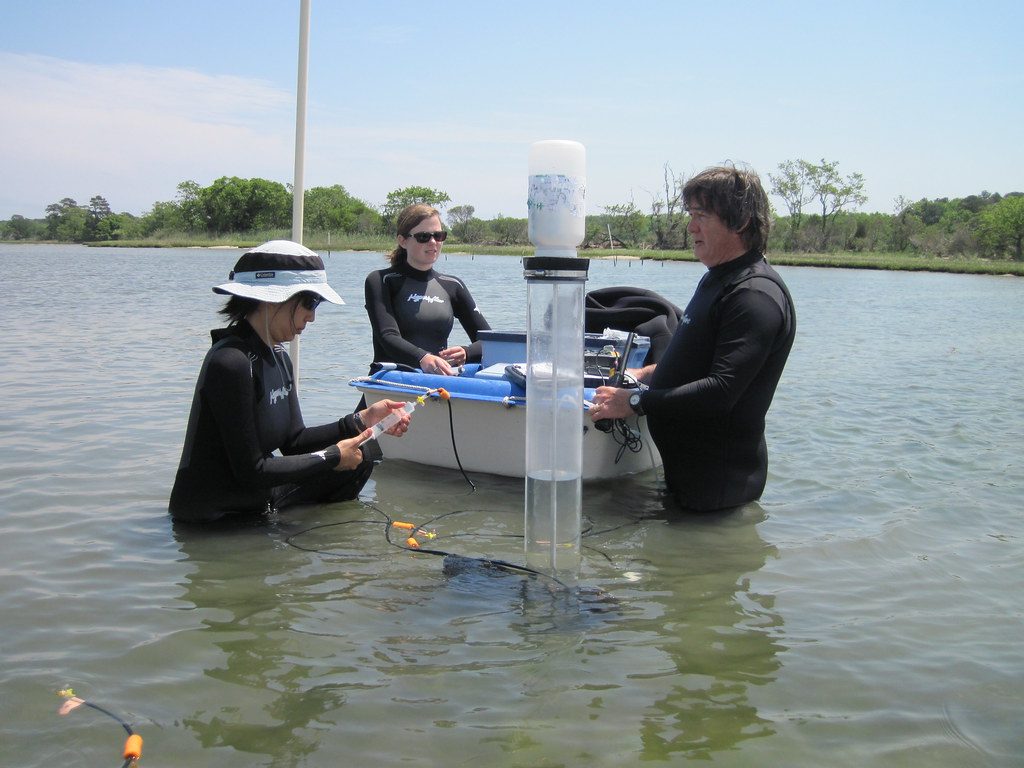
    Marine Scientist Jennifer Stanhope, VASG Graduate Research Fellow Annie Murphy, and Mark Luckenbach take water samples from the cores over the course of the day to measure the nutrient concentrations in the water. ©Margaret Pizer/VASG” by Virginia Sea Grant is licensed under CC BY-ND 2.0

    For many years, researchers could only watch attacks from boats or the shoreline. Today, small cameras, GPS trackers, and motion sensors attached to sharks provide a much clearer view of what happens underwater before the breach.

    These tools revealed that sharks sometimes swim through kelp forests while hunting, something many scientists once believed they avoided. The recordings also showed that individual sharks may use different hunting paths depending on the environment.

    Why timing matters in a hunt

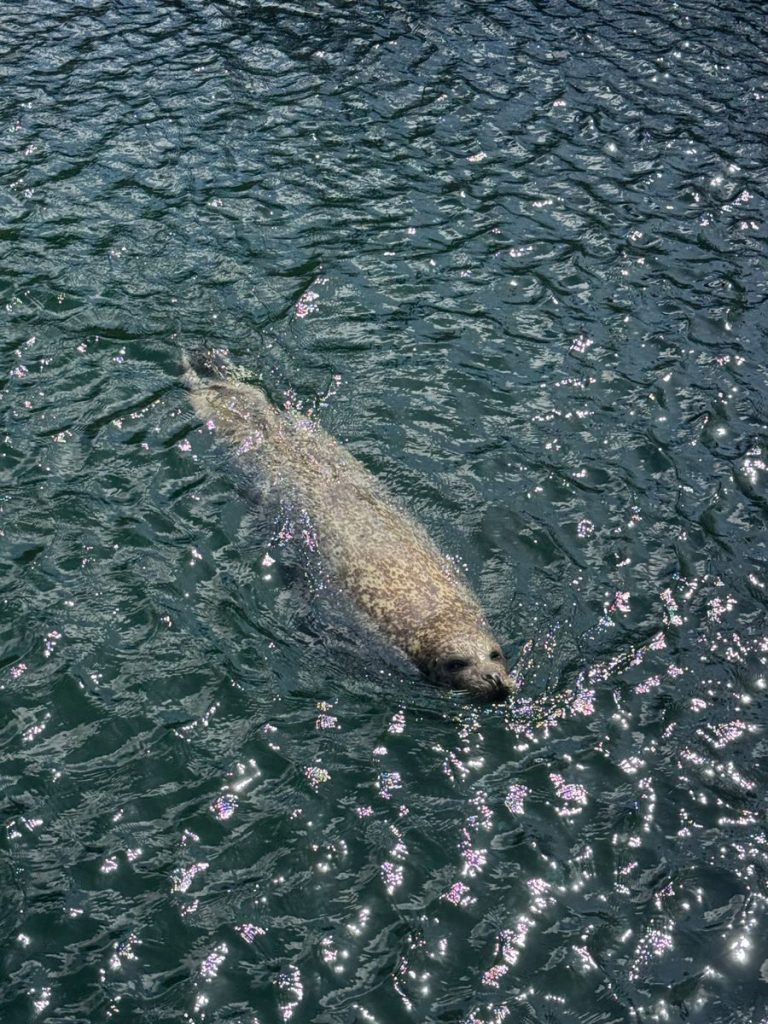
    A harbor seal gracefully swims in sunlit ocean waters, creating sparkling reflections.
    Photo by Nishant Subedi on Pexels

    Scientists have found that many seal attacks happen shortly after sunrise. At that time, the low light makes it harder for seals to spot a shark rising from below. This gives the predator a better chance of staying hidden until the last second.

    If the first strike misses, the seal often escapes by making quick turns and fast swims. The longer the chase continues, the lower the shark’s chance of making a successful catch because seals are more agile in open water.

    Why this research is important

    a group of people sitting around a white table
    Photo by UK Black Tech on Unsplash

    Learning how great white sharks hunt helps scientists better understand the balance of ocean ecosystems. Sharks play a key role by keeping marine animal populations healthy, making them an important part of the food web.

    The research also helps improve shark conservation. Great white sharks are considered vulnerable worldwide, so understanding their behavior can support better protection while helping people reduce unwanted encounters with these powerful animals.

  • Shark activity expected to rise this summer, scientists say

    Shark activity expected to rise this summer, scientists say

    Planning a beach trip this summer? You may hear more reports about sharks, and scientists say that is expected. Shark activity often rises during the warmer months as ocean temperatures increase and many shark species move closer to shore in search of food or to follow their seasonal migration routes.

    That does not mean sharks are hunting people, but it does mean beachgoers should stay alert. In this article, you’ll learn why shark activity is expected to increase, what scientists know about shark behavior, where sightings are most common, and how you can stay safe while enjoying the water.

    Why sharks are more active in summer

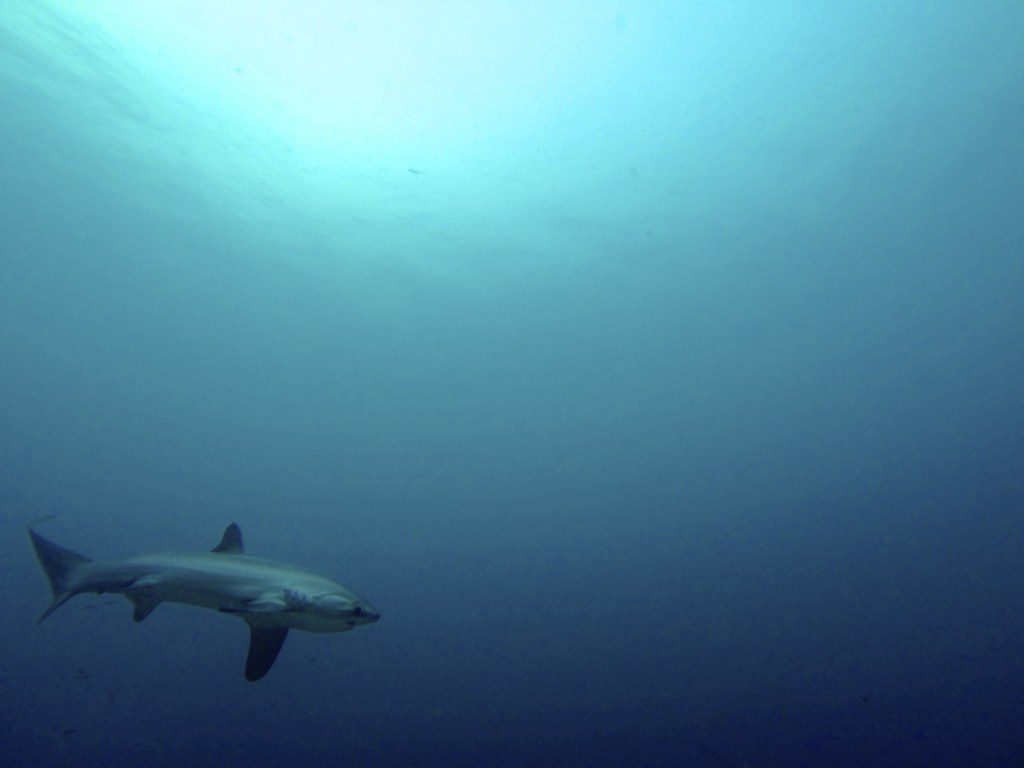
    Thresher Shark at Monad Shoal” by Maxime Guilbot is licensed under CC BY 2.0

    Summer brings warmer ocean water, and that changes where many sharks travel. More than 30 shark species move north along the U.S. East Coast during the warmer months after spending winter in southern waters. As they migrate, they search for food and suitable places to hunt or rest.

    Scientists say shark sightings also rise because more people head to beaches during summer. With more swimmers, surfers, and boaters in the water, there are simply more chances for people to notice sharks. Many sharks have always been there, but they are seen more often during the busy beach season.

    Warmer waters are changing shark movements

    a bird standing on top of a sandy beach next to the ocean
    Photo by Elinda Gjonomadhi on Unsplash

    Marine experts say warmer ocean temperatures can shift where sharks travel. Some species are staying in northern waters longer than they did in the past, while others are appearing in places where they were once less common. These changes are linked to warming seas and changing ocean conditions.

    Scientists are also watching the effects of marine heat waves and climate patterns that warm the Pacific Ocean. These conditions may bring some sharks closer to beaches, especially young white sharks looking for warm nursery areas with plenty of food.

    Where people may see more sharks

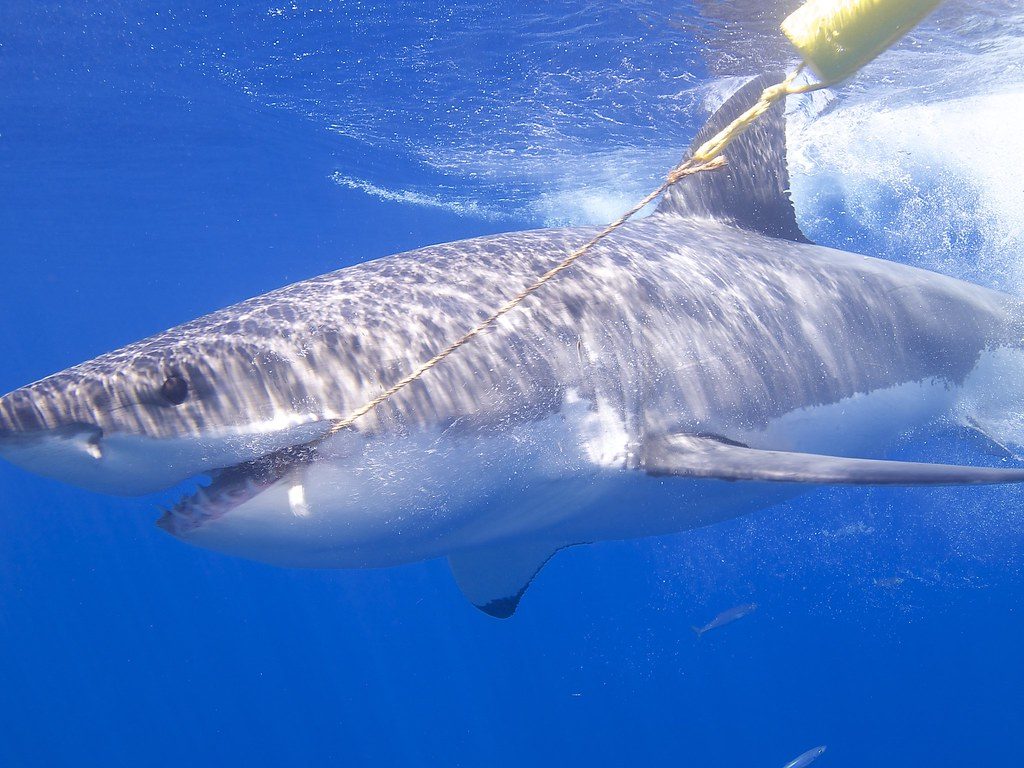
    Great White Shark” by Elias Levy is licensed under CC BY 2.0

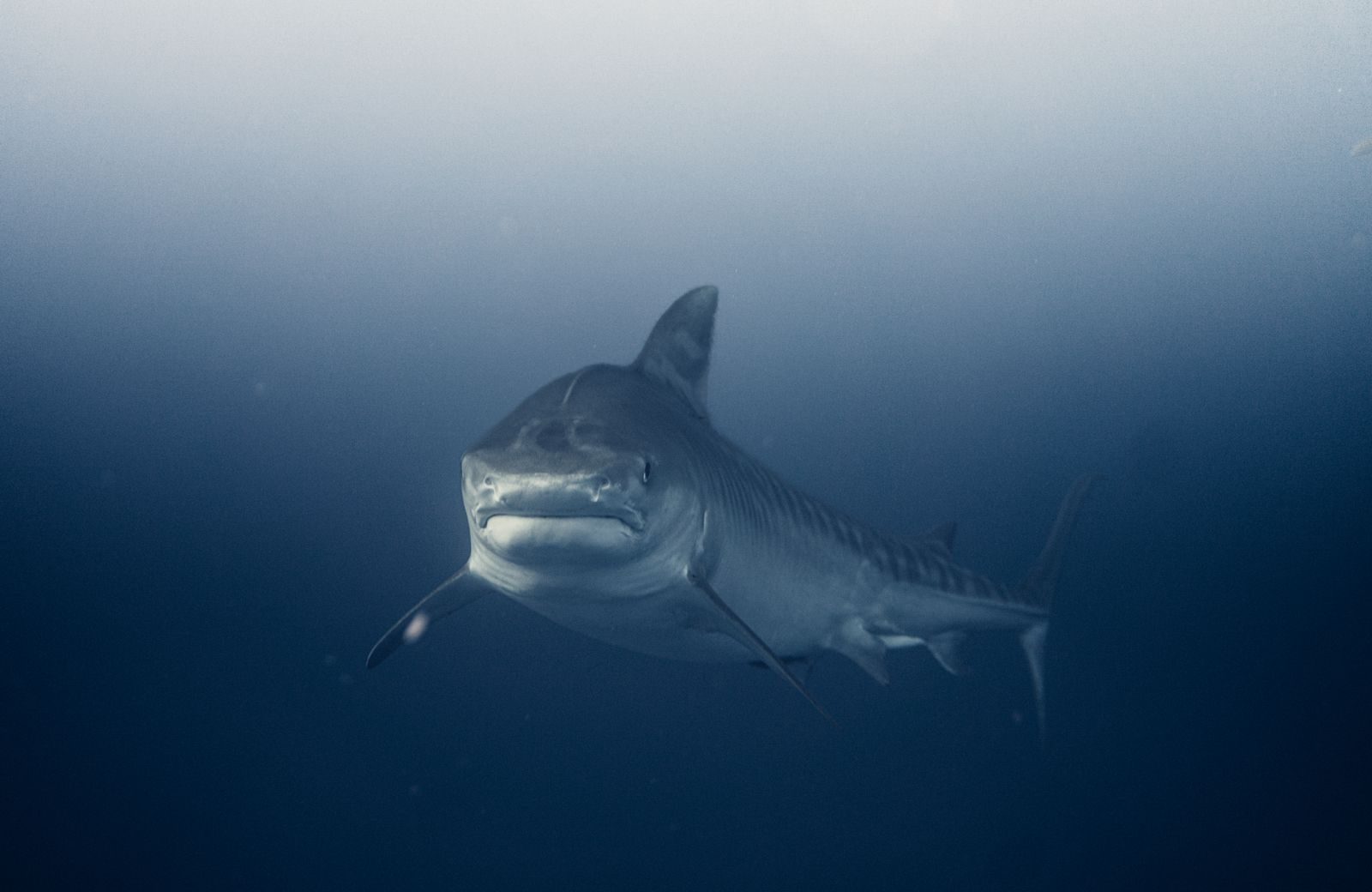
    Shark sightings are most common along parts of the Atlantic coast during summer. Great white sharks often gather near areas with large seal populations, especially around Cape Cod. Bull sharks are more common in the Gulf Coast, while tiger sharks are found year-round in the warm waters around Florida.

    Scientists also say sharks are often found where schools of fish, seals, or dolphins gather because those animals are an important food source. Seeing bait fish jumping or seabirds diving into the water can sometimes mean larger predators, including sharks, are nearby.

    Shark attacks are still very rare

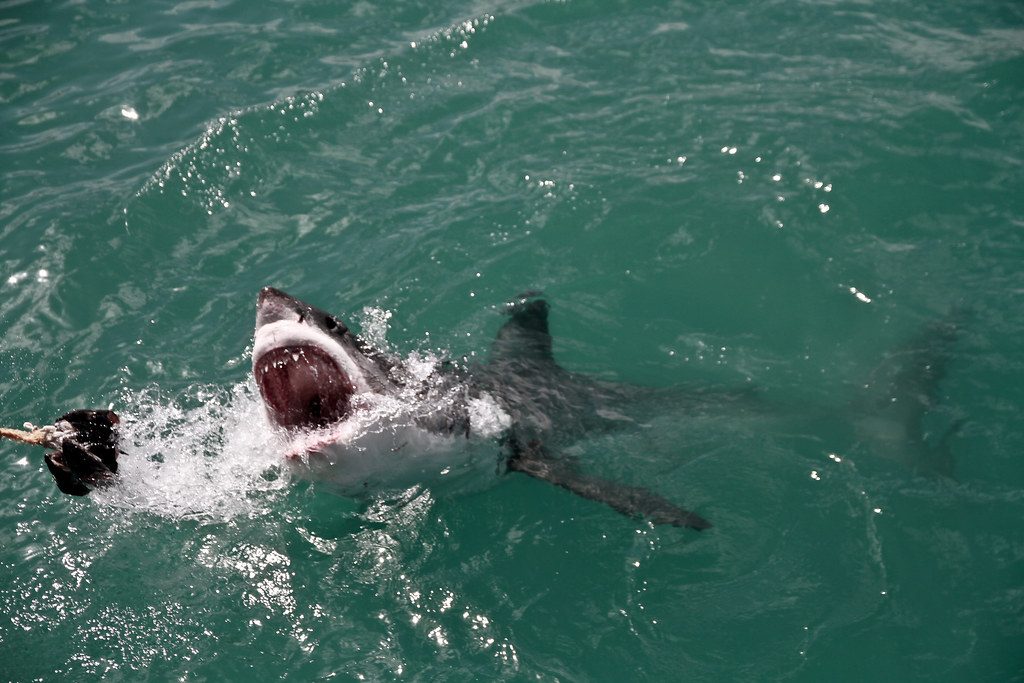
    An angry Great White Shark” by TheGrantPeters is licensed under CC BY 2.0

    Even though sightings may increase, experts stress that shark bites remain uncommon. Most sharks are not interested in people, and many swim away before anyone notices them. The chance of being bitten is already very low, and fatal attacks are even rarer.

    Researchers also remind people that sharks play an important role in keeping ocean ecosystems healthy. As top predators, they help balance marine life by controlling the populations of other animals. Healthy shark populations often mean healthier oceans.

    Simple ways to stay safe at the beach

    people on beach during daytime
    Photo by Gustavo Zambelli on Unsplash

    Experts recommend swimming near lifeguards whenever possible and avoiding the water at dawn or dusk, when some sharks are more active. It is also smart to stay away from large schools of fish and avoid wearing shiny jewelry that can reflect light underwater.

    Swimming with other people instead of alone can also improve safety. Before entering the water, check local beach alerts and pay attention to lifeguard warnings. If a shark is spotted, leave the water calmly and follow instructions from beach officials.

    What this means for beachgoers

    bird's-eye view photography of people in seashore
    Photo by Guzmán Barquín on Unsplash

    Scientists expect shark activity to increase this summer because of seasonal migration, warmer water, and more people spending time at the beach. While that may lead to more sightings, it does not mean the ocean is suddenly unsafe. Understanding shark behavior helps people enjoy the beach with confidence instead of fear.

    By staying aware of local conditions and following simple safety tips, families can continue to enjoy swimming, surfing, and other water activities. Sharks are a natural part of the ocean, and experts say learning to share the water safely is the best way to reduce risk while protecting these important animals.

  • Abuse investigation begins after 700 animals disappear in California

    Abuse investigation begins after 700 animals disappear in California

    An abuse investigation after 700 animals disappear in California has shocked animal lovers across the country. Authorities are trying to find out what happened to hundreds of dogs and other animals that were sent to a Northern California rescue known as Miranda’s Rescue. Investigators say more than 900 animals arrived at the rescue over the past year, but around 730 of them cannot currently be accounted for.

    The case has led to a large investigation involving local, state, and federal agencies. As officials continue searching the property and gathering evidence, many shelters and pet owners are hoping for answers. Here’s what investigators know so far and why this case has become one of California’s biggest animal welfare investigations.

    What started the investigation?

    dogs inside cages
    Photo by Sasha Sashina on Unsplash

    The investigation centers on Miranda’s Rescue, an animal rescue facility in Fortuna, California, located in Humboldt County. The rescue accepted hundreds of dogs and other animals from shelters across the state. Authorities became concerned after receiving reports that some animals could not be located and that records did not match what shelters had been told.

    In May, investigators searched the property and found several dead dogs. Some of the animals were later identified through microchips, raising more questions about whether shelters and former owners had been given accurate information. Those discoveries led to a much larger investigation into possible animal cruelty, fraud, and theft. No criminal charges have been filed, and the investigation remains active.

    Why are more than 700 animals missing?

    a close up of a police car with its lights on
    Photo by Max Fleischmann on Unsplash

    According to the Humboldt County Sheriff’s Office, Miranda’s Rescue received more than 900 animals from shelters between January 2025 and the spring of 2026. Investigators say they have confirmed only a small number of documented adoptions, leaving about 730 animals unaccounted for. Officials are now working to determine where those animals went and whether records were accurate.

    The large number of missing animals has raised serious concerns among shelters that trusted the rescue. Several organizations have started reviewing their own records while working with investigators to trace animals they previously transferred. Officials have stressed that “missing” does not automatically mean every animal died, but they are investigating every possibility until all animals are accounted for.

    What investigators have found so far

    FBI
    FBI Police Chevy Tahoe” by JLaw45 is licensed under CC BY 2.0

    Authorities recently returned to the property with a second search warrant. The operation included the Humboldt County Sheriff’s Office, the FBI, forensic veterinarians, and other experts. Investigators used special equipment to search the land for buried animal remains and other evidence that could help explain what happened.

    During the excavation, investigators recovered additional animal remains, including a horse and another smaller animal believed to be about the size of a dog. Earlier searches had already uncovered several dead dogs, some of which were identified through implanted microchips. Officials say forensic testing will help determine how the animals died and whether any crimes were committed.

    How shelters across California are responding

    people having meeting on rectangular brown table
    Photo by Christina @ wocintechchat.com M on Unsplash

    The investigation has affected shelters throughout California because many of them worked with Miranda’s Rescue to help place animals into new homes. After learning about the investigation, several shelters stopped sending animals to the rescue and began trying to recover any pets that were still there. Some dogs have already been returned to local shelters for care.

    The case has also led shelters to review how they choose rescue partners. Many public shelters depend on nonprofit rescues when they run out of space, but this investigation has shown why careful recordkeeping and regular inspections are important. Animal welfare groups say they hope stronger oversight will help prevent similar situations in the future.

    What the rescue owner has said

    silver corded microphone in shallow focus photography
    Photo by Kane Reinholdtsen on Unsplash

    Shannon Miranda, the founder of Miranda’s Rescue, has denied intentionally harming animals. In a public statement released after the investigation became public, he said that not everything being reported was true and that he planned to defend himself against the allegations. He has since limited public comments following advice from his attorney.

    Law enforcement officials have reminded the public that the investigation is still ongoing. At this stage, authorities have announced no arrests or criminal charges. Investigators say they are continuing to examine evidence, interview witnesses, and review rescue records before making any decisions about possible legal action.

    What happens next in the case?

    text
    Photo by Brett Jordan on Unsplash

    The investigation is expected to continue as forensic experts analyze evidence collected from the property. Authorities are also reviewing transfer records, adoption documents, and information from shelters throughout California. Anyone with knowledge about animals sent to Miranda’s Rescue has been asked to contact investigators to help piece together what happened.

    Animal welfare advocates hope the investigation will provide answers for shelters, former pet owners, and families who trusted the rescue. Whatever the final outcome, the case has already sparked statewide discussions about rescue oversight, animal tracking, and the need for stronger safeguards to protect vulnerable animals placed in nonprofit care.

  • How a teenager saved his younger brother after a terrifying shark attack in the Bahamas

    How a teenager saved his younger brother after a terrifying shark attack in the Bahamas

    A dream family vacation turned into a fight for survival when a 12-year-old boy was attacked by a shark in the Bahamas. Swimming about 60 miles offshore with his older brother, Parker Roll suddenly suffered severe injuries after a large shark bit his leg.

    What happened next likely saved his life. His 16-year-old brother, Jack, acted within seconds to stop the bleeding while help was still far away. This article explains how the attack unfolded, why prompt first aid was crucial, and what made this remarkable rescue possible.

    A peaceful swim became a terrifying emergency

    person swimming on body of water
    Photo by Dallas Morgan on Unsplash

    Parker Roll and his older brother Jack were exploring a shallow bay near Staniel Cay during a family boat excursion in the Exuma Cays. Parker noticed what he first believed was a large rock before realizing it was actually a shark.

    Only moments later, the shark attacked. Parker managed to reach the shoreline despite serious injuries to his leg and foot, while Jack witnessed the clear water quickly fill with blood. Authorities have not identified the shark species involved.

    A brother acted without hesitation

    a group of people swimming in a body of water
    Photo by Lawrence Krowdeed on Unsplash

    Jack immediately shouted for everyone to get out of the water before rushing to help Parker. He removed his brother’s swimsuit and tied it tightly around the injured leg to slow the severe bleeding.

    Doctors later told the family that stopping the bleeding so quickly may have saved Parker’s life. Without that fast response, the outcome could have been far more serious because they were so far from medical care.

    Rescue was difficult because of the remote location

    white and black shark under water
    Photo by Fiona Ayerst on Unsplash

    The attack happened about 60 miles offshore in a remote area of the Bahamas. The brothers had explored far from the rest of their group, making it difficult for rescuers to reach them quickly.

    There was no cell phone or radio service where the attack occurred. It took about 45 minutes for the boat crew to regain communication, and emergency responders could be contacted. An ambulance was waiting when they reached the dock.

    Parker is expected to recover

    a person in a hospital bed with an iv
    Photo by Olga Kononenko on Unsplash

    Parker received emergency treatment for severe injuries to his leg and foot. According to his family, he required about 1,000 stitches and remains unable to walk without assistance while recovering.

    Despite the seriousness of the attack, doctors expect Parker to make a full recovery. His family believes Jack’s quick actions and the boat crew’s quick actions made that possible.

    Shark attacks remain extremely rare

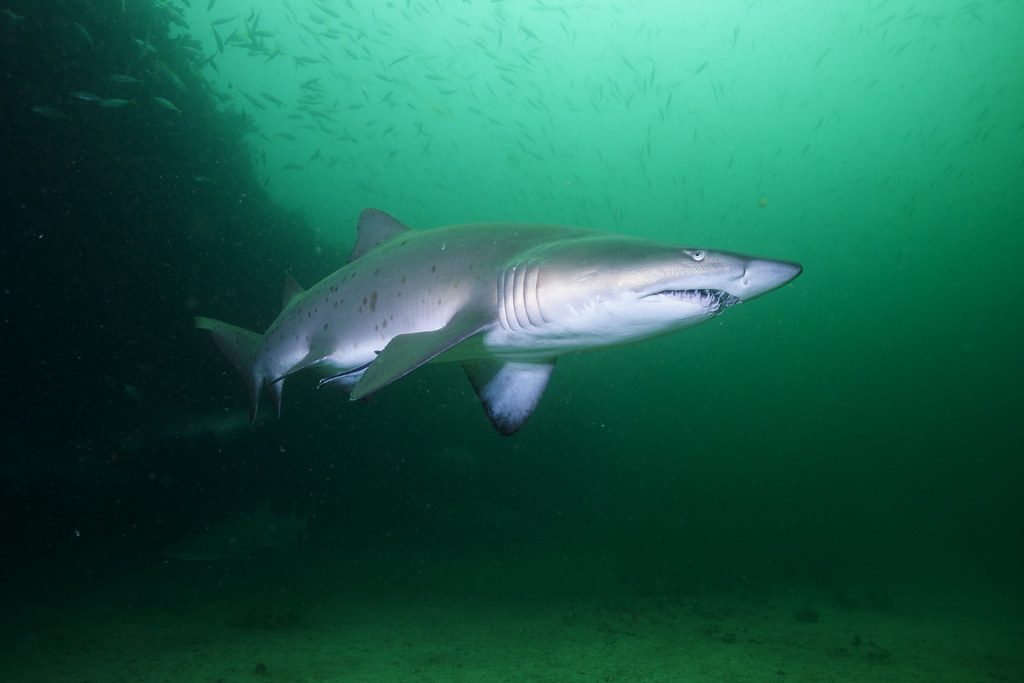
    Gray Nurse Shark
    Gray Nurse Shark” by PacificKlaus is licensed under CC BY-NC 2.0

    Although shark attacks receive widespread attention, they remain very uncommon compared with the millions of people who enter the ocean each year. Most sharks avoid people, and serious attacks are rare.

    Officials have not confirmed what type of shark attacked Parker. Researchers say identifying the species is often difficult unless there is clear evidence from the incident.

    A story of courage and survival

    Shark” by StormyDog is licensed under CC BY 2.0

    The attack was frightening, but it also showed how quickly courage and clear thinking can make a difference during an emergency. Jack remained focused while helping his younger brother under extremely difficult conditions.

    Parker’s survival is a powerful reminder of the importance of staying calm and acting quickly during emergencies. Thanks to the efforts of his brother, nearby helpers, and emergency responders, a tragic situation became an inspiring story of survival.

  • Watch what happens when dangling fins attract curious sharks during a feeding

    Watch what happens when dangling fins attract curious sharks during a feeding

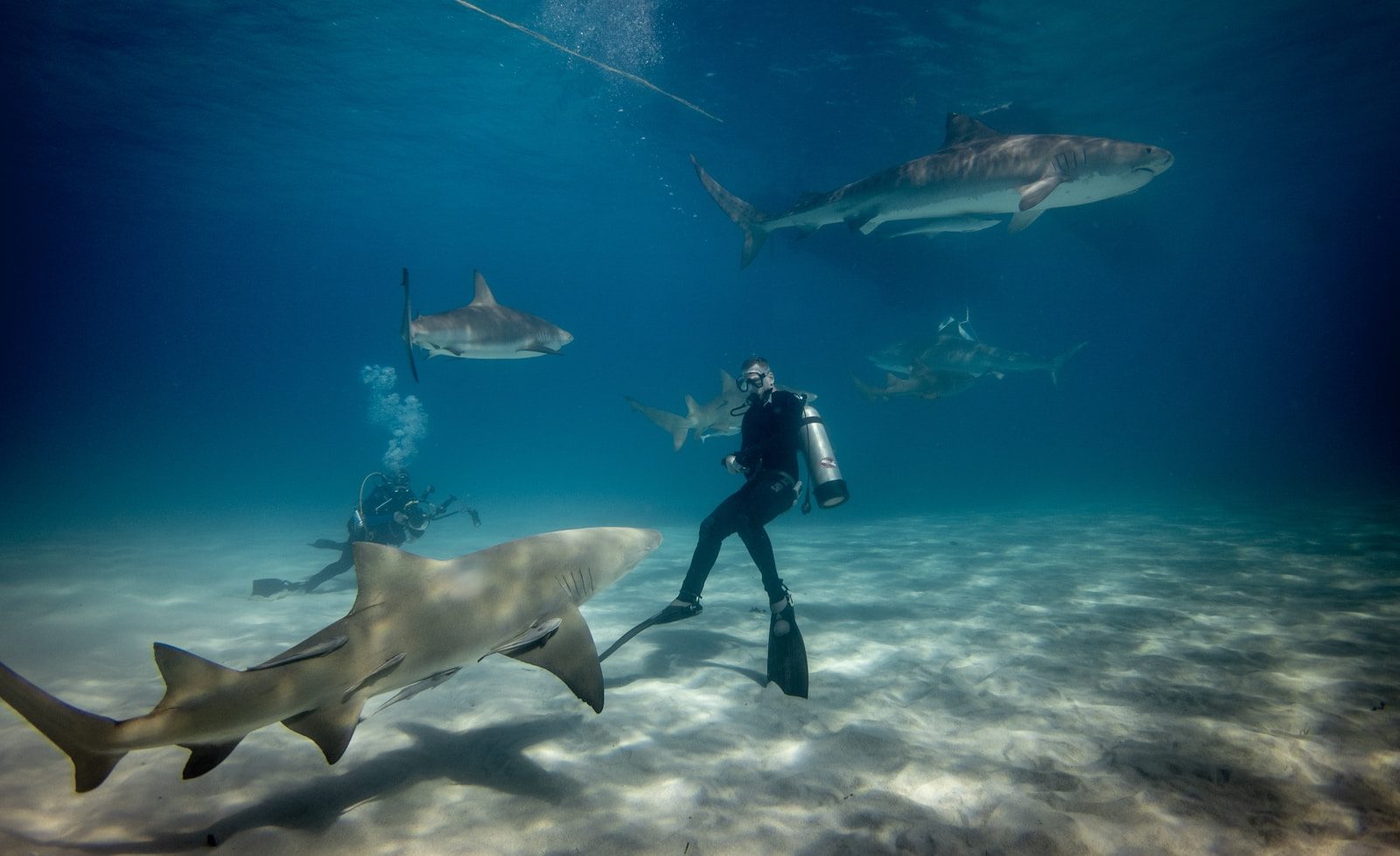
    Standing above open water while sharks circle below can be an unforgettable experience. During a controlled shark feeding, a man climbed partly out of the boat, leaving his fins dangling in the water. At first, everything appeared calm.

    Then the sharks began nudging and testing the hanging fins, turning a routine moment into a tense encounter. This article explains why sharks investigate unfamiliar objects, how feeding changes their behavior, and why experienced operators remain alert during close interactions with these powerful ocean predators.

    A calm moment quickly became tense

    Shark” by StormyDog is licensed under CC BY 2.0

    The shark feeding appeared to be under control as several sharks circled the boat. One man climbed partly out of the vessel, leaving his legs and fins hanging just above the water.

    Within moments, the sharks began approaching the dangling fins. Gentle bumps and close passes replaced the calm scene, reminding everyone that wild animals can react unpredictably even during organized activities.

    Why sharks investigate dangling objects

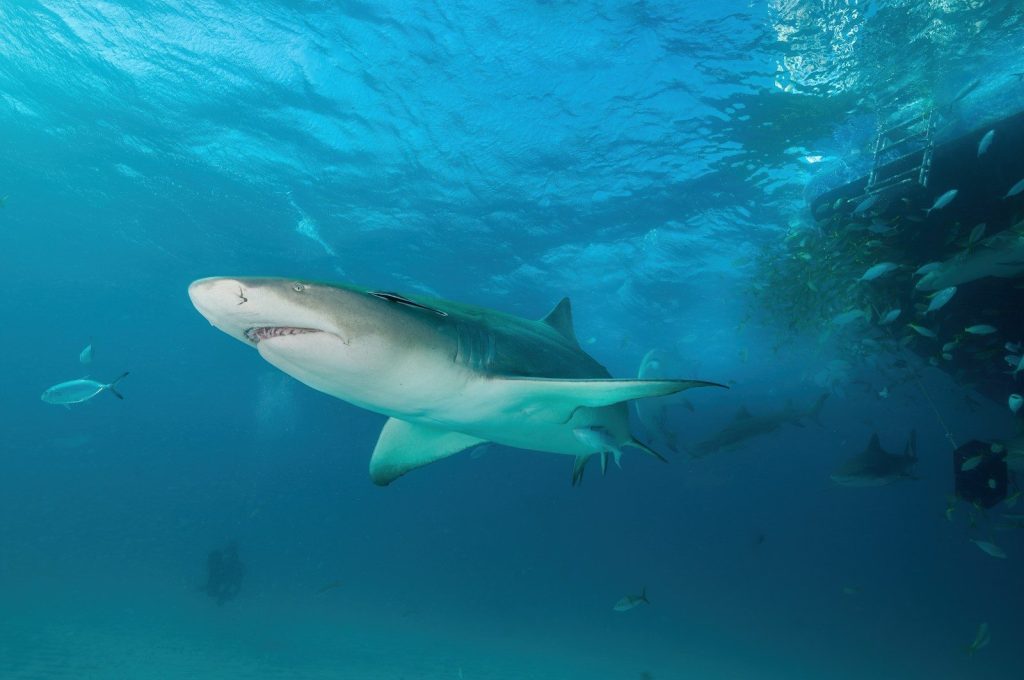
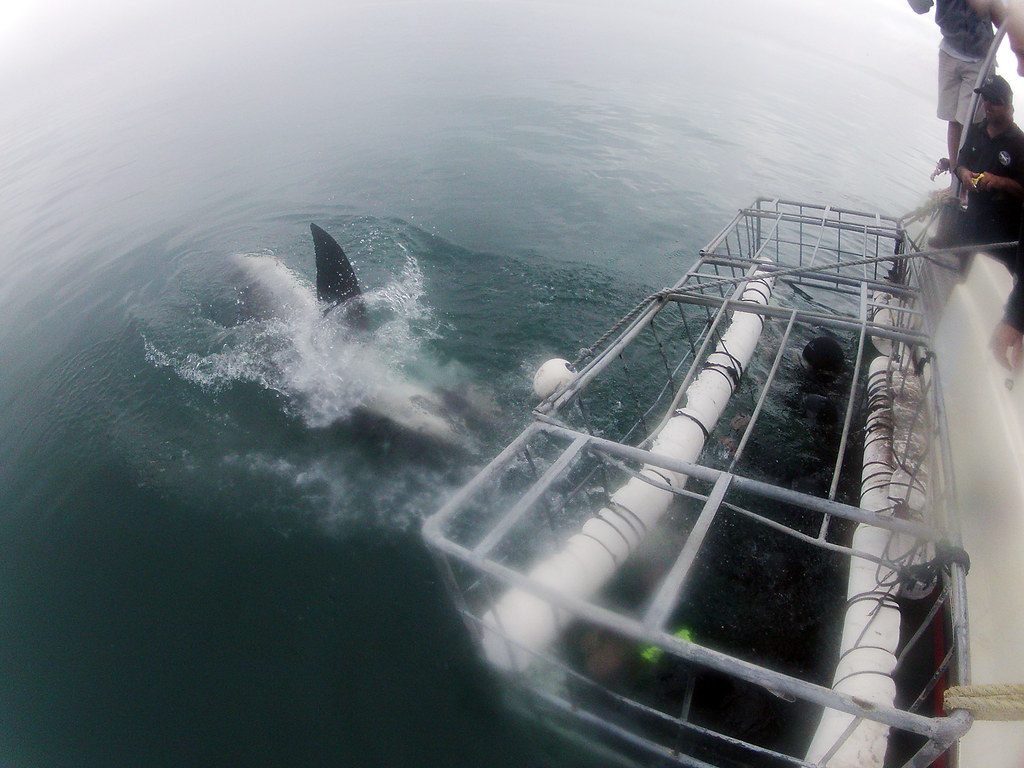
    Great white shark cage dive : 3” by Crystian Cruz is licensed under CC BY-ND 2.0

    Sharks rely on several highly developed senses to explore their surroundings. They use sight, smell, pressure-detecting organs, and specialized electrical sensors to investigate potential food or unfamiliar objects.

    When something unusual enters the water during a feeding event, sharks may swim closer to inspect it. A bump or gentle contact can simply be part of this investigation rather than an immediate attempt to bite.

    Feeding changes shark behavior

    grey and white shark underwater
    Photo by Hunter Newton on Unsplash

    During organized shark feeds, food is intentionally introduced into the water. This naturally increases shark activity as the animals compete for feeding opportunities and become more focused on nearby movement.

    Even in these situations, experienced operators follow strict procedures designed to reduce unnecessary risks. They closely monitor the sharks’ behavior and adjust their actions if the animals become more active than expected.

    Why dangling fins attract attention

    Great White Shark” by Elias Levy is licensed under CC BY 2.0

    Long swim fins moving near the surface can resemble the motion of marine animals. Combined with splashing or sudden movement, they may encourage curious sharks to investigate more closely.

    This does not mean the sharks are targeting people. Researchers note that sharks often inspect unfamiliar objects before deciding whether they are food or something else.

    Sharks remain wild animals

    three shark underwater
    Photo by Talia Cohen on Unsplash

    Even after years of observation, shark behavior can never be predicted with complete certainty. Every individual responds differently depending on their species, surroundings, and current activity.

    That uncertainty is why professional dive operators emphasize caution during shark encounters. Respecting animals and following safe practices helps reduce unnecessary risks for both people and sharks.

    A reminder of the ocean’s power

    a great white shark with its mouth open in the water
    Photo by Alex Steyn on Unsplash

    The brief encounter showed how quickly an ordinary moment can become tense when interacting with large marine predators. What began as a calm shark feed changed as curiosity brought several sharks closer to the dangling fins.

    The experience also highlighted the importance of understanding shark behavior rather than relying solely on fear. Careful planning, experienced supervision, and respect for wildlife are essential whenever people enter the sharks’ natural environment.

  • The fastest shark on Earth hunts like a missile

    The fastest shark on Earth hunts like a missile

    Most sharks rely on stealth, patience, or surprise attacks. The shortfin mako does something different. It chases some of the fastest animals in the ocean and often wins. Built like a living torpedo, this predator combines speed, power, and endurance in a way that few marine animals can match.

    Researchers and wildlife filmmakers have spent years trying to understand how mako sharks move so quickly through open water. From explosive breaches to long-distance hunts, these remarkable predators continue to reveal abilities that seem almost impossible. Even today, scientists are still uncovering secrets about how they sustain such high-performance lifestyles. The shortfin mako is widely recognized as the fastest shark species in the world.

    Built for speed from nose to tail

    grey shark in the water
    Photo by Elaine Brewer on Unsplash

    At first glance, the mako shark looks different from many other sharks. Its body is sleek and streamlined, with a pointed snout and a powerful crescent-shaped tail designed to reduce drag and maximize speed.

    Every part of its body contributes to performance. Scientists compare its shape to high-speed engineering designs because it allows the shark to move efficiently through the water while conserving energy during long pursuits.

    The fastest shark in the ocean

    Shortfin mako” by FWC Research is licensed under CC BY-NC-ND 2.0

    The shortfin mako has earned a reputation as the fastest shark on Earth. Recorded burst speeds can reach around 74 kilometers per hour, placing it among the fastest marine predators ever measured.

    Researchers studying tagged mako sharks found that their top burst speeds rank among the highest directly measured for sharks, tunas, and billfish. These incredible bursts allow the shark to rapidly close the distance to fleeing prey.

    Hunting the ocean’s fastest prey

    Shortfin mako” by FWC Research is licensed under CC BY-NC-ND 2.0

    Speed is not just impressive—it is necessary. Mako sharks regularly hunt fast-swimming species such as tuna, mackerel, bonito, and swordfish, animals that are themselves built for rapid movement.

    Rather than relying solely on ambush tactics, makos often pursue prey in open water. Their combination of acceleration, agility, and endurance allows them to compete against some of the most powerful swimmers in the ocean. In some cases, evidence suggests that swordfish fight back fiercely, leaving sharks with serious injuries.

    Why do makos leap from the water?

    Shortfin Mako, Isurus oxyrinchus” by J. Maughn is licensed under CC BY-NC 2.0

    One of the most spectacular sights in the ocean is a breaching mako shark. These predators are famous for launching themselves completely out of the water during hunts or after being hooked by anglers.

    Wildlife footage often captures these dramatic leaps, which can look almost unreal. The combination of speed and momentum allows the shark to burst through the surface with tremendous force, creating some of the most iconic images in shark research and filmmaking.

    Scientists still have unanswered questions

    watching 2 mako sharks” by floorvan is licensed under CC BY-SA 2.0

    Despite decades of study, researchers are still learning how mako sharks maintain such remarkable performance. Recent studies suggest their cruising and burst speeds are among the highest recorded for large marine predators.

    Scientists continue investigating how these sharks balance energy use, oxygen demand, and long-distance travel. Understanding those abilities may help explain why makos can track prey across vast stretches of ocean while maintaining their extraordinary speed.

    A predator unlike any other

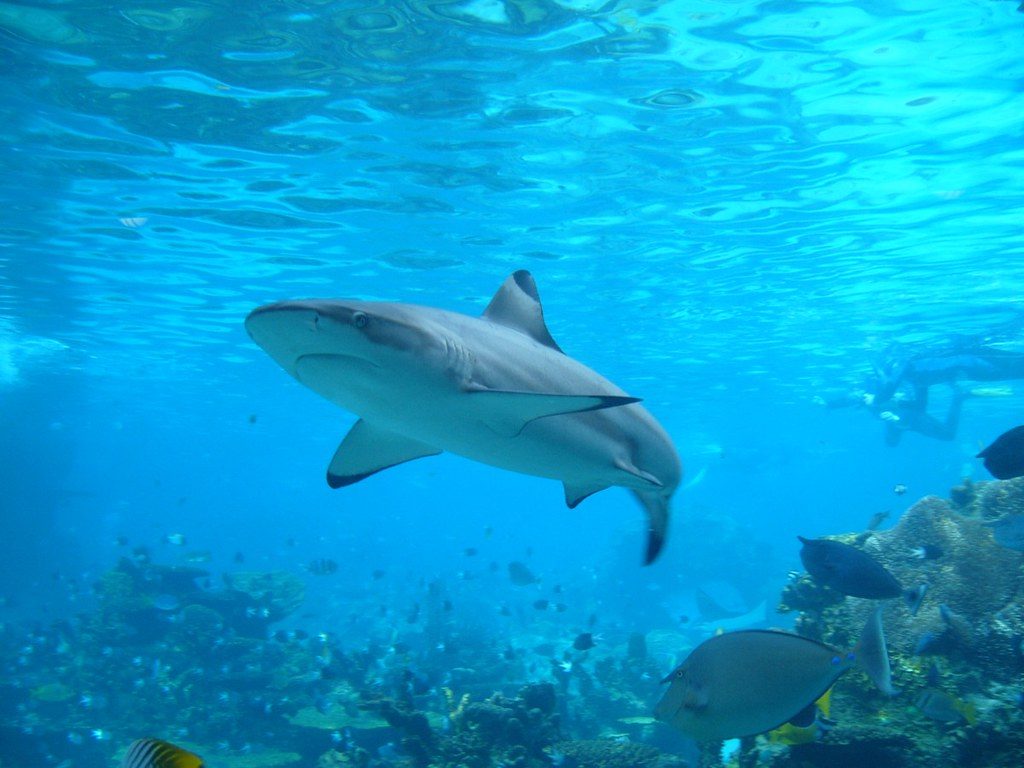
    Small shark near the reef, St. Thomas” by Beth M527 is licensed under CC BY-NC 2.0

    Great white sharks may receive more attention, but the mako occupies a different niche. It is a specialized pursuit hunter designed to chase, accelerate, and strike with remarkable precision in the open ocean.

    The result is a predator that often seems more like a guided missile than a fish. Nearly every feature of its body serves one purpose: moving faster than almost anything else in the sea. And even after years of research, the fastest shark on Earth continues to surprise the scientists studying it.