
Standing above open water while sharks circle below can be an unforgettable experience. During a controlled shark feeding, a man climbed partly out of the boat, leaving his fins dangling in the water. At first, everything appeared calm.
Then the sharks began nudging and testing the hanging fins, turning a routine moment into a tense encounter. This article explains why sharks investigate unfamiliar objects, how feeding changes their behavior, and why experienced operators remain alert during close interactions with these powerful ocean predators.
A calm moment quickly became tense

The shark feeding appeared to be under control as several sharks circled the boat. One man climbed partly out of the vessel, leaving his legs and fins hanging just above the water.
Within moments, the sharks began approaching the dangling fins. Gentle bumps and close passes replaced the calm scene, reminding everyone that wild animals can react unpredictably even during organized activities.
Why sharks investigate dangling objects
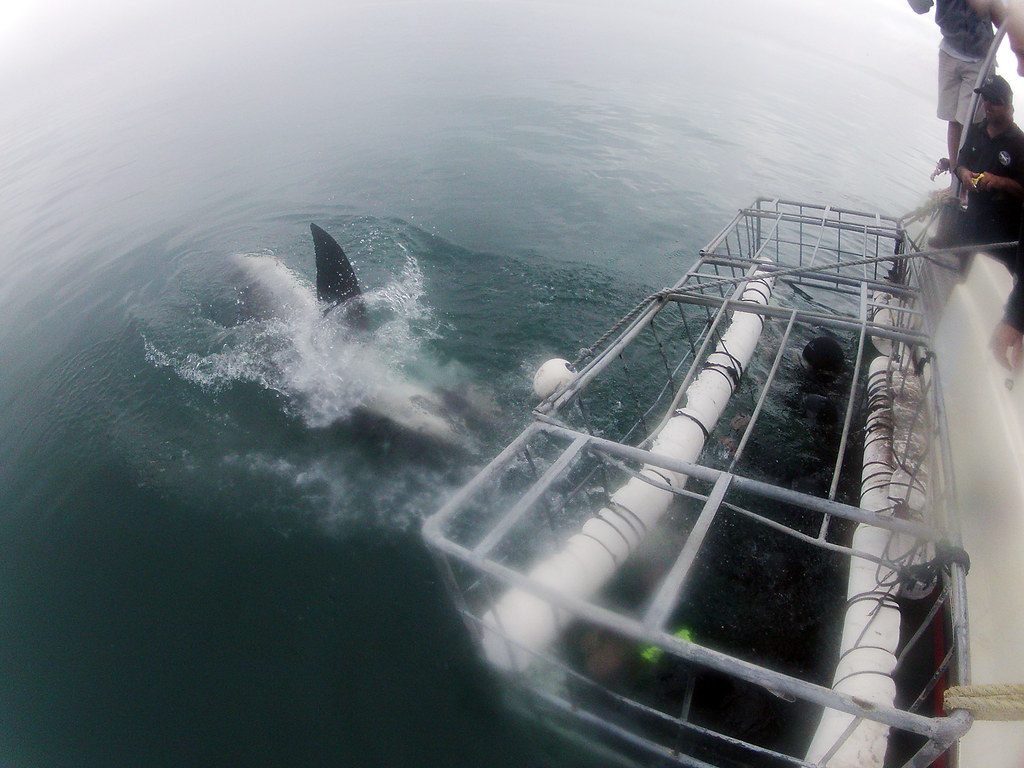
Sharks rely on several highly developed senses to explore their surroundings. They use sight, smell, pressure-detecting organs, and specialized electrical sensors to investigate potential food or unfamiliar objects.
When something unusual enters the water during a feeding event, sharks may swim closer to inspect it. A bump or gentle contact can simply be part of this investigation rather than an immediate attempt to bite.
Feeding changes shark behavior

During organized shark feeds, food is intentionally introduced into the water. This naturally increases shark activity as the animals compete for feeding opportunities and become more focused on nearby movement.
Even in these situations, experienced operators follow strict procedures designed to reduce unnecessary risks. They closely monitor the sharks’ behavior and adjust their actions if the animals become more active than expected.
Why dangling fins attract attention

Long swim fins moving near the surface can resemble the motion of marine animals. Combined with splashing or sudden movement, they may encourage curious sharks to investigate more closely.
This does not mean the sharks are targeting people. Researchers note that sharks often inspect unfamiliar objects before deciding whether they are food or something else.
Sharks remain wild animals

Even after years of observation, shark behavior can never be predicted with complete certainty. Every individual responds differently depending on their species, surroundings, and current activity.
That uncertainty is why professional dive operators emphasize caution during shark encounters. Respecting animals and following safe practices helps reduce unnecessary risks for both people and sharks.
A reminder of the ocean’s power
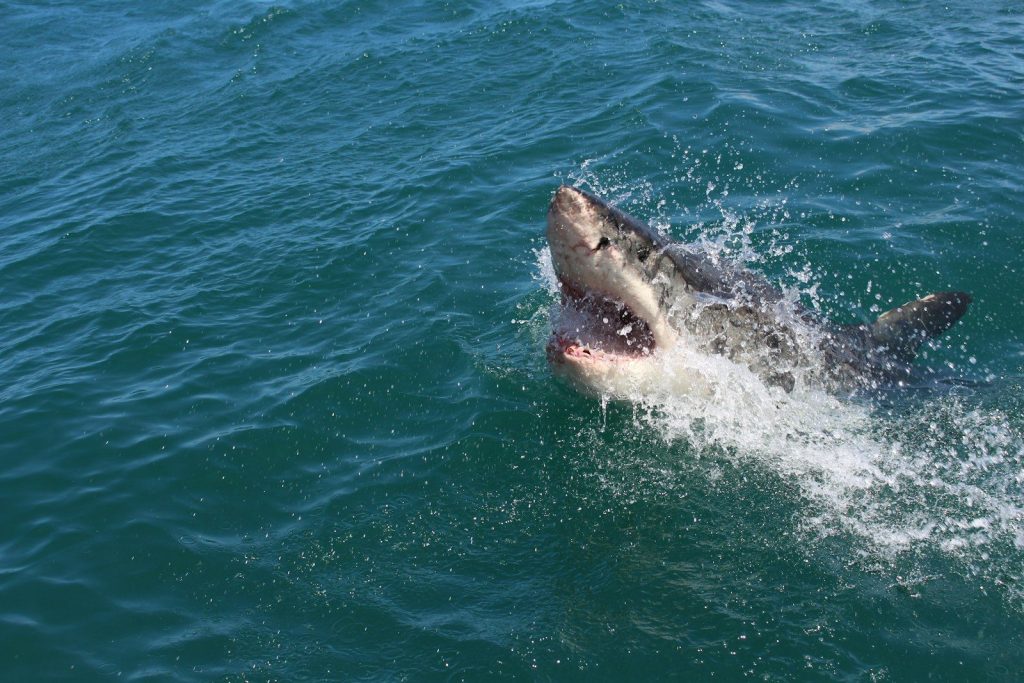
The brief encounter showed how quickly an ordinary moment can become tense when interacting with large marine predators. What began as a calm shark feed changed as curiosity brought several sharks closer to the dangling fins.
The experience also highlighted the importance of understanding shark behavior rather than relying solely on fear. Careful planning, experienced supervision, and respect for wildlife are essential whenever people enter the sharks’ natural environment.
Leave a Reply