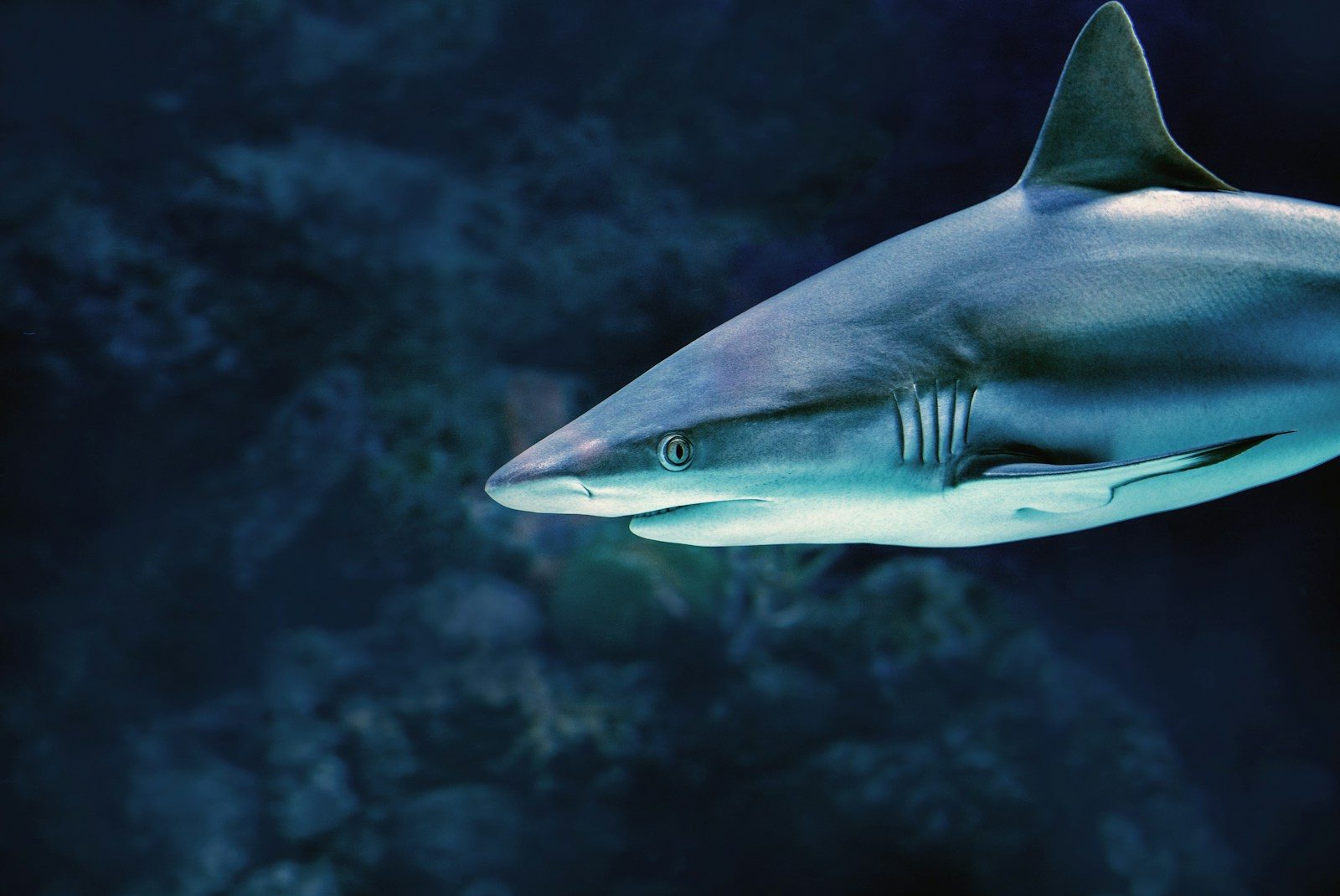
Most sharks rely on stealth, patience, or surprise attacks. The shortfin mako does something different. It chases some of the fastest animals in the ocean and often wins. Built like a living torpedo, this predator combines speed, power, and endurance in a way that few marine animals can match.
Researchers and wildlife filmmakers have spent years trying to understand how mako sharks move so quickly through open water. From explosive breaches to long-distance hunts, these remarkable predators continue to reveal abilities that seem almost impossible. Even today, scientists are still uncovering secrets about how they sustain such high-performance lifestyles. The shortfin mako is widely recognized as the fastest shark species in the world.
Built for speed from nose to tail
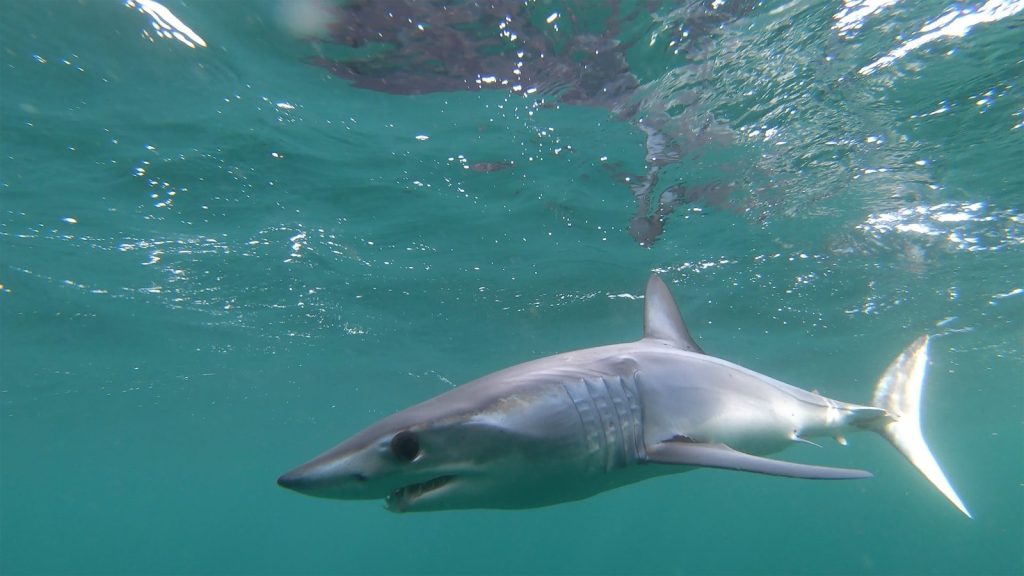
At first glance, the mako shark looks different from many other sharks. Its body is sleek and streamlined, with a pointed snout and a powerful crescent-shaped tail designed to reduce drag and maximize speed.
Every part of its body contributes to performance. Scientists compare its shape to high-speed engineering designs because it allows the shark to move efficiently through the water while conserving energy during long pursuits.
The fastest shark in the ocean
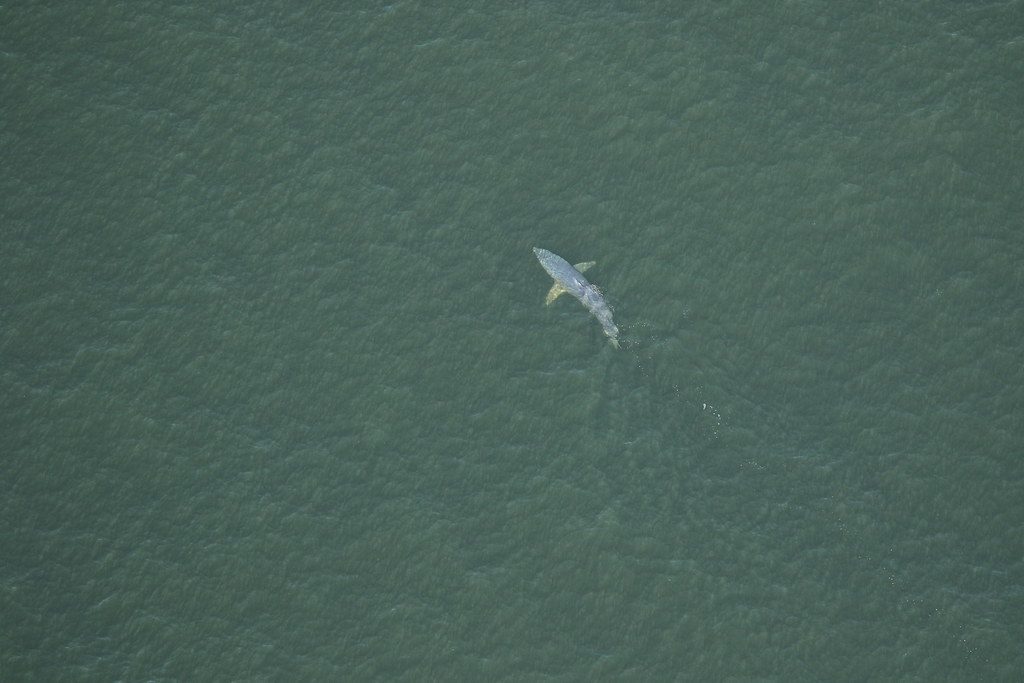
The shortfin mako has earned a reputation as the fastest shark on Earth. Recorded burst speeds can reach around 74 kilometers per hour, placing it among the fastest marine predators ever measured.
Researchers studying tagged mako sharks found that their top burst speeds rank among the highest directly measured for sharks, tunas, and billfish. These incredible bursts allow the shark to rapidly close the distance to fleeing prey.
Hunting the ocean’s fastest prey
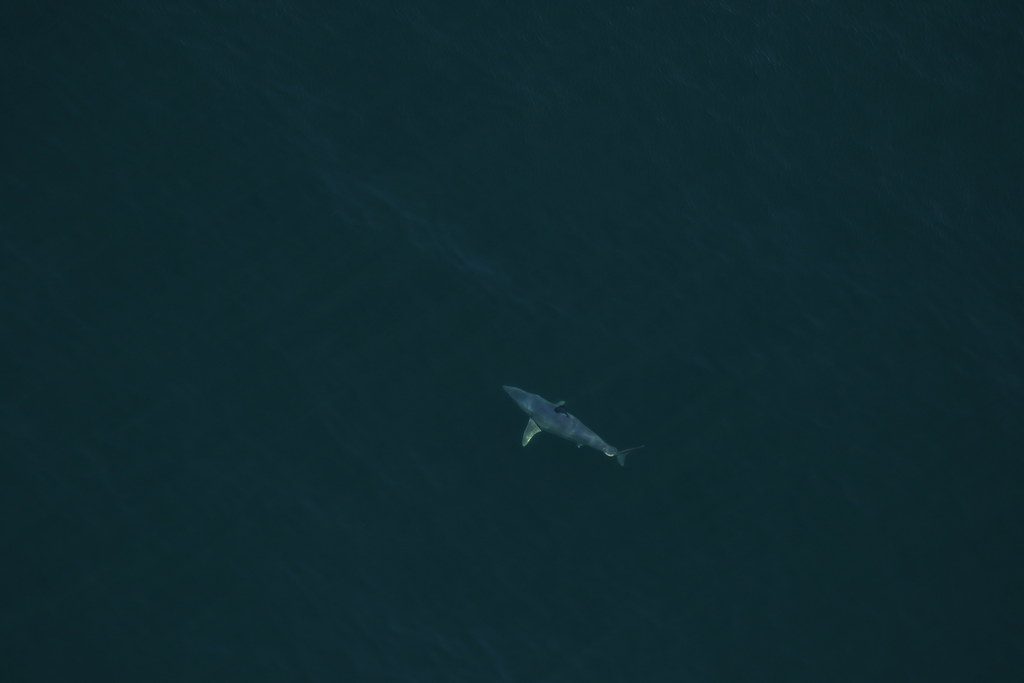
Speed is not just impressive—it is necessary. Mako sharks regularly hunt fast-swimming species such as tuna, mackerel, bonito, and swordfish, animals that are themselves built for rapid movement.
Rather than relying solely on ambush tactics, makos often pursue prey in open water. Their combination of acceleration, agility, and endurance allows them to compete against some of the most powerful swimmers in the ocean. In some cases, evidence suggests that swordfish fight back fiercely, leaving sharks with serious injuries.
Why do makos leap from the water?
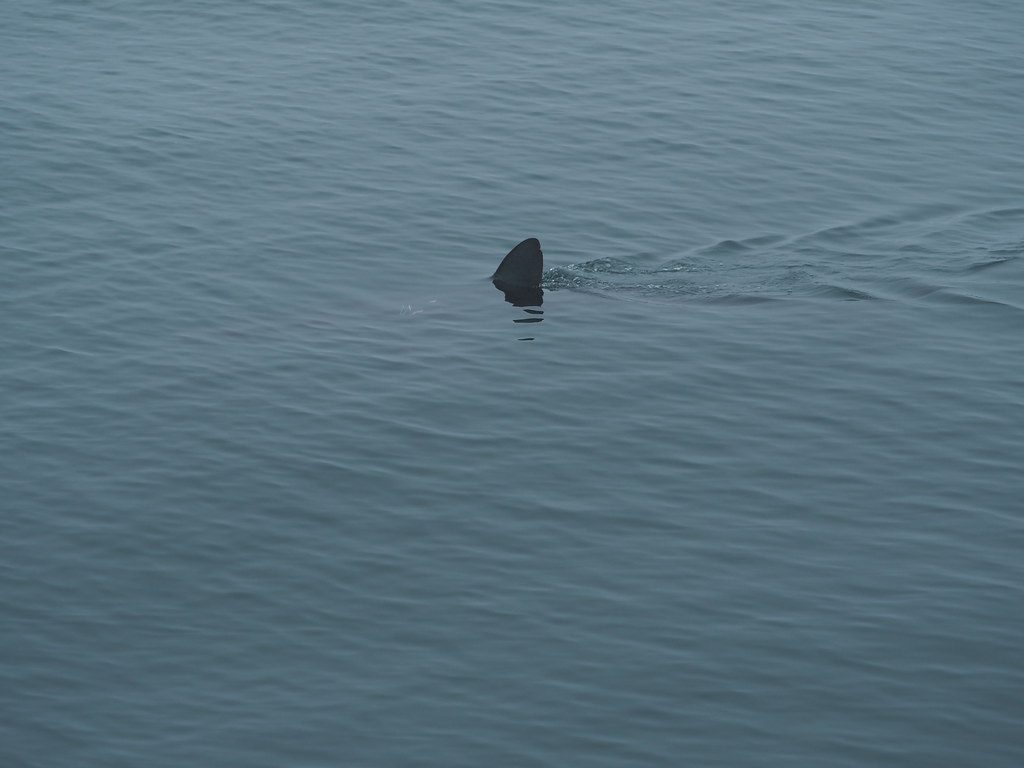
One of the most spectacular sights in the ocean is a breaching mako shark. These predators are famous for launching themselves completely out of the water during hunts or after being hooked by anglers.
Wildlife footage often captures these dramatic leaps, which can look almost unreal. The combination of speed and momentum allows the shark to burst through the surface with tremendous force, creating some of the most iconic images in shark research and filmmaking.
Scientists still have unanswered questions
Despite decades of study, researchers are still learning how mako sharks maintain such remarkable performance. Recent studies suggest their cruising and burst speeds are among the highest recorded for large marine predators.
Scientists continue investigating how these sharks balance energy use, oxygen demand, and long-distance travel. Understanding those abilities may help explain why makos can track prey across vast stretches of ocean while maintaining their extraordinary speed.
A predator unlike any other
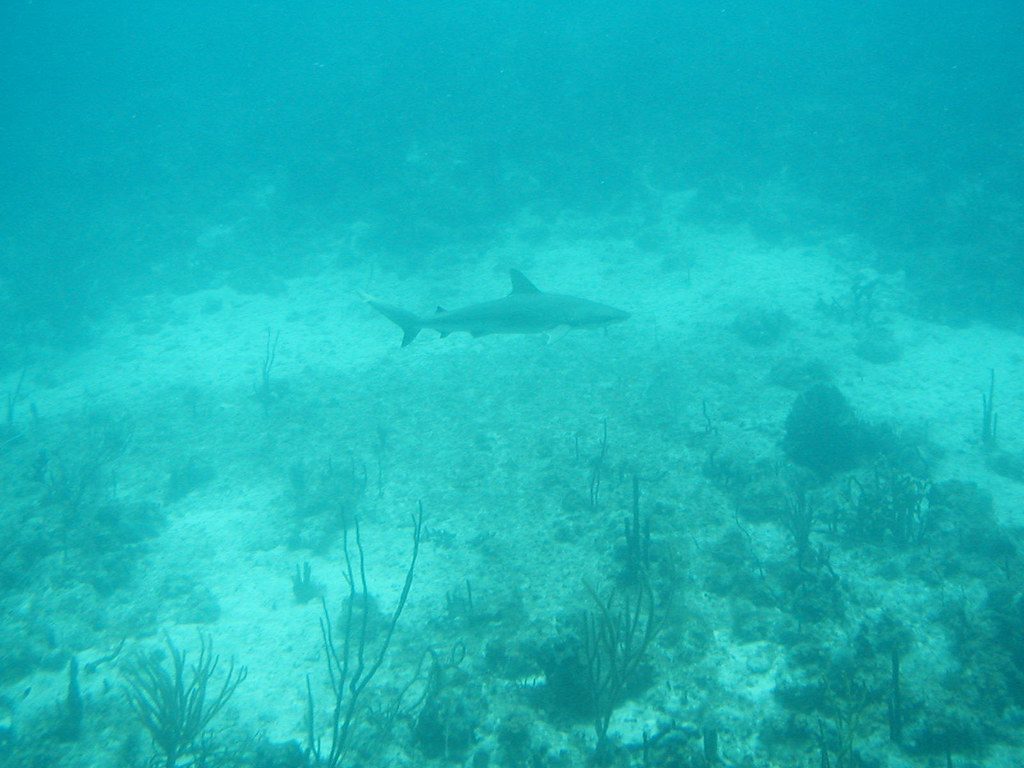
Great white sharks may receive more attention, but the mako occupies a different niche. It is a specialized pursuit hunter designed to chase, accelerate, and strike with remarkable precision in the open ocean.
The result is a predator that often seems more like a guided missile than a fish. Nearly every feature of its body serves one purpose: moving faster than almost anything else in the sea. And even after years of research, the fastest shark on Earth continues to surprise the scientists studying it.
Leave a Reply