
Far below the ocean’s surface, where sunlight never reaches, one of Earth’s most remarkable predators is hunting. Sperm whales are massive animals that can weigh up to 60 tons and dive thousands of feet into complete darkness in search of food. These giants regularly pursue giant squid and other deep-sea prey in an environment filled with crushing pressure and extreme conditions.
Yet hunting is only part of their story. Scientists are also discovering that sperm whales may have one of the most advanced communication systems in the animal kingdom. From mysterious scars left by deep-sea encounters to complex vocal patterns, these whales continue to reveal surprising secrets about life in the abyss.
Life in the deep ocean
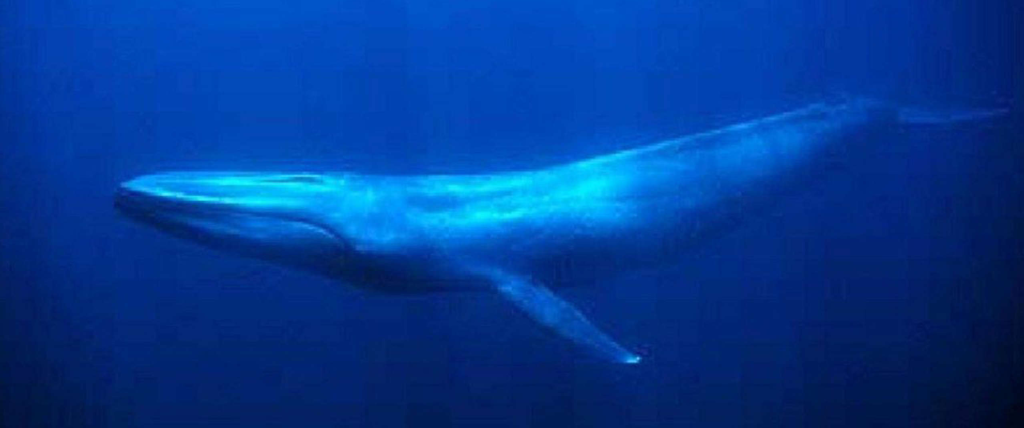
Sperm whales spend much of their lives exploring parts of the ocean that humans rarely see. They regularly dive to great depths where sunlight disappears, and temperatures drop significantly. These conditions create one of the most challenging environments on Earth.
Despite these difficulties, sperm whales are perfectly adapted for deep diving. Researchers have documented their ability to spend long periods underwater while searching for prey. Their remarkable diving skills enable them to reach areas where many other predators cannot.
Hunting giant prey in darkness
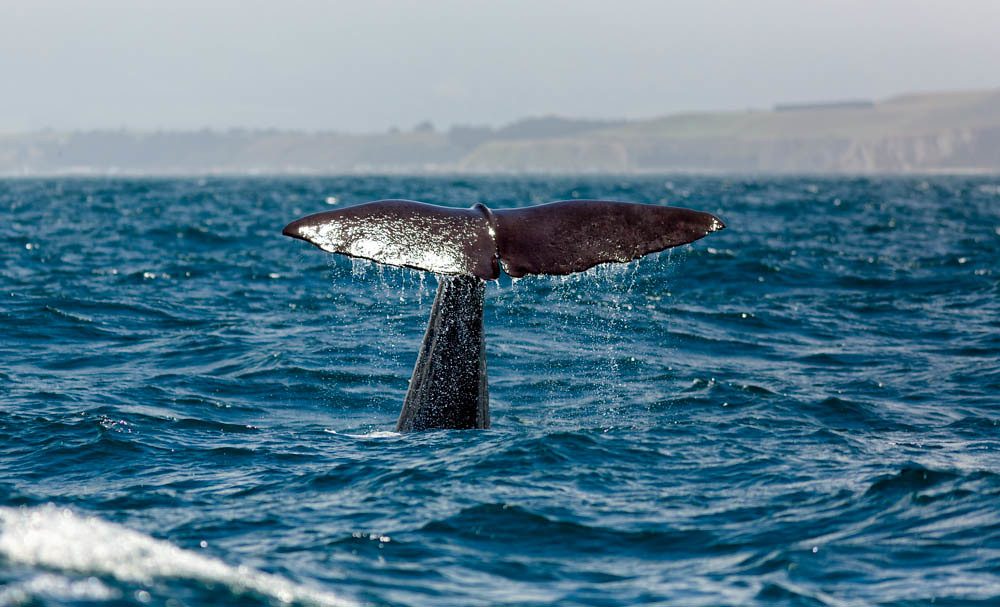
The deep ocean is home to giant squid and other large creatures that make up an important part of a sperm whale’s diet. Finding prey in complete darkness requires specialized abilities that few animals possess.
Sperm whales use powerful echolocation clicks to navigate and locate prey. These clicks help them build a picture of their surroundings even when visibility is nearly zero. This biological sonar allows them to hunt effectively in the deep sea.
The mystery behind the scars
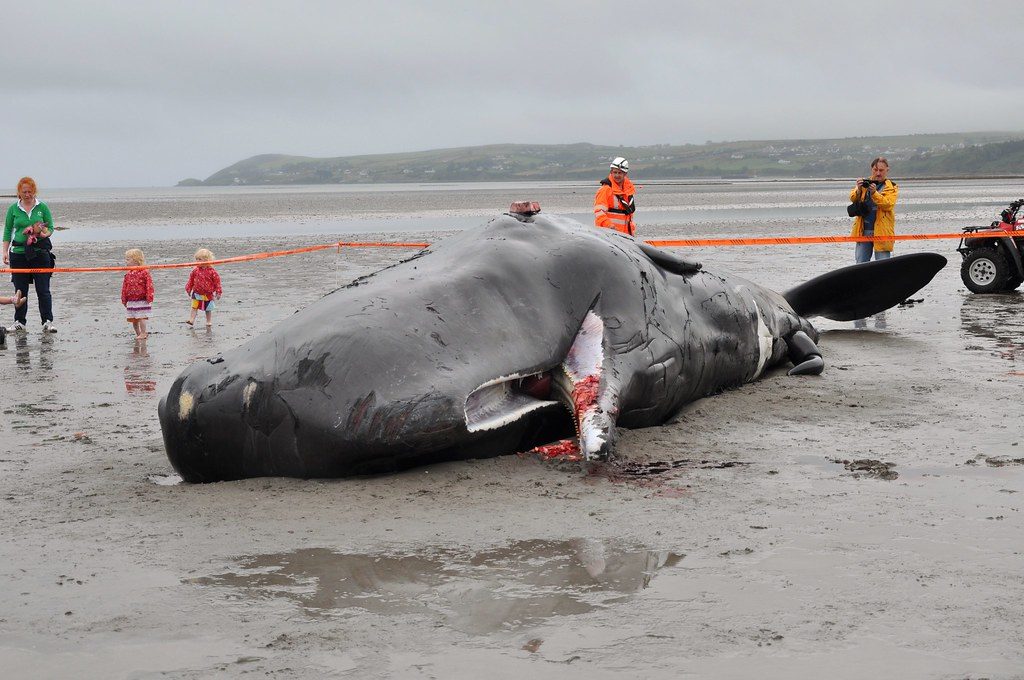
Scientists have long observed scars and marks on the bodies of sperm whales. Many researchers believe some of these injuries result from encounters with large squid deep beneath the surface.
These marks offer clues about battles that humans rarely witness. While much remains unknown about these encounters, the scars suggest that hunting giant prey can sometimes involve intense struggles in the darkness of the deep ocean.
The largest toothed predator on Earth
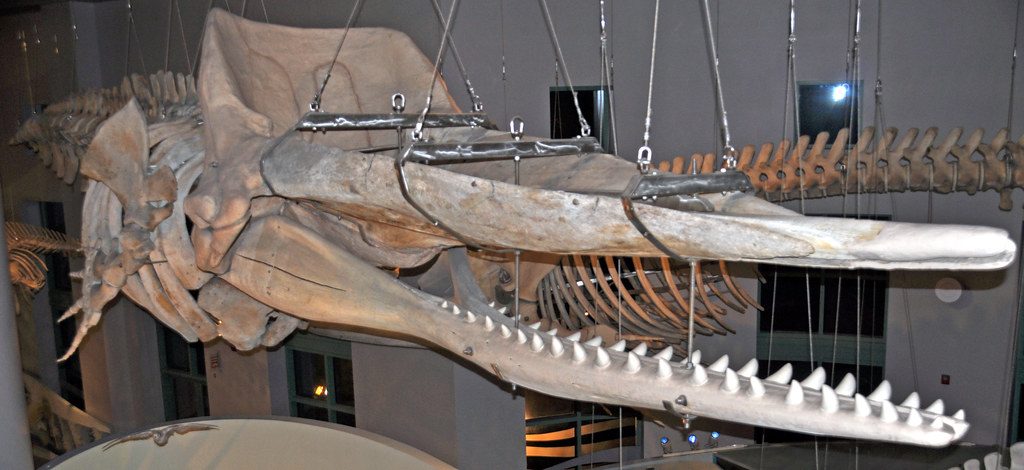
Sperm whales hold a unique place in the animal kingdom. They are the largest toothed predators on the planet, combining enormous size with exceptional hunting abilities. Their massive heads also contain the largest brains known in any living animal.
Their physical adaptations help them dominate deep ocean ecosystems. Powerful sonar, large size, and specialized diving abilities allow them to thrive in environments where few other predators can compete.
A surprisingly complex social life
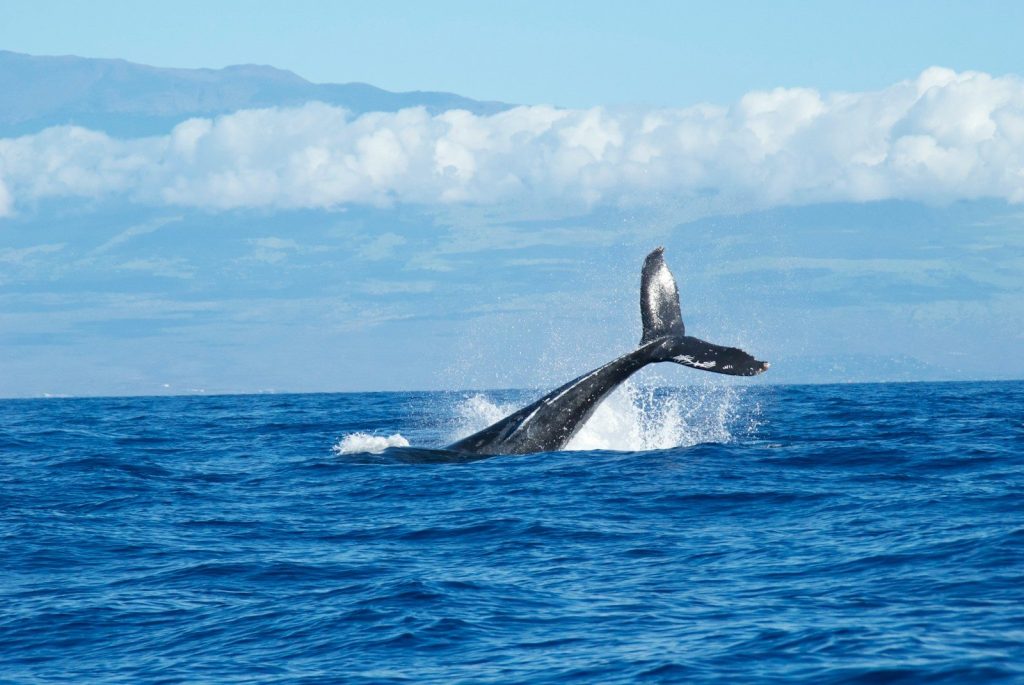
For many years, scientists focused mainly on the physical abilities of sperm whales. More recent research has revealed that their social lives may be just as remarkable as their hunting skills.
Sperm whales communicate using patterns of clicks known as codas. Research has shown that these vocalizations contain complex structures and may help whales coordinate activities, maintain social bonds, and identify members of their groups.
Scientists are trying to decode whale communication
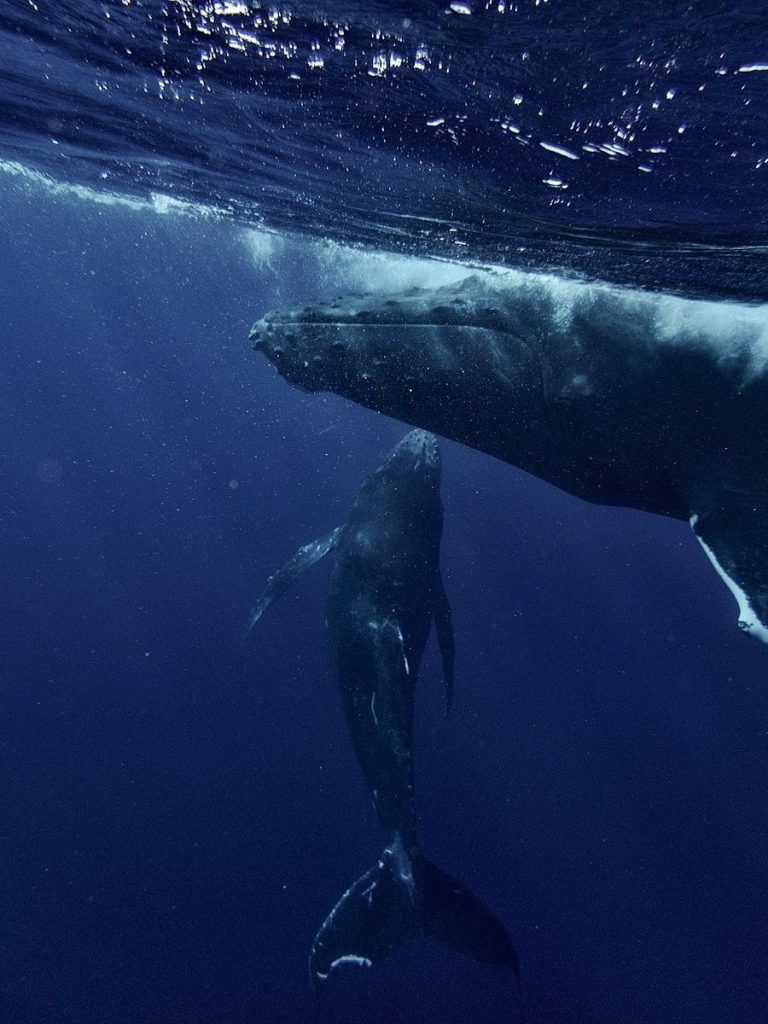
Researchers are now using advanced technology and artificial intelligence to better understand sperm whale communication. Studies suggest these whales use distinct click patterns that may carry different types of information.
Recent findings indicate that sperm whale vocal systems may be far more sophisticated than previously believed. Scientists have identified structured vocal patterns and group-specific communication styles, leading to growing interest in decoding what these whales may be saying to one another.
Leave a Reply