Author: Ethan

  • Great white sharks are expected along the California coast

    Great white sharks are expected along the California coast

    Millions of people will visit California beaches this summer to swim, surf, and enjoy the ocean. At the same time, scientists expect to see more great white sharks along parts of the state’s coastline.

    While this may sound alarming, experts say these sharks are a natural part of the marine ecosystem. This article explains why great white shark sightings may increase, what beachgoers should know, how these sharks behave, and why seeing more sharks does not necessarily mean a higher risk to people.

    Why scientists expect more sharks
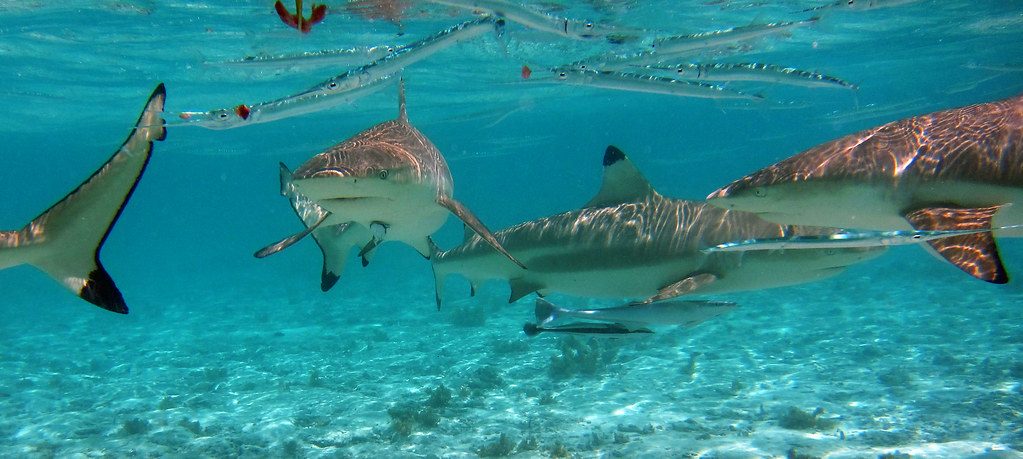
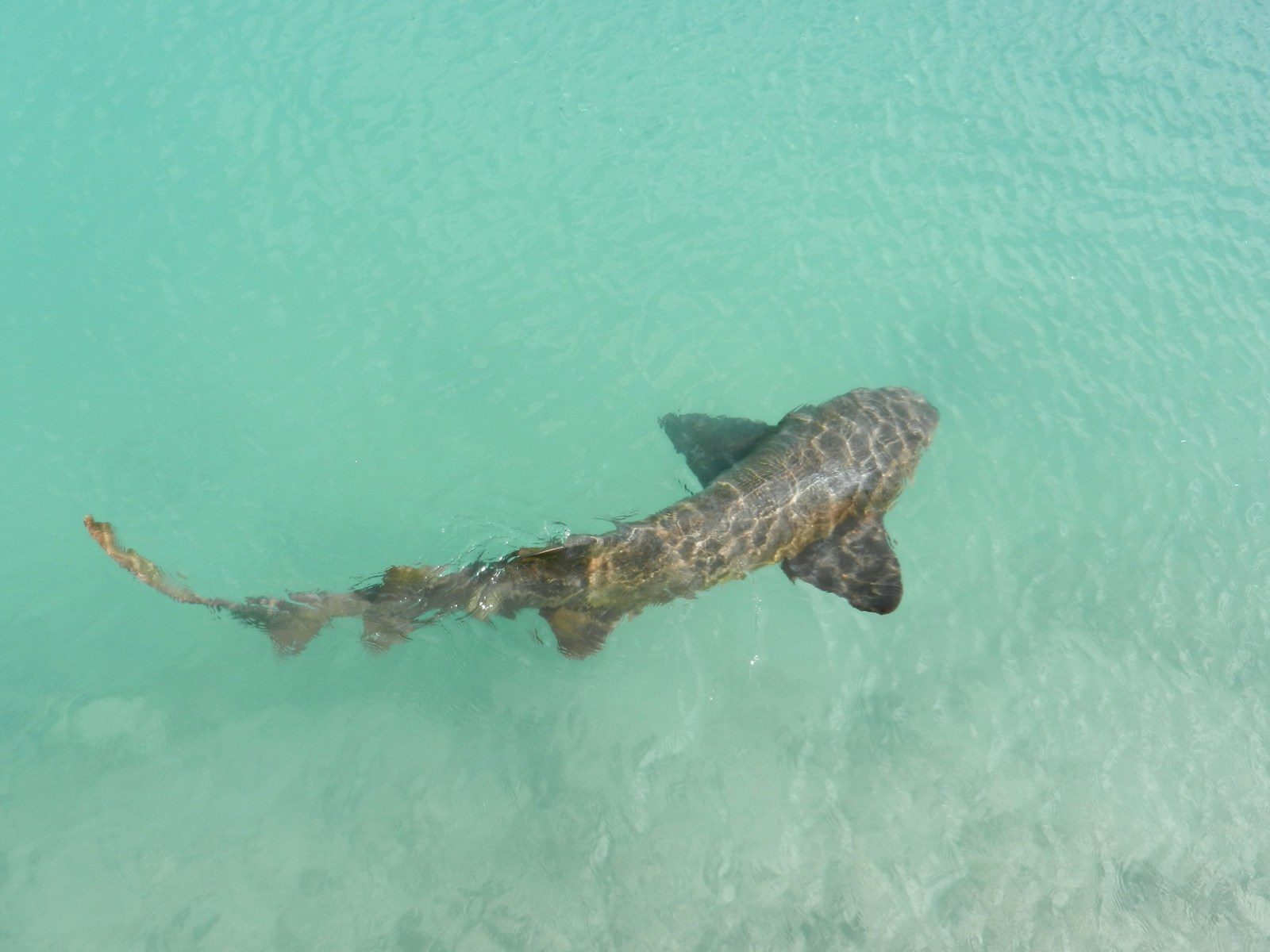
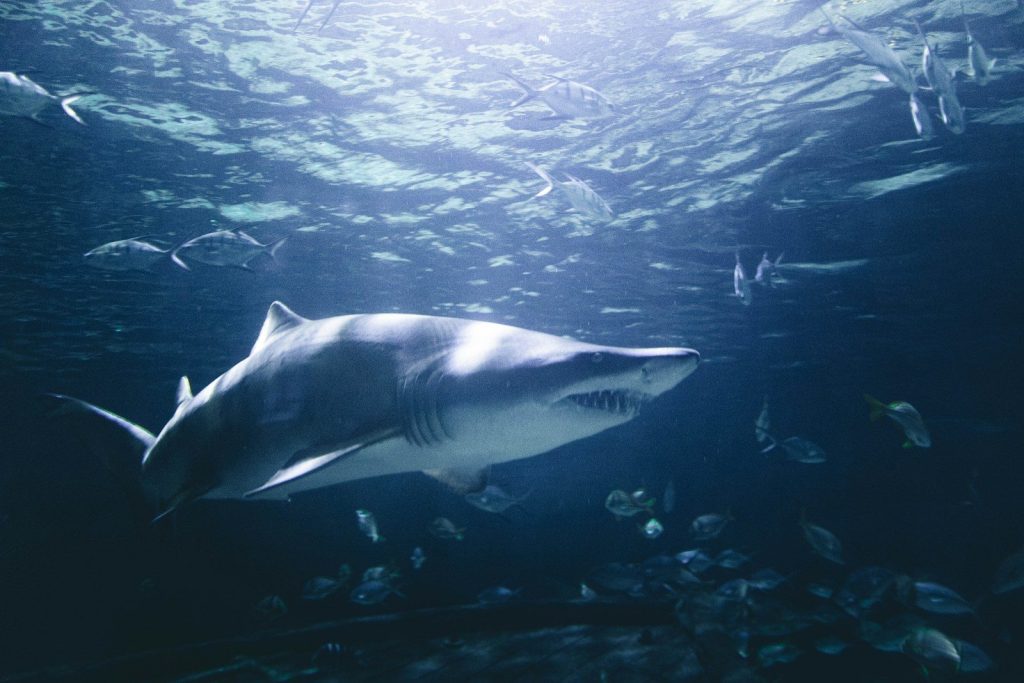
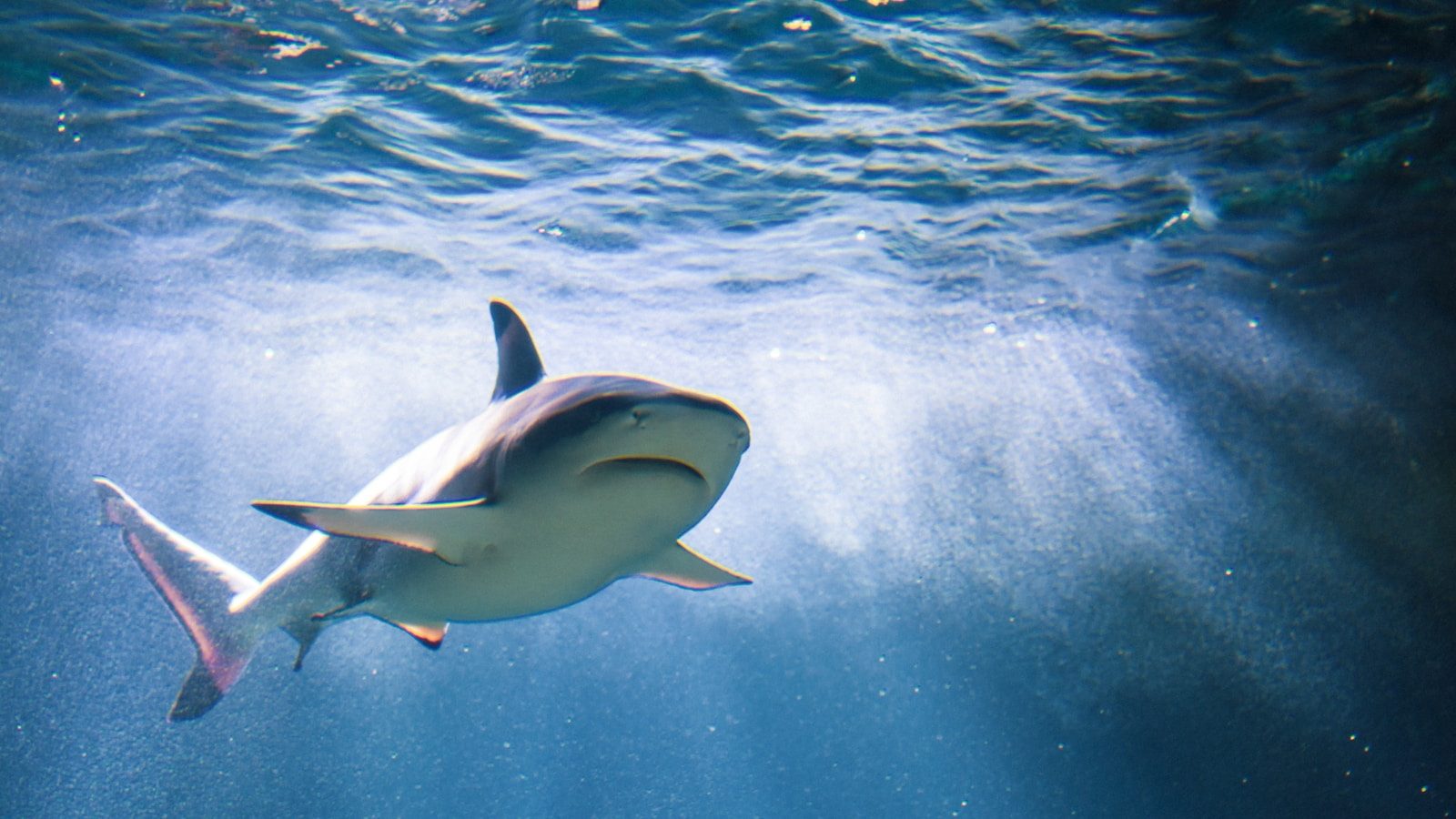
    Blacktip Reef Sharks” by dfinney23 is licensed under CC BY-NC 2.0

    Researchers believe California could see a surge in great white shark activity this summer as ocean conditions and seasonal movements bring more sharks close to shore. The increase is expected during one of the busiest times of the year for beach visitors.

    Great white sharks regularly travel along California’s coast as part of their natural life cycle. Warmer months often bring both sharks and people into the same coastal waters, leading to more reported sightings.

    Why do great white sharks come close to shore?
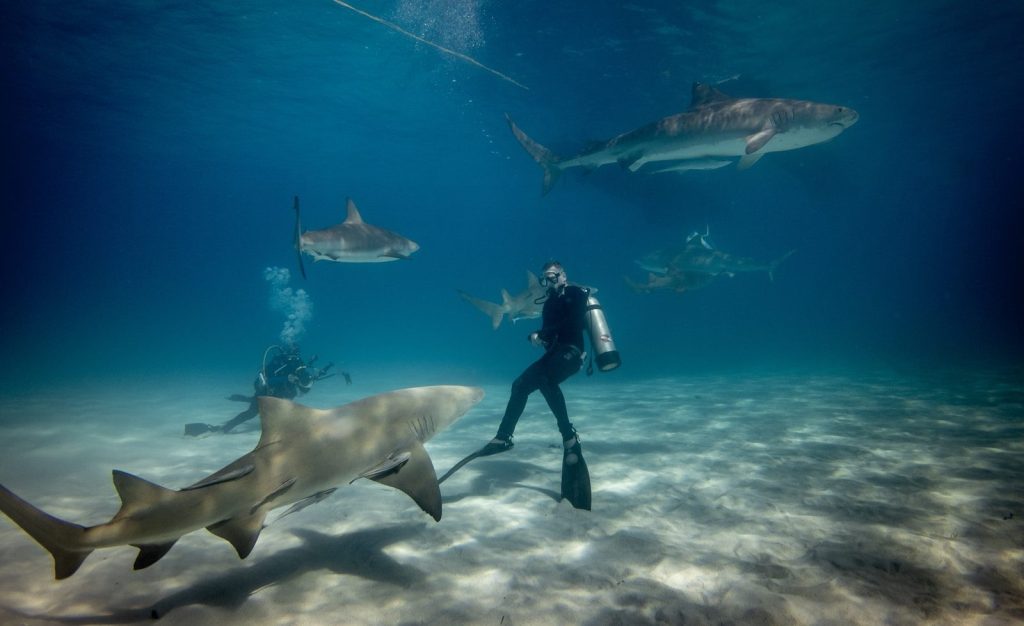
    man diving underwater with sharks
    Photo by Gerald Schömbs on Unsplash

    Great white sharks are apex predators that play an important role in maintaining the health of marine ecosystems. They are commonly found in coastal waters where food is abundant.

    Many sharks seen near beaches are juvenile great whites. Young sharks often use shallow coastal areas as nursery habitats because these locations can provide suitable water temperatures and food while offering some protection from larger predators.

    What this means for beachgoers

    people on beach
    Photo by James Hose Jr on Unsplash

    An increase in shark sightings does not automatically mean an increase in shark attacks. Scientists have long explained that great white sharks generally do not hunt humans, and serious encounters remain uncommon.

    Most people who visit California beaches will never see a shark during their trip. Even when sharks are present, they often pass through the area without interacting with swimmers or surfers.

    How experts monitor shark activity
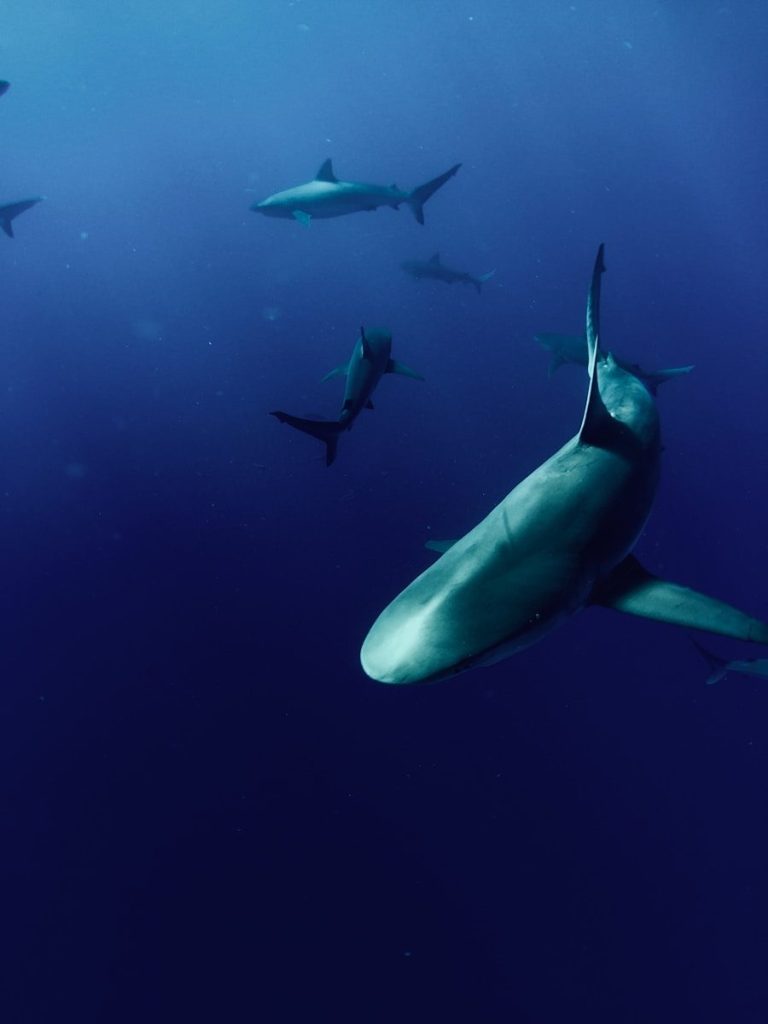
    gray sharks
    Photo by Colton Jones on Unsplash

    Marine researchers use several methods to study great white sharks, including tagging programs, aerial surveys, and drone observations. These tools help scientists better understand where sharks travel and how they use coastal habitats.

    Sharing information about shark movements also helps local officials make informed decisions about beach safety. Monitoring programs improve scientific knowledge while helping the public stay aware of changing ocean conditions.

    Staying safe in the ocean

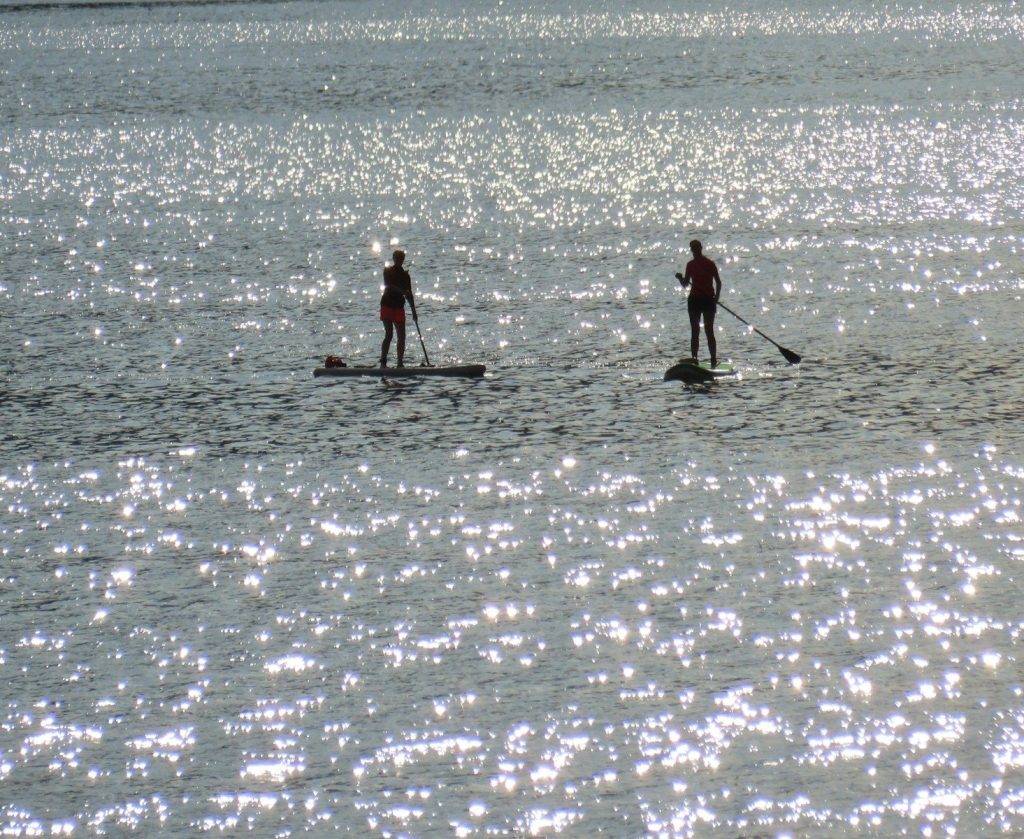
    people ridding paddleboard on body of water
    Photo by Nick Fewings on Unsplash

    Beach safety begins with awareness. Lifeguards, warning signs, and local beach advisories can provide valuable information about ocean conditions, including wildlife activity.

    Swimming near lifeguard stations, avoiding the water when wildlife warnings are issued, and paying attention to local safety guidance can help reduce risks while enjoying the beach.

    Respecting ocean wildlife
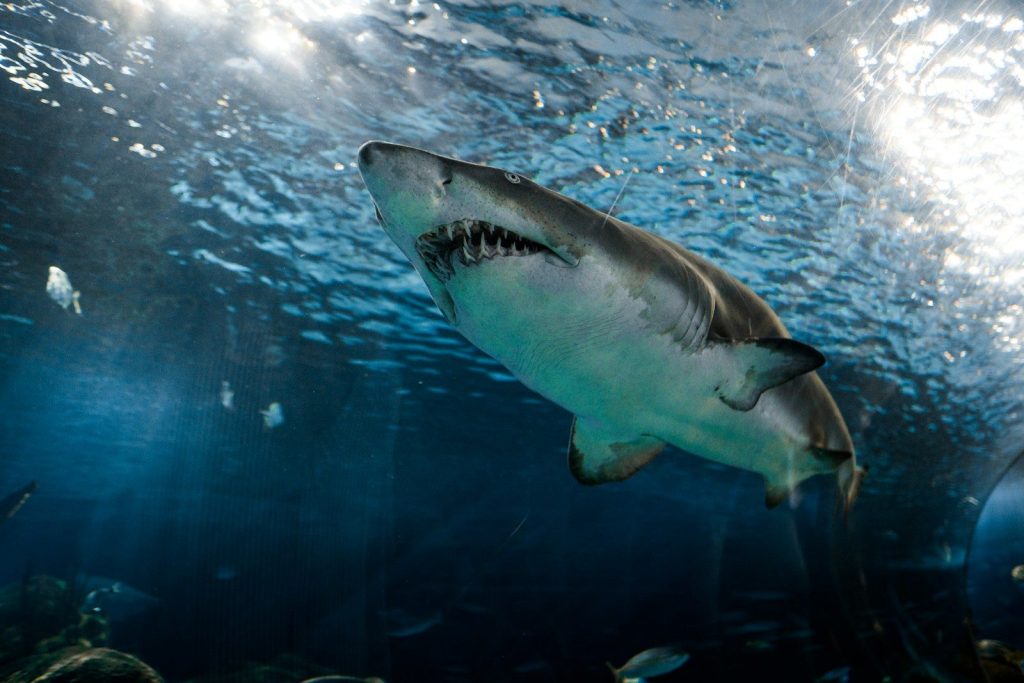
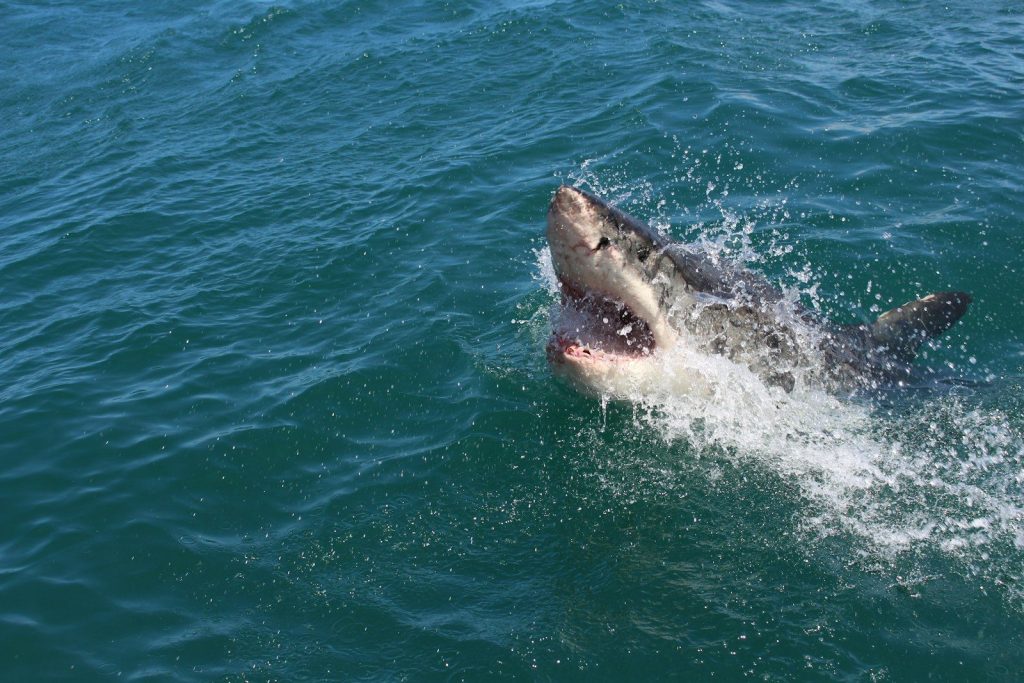
    great white shark
    Photo by Marcelo Cidrack on Unsplash

    Great white sharks have lived in the Pacific Ocean long before people began using California’s beaches. Their presence is an important part of a healthy marine environment and should be understood rather than feared.

    As millions of people head to the coast this summer, experts encourage everyone to enjoy the ocean responsibly. Learning about great white sharks and respecting their natural habitat helps people safely share the coastline with one of the ocean’s most remarkable predators.
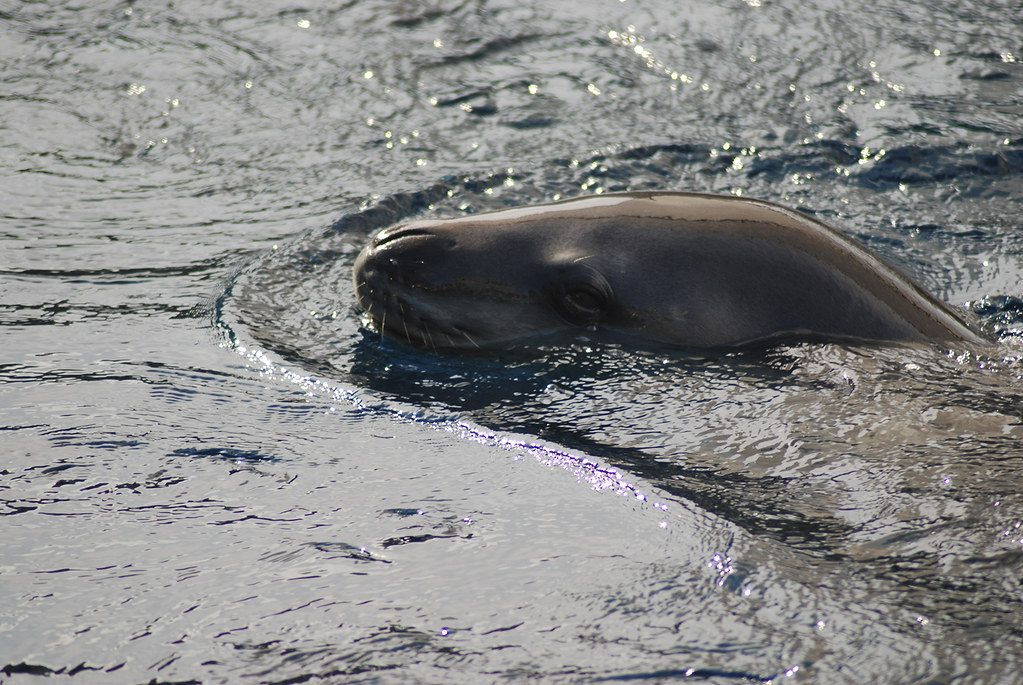
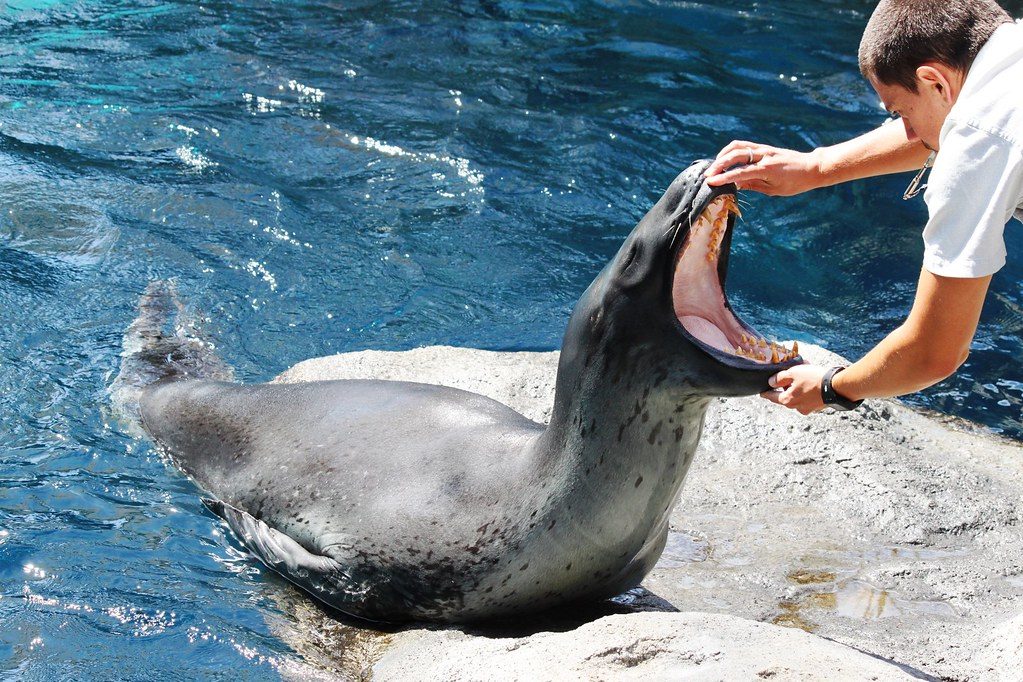
  • Why can some wild animals not live in captivity?

    Why can some wild animals not live in captivity?

    Zoos and wildlife centers have helped save many animals, but not every species can thrive in human care. Some wild animals have such specialized needs that even the best facilities cannot fully recreate their natural homes. One well-known example is Casey, the world’s only captive leopard seal, who was euthanized after years of declining health.

    His story raises important questions about the limits of captivity and why some animals are better suited to life in the wild. This article explores those challenges and explains why certain species are nearly impossible to keep in captivity.

    The story of the world’s only captive leopard seal

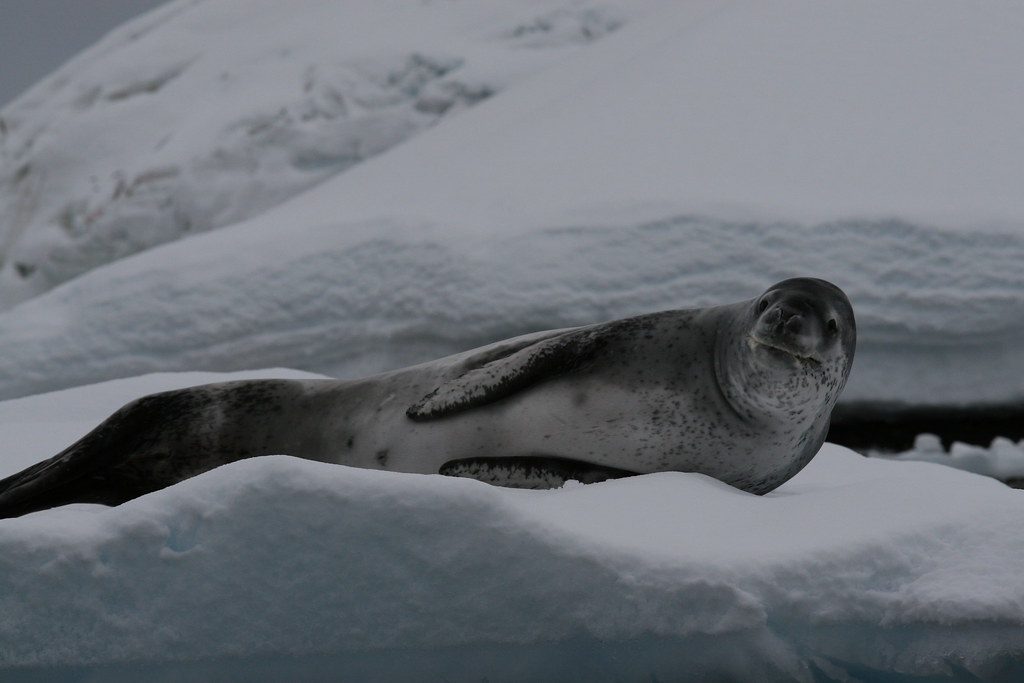
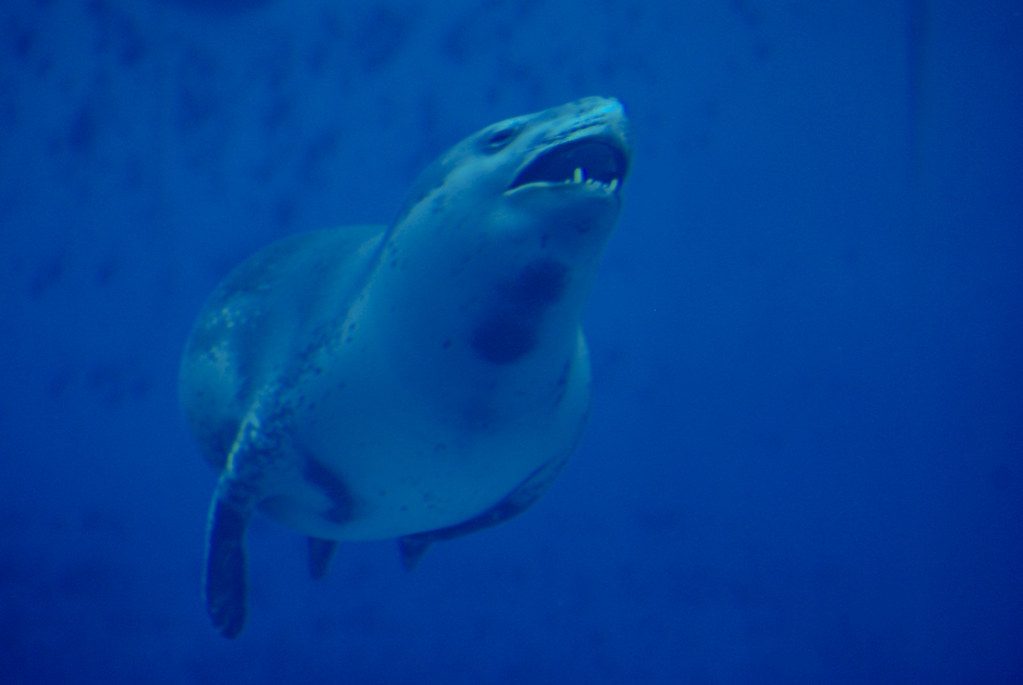
    Leopard seal IMG_9509” by OZinOH is licensed under CC BY-NC 2.0

    Casey was a leopard seal rescued after washing ashore near Sydney, Australia, with serious injuries and poor health. After receiving treatment, experts decided not to return him to Antarctica because they feared he could introduce diseases to wild leopard seal populations.

    Casey spent several years at Taronga Zoo, becoming the world’s only captive leopard seal. In 2014, after a prolonged illness and despite extensive veterinary care, the zoo made the difficult decision to euthanize him to prevent further suffering.

    Why do some animals struggle in captivity

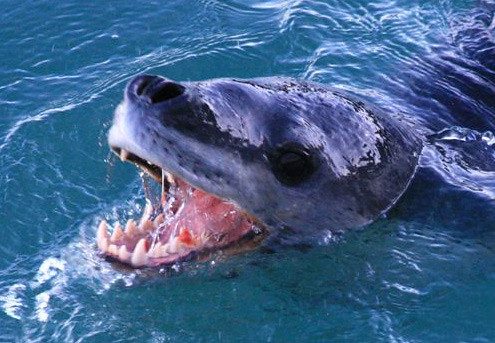
    Leopard seal teeth” by Department of Conservation is licensed under CC BY 2.0

    Many wild animals have evolved to live in very specific environments. Their daily lives depend on natural temperatures, food sources, hunting opportunities, and behaviors that are difficult or impossible to recreate in captivity.

    Leopard seals are highly specialized predators that normally live in the cold waters surrounding Antarctica. They hunt over vast areas of ocean and rely on conditions that cannot be fully reproduced in even the most advanced zoological facilities.

    Specialized behavior matters

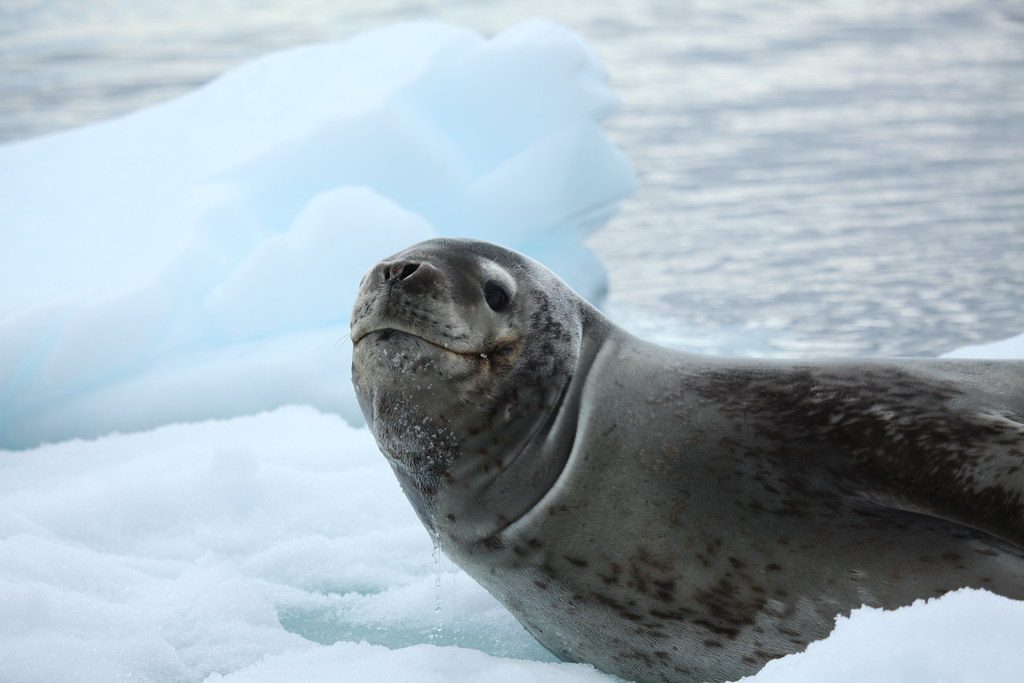
    Leopard seal” by xeno_sapien is licensed under CC BY-NC 2.0

    Captivity can provide food and medical care, but it cannot always replace natural behaviors. Some animals depend on long-distance movements, seasonal changes, or complex hunting techniques to stay physically and mentally healthy.

    Species with highly specialized lifestyles may experience stress when these natural behaviors are limited. This is one reason wildlife experts carefully consider whether long-term captivity is appropriate for rescued animals that cannot return to the wild.

    Lessons from real-life cases

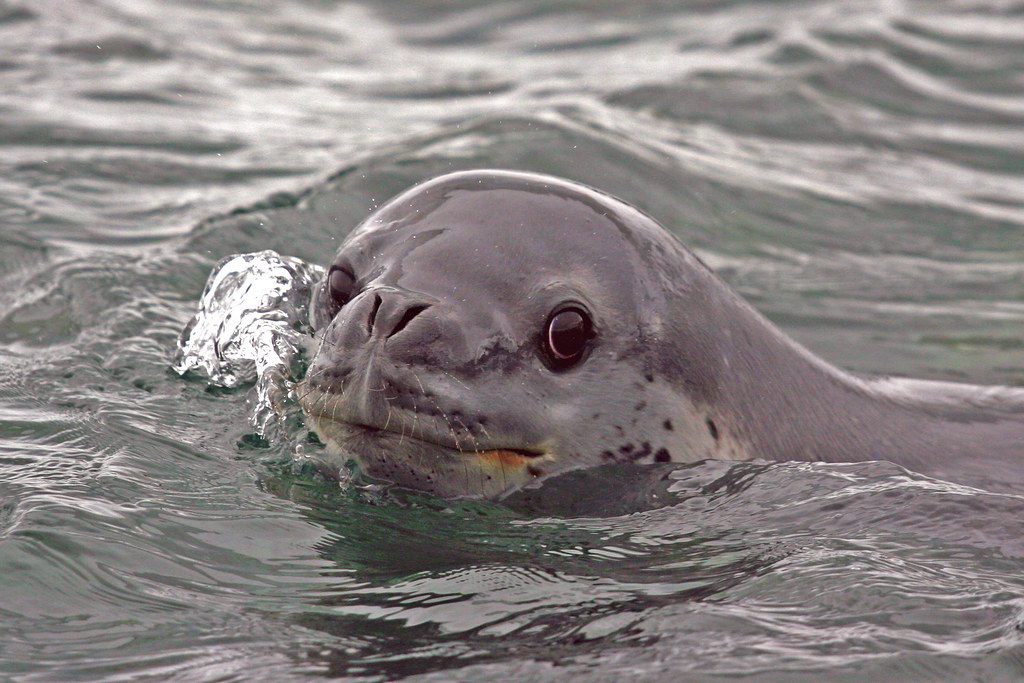
    Leopard Seal in Pléneau Bay, Antarctica” by Liam Quinn is licensed under CC BY-SA 2.0

    Casey’s story is one of the best-known examples of the challenges involved in caring for highly specialized marine predators. Although he received years of expert care, his case showed that some animals remain extremely difficult to keep outside their natural habitat.
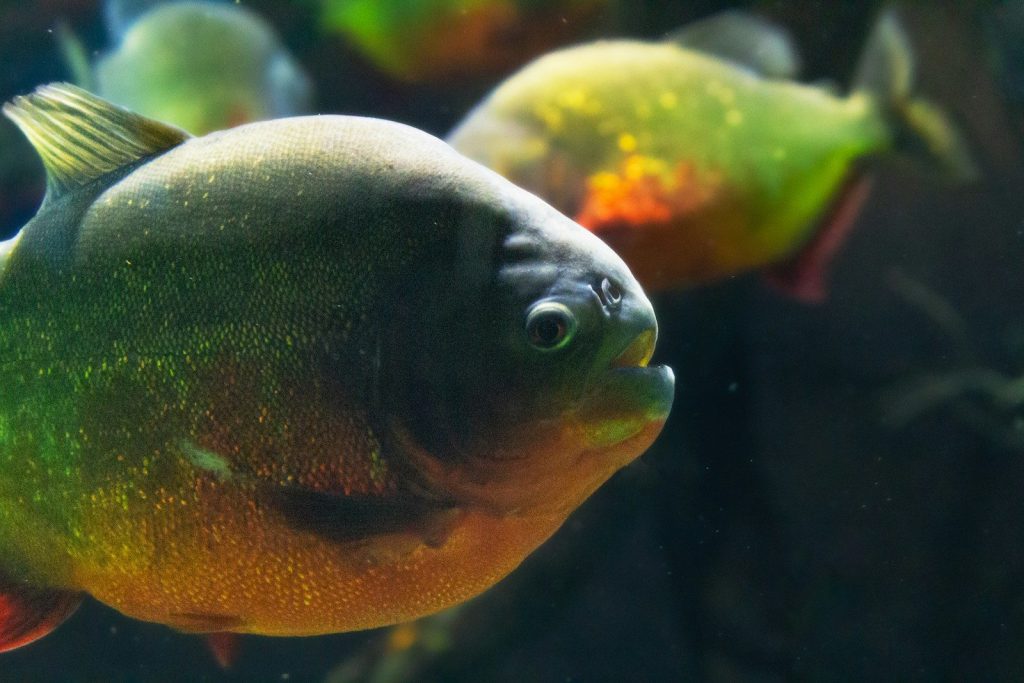
    His experience has become part of a broader discussion about wildlife rehabilitation, conservation, and the limits of what humans can provide for certain species. Every rescue involves balancing animal welfare, conservation needs, and the possibility of returning an animal safely to the wild.

    Conservation is more than captivity

    A leopard seal” by xeno_sapien is licensed under CC BY-NC 2.0

    Modern conservation focuses on protecting natural habitats whenever possible. Healthy ecosystems often provide conditions that no human-made environment can fully match for animals with specialized needs.

    For species that cannot safely return to the wild, wildlife professionals work to provide the highest standard of care available. However, conservation experts also recognize that captivity is not the perfect solution for every animal.

    Respecting wildlife and natural habitats

    Leopard Seal” by AegirPhotography is licensed under CC BY-NC 2.0

    Stories like Casey’s remind us that wild animals are closely connected to the environments where they evolved. Some species can adapt well to human care, while others remain deeply dependent on their natural ecosystems.

    Understanding these differences helps scientists make better decisions about rescue, rehabilitation, and conservation. It also reminds us that protecting wild habitats is often the best way to protect the animals that depend on them.

  • New walking shark discovered in Papua New Guinea

    New walking shark discovered in Papua New Guinea

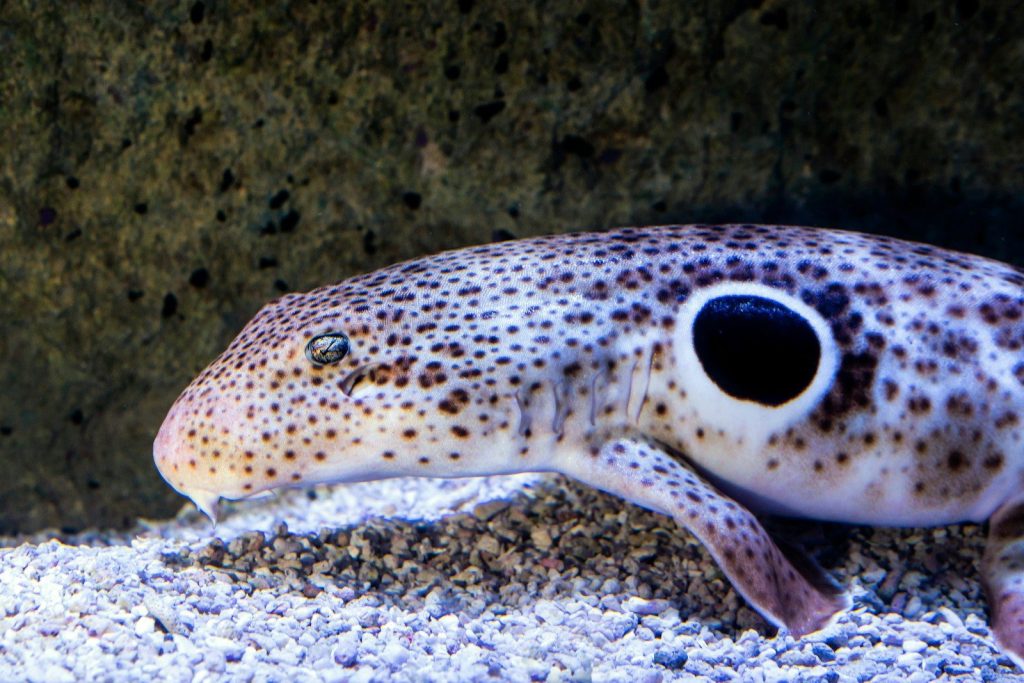
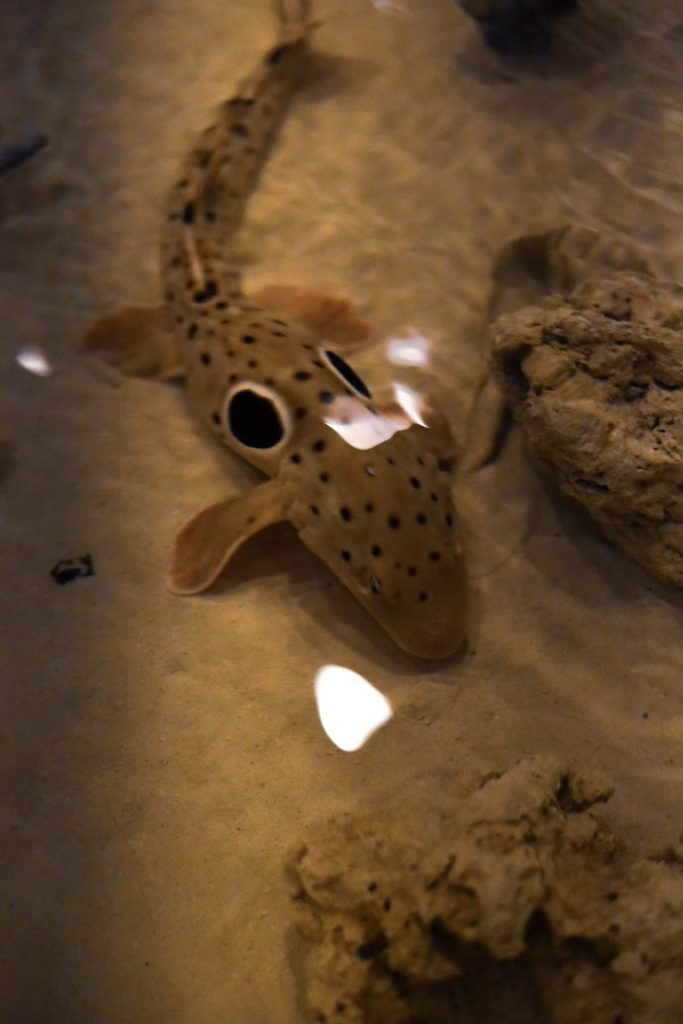
    Scientists have discovered a new species of walking shark in the shallow reefs of Papua New Guinea. Unlike most sharks, this small animal uses its fins to “walk” across the seafloor instead of swimming all the time.

    The discovery surprised researchers because new shark species are usually found in deep water, not in reefs less than 3 feet deep. This article explains how the new shark was discovered, why it differs from other walking sharks, and what the discovery means for science and marine conservation.

    A surprising discovery during a reef survey

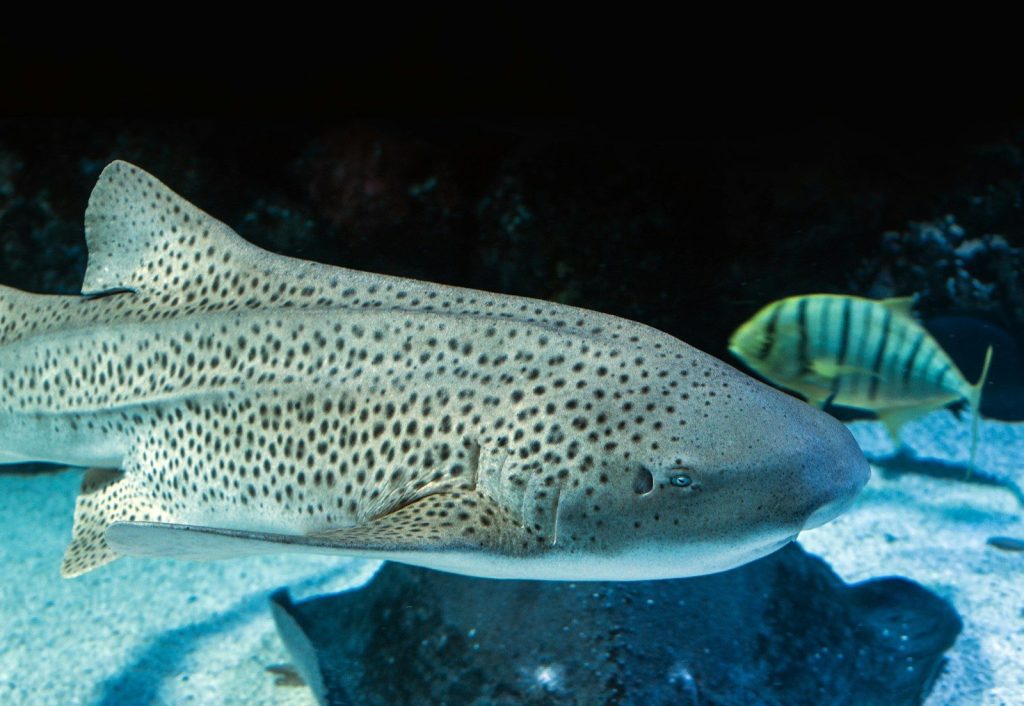
    gray tiger shark swimming with yellow, white, and black striped fish
    Photo by David Clode on Unsplash

    Researchers were exploring coral reefs in southeastern Papua New Guinea in search of another species, Michael’s walking shark. During the dive, they noticed a small brown spotted shark with markings they had never seen before.

    Christine Dudgeon, a senior research fellow at the University of the Sunshine Coast, quickly collected the shark and brought it back to the research boat. When doctoral student Jess Blakeway looked closely, she realized the animal’s body pattern was unlike any known walking shark.

    How scientists confirmed a new species

    white and black fish on black and brown surface
    Photo by David Clode on Unsplash

    At first, the team was unsure whether the unusual markings belonged to a single shark or represented a new species. They returned to nearby reefs to continue searching for more individuals.

    Within two days, the researchers found 11 more sharks at three different locations. Every shark showed the same unique pattern of white dashes and brown spots. Later, DNA testing confirmed that the population represented a previously unknown species named Hemiscyllium dudgeonae, or Dudgeon’s walking shark. The discovery increases the number of known walking shark species to 10.

    Why walking sharks are so unusual

    black and white leopard print textile
    Photo by Simon Infanger on Unsplash

    Walking sharks belong to a group of small carpet sharks that live around coral reefs rather than in the open ocean. Rather than relying only on swimming, they use their pectoral and pelvic fins to move across the seafloor.

    This special movement is especially useful during low tide. As reef pools become shallow and oxygen levels drop, walking allows the sharks to keep searching for small prey while many other fish would struggle. Scientists have found that some walking sharks can tolerate low oxygen conditions for hours.

    Why the discovery matters

    a fish that is laying on the sand
    Photo by Brandon Griggs on Unsplash

    New shark species are not found very often, especially in shallow coastal waters. Most recent shark discoveries have come from much deeper parts of the ocean, making this find especially exciting for marine scientists.

    The discovery also highlights how much biodiversity remains hidden in tropical reefs. Even areas that have been explored before can still contain species that scientists have never formally described.

    A species that may need protection

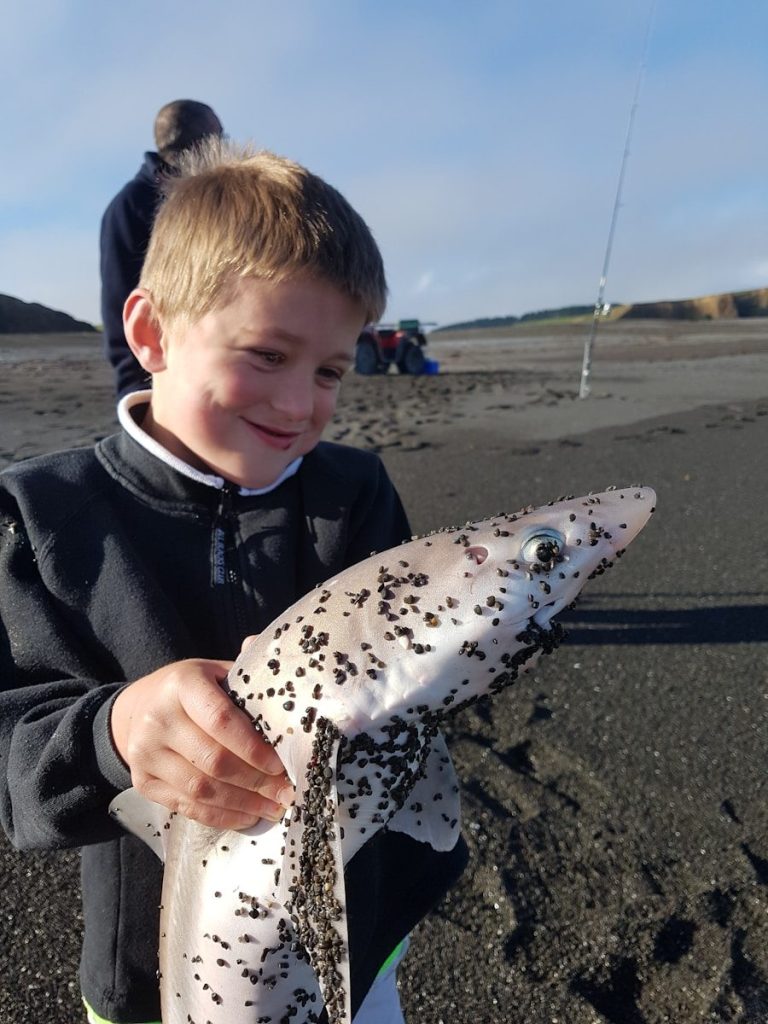
    Young boy proudly holds small shark on beach
    Photo by Sebastian Schuster on Unsplash

    So far, Dudgeon’s walking shark has only been recorded at three locations in Papua New Guinea. If future studies confirm that its range is very small, the species could face risks from habitat loss, climate change, coral reef damage, and overfishing.

    Walking sharks usually stay close to the reefs where they hatch. Because they do not travel long distances, they may have difficulty returning to damaged habitats or establishing new populations elsewhere. This makes protecting their reef homes especially important.

    Scientists hope to learn even more

    a close up of a fish in a tank
    Photo by Hoyoun Lee on Unsplash

    The research team plans to continue studying reefs across Papua New Guinea to better understand the new species and its habitat. More surveys may reveal additional populations or provide new information about their behavior.

    The discovery is also a reminder that sharks are far more diverse than many people realize. Most shark species are not dangerous to humans, and many continue to surprise scientists with their unique adaptations and remarkable lifestyles.

  • Paddleboarders are unaware of great white behind them

    Paddleboarders are unaware of great white behind them

    A peaceful day on the water turned into a frightening experience for two paddleboarders off the California coast. They believed they had missed seeing a great white shark, but drone footage later showed the predator had been following them the entire time.

    The close encounter occurred near Santa Barbara and left the pair shaken after they returned safely to shore. This article explains what happened, how the drone captured the moment, why great white sharks are often seen along California’s coastline, and what people can learn from this remarkable wildlife encounter.

    A calm day changed in moments

    two person riding on paddle boards during daytime
    Photo by Matt Zhou on Unsplash

    The two paddleboarders headed into the ocean after hearing reports that a great white shark had been spotted nearby. A family member launched a drone to help look for the animal from above.

    After spending time on the water without seeing anything, they started paddling back toward shore. They believed they had missed the shark, but they did not realize it had already found them.

    The drone captured the truth

    Two people on surfboards in the middle of the ocean
    Photo by Vasileios Peponakis on Unsplash

    The drone recorded the great white shark swimming behind the paddleboarders as they made their way back. From above, the shark’s path was clearly visible, while the people in the water remained mostly unaware of how close it was.

    One of the paddleboarders later said they were terrified after learning what the drone had captured. The footage showed just how valuable an aerial view can be for understanding what is happening beneath the ocean’s surface.

    Why do great white sharks come near shore?

    grey and white shark underwater
    Photo by Hunter Newton on Unsplash

    Great white sharks are found in coastal waters around California. They often travel through these areas while searching for food or moving between feeding grounds.

    Seeing a shark near the shoreline does not always mean it is hunting people. Marine experts have long noted that many close encounters involve curious sharks passing through their natural habitat rather than attacking humans.

    What the paddleboarders experienced

    Sea
    Photo by Alejandro Cabetas on Unsplash

    As they paddled, one person noticed something unusual in the water and urged the other to head back to shore immediately. The second paddleboarder kept looking ahead and did not see the shark until later, when they learned about the drone footage.

    Even though the experience was frightening, both paddleboarders returned safely without injury. The incident became a reminder that wildlife encounters can happen without warning in the ocean.

    The role of drones in shark sightings

    a great white shark with its mouth open in the water
    Photo by Alex Steyn on Unsplash

    Drones have become an important tool for spotting sharks near beaches and coastal waters. Their overhead view allows people to see marine animals that are nearly invisible from the surface.

    In this case, the drone revealed exactly where the shark was and documented the entire encounter. The footage also helped show how difficult it can be for people in the water to notice a large shark swimming nearby.

    A reminder to respect the ocean

    two people on paddle boards in the water
    Photo by Dieter Rohmann on Unsplash

    The close encounter ended without anyone getting hurt, but it left a lasting impression on everyone involved. It showed that even experienced people on the water can be unaware of what is happening beneath them.

    The ocean is home to many remarkable animals, including great white sharks. Understanding their behavior and staying aware of local conditions can help people safely enjoy the coastline while respecting the wildlife that lives there.

  • Piranha-like fish are growing in Florida ponds

    Piranha-like fish are growing in Florida ponds

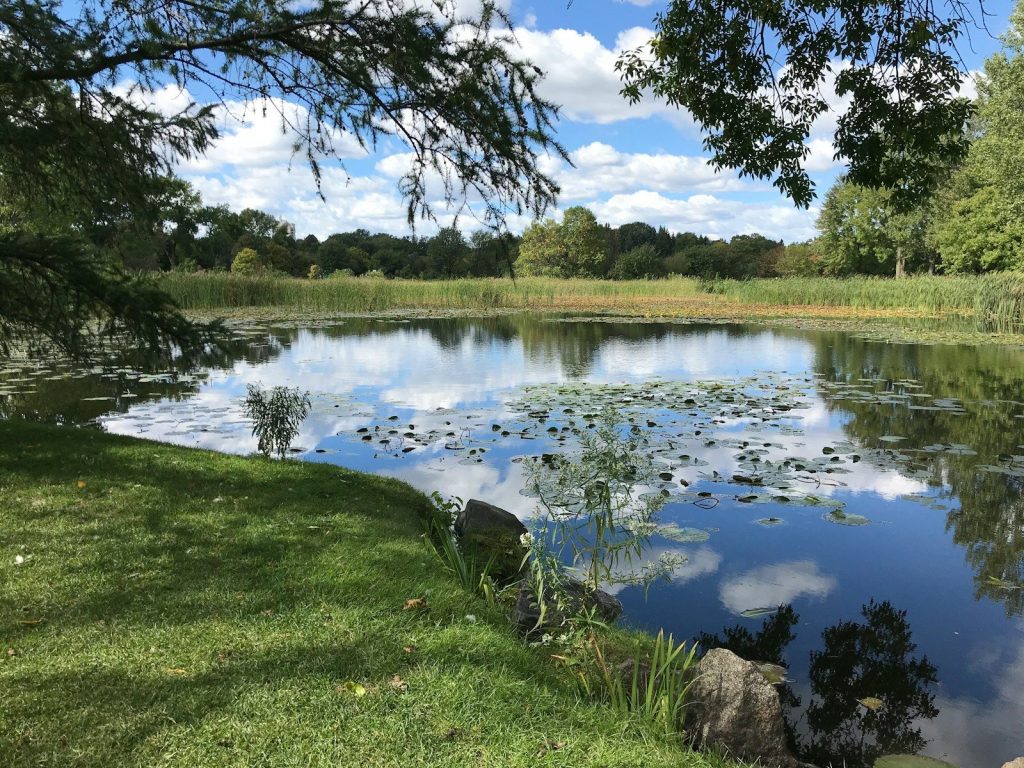
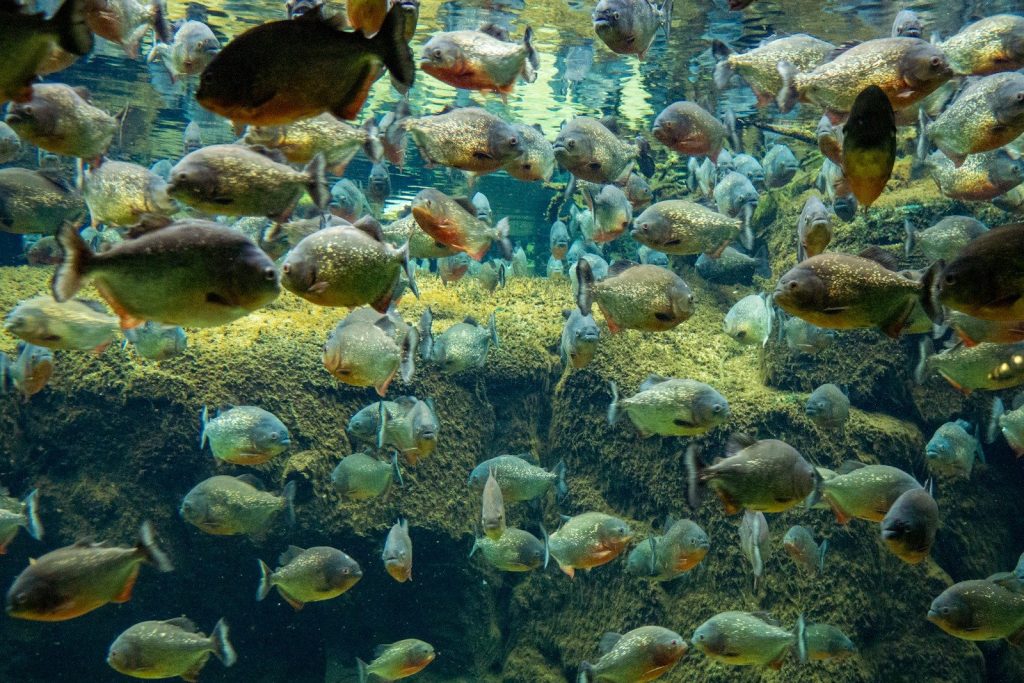
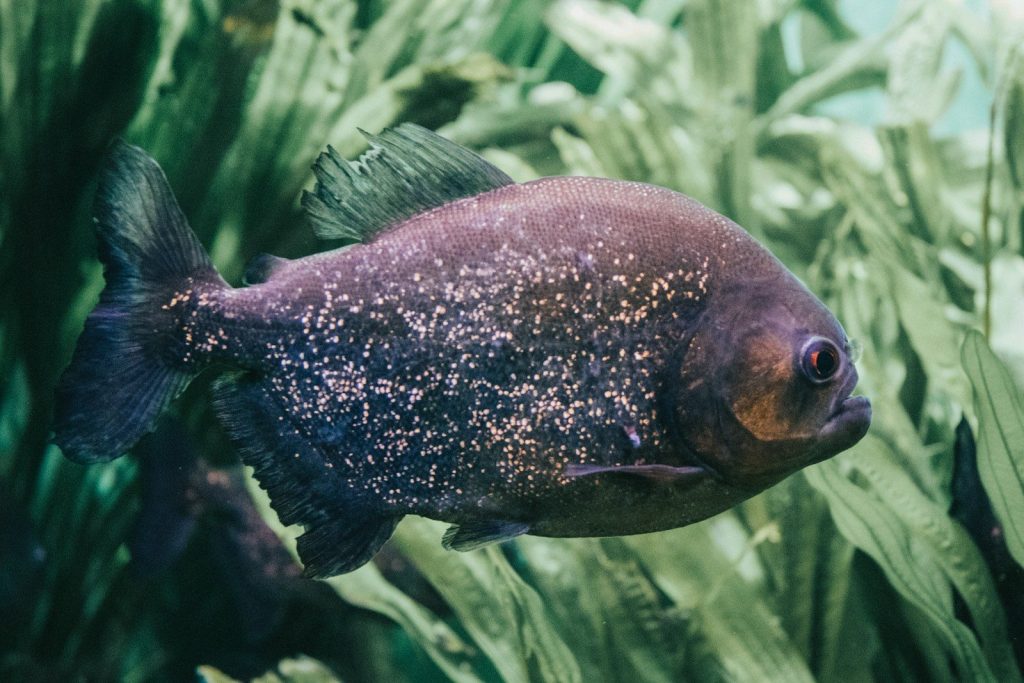
    A quiet pond can hide an amazing surprise beneath the surface. What looks like empty water may actually be full of fish moving together below. In one Florida pond, hundreds of young pacu and other piranha-like fish were seen swimming in large schools.

    Their presence shows how invasive fish can quietly become part of local waterways. This article explains what was found, why these fish are often mistaken for piranhas, and how non native species can establish themselves without many people noticing.

    A pond that looked completely empty

    green grass field near lake under blue sky during daytime
    Photo by Goulet Isabelle on Unsplash

    From above, the pond appeared calm and lifeless. There were no obvious signs that anything unusual was living below the surface.

    Once the camera looked underwater, the scene changed completely. Hundreds of juvenile fish were swimming together, filling the pond with movement that could not be seen from the shore.

    Why do these fish look like piranhas?

    a fish that is swimming in some water
    Photo by Sofia Rotaru on Unsplash

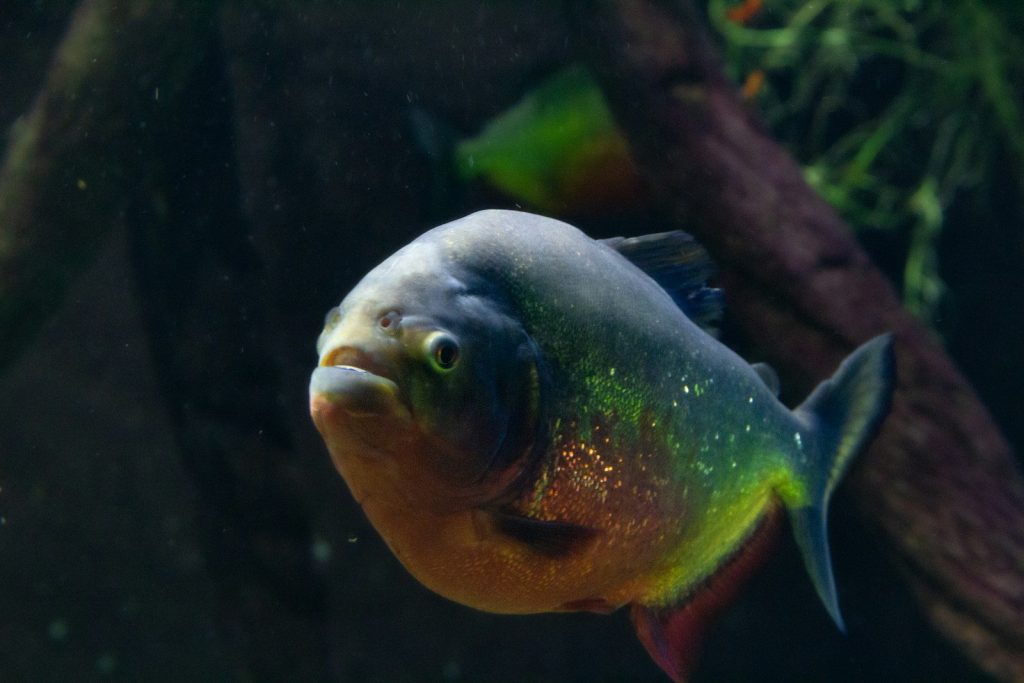
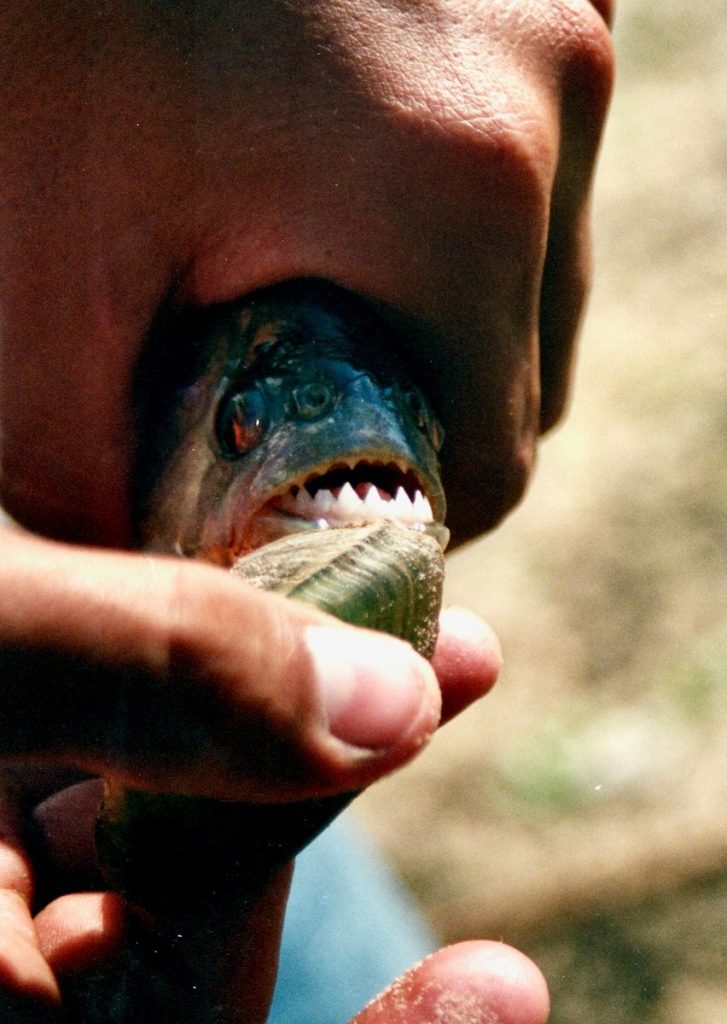
    Many people call these fish piranhas because they share a similar body shape. In reality, many Florida sightings involve juvenile pacu, which are close relatives of piranhas but have different diets and teeth.

    Young pacu often resemble piranhas when they are small. As they grow, they become much larger and mainly feed on plant material rather than hunting like true piranhas.

    How invasive fish reach Florida waters

    person with blue and black paint on his mouth
    Photo by Peter Burdon on Unsplash

    Most non native fish do not arrive naturally. Many are released into lakes, canals, or ponds after being kept as aquarium pets and becoming too large for home tanks.

    Once released, some species can survive and reproduce if the environment is suitable. In warm parts of South Florida, certain tropical fish have successfully established wild populations.

    Why schooling helps young fish

    school of fish in water
    Photo by Robert Katzki on Unsplash

    Swimming together in large groups gives juvenile fish several advantages. A school can make it harder for predators to single out one individual and helps young fish stay together while searching for food.

    Seeing hundreds of fish moving as one group can be surprising. It also shows that a pond that appears empty may support far more life than people expect.

    The impact of invasive species

    black Oscar fish near leaves
    Photo by Marcus Dietachmair on Unsplash

    When non native fish become established, they can compete with local species for food, habitat, and other resources. Over time, this may alter the ecosystem’s balance.

    Wildlife experts encourage people not to release aquarium fish into natural waters. Even a small number of released fish can create long-term challenges for native wildlife if they survive and reproduce.

    Looking below the surface

    a group of fish swimming in an aquarium
    Photo by Sofia Rotaru on Unsplash

    The pond may have seemed empty, but it was full of life hidden beneath the water. The large school of juvenile fish offered a rare look at how invasive populations can quietly grow over time.

    It was also a reminder that nature is often more active than it appears. A single glance from the shoreline does not always reveal the remarkable world that exists just below the surface.

  • How floodwaters trapped a giant gar on a ranch

    How floodwaters trapped a giant gar on a ranch

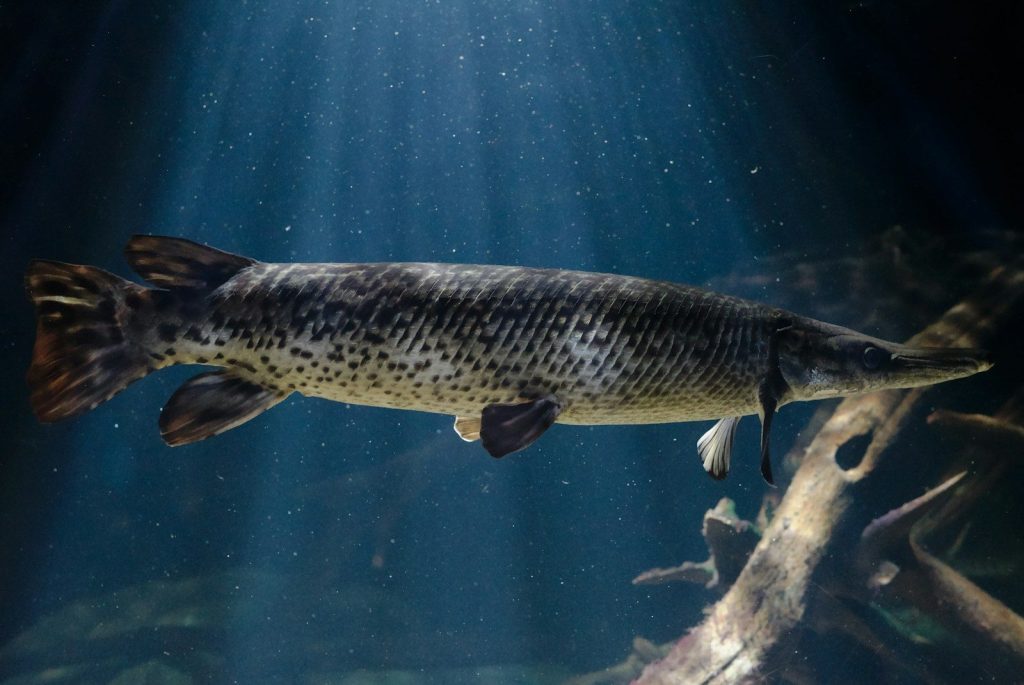
    A hurricane can completely change a landscape in just a few days. Last year, an entire ranch was flooded. Months later, the water disappeared, leaving behind small ponds scattered across the land. Inside one shrinking cow puddle, several giant gar were trapped with almost no flowing water left.

    Some fish did not survive, but others were still fighting for life. This article explains how hurricanes can strand fish, what rescuers found in the shallow ponds, and why nature can transform a place in just one season.

    A ranch changed by a hurricane

    two palm trees blowing in the wind on a beach
    Photo by Alexey Demidov on Unsplash

    Last year, floodwaters covered the entire ranch after a powerful hurricane. Fields that once held cattle became part of a temporary underwater landscape, changing everything across the property.

    When the floodwater finally receded, it did not disappear evenly. Instead, it left behind isolated ponds and muddy pools where fish became trapped with no easy path back to larger waterways.

    Giant gar were left behind

    a fish is swimming in the water
    Photo by GraceHues Photography on Unsplash

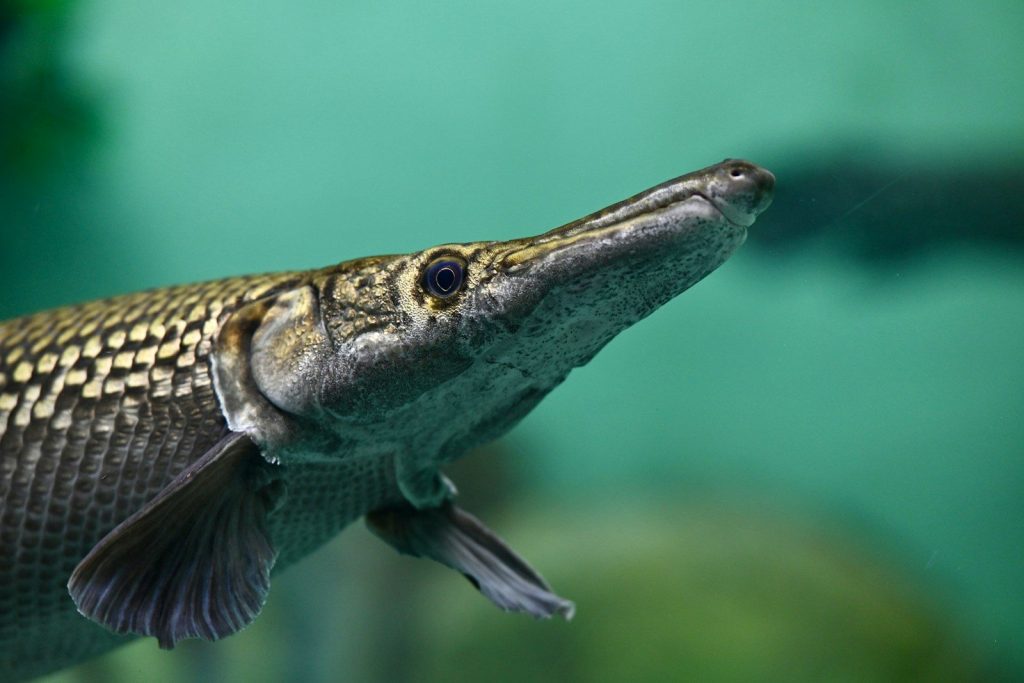
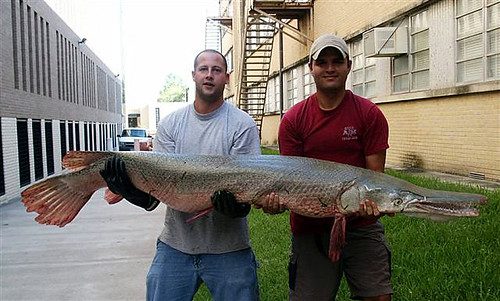
    As the ponds shrank, massive gar became stranded in the shallow water. One of the largest groups was found inside a shrinking cow puddle with very little water flow left.

    Gar are strong fish, but even they struggle when trapped in warm, shallow pools that continue to shrink. Without enough fresh water, their chances of survival drop significantly.

    A race against time

    a close up of a fish in a tank
    Photo by Jayanth Muppaneni on Unsplash

    Not every fish could be saved. Some had already died before anyone reached the ponds, showing how quickly conditions can become dangerous after floodwaters disappear.

    Others were still alive and fighting to survive. Those fish still had a chance, proving that even in difficult conditions, some wildlife can endure if help arrives in time.

    Why do fish become stranded

    Alligator Gar 6 Feet 129 lbs Brazos River 8 Nov 04a” by Charles & Clint is licensed under CC BY-SA 2.0

    During major floods, fish often move into newly flooded areas while the water is high. As the flood recedes, some become trapped in isolated pools that no longer connect to rivers or lakes.

    These stranded ponds may continue shrinking for days or weeks. As water levels fall, oxygen can decrease, and temperatures can rise, making survival much harder for the fish that remain.

    Nature can transform a landscape

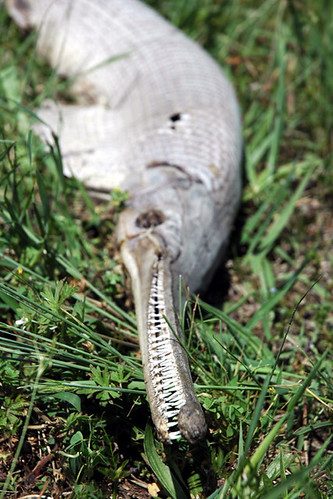
    What’s Left of a Gar” by Brian Hathcock is licensed under CC BY-NC-ND 2.0

    Just one season earlier, the ranch was completely underwater. After the flood ended, the same land looked almost unrecognizable, with only scattered ponds marking where the water had once stood.

    The stranded gar showed how dramatic these changes can be. A place that briefly became part of a floodplain later turned into a series of isolated pools where wildlife struggled to survive.

    A reminder of nature’s power

    a large body of water surrounded by trees
    Photo by Thomas Dewey on Unsplash

    The discovery of the giant gar was both impressive and heartbreaking. Some fish could not be saved, while others continued fighting until the very end.

    The scene was a powerful reminder that hurricanes affect far more than buildings and roads. They also reshape habitats, leaving lasting effects on the wildlife that depends on healthy waterways.

  • Deadliest Komodo dragon attacks ever recorded

    Deadliest Komodo dragon attacks ever recorded

    Komodo dragons are the largest living lizards on Earth, and meeting one in the wild can be frightening. Although attacks on people are rare, they can be extremely dangerous when they happen.

    One tragic case involved an 8-year-old boy in Indonesia who was attacked after becoming separated from his family. This article explores the heartbreaking event, other well-known Komodo dragon attacks, why these giant reptiles are such powerful predators, and what makes them among the most respected animals in the wild.

    A tragic attack in Komodo National Park

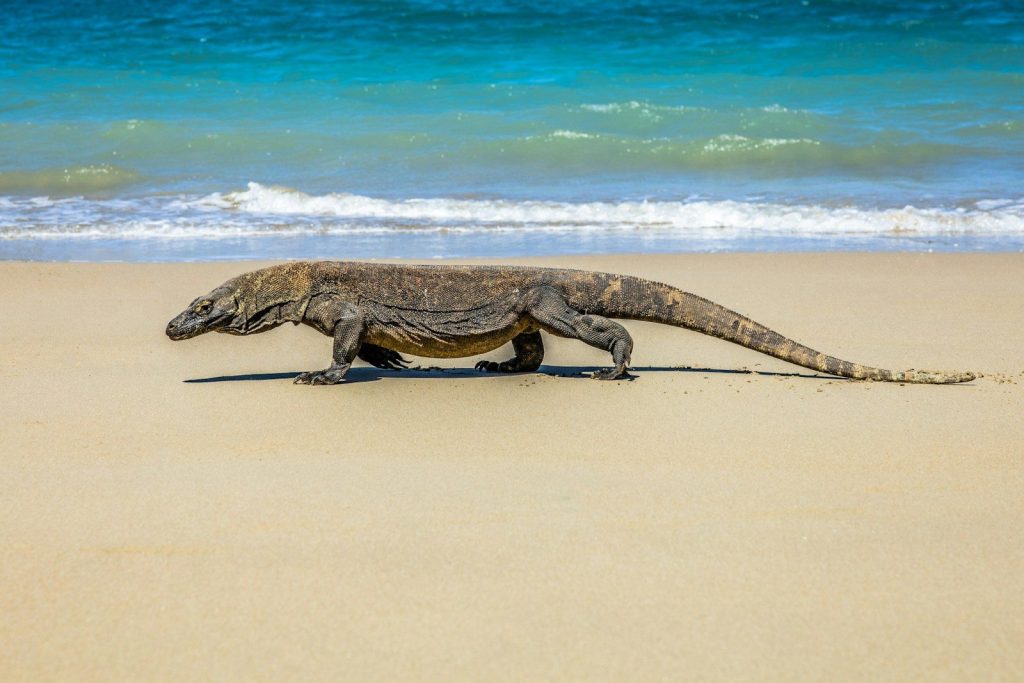
    a lizard on a beach
    Photo by Mitch Hodiono on Unsplash

    Deep inside Indonesia’s Komodo National Park, an 8-year-old boy wandered away from his family for a short time. During those few moments, he was attacked by a large Komodo dragon weighing about 70 kilograms, or 154 pounds.

    Witnesses described a terrifying struggle. The dragon grabbed the boy, dragged him, and shook him violently before the adults reached the scene. Despite efforts to stop the attack, the child later died from severe injuries. It was the first fatal Komodo dragon attack on a person reported in more than three decades.

    Why Komodo dragons are dangerous predators

    brown and black lizard on gray rock
    Photo by Joshua J. Cotten on Unsplash

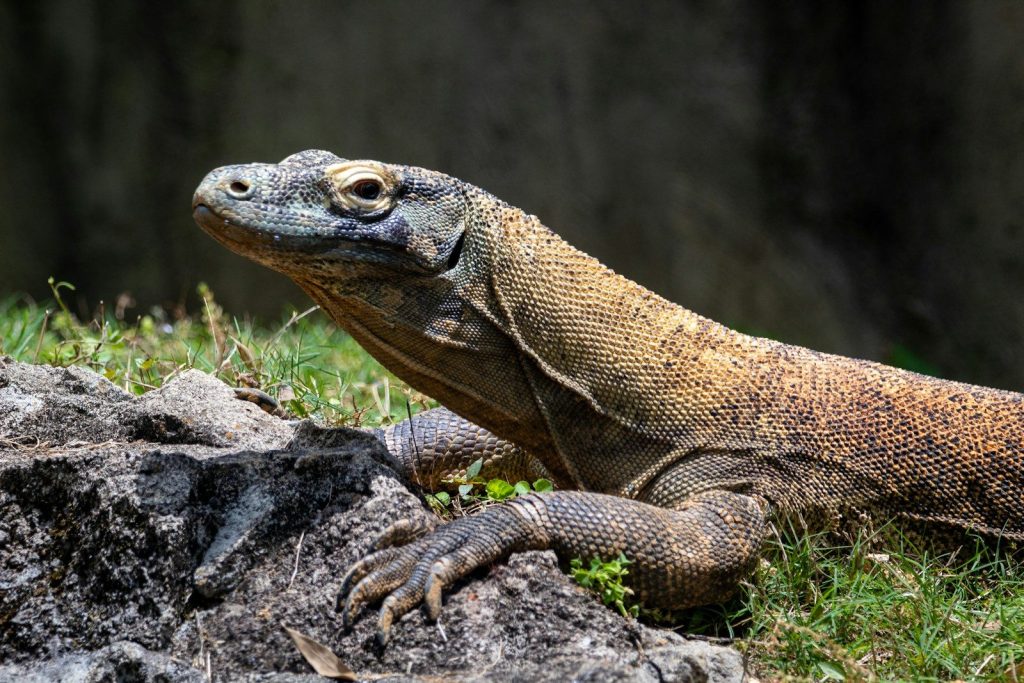
    Komodo dragons are apex predators found on a small group of Indonesian islands. Their powerful bodies, sharp teeth, and strong jaws allow them to hunt large prey, including deer and wild pigs.

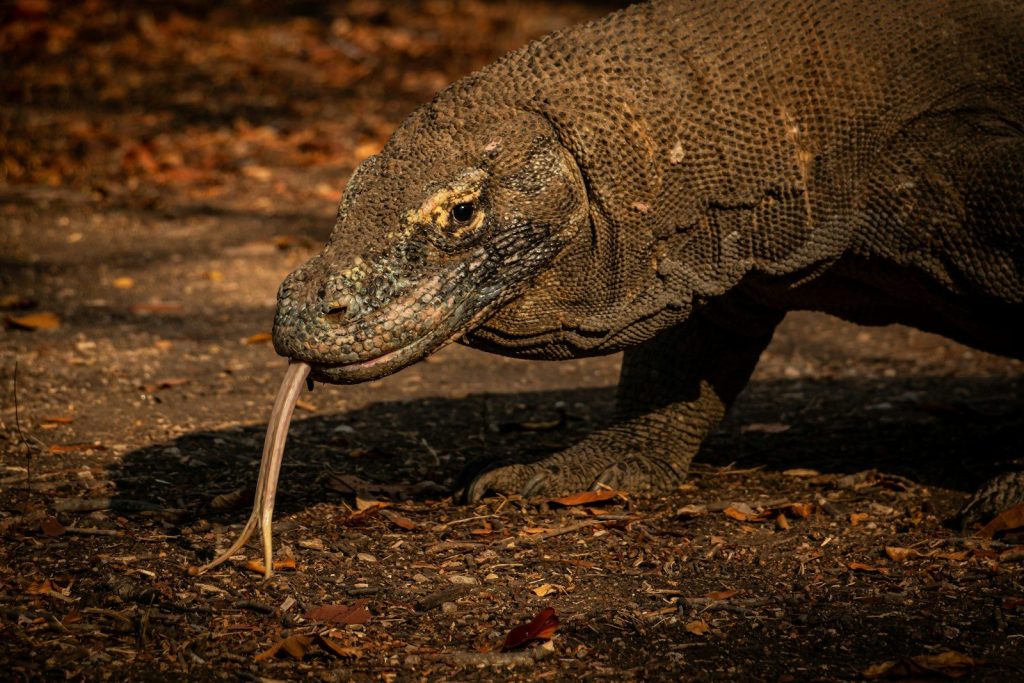
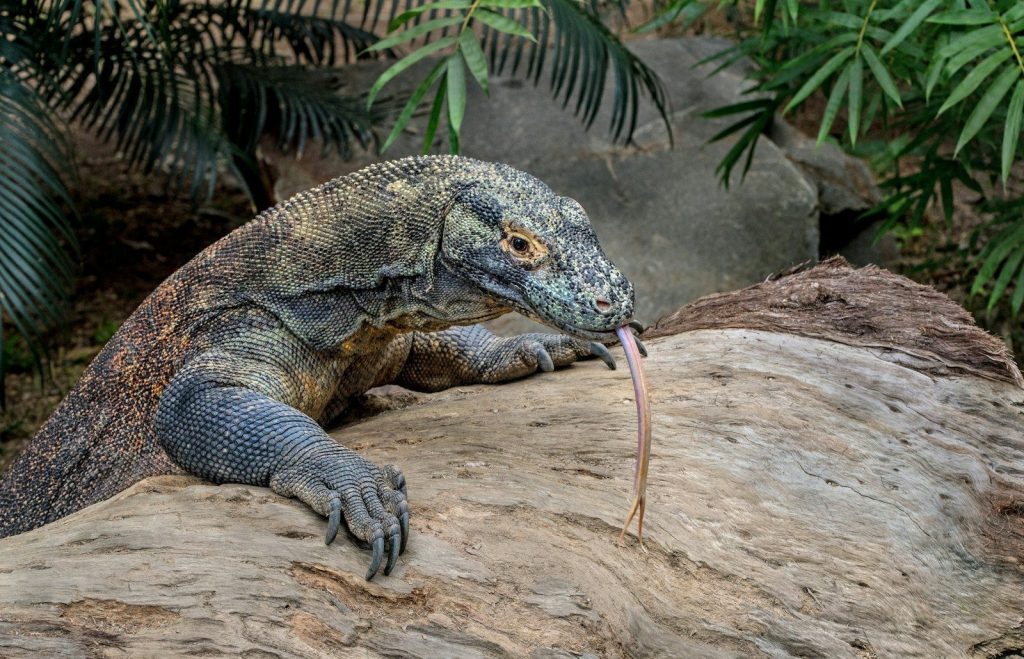
    These reptiles also have an excellent sense of smell. Using their forked tongues, they can detect scents over long distances, helping them locate prey or animal carcasses across their habitat.

    Other frightening encounters

    gray kumodo dragon
    Photo by David Clode on Unsplash

    The 2007 tragedy is not the only serious encounter involving Komodo dragons. Over the years, a small number of people, including park workers and zookeepers, have survived painful bites while working near the animals.

    Even experienced rangers understand the risks. A single mistake around a large Komodo dragon can quickly become dangerous because of the animal’s speed, strength, and powerful bite. These rare incidents remind visitors why trained guides and safety rules are so important.

    How Komodo dragons hunt

    a lizard with a long neck
    Photo by Rasmus Gundorff Sæderup on Unsplash

    Komodo dragons are patient hunters. They often wait for the right moment before rushing toward their prey with surprising speed over short distances. Once they bite, they use their strength to overpower the animal.

    Scientists now know that Komodo dragons possess venom glands that help weaken prey by affecting blood clotting and lowering blood pressure. Combined with the deep wounds their sharp teeth cause, this makes them highly effective hunters.

    Why attacks on humans are uncommon

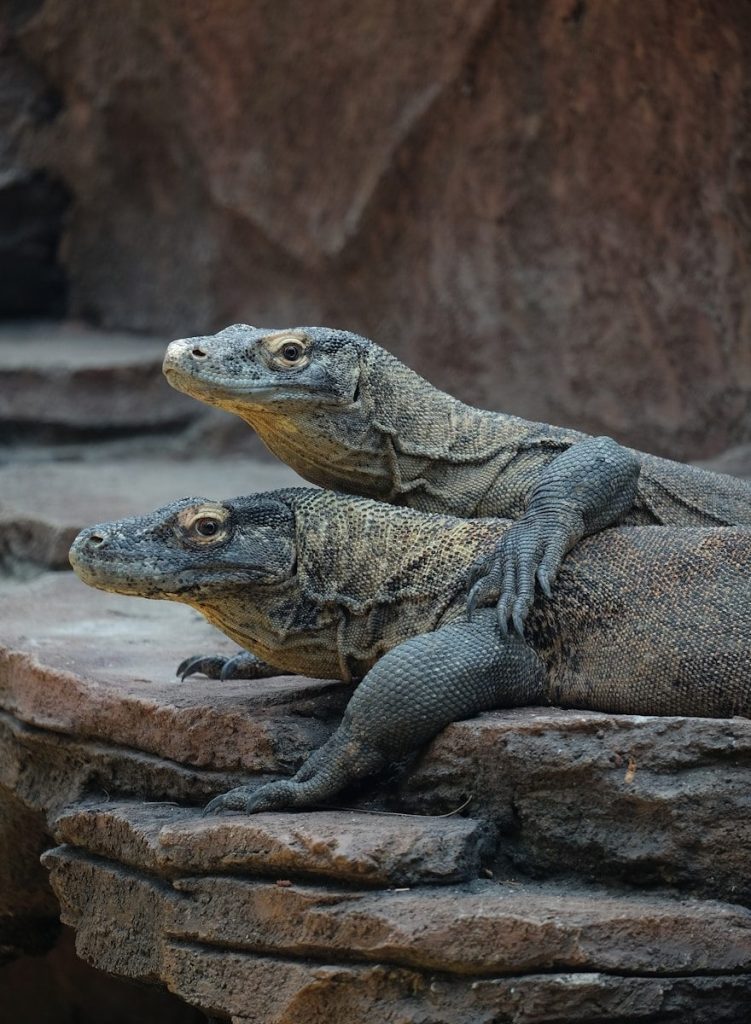
    two large lizards sitting on top of a rock
    Photo by Bantar Prakoso on Unsplash

    Although Komodo dragons are powerful predators, attacks on people remain rare. Most dragons avoid humans when given enough space and usually retreat instead of approaching people.

    Problems are more likely to happen when people enter their territory, surprise the animals, or get too close. This is why visitors to Komodo National Park are required to follow park rules and stay with trained guides.

    Respecting one of nature’s oldest predators

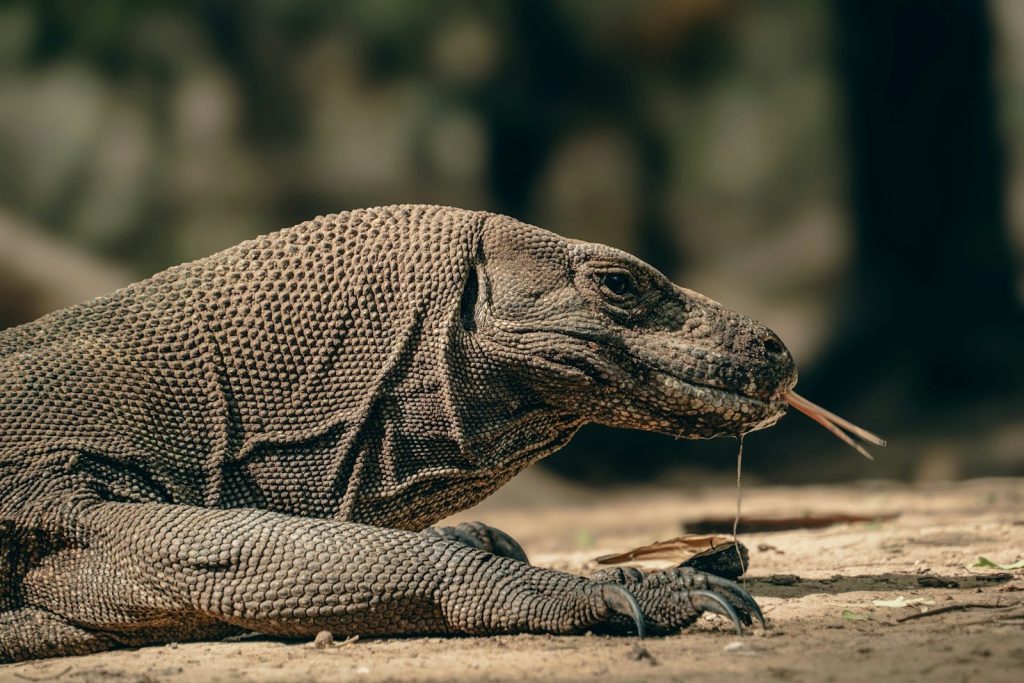
    a large lizard with a long stick in its mouth
    Photo by Dennis Schmidt on Unsplash

    Komodo dragons have lived on Earth for millions of years and remain one of the world’s most remarkable reptiles. Their size, hunting skills, and unique biology make them an important part of Indonesia’s wildlife.

    The tragic attack on the young boy serves as a reminder that wild animals deserve both respect and caution. Understanding how these predators behave helps people appreciate them while staying safe in their natural habitat.

  • A rescued seal pup’s most emotional moment

    A rescued seal pup’s most emotional moment

    Fear can stay with an animal long after the danger has passed. That was true for one baby seal who had spent so much time trying to survive that relaxing seemed impossible. Frightened, exhausted, and unsure of who to trust, the young seal carried the weight of constant stress.

    Then everything changed when rescuers gave him the care he needed. This article tells the touching story of a baby seal who finally felt safe, why rescue is so important for young seals, and how one quiet moment became a powerful reminder of the difference kindness can make.

    A baby seal living in survival mode

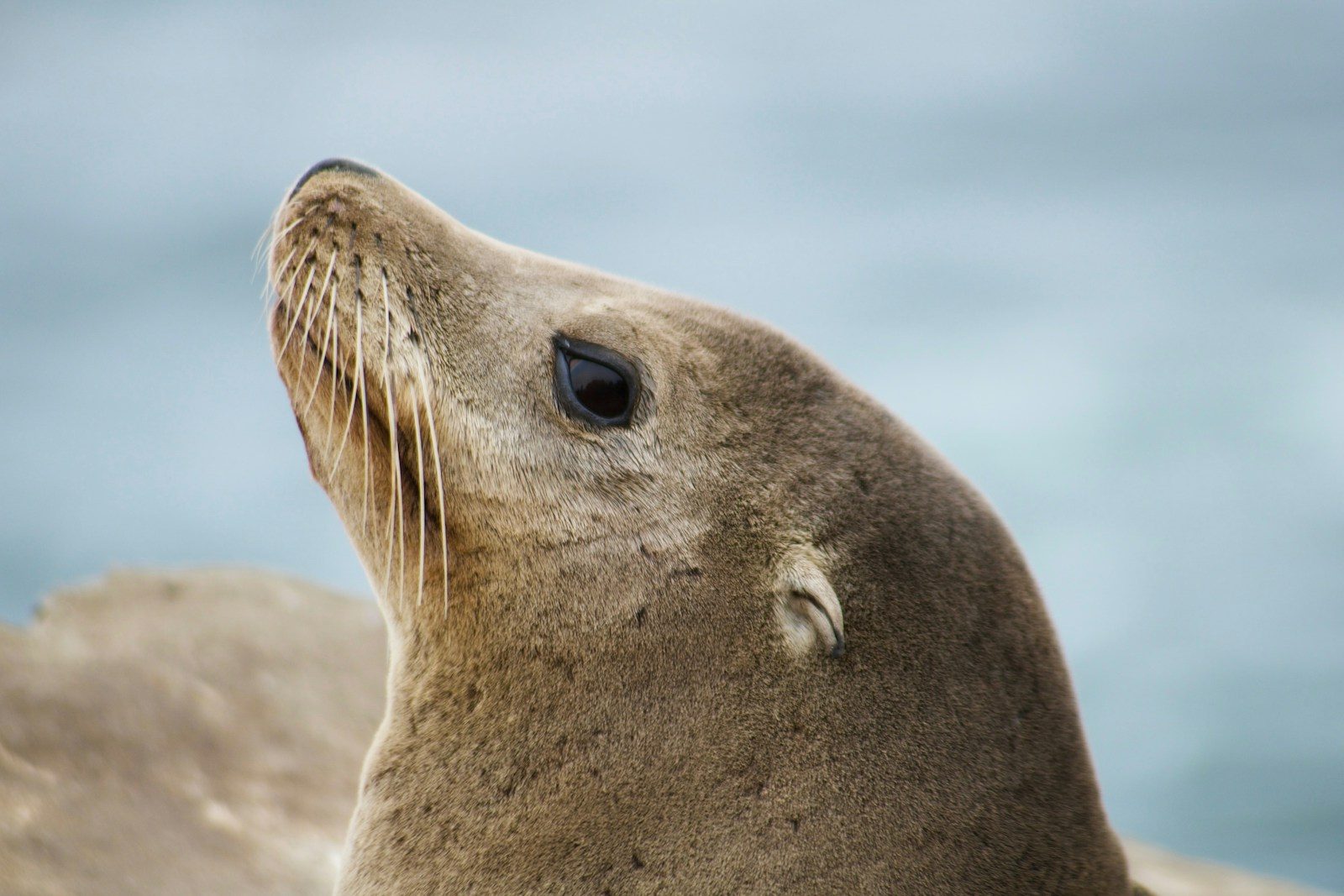
    sea lion on brown sand during daytime
    Photo by Chris Stenger on Unsplash

    This young seal had already faced more hardship than most animals should ever experience. Every day had been about staying alive, leaving little room to feel safe or comfortable.

    By the time rescuers found him, he was frightened and exhausted. His experiences had made it difficult to trust anyone, and even simple human care seemed unfamiliar and uncertain.

    The challenge of earning his trust

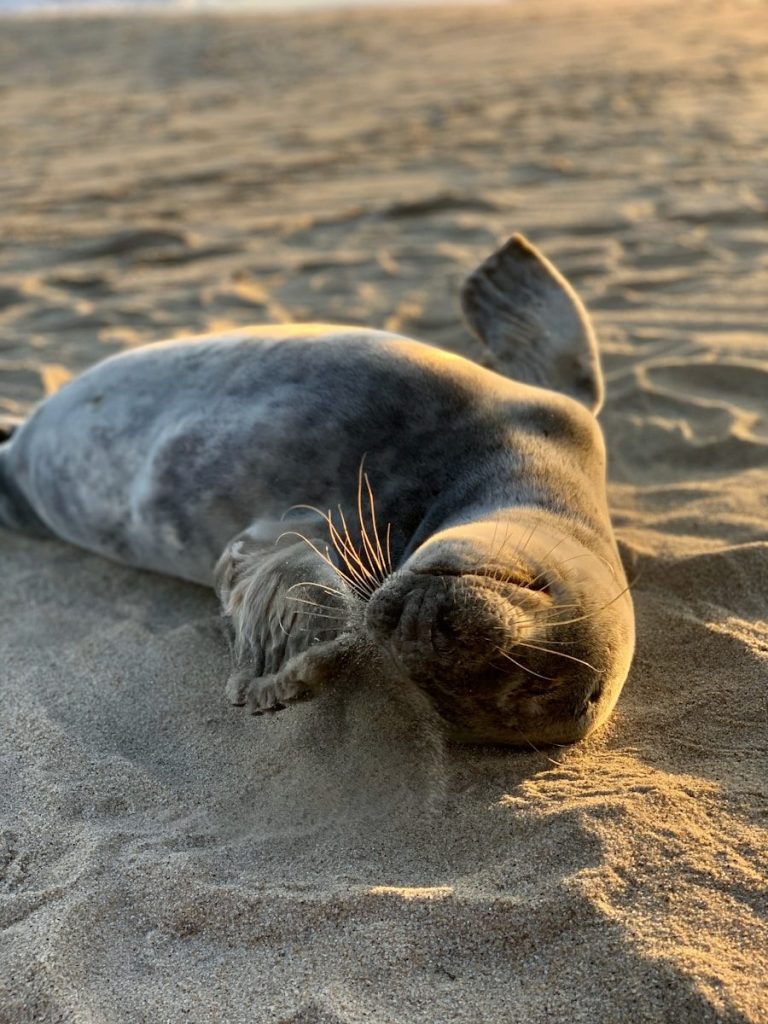
    A grey seal pup rests on a sandy beach.
    Photo by Julia Fiander on Unsplash

    Rescuing a wild animal is only the first step. Young seals often need time to recover from both physical exhaustion and the stress of surviving on their own before they begin to feel secure again.

    For this tiny seal pup, trust did not come right away. He stayed alert and cautious, showing just how deeply fear can affect young animals after difficult experiences.

    The moment everything changed

    Gray Seal Pup Update at the Smithsonian’s National Zoo” by Smithsonian’s National Zoo is licensed under CC BY-NC-ND 2.0

    Then came the moment that touched everyone watching. For the first time in a long while, the baby seal realized he was no longer in danger.

    Slowly, his body relaxed in the arms of his rescuers. The fear that had kept him tense for so long began to fade, replaced by a sense of safety that he had not felt in a very long time.

    Why this moment mattered so much

    A close up of a small animal on a dirt ground
    Photo by Dylan Shaw on Unsplash

    The seal’s reaction was about more than simple comfort. It showed how much stress and fear young animals can carry after spending so much time trying to survive on their own.

    Watching him finally relax was a powerful reminder that rescue is not only about treating injuries. It is also about giving frightened animals the chance to recover in a calm and caring environment.

    The importance of caring for seal pups

    brown seal on grey rock
    Photo by Craig Marolf on Unsplash

    Rescue teams work hard to give stranded or exhausted seal pups a second chance. Their care often includes medical treatment, food, hydration, and a safe place where the animals can regain their strength before returning to the wild.

    While every rescue is different, patience is always important. Helping a frightened animal feel secure can take time, but each small sign of trust is a meaningful step forward.

    A reminder that compassion makes a difference

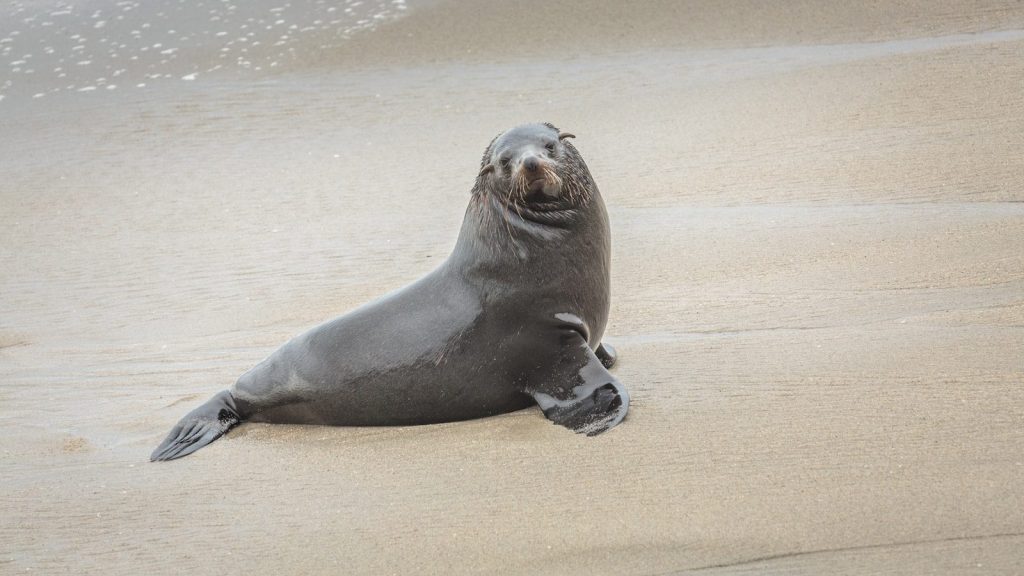
    sea lion on brown sand during daytime
    Photo by Lachlan on Unsplash

    The baby seal’s journey began with fear and uncertainty. By the end, he had found something every young animal needs: a place where he could finally stop worrying and simply rest.

    His quiet moment of relaxation became the most emotional part of the rescue. It showed that even after great hardship, care and compassion can help frightened animals begin to heal.

  • Rare killer whales reveal epic ocean journeys

    Rare killer whales reveal epic ocean journeys

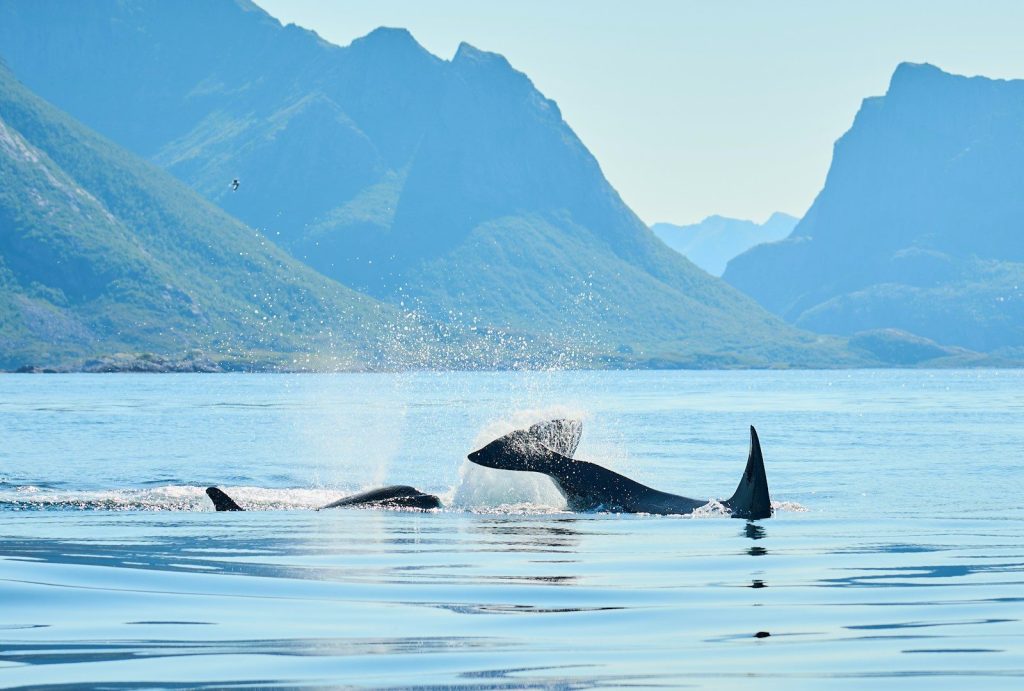
    Killer whales live in oceans around the world, but some are still a mystery to science. One of the least understood groups is the Type D killer whale. For many years, these unusual whales were known mostly from rare sightings and a few photographs.

    Now, a major study has uncovered new details about their numbers and amazing travels. This article explains what scientists learned about Type D killer whales, why they are so difficult to study, and how their long ocean journeys are changing what we know about these remarkable marine predators.
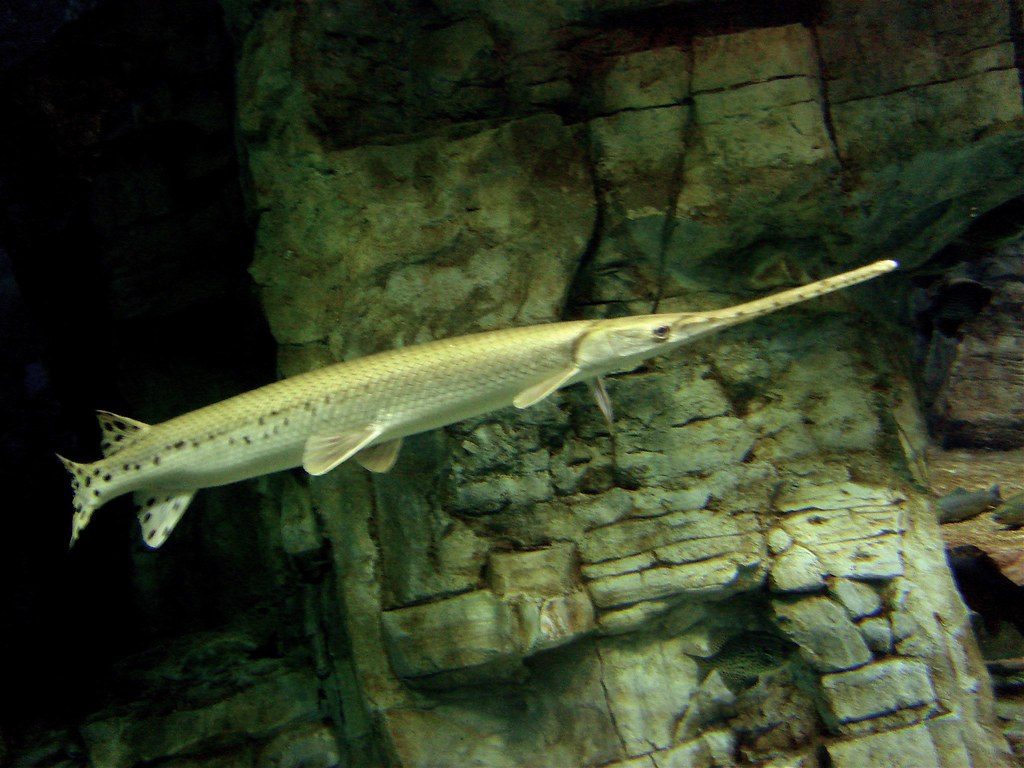
    Why Type D killer whales are so mysterious

    black and white whale shark on sea
    Photo by Ryan Stone on Unsplash

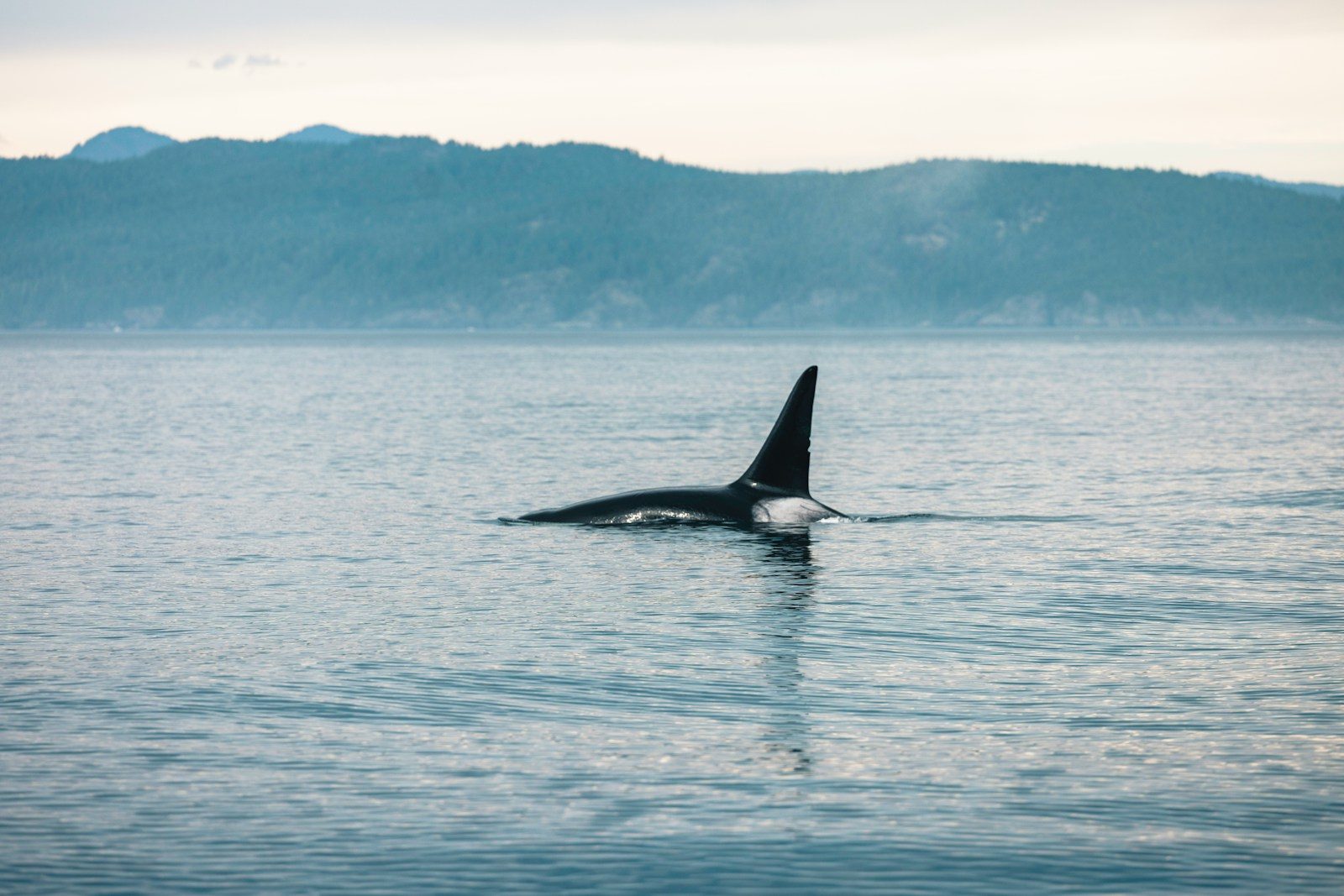
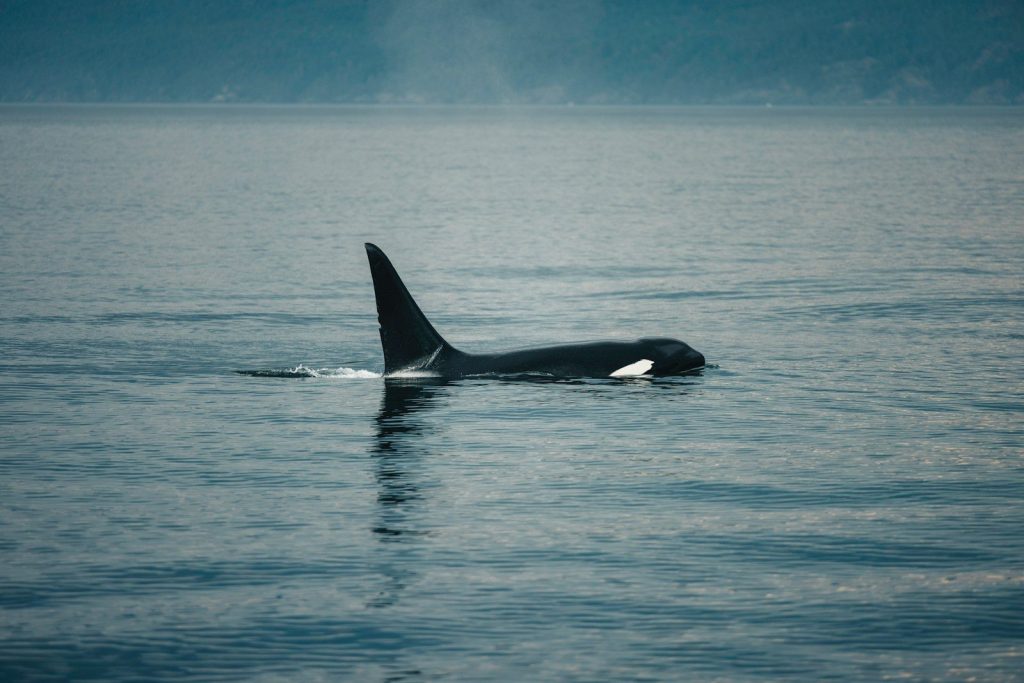
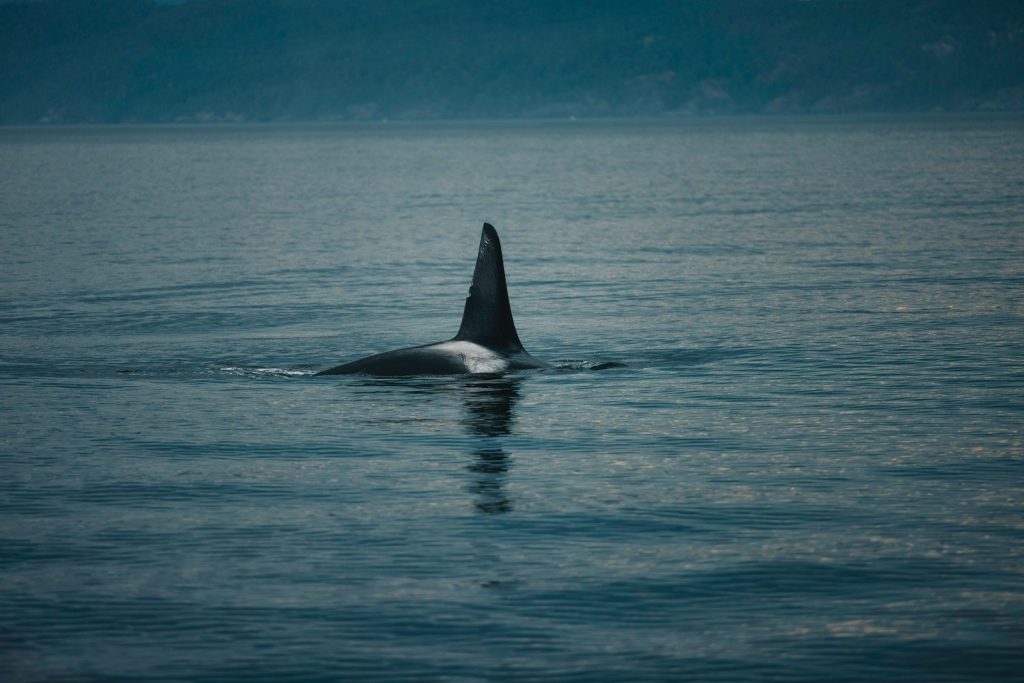
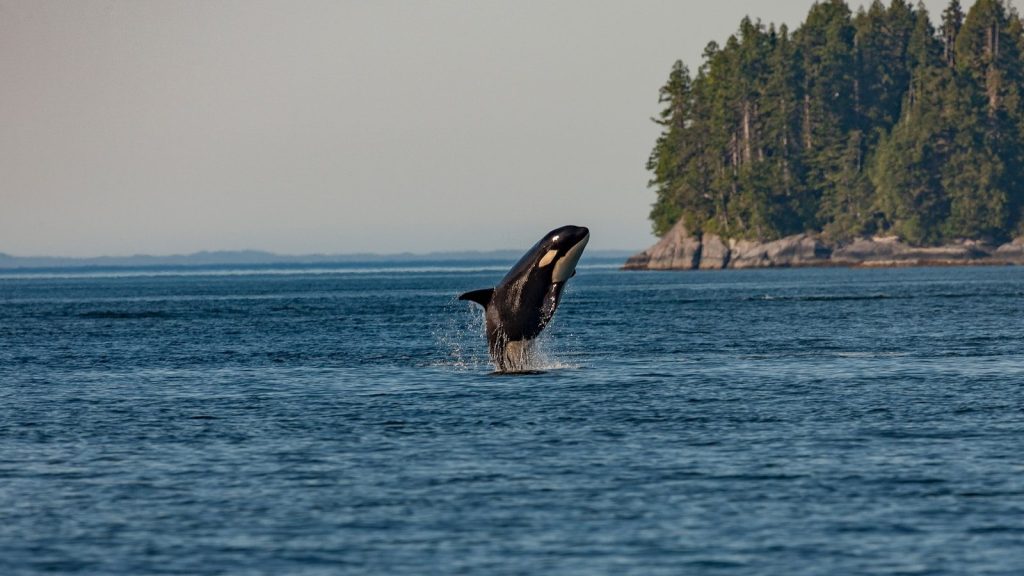
    Killer whales are the world’s largest apex predators and help maintain balance in marine ecosystems. Even so, scientists still have many questions about some of their populations. Type D killer whales have remained one of the hardest groups to understand.

    These whales stand out because of their blunt heads, pointed dorsal fins, and very small white eye patches. For many years, they were known mostly from reports by fishers, amateur photographers, and a few unfortunate mass strandings, making them one of the ocean’s most mysterious predators.

    Scientists gathered more than two decades of evidence

    blue and white whales
    Photo by NOAA on Unsplash

    To learn more, researchers brought together observations collected over more than 20 years. They reviewed over 28,000 photographs taken between 2003 and 2024 to identify individual whales and better understand their movements.

    At the time of the study, there was only one recognized killer whale species, Orcinus orca, but it includes several ecotypes. Type D remains the least understood of these groups, making every new discovery especially important.

    More whales than scientists expected

    A group of orca's swimming in a lake with mountains in the background
    Photo by Vidar Nordli-Mathisen on Unsplash

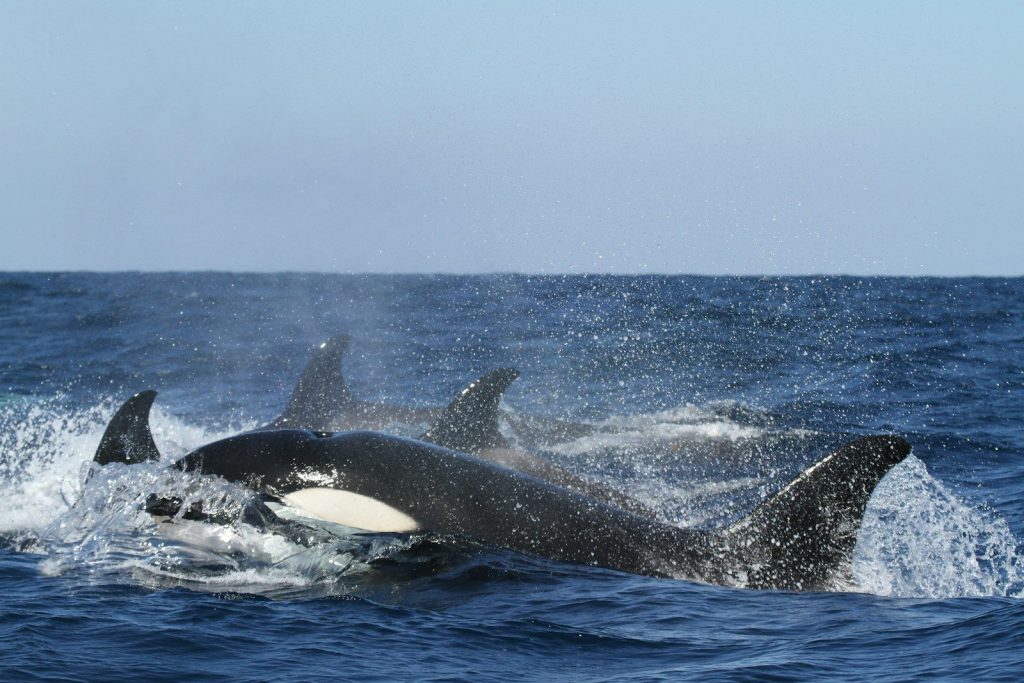
    One concern was that Type D killer whales might be very rare because they are among the most inbred animals on Earth. With so few sightings, researchers worried that the population could face a serious genetic bottleneck.

    The photo study identified 207 individual Type D killer whales across the Subantarctic. While this does not mean the global population is large, it suggests there are more individuals than scientists had previously documented.

    Their ocean journeys surprised researchers

    An orca whale swims in the calm ocean water.
    Photo by Ali Kazal on Unsplash

    One of the biggest discoveries involved how far these whales travel. Some individuals followed fishing boats that were catching toothfish, a favorite food source for part of the Type D population. This behavior was seen only within a small, socially connected group.

    Researchers recorded Type D killer whales traveling more than 4,400 kilometers (about 2,734 miles) between ocean basins. According to the study, these are the longest inter-ocean movements ever documented for killer whales.

    What these discoveries could mean

    An orca whale surfacing in calm blue water.
    Photo by Ali Kazal on Unsplash

    Lead researcher Jared R. Towers said the inter-ocean movements were the study’s most surprising finding. The long journeys suggest these whales are highly mobile and may have a relatively small global population despite the growing number of documented individuals.

    The whales were found in two main areas, the southern Indian Ocean and waters off southern Chile. Their ability to move between these distant regions gives scientists a better understanding of how this rare ecotype lives and survives.

    A new chapter for a rare ocean predator

    whale in sea
    Photo by Thomas Lipke on Unsplash

    For years, Type D killer whales were known mostly through rare encounters. This landmark study has provided the clearest picture yet of their population and remarkable movements across the Southern Ocean.

    Although many questions remain, researchers now have stronger evidence that these whales travel much farther than anyone had recorded before. Each new discovery helps uncover the hidden lives of one of the world’s most mysterious marine predators.
  • Why do speared fish attract predators underwater

    Why do speared fish attract predators underwater

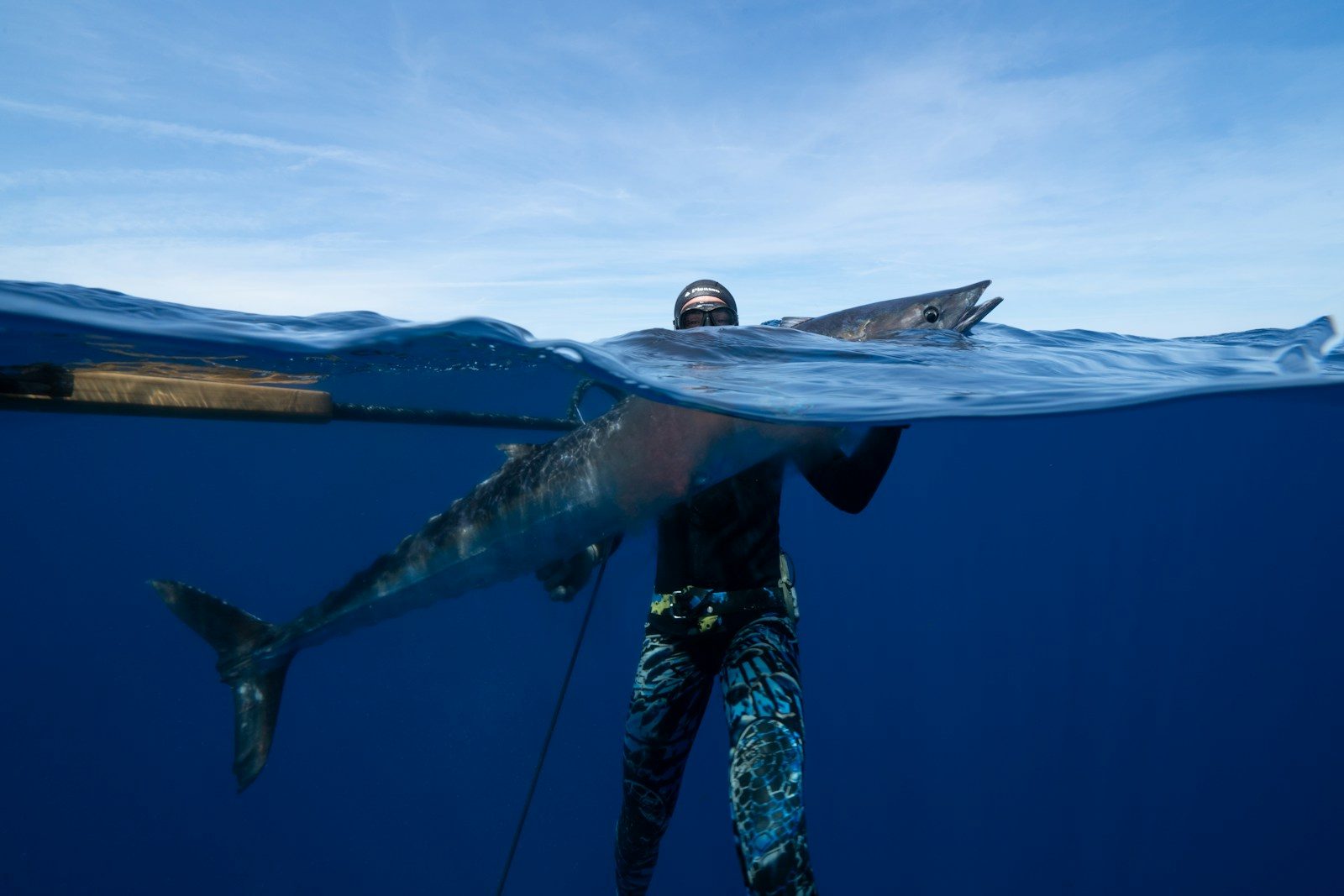
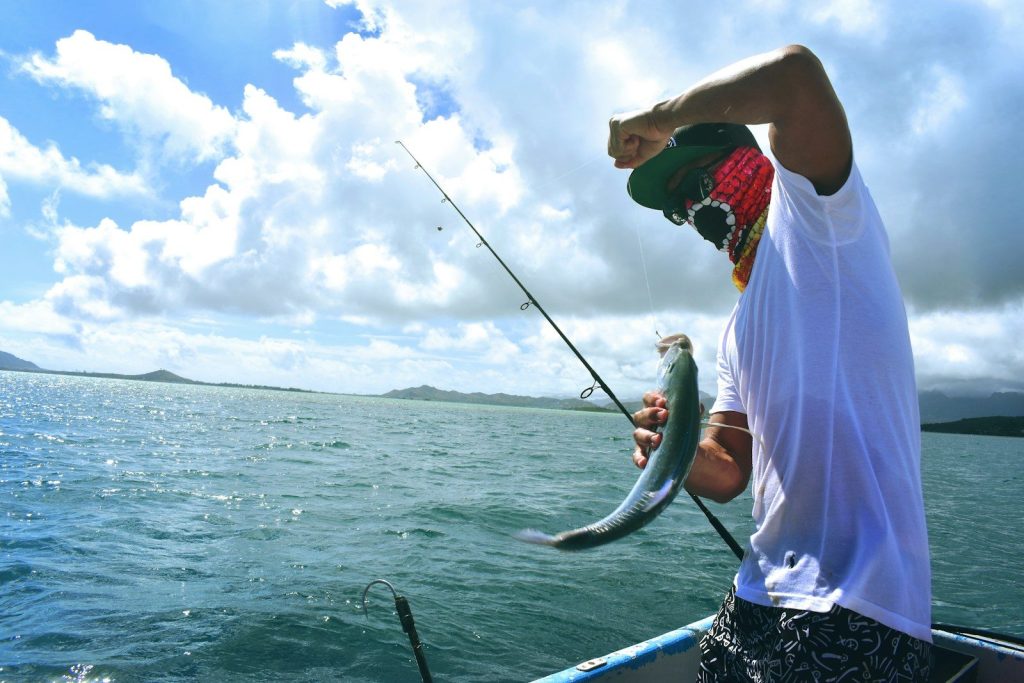
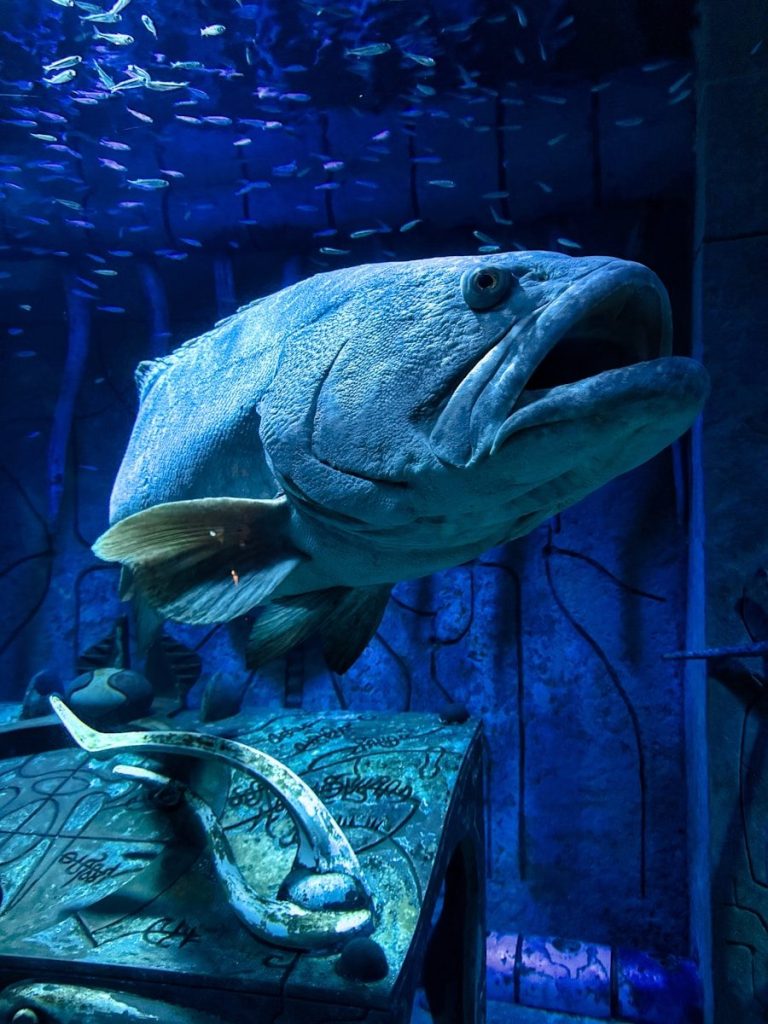
    A perfect shot underwater can quickly turn into a dangerous situation. At first, it may seem like the hard part is over once a giant grouper is hit. But the real challenge often begins after that moment.

    A struggling fish sends strong signals through the water that nearby predators can detect. This article explains why a bleeding grouper attracts attention, how the fish reacts after being speared, and why experienced divers know the greatest risk often comes after the shot lands.
    A perfect shot can change in seconds

    man in white t-shirt holding a fish
    Photo by Drew Farwell on Unsplash

    Everything looked successful at first. A giant grouper drifted upward after being hit, making it seem like the catch was under control. For a brief moment, it appeared to be the perfect ending to the hunt.
    However, underwater conditions can change very quickly. A wounded fish does not stay quiet. As it struggles, it creates movement in the water that can spread far beyond the area where the shot happened.

    Why predators notice a wounded fish

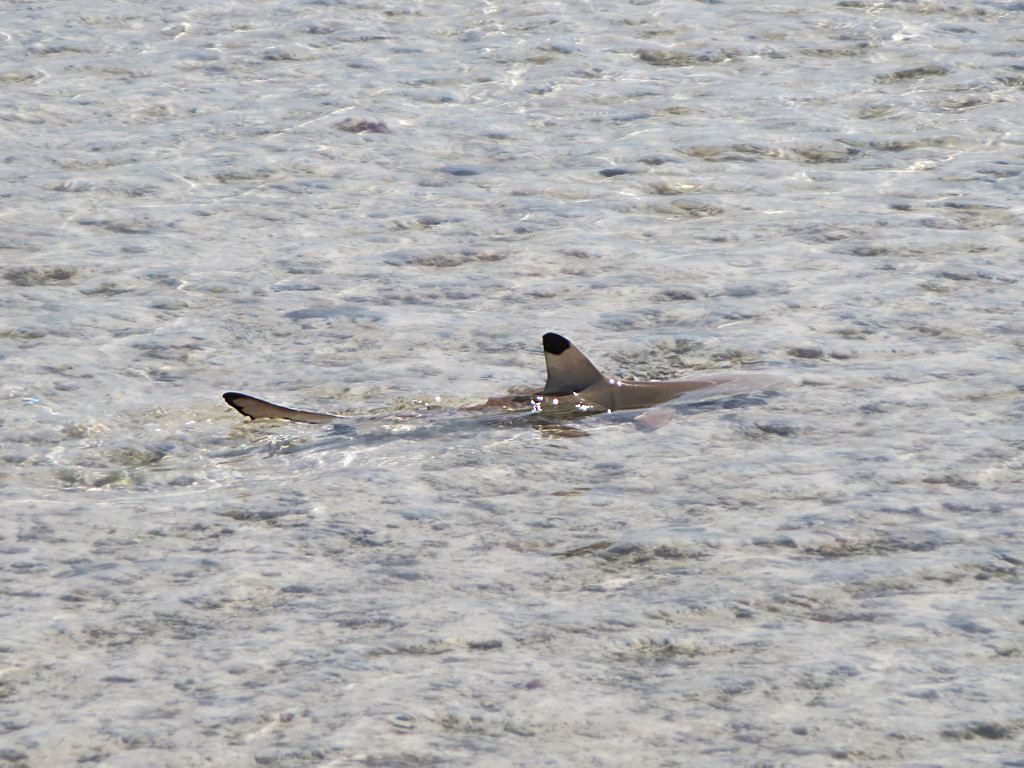
    Blacktip Reef Shark” by D-Stanley is licensed under CC BY 2.0

    A struggling fish produces vibrations that travel through the water. At the same time, blood released from the injury creates another signal that predators can detect from surprisingly long distances. These natural signs tell nearby animals that an easy meal may be available.

    Because of this, the ocean can become much more active within a short time. What begins as a successful catch may soon attract unwanted attention from larger predators moving toward the disturbance’s source.

    How giant groupers react after being hit

    A big fish that is standing on a table
    Photo by Warren Sammut on Unsplash

    Large groupers are powerful fish. Even after being speared, they often dive hard toward rocks, reefs, or other underwater structures rather than give up.

    This sudden movement can create serious problems. The fish may pull on the fishing gear with great force, making it much harder to control the situation beneath the surface.

    Why commercial spearfishers stay alert

    man catching fish with his fishing rod
    Photo by gary tresize on Unsplash

    In commercial spearfishing, landing the shot is only one part of the job. Experienced divers know they must stay aware of everything happening around them after the fish is hit.

    Once the grouper begins to bleed, the situation can become much more dangerous. Other marine predators may arrive without warning, turning a successful catch into a fast-changing underwater challenge.

    The ocean responds to every signal

    brown wooden boat on body of water
    Photo by Cast & Spear on Unsplash

    Life beneath the surface is closely connected. A wounded fish creates vibrations and a blood trail that become important signals for other animals searching for food.

    These natural reactions remind divers that they are sharing the ocean with many other creatures. Every movement can affect what happens next, especially after a large fish has been caught.

    A catch that became an unforgettable moment

    man in black leather jacket holding black fishing rod
    Photo by Cast & Spear on Unsplash

    The giant grouper was still being held when a predator appeared. The event showed how quickly conditions can change underwater after a fish is injured.

    What started as a perfect shot became a powerful reminder that the ocean is always active. In commercial spearfishing, success is measured not only by making the catch but also by understanding the risks that follow once the fish begins to bleed.