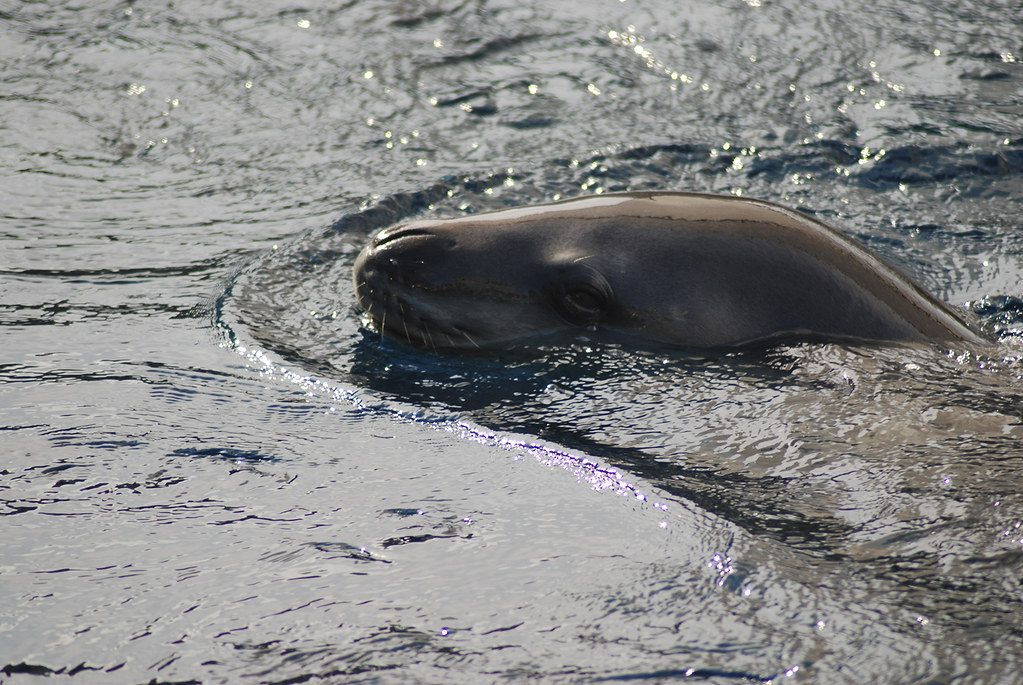
Zoos and wildlife centers have helped save many animals, but not every species can thrive in human care. Some wild animals have such specialized needs that even the best facilities cannot fully recreate their natural homes. One well-known example is Casey, the world’s only captive leopard seal, who was euthanized after years of declining health.
His story raises important questions about the limits of captivity and why some animals are better suited to life in the wild. This article explores those challenges and explains why certain species are nearly impossible to keep in captivity.
The story of the world’s only captive leopard seal
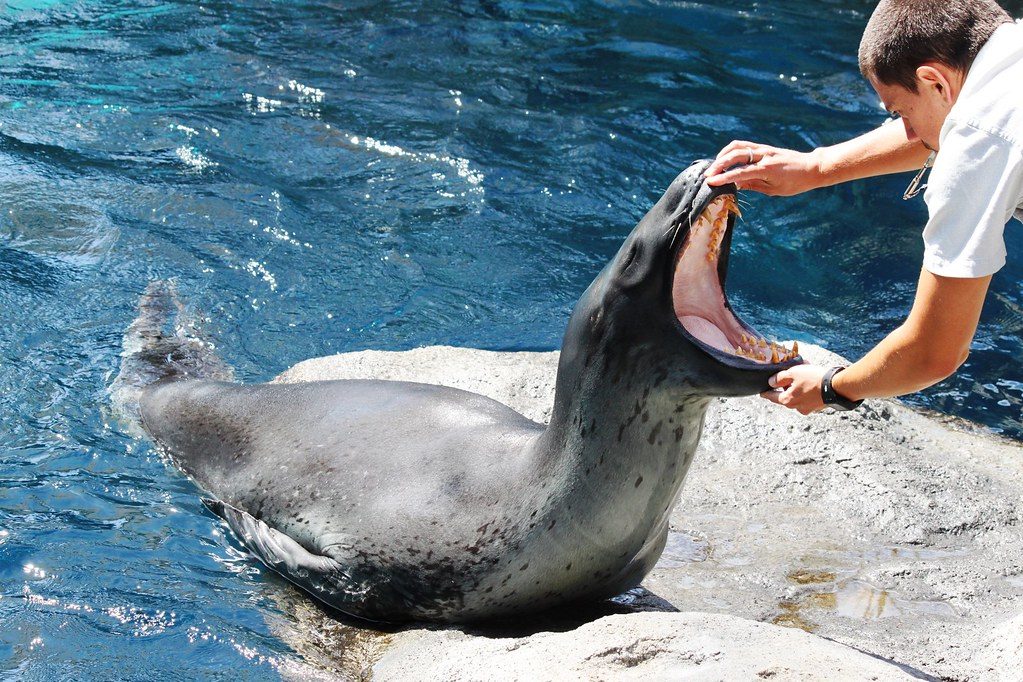
Casey was a leopard seal rescued after washing ashore near Sydney, Australia, with serious injuries and poor health. After receiving treatment, experts decided not to return him to Antarctica because they feared he could introduce diseases to wild leopard seal populations.
Casey spent several years at Taronga Zoo, becoming the world’s only captive leopard seal. In 2014, after a prolonged illness and despite extensive veterinary care, the zoo made the difficult decision to euthanize him to prevent further suffering.
Why do some animals struggle in captivity
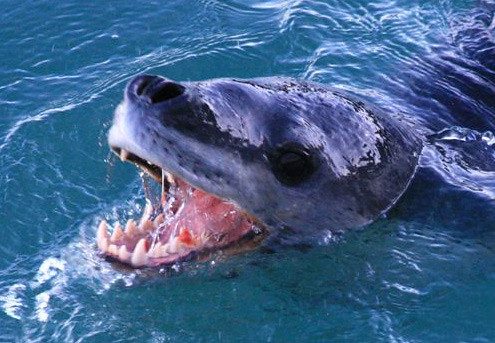
Many wild animals have evolved to live in very specific environments. Their daily lives depend on natural temperatures, food sources, hunting opportunities, and behaviors that are difficult or impossible to recreate in captivity.
Leopard seals are highly specialized predators that normally live in the cold waters surrounding Antarctica. They hunt over vast areas of ocean and rely on conditions that cannot be fully reproduced in even the most advanced zoological facilities.
Specialized behavior matters
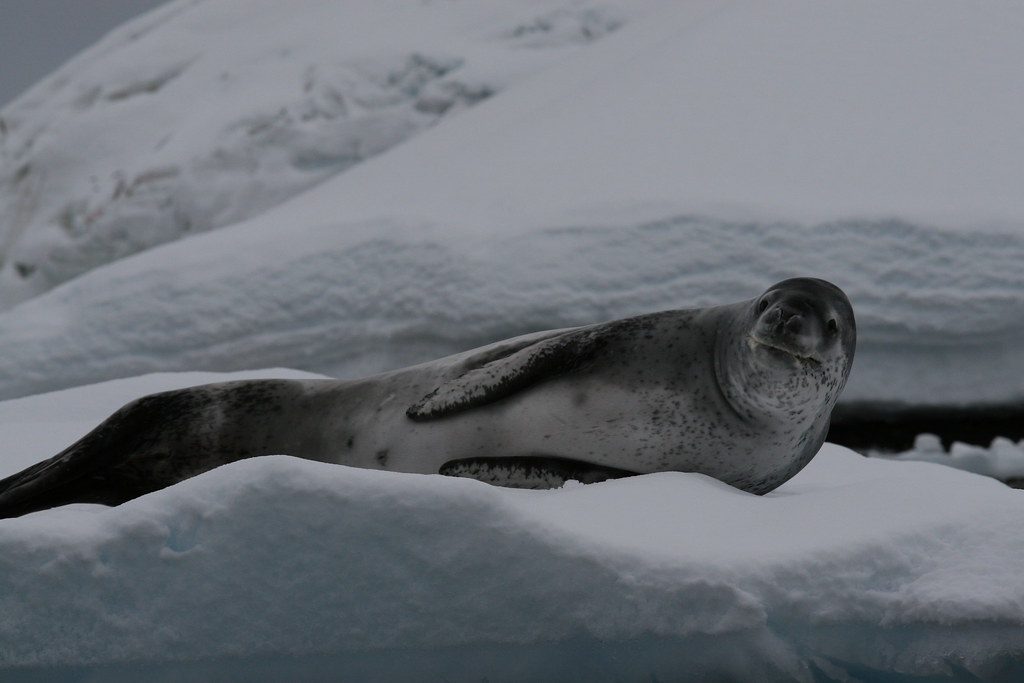
Captivity can provide food and medical care, but it cannot always replace natural behaviors. Some animals depend on long-distance movements, seasonal changes, or complex hunting techniques to stay physically and mentally healthy.
Species with highly specialized lifestyles may experience stress when these natural behaviors are limited. This is one reason wildlife experts carefully consider whether long-term captivity is appropriate for rescued animals that cannot return to the wild.
Lessons from real-life cases
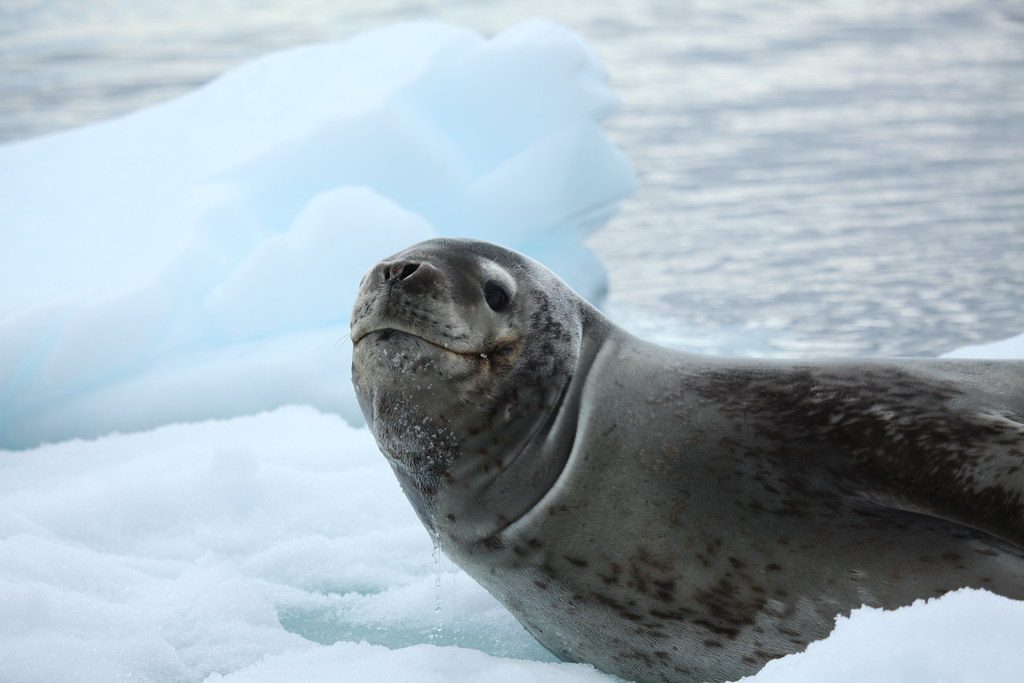
Casey’s story is one of the best-known examples of the challenges involved in caring for highly specialized marine predators. Although he received years of expert care, his case showed that some animals remain extremely difficult to keep outside their natural habitat.
His experience has become part of a broader discussion about wildlife rehabilitation, conservation, and the limits of what humans can provide for certain species. Every rescue involves balancing animal welfare, conservation needs, and the possibility of returning an animal safely to the wild.
Conservation is more than captivity
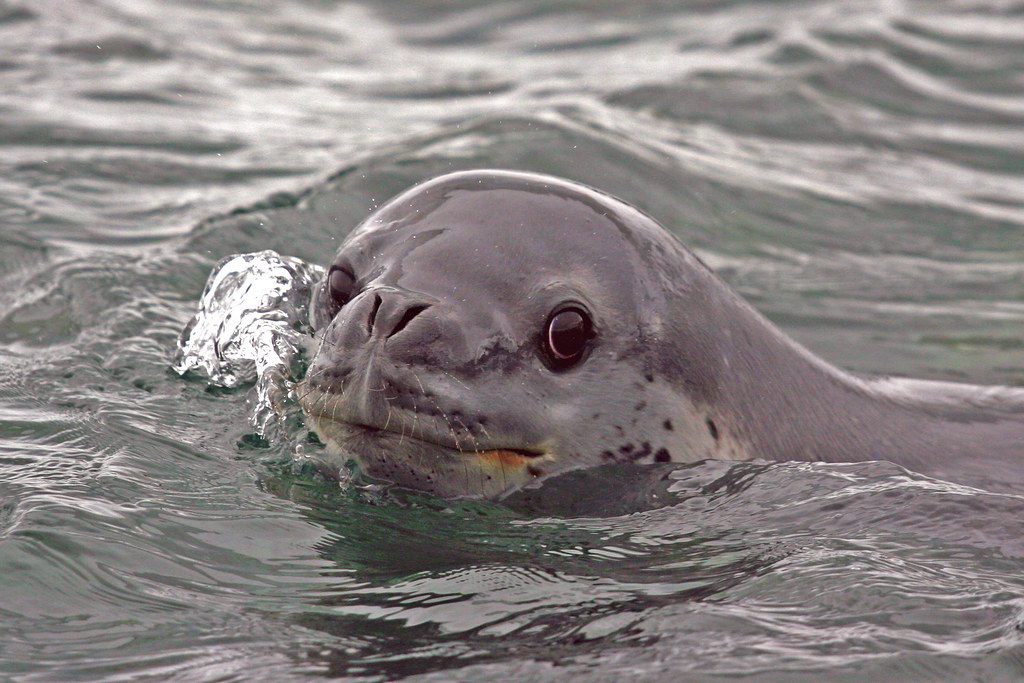
Modern conservation focuses on protecting natural habitats whenever possible. Healthy ecosystems often provide conditions that no human-made environment can fully match for animals with specialized needs.
For species that cannot safely return to the wild, wildlife professionals work to provide the highest standard of care available. However, conservation experts also recognize that captivity is not the perfect solution for every animal.
Respecting wildlife and natural habitats
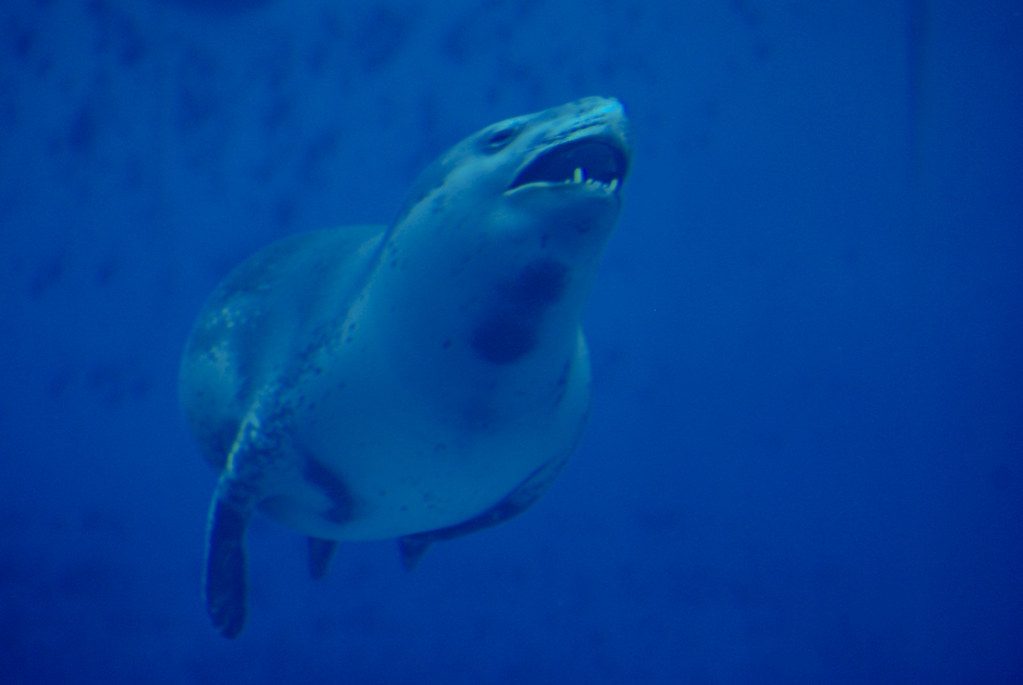
Stories like Casey’s remind us that wild animals are closely connected to the environments where they evolved. Some species can adapt well to human care, while others remain deeply dependent on their natural ecosystems.
Understanding these differences helps scientists make better decisions about rescue, rehabilitation, and conservation. It also reminds us that protecting wild habitats is often the best way to protect the animals that depend on them.
Leave a Reply