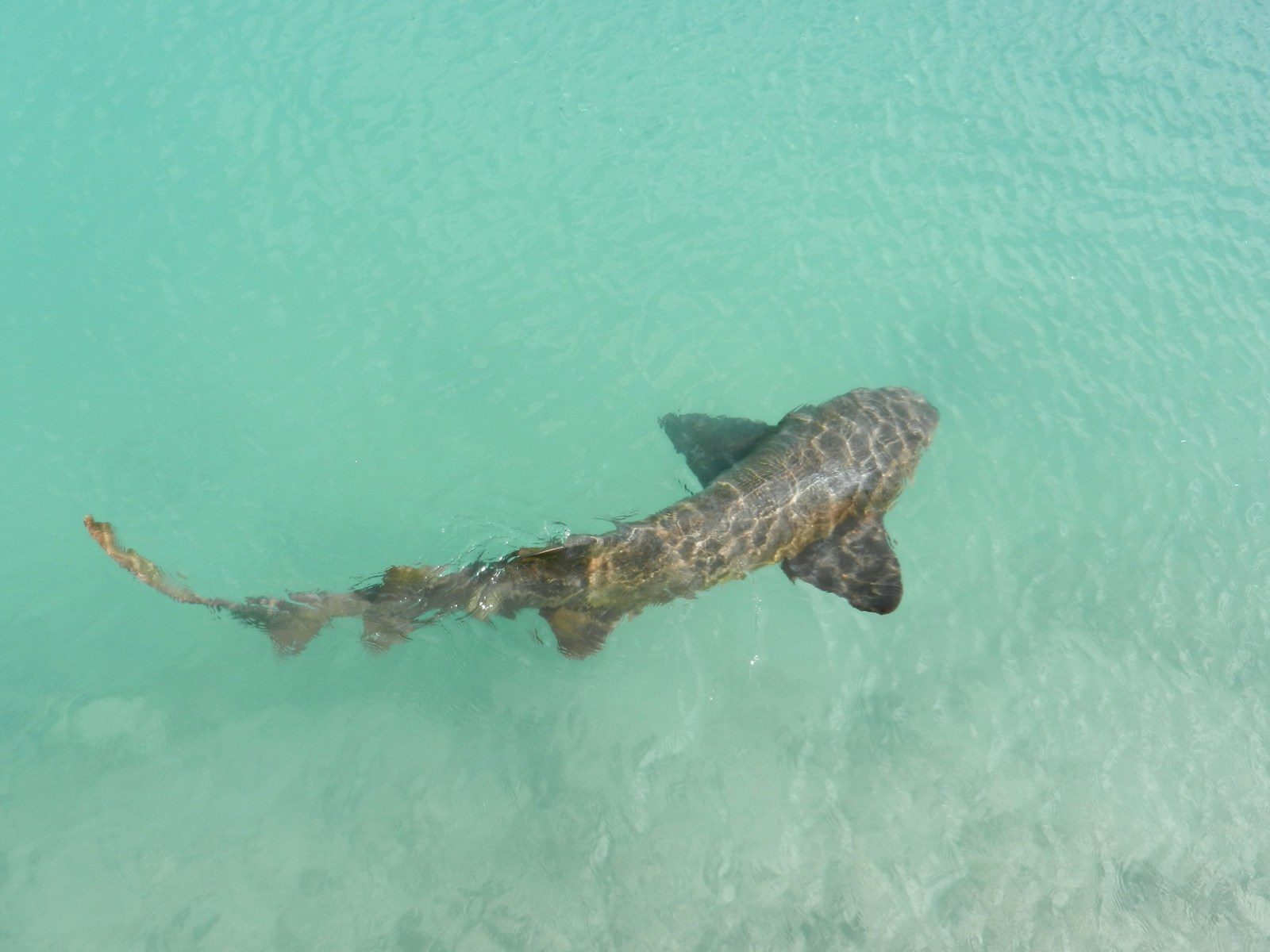
Scientists have discovered a new species of walking shark in the shallow reefs of Papua New Guinea. Unlike most sharks, this small animal uses its fins to “walk” across the seafloor instead of swimming all the time.
The discovery surprised researchers because new shark species are usually found in deep water, not in reefs less than 3 feet deep. This article explains how the new shark was discovered, why it differs from other walking sharks, and what the discovery means for science and marine conservation.
A surprising discovery during a reef survey
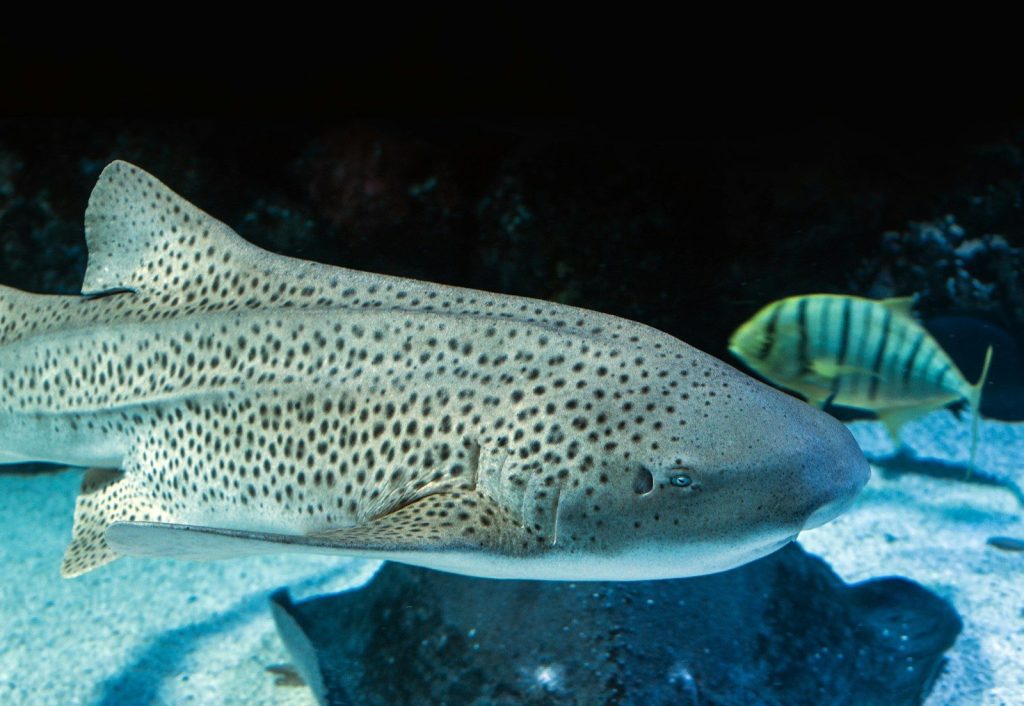
Researchers were exploring coral reefs in southeastern Papua New Guinea in search of another species, Michael’s walking shark. During the dive, they noticed a small brown spotted shark with markings they had never seen before.
Christine Dudgeon, a senior research fellow at the University of the Sunshine Coast, quickly collected the shark and brought it back to the research boat. When doctoral student Jess Blakeway looked closely, she realized the animal’s body pattern was unlike any known walking shark.
How scientists confirmed a new species
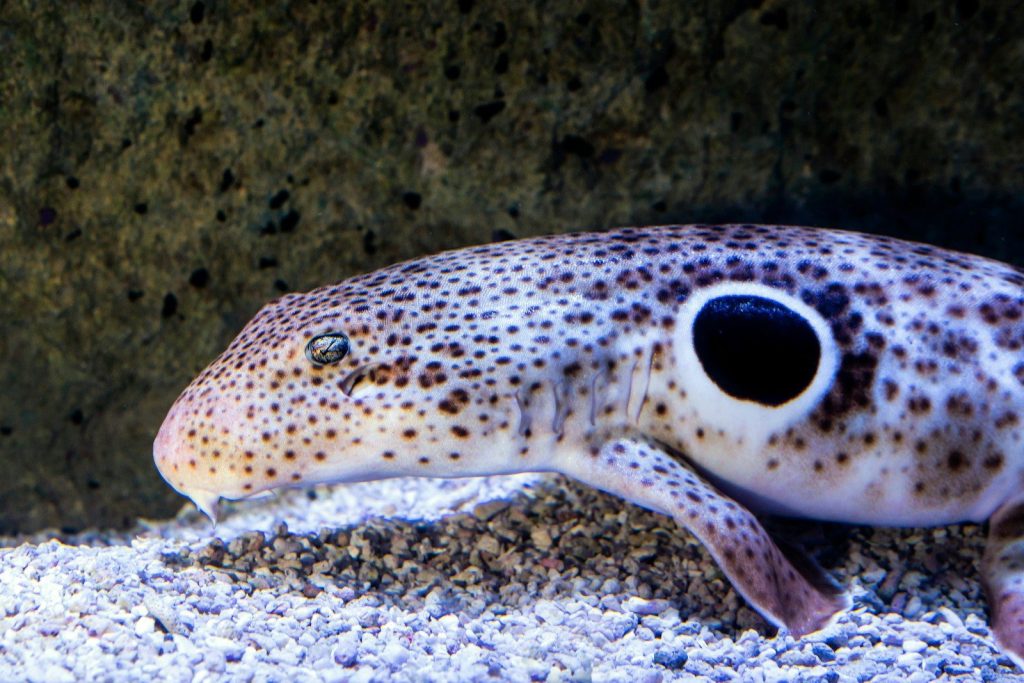
At first, the team was unsure whether the unusual markings belonged to a single shark or represented a new species. They returned to nearby reefs to continue searching for more individuals.
Within two days, the researchers found 11 more sharks at three different locations. Every shark showed the same unique pattern of white dashes and brown spots. Later, DNA testing confirmed that the population represented a previously unknown species named Hemiscyllium dudgeonae, or Dudgeon’s walking shark. The discovery increases the number of known walking shark species to 10.
Why walking sharks are so unusual
Walking sharks belong to a group of small carpet sharks that live around coral reefs rather than in the open ocean. Rather than relying only on swimming, they use their pectoral and pelvic fins to move across the seafloor.
This special movement is especially useful during low tide. As reef pools become shallow and oxygen levels drop, walking allows the sharks to keep searching for small prey while many other fish would struggle. Scientists have found that some walking sharks can tolerate low oxygen conditions for hours.
Why the discovery matters
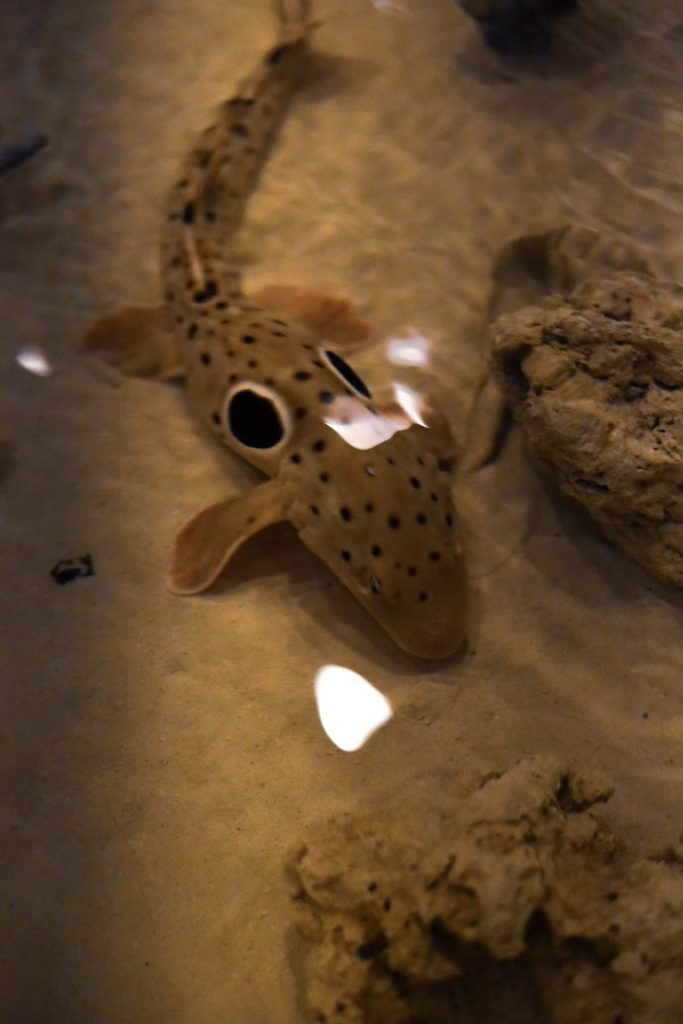
New shark species are not found very often, especially in shallow coastal waters. Most recent shark discoveries have come from much deeper parts of the ocean, making this find especially exciting for marine scientists.
The discovery also highlights how much biodiversity remains hidden in tropical reefs. Even areas that have been explored before can still contain species that scientists have never formally described.
A species that may need protection

So far, Dudgeon’s walking shark has only been recorded at three locations in Papua New Guinea. If future studies confirm that its range is very small, the species could face risks from habitat loss, climate change, coral reef damage, and overfishing.
Walking sharks usually stay close to the reefs where they hatch. Because they do not travel long distances, they may have difficulty returning to damaged habitats or establishing new populations elsewhere. This makes protecting their reef homes especially important.
Scientists hope to learn even more
The research team plans to continue studying reefs across Papua New Guinea to better understand the new species and its habitat. More surveys may reveal additional populations or provide new information about their behavior.
The discovery is also a reminder that sharks are far more diverse than many people realize. Most shark species are not dangerous to humans, and many continue to surprise scientists with their unique adaptations and remarkable lifestyles.
Leave a Reply