
A giant fish with a bright red fin and a long silver body can look more like a sea monster than a real animal. That is exactly why videos of giant oarfish spread so quickly whenever one washes up on a beach.
Most people never see these unusual fish alive because they spend nearly their entire lives deep beneath the ocean’s surface. This article explains where giant oarfish live, why they are so rarely seen, what makes them look so unusual, and why scientists are still learning about one of the ocean’s most mysterious giants.
A giant from the deep ocean
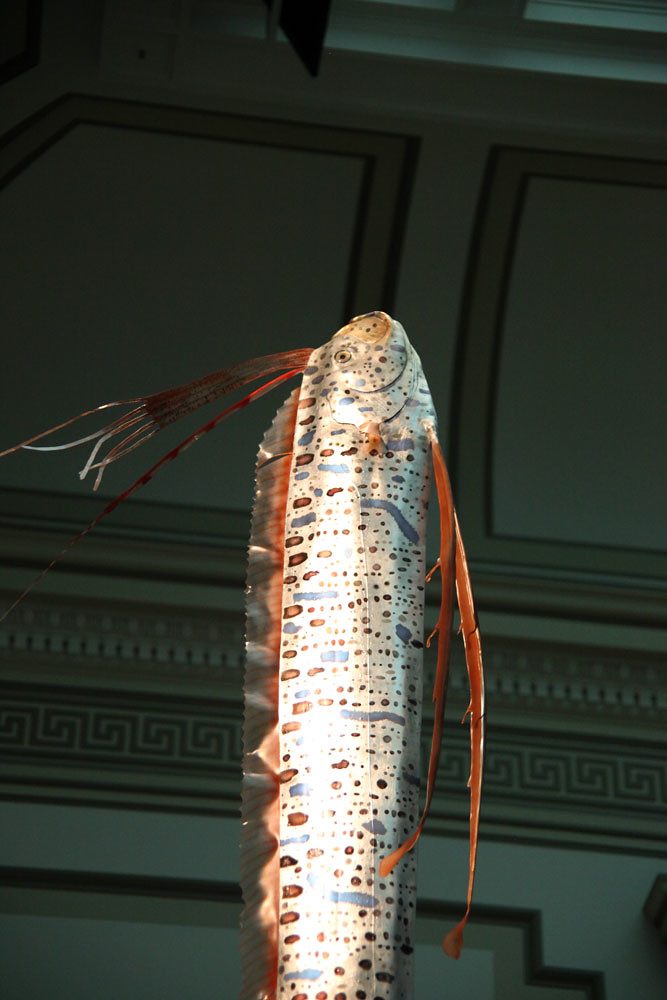
The giant oarfish spends its life far below the surface, often living hundreds to thousands of feet beneath the waves. Because it rarely comes close to shore, encounters with living oarfish are extremely uncommon.
When one washes up on a beach, it quickly attracts attention. Many people have never seen an animal like it before, making every stranding an important event for both the public and marine scientists.
Why does it look like a sea monster
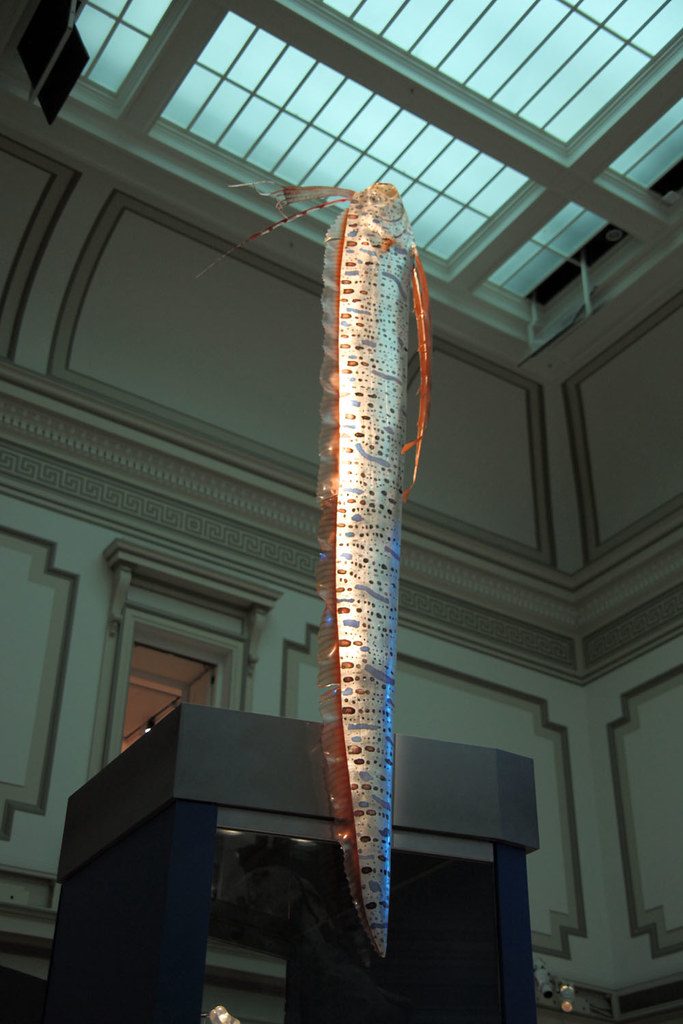
The giant oarfish has a long ribbon-like body that can reach impressive lengths. Its silver skin, protruding jaw, and bright red dorsal fin give it an appearance unlike almost any other fish.
For centuries, these unusual features have inspired stories about sea serpents and ocean monsters. Today, scientists know the fish is real, but its appearance remains just as remarkable as the old legends.
Why scientists rarely see them alive
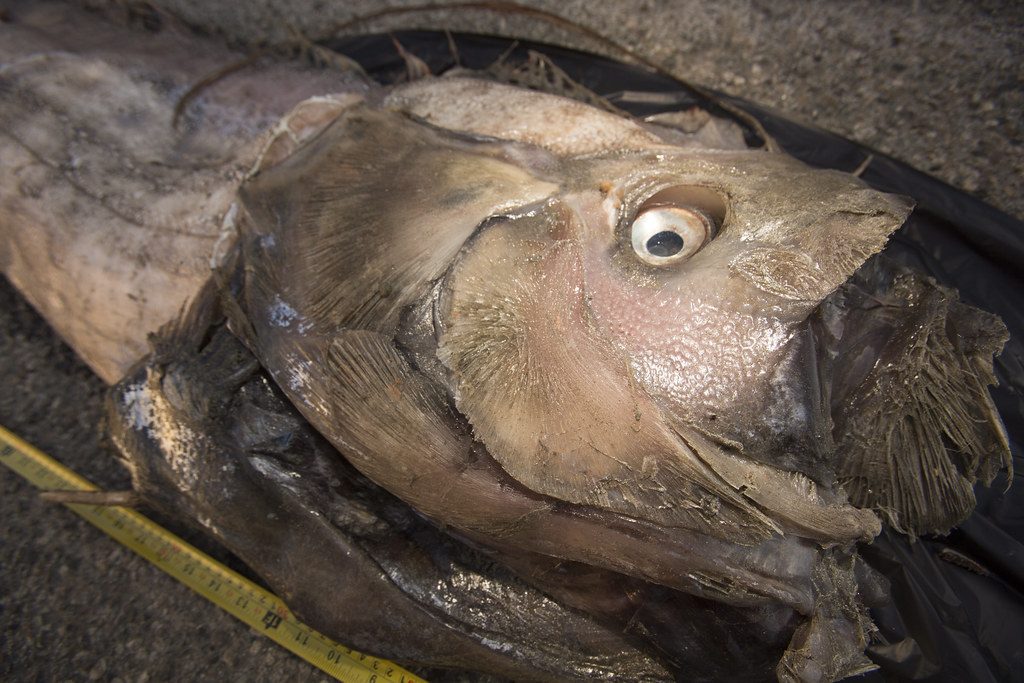
Oarfish live in deep ocean waters where sunlight barely reaches. Their habitat makes it difficult for researchers to observe them in the wild, so much of what scientists know comes from stranded animals or rare underwater sightings.
Most oarfish that reach the surface are sick, injured, or dying. Healthy individuals usually remain in the deep ocean, far away from people and coastal waters.
The truth behind the mystery
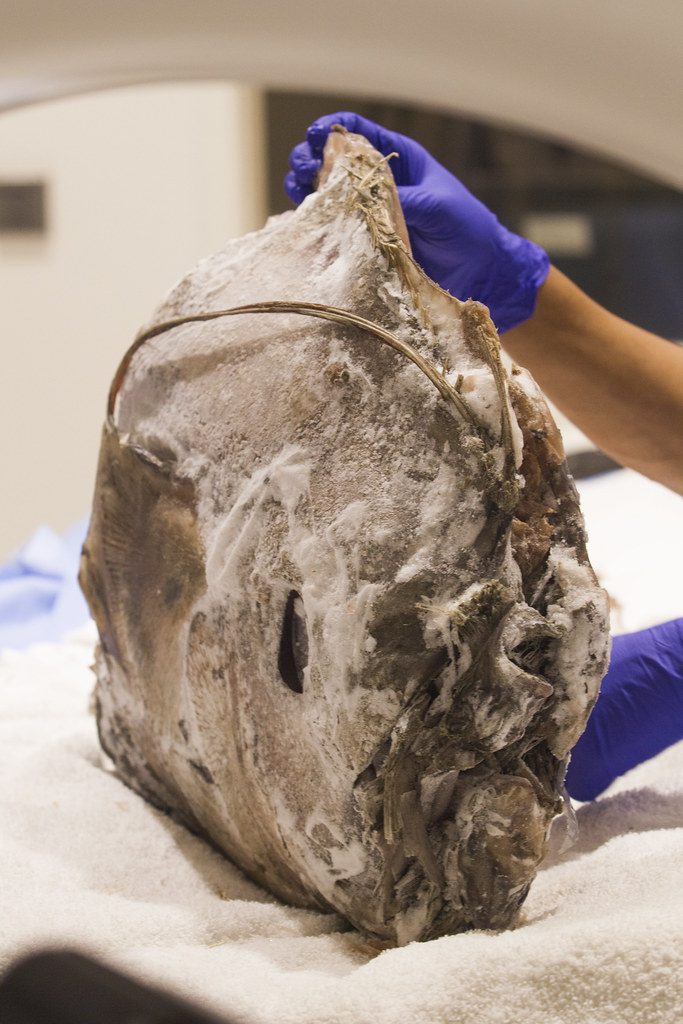
In some cultures, giant oarfish are known as “doomsday fish” because folklore claims they appear before earthquakes or tsunamis. These stories have spread widely whenever an oarfish washes ashore.
Scientists have found no reliable evidence that oarfish can predict natural disasters. Most researchers believe the strandings are more likely linked to illness, injury, or changing ocean conditions than to upcoming earthquakes.
What researchers still do not know
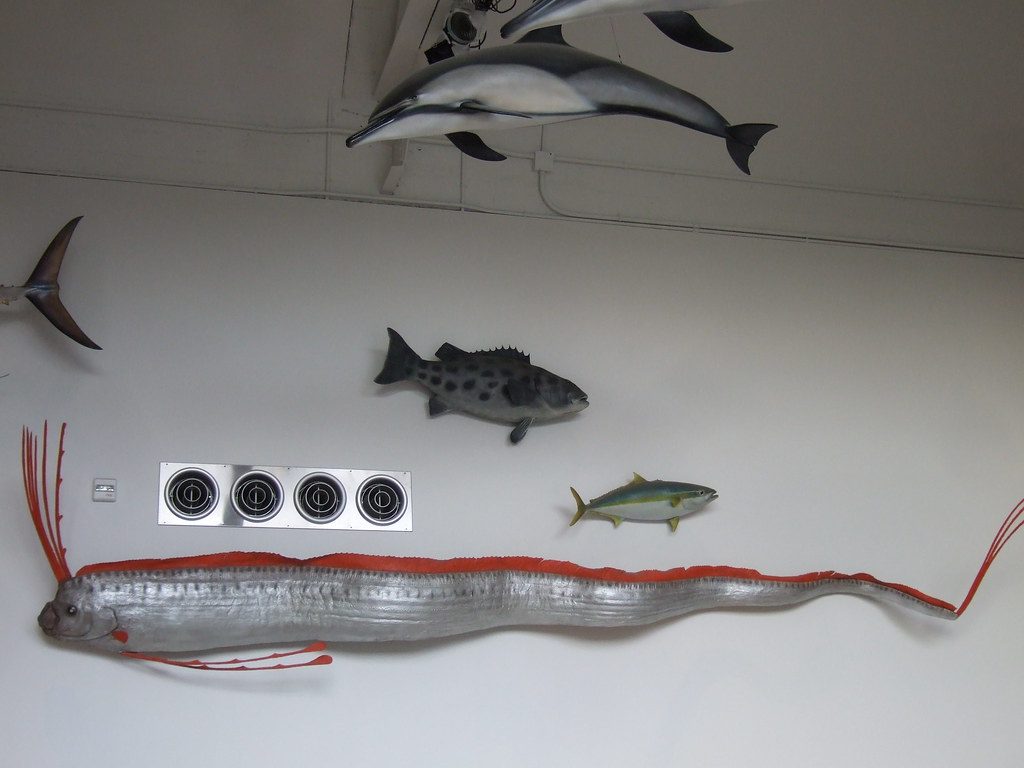
Despite being one of the longest bony fish in the world, the giant oarfish remains difficult to study. Researchers are still learning about its behavior, reproduction, lifespan, and movements through the deep ocean.
Every stranded specimen gives scientists a valuable chance to examine an animal that is rarely available for research. Each new discovery helps fill gaps in our understanding of this elusive species.
A reminder of the ocean’s hidden life
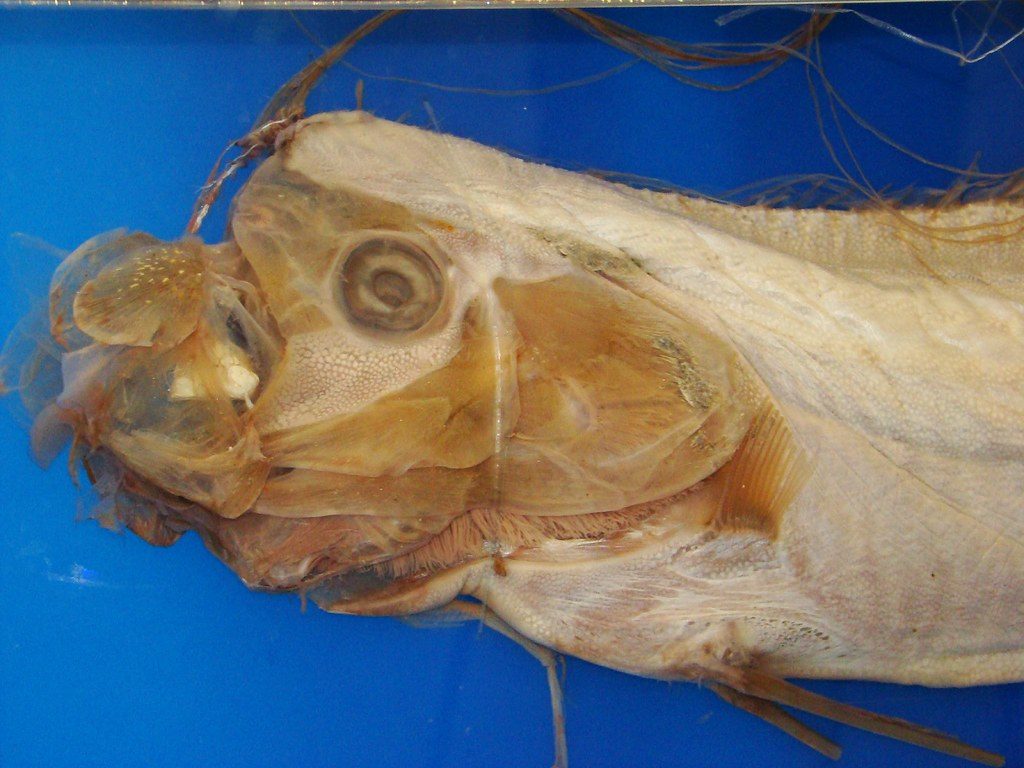
The giant oarfish reminds us that much of the deep ocean is still unexplored. Even today, scientists continue discovering new information about animals that spend their lives far below the surface.
When an oarfish washes ashore, it may look like a mythical sea monster. In reality, it is one of the ocean’s most extraordinary fish and a reminder that many mysteries still exist beneath the waves.
Leave a Reply