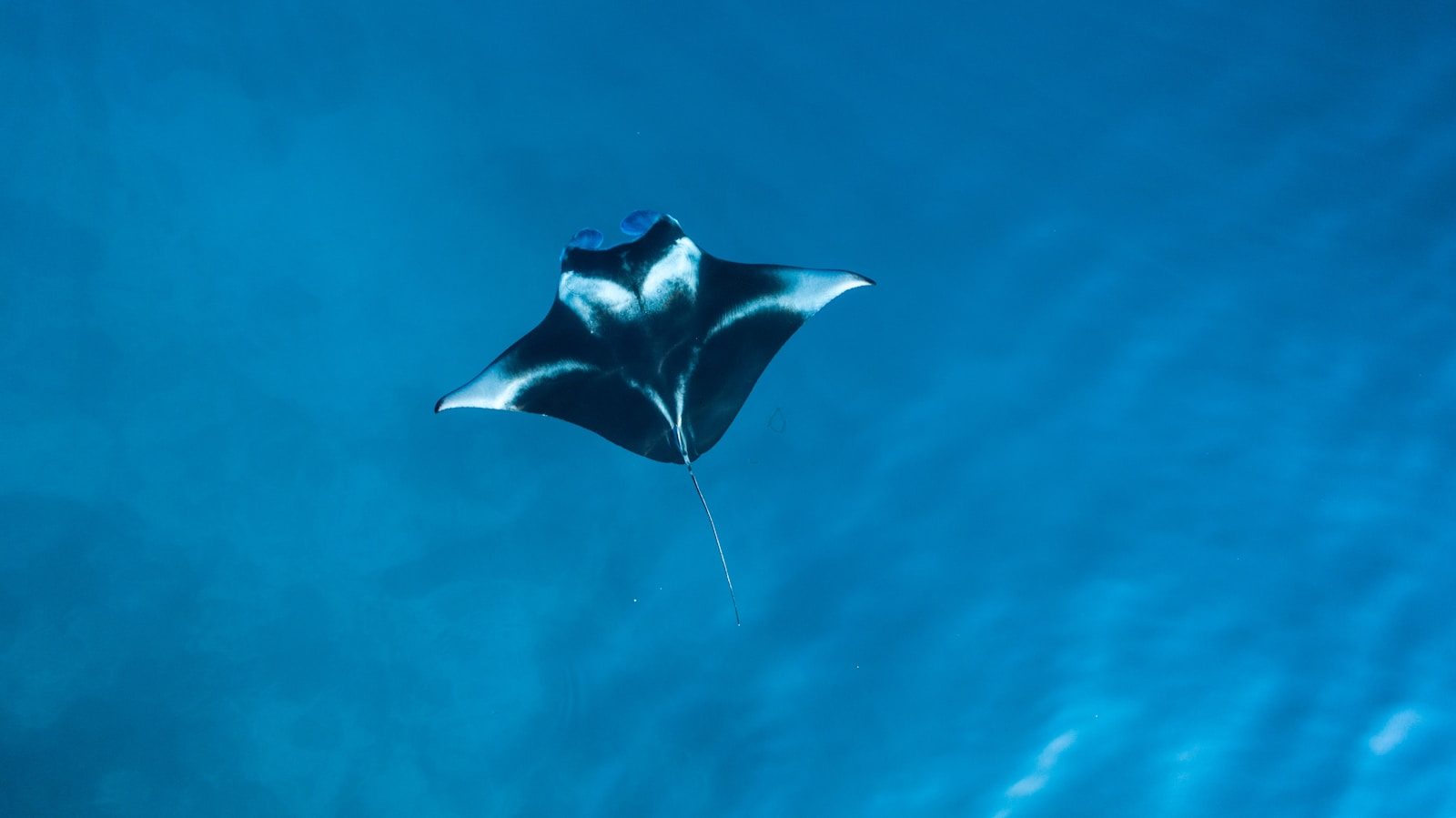
A giant manta ray can appear from the deep ocean almost without a sound. With wings that can stretch close to 8 meters, these graceful animals move through the water like underwater aircraft. They glide with remarkable efficiency, yet they also make deep dives into dark, cold waters where sunlight barely reaches.
Scientists are still discovering why they make these journeys and how intelligent they may be. This article explores the amazing abilities of giant manta rays, their mysterious deep dives, and why these gentle giants remain one of the ocean’s greatest mysteries.
A giant built for effortless movement
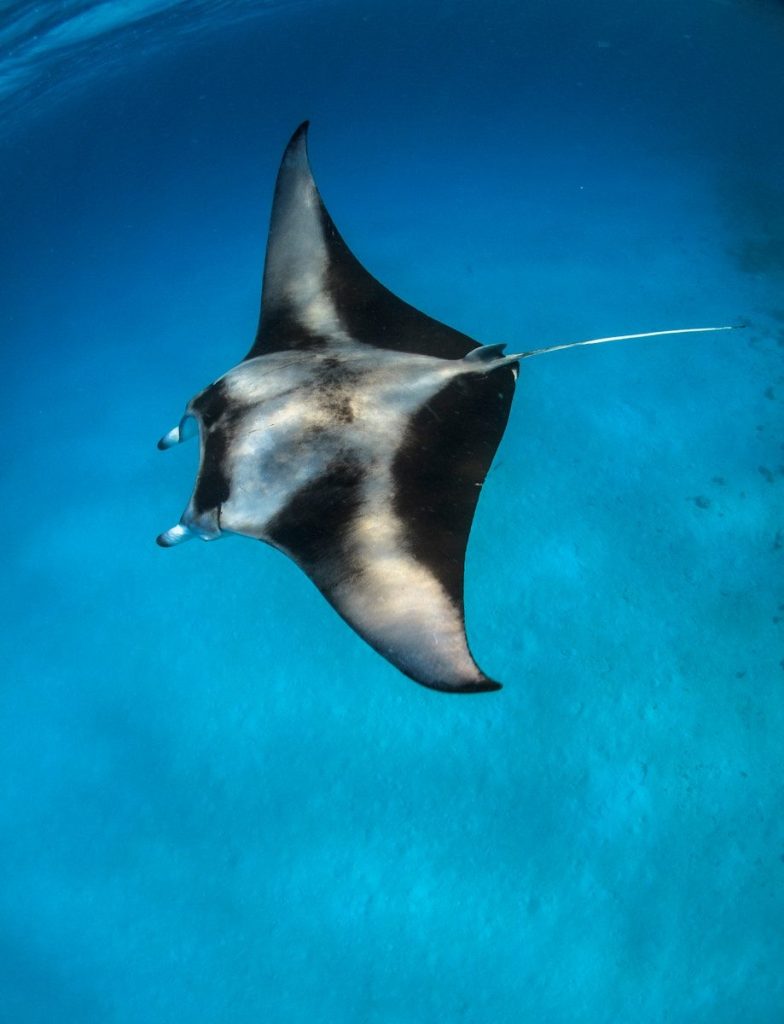
The giant oceanic manta ray is the world’s largest ray. Its broad wing-like fins allow it to glide through the water with very little effort while searching for food across vast areas of the ocean.
Unlike many other large marine animals, manta rays are filter feeders. They swim with their mouths open, collecting tiny zooplankton rather than hunting large prey. Their smooth movements help them travel long distances while using energy efficiently.
Why do manta rays dive into the deep?
Although they are often seen near the ocean’s surface, giant manta rays regularly dive hundreds of meters into dark, cold water. These deep dives expose them to environments with little light and much lower temperatures.
Scientists believe these dives may help manta rays gather information about their surroundings or locate food that lives far below the surface. Recent research suggests the dives may also help them navigate across the open ocean.
More intelligent than many people realize
Researchers have found that giant manta rays have the largest brain-to-body ratio of any fish. Studies also suggest they possess advanced learning abilities, strong memory, and complex problem-solving skills.
Some research has even suggested that manta rays may recognize themselves in mirrors, a behavior associated with high levels of cognitive ability in only a small number of animal species. While scientists continue to study this behavior, the findings highlight how remarkable these animals may be.
Their social lives are still being explored
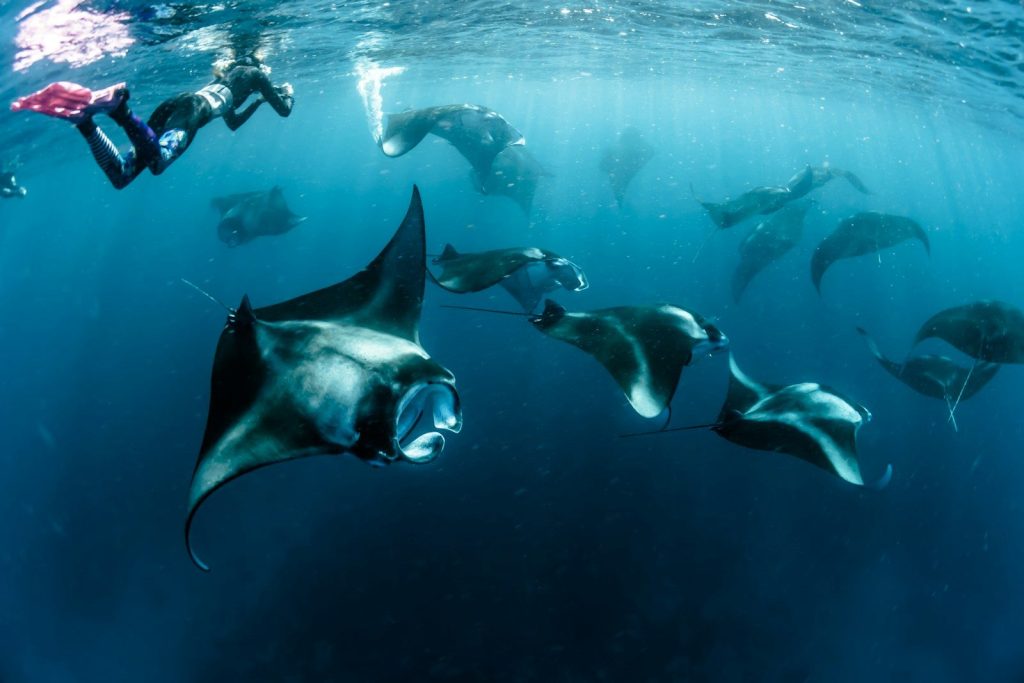
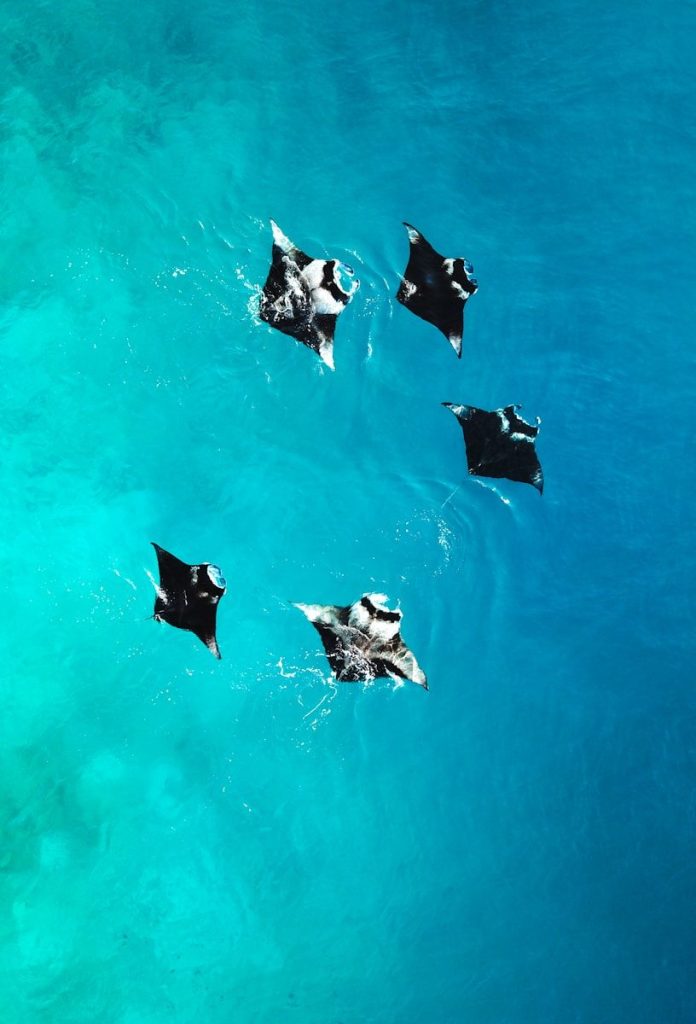
Giant manta rays are not always solitary animals. Researchers have observed them gathering at feeding sites, cleaning stations, and other important locations where they interact with one another.
Scientists are still learning how these interactions work. Recent studies suggest manta rays may have more organized social relationships than previously believed, but many questions about their communication and group behavior remain unanswered.
Every discovery reveals new mysteries
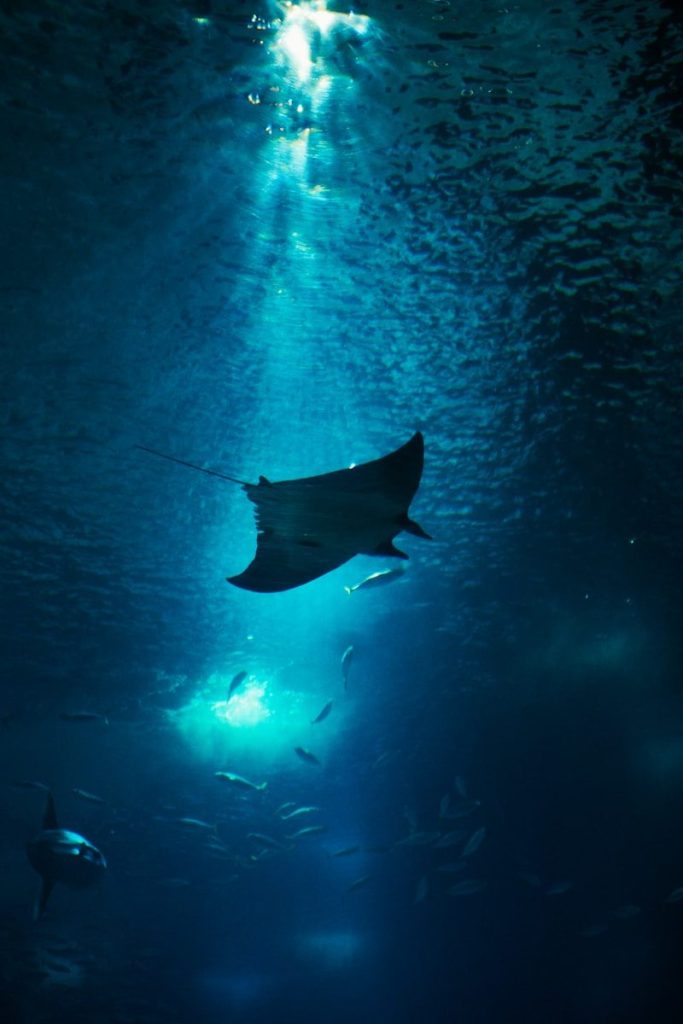
Despite decades of research, giant manta rays continue to surprise scientists. New tracking studies have shown that their deep dives are more complex than researchers once thought, raising fresh questions about how they use the open ocean.
The deeper scientists investigate, the more they realize these animals are far from simple. Each new discovery reveals another part of a life that is still largely hidden beneath the waves.
Why protecting manta rays matters
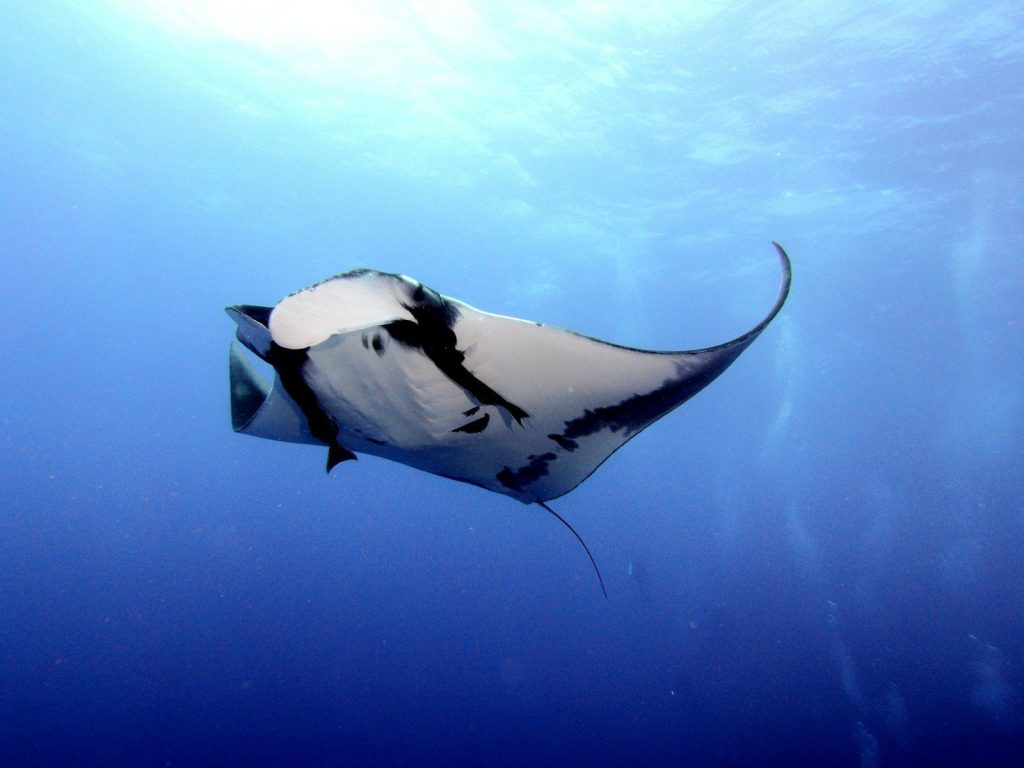
Giant manta rays grow slowly, produce few young, and face threats from fishing, bycatch, and habitat changes. Because of these factors, protecting their populations is important for the future of the species.
Learning more about how manta rays travel, feed, and interact helps scientists develop better conservation strategies. Every new study brings us closer to understanding and protecting one of the ocean’s most extraordinary animals.
Leave a Reply