
The ocean often changes before people notice anything unusual. Some scientists believe sharks may detect these changes long before humans can. Studies have found that tagged sharks sometimes change their normal movements before earthquakes and other underwater events.
While researchers are still trying to understand why this happens, the findings have raised exciting questions about how sharks sense their environment. This article explains what scientists have discovered, how sharks detect environmental changes, and why more research is needed before these behaviors can be used to predict natural disasters.
Why scientists are studying shark behavior

Sharks have some of the most advanced senses in the animal kingdom. They can detect tiny electrical signals, water movement, and other environmental changes that most animals cannot notice.
Because of these remarkable abilities, scientists have begun studying how sharks behave before earthquakes and other underwater events. Tagged sharks have occasionally shown unusual movement patterns before certain natural events, leading researchers to investigate whether the behaviors are connected.
What researchers have observed
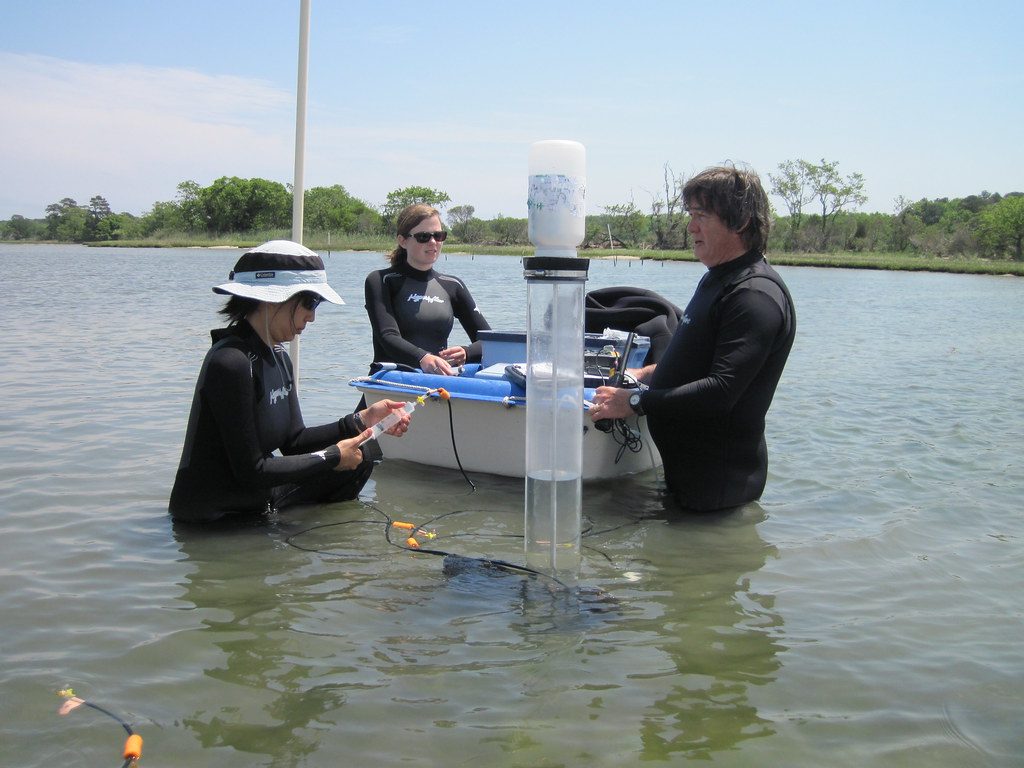
In several studies, sharks fitted with tracking devices moved differently before some underwater disturbances. Instead of following their normal travel routes, they changed direction or left certain areas before the events occurred.
These observations have attracted scientific interest because the movement patterns appeared unusual compared with the sharks’ normal behavior. However, researchers stress that these findings do not yet prove sharks can predict earthquakes.
How sharks may detect changes

One possible explanation involves electromagnetic fields. Sharks have special sensory organs called the ampullae of Lorenzini that allow them to detect extremely weak electrical fields produced by living animals and changes in their surroundings.
Scientists have also suggested that sharks may respond to changes in water pressure or other environmental conditions that sometimes precede underwater geological events. At this stage, these ideas remain scientific hypotheses rather than proven explanations.
Why the evidence is still limited

Although the research is fascinating, scientists caution against drawing firm conclusions too soon. Unusual animal behavior has been reported before earthquakes for centuries, but establishing consistent scientific proof has been difficult.
Many experts believe that more long-term tracking studies are needed. Researchers must determine whether sharks behave differently before earthquakes often enough to separate meaningful patterns from normal movement changes.
What this could mean for science

If future research confirms a reliable connection, studying shark movements could improve our understanding of how marine animals respond to changes in the Earth’s environment. It could also reveal new information about shark biology and sensory systems.
Even if sharks cannot predict disasters, their remarkable senses continue to help scientists learn more about the hidden world beneath the ocean’s surface. Every new study brings researchers closer to understanding these extraordinary predators.
A mystery that still needs answers

The idea that sharks may sense approaching natural disasters remains one of the most interesting questions in marine science. Their unusual movements before some underwater events have encouraged researchers to continue investigating the possibility.
For now, the evidence suggests there may be a connection, but it is not yet strong enough to say sharks can predict earthquakes or other disasters. Scientists will need much more data before reaching that conclusion.
Leave a Reply