The deep ocean remains one of the least explored places on Earth. Far below the surface, where sunlight never reaches, scientists use sensitive underwater microphones called hydrophones to listen to what is happening in the darkness. Sometimes they hear whales, earthquakes, or shifting ice. Other times, they record sounds that seem impossible to explain.
Over the years, researchers have captured powerful signals coming from depths exceeding 1,000 meters. While many mysterious recordings have eventually been identified, some sounds remained unexplained for years and sparked worldwide fascination. These strange noises continue to remind scientists how little we truly know about the deep sea.
The ocean is far from silent
Many people imagine the deep ocean as a quiet and empty place. In reality, it is filled with sound. Whales communicate across vast distances, underwater earthquakes send vibrations through the water, and shifting ice can create noises powerful enough to travel thousands of miles.
To monitor these sounds, scientists deploy hydrophones on the seafloor and throughout the ocean. These instruments can detect everything from animal calls to geological activity, helping researchers study parts of the ocean that remain difficult to explore directly.
The sound that shocked researchers
One of the most famous examples is a mysterious signal known as “The Bloop.” It was recorded in 1997 by NOAA hydrophones in the Pacific Ocean and was so powerful that it was detected by sensors thousands of miles apart.
At first, nobody knew what caused it. Because the sound seemed unusually loud and resembled some biological noises, speculation quickly spread that it could have come from an unknown giant marine creature living in the deep ocean.
Why did people think it was a monster?
The Bloop captured public imagination because the deep sea remains largely unexplored. When a sound appears that does not match anything familiar, theories naturally emerge about undiscovered animals or mysterious ocean creatures.
Researchers themselves admitted the sound was unusual. It was louder than any known animal call and traveled across enormous distances, making it one of the strangest underwater recordings ever captured.
The explanation took years to find
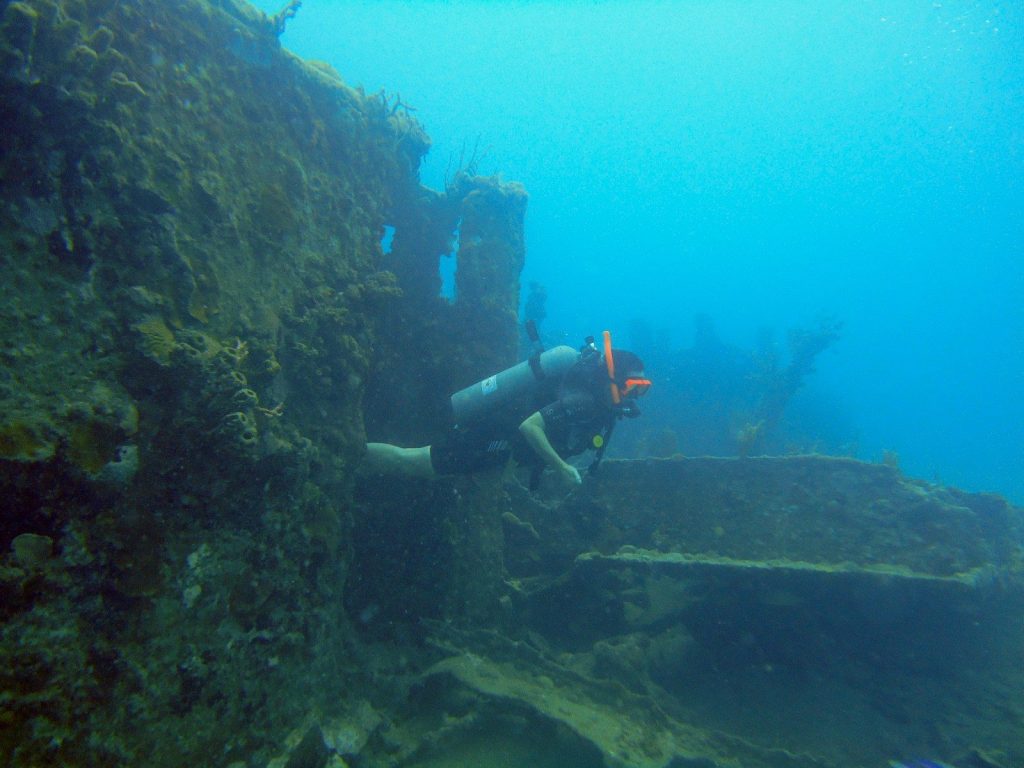
Scientists spent years comparing the recording with other ocean sounds. Eventually, NOAA researchers concluded that the source was not a giant sea creature but an icequake caused by large Antarctic ice masses cracking and breaking apart.
The discovery solved one mystery but revealed another reality. Natural processes in remote parts of the world can generate sounds so powerful that they travel across entire ocean basins, demonstrating how dynamic and interconnected Earth’s oceans really are.
Some sounds remain difficult to identify
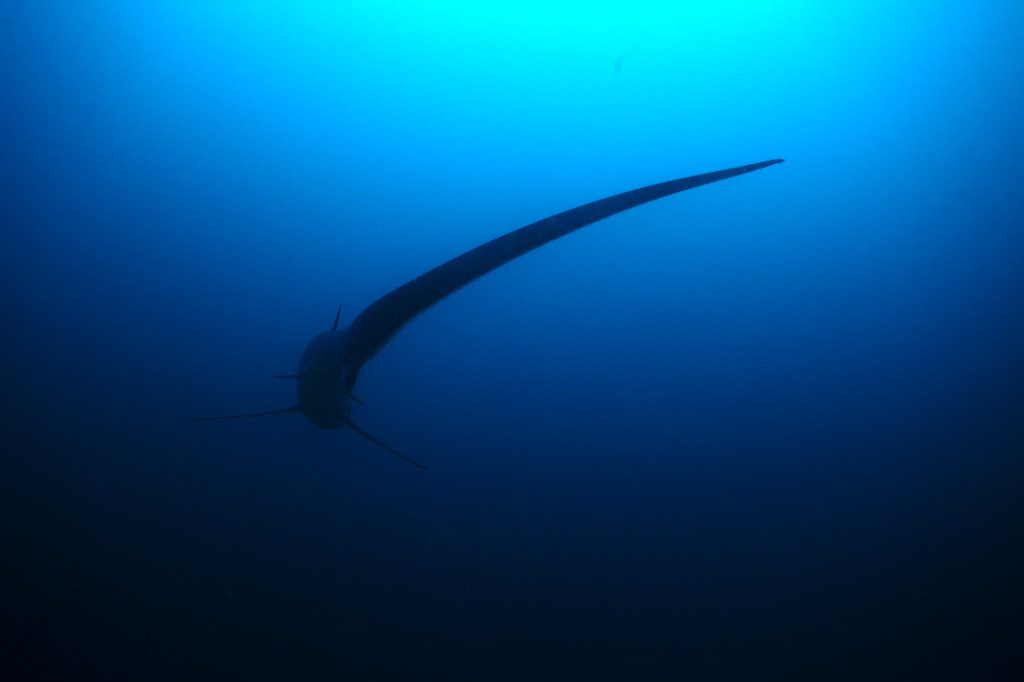
Not every mysterious ocean sound has been explained immediately. NOAA hydrophone networks have recorded signals with names such as Julia, Upsweep, and Slow Down, many of which puzzled researchers for years before likely sources were identified.
Other recordings have required decades of study. In some cases, scientists eventually linked mysterious sounds to marine animals, while others turned out to be geological events, ice activity, or complex environmental processes that were previously unknown.
The deep ocean still holds secrets
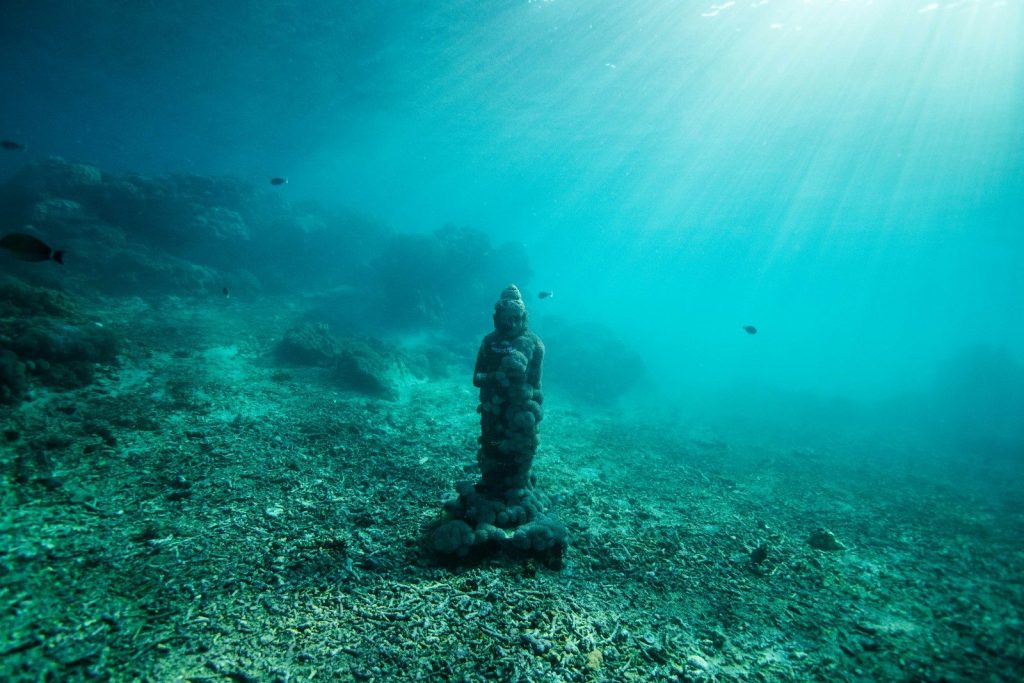
Despite major advances in technology, much of the deep ocean remains poorly understood. Researchers continue to discover new species, unexplored habitats, and unexpected behaviors in regions that humans rarely visit.
Every unexplained sound serves as a reminder that the ocean still has many secrets left to reveal. What seems mysterious today may have a scientific explanation tomorrow, but until then, the strange signals echoing through the darkness continue to fuel curiosity about the world’s last great frontier.
Leave a Reply