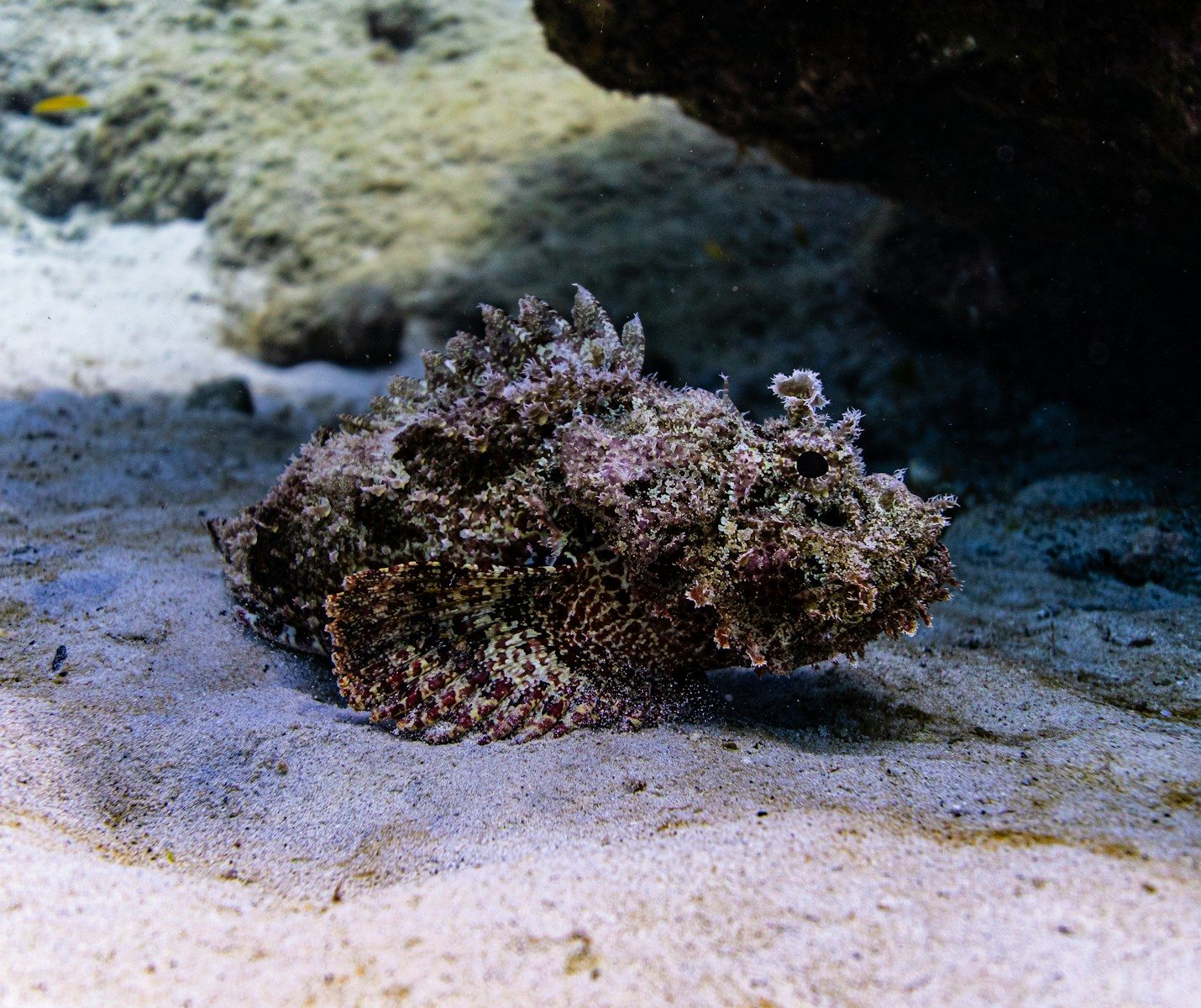
The ocean is filled with breathtaking creatures, but some of its most beautiful residents are also among its most dangerous. Many people picture sharks when they think of deadly marine animals, yet some of the ocean’s greatest threats are much smaller, quieter, and harder to spot.
From venomous fish that blend into the seafloor to tiny octopuses carrying powerful toxins, these creatures have evolved remarkable ways to hunt, defend themselves, and survive. Here are six marine animals whose deadly abilities make them some of the most fascinating and feared creatures in the sea.
Blue-ringed octopus carries a powerful toxin
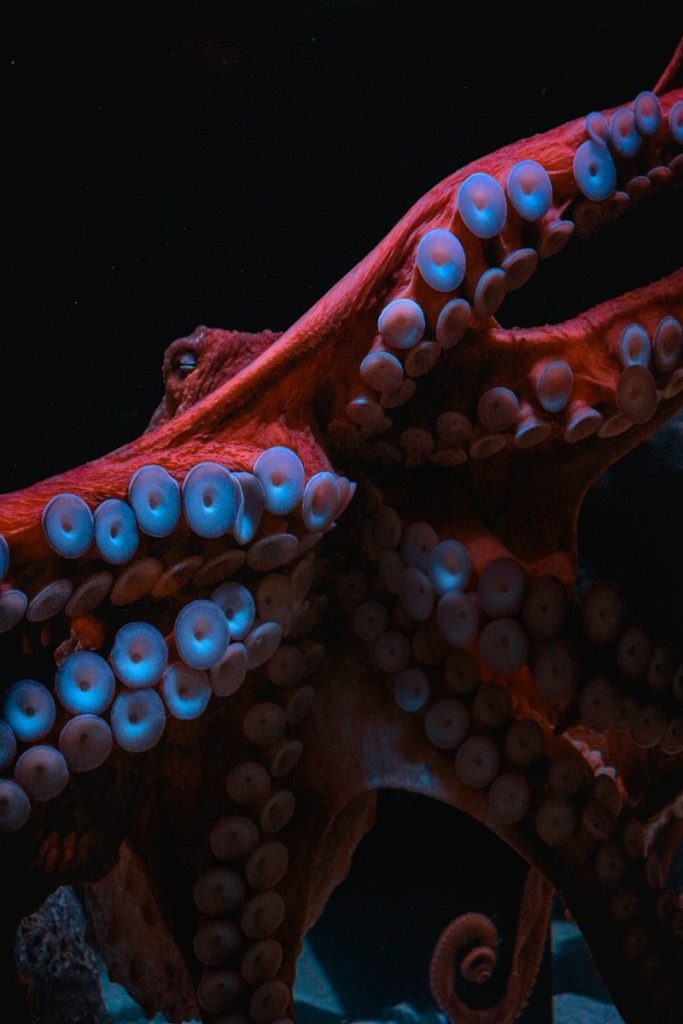
The blue-ringed octopus is small enough to fit in the palm of a hand, but it possesses one of the most powerful venoms found in the ocean. Usually shy and non-aggressive, it only bites when threatened or handled.
What makes this animal especially dangerous is that the bite is often painless. Victims may not realize they have been bitten until symptoms begin to appear. The toxin can quickly affect the nervous system, causing numbness, paralysis, and severe breathing difficulties.
Box jellyfish deliver a devastating sting
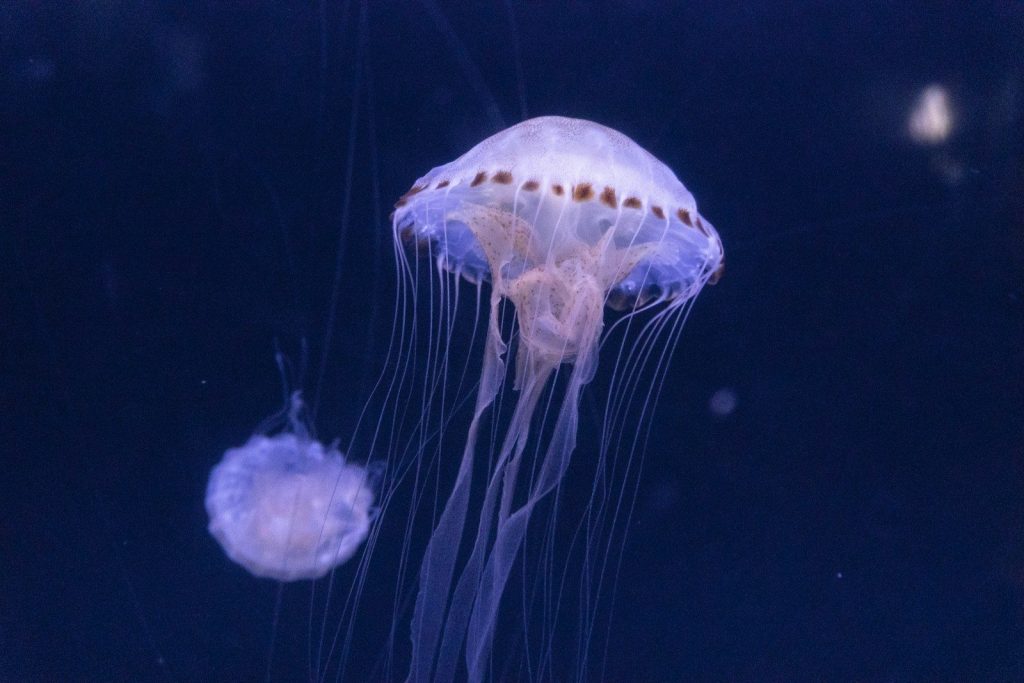
The box jellyfish is often considered one of the most dangerous marine animals on Earth. Found in tropical waters, it has nearly transparent tentacles that are difficult to see underwater.
Its venom attacks the nervous system and can cause intense pain almost immediately. Swimmers who come into contact with its tentacles may experience severe reactions within minutes, making prompt medical attention essential.
Anglerfish uses light as a deadly trap
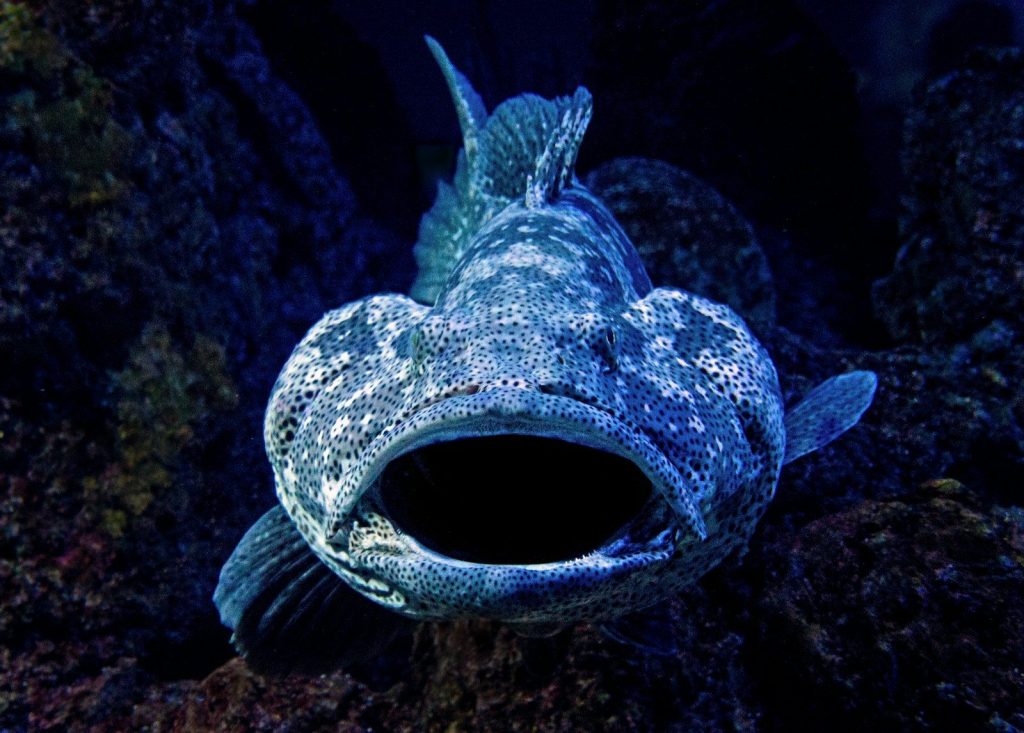
Deep beneath the ocean surface, where sunlight cannot reach, the anglerfish uses a remarkable hunting technique. A glowing lure extends from its head, attracting curious prey in the darkness.
When an unsuspecting animal moves closer, the anglerfish strikes. Its large mouth and inward-pointing teeth make escape nearly impossible. This clever adaptation allows it to survive in one of the harshest environments on Earth.
Flower urchin hides danger behind beauty
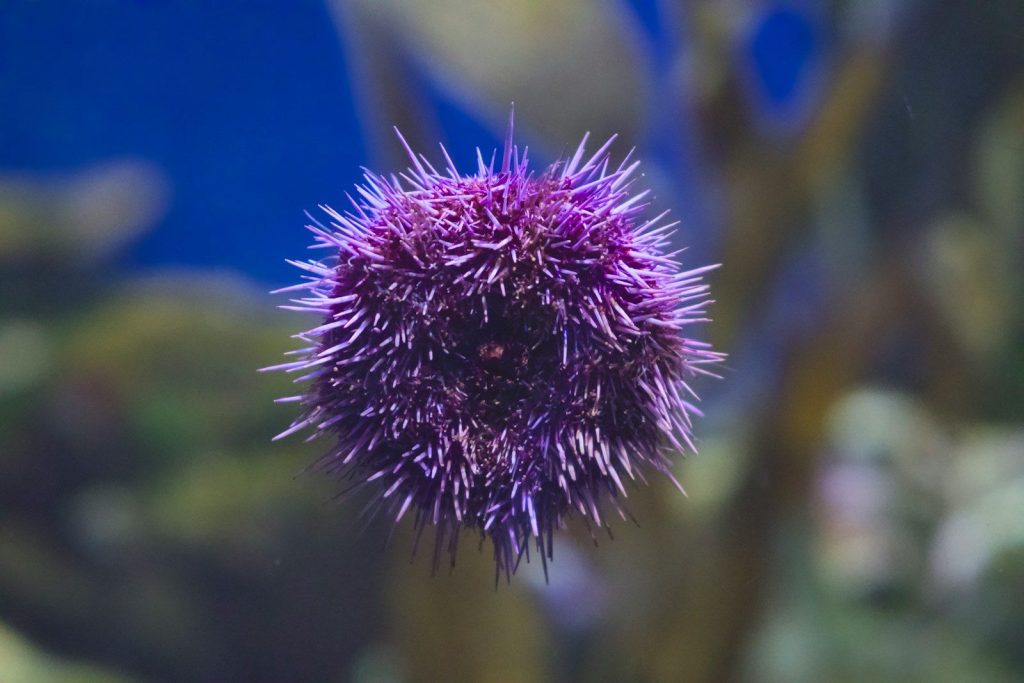
The flower urchin is often admired for its attractive appearance. Its delicate pink and white structures make it look harmless, but appearances can be deceiving.
Among sea urchins, it is considered one of the most venomous species. Contact with its venom can cause serious symptoms, including intense pain, muscle problems, and other severe reactions. Its beauty often makes it particularly dangerous to curious divers and swimmers.
Stonefish is a master of camouflage
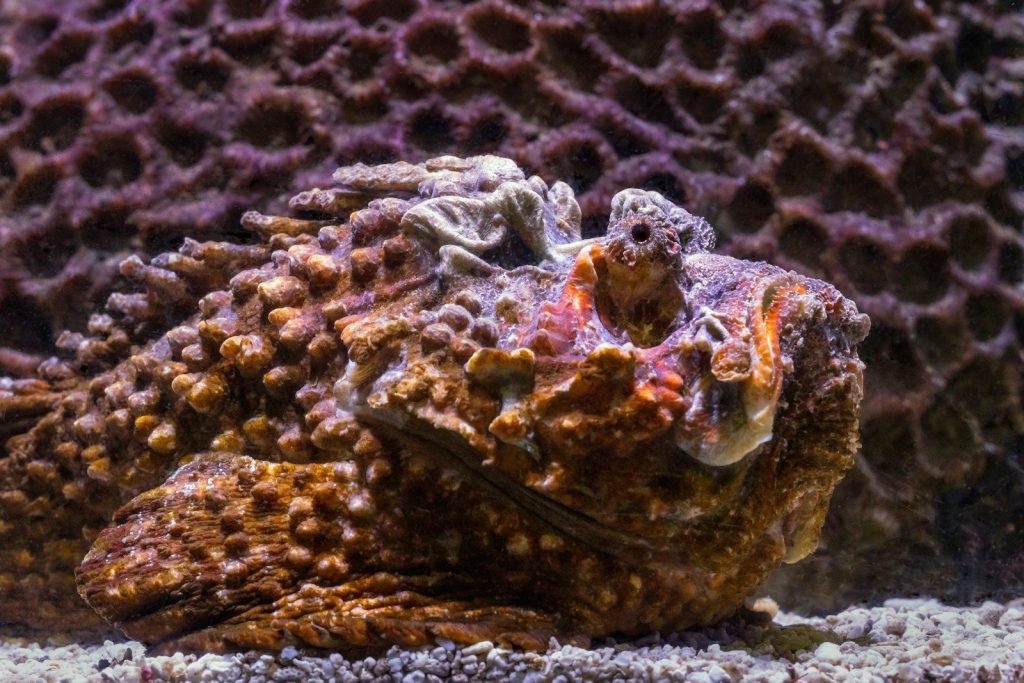
The stonefish is widely regarded as the world’s most venomous fish. Its rough appearance allows it to blend almost perfectly with rocks, coral, and the seafloor.
Because it is so difficult to see, accidental contact is a common risk in areas where it lives. When stepped on or disturbed, the stonefish can inject venom through its sharp spines. Victims often experience extreme pain and require immediate medical treatment.
Cone snail hunts with a venomous harpoon
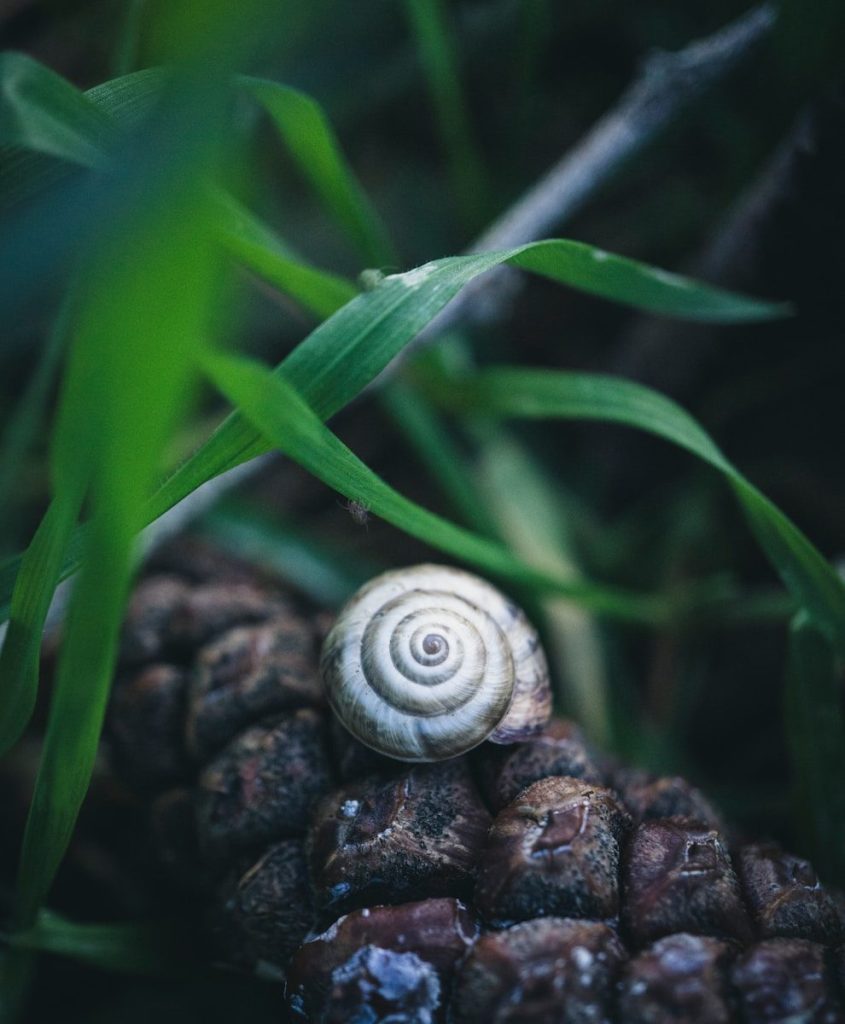
At first glance, cone snails appear harmless. Their beautifully patterned shells make them popular among shell collectors and beachcombers worldwide.
However, some cone snail species use a specialized harpoon-like tooth to inject venom into prey. This venom can act rapidly, helping the snail capture fish and other animals. Their attractive shells often hide one of the ocean’s most effective hunting weapons.
Leave a Reply