Author: Ethan

  • A scared seal believed he was out of time until a kind stranger held him close

    A scared seal believed he was out of time until a kind stranger held him close

    Have you ever wondered what happens when a frightened wild animal feels like it has nowhere left to go? A scared seal can face many dangers, from fishing nets and plastic waste to hunger and illness. In some cases, one act of kindness can mean the difference between life and death.

    This story follows a scared seal that seemed out of time until a kind stranger stepped in to help. You will learn how seals end up in danger, why rescue efforts matter, and how compassion and expert care can give these amazing animals a second chance at life.

    The seal was running out of hope
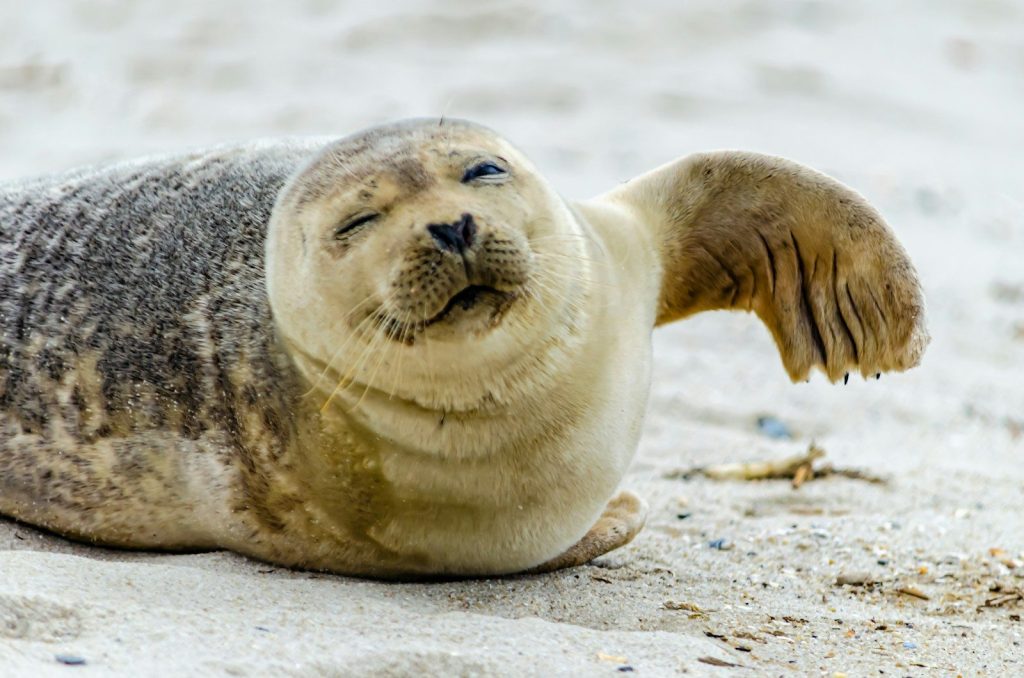
    seal lying on gray sand during daytime
    Photo by Steve Adams on Unsplash

    The young seal looked exhausted and scared. It had likely spent days struggling to survive while carrying the stress of hunger, injury, or getting trapped in harmful debris left behind by people. Seal pups are especially vulnerable because they depend on their mothers for food and protection during the first weeks of life. If they become separated or injured, their chances of survival can drop quickly. Many rescue groups around the world report that young seals are often found weak, underweight, or tangled in fishing gear and plastic rings that cut into their skin as they grow.

    As rescuers approached, the seal did not know whether to trust them. Wild animals are naturally cautious around people because they see humans as a threat. The seal’s wide eyes and tense body showed fear, but it was also tired from fighting alone. In moments like these, rescuers move slowly and quietly to avoid causing more stress. Their goal is to keep the animal calm while giving it the help it desperately needs.

    A gentle touch changed everything

    Zookeeper feeding a sea lion by a rock enclosure.
    Photo by Stefan Szankowski on Unsplash

    The kind stranger who found the seal knew that rushing the rescue could make things worse. Instead, they stayed calm and gave the animal the space it needed. Rescue workers are trained to watch an animal’s behavior and wait for the safest moment to step in. When the seal finally allowed itself to be handled, it was wrapped carefully to keep it warm and prevent sudden movements that could cause injury.

    For a brief moment, the frightened seal rested quietly in caring hands. That small act of comfort may not seem important, but reducing stress is a big part of wildlife rescue. Young seals can become extremely weak when they are scared or separated from their mothers. Experts at marine mammal rescue centers often provide warmth, fluids, and gentle care before starting medical treatment. The goal is always to help the animal recover enough to return to the ocean where it belongs.

    Why so many seals need rescuing
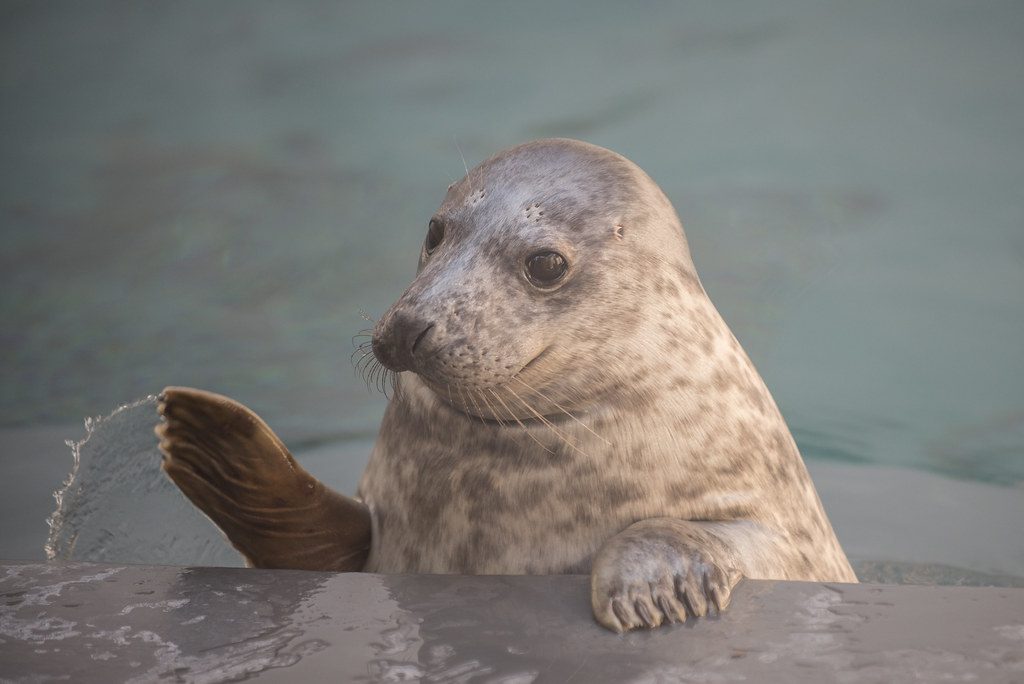
    Gray Seal Pup Update at the Smithsonian’s National Zoo” by Smithsonian’s National Zoo is licensed under CC BY-NC-ND 2.0

    Seals are strong swimmers, but they face many dangers in the wild. One of the biggest threats is marine debris. Fishing nets, ropes, and plastic rings can become wrapped around a seal’s neck or body. As the animal grows, these materials tighten and cut deeper into the skin, causing pain, infections, and sometimes death. Rescue groups around the world regularly remove these dangerous items from seals that would not survive without help.

    Human activity can also separate seal pups from their mothers. People and unleashed dogs sometimes get too close to resting seals on beaches. A frightened mother may leave the area and fail to return, leaving her pup alone. Storms, illness, and lack of food create additional challenges. That is why wildlife experts ask people to admire seals from a distance and contact trained rescuers if they think an animal is in danger.

    The road to recovery is not easy
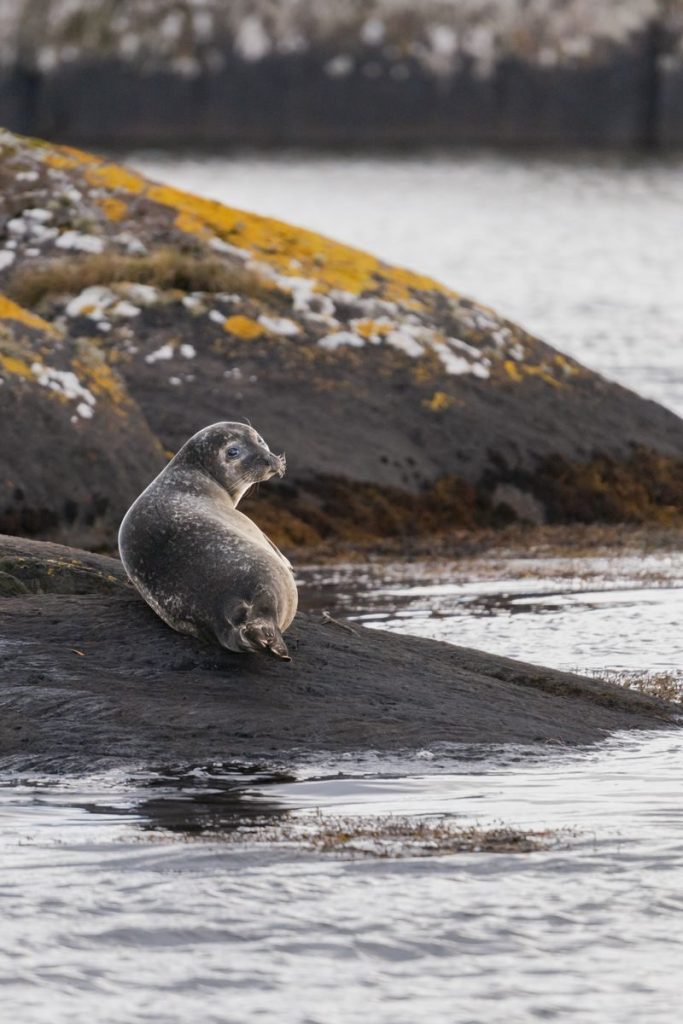
    A seal lounges on mossy rocks by the sea in Ireland, showcasing natural wildlife.
    Photo by Vincent M.A. Janssen on Pexels

    Saving a seal is only the beginning. Once rescued, the animal often needs a full medical check to look for injuries, infections, or signs of malnutrition. Veterinarians weigh the seal, examine its skin, and monitor its breathing and heart rate. Some seals arrive extremely thin and dehydrated, while others need treatment for wounds caused by fishing gear or plastic waste.

    Recovery can take weeks or even months. Young seals are fed special diets that help them gain weight slowly and safely. As they grow stronger, they spend more time swimming and learning the skills they need to survive in the wild. Wildlife centers try to keep human contact to a minimum because the goal is not to make the animal a pet. Instead, every step of the process is designed to prepare the seal for a healthy life back in the ocean.

    The bond between people and wildlife
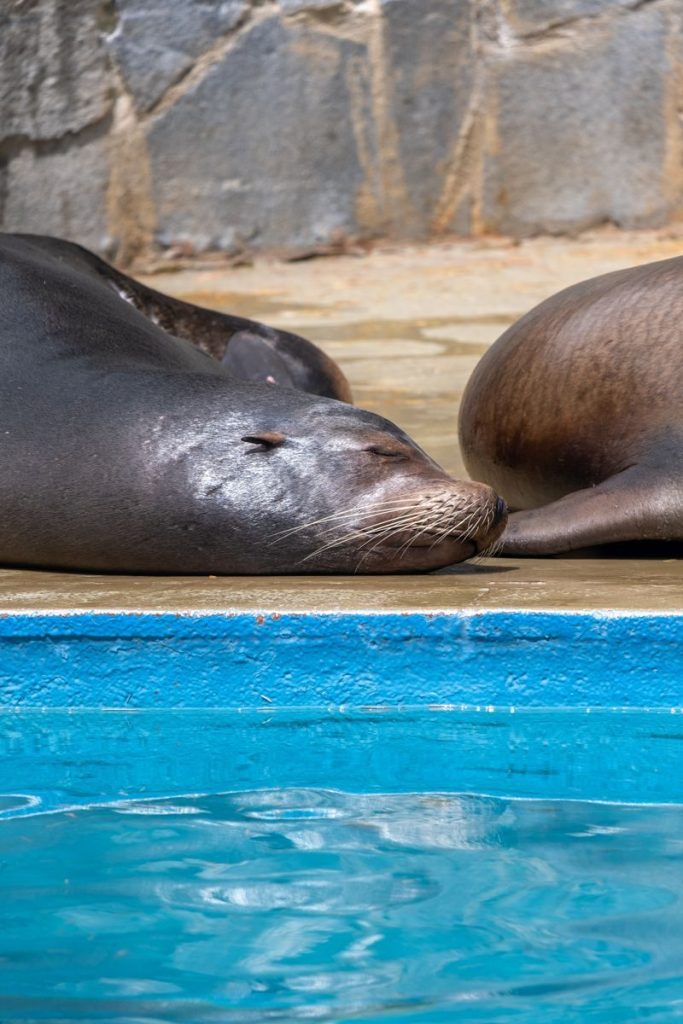
    A peaceful sea lion resting by a pool, capturing the serene beauty of marine life.
    Photo by Joost van Os on Pexels

    Stories like this remind us that kindness can have a powerful effect. The stranger who held the scared seal did not expect anything in return. They simply saw an animal in trouble and chose to help. Across the world, thousands of volunteers and wildlife experts spend their days rescuing seals, birds, turtles, and other animals that have been harmed by accidents or human activity.

    These rescues also teach people an important lesson about responsibility. The ocean is home to countless animals, and small choices made by humans can affect their lives in big ways. Throwing trash away properly, reducing plastic use, and respecting wildlife habitats can help prevent future suffering. When communities work together, fewer animals need emergency rescues and more can live safely in their natural homes.

    A second chance begins in the ocean
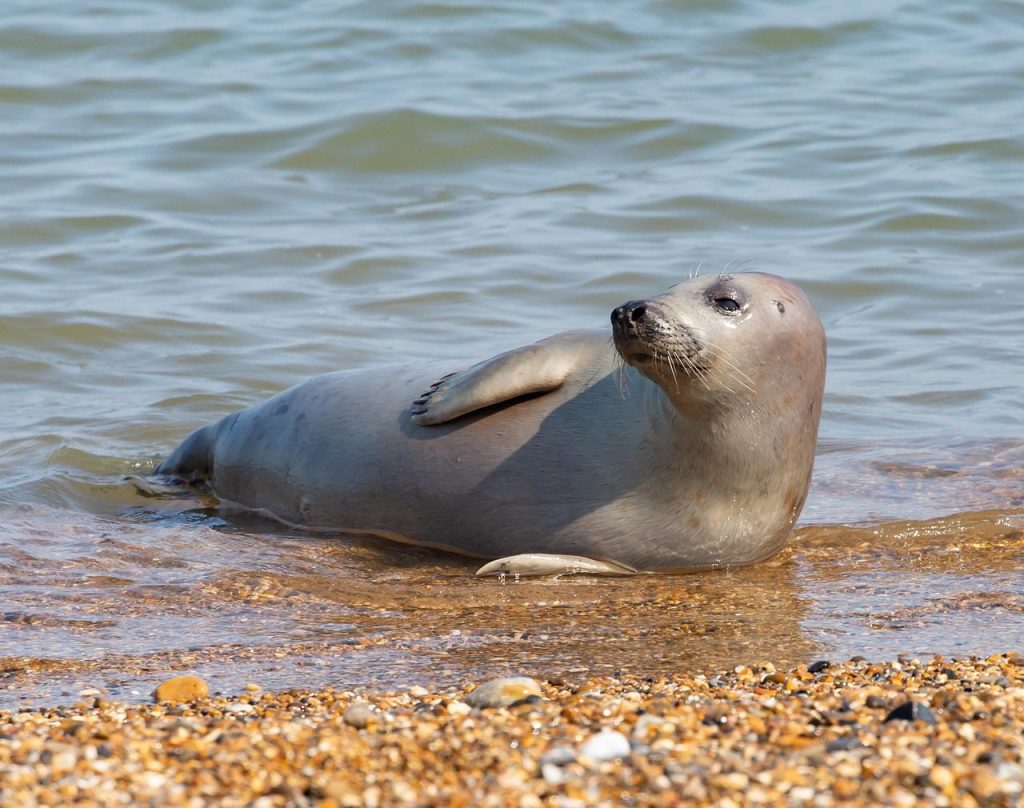
    seal pup, seal, beach, pinniped, harbour seal, nature, grey seal, pup, harbor, coast, cute, resting, water, sea, ocean, marine mammal, marine animal
    Photo by TheOtherKev on Pixabay

    The happiest day in any rescue story is the day an animal returns home. Once a seal is healthy and strong, rescuers release it back into the sea. The moment is often emotional because everyone involved knows the animal has overcome enormous challenges. Watching a once-frightened seal swim away is a reminder that hope can survive even in difficult situations.

    The scared seal that once believed time was running out now has another chance. It may never remember the stranger who held it close, but that act of compassion changed its future forever. Rescue stories are not only about survival. They are about courage, kindness, and the belief that every life matters. As long as people continue to care for the natural world, more animals will have the chance to leave fear behind and begin again.
  • The mysterious killer whales are making epic ocean journeys

    The mysterious killer whales are making epic ocean journeys

    Some of the ocean’s most mysterious animals have remained hidden from science for decades. Type D killer whales are so rarely seen that they were once known mainly through stories from fishers, photographs, and occasional strandings.

    Now, a major study has revealed new details about these unusual orcas. By analyzing more than 20 years of observations and thousands of photographs, researchers discovered that Type D killer whales may be more numerous than previously believed. The study also uncovered extraordinarily long-distance movements that have changed how scientists view these elusive marine predators.

    One of the least-known killer whales

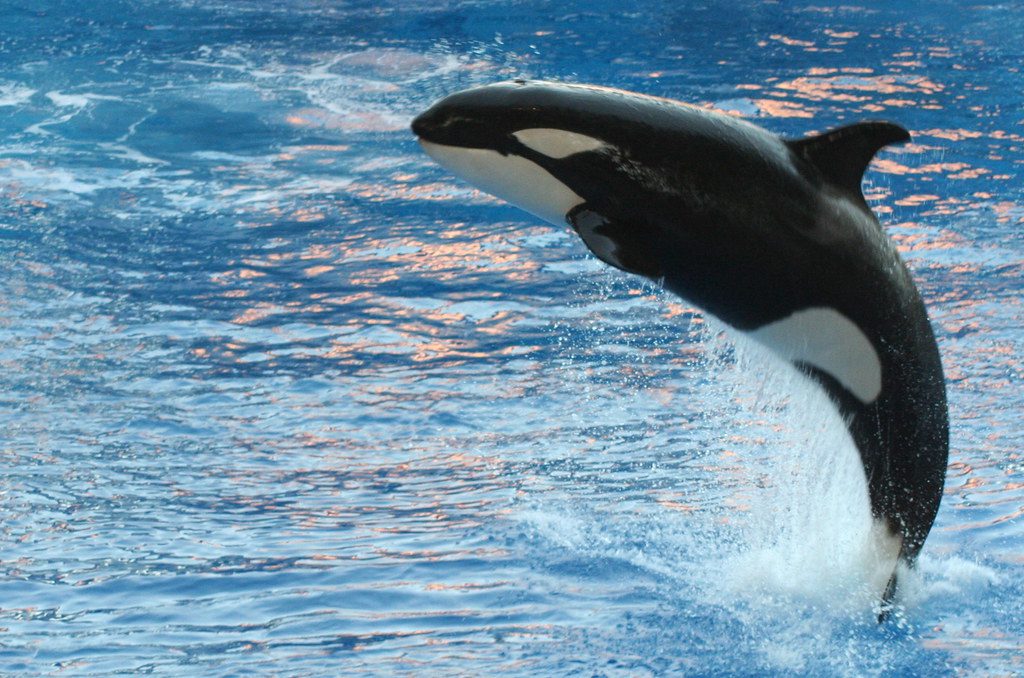
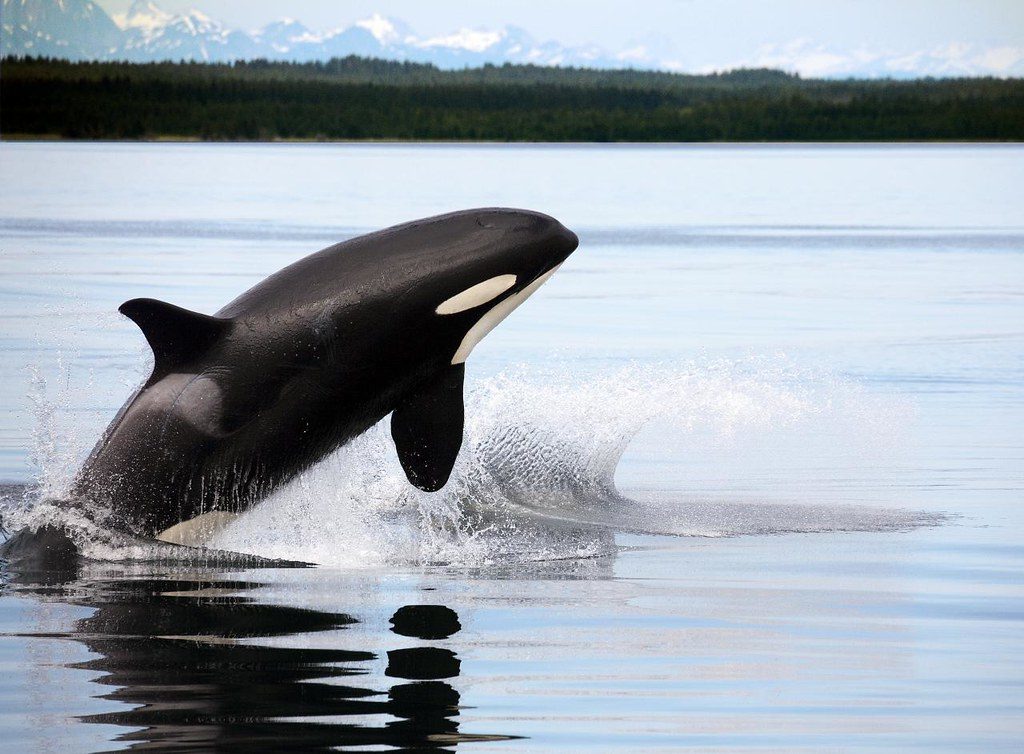
    Killer Whale (Resident Orca)” by Shawn McCready is licensed under CC BY-ND 2.0

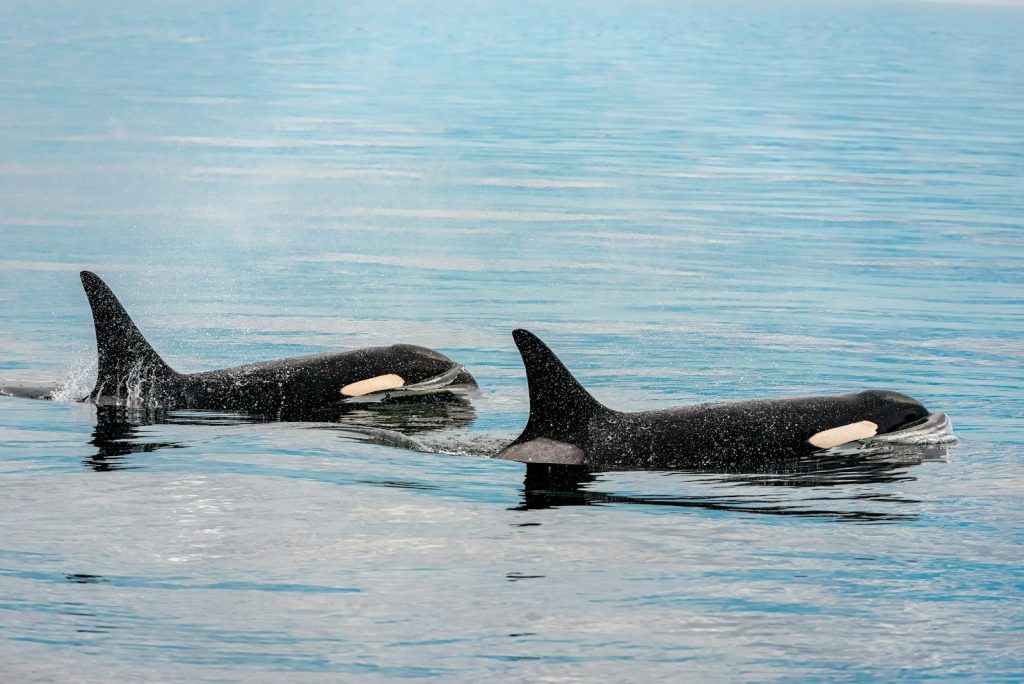
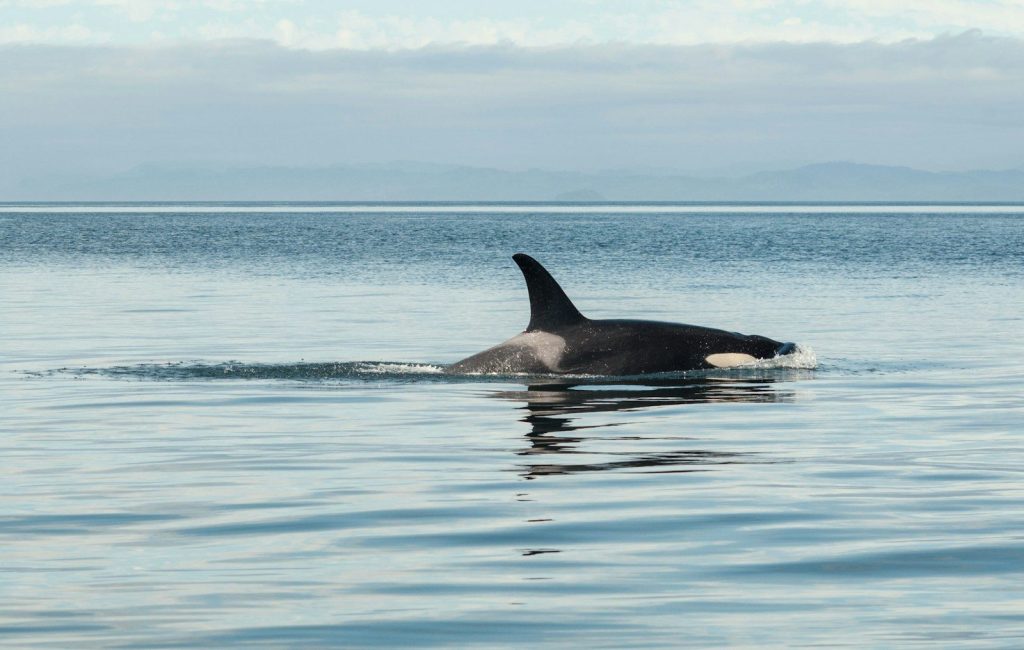
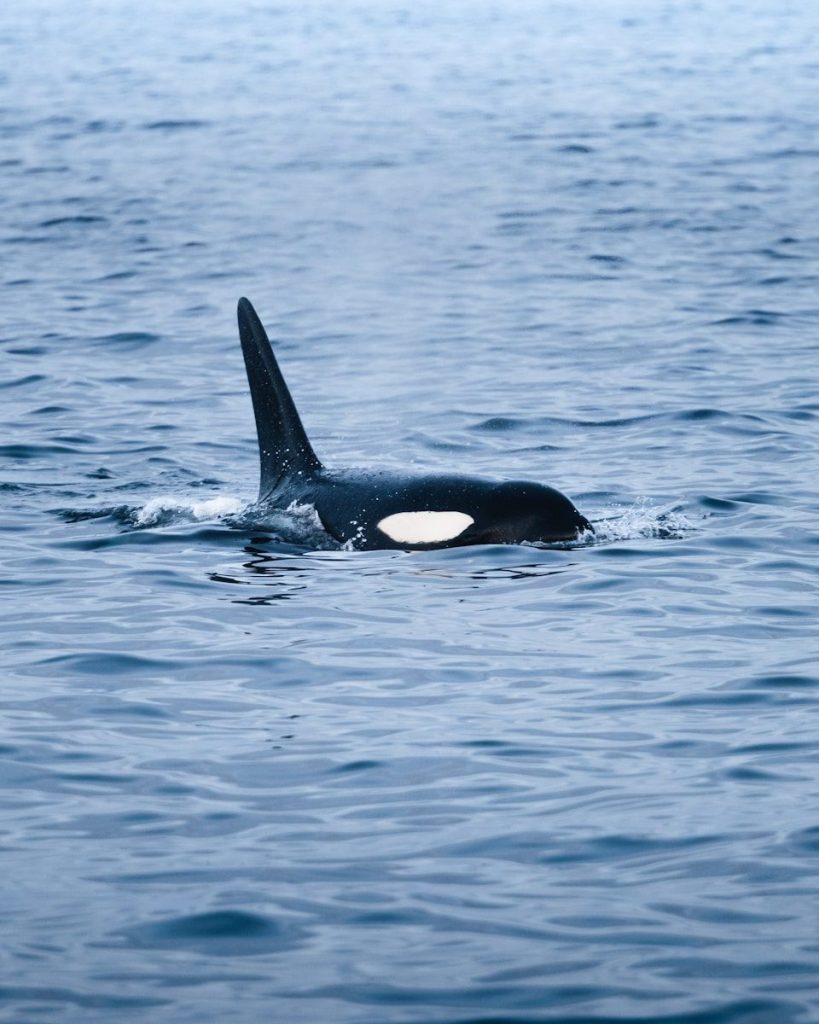
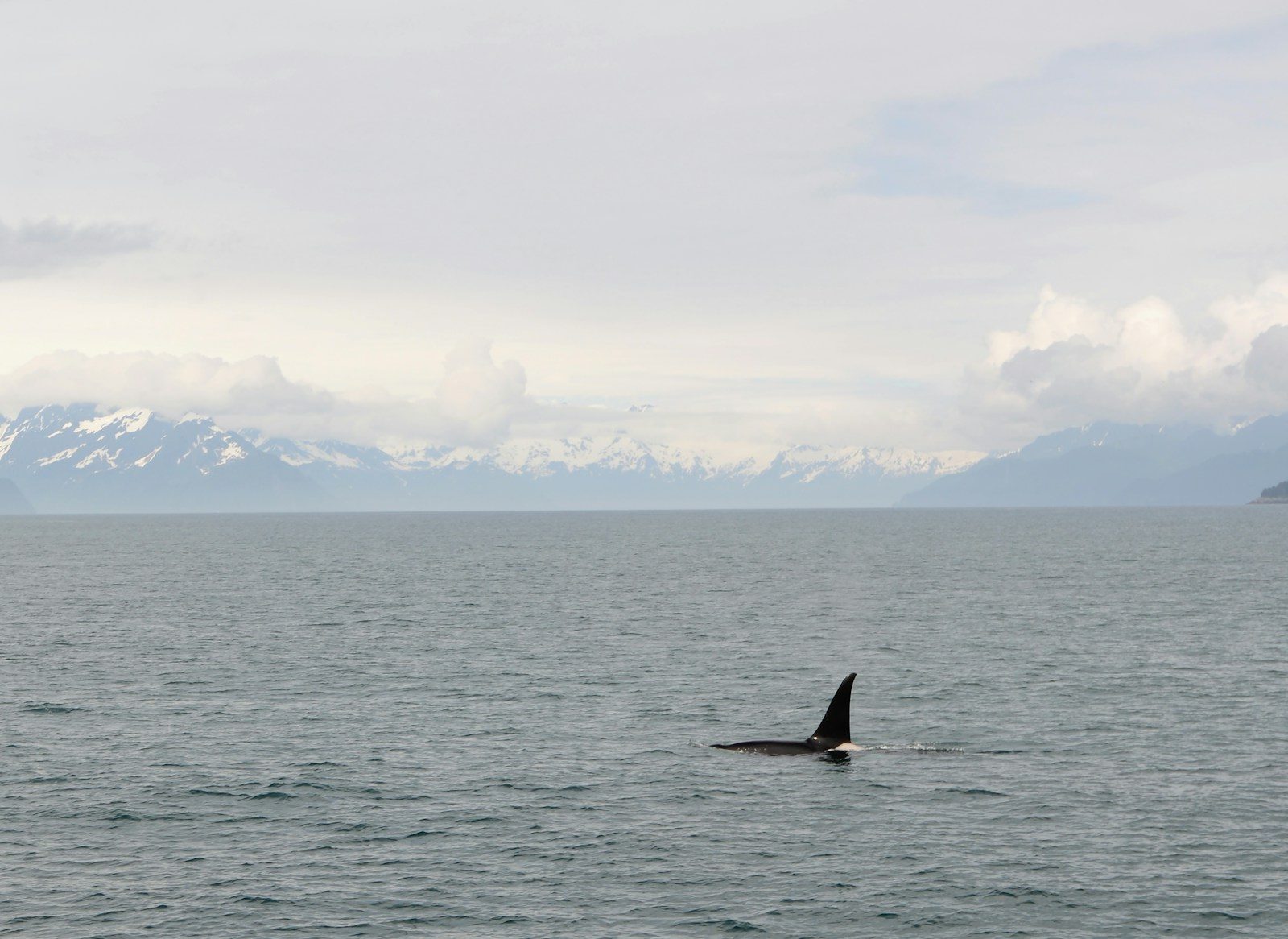
    Type D killer whales are a rare ecotype of killer whale known for their distinctive appearance. They have blunt heads, pointed dorsal fins, and very small white eye patches compared to other killer whales.

    Although scientists currently recognize only one species of killer whale, different ecotypes display unique physical traits and behaviors. Among them, Type D killer whales have remained one of the most mysterious due to the limited number of sightings over the years.

    Researchers analyzed decades of observations

    blue and white whales
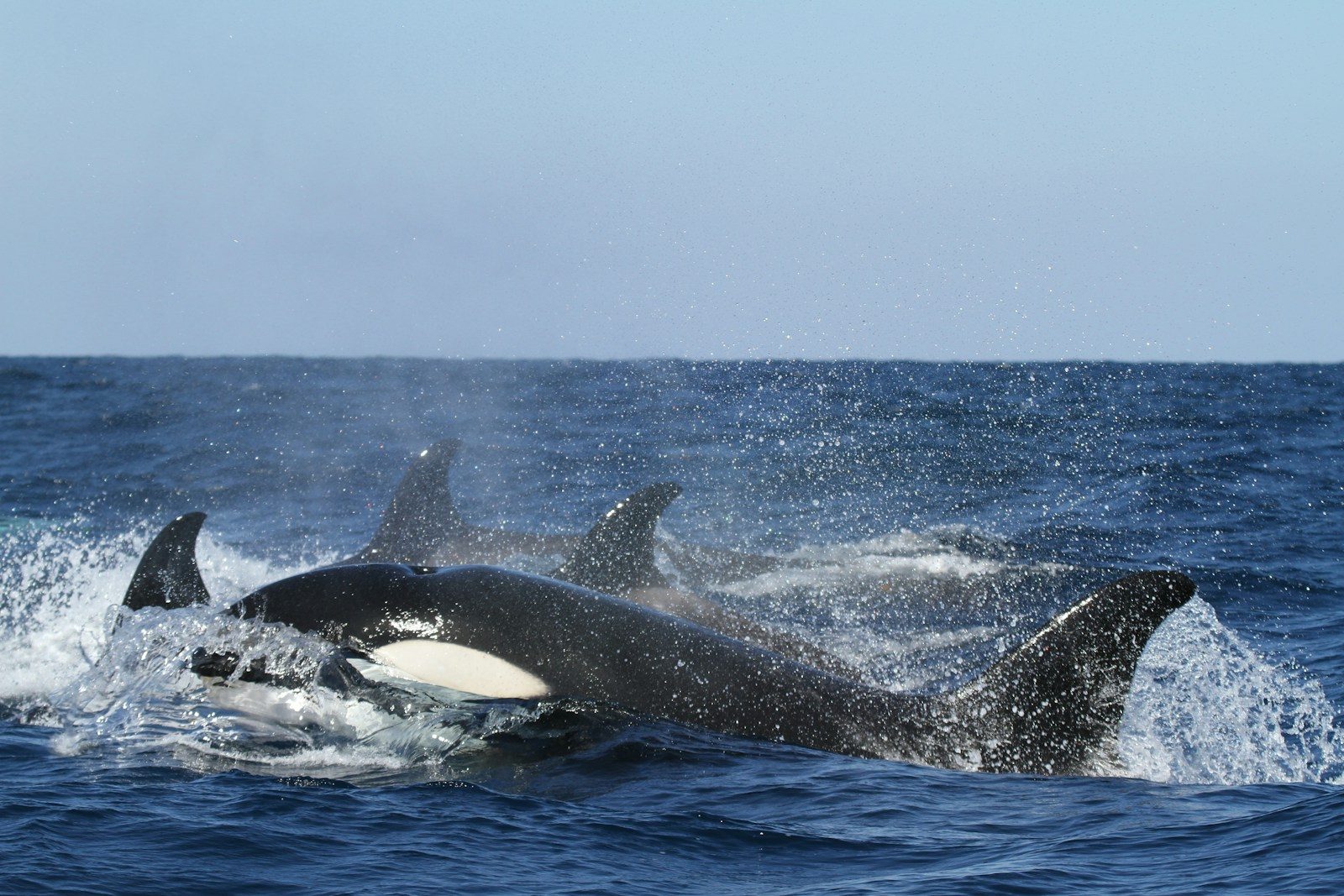
    Photo by NOAA on Unsplash

    To learn more about these animals, scientists collected and studied more than 28,000 photographs taken between 2003 and 2024. The images came from sightings across the Subantarctic region.

    The large photo collection allowed researchers to identify individual whales and track their movements. This effort provided one of the most detailed looks ever at a population that has long remained difficult to study.

    The population may be larger than expected

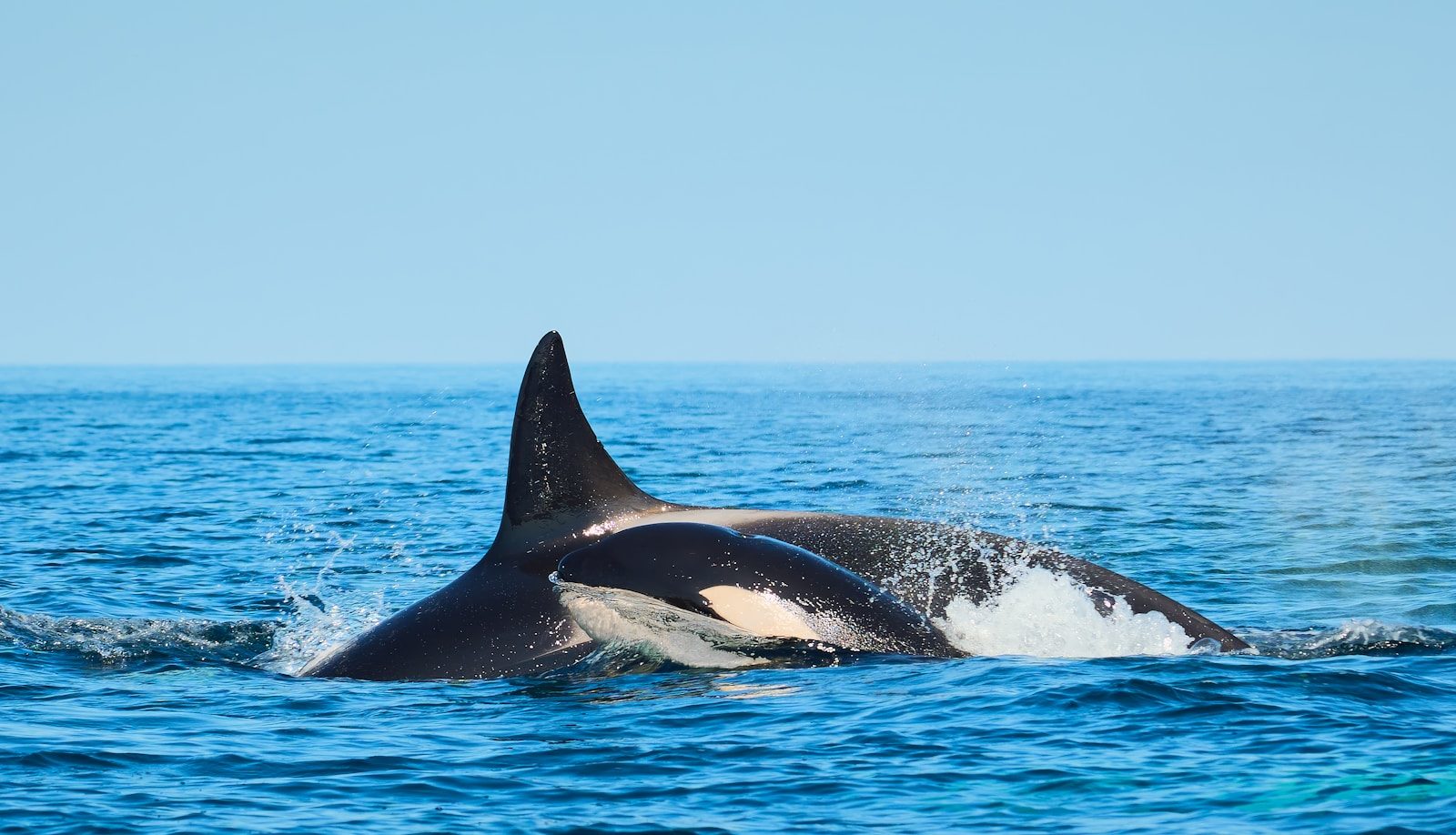
    A couple of orca's swimming in a body of water
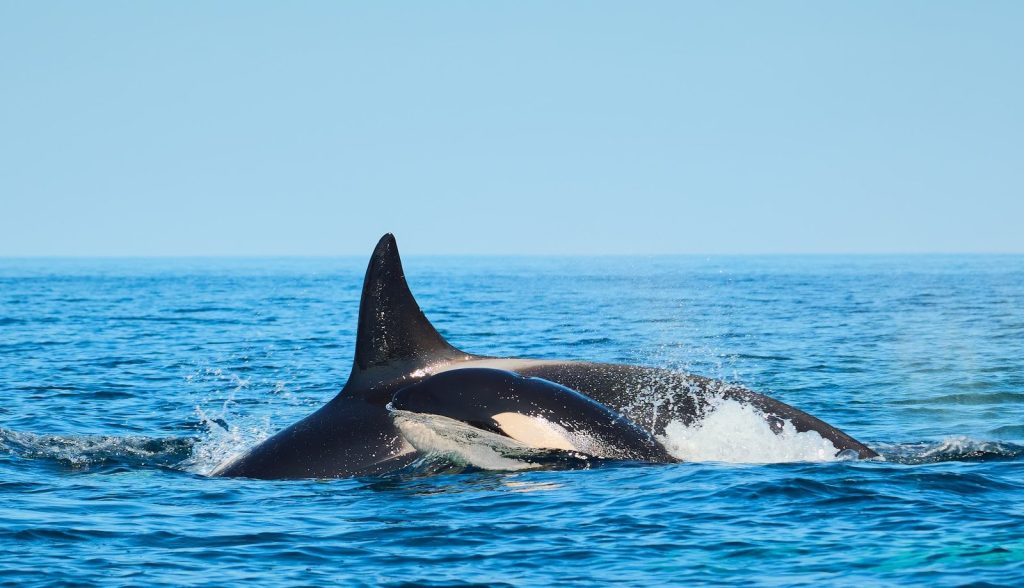
    Photo by Vidar Nordli-Mathisen on Unsplash

    One concern among researchers was that Type D killer whales might exist in extremely low numbers. Limited sightings had raised fears that the population could be facing a genetic bottleneck.

    The study identified 207 individual whales across the Subantarctic. While this does not mean the population is large on a global scale, it suggests that more animals exist than scientists previously documented.

    Incredible journeys across oceans

    whale in sea
    Photo by Thomas Lipke on Unsplash

    Perhaps the most surprising discovery involved the distances traveled by some whales. Researchers documented movements between groups living in the southern Indian Ocean and waters off southern Chile.

    Some Type D killer whales traveled more than 4,400 kilometers, or 2,734 miles, between ocean basins. Scientists described these journeys as unprecedented for killer whales, highlighting the species’ ability to travel across vast ocean areas.

    Following an easy source of food

    shark hunting” by jeff~ is licensed under CC BY 2.0

    Researchers found that some of these long-distance movements were linked to depredation behavior. This occurs when whales take fish from commercial fishing operations rather than hunting entirely on their own.

    Type D killer whales appear especially interested in toothfish caught by fishing vessels. Scientists observed that only a small, socially connected segment of the population regularly displayed this behavior.

    A species full of surprises

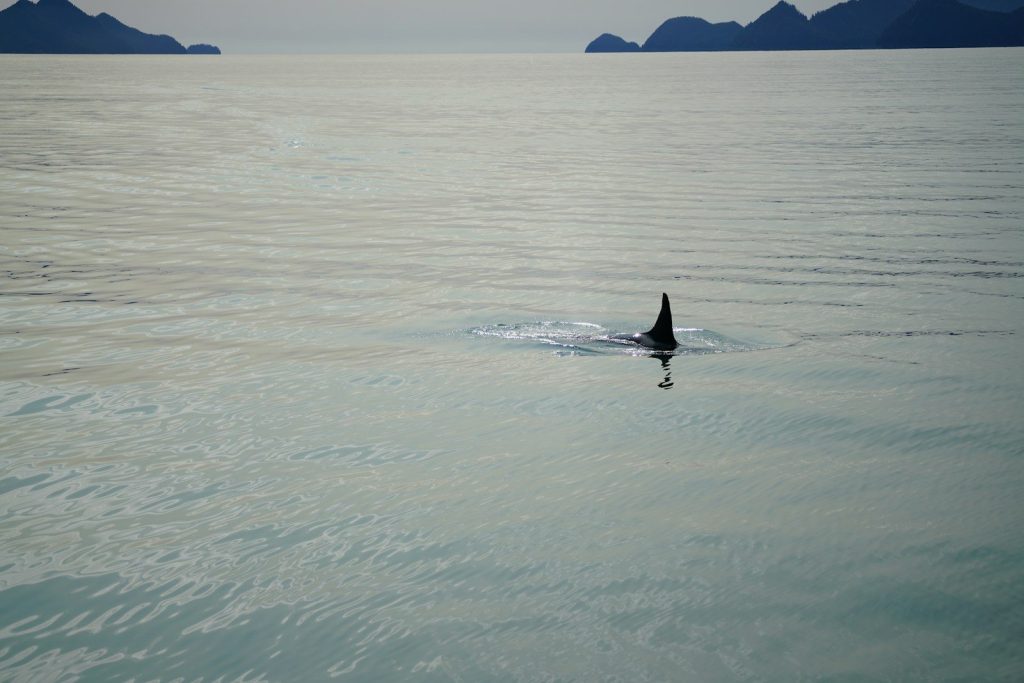
    Killer Whale” by eschipul is licensed under CC BY-SA 2.0

    The findings have helped scientists better understand one of the ocean’s least-known predators. The study showed that Type D killer whales are highly mobile and can travel distances not previously recorded among killer whales.

    Researchers believe many more individuals may still remain undiscovered. As scientists continue studying these animals, Type D killer whales may become known not only as one of the most mysterious marine predators but also as one of the most impressive travelers in the ocean.

  • The surprising reasons orcas are feared across the oceans

    The surprising reasons orcas are feared across the oceans

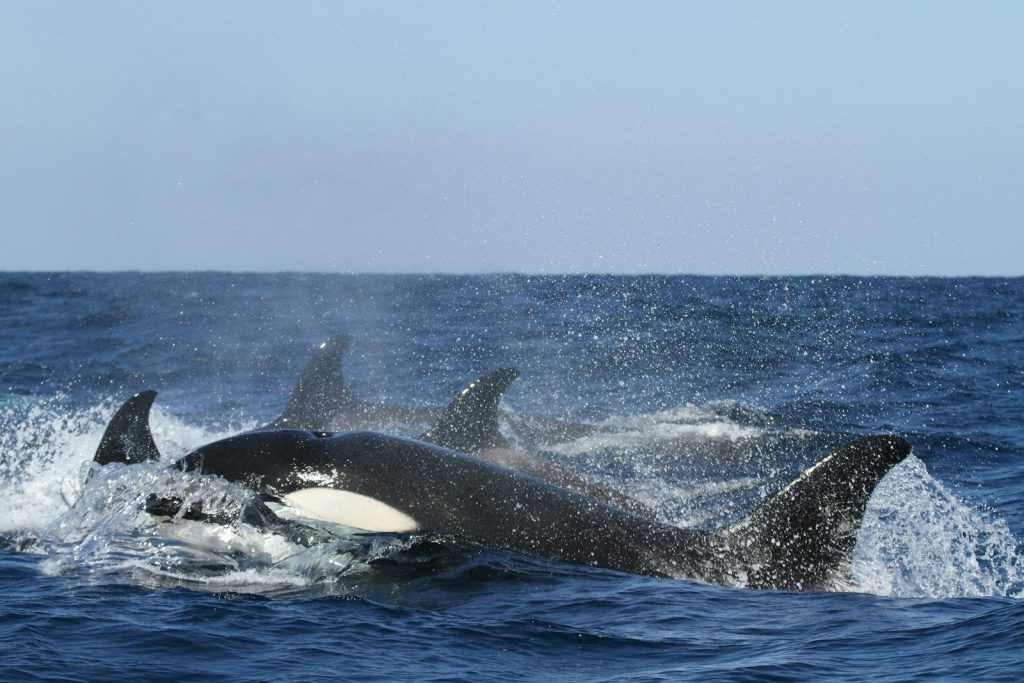
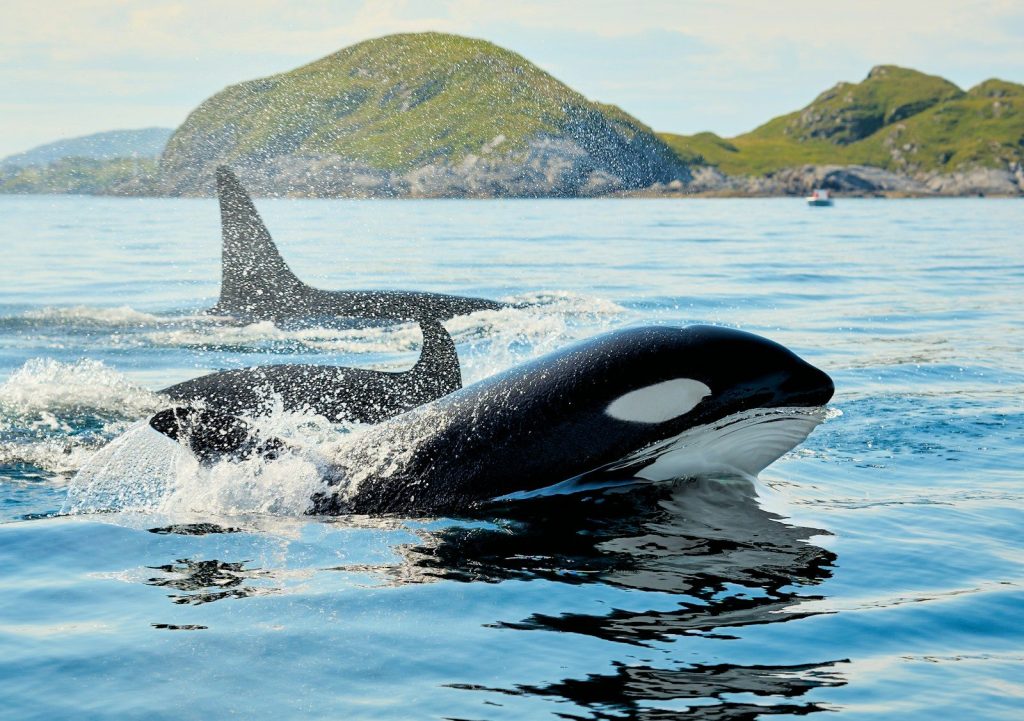
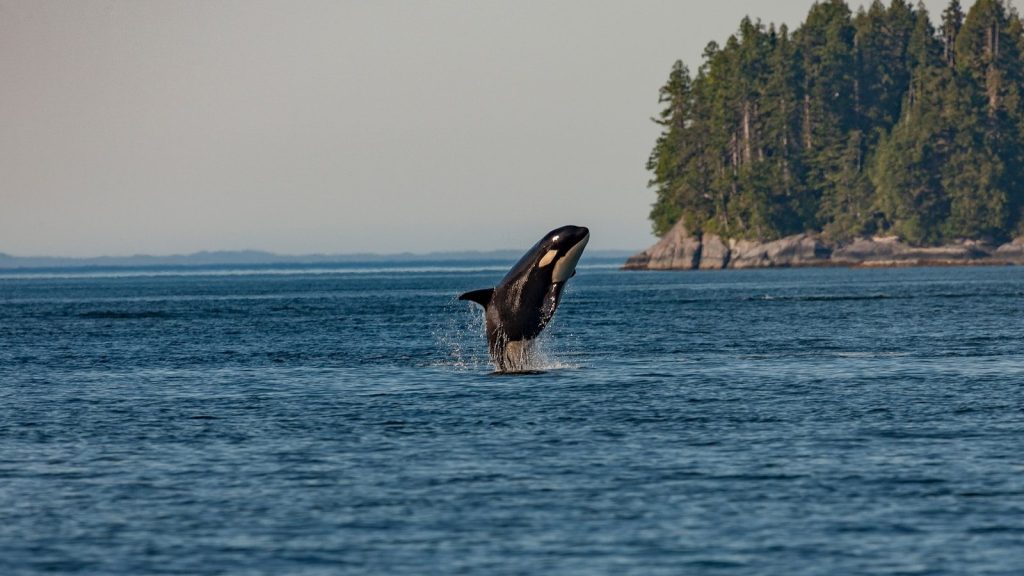
    Orcas are often considered among the most charismatic animals in the ocean. Their intelligence, social bonds, and striking appearance have made them popular around the world. However, behind that familiar image is one of the most capable predators on Earth.

    Found in oceans from the Arctic to tropical waters, orcas sit at the very top of the marine food chain. Their hunting skills, teamwork, and ability to learn new behaviors have fascinated scientists for decades. Recent reports of orcas damaging boats have only added to the growing interest in these remarkable animals and the complex behaviors they display.
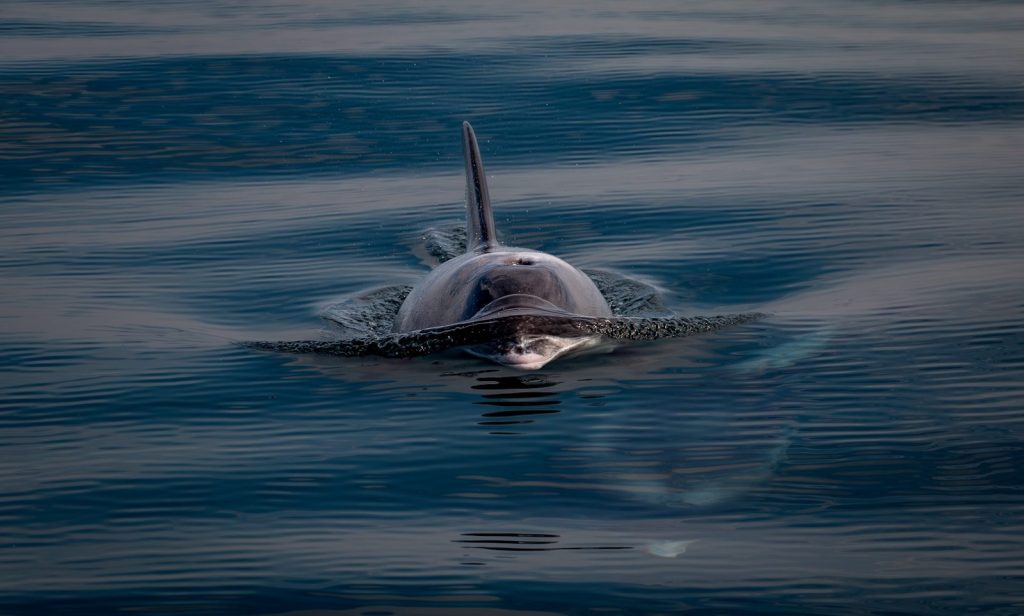
    Orcas live in oceans around the world

    A whale is swimming in the ocean
    Photo by Vidar Nordli-Mathisen on Unsplash

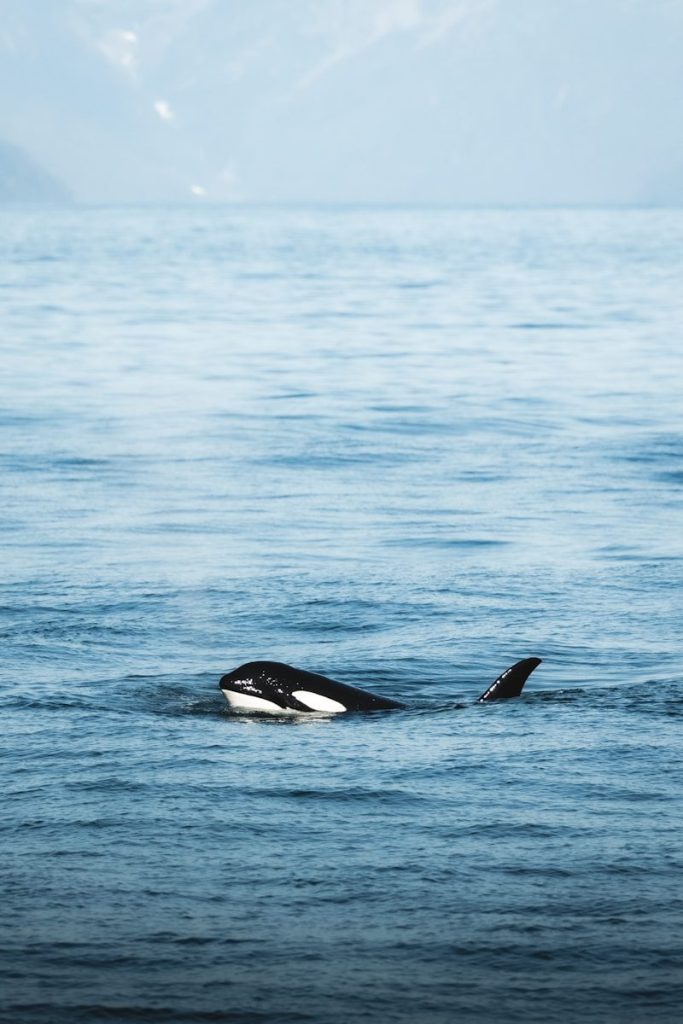
    Orcas can be found in every major ocean on Earth. They thrive in environments ranging from icy polar waters to warmer tropical regions, making them one of the most adaptable marine mammals.

    Their success comes from a combination of intelligence, strength, and social cooperation. Living in closely connected family groups allows them to share knowledge and work together while hunting and navigating their environment.

    They are powerful hunters

    A couple of orca's swimming in a body of water
    Photo by Vidar Nordli-Mathisen on Unsplash

    Orcas are apex predators, meaning they have very few natural threats. Their large size, speed, and coordination allow them to hunt a wide range of prey throughout the world’s oceans.

    These animals are capable of taking on creatures much larger than themselves. Their hunting strategies often involve teamwork, communication, and carefully planned movements that increase their chances of success.

    Hunting techniques vary by location

    two black and white orca swimming in a body of water
    Photo by Stephen Walker on Unsplash

    One of the most fascinating aspects of orca behavior is how different groups develop specialized hunting methods. These techniques are often passed down from one generation to the next.

    Researchers have observed orcas using their tails to stun fish, create waves, and separate prey from groups. Such behaviors demonstrate not only physical power but also advanced problem-solving abilities.

    Learning plays a major role

    whale in sea
    Photo by Thomas Lipke on Unsplash

    Orcas are highly social animals that learn from one another. Young whales spend years observing older family members and practicing important survival skills.

    Scientists believe this cultural learning helps explain why different orca populations display unique behaviors. Knowledge can spread through pods, allowing successful techniques to be shared across generations.

    Boat interactions have drawn attention

    a large ship in the water
    Photo by William Rudolph on Unsplash

    In recent years, some orcas near the Iberian Peninsula have repeatedly interacted with boats. Researchers have documented hundreds of encounters involving damaged rudders and, in some cases, sunken vessels.

    Scientists continue to study these interactions because the exact motivation remains unclear. Proposed explanations include curiosity, play, learned behavior, reactions to vessel activity, and other environmental factors.

    Why researchers remain fascinated

    a whale jumping out of the water
    Photo by Lachlan Gowen on Unsplash

    Orcas continue to surprise scientists because of their intelligence and adaptability. New behaviors can emerge and spread through populations, revealing just how flexible these animals can be.

    Their ability to learn, communicate, cooperate, and solve problems places them among the most remarkable predators in the natural world. As researchers gather more information, our understanding of these complex marine mammals continues to grow.

  • Giant hammerhead shark surprises Mark Vins off the Bahamas

    Giant hammerhead shark surprises Mark Vins off the Bahamas

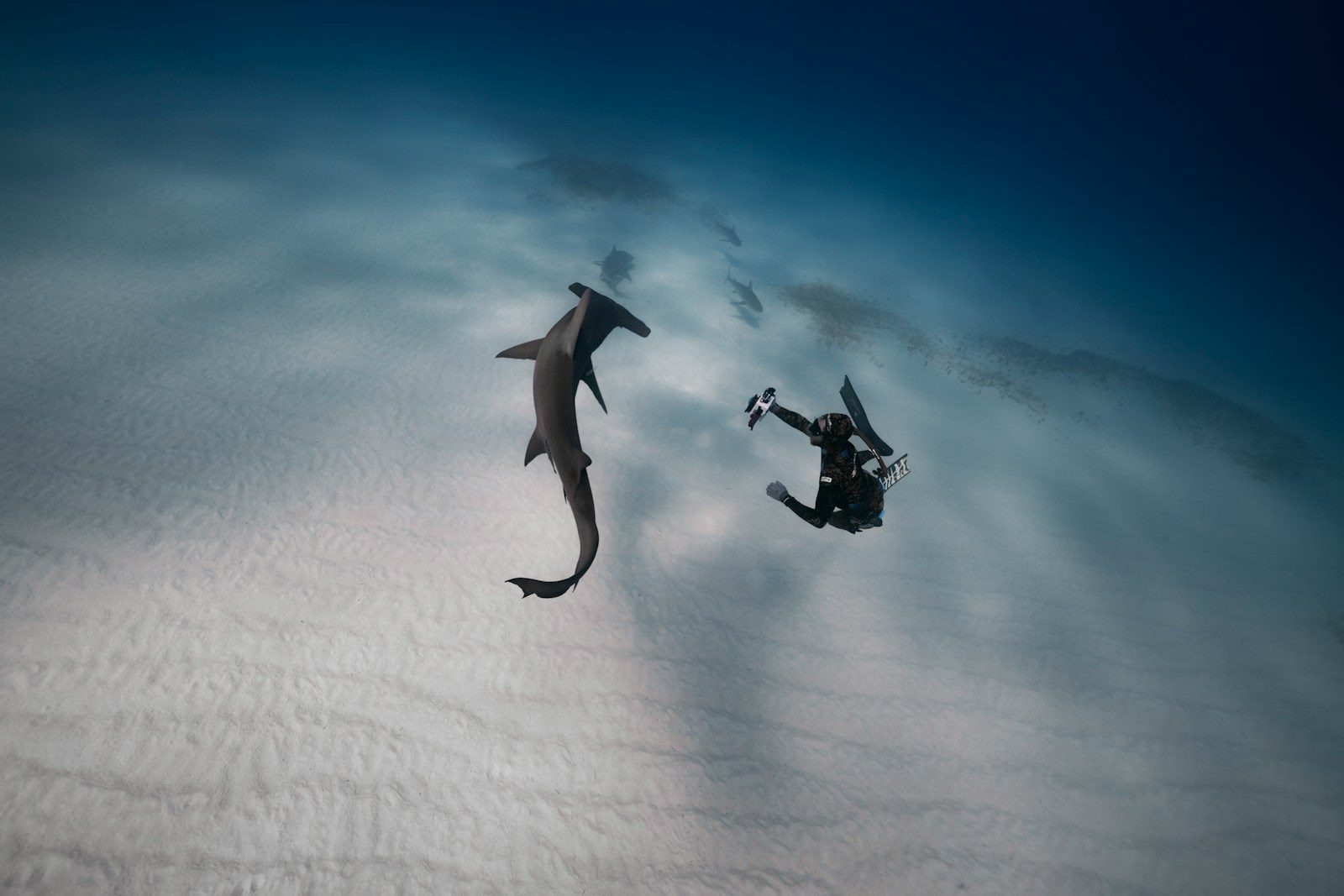
    Few ocean encounters are as exciting as coming face-to-face with a giant shark. That is exactly what happened when wildlife host Mark Vins and his crew traveled to the Bahamas in search of some of the ocean’s most impressive predators.

    During an episode of Blue Wilderness, the team visited the world-famous Tiger Beach, a location known for large shark encounters. Just when it seemed their adventure was coming to an end, Mark spotted a massive hammerhead shark swimming through the waters off the Bahamas. The unexpected sighting became one of the most memorable moments of the expedition.

    The journey begins at Tiger Beach

    a shark swimming in the ocean with a fish nearby
    Photo by Michael Worden on Unsplash

    Mark Vins and his crew traveled to Tiger Beach with hopes of encountering large sharks in their natural habitat. The Bahamas’ location has earned a reputation among divers and marine enthusiasts for attracting impressive shark species.

    The team spent time exploring the waters and documenting marine life. As the expedition continued, they had close encounters with several sharks, making the trip a success even before the most dramatic moment.

    An unexpected discovery

    a shark swimming in the ocean with its mouth open
    Photo by Gerald Schömbs on Unsplash

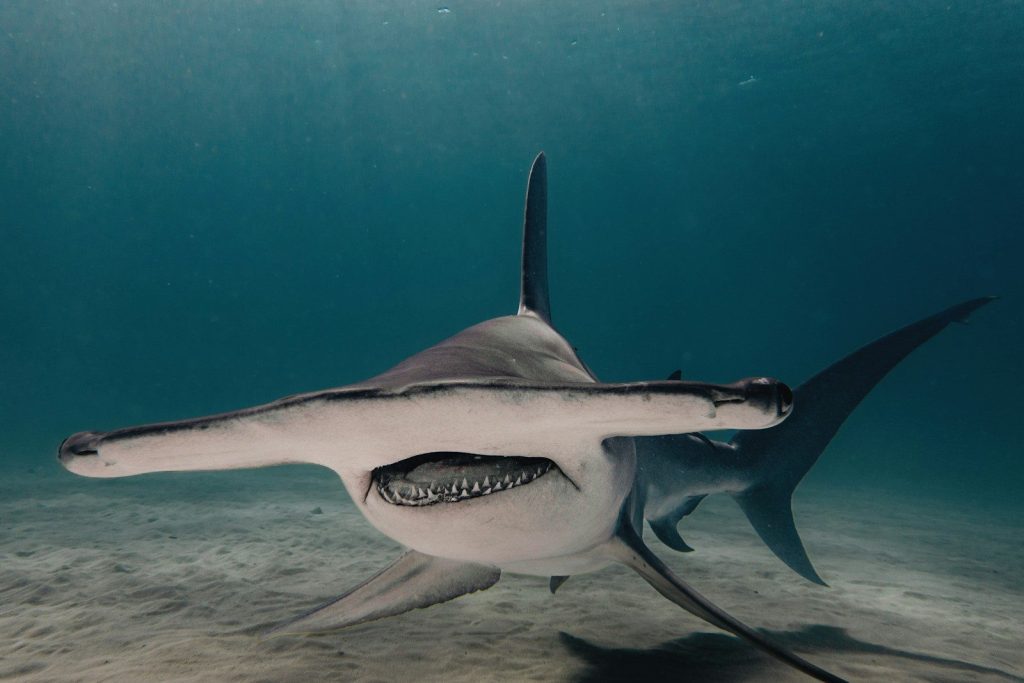
    As the adventure was winding down, Mark noticed something remarkable in the water. A giant hammerhead shark appeared near the group, creating an unforgettable moment for everyone involved.

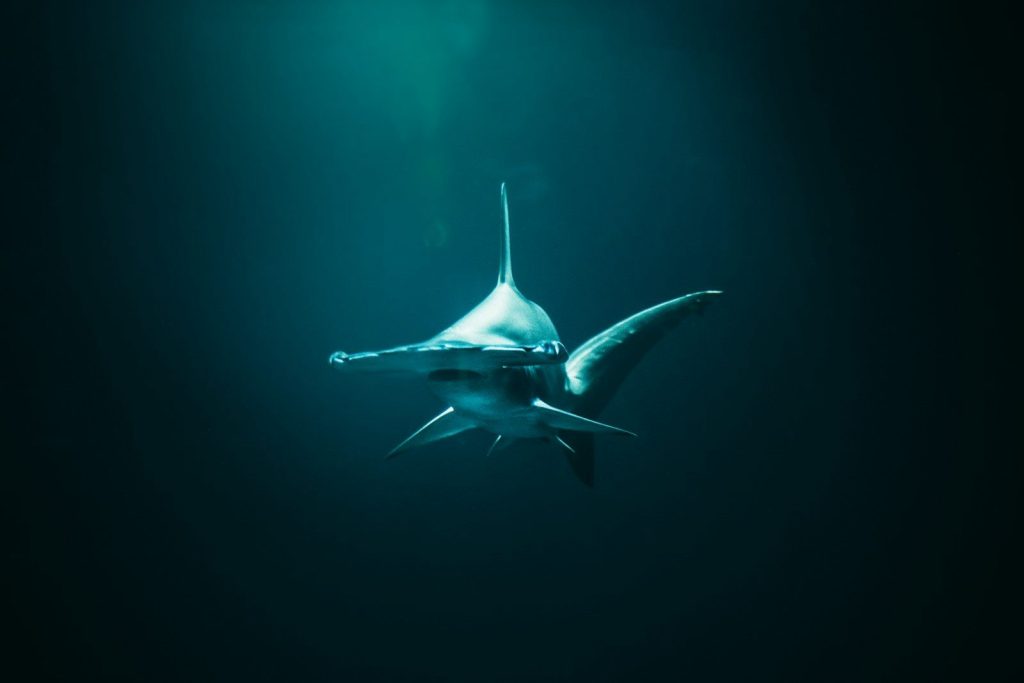
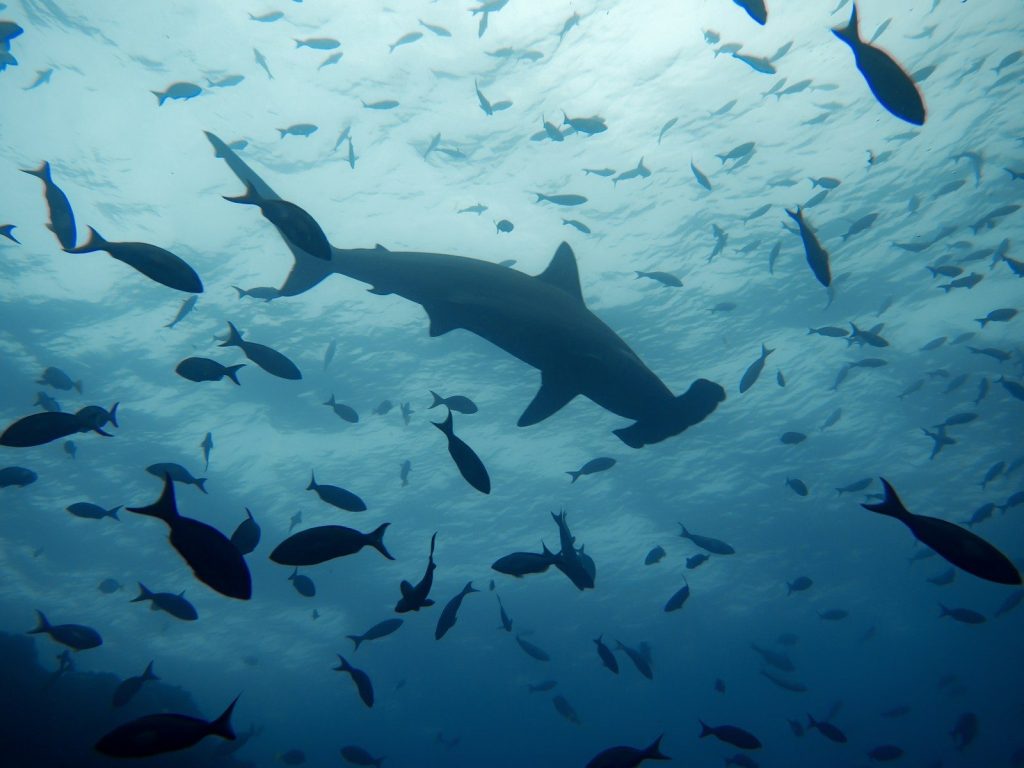
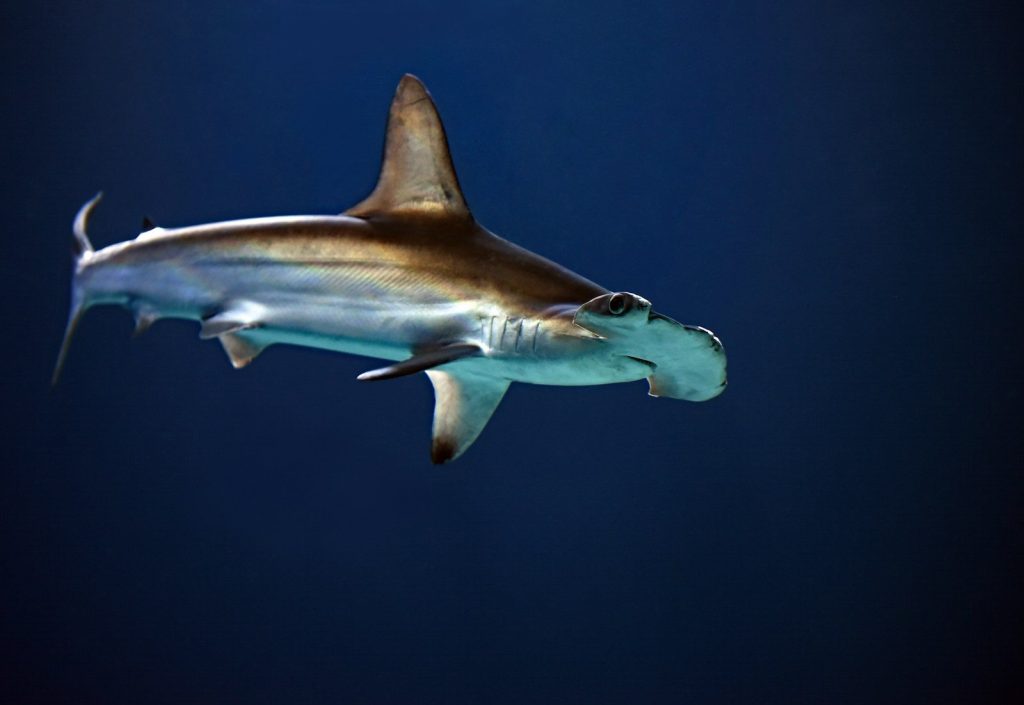
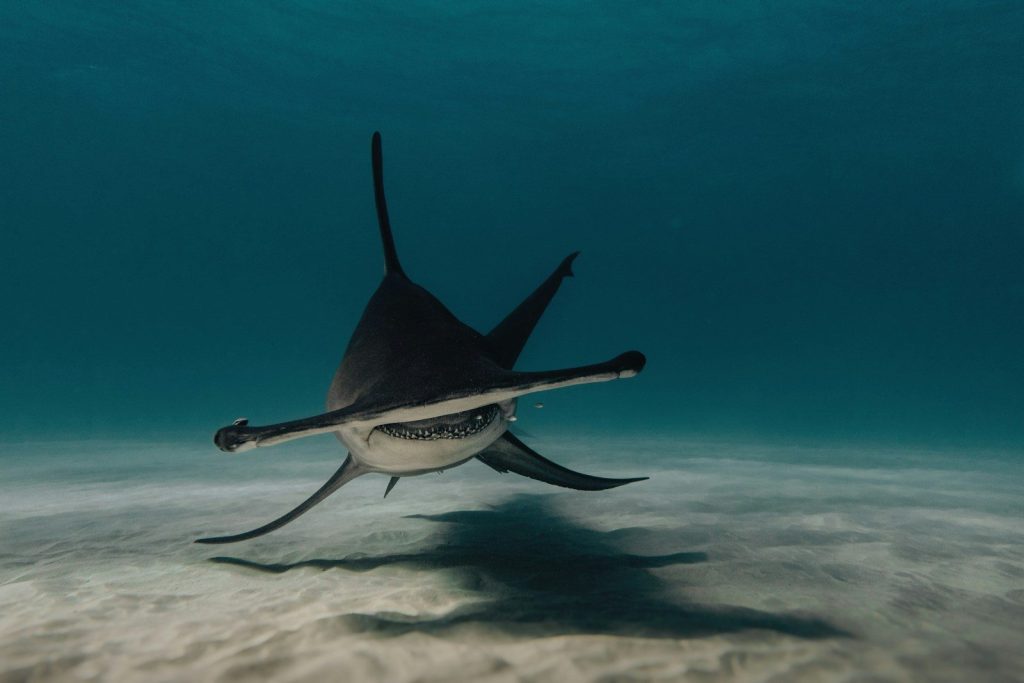
    The shark’s enormous size immediately stood out. Hammerhead sharks are already among the most recognizable shark species because of their unique head shape, but this individual seemed especially impressive for its sheer size.

    A close look at a giant predator

    closeup photo of hammerhead shark
    Photo by Jonas Allert on Unsplash

    The sighting allowed Mark and the crew to observe the hammerhead shark in its natural environment. Watching such a large predator move through the water provided a rare opportunity to appreciate its power and grace.

    Great hammerhead sharks are among the largest hammerhead species in the world. Some individuals found in Bahamian waters can reach impressive sizes, making encounters with them especially memorable for divers and wildlife filmmakers.

    Why the Bahamas attracts shark enthusiasts

    a large group of fish swimming in the ocean
    Photo by Heidi Bruce on Unsplash

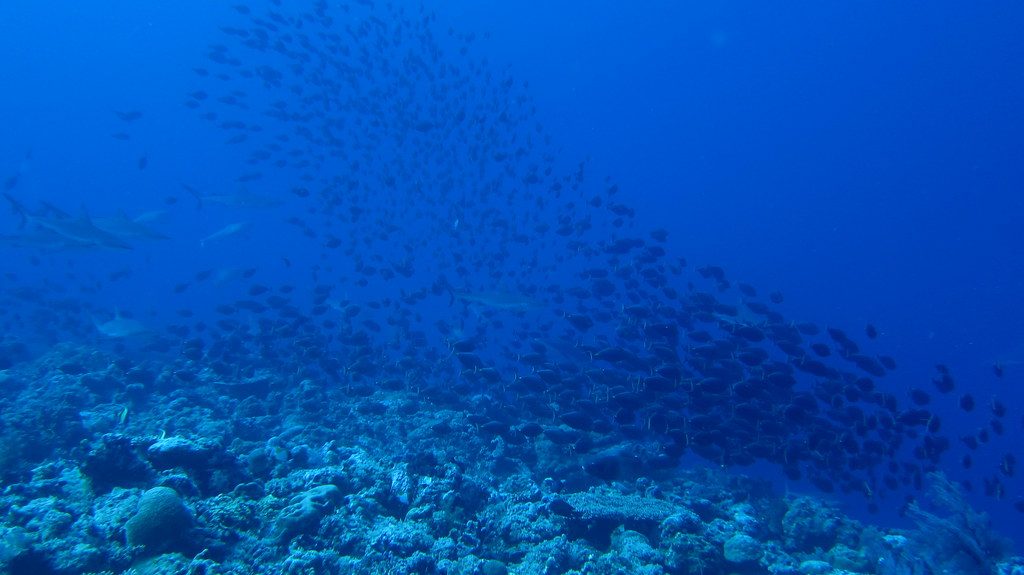
    The Bahamas has become one of the world’s most famous destinations for shark encounters. Areas such as Tiger Beach attract visitors hoping to observe large marine predators in clear ocean waters.

    The region is known for hosting a variety of shark species, including tiger sharks, reef sharks, and hammerheads. These conditions make it a popular destination for wildlife photography, conservation awareness, and marine education.

    The importance of shark encounters

    hammerhead shark
    Photo by David Clode on Unsplash

    Experiences like Mark Vins’ encounter help people better understand sharks and their role in ocean ecosystems. Seeing these animals in the wild often replaces fear with appreciation and curiosity.

    Wildlife programs also give viewers a chance to learn about species they may never encounter themselves. By showcasing sharks in their natural habitats, filmmakers help highlight the importance of protecting healthy marine environments.

    A memorable ending to the expedition

    a large black and white shark swimming in the ocean
    Photo by Gerald Schömbs on Unsplash

    What began as a search for large sharks turned into an extraordinary encounter with a massive hammerhead shark. The animal’s unexpected appearance created a dramatic ending to the Blue Wilderness adventure.

    For Mark Vins and his crew, the sighting served as a reminder that the ocean still holds many surprises. Moments like these continue to inspire fascination with marine life and encourage people to learn more about the creatures that inhabit the world’s oceans.

  • Why do orcas keep targeting boats off Spain and Portugal?

    Why do orcas keep targeting boats off Spain and Portugal?

    For centuries, orcas have been known as intelligent and highly social animals. But in recent years, a group of killer whales has been displaying a behavior that has surprised sailors and scientists alike.

    Since 2020, orcas living near Spain and Portugal have repeatedly approached boats, rammed them, and damaged their rudders. Some vessels have even sunk after these encounters. With hundreds of reported interactions and no clear explanation, researchers are working to understand why these orcas are targeting boats and whether the behavior could continue spreading through the population.

    A new behavior appeared in 2020

    black killer whale on top of water
    Photo by Tim Cole on Unsplash

    The unusual encounters began in May 2020 in the Strait of Gibraltar. Sailors reported that orcas were approaching boats and making physical contact with them in ways that had not been documented before.

    Since then, the behavior has continued across the waters near Spain, Portugal, Morocco, and Galicia. Researchers estimate that more than 500 interactions occurred between 2020 and 2026, making this one of the most unusual marine wildlife events in recent history.

    Meet the orcas known as the Gladises

    a whale in the water
    Photo by Lachlan Gowen on Unsplash

    Scientists have identified a number of individual orcas linked to these interactions. The animals involved have been given the shared designation “Gladis,” a reference to an older scientific name once used for killer whales.

    Researchers have documented multiple members of different pods participating in the encounters. By 2023, at least 15 individual orcas had been associated with the behavior, suggesting it may have spread between family groups.

    How the attacks typically happen

    a whale jumping out of the water
    Photo by Lachlan Gowen on Unsplash

    Most encounters follow a similar pattern. The orcas usually approach from behind and focus their attention on the rudder, the part of a boat used for steering.

    Researchers have observed orcas pushing, ramming, biting, and twisting rudders. In some cases, the animals have completely broken or torn off the rudders. Most targeted vessels are slow-moving sailboats with large rudders, which are easy for orcas to reach.

    Hundreds of boats have been affected

    Ship sinking in the Strait of Gibraltar” by ^ Johnny is licensed under CC BY-SA 2.0

    The number of incidents has grown steadily over time. Reports increased from dozens of encounters in 2020 to hundreds over the following years as more sailors reported contact with the animals.

    More than 250 boats have reportedly suffered damage. Several vessels have sunk following encounters, although researchers note that the majority of interactions end without severe damage, and no humans have been injured during any documented event.

    Scientists still debate the cause

    Scientists in group discussion” by IITA Image Library is licensed under CC BY-NC 2.0

    Researchers have proposed several explanations for the behavior. Some believe the orcas may simply be playing or exploring objects in their environment because of their natural curiosity and intelligence.

    Others suggest the behavior may be defensive or linked to a previous negative encounter involving one of the animals. Additional theories include frustration with boat activity, reactions to underwater noise, or even a temporary cultural trend that spread between orca groups through social learning.

    How humans are responding

    a large ship in the water
    Photo by William Rudolph on Unsplash

    The increase in encounters has prompted new efforts to protect both sailors and the endangered Iberian orca population. Scientists, government agencies, and conservation groups have formed working groups to monitor and study the incidents.

    Authorities have issued navigation warnings, tested deterrent methods, and explored tracking programs to better understand the whales’ movements. Researchers continue collecting data in hopes of learning why the behavior started and whether it will continue in the future

  • Boy critically injured after being thrown into crocodile enclosure

    Boy critically injured after being thrown into crocodile enclosure

    A visit to the zoo turned into a nightmare when a three-year-old boy was thrown into a crocodile enclosure by another visitor. The shocking incident happened at a zoo in the United Kingdom and left the child with life-threatening injuries.

    The boy reportedly fell about 15 feet into the crocodile exhibit below after being thrown from an overhead walkway. He was later rescued and rushed to the hospital, where he remains in critical condition. The incident has sparked concern about visitor safety and led to an ongoing investigation.

    A normal zoo visit turned tragic

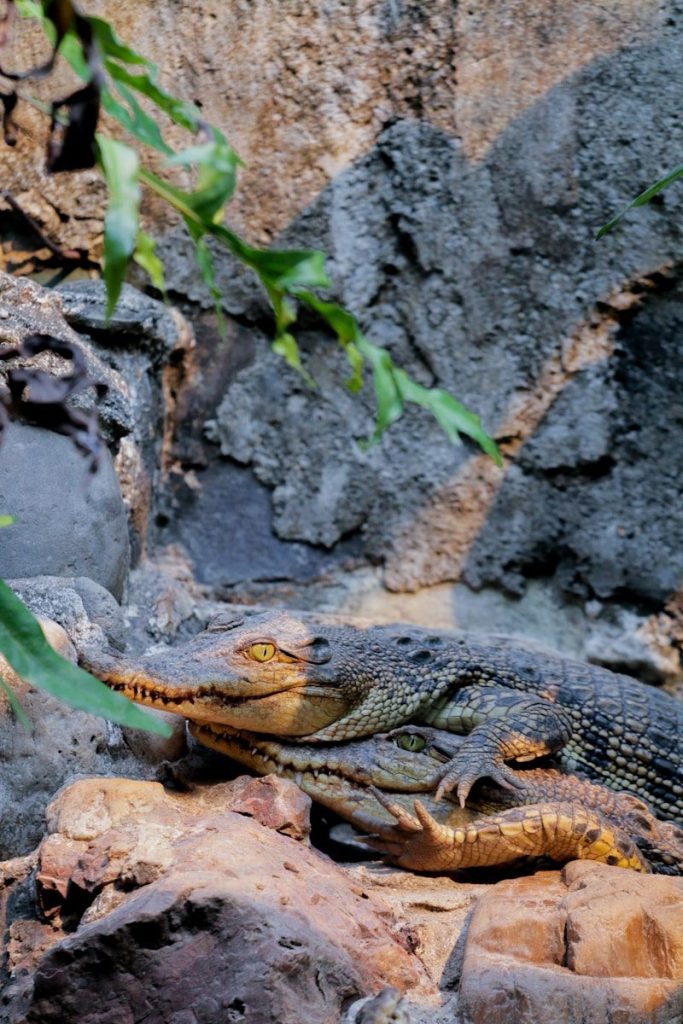
    two alligators are sitting on some rocks
    Photo by Didin Hasbullah on Unsplash

    The young boy was watching crocodiles from an overhead viewing area when the incident occurred. According to reports, a man described as having learning difficulties suddenly threw the child into the enclosure below.

    The fall sent the boy approximately 15 feet into an area occupied by multiple crocodiles. What began as a routine day at the zoo quickly became a frightening emergency for visitors and staff.

    Crocodiles reportedly attacked the child

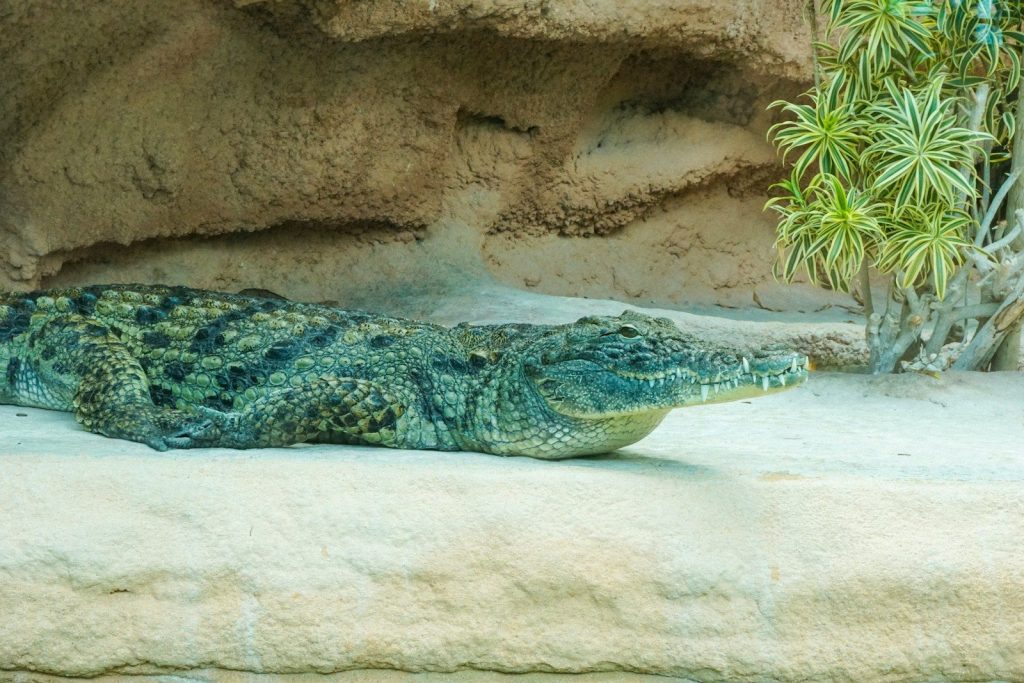
    green crocodile
    Photo by Anthony Choren on Unsplash

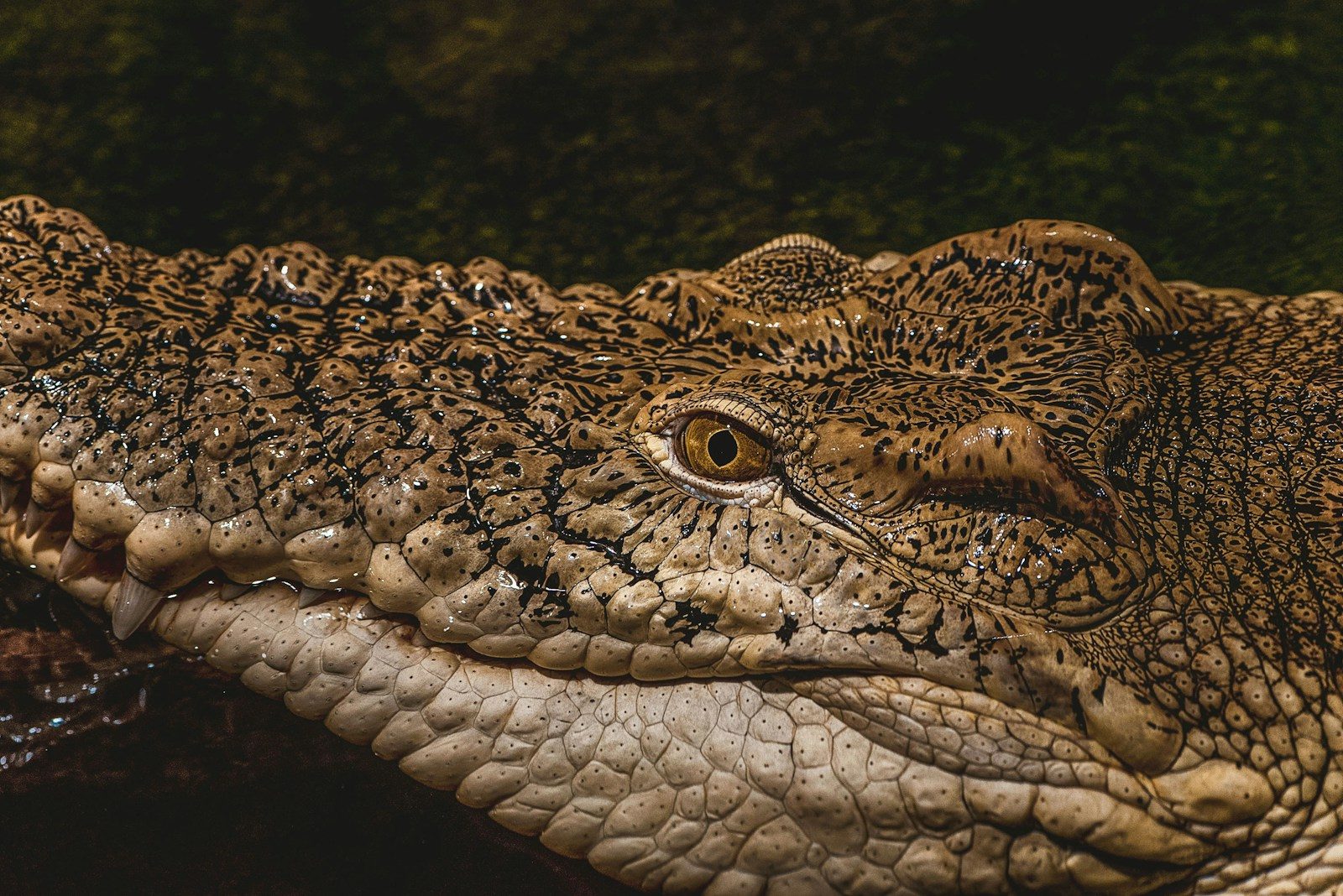
    Experts believe the boy was attacked by at least one crocodile after landing inside the exhibit. The enclosure housed more than a dozen crocodiles, including Nile crocodiles named Romeo and Cuddles.

    Wildlife specialist Chris Newman explained that even a single investigatory bite from a crocodile could cause devastating injuries to a small child. The presence of numerous large reptiles made the situation especially dangerous.

    Heroic rescue efforts followed

    Three people standing in a forest
    Photo by Frederick Shaw on Unsplash

    As the emergency unfolded, Tracey Johnson, the zoo owner’s wife, entered the enclosure to save the child. Her actions helped raise awareness of the urgency of the situation.

    Emergency responders and zoo staff worked quickly to remove the boy from danger. Their rapid response helped ensure the child received immediate medical treatment following the incident.

    Child remains in critical condition

    child lying on bed while doctor checking his mouth
    Photo by National Cancer Institute on Unsplash

    The boy was transported to a hospital, where doctors continue to treat his injuries. Reports indicate that he suffered a broken pelvis and a broken arm, along with other serious injuries.

    Medical teams are closely monitoring his condition as he receives ongoing care. The incident has generated widespread concern, and many people continue to hope for his recovery.

    The investigation focuses on the suspect

    a close up of a police car with its lights on
    Photo by Max Fleischmann on Unsplash

    Authorities arrested a 30-year-old man in connection with the incident. Investigators initially detained him on suspicion of attempted murder following the child’s injuries.

    However, police later released the man on bail after determining he was not fit to be interviewed. Officials continue to investigate the circumstances surrounding the incident and the factors that may have led to the shocking event.

    Zoo closes reptile facility

    white and black wooden signage
    Photo by Andrew Winkler on Unsplash

    Following the incident, the zoo closed its tropical house indefinitely. The facility contains more than a dozen crocodiles and remains off limits while authorities review the situation.

    Zoo co-owner Andy Johnson said his thoughts remain with the injured child and his family. The closure reflects the seriousness of the incident as investigations and safety reviews continue.

  • Orca shocks scientists with solo great white shark hunt

    Orca shocks scientists with solo great white shark hunt

    Great white sharks are often considered among the ocean’s most powerful predators. But a recent event off the coast of South Africa showed that even these feared hunters can become prey.

    Researchers captured rare drone footage of a lone orca killing a great white shark in less than two minutes near Mossel Bay. The remarkable attack challenged previous beliefs about how orcas hunt sharks and raised new questions about the future impact on shark populations and marine ecosystems. Scientists are now studying whether this unusual behavior could spread among other killer whales.

    A rare hunting event surprises researchers

    a black and white animal swimming in the ocean
    Photo by Tomáš Malík on Unsplash

    The attack near Mossel Bay marked the first documented case of a single orca killing a great white shark so quickly. Until now, scientists believed that attacks on great white sharks typically involved coordinated efforts by two or more orcas.

    The footage provided researchers with a unique opportunity to observe the behavior in detail. The event demonstrated that a lone killer whale may be capable of taking down one of the ocean’s most powerful predators without assistance.

    The attack lasted less than two minutes

    A whale is swimming in the ocean
    Photo by Vidar Nordli-Mathisen on Unsplash

    According to researchers, the entire encounter was remarkably brief. The orca attacked and killed the great white shark in approximately 2 minutes, highlighting the predator’s efficiency.

    The speed of the attack surprised scientists because great white sharks are large, powerful animals. The incident showed how quickly an experienced orca can overpower a shark despite the shark’s size and reputation as an apex predator.

    The shark’s liver was the target

    grey and white shark underwater
    Photo by Hunter Newton on Unsplash

    Researchers observed that the orca specifically targeted the shark’s liver during the attack. This behavior has been documented in previous encounters involving multiple orcas.

    The liver of a great white shark is rich in nutrients and energy. The fact that a single orca successfully performed this specialized hunting technique suggests that the behavior may be more advanced and adaptable than previously understood.

    Scientists question how the behavior develops

    a whale in the water
    Photo by Lachlan Gowen on Unsplash

    One of the biggest questions involves whether this was an isolated event or part of a larger trend. Researchers do not yet know if the same orca has repeated the behavior on other occasions.

    Scientists are also unsure whether multiple orcas are independently learning the technique. Without additional observations, it remains difficult to determine how widespread this hunting strategy may become among killer whale populations.

    Potential effects on shark populations

    a lone orca swimming in a large body of water
    Photo by Yuanpang Wa on Unsplash

    If more orcas begin hunting great white sharks in this manner, researchers believe shark numbers at key aggregation sites could decline more rapidly. Such changes could affect the balance of marine ecosystems.

    Great white sharks play an important role as top predators. A significant reduction in their numbers could affect prey populations and alter relationships throughout the food chain.
    Economic and environmental concerns

    a dolphin swimming in the ocean with its head above the water
    Photo by Ray Harrington on Unsplash

    The possible spread of this hunting behavior could also affect communities that rely on shark tourism. Many coastal regions attract visitors who hope to observe great white sharks in their natural habitat.

    Researchers emphasize that more data is needed before drawing firm conclusions. Understanding whether solo shark hunting becomes common among orcas will help scientists evaluate the long-term ecological and economic consequences of this remarkable behavior.

  • The Greenland shark may be the oldest vertebrate on Earth

    The Greenland shark may be the oldest vertebrate on Earth

    What if an animal alive today was born before the United States existed? That may sound impossible, but scientists believe some Greenland sharks have been swimming through the ocean for centuries.

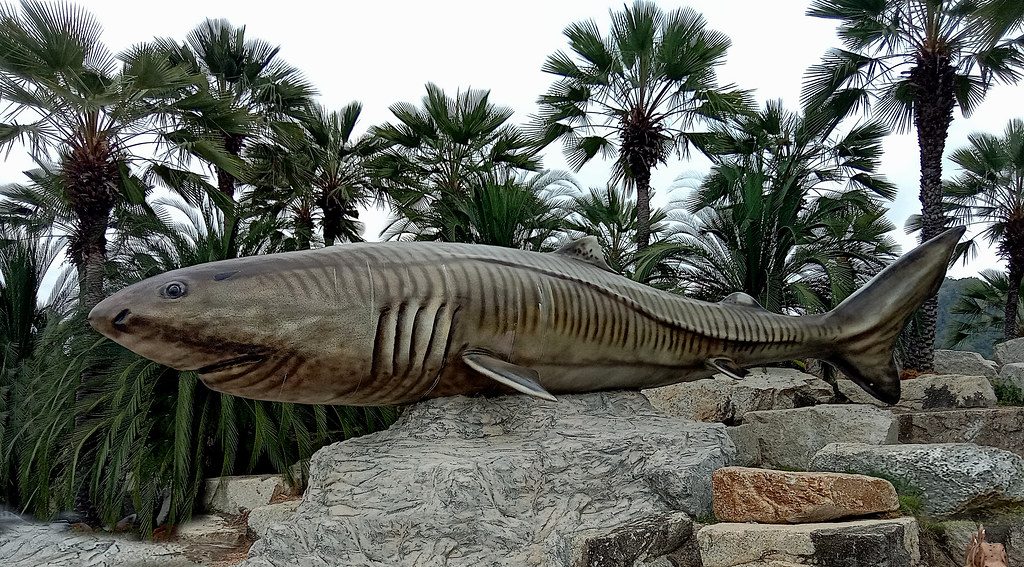
    The Greenland shark is considered the longest-living vertebrate ever discovered. Researchers estimate that some individuals can live between 250 and more than 400 years. Their incredible lifespan, slow growth, and unique biology have fascinated scientists and revealed new clues about aging, survival, and life in the deep ocean. Here is what makes the Greenland shark one of the most remarkable animals on Earth.
    Scientists discovered an extraordinary lifespan

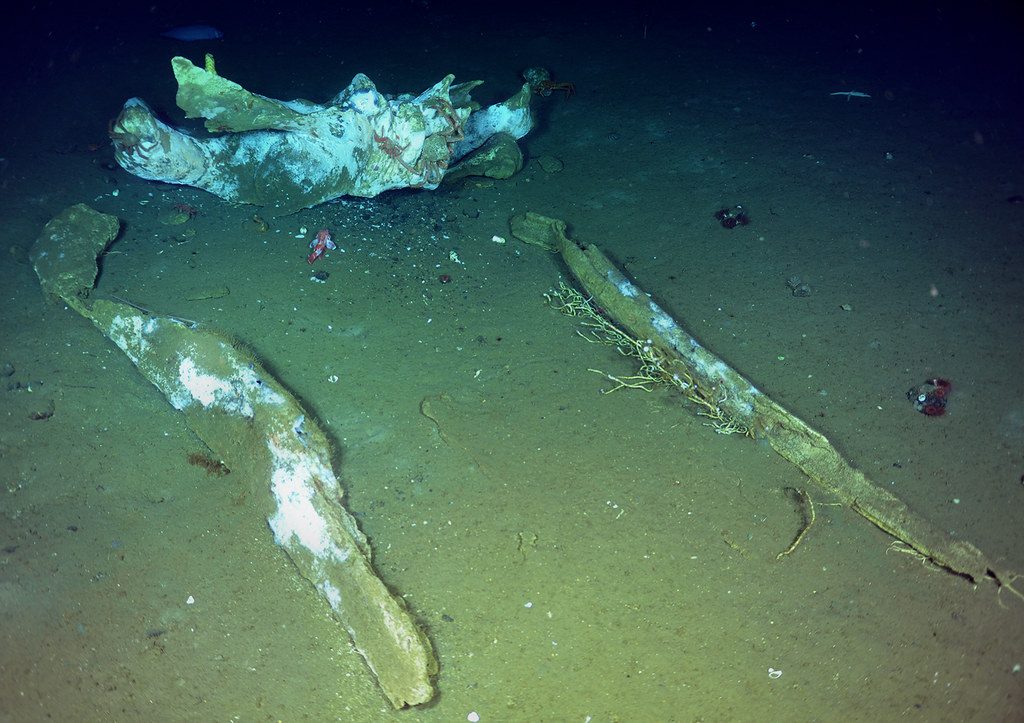
    Whale Fall” by OceanNetworks Canada is licensed under CC BY-NC-SA 2.0

    For many years, researchers suspected that Greenland sharks lived for a very long time. However, proving their age was difficult because traditional methods used to age animals do not work well for this species.

    A major study published in 2016 changed that understanding. Scientists estimated that some Greenland sharks were between 272 and 512 years old. Even the lowest estimates made them the longest-living vertebrates known to science, setting a record unmatched by any other animal with a backbone.

    How researchers estimated their age

    gray and brown shark
    Photo by David Clode on Unsplash

    Scientists used a unique technique involving the sharks’ eye lenses. The proteins found in the center of the eye lens form before birth and remain unchanged throughout the animal’s life.

    By measuring radiocarbon levels in these proteins, researchers were able to estimate how long the sharks had been alive. This method provided valuable age estimates for animals that could not be measured using growth rings in bones or teeth because of their extremely slow development.

    Life moves slowly for Greenland sharks

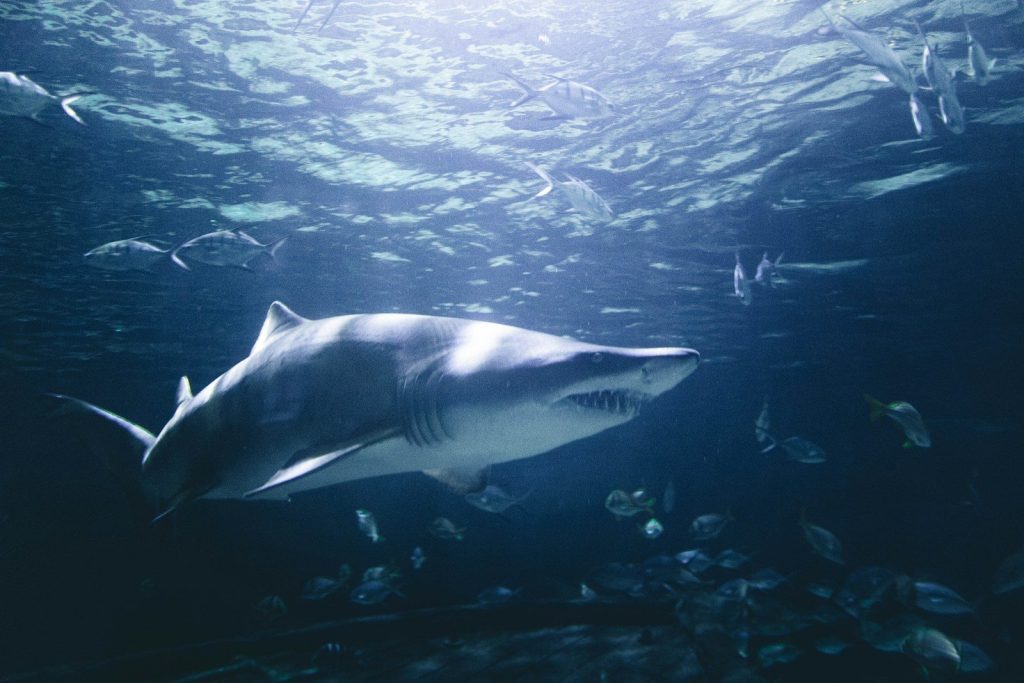
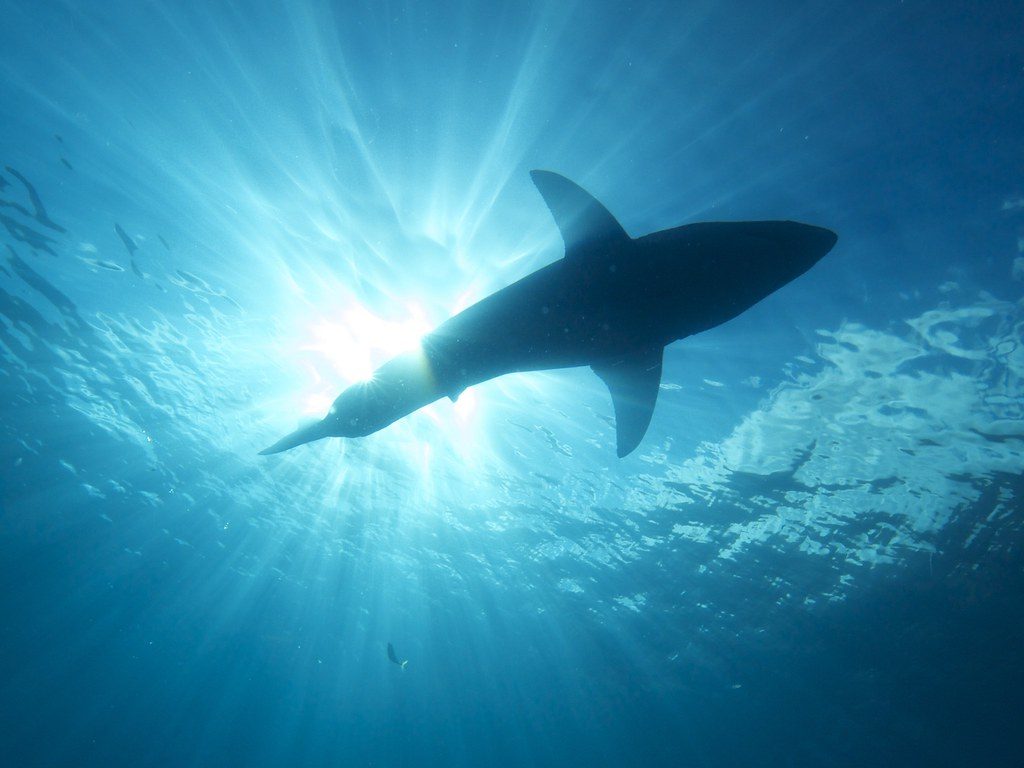
    Great White Shark” by Elias Levy is licensed under CC BY 2.0

    One reason Greenland sharks live so long is their remarkably slow metabolism. They spend their lives in near-freezing waters, where biological processes occur at a much slower pace.

    The species grows less than one centimeter each year. Scientists believe Greenland sharks may not reach sexual maturity until they are between 100 and 150 years old. This slow lifestyle reduces wear on their bodies and may help explain their extraordinary longevity.

    Surviving in the deep ocean

    shark hunting” by jeff~ is licensed under CC BY 2.0

    Greenland sharks inhabit cold and stable deep-water environments. These conditions help reduce environmental stress and create a setting where animals can survive for long periods.

    Researchers are also studying the shark’s genetics for clues about aging. Early findings suggest that Greenland sharks may possess biological traits related to DNA repair and cellular maintenance, which could contribute to their long lifespan.

    How Greenland sharks hunt and survive

    Shark Hunting” by steven and darusha is licensed under CC BY-NC 2.0

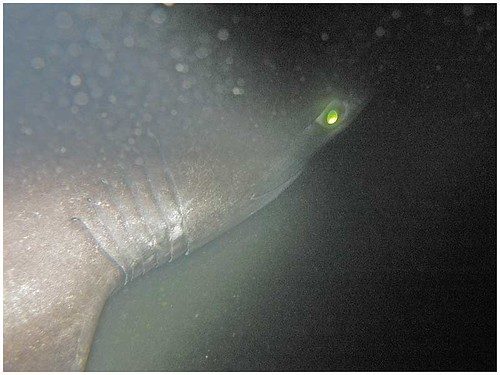
    Although Greenland sharks move very slowly, they are still effective predators. Their diet includes fish, squid, and even seals, showing that speed is not always necessary for successful hunting.

    Many Greenland sharks have vision problems caused by parasites that attach to their eyes. Despite this, they continue to navigate and find food by relying heavily on their sense of smell and vibration detection in the surrounding water.

    Threats facing an ancient species

    expl9984” by NOAA Photo Library is licensed under CC BY 2.0

    After surviving for centuries in harsh Arctic waters, Greenland sharks now face challenges posed by modern fishing practices. Deep-sea fisheries sometimes catch these sharks accidentally, creating concerns about their future.

    Their slow growth and late maturity make population recovery extremely difficult. Scientists warn that losing even a single centuries-old shark can have long-term effects on the species. These concerns have increased interest in protecting Greenland sharks and improving conservation efforts in deep-ocean ecosystems.

  • 6 largest deep-sea sharks and ocean predators

    6 largest deep-sea sharks and ocean predators

    The ocean is home to some of the largest and most fascinating sharks on Earth. While many people know about sharks that swim near beaches and coastlines, there are also incredible species that live far below the surface in dark and cold waters.

    These deep-sea sharks have adapted to extreme conditions, including crushing pressure and complete darkness. Some are ancient species that have existed for millions of years, while others remain mysterious because scientists rarely see them. Here are six of the largest deep-sea sharks and ocean predators that continue to amaze researchers around the world.

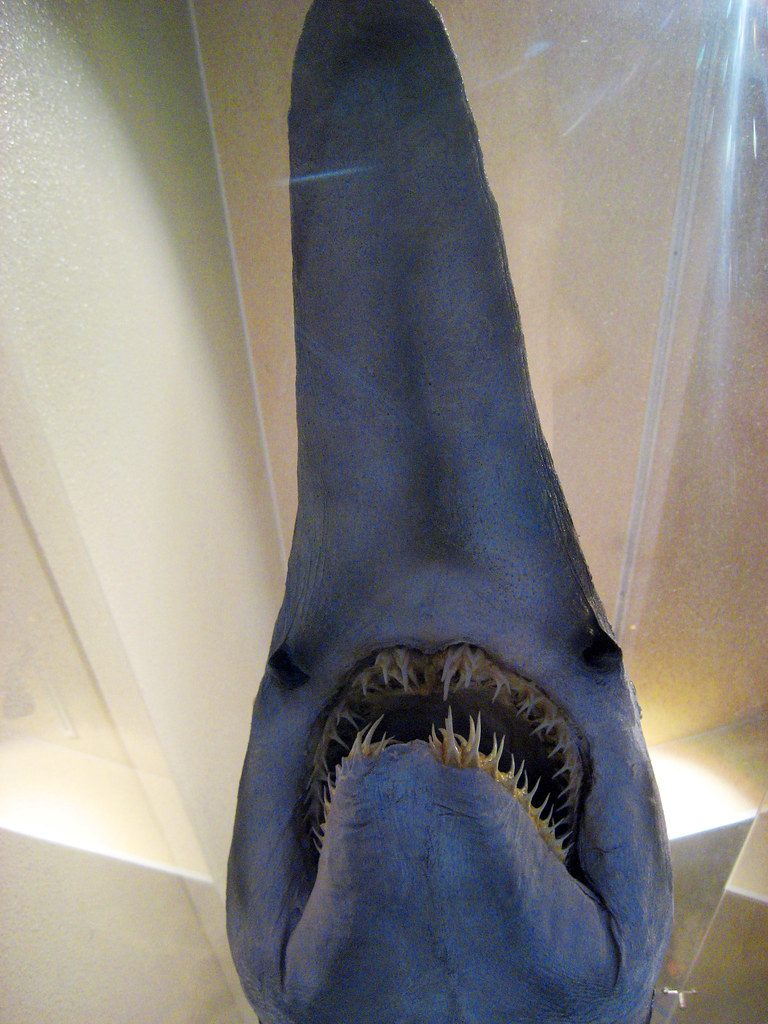
    Goblin shark

    Snaggle Tooth Hob Goblin” by Hungarian Snow is licensed under CC BY-SA 2.0

    The goblin shark is one of the strangest-looking sharks in the ocean. It is often called a living fossil because its ancestors appeared more than 125 million years ago. Scientists believe the species has changed very little over time.

    This shark can reach about 13 feet in length and has been found at depths of around 4,490 feet. Its long snout, sharp teeth, and pinkish appearance make it one of the most recognizable deep-sea sharks in the world.

    Bluntnose sixgill shark

    Sixgill Shark” by Dan Hershman is licensed under CC BY 2.0

    The bluntnose sixgill shark is an ancient species that stands out because it has six gill slits instead of the usual five found on most sharks. Scientists believe it shares many features with some of the earliest sharks that lived millions of years ago.

    This shark can grow up to 16 feet long and has been recorded at depths of more than 6,100 feet. Although it sometimes enters shallower coastal waters, it often travels deep into the ocean in search of food.

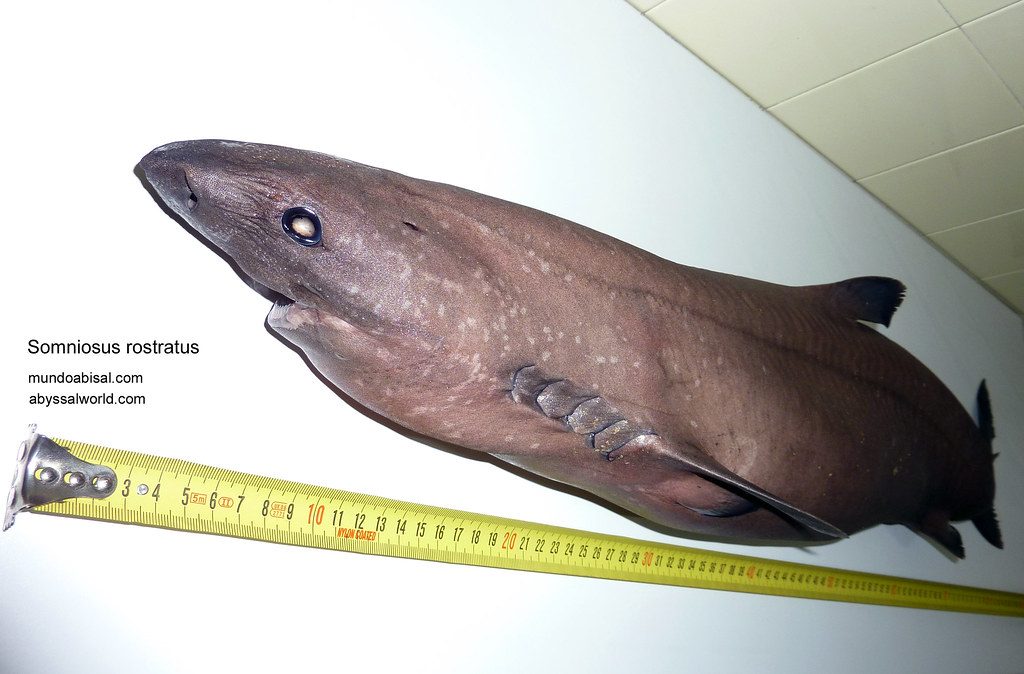
    Pacific sleeper shark

    Sleeper Shark. Tiburón dormilón. Somniosus rostratus” by Fran Martín de la Sierra is licensed under CC BY-NC-ND 2.0

    The Pacific sleeper shark belongs to a group known as sleeper sharks. It lives in the cold waters of the North Pacific and spends much of its life in deep ocean environments.

    Growing to around 14 feet in length, the Pacific sleeper shark has been found at depths of about 6,600 feet. It feeds on animals that live near the ocean floor, including large octopuses and other deep-sea creatures.

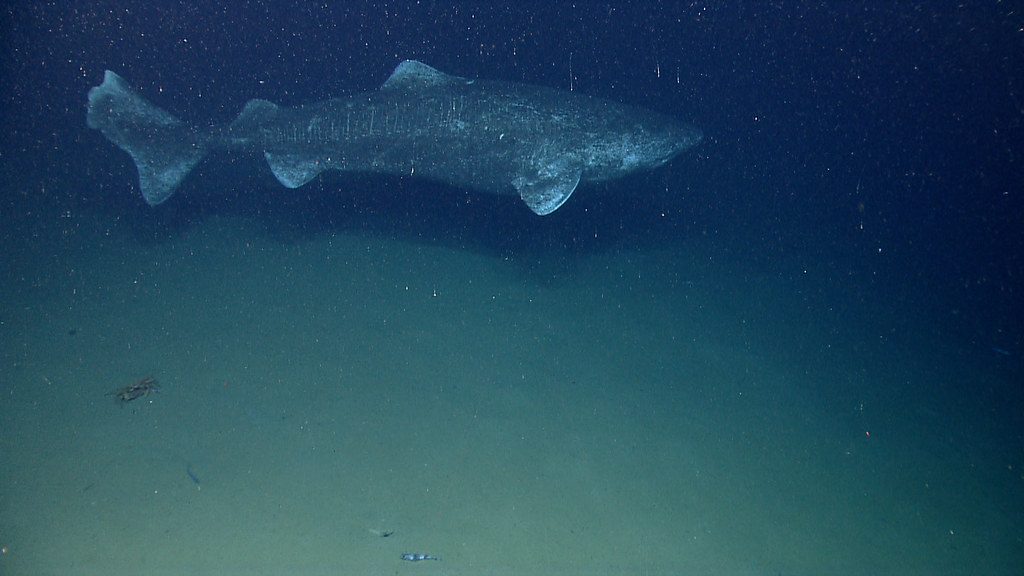
    Greenland shark

    Greenland shark” by DocJ96 is licensed under CC BY-NC 2.0

    The Greenland shark is one of the most mysterious sharks in the world. It lives in extremely cold Arctic waters and moves very slowly, helping it conserve energy in its harsh environment.

    This species can reach about 24 feet in length and is often found at depths approaching 7,200 feet. Greenland sharks are also known for their remarkable lifespan and are considered among the longest-living animals on Earth.

    Megamouth shark

    Megamouth shark” by Stephanie_Asher is licensed under CC BY-NC-SA 2.0

    The megamouth shark remains one of the rarest sharks ever discovered. Scientists first identified the species in 1976, and fewer than 100 individuals have been observed since then.

    Despite reaching lengths of about 23 feet, the megamouth shark feeds mainly on tiny organisms such as plankton and jellyfish. Researchers believe it regularly dives to depths of up to 15,000 feet while searching for food.

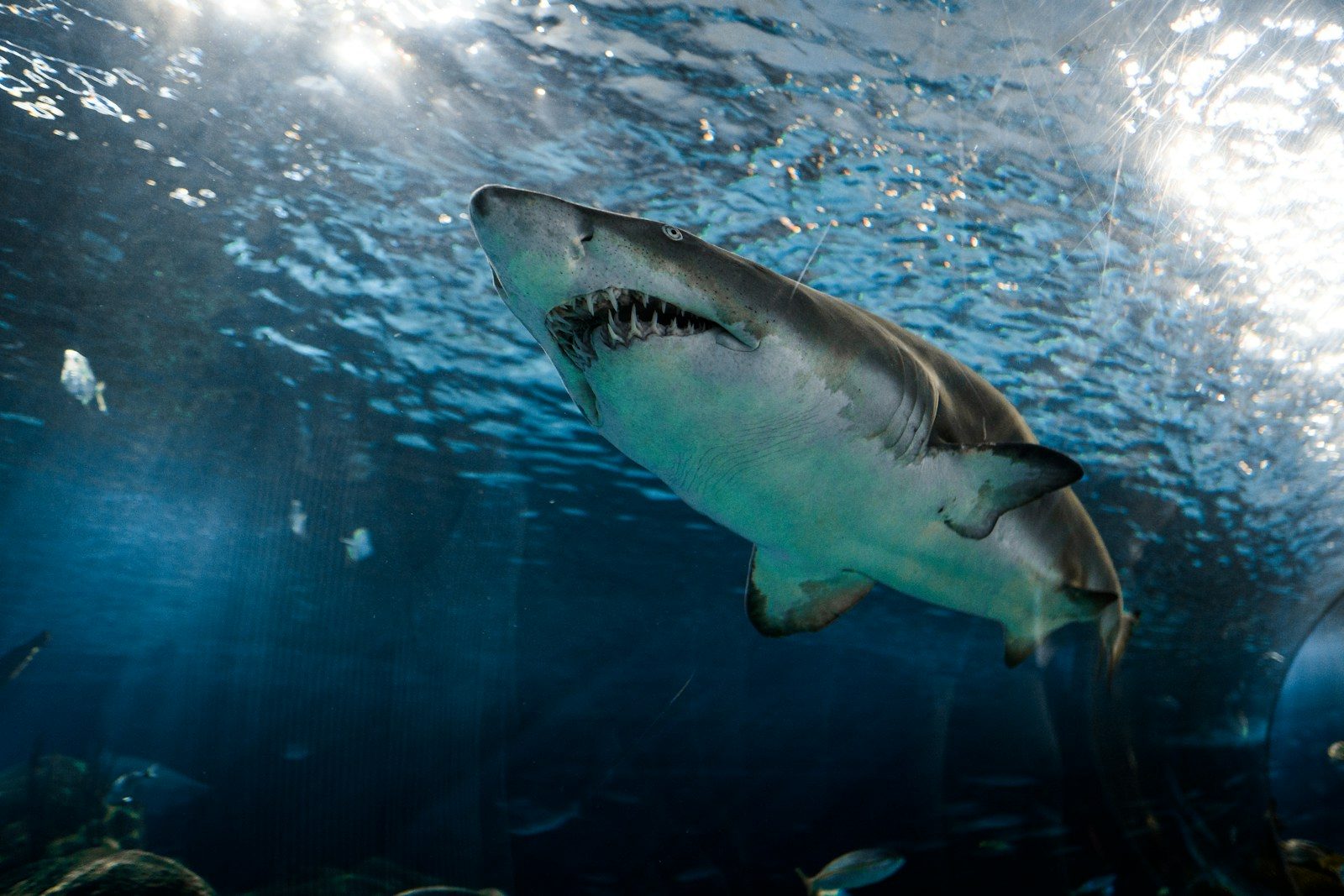
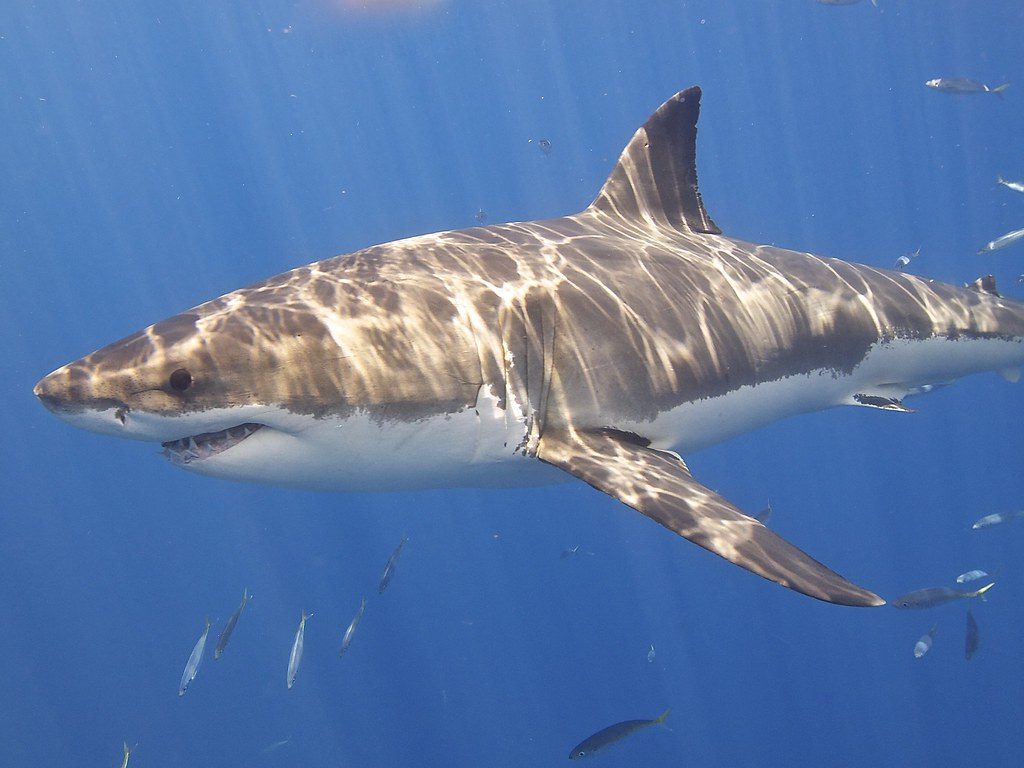
    Great white shark

    Great White Shark” by Elias Levy is licensed under CC BY 2.0

    The great white shark is one of the most famous predators in the ocean. Its powerful body, sharp teeth, and hunting skills have made it one of the most recognized shark species worldwide.

    Great white sharks can grow to about 23 feet long. They are commonly found in coastal waters and hunt seals and other marine mammals. Although they are known for occasional attacks on humans, such incidents are rare compared to the vast number of people who enter the ocean each year.

  • Shark attack victim remains on life support as infection fears grow

    Shark attack victim remains on life support as infection fears grow

    A shark attack can change lives in a matter of seconds. For Leah Stewart and her family, that reality became painfully clear after a suspected great white shark attacked her at Coogee Beach in Australia. While the dramatic rescue saved her life, her recovery remains far from certain.

    Leah Stewart is still in intensive care and on life support as doctors work to treat her severe injuries. Her family has warned that infection remains one of the biggest threats because her wounds were contaminated with sand and debris during the attack. The incident has also sparked fresh debate about shark safety measures and beach protection policies across Australia.

    Leah Stewart remains in critical condition

    a woman laying in a hospital bed with an iv in her hand
    Photo by Stephen Andrews on Unsplash

    Leah Stewart continues to receive treatment at St Vincent’s Hospital after suffering serious injuries in the shark attack. According to her family, she has undergone additional complex surgeries involving several specialist medical teams.

    Doctors remain concerned about the condition of her wounds. The injuries were contaminated with sand and debris, creating an extreme risk of infection. This complication has added another challenge to an already difficult recovery process as medical staff works to stabilize her condition.

    Community support grows during recovery

    a person in a hospital bed with an iv
    Photo by Olga Kononenko on Unsplash

    As Stewart continues her fight for recovery, support from the community has poured in. More than $420,000 has been donated to help her family cope with the challenges ahead.

    The support has gone beyond financial contributions. Friends, strangers, and local residents have provided meals, messages of encouragement, and decorations for her hospital room. These gestures have helped lift her family’s spirits during an incredibly difficult time.

    The terrifying attack at Coogee Beach

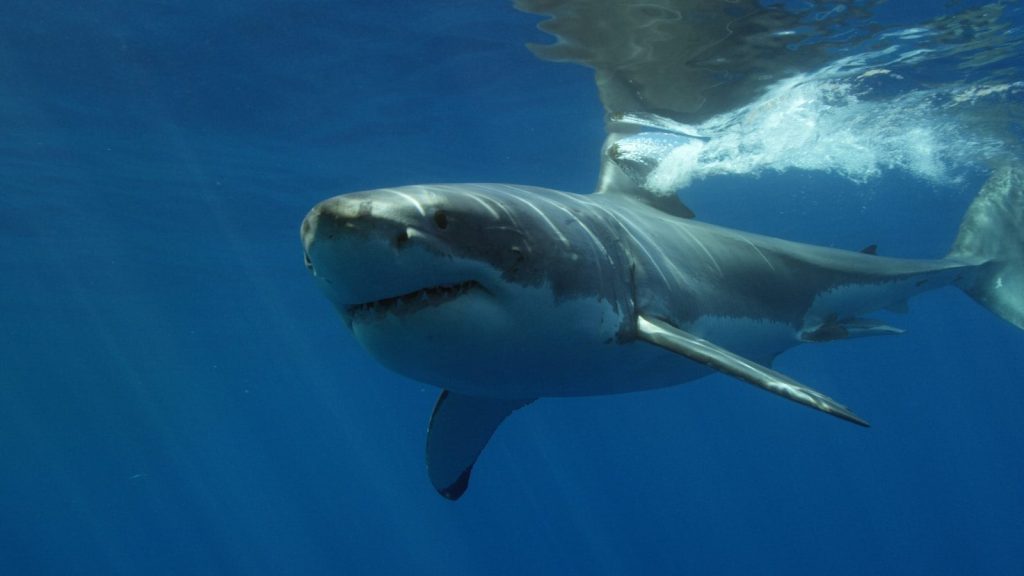
    great white shark
    Photo by Marcelo Cidrack on Unsplash

    The attack occurred on June 13 while Stewart was swimming at Coogee Beach. Reports indicate she was less than 30 meters from shore and inside the designated safety flags when the incident happened.

    Witnesses described seeing blood in the water as panic spread across the beach. The shark involved is believed to have been a great white measuring about 3.5 meters in length. The incident shocked beachgoers because it happened in an area where swimmers generally expect a higher level of safety.

    A heroic rescue saved her life

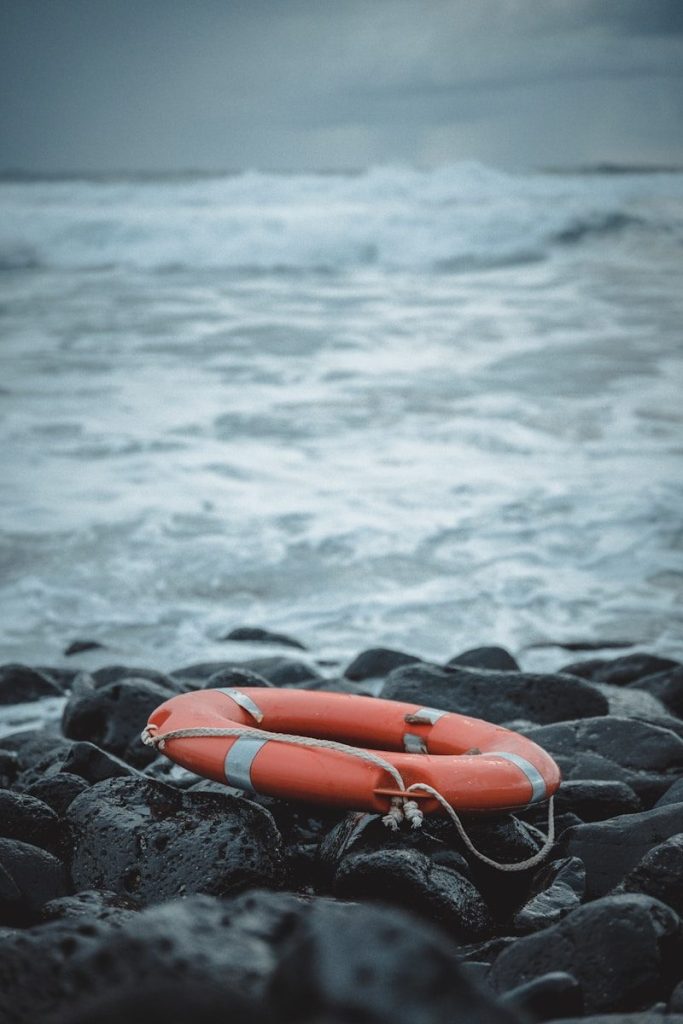
    red inflatable ring on black rock near body of water during daytime
    Photo by Janosch Diggelmann on Unsplash

    One of the most remarkable parts of the story was the response from those nearby. Off-duty lifeguard Charlie Verco quickly entered the water and paddled toward Stewart despite the dangerous conditions.

    After reaching her, Verco pulled Stewart onto his paddleboard and brought her back to shore. Once on the beach, bystanders and an off-duty doctor helped provide emergency care, including the use of life-saving tourniquets. Their quick actions are widely credited with helping keep her alive until professional medical teams arrived.

    Debate grows over shark safety measures

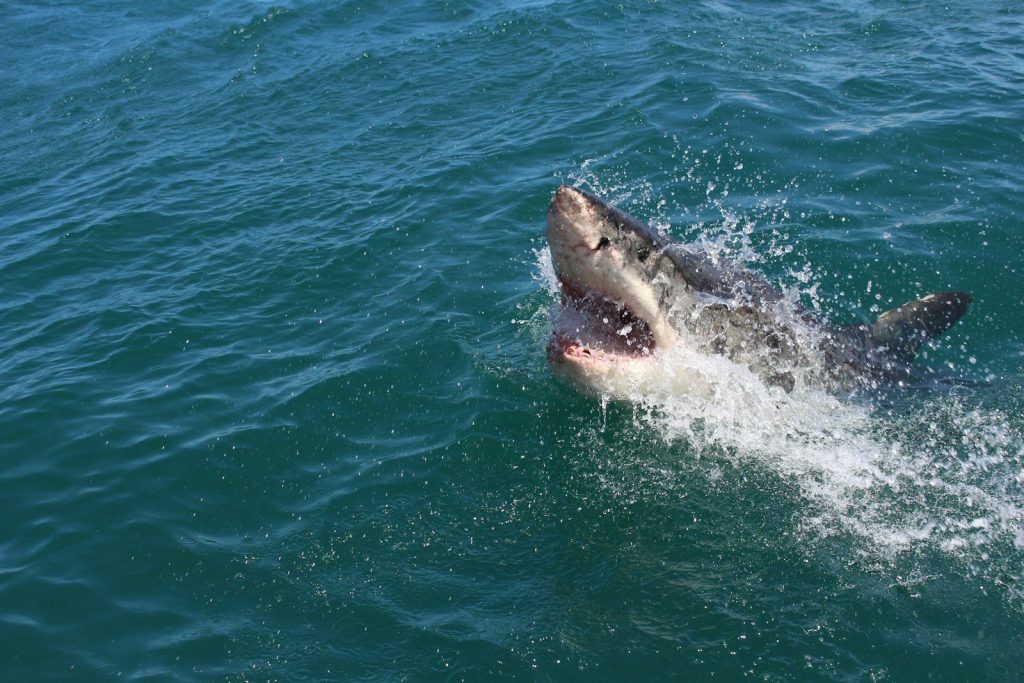
    a great white shark with its mouth open in the water
    Photo by Alex Steyn on Unsplash

    The attack has reignited discussion about how authorities should respond to shark incidents. Former Australian Prime Minister Tony Abbott called for a shark cull, arguing that public safety should come first.

    However, New South Wales Premier Chris Minns rejected the proposal. He pointed to the protected status of great white sharks and said there is no clear evidence that culling would improve swimmer safety. Marine scientists have also argued that shark behavior is complex and that removing sharks may not reduce future attacks.

    Emergency surveillance and future concerns

    a great white shark swimming in the ocean
    Photo by Oleksandr Sushko on Unsplash

    Following the attack, authorities approved temporary drone surveillance at Coogee Beach. Drones were not operating at the location when the incident occurred because the area lies beneath a flight path.

    The attack also comes during a year that has seen an unusually high number of shark-related fatalities in Australia. By mid-June 2026, four fatal shark incidents had already been recorded, exceeding the country’s typical annual average. Experts believe environmental factors, including water conditions and prey movement, may be affecting shark activity near popular beaches, leading to renewed calls for expanded monitoring and prevention efforts.