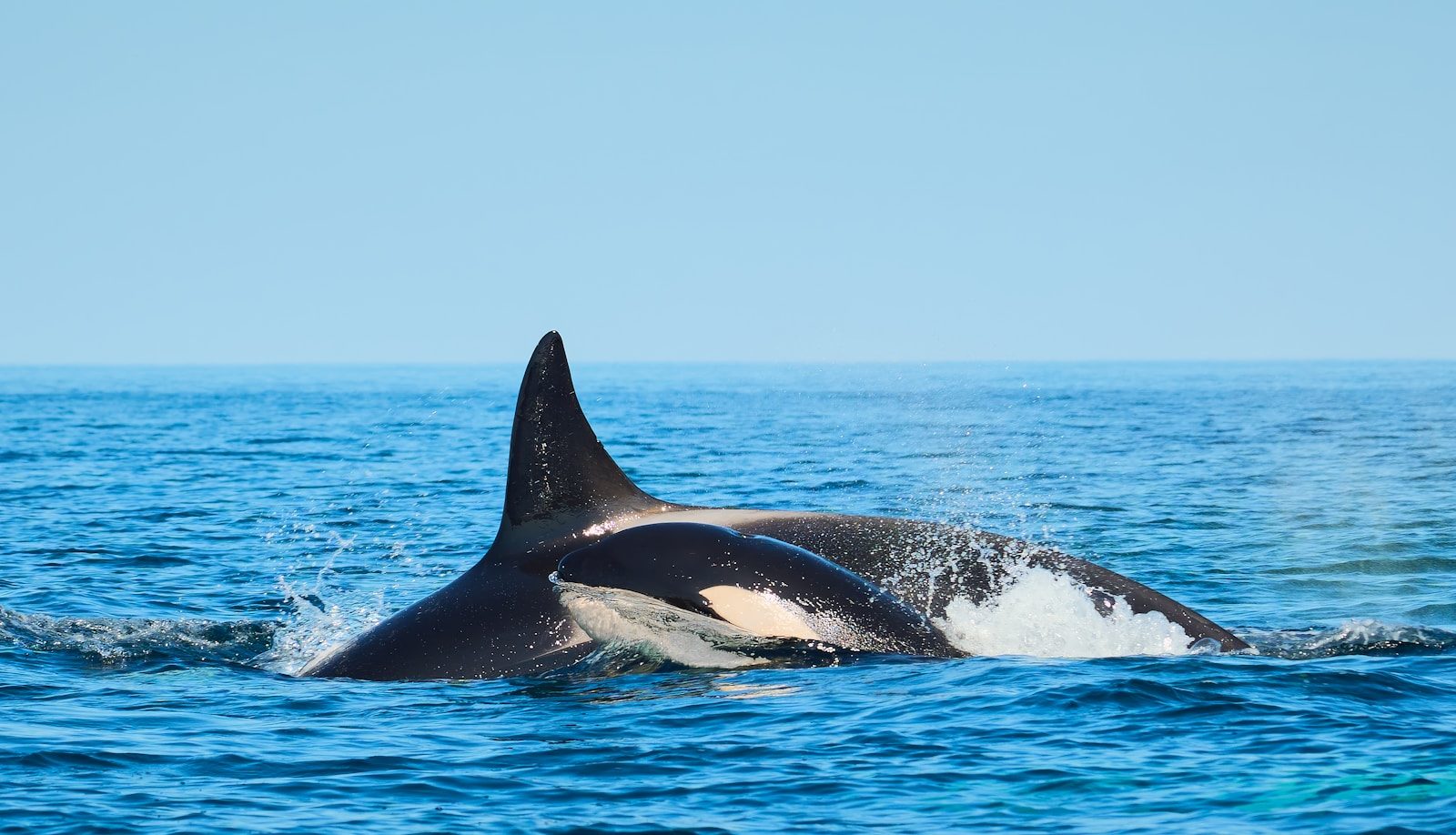
For centuries, orcas have been known as intelligent and highly social animals. But in recent years, a group of killer whales has been displaying a behavior that has surprised sailors and scientists alike.
Since 2020, orcas living near Spain and Portugal have repeatedly approached boats, rammed them, and damaged their rudders. Some vessels have even sunk after these encounters. With hundreds of reported interactions and no clear explanation, researchers are working to understand why these orcas are targeting boats and whether the behavior could continue spreading through the population.
A new behavior appeared in 2020
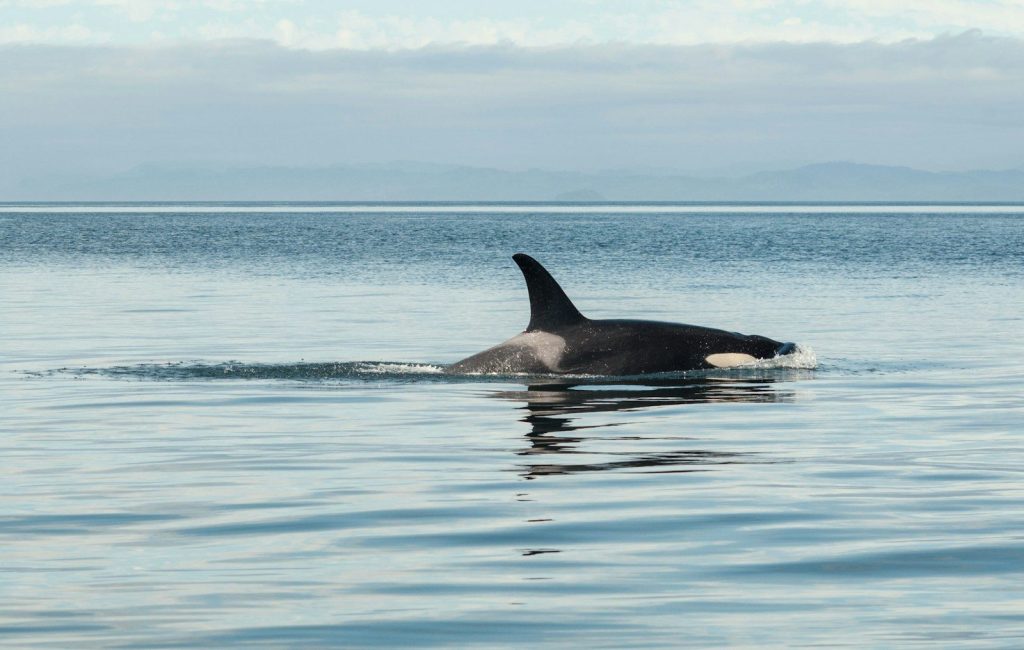
The unusual encounters began in May 2020 in the Strait of Gibraltar. Sailors reported that orcas were approaching boats and making physical contact with them in ways that had not been documented before.
Since then, the behavior has continued across the waters near Spain, Portugal, Morocco, and Galicia. Researchers estimate that more than 500 interactions occurred between 2020 and 2026, making this one of the most unusual marine wildlife events in recent history.
Meet the orcas known as the Gladises
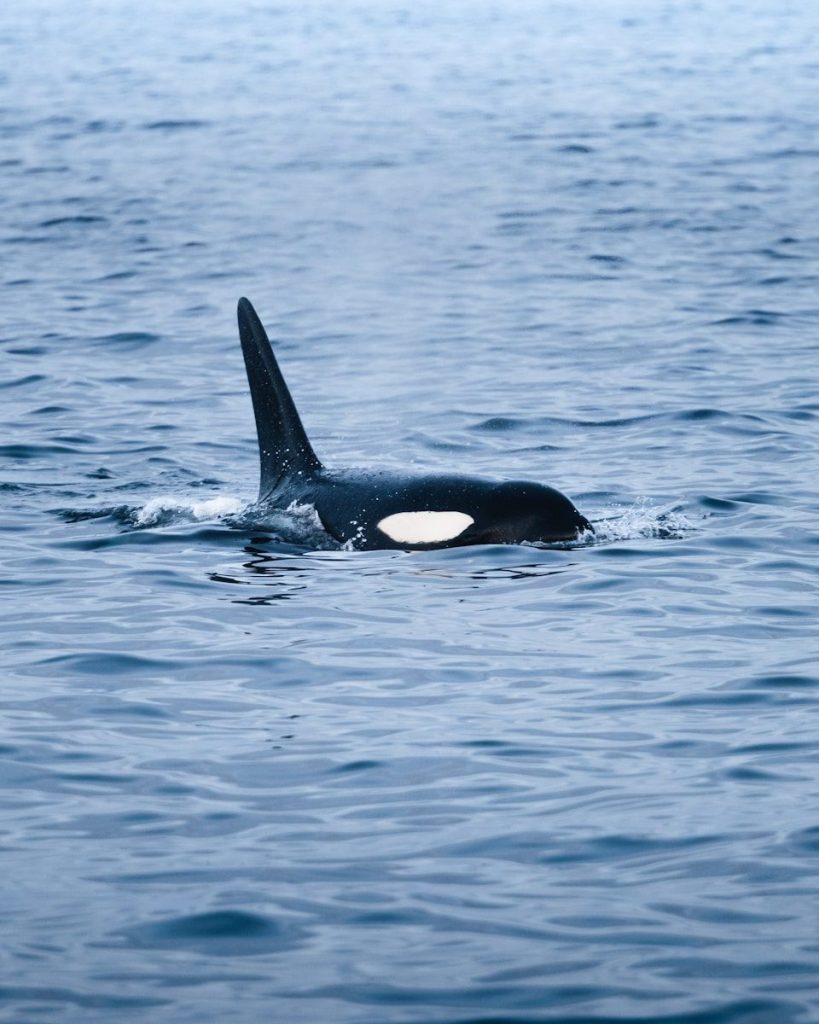
Scientists have identified a number of individual orcas linked to these interactions. The animals involved have been given the shared designation “Gladis,” a reference to an older scientific name once used for killer whales.
Researchers have documented multiple members of different pods participating in the encounters. By 2023, at least 15 individual orcas had been associated with the behavior, suggesting it may have spread between family groups.
How the attacks typically happen
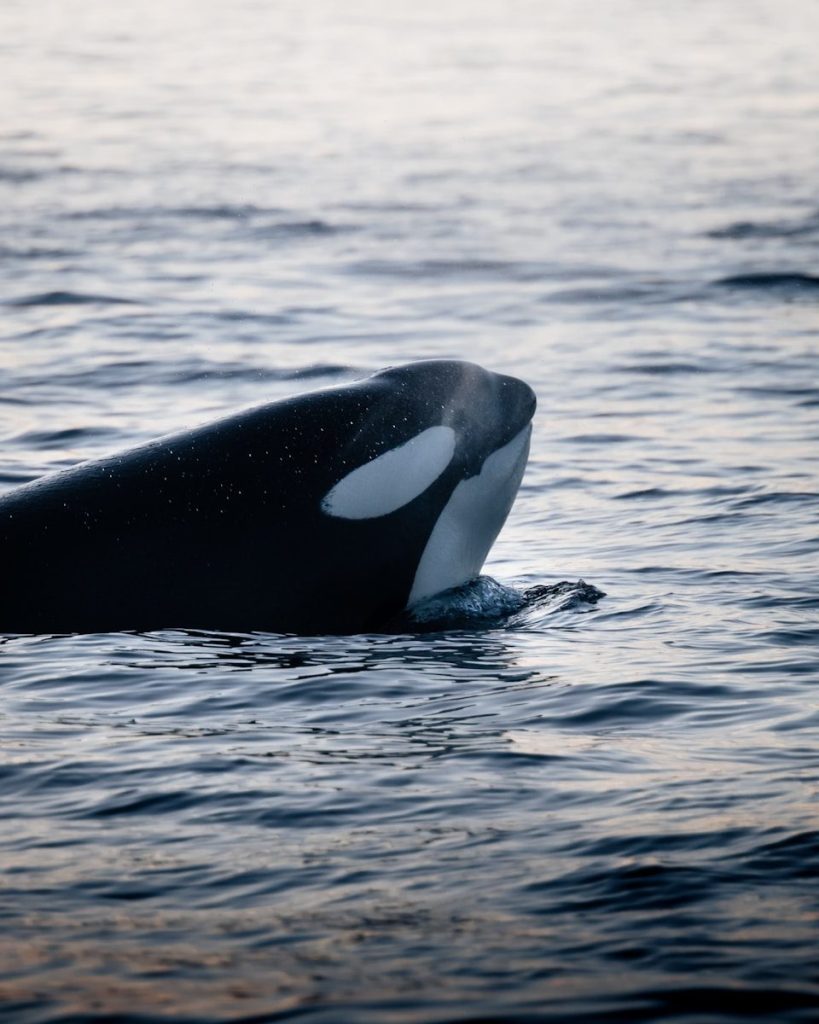
Most encounters follow a similar pattern. The orcas usually approach from behind and focus their attention on the rudder, the part of a boat used for steering.
Researchers have observed orcas pushing, ramming, biting, and twisting rudders. In some cases, the animals have completely broken or torn off the rudders. Most targeted vessels are slow-moving sailboats with large rudders, which are easy for orcas to reach.
Hundreds of boats have been affected

The number of incidents has grown steadily over time. Reports increased from dozens of encounters in 2020 to hundreds over the following years as more sailors reported contact with the animals.
More than 250 boats have reportedly suffered damage. Several vessels have sunk following encounters, although researchers note that the majority of interactions end without severe damage, and no humans have been injured during any documented event.
Scientists still debate the cause

Researchers have proposed several explanations for the behavior. Some believe the orcas may simply be playing or exploring objects in their environment because of their natural curiosity and intelligence.
Others suggest the behavior may be defensive or linked to a previous negative encounter involving one of the animals. Additional theories include frustration with boat activity, reactions to underwater noise, or even a temporary cultural trend that spread between orca groups through social learning.
How humans are responding
The increase in encounters has prompted new efforts to protect both sailors and the endangered Iberian orca population. Scientists, government agencies, and conservation groups have formed working groups to monitor and study the incidents.
Authorities have issued navigation warnings, tested deterrent methods, and explored tracking programs to better understand the whales’ movements. Researchers continue collecting data in hopes of learning why the behavior started and whether it will continue in the future
Leave a Reply