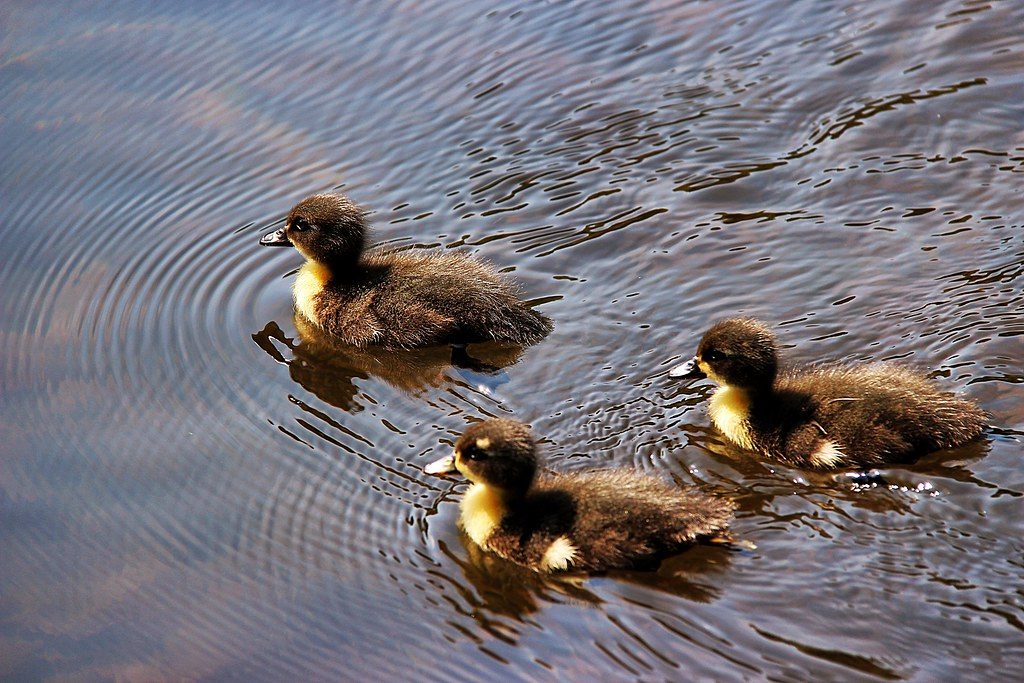
A story about a man spotting two ducklings in a pond and bringing them to safety has touched many people because it shows how one small act can save lives. Young ducklings face many dangers, including traffic, deep water, predators, and becoming separated from their mother.
In this article, you’ll learn what happened, why the rescue mattered, how the ducklings were kept safe, and what wildlife experts say people should do when they find young wild birds in trouble.
A simple rescue became a lifesaving moment
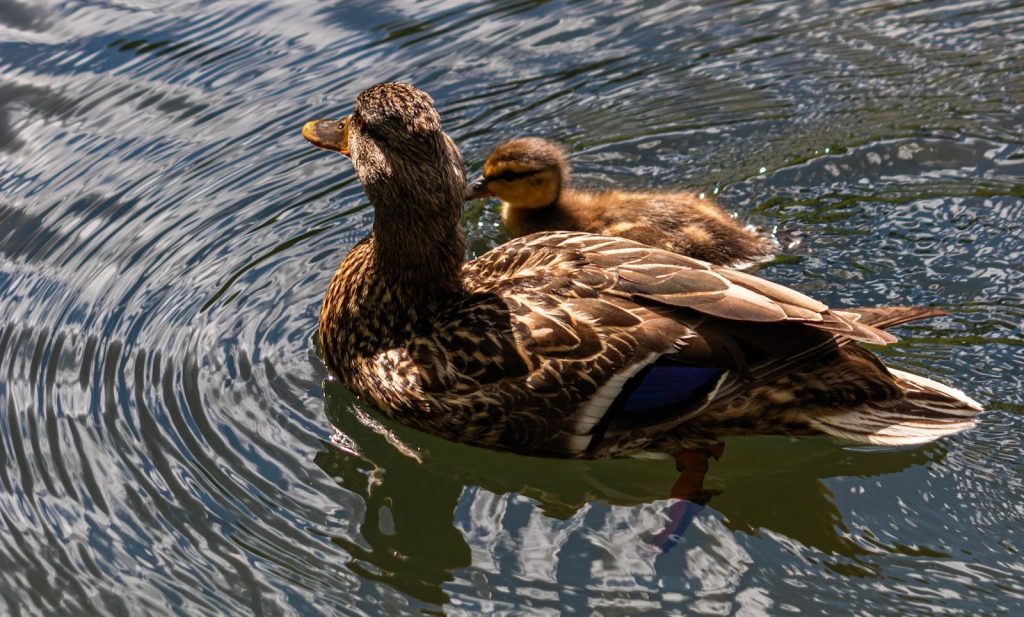
The rescue happened after a man noticed two small ducklings struggling in a pond without their mother nearby. The birds appeared unable to reach a safe place on their own, so he carefully stepped in to help.
He gently picked up the ducklings and moved them away from danger. His quick action gave the young birds a much better chance of surviving until they could be reunited with a safe habitat or receive proper care.
Why ducklings can end up alone
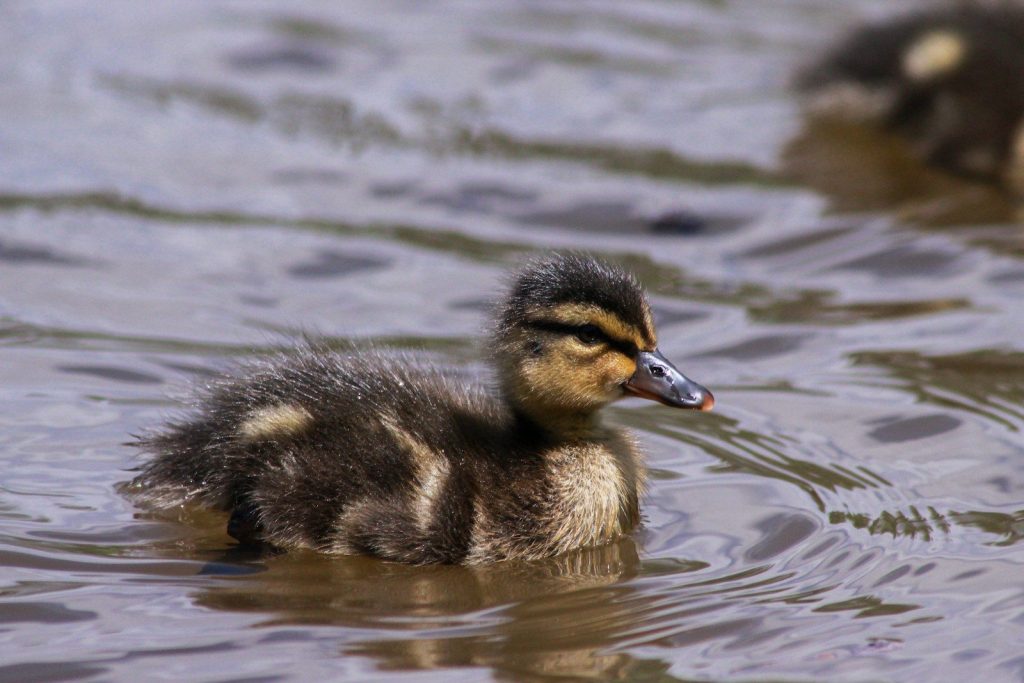
Ducklings sometimes become separated from their mother while crossing roads, escaping predators, or during bad weather. Young birds can also become trapped near steep pond edges or other places where they cannot climb out.
Wildlife experts say people should first watch from a distance before stepping in. Many mother ducks return for their young after a short time, so rescuing healthy ducklings too quickly can sometimes separate families that are still together.
Careful handling helped protect the birds
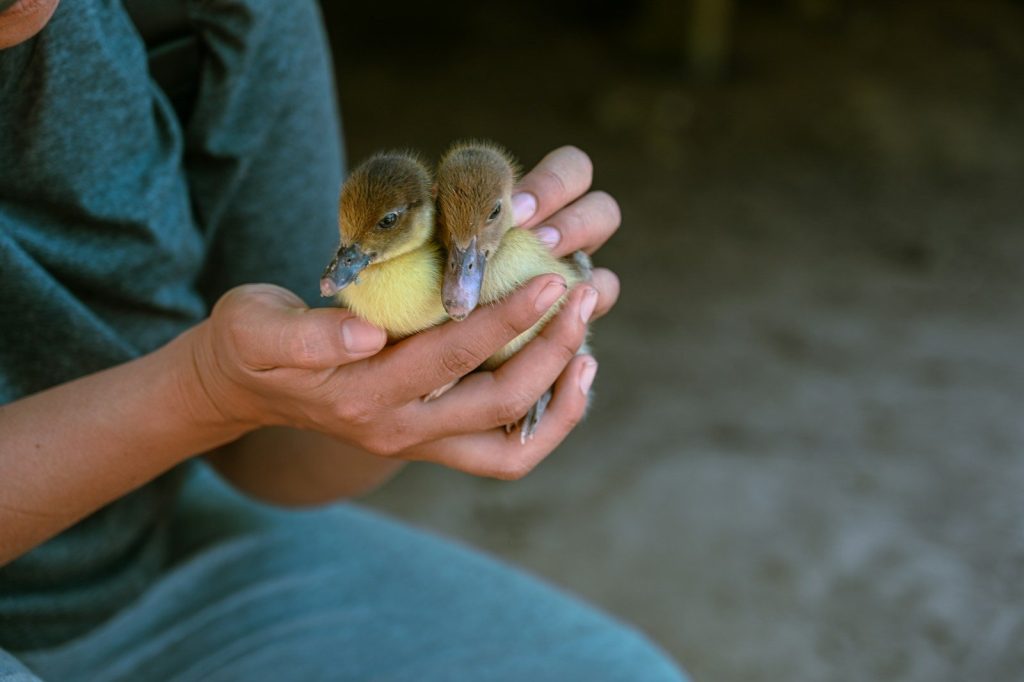
The man handled the ducklings gently to avoid causing them extra stress. Young waterfowl are fragile, so rough handling or keeping them too long can lead to injury or exhaustion.
If ducklings truly have no parent nearby or face immediate danger, moving them to a safer location is often the best choice. Wildlife professionals recommend contacting licensed animal rescuers if the birds appear injured or orphaned.
Wildlife rescuers often see similar cases
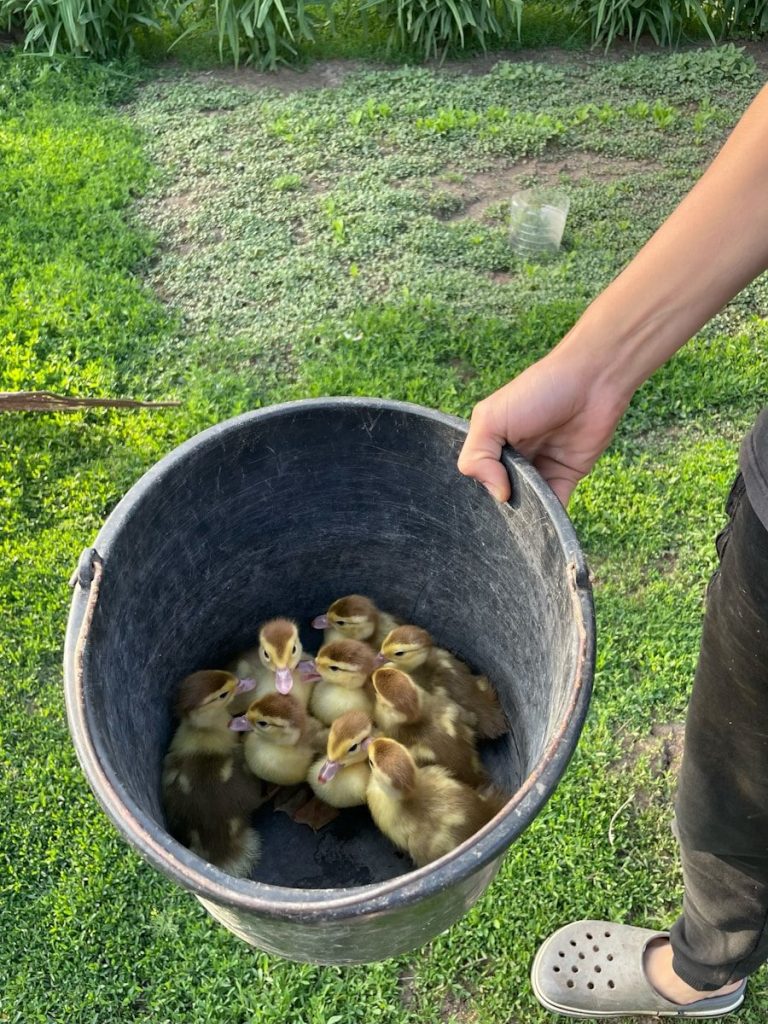
Every spring, wildlife rescue groups respond to many calls involving stranded ducklings. Common situations include birds trapped in storm drains, swimming pools, construction sites, or busy roads.
Rescuers try to reunite healthy ducklings with their mother whenever possible because young ducks learn feeding and survival skills from her. When that is not possible, licensed wildlife rehabilitators provide specialized care until the birds can return to the wild.
Small actions can make a big difference
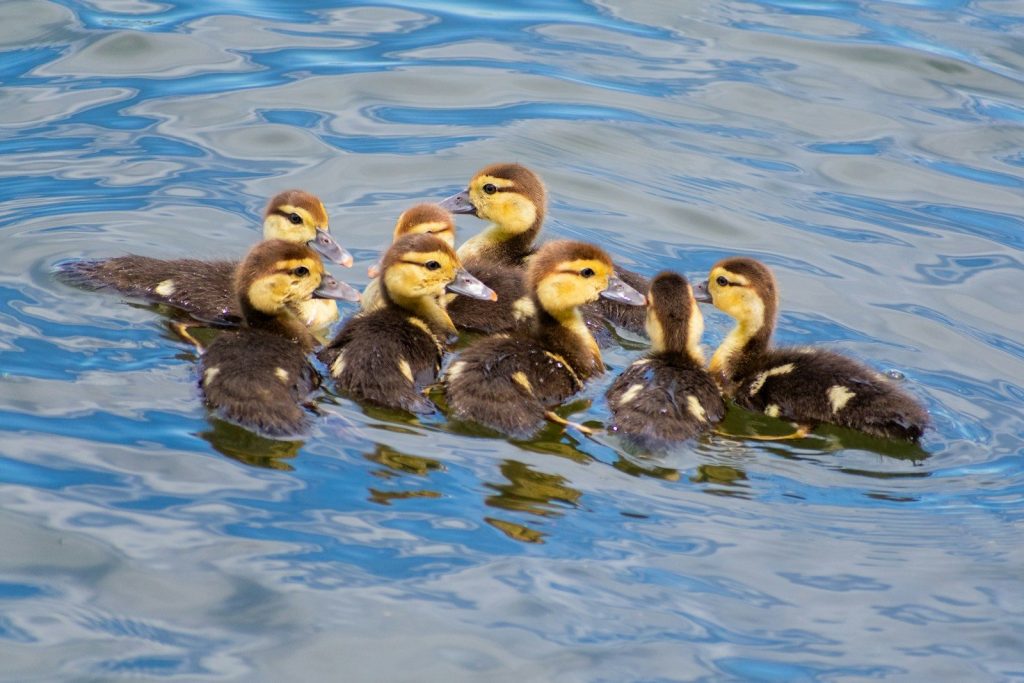
This rescue reminds people that paying attention to wildlife can save lives. A few careful minutes were enough to help two vulnerable ducklings escape a dangerous situation.
Experts also remind people not to feed wild ducklings bread because it does not provide the nutrients they need. Fresh water and natural foods found in their habitat are much healthier for growing birds.
The rescue inspired many people

Stories like this spread quickly because they show kindness without expecting anything in return. Many people praised the man’s calm response and his willingness to help defenseless animals.
The rescue also serves as a reminder that protecting wildlife starts with simple choices. Watching carefully, acting responsibly, and contacting wildlife experts when needed can give young animals the best chance to survive.
Featured Image: “Odensjön” by Infomastern is licensed under CC BY-SA 2.0
Leave a Reply