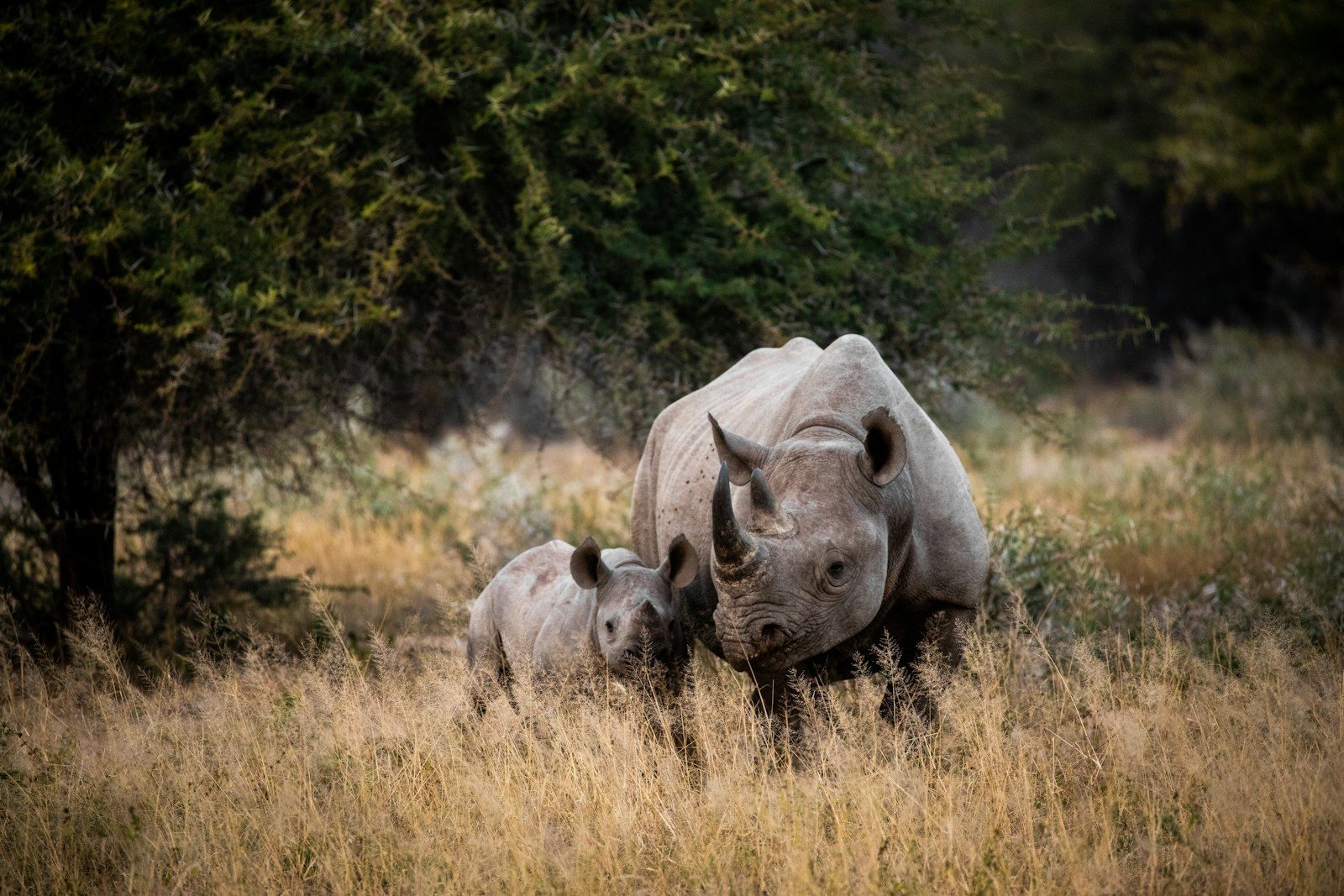
What happens to a young rhino when its mother suddenly disappears? At The Rhino Orphanage in South Africa, human caregivers step in to provide the care that young calves still need. Many of the orphaned rhinos there lost their mothers to poaching, while others arrived after different emergencies. Some were frightened, hungry, injured, or slow to trust people.
Over time, caregivers provide milk, comfort, treatment, and daily care while helping the animals recover. Some calves become deeply comfortable around their carers and seek belly rubs, cuddles, walks, and close contact. Their stories reveal a much softer side of animals known for their great size and strength.
Orphaned rhinos can arrive deeply stressed
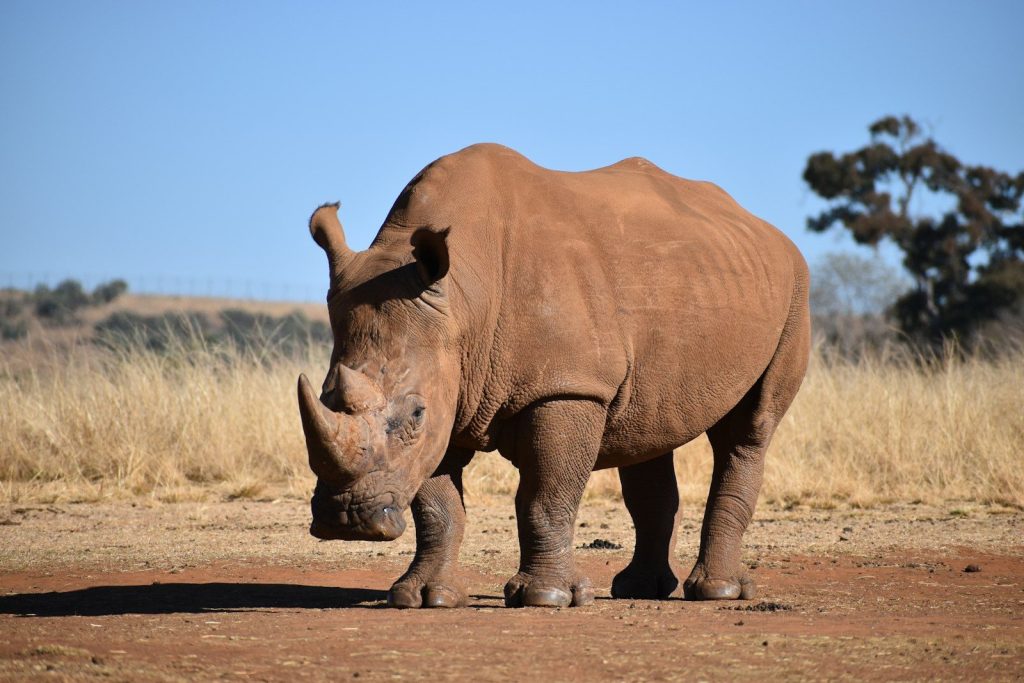
Losing a mother can completely change a young rhino’s life. A calf normally depends on its mother for food, safety, guidance, and companionship. The Rhino Orphanage has cared for many calves after their mothers were killed by poachers. Some arrived shortly after the loss, while others had already spent time alone before rescuers managed to find them.
Their individual stories show how difficult those first days can be. Mofalodi was found near her mother’s body before disappearing. She survived alone for four days and traveled several kilometers before rescuers found her. Amelia was also found without her mother after apparently spending days alone. The orphanage says she was severely dehydrated and had very little food in her digestive system when she was rescued.
Human caregivers become their rhino moms
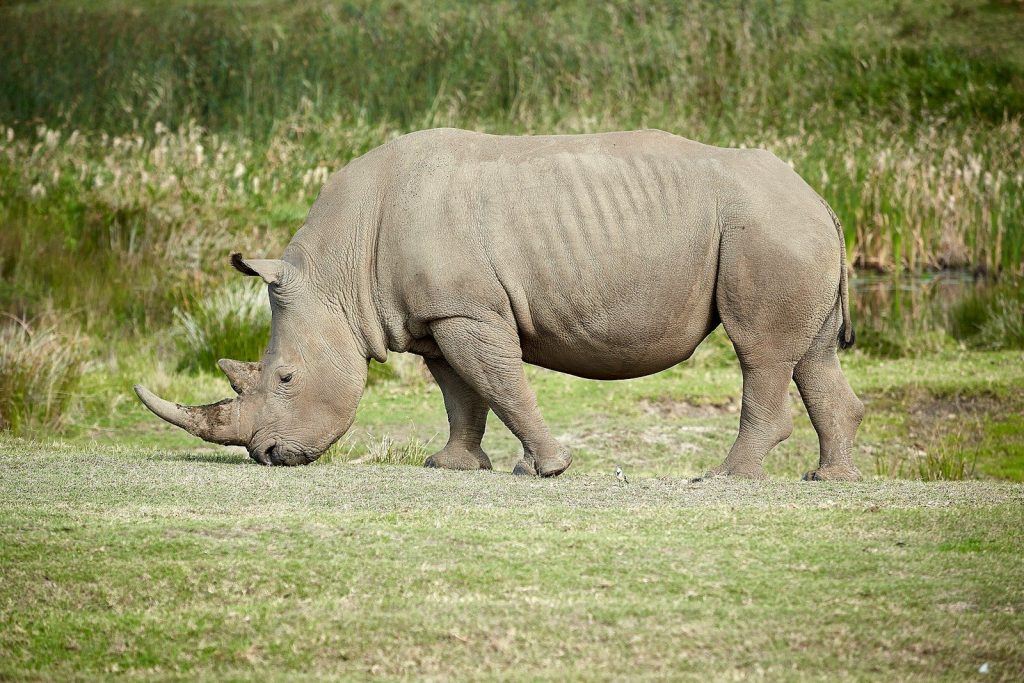
The people who care for the calves are sometimes called rhino moms. Their role involves far more than simply providing food. Very young rhinos need regular care, close observation, and a sense of security as they adjust to life without their mothers. The caregivers spend large amounts of time around them while keeping track of their health and behavior.
Building trust can take time. A frightened calf has no reason to immediately understand that an unfamiliar person is trying to help. Balega, for example, was very stressed and struggled to accept people after his mother was poached. His behavior was difficult enough that caregivers wore protective cricket pads around him. As he settled into the orphanage, his behavior around the carers changed greatly.
Belly rubs and cuddles become part of daily life
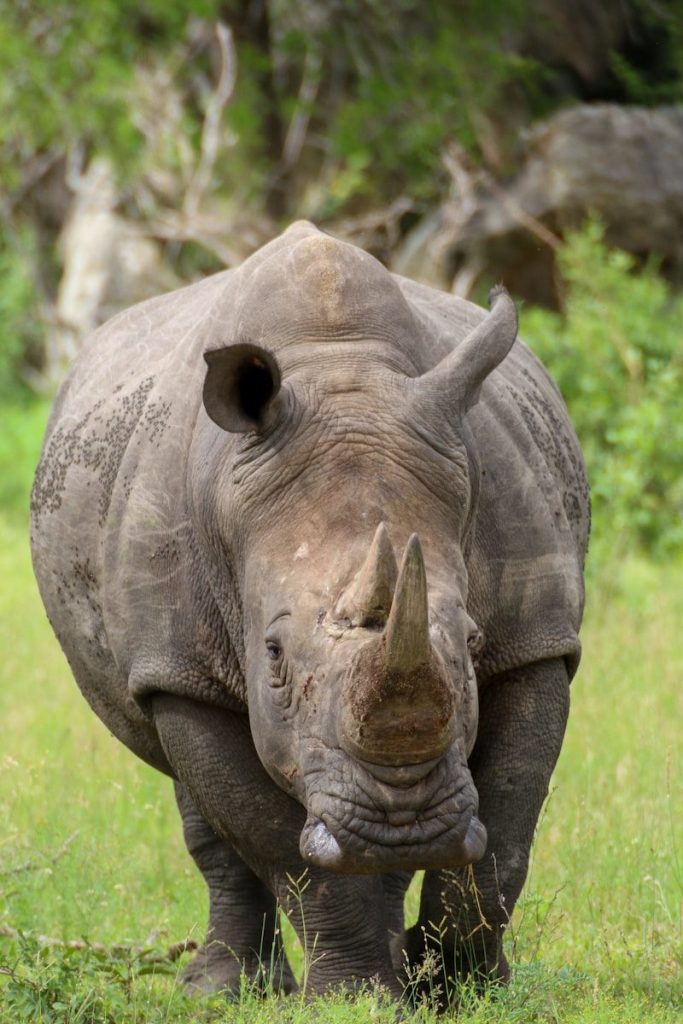
Some of the orphanage’s stories show how comfortable the rhinos can become around familiar caregivers. Balega changed from a stressed calf that struggled to accept people into an animal described by the orphanage as very sweet. Staff says he will lie down when someone scratches his belly.
Charlotte provides another example. Her mother was killed by poachers when Charlotte was still very young. The orphanage describes her as gentle and says she likes staying near her carers. She snuggles closely with them at night and enjoys belly rubs while also showing a playful side during the day.
Every rescued calf has a different story

Poaching appears repeatedly in the histories of the orphanage’s rhinos, but it is not the reason every calf arrives. Some lost mothers for other reasons. Robynne’s mother is believed to have died from old age. Kei also lost his mother to natural causes. Other calves arrived because they were injured or because their mothers could no longer care for them.
Thula’s story shows how poaching can harm a calf directly as well as take away its mother. Her mother was killed, and the same bullet passed through Thula’s shoulder. She survived but was left completely blind and will remain in human care rather than being released.
Trust helps calves move forward
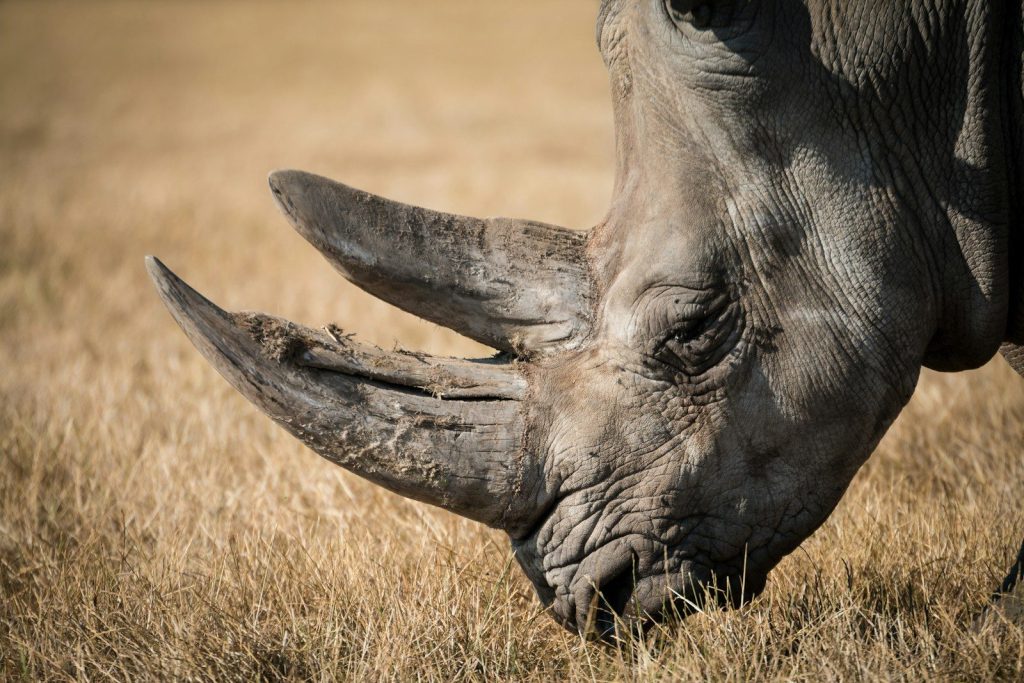
The change in some calves becomes especially clear when comparing their arrival with their later behavior. Jessie arrived after her mother was poached and was badly distressed during her first few days. The orphanage says she experienced a severe anxiety episode, but still began accepting comfort and food from her caregivers. She later became known as an extremely gentle animal around the people caring for her.
Kei struggled in another way. After losing his mother, he continued calling for her for about two weeks. He even broke through fences while searching for her. His carers eventually introduced him to an older female rhino who became an adopted mother figure and provided companionship.
Some orphans eventually raise calves of their own
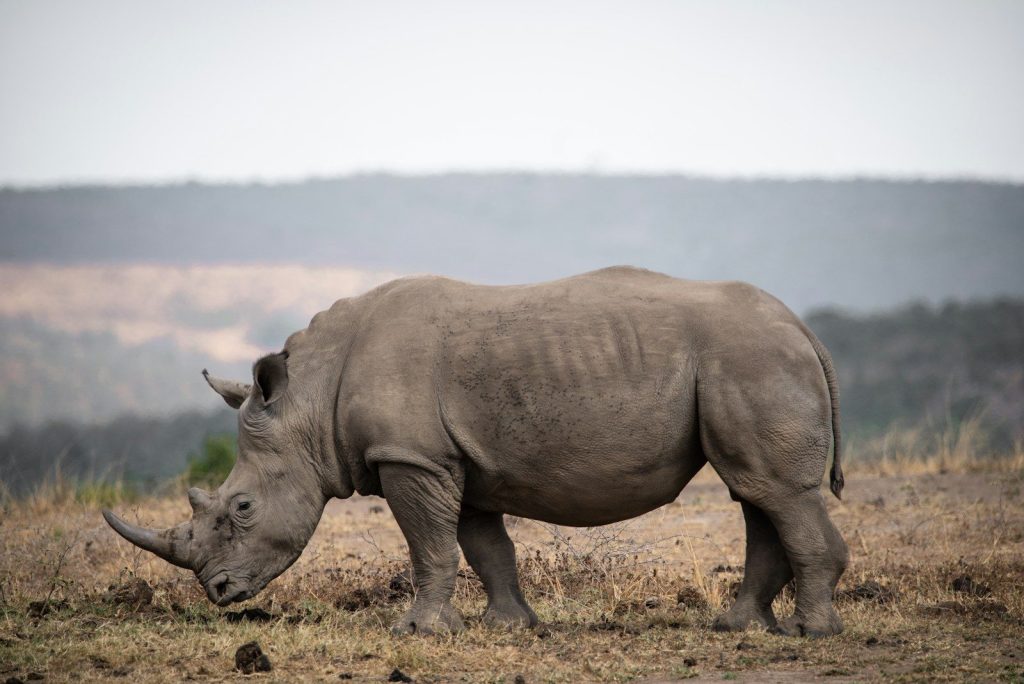
One of the clearest signs of successful long-term rehabilitation comes years later. Some rhinos that entered the orphanage as vulnerable calves have grown up and become mothers themselves. The orphanage records several wild babies born to females that were once orphans.
Nyani is one example. She entered care when she was extremely young and later grew into an adult female. She eventually became the mother of a calf named Andile. The orphanage describes her as an attentive mother who keeps her calf well hidden when needed.
Featured Image: Photo by Andrew Liu on Unsplash
Leave a Reply