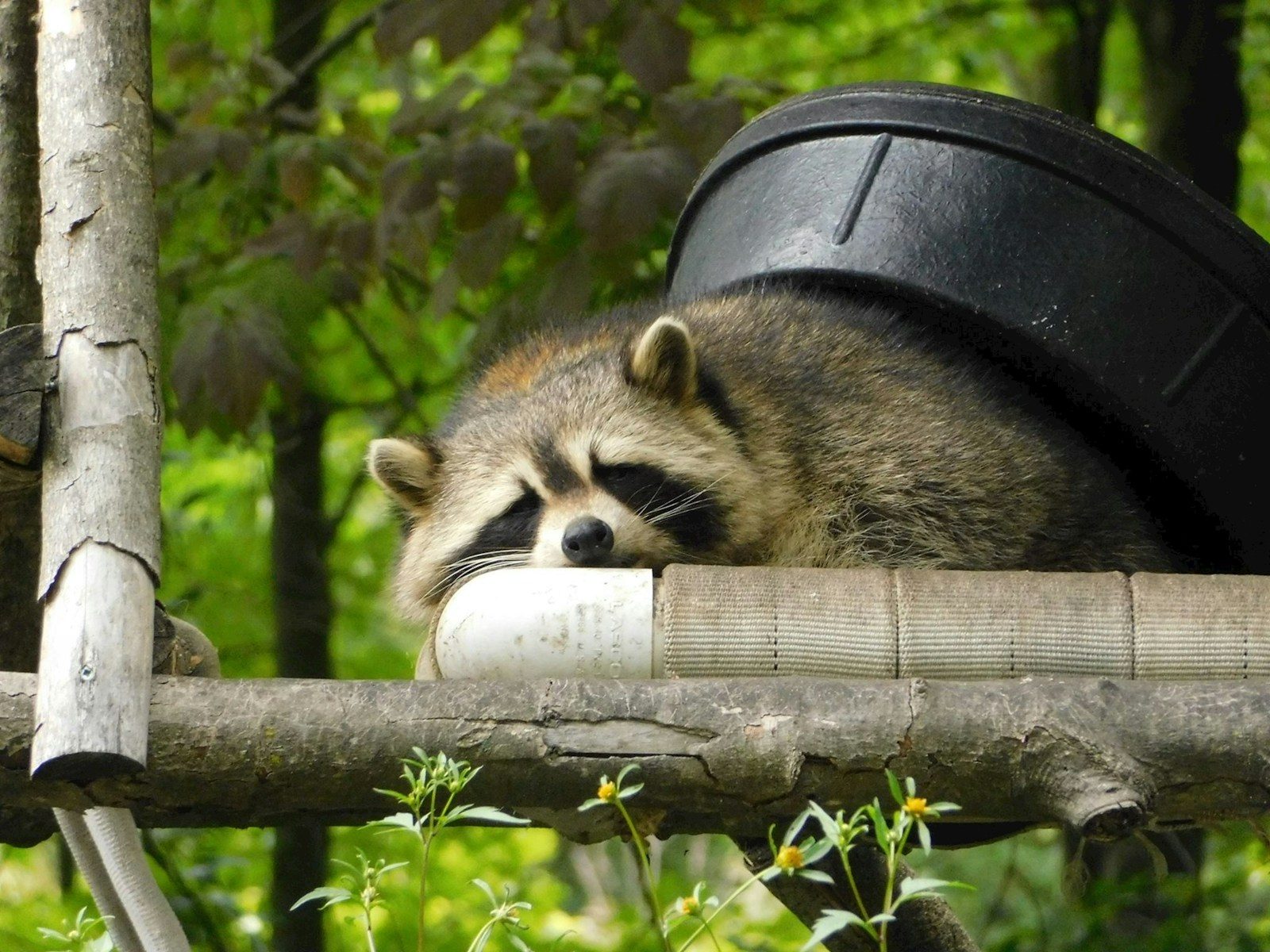
Have you ever watched a raccoon open a trash can, solve a problem, or calmly live near people and wondered if it could someday become a pet? That question has gained attention after new research suggested that some urban raccoons may be showing early signs of self-domestication. While raccoons are still wild animals today, scientists have found that city populations are changing in ways that resemble the earliest stages of domestication.
Understanding what these changes mean can help us answer an important question: could raccoons eventually become future pets? This article explores the science behind self-domestication, what researchers have discovered, and whether raccoons are truly on a path toward living alongside humans in a new way.
What scientists mean by self-domestication

Domestication is a process in which animals gradually develop traits that make them better suited to living around humans. Traditionally, people think of domestication as humans choosing which animals breed, as happened with dogs, cats, horses, and livestock. Over many generations, those animals became calmer, easier to handle, and more comfortable around people. Recent research suggests that domestication can sometimes begin before humans actively breed animals, especially when wildlife starts living close to people for food and safety.
Scientists call this early stage self-domestication. In this process, animals that tolerate human presence may have a better chance of finding food and surviving. Over time, these traits can become more common within a population. Researchers believe that some urban raccoons may be experiencing these early changes because cities provide easy access to food, shelter, and fewer natural predators. However, experts stress that self-domestication is not the same thing as full domestication. Raccoons remain wild animals and have not been selectively bred by humans.
Why raccoons thrive around people
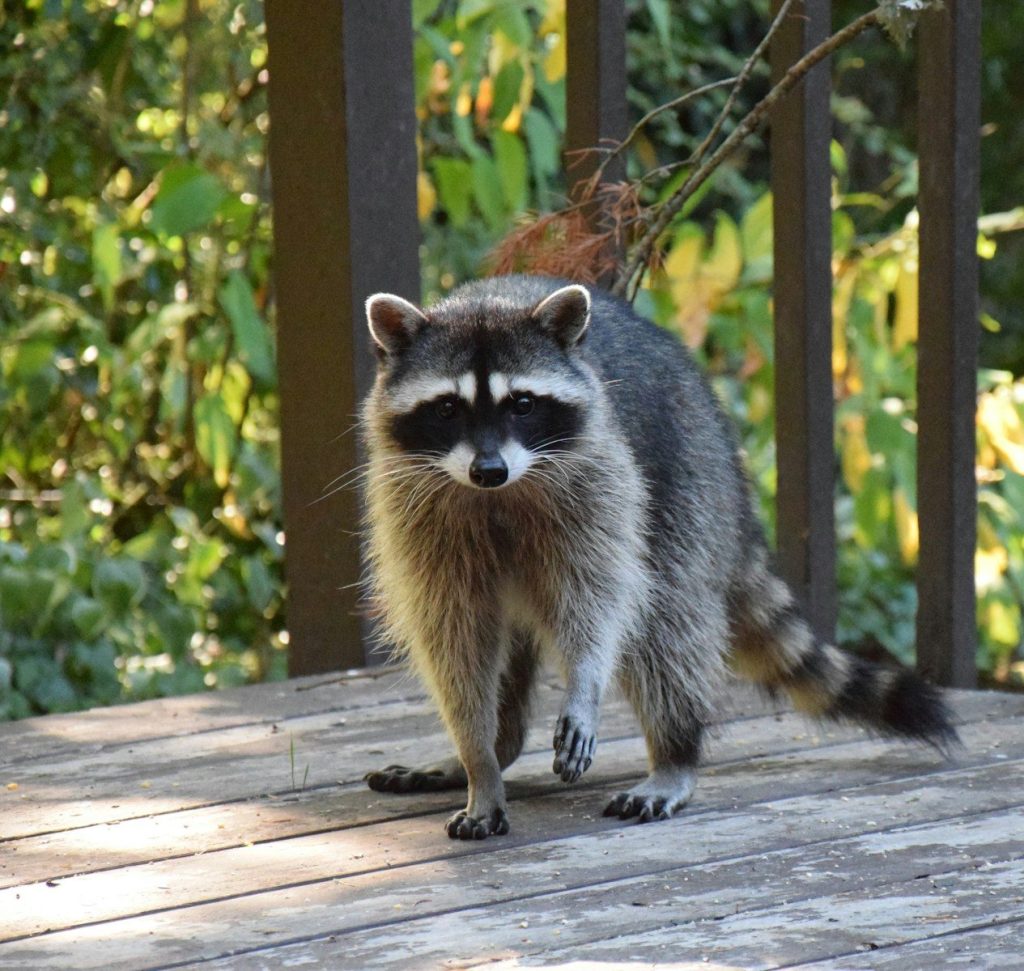
Raccoons are among the most adaptable mammals in North America. They can live in forests, wetlands, suburbs, and large cities. Their intelligence allows them to solve problems, while their highly flexible front paws help them open containers, climb structures, and access food sources that many other animals cannot reach. These abilities make cities surprisingly attractive places for raccoons.
Human communities provide a steady supply of food through garbage cans, pet food, gardens, and other sources. Buildings, attics, and abandoned structures can also offer shelter. Because raccoons that are less fearful of humans can take advantage of these resources more easily, some scientists believe urban environments may favor animals that are calmer and more tolerant of people. This natural selection could be one reason why researchers are seeing signs of change in city raccoon populations.
The evidence that sparked the discussion

Interest in raccoon self-domestication grew after researchers analyzed nearly 20,000 raccoon photographs collected from across the United States. The study compared raccoons living in urban areas with those living in rural environments. Scientists discovered that city raccoons tended to have slightly shorter snouts than their rural counterparts. The difference was small, roughly three to four percent, but it caught researchers’ attention because shortened snouts are often associated with domesticated animals.
Shorter faces are part of a group of traits often called domestication syndrome. These traits have appeared in many domesticated species throughout history. Researchers suggest that living close to humans may be influencing raccoon development in a similar way. The findings do not prove that raccoons are becoming pets, but they do provide evidence that urban environments may be shaping raccoon evolution. The study has opened a new area of research into how human cities influence wildlife over time.
Why experts remain cautious
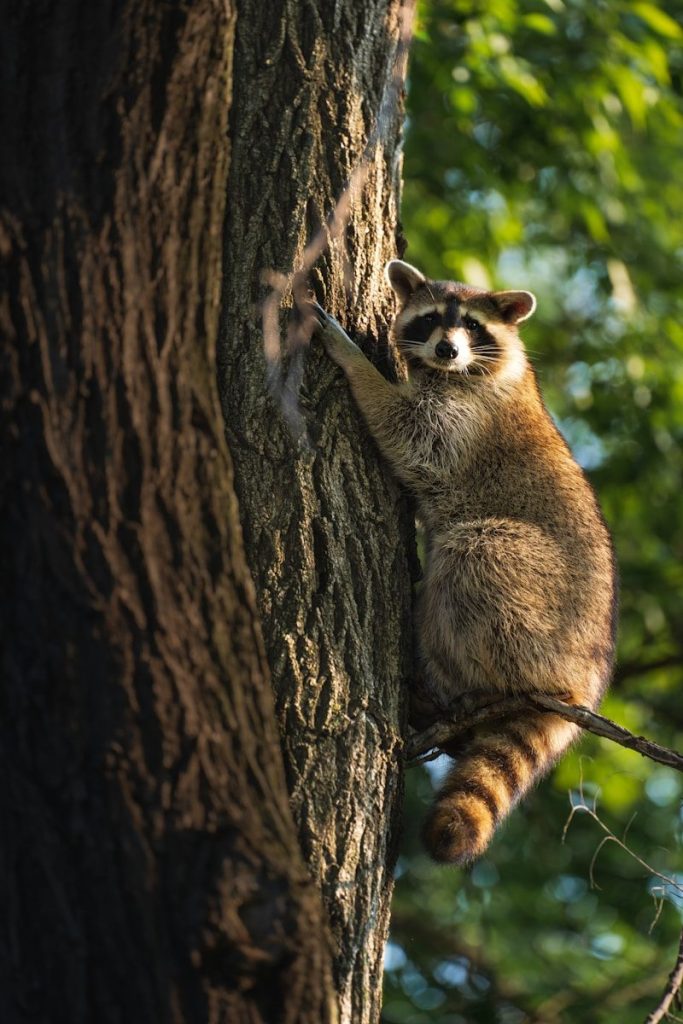
Although the study attracted widespread attention, many scientists caution against jumping to conclusions. A shorter snout alone does not mean an animal is becoming domesticated. Domestication usually involves major genetic, behavioral, and physical changes that occur over many generations. Dogs, for example, went through thousands of years of close interaction and selective breeding before becoming the companions we know today.
Some researchers believe there may be other explanations for the shorter snouts seen in city raccoons. Changes in diet, habitat, or environmental conditions could also influence skull shape. Discussions among wildlife experts and biologists highlight that the evidence currently points to possible early domestication signals rather than proof of ongoing domestication. Most scientists agree that much more research is needed before firm conclusions can be made.
Would raccoons make good pets?
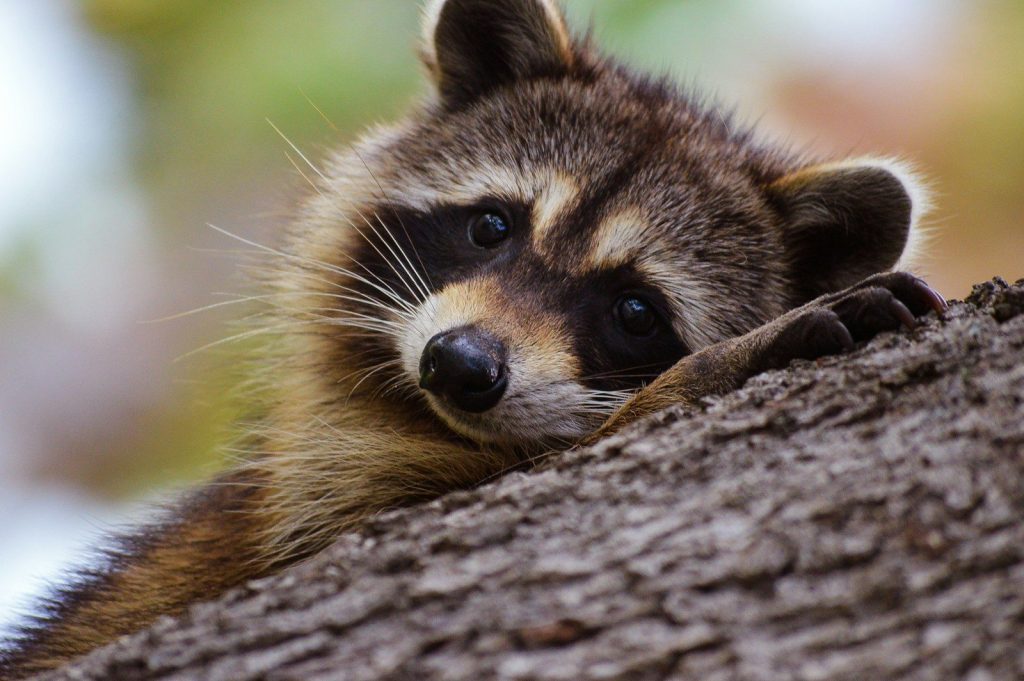
Even if raccoons are becoming more comfortable around humans, that does not automatically make them suitable pets. Raccoons remain highly intelligent, curious, and energetic wild animals. They can open cabinets, manipulate locks, and investigate almost anything in their environment. While these traits are fascinating, they can also make raccoons difficult to manage inside a home.
Wild instincts are another major challenge. Raccoons can become unpredictable as they mature, especially during breeding seasons. They may scratch, bite, or become aggressive when stressed. In many places, laws restrict or prohibit raccoon ownership because of concerns about public safety, animal welfare, and disease transmission. Experts generally agree that today’s raccoons are not comparable to domesticated dogs or cats and should not be viewed as easy household companions.
What the future could look like
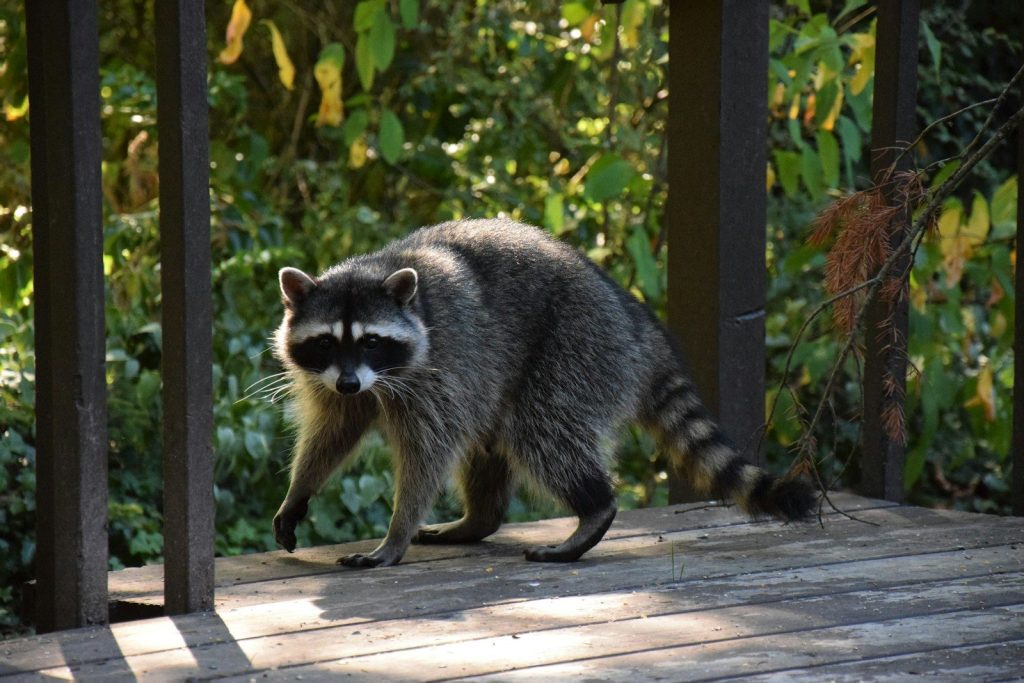
The possibility of raccoons becoming future pets remains highly speculative. If self-domestication is occurring, the process would likely take many generations. Evolutionary changes happen slowly, and there is no guarantee that raccoons will follow the same path as dogs or cats. Some species adapt to human environments without ever becoming domesticated. Rats, pigeons, and many other urban animals have lived alongside humans for centuries while remaining largely wild.
Still, the research offers a fascinating glimpse into how wildlife responds to human-dominated landscapes. Urban raccoons may provide scientists with a rare opportunity to observe the earliest stages of a process that shaped many familiar domestic animals. Whether raccoons eventually become true companions or simply remain clever city survivors, their story highlights the powerful influence humans have on the natural world. Future studies will help reveal whether today’s urban raccoons are merely adapting to city life or taking the first small steps toward a very different future.
Leave a Reply