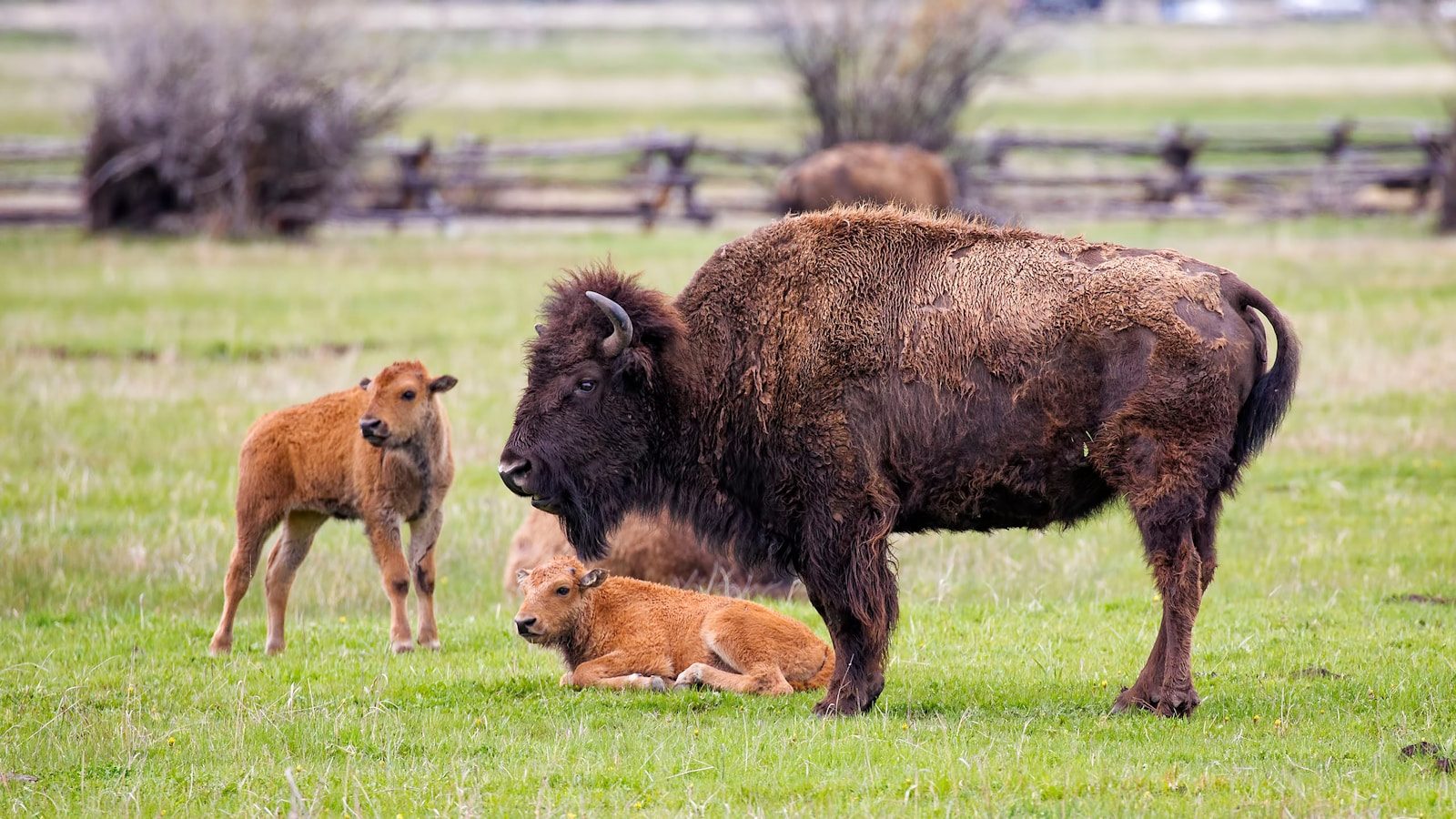
Nature loss is a growing problem across many parts of the world. Forests, grasslands, and wetlands have become less diverse, leaving fewer places for wildlife to thrive. In response, conservation groups are trying new ways to bring nature back. One of the most exciting efforts is the introduction of bison to Cumbria as part of a major habitat restoration project. The arrival of these powerful animals is designed to help create healthier ecosystems and support a wider range of plants and animals.
The project has attracted attention because bison are known as “ecosystem engineers.” Their natural behavior can reshape landscapes in ways that benefit wildlife. In this article, you will learn why bison were introduced to Cumbria, how they help restore habitats, what conservationists hope to achieve, and what this could mean for the future of nature recovery in the United Kingdom.
Why bison were brought to Cumbria
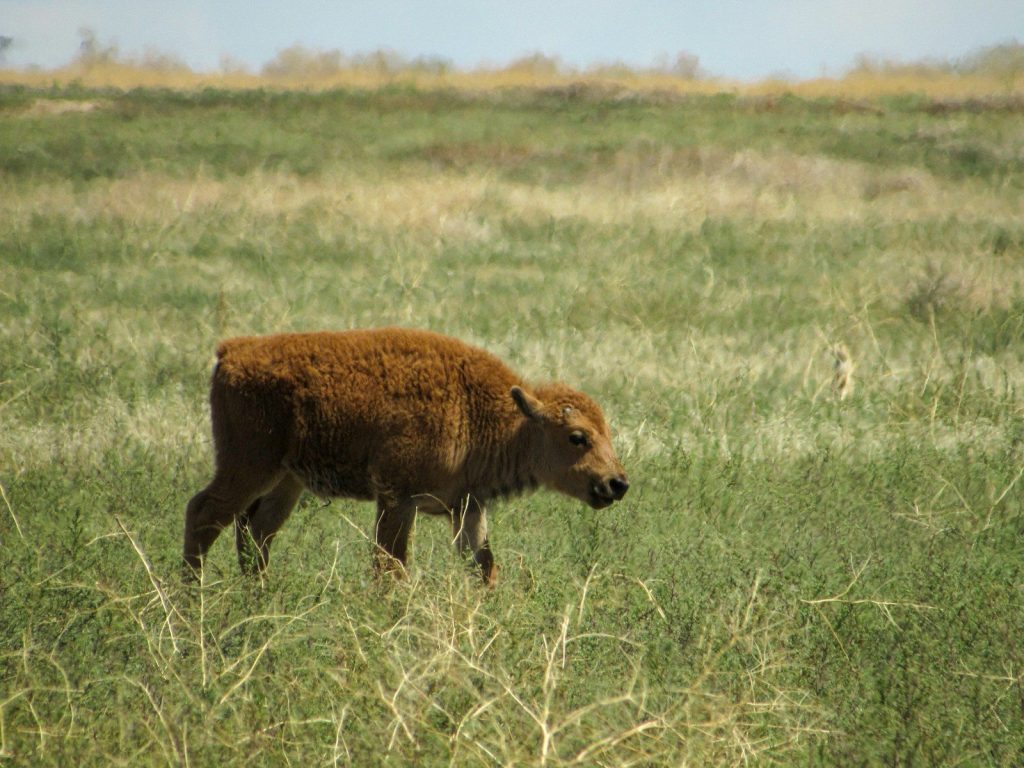
A herd of five European bison was recently moved to the Castletown Estate in Cumbria as part of the Solway Wild Lands project. The animals came from the successful Blean Bison Project in Kent, which showed that bison can play an important role in restoring natural habitats. The herd includes a bull, two adult females, and two calves, creating a breeding group that can help support long-term conservation goals. The project is being guided by experts who have years of experience working with bison in Britain.
The main goal is to allow natural processes to shape the landscape once again. Instead of relying entirely on human management, conservationists want animals such as bison to influence the environment through their daily activities. This approach is part of a growing movement known as rewilding, which aims to restore ecosystems by bringing back species and natural behaviors that have been missing for centuries.
How bison change the landscape
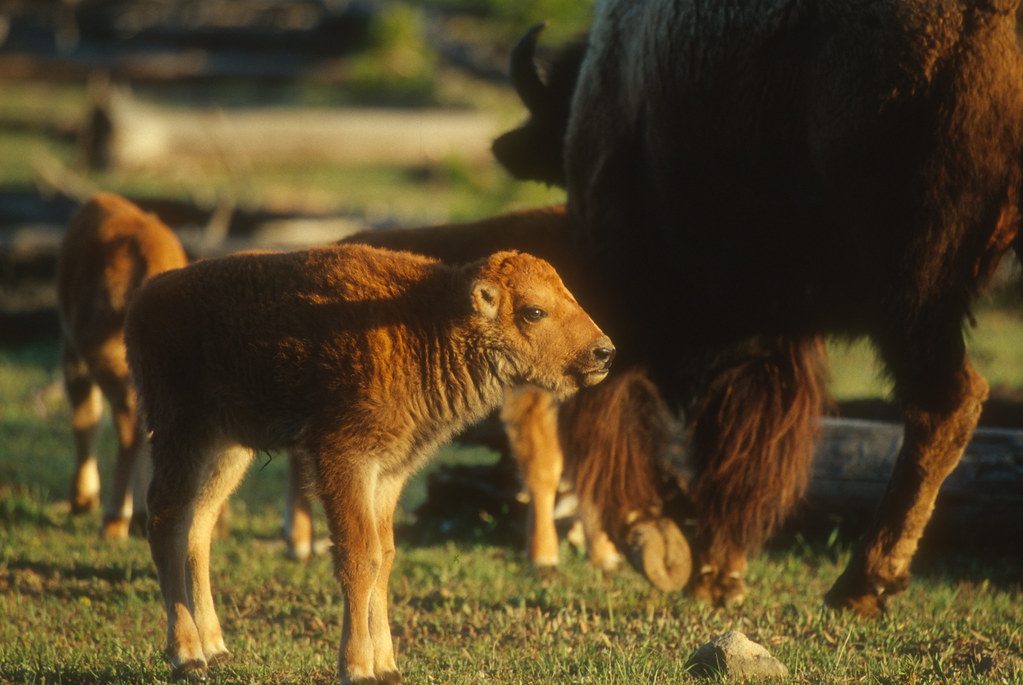
Bison are very different from many other grazing animals. They do not simply eat grass and move on. As they travel through woodlands and open areas, they knock over small trees, strip bark, trample vegetation, and create pathways. These actions may look destructive at first, but they actually create a more varied environment that benefits many species. Areas that were once dense and shaded can become more open, allowing sunlight to reach the ground and encouraging new plant growth.
The bison also create dust baths, known as wallows, where they roll in the soil. These disturbed patches of ground provide opportunities for different plants to grow. Their movement spreads seeds across the landscape, helping vegetation expand into new areas. Over time, this natural disturbance creates a patchwork of habitats that can support insects, birds, mammals, and many other forms of wildlife.
The role of bison as ecosystem engineers
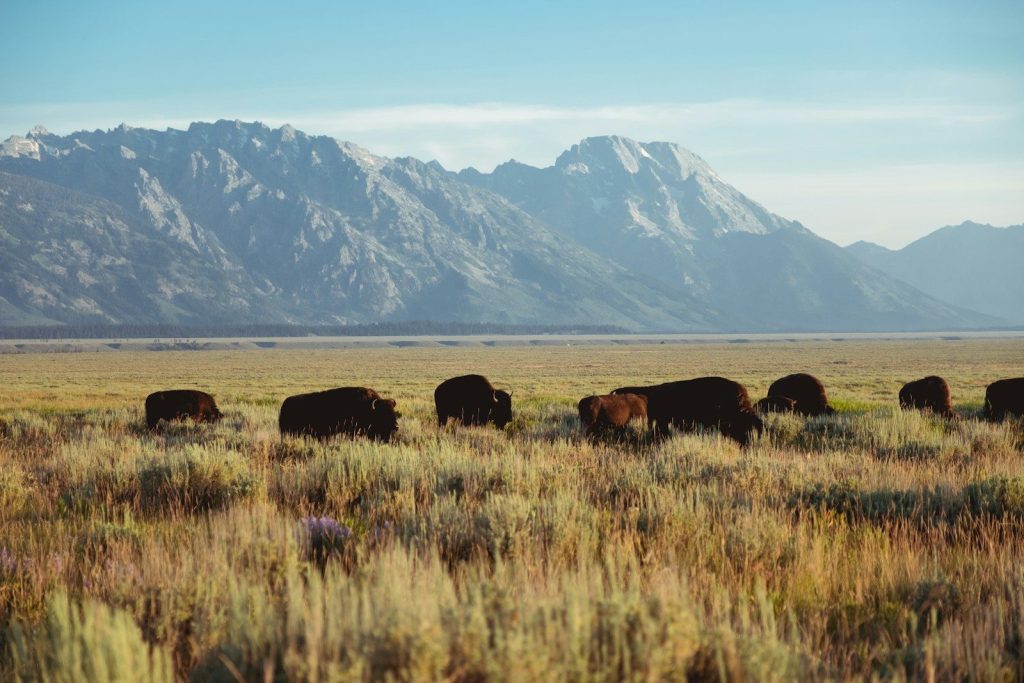
Scientists often describe bison as ecosystem engineers because they physically change the places where they live. Their actions help create a more complex habitat structure. Rather than having a forest with trees of similar age and size, bison help produce a mixture of open spaces, young trees, mature woodland, and dense vegetation. This diversity makes ecosystems stronger and more resilient.
Another important benefit comes from their dung. While it may not sound appealing, bison dung is extremely valuable for nature. It provides food and habitat for insects such as dung beetles. These insects, in turn, support birds and other wildlife. Nutrients from the dung also return to the soil, helping plants grow. Through these natural processes, bison contribute to healthier ecosystems without the need for heavy human intervention.
What conservationists hope to achieve

The Solway Wild Lands project aims to create a richer and more diverse landscape across thousands of acres. Conservationists hope that by combining bison with other species and habitat management techniques, they can improve biodiversity while still allowing productive land use. The project seeks to show that farming, wildlife conservation, and environmental restoration can work together rather than compete with one another.
Another goal is to support natural climate solutions. Healthy ecosystems can store carbon, improve soil quality, and manage water more effectively. Woodlands, wetlands, and grasslands all play important roles in reducing environmental pressures. By helping restore these habitats, bison may indirectly contribute to climate resilience while also supporting a wide variety of wildlife species.
How the project fits into wider nature recovery efforts
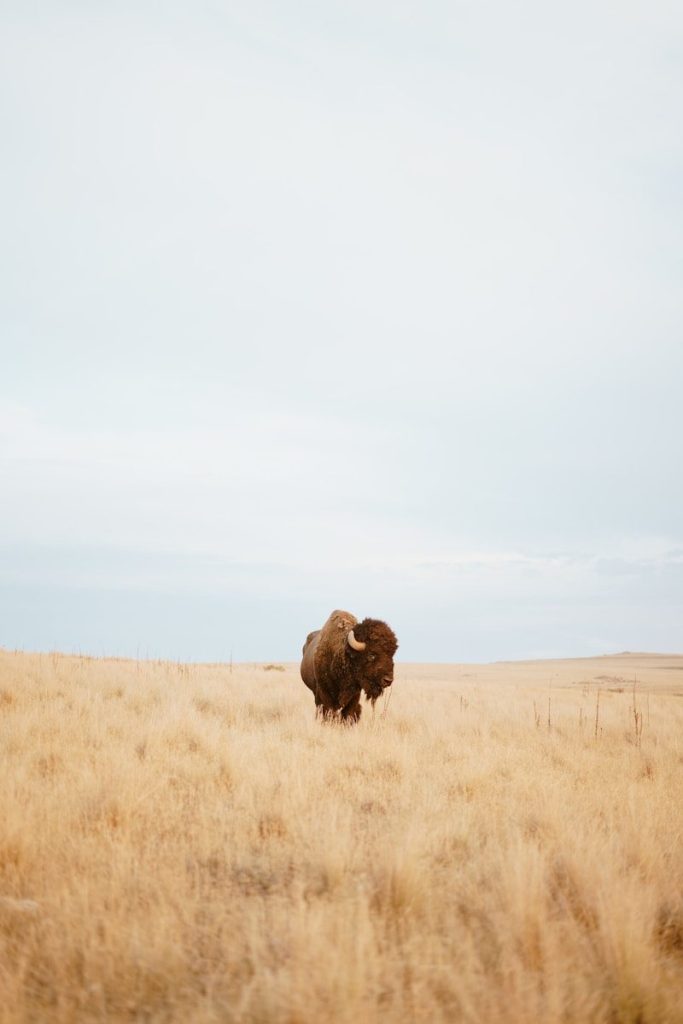
The bison project is only one part of a much larger effort to restore nature in Cumbria. Across the region, organizations are working on peatland restoration, species recovery programs, river improvements, and woodland conservation. Projects involving water voles, beavers, wildflowers, and habitat restoration are helping rebuild ecosystems that have been damaged over many decades.
Government strategies and local conservation plans also support the creation of more wildlife-rich habitats. These plans recognize that healthy ecosystems provide important benefits, including cleaner water, better flood management, improved soil health, and greater biodiversity. The introduction of bison fits within this broader vision of restoring natural processes and creating landscapes that support both people and wildlife.
Challenges and future possibilities
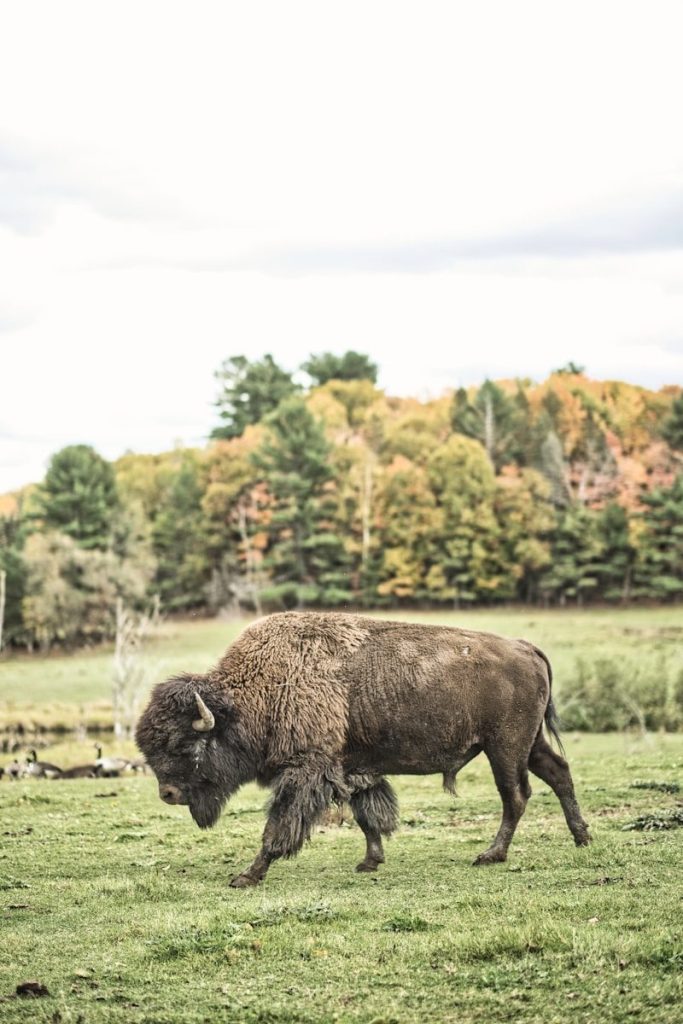
Although the project is exciting, it also comes with challenges. European bison are classified as dangerous wild animals in the United Kingdom, which means they must be carefully managed. Large fenced areas are required to ensure the safety of both the animals and the public. The Cumbria herd currently lives within a large enclosure that covers hundreds of acres, giving the animals room to roam while meeting legal requirements.
Conservationists will continue monitoring the herd to see how the animals affect the landscape over time. Early signs are encouraging, with reports that the bison are already changing woodland structure and creating new opportunities for wildlife. There is also hope that the herd will grow through successful breeding, helping establish a stable population that can continue supporting habitat restoration for years to come. If the project succeeds, it could provide a model for similar conservation efforts elsewhere in Britain.
Leave a Reply