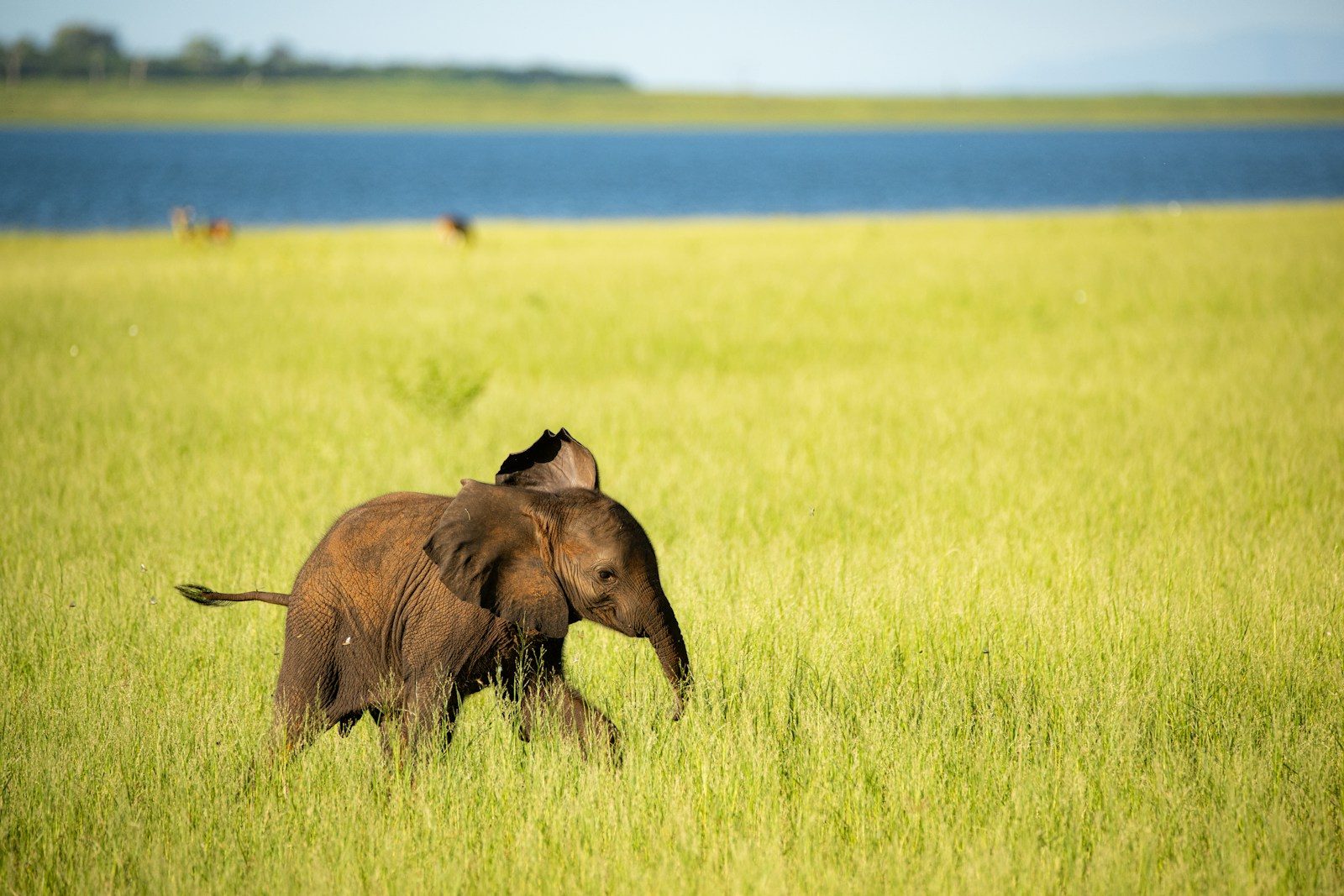
A baby elephant became trapped in a water hole at Addo Elephant National Park, South Africa, leaving its herd struggling to pull the youngster to safety. Rangers initially planned to alter the edge of the water hole so the calf could climb out, but the adult elephants became agitated when heavy equipment approached.
The rescuers eventually separated the protective herd from the calf long enough for several men to enter the water and help the youngster escape. Once the calf was safely reunited with its family, witnesses described the elephants raising their trunks and trumpeting toward the rescuers, a moment widely interpreted as a remarkable response to the rescue.
The baby elephant became trapped in a water hole
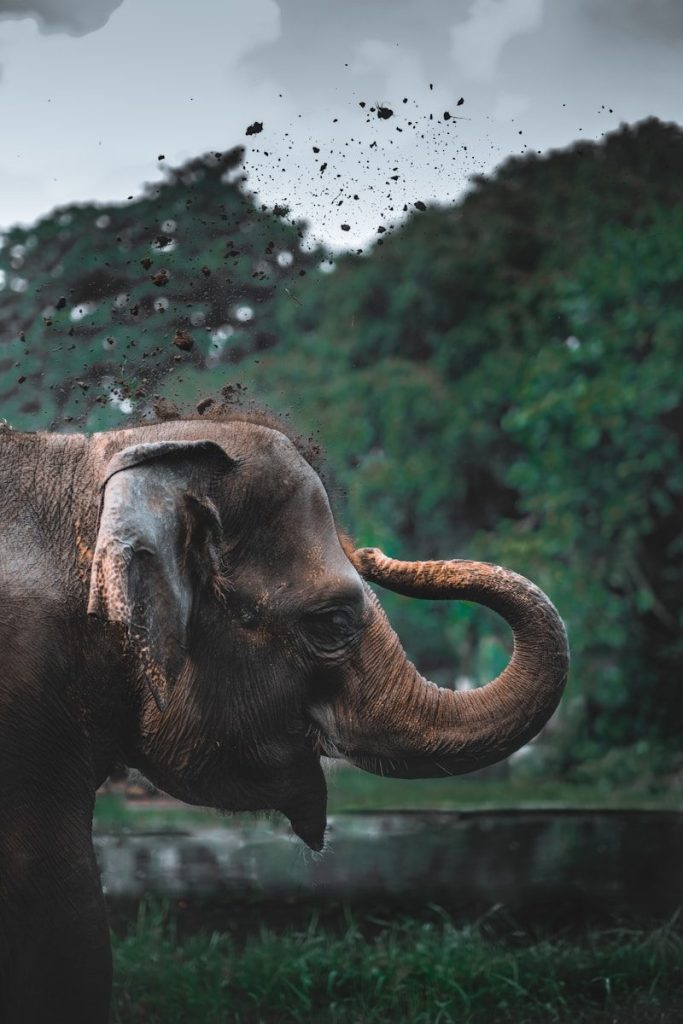
The incident occurred at Addo Elephant National Park in South Africa. A young elephant had fallen into a water hole and could not climb over the steep, hard edge surrounding it. The rest of the herd remained close and attempted to help.
Photographer Corney Coetzee, who documented the incident, reported that the elephants tried to wet and break down the edge of the water hole. Their efforts were apparently aimed at creating a route the youngster could use to climb out, but the calf remained trapped.
The herd tried to rescue the calf first
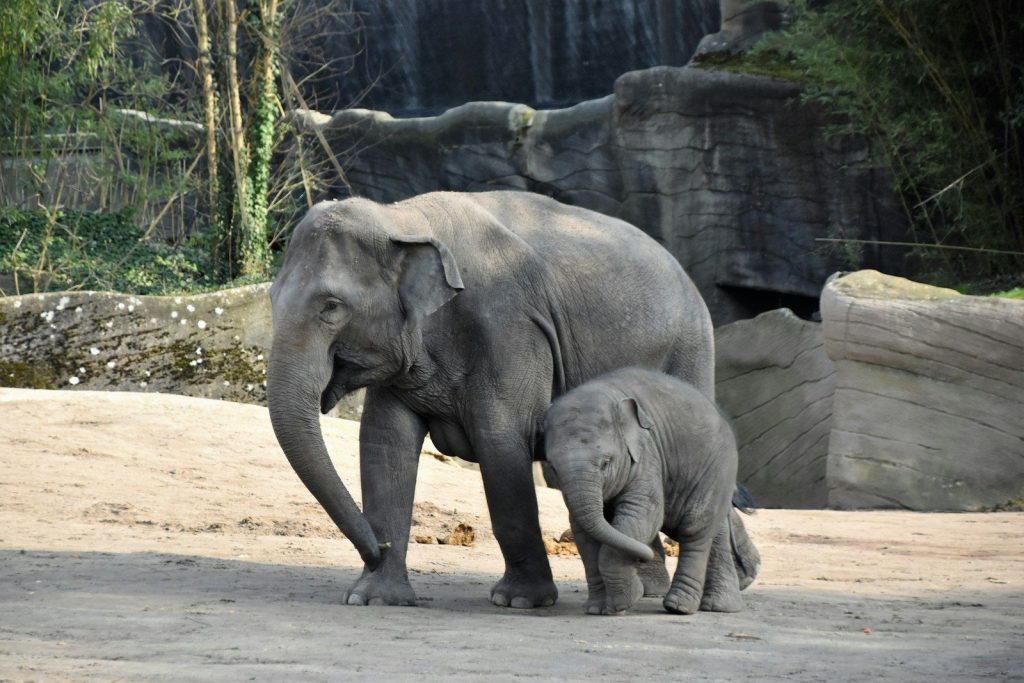
Elephant herds are strongly protective of calves, and the adults gathered around the struggling youngster. Their presence presented a major problem for the humans trying to intervene because approaching a distressed group of wild elephants would have been dangerous.
The animals’ behavior also made the rescue more complicated. Later accounts of the incident describe the adults gathering tightly around the calf as the situation unfolded. Rangers needed to help the youngster without provoking the much larger elephants surrounding it.
Heavy equipment made the elephants nervous
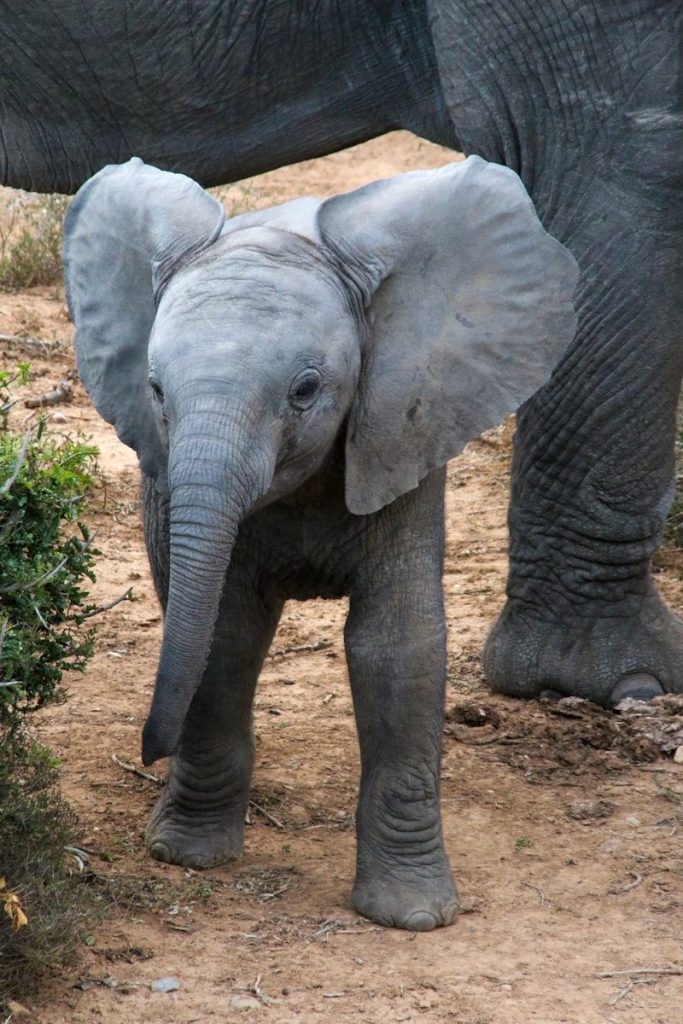
The rangers’ first plan involved bringing in a backhoe to break down the hard embankment. Creating a gentler slope could have allowed the calf to climb out without people entering the water and physically moving it.
However, the machinery reportedly agitated the adult elephants. The rescuers, therefore, needed another approach that would give them access to the calf while keeping both themselves and the herd as safe as possible.
Rangers moved in to save the youngster
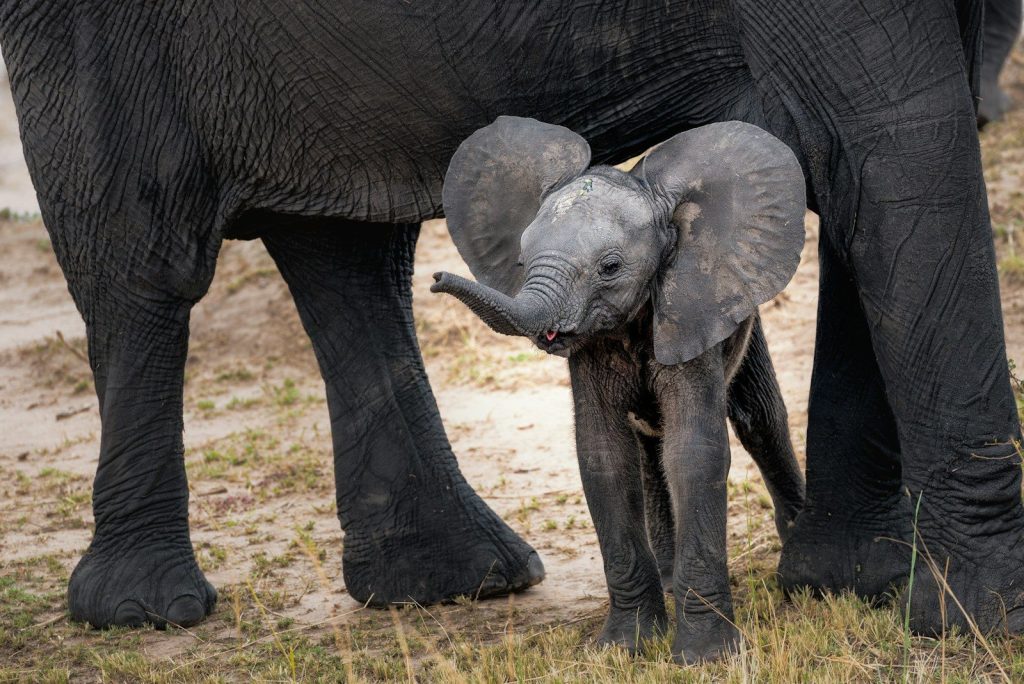
Accounts of the rescue say vehicles were eventually used to move the adult elephants far enough away for rescuers to reach the calf. Several men then entered the water and worked together to help the young elephant out.
It was not simply a matter of one ranger lifting the animal. Even a very young elephant is extremely heavy, and the rescue required several people working together. Once the calf was out, the men guided it away from the dangerous edge so it could return to its family.
The calf finally returned to its family
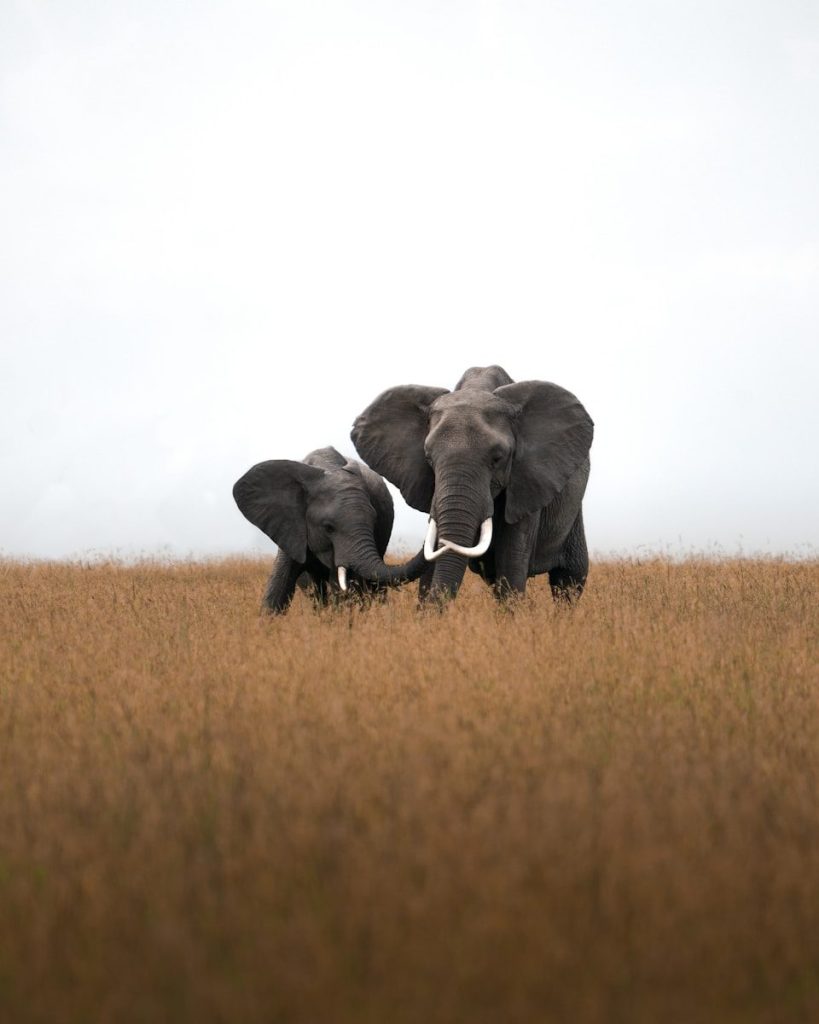
Once the immediate danger was over, the rescuers moved away and allowed the youngster to reunite with the herd. Accounts describe the calf responding to calls from its mother before returning to the other elephants.
Keeping wild elephant families together whenever possible is an important principle in elephant conservation. Other documented rescues show wildlife teams prioritizing the reunion of trapped calves with their mothers and herds rather than removing them permanently when a safe reunion remains possible.
The herd’s final reaction became the unforgettable part
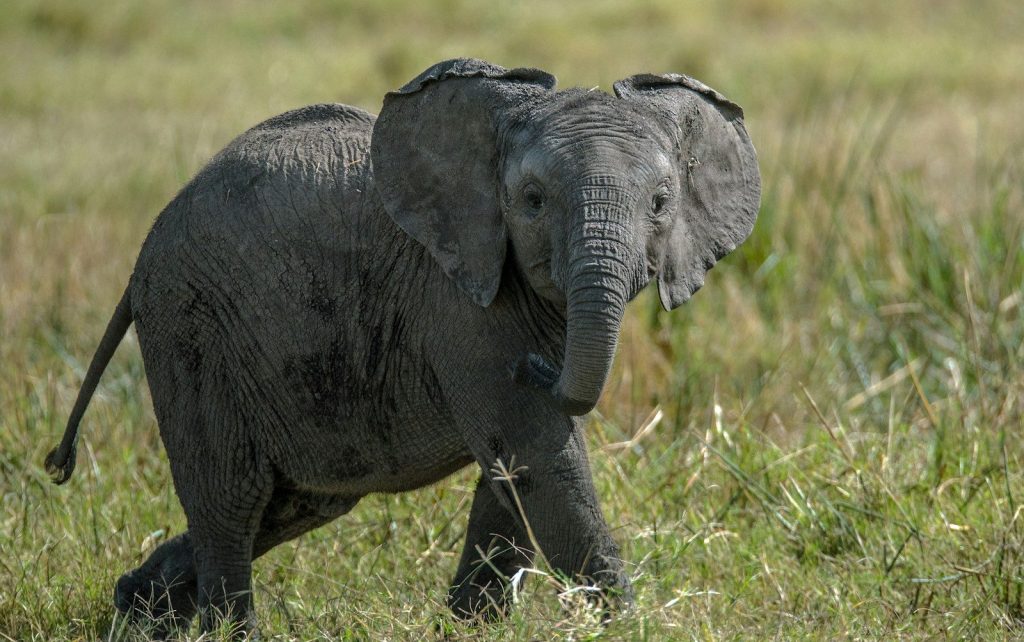
After the reunion, accounts describe members of the herd turning toward the rescuers, raising their trunks and trumpeting. The moment has frequently been characterized online as the elephants “thanking” the men who saved the calf.
That interpretation should be treated cautiously. The footage cannot establish that the elephants understood the rescue and intentionally expressed human-like gratitude. What can be said is that the herd responded after the calf returned, creating an emotional ending to a rescue in which humans intervened only after the elephants had been unable to free their youngest member themselves.
Featured Image: Photo by Birger Strahl on Unsplash
Leave a Reply