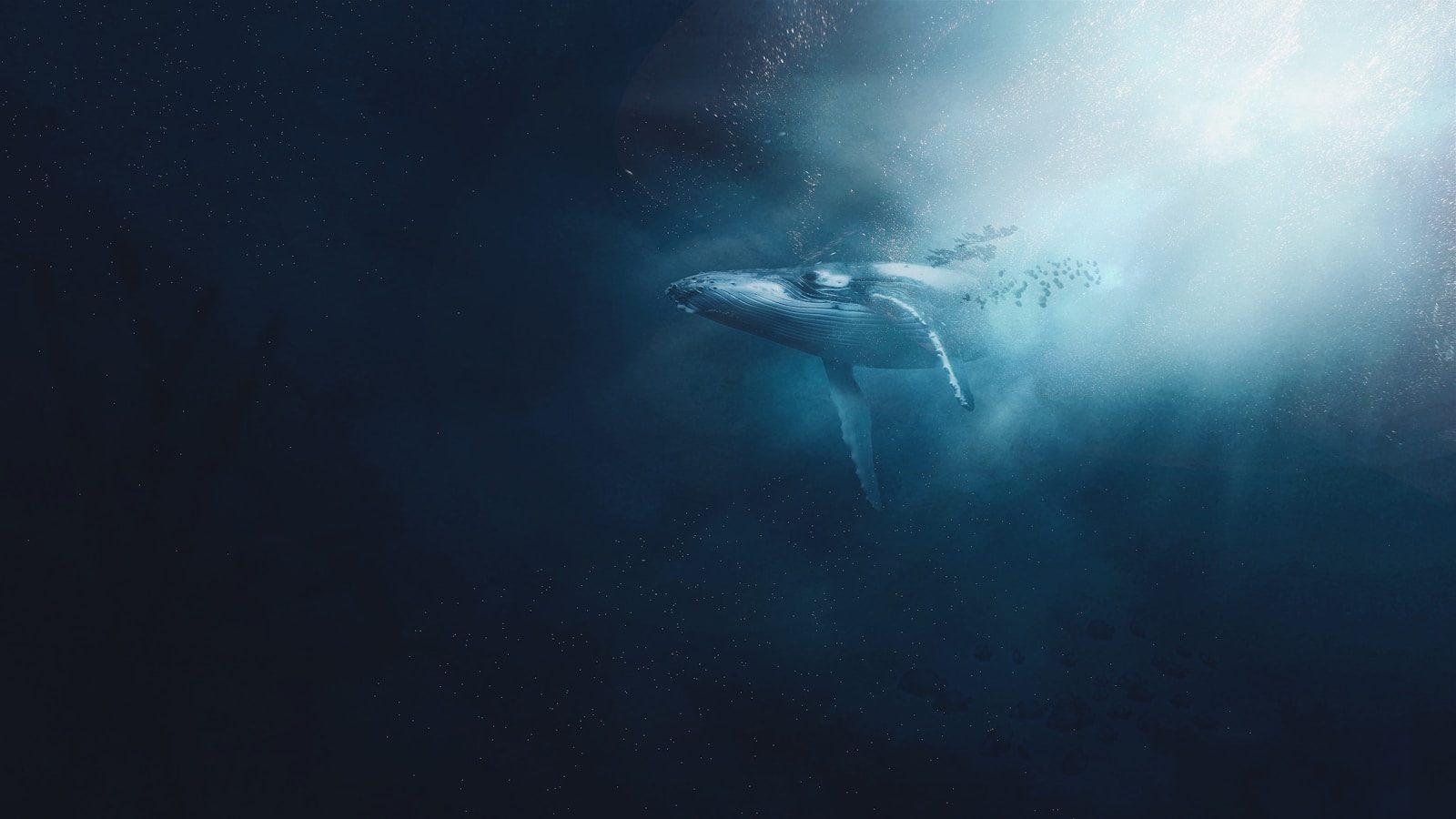
Great white sharks are famous for hunting seals and other marine animals, but one remarkable encounter surprised scientists worldwide. Off the coast of South Africa, researchers witnessed great white sharks attacking a live humpback whale, something that had never been scientifically documented before.
The event challenged long-held ideas about what these predators are capable of hunting. This article explains what happened, why the attack was so unusual, and what scientists learned from one of the rarest predator encounters ever recorded in the ocean.
A rare encounter stunned researchers
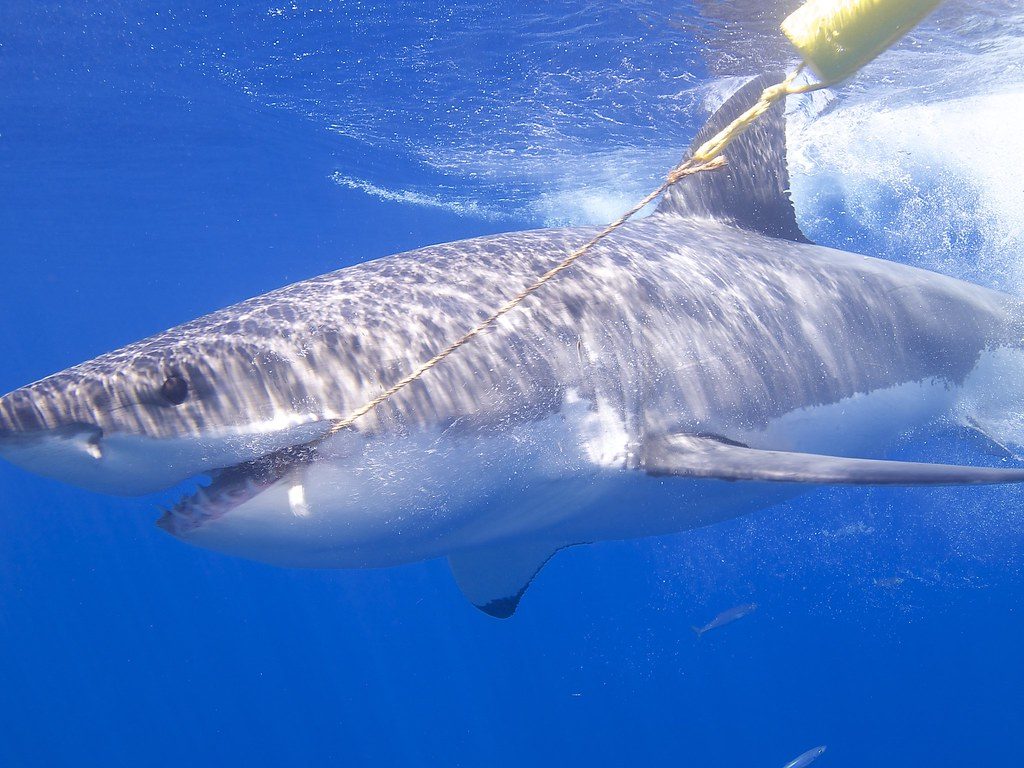
Marine biologists observed the attack near Mossel Bay, South Africa, where they documented great white sharks attacking a live juvenile humpback whale. The whale had become weakened by entanglement, making it more vulnerable than a healthy whale.
Researchers described the event as the first published scientific observation of great white sharks attacking and eventually killing a live humpback whale. Until then, great whites were mainly known for scavenging dead whales rather than hunting living ones.
The sharks used a careful strategy
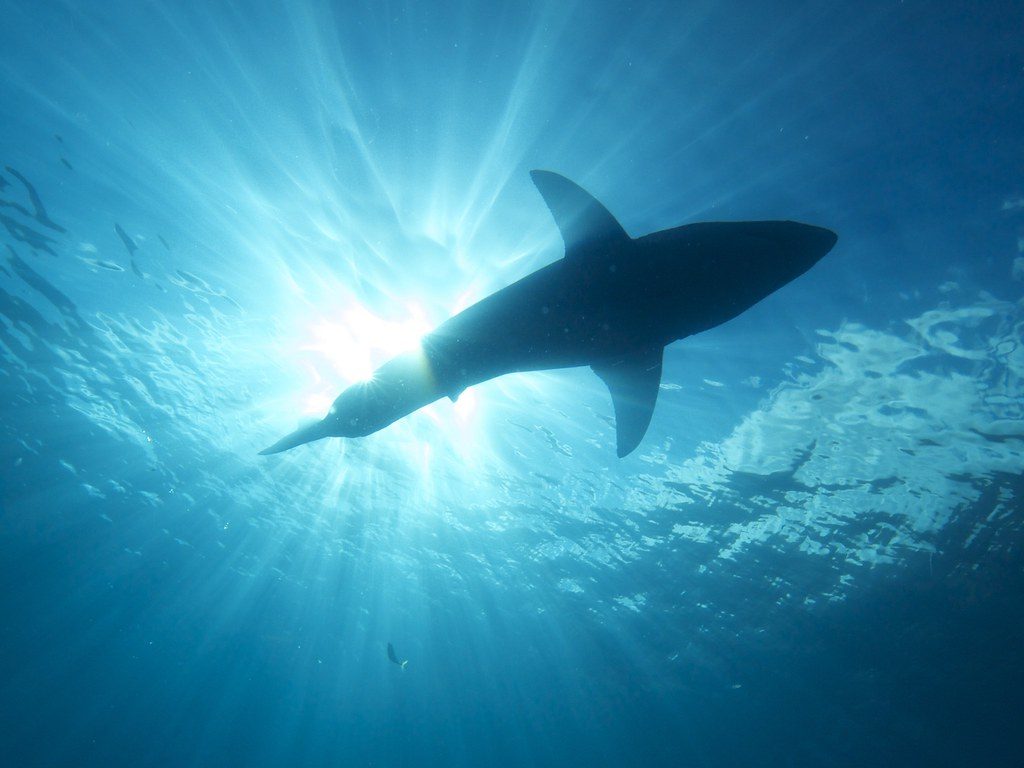
Instead of making random attacks, the sharks repeatedly targeted the whale’s tail and rear body. Scientists believe these bites increase blood loss while reducing the whale’s ability to swim effectively.
Researchers also observed a behavior known as “bite and spit,” where the shark removed pieces of tissue without immediately swallowing them. This strategy had rarely been described during attacks on large marine mammals.
Why whales are not normal prey
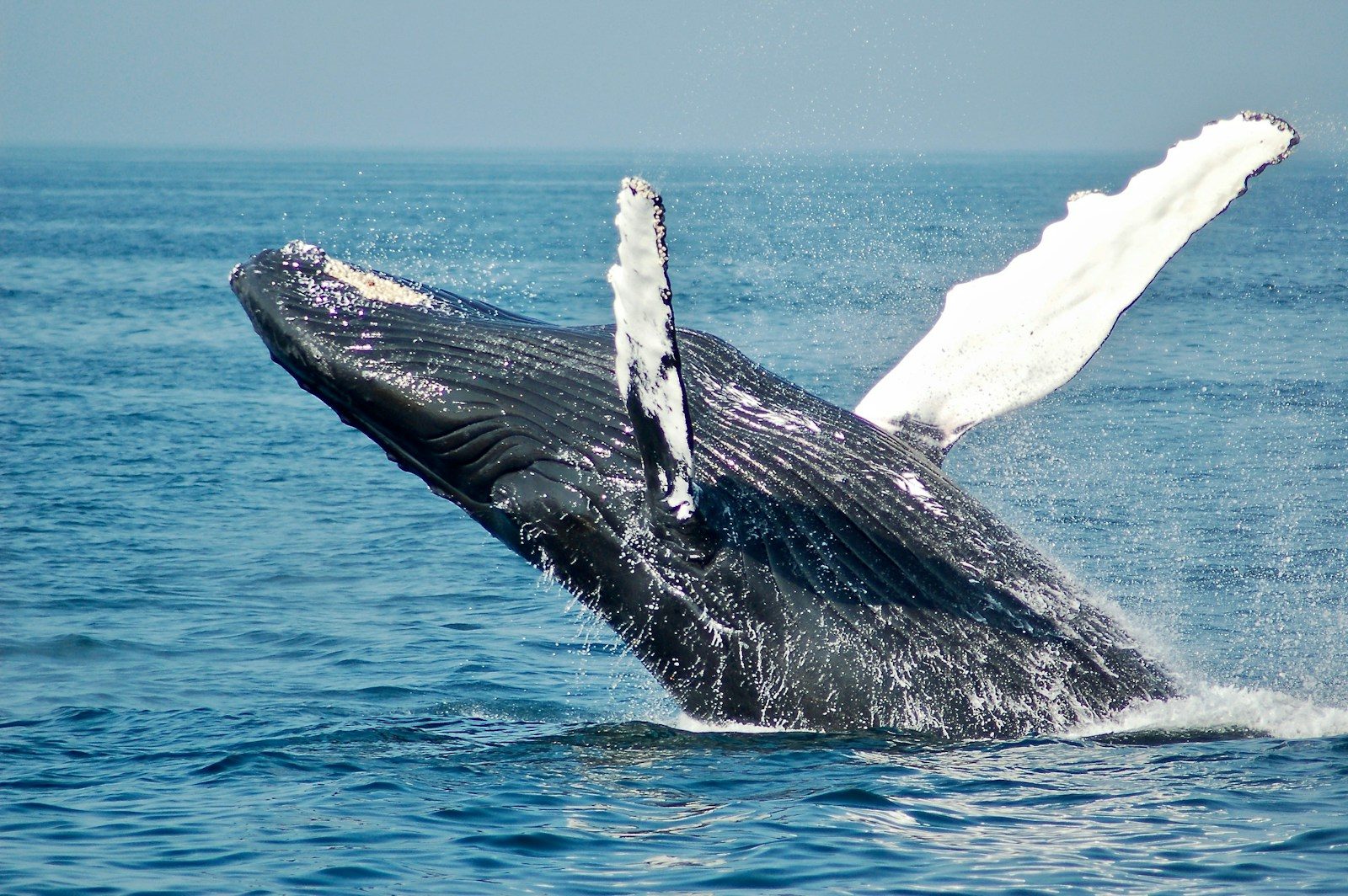
Healthy adult humpback whales are enormous animals that can grow more than 15 meters long and weigh many tons. Their powerful tails can seriously injure predators that approach too closely.
Because of their size and strength, great white sharks usually hunt much smaller animals such as seals, sea lions, and large fish. Living whales are generally not considered regular prey for these sharks.
Great white sharks are opportunistic hunters
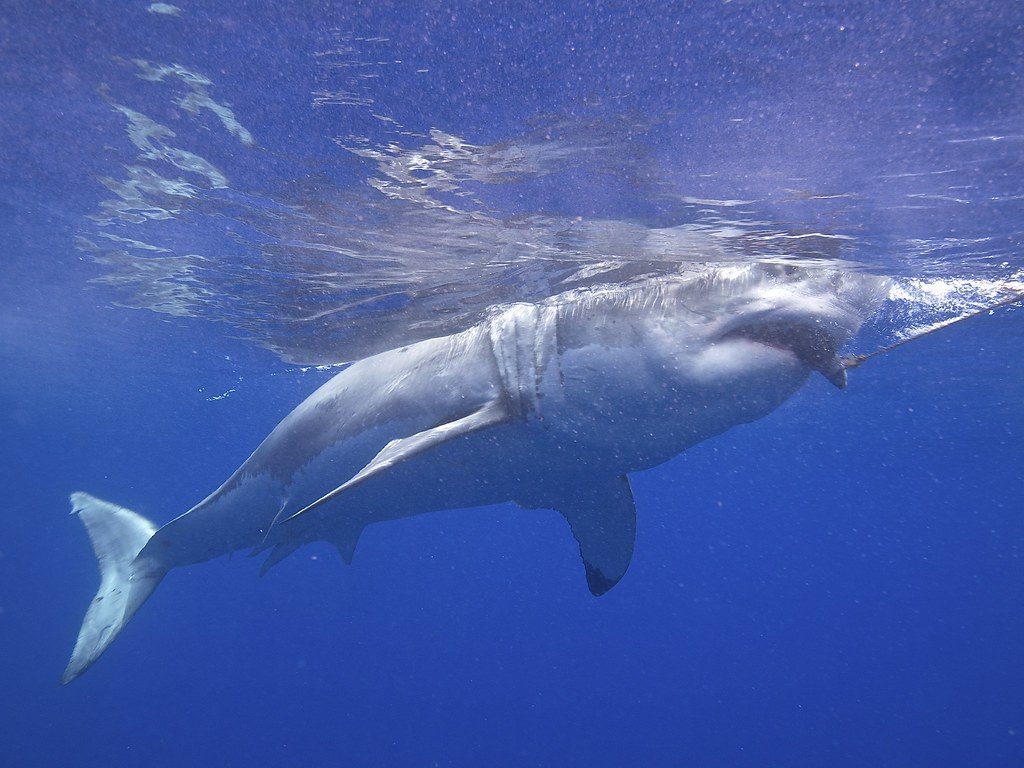
Great white sharks often take advantage of opportunities when prey is weakened, injured, or unable to escape. An entangled juvenile whale represents a very different situation from a healthy, free-swimming whale.
Scientists emphasize that opportunistic feeding is common among many large predators. Rather than targeting the largest animals whenever possible, predators usually choose prey that offers the greatest reward for the least risk.
The discovery expanded scientific knowledge
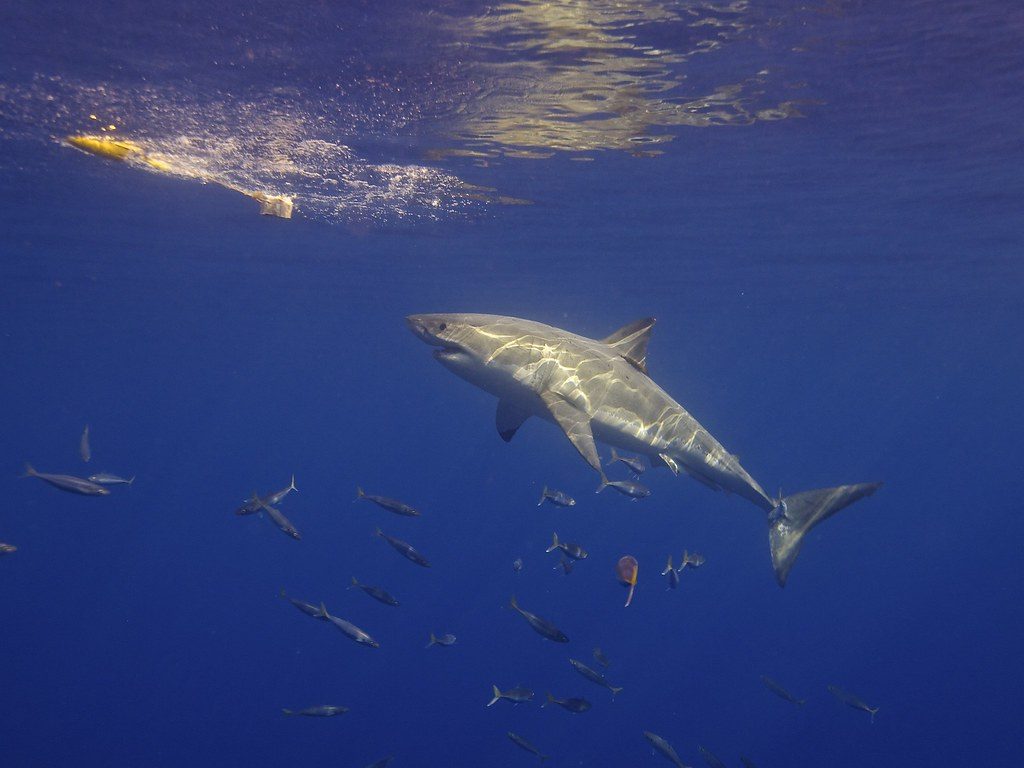
The observation provided valuable information about hunting behavior that had never been directly recorded before. Drone footage allowed researchers to analyze the sharks’ movements, attack patterns, and feeding strategy in exceptional detail.
The findings also showed that great white sharks are more behaviorally flexible than scientists once believed. Under unusual circumstances, they may exploit prey that was previously considered outside their normal hunting range.
Nature continues to surprise scientists
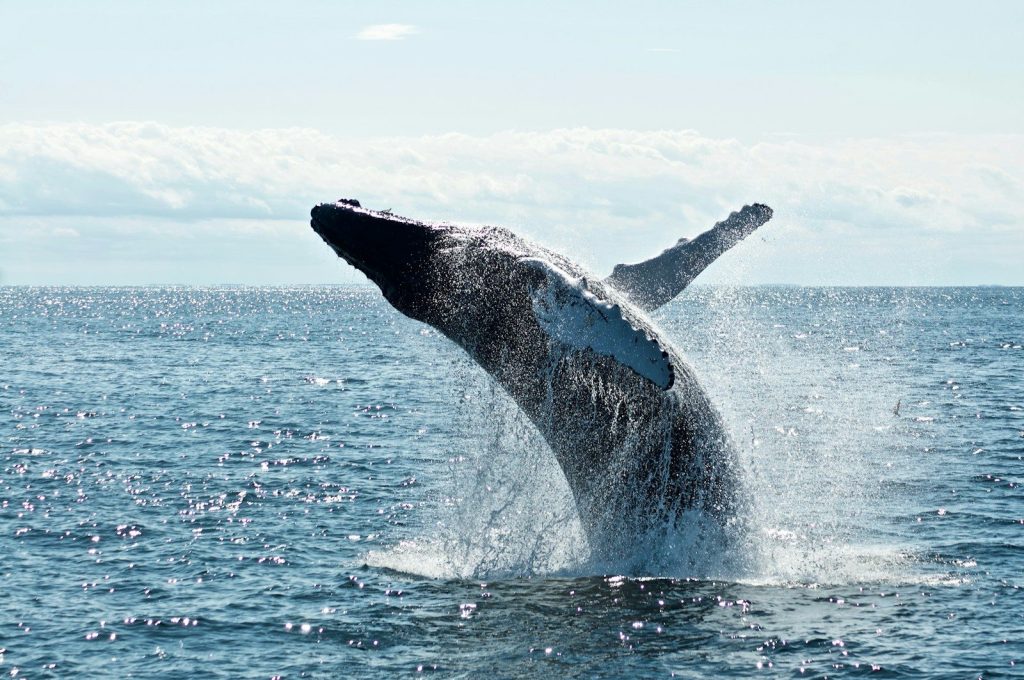
The ocean remains one of Earth’s least explored environments, and rare events like this remind researchers that animal behavior is often more complex than expected. Even well-studied predators can display behaviors that have never been documented before.
Although attacks by great white sharks on live humpback whales are extremely uncommon, this encounter demonstrates how careful scientific observation continues to reshape our understanding of marine life.
Leave a Reply