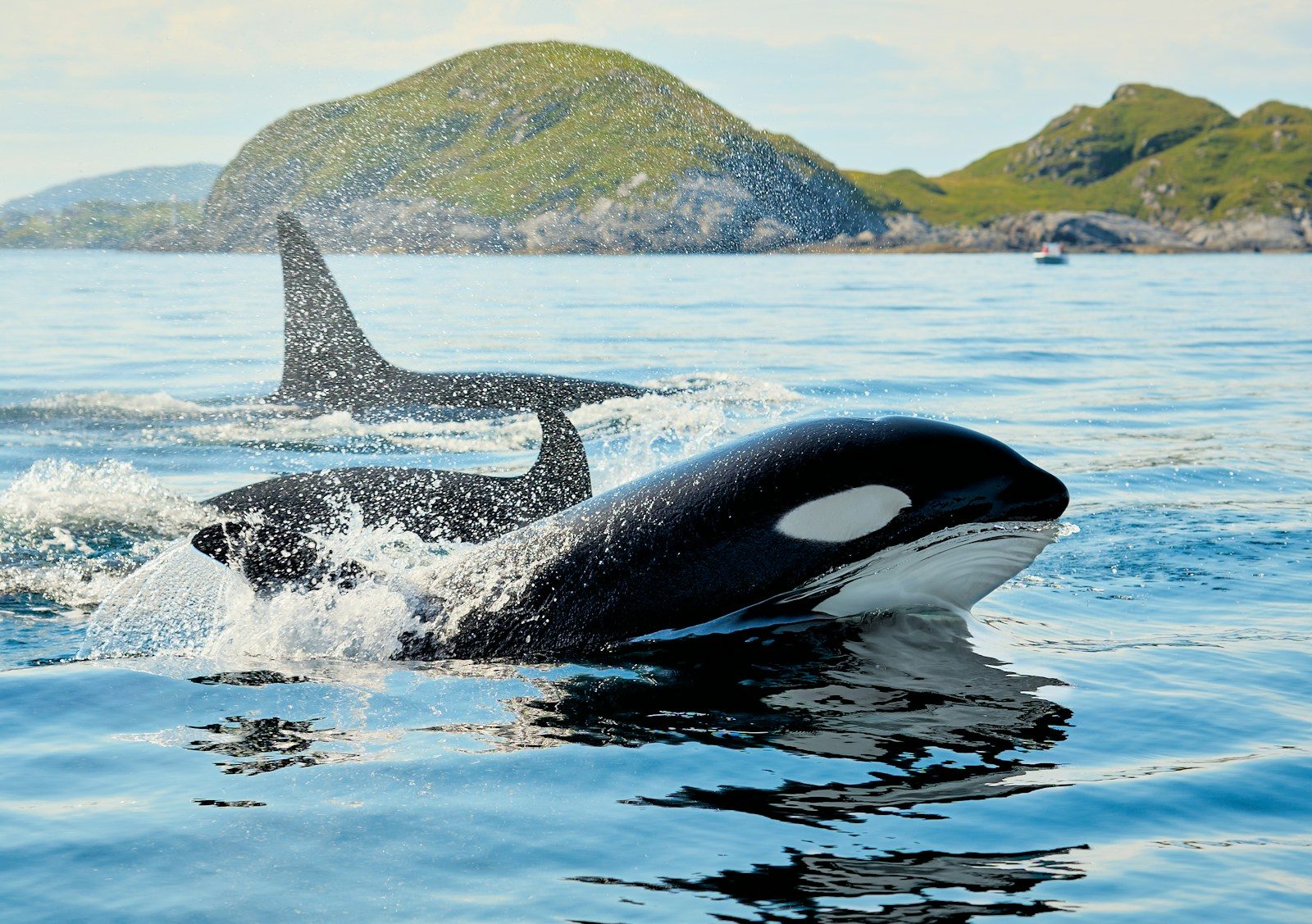
Killer whales, also called orcas, are among the ocean’s most intelligent and successful predators. They hunt in family groups, communicate constantly, and use specialized techniques to catch everything from fish to large whales. Yet even these remarkable hunters do not succeed every time.
Some prey escape through speed, teamwork, intelligence, or sheer determination. In rare cases, animals even fight back strongly enough to force the orcas to give up. This article explores why some orca hunts fail and what these unusual encounters reveal about life in the ocean.
Orcas rely on teamwork
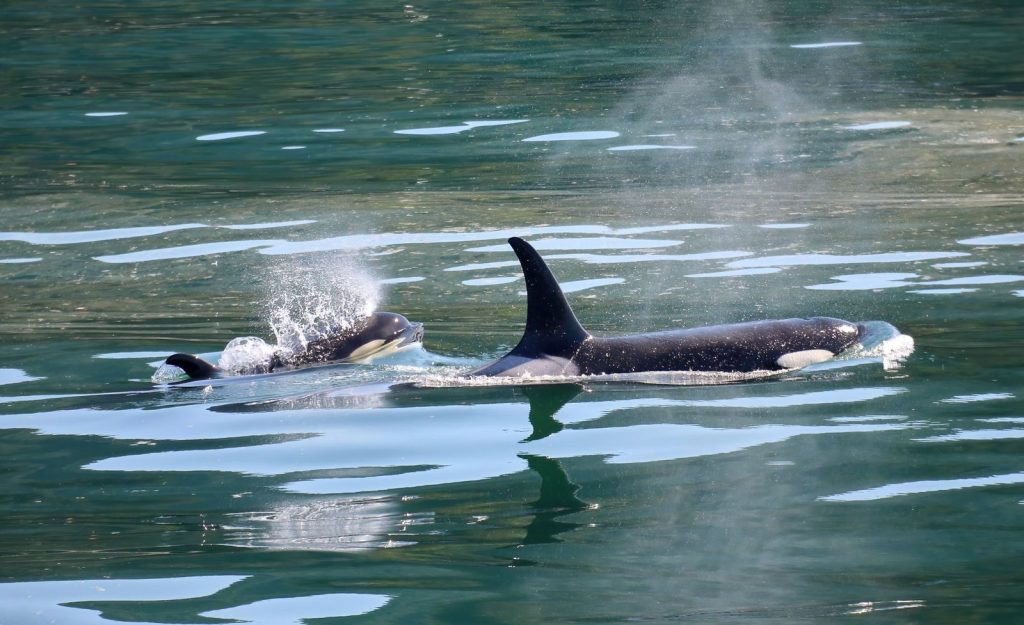
Orcas rarely hunt alone when targeting large animals. Members of a pod work together by surrounding prey, taking turns attacking, and using coordinated movements learned from older family members.
Different orca populations have developed their own hunting traditions. These techniques are passed from one generation to the next, making each pod highly specialized for the prey available in its region.
Some prey refuse to surrender
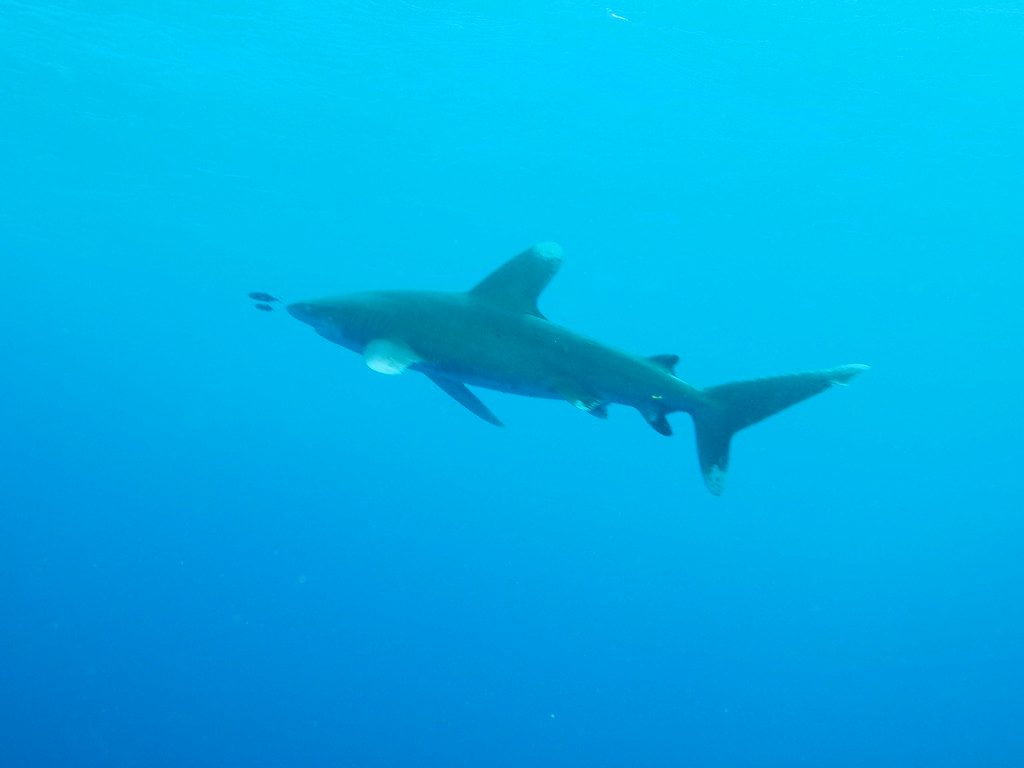
Many marine animals have evolved effective defenses against predators. Fast swimming, sudden changes in direction, and staying close together can make it much harder for orcas to complete a hunt.
Some prey species also form defensive circles or gather into tight groups. These formations reduce opportunities for individual animals to become isolated, forcing orcas to spend more time and energy during an attack.
Humpback whales sometimes intervene
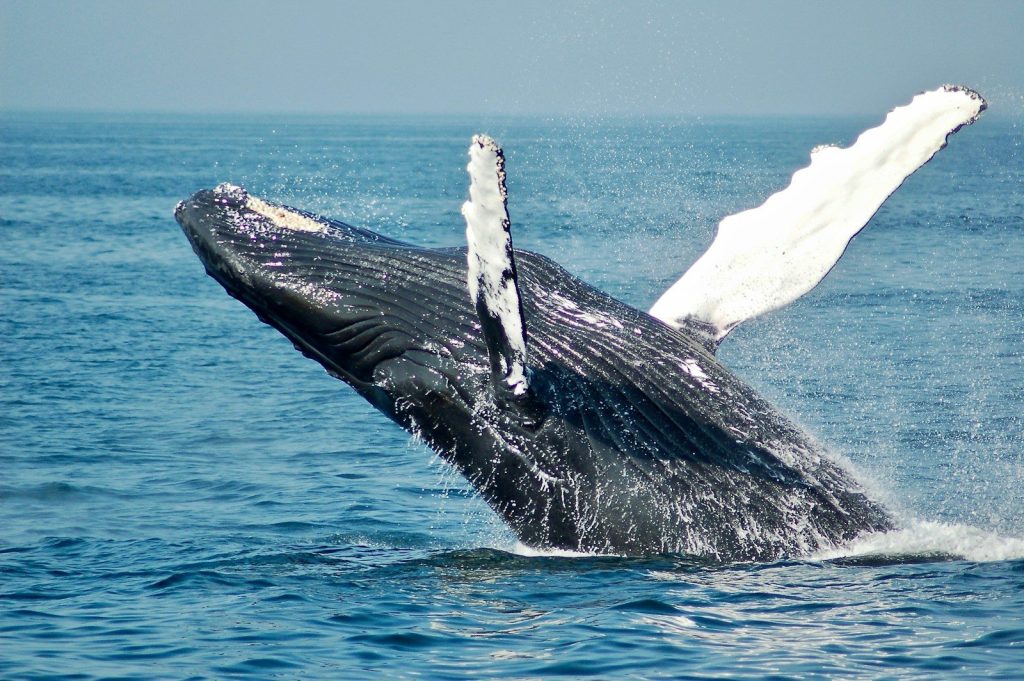
One of the most remarkable behaviors documented by scientists involves humpback whales approaching hunting orcas. Researchers have observed humpbacks interrupting attacks on seals, sea lions, gray whale calves, and other animals by placing themselves between the predators and their target.
Scientists are still studying why humpbacks behave this way. In some situations, they may be protecting their own calves, while in others, they appear to respond to distress calls from unrelated animals.
Size and intelligence can change the outcome
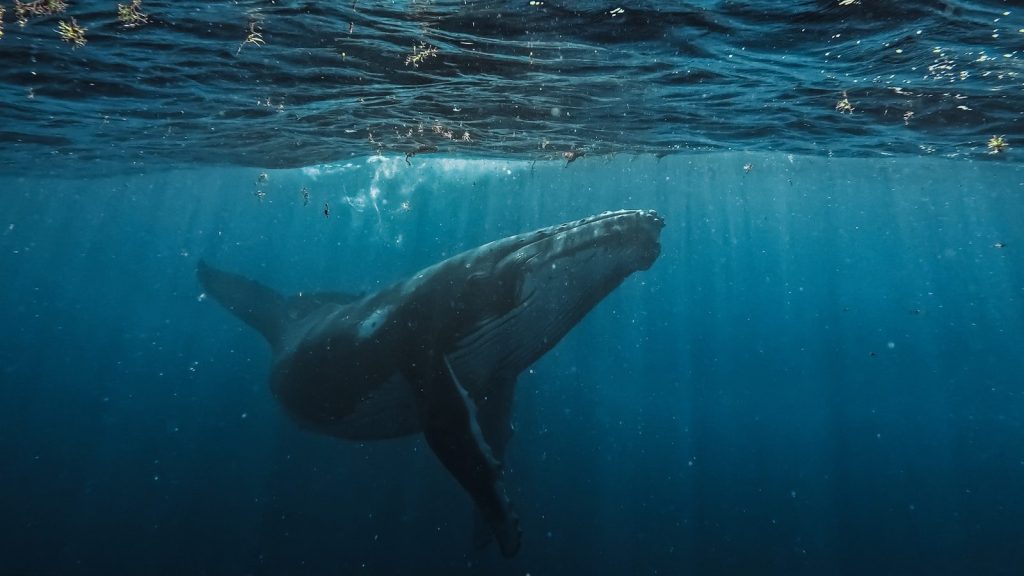
Large prey can sometimes resist long enough to discourage continued attacks. Adult whales, for example, may defend themselves with powerful tail strikes, while other marine mammals use coordinated group movements to reduce their risk.
Intelligence also plays an important role. Animals capable of recognizing danger quickly and responding together may create enough confusion to interrupt an otherwise well-planned hunt.
Hunting success is never guaranteed
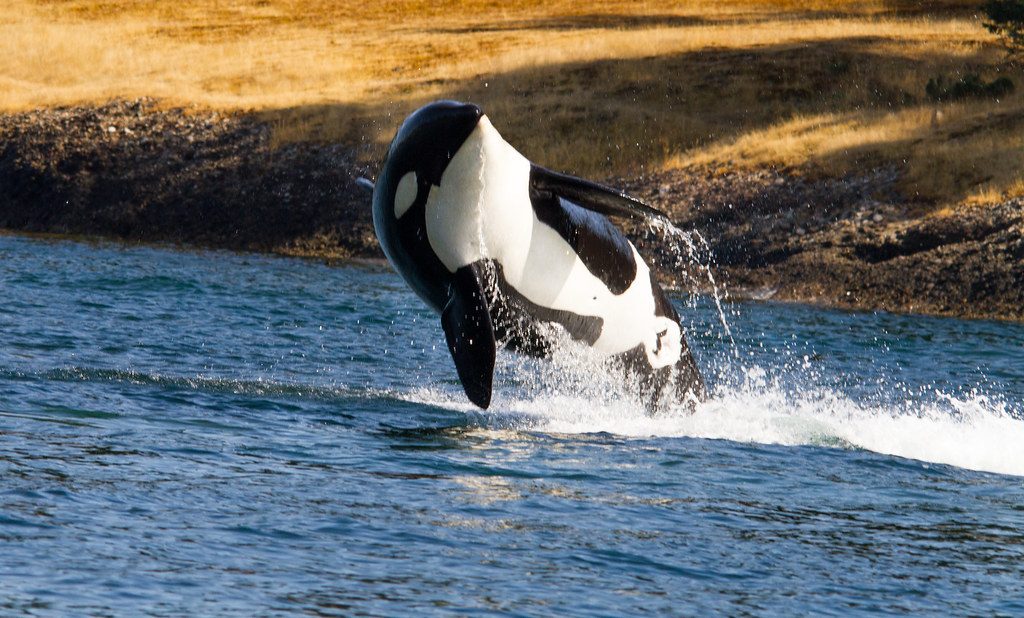
Although orcas are apex predators, every hunt requires energy. If prey escapes repeatedly or becomes too difficult to capture, continuing the chase may no longer be worthwhile.
Wild predators constantly balance effort against reward. Abandoning an unsuccessful hunt allows orcas to conserve energy and search for another opportunity rather than wasting valuable resources.
Every failed hunt teaches scientists something
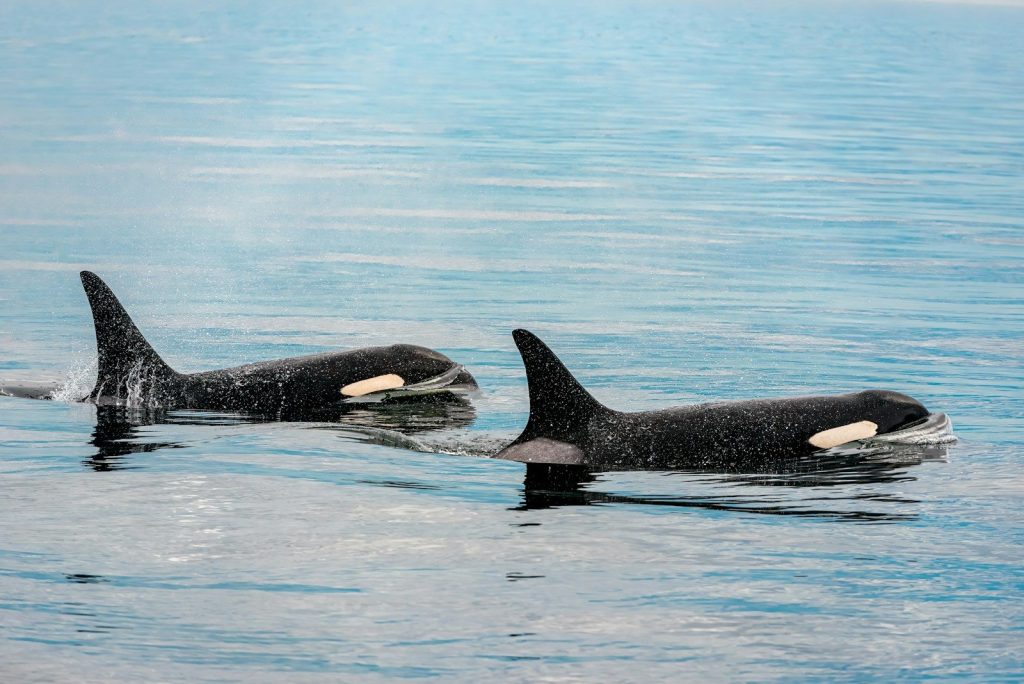
Successful hunts reveal how orcas capture prey, but unsuccessful hunts can be just as valuable for researchers. They show how prey species evolve defensive strategies and how predator and prey continue adapting to each other over time.
These rare encounters remind us that nature is never completely predictable. Even one of the ocean’s most skilled hunters must sometimes accept defeat when intelligence, teamwork, or determination shifts the balance.
Leave a Reply