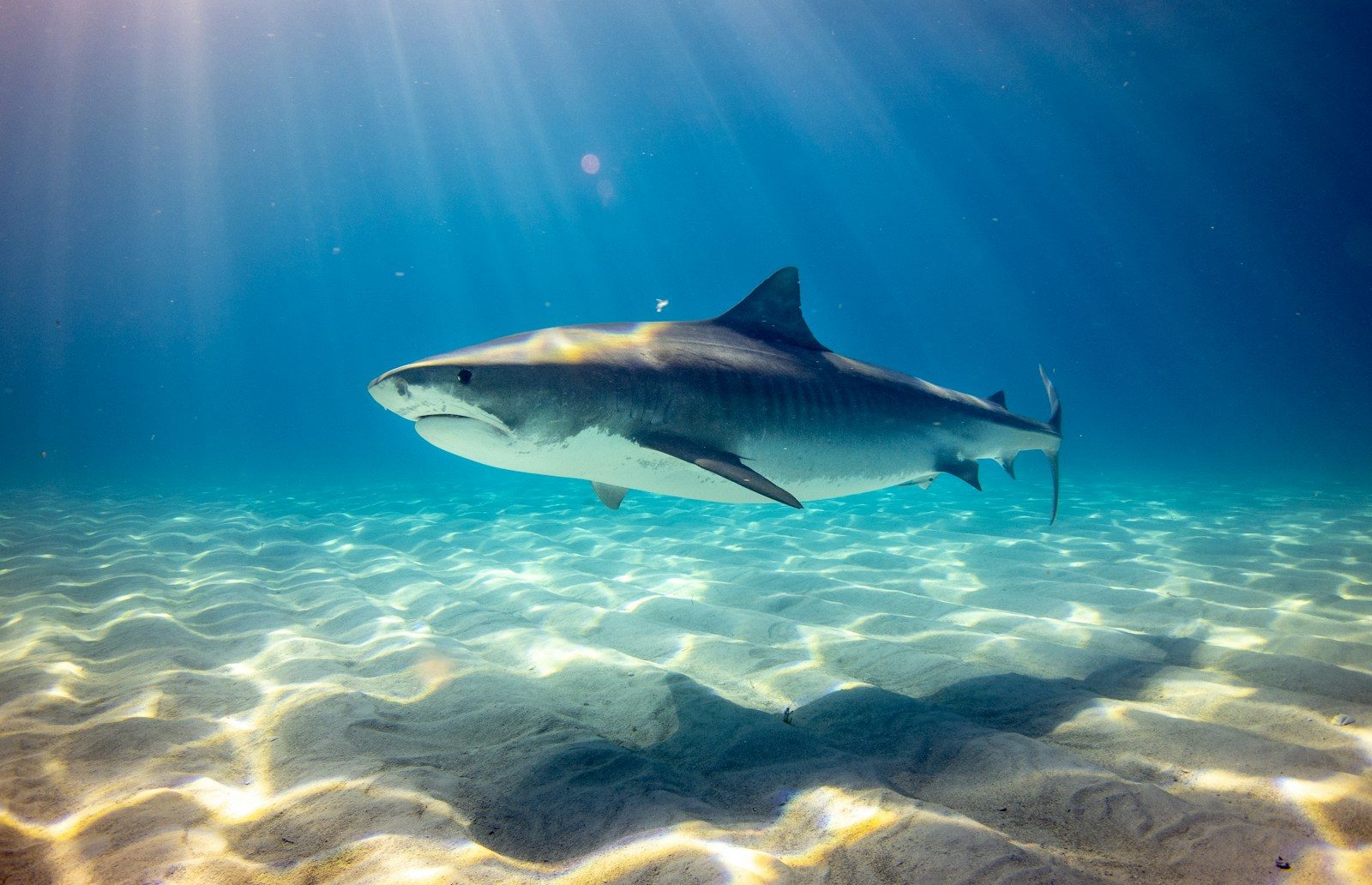
Great white sharks are among the ocean’s most powerful predators, but even they rarely challenge animals much larger than themselves. On unusual occasions, however, scientists have documented great white sharks attacking live whales. These rare encounters reveal remarkable hunting strategies, incredible endurance, and the unpredictable nature of life in the sea.
While the scenes appear dramatic, they also help researchers better understand how apex predators respond when an unexpected feeding opportunity appears. This article explores why these attacks happen, how sharks approach such enormous prey, and what scientists have learned from these extraordinary encounters.
Great white sharks are expert hunters
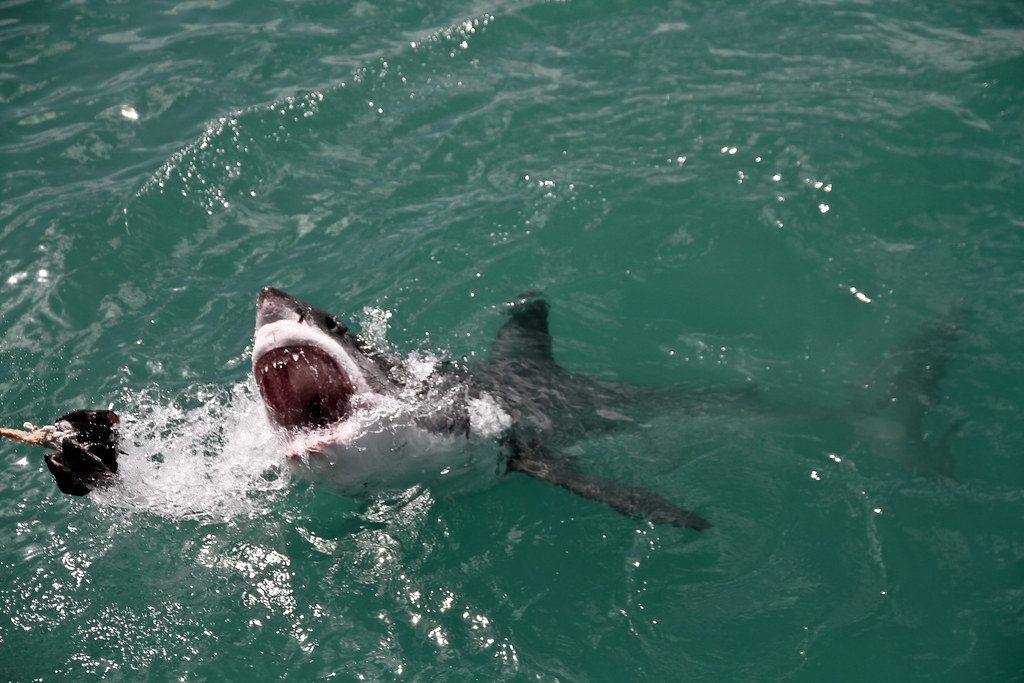
Great white sharks hunt a wide variety of prey, including seals, sea lions, fish, rays, and smaller marine mammals. Their powerful bite, keen senses, and ability to detect vibrations make them highly successful ocean predators.
Although they are capable hunters, great white sharks usually select prey that provides a good balance between energy gained and risk. Healthy adult whales are generally far too large and dangerous to become regular targets.
Rare whale attacks have been documented

Scientists have documented a small number of cases where great white sharks attacked live whales. One of the best-known observations involved a weakened juvenile humpback whale that had become entangled, making it far more vulnerable than a healthy animal.
Researchers emphasized that this behavior is exceptionally uncommon. Prior to this observation, great white sharks were primarily known for scavenging whale carcasses rather than actively attacking living whales.
The sharks used careful hunting tactics
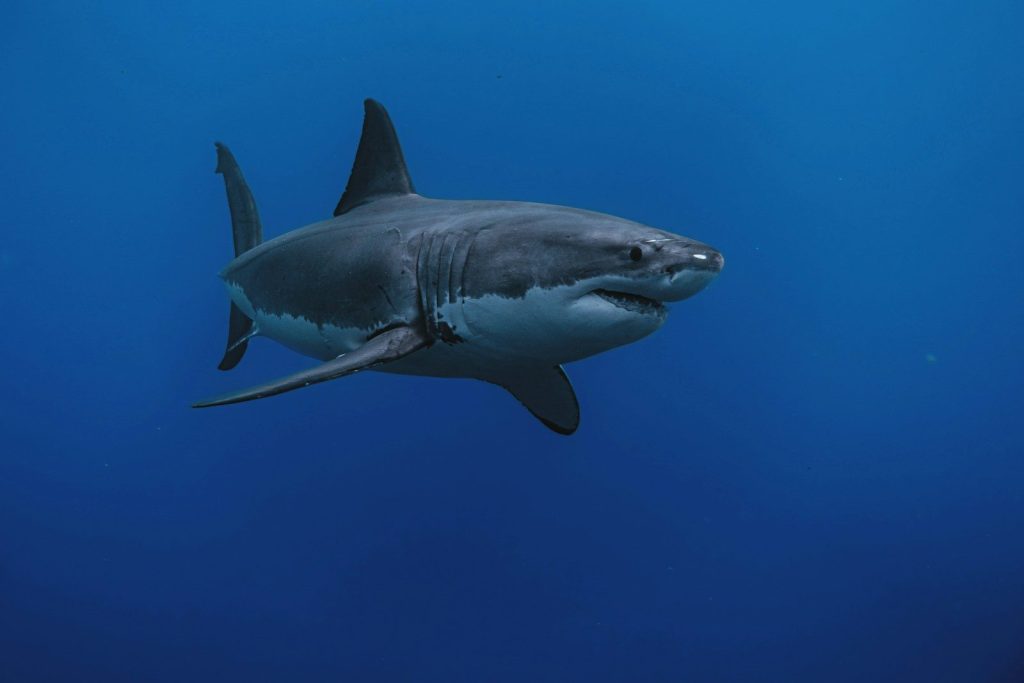
Instead of attacking randomly, the sharks repeatedly bit vulnerable areas near the whale’s tail and rear body. These attacks gradually reduced the whale’s ability to swim while increasing blood loss.
Scientists observed that the sharks remained cautious throughout the encounter. By avoiding the whale’s strongest defensive movements, they reduced the risk of being struck by its powerful tail.
Why whales remain difficult prey
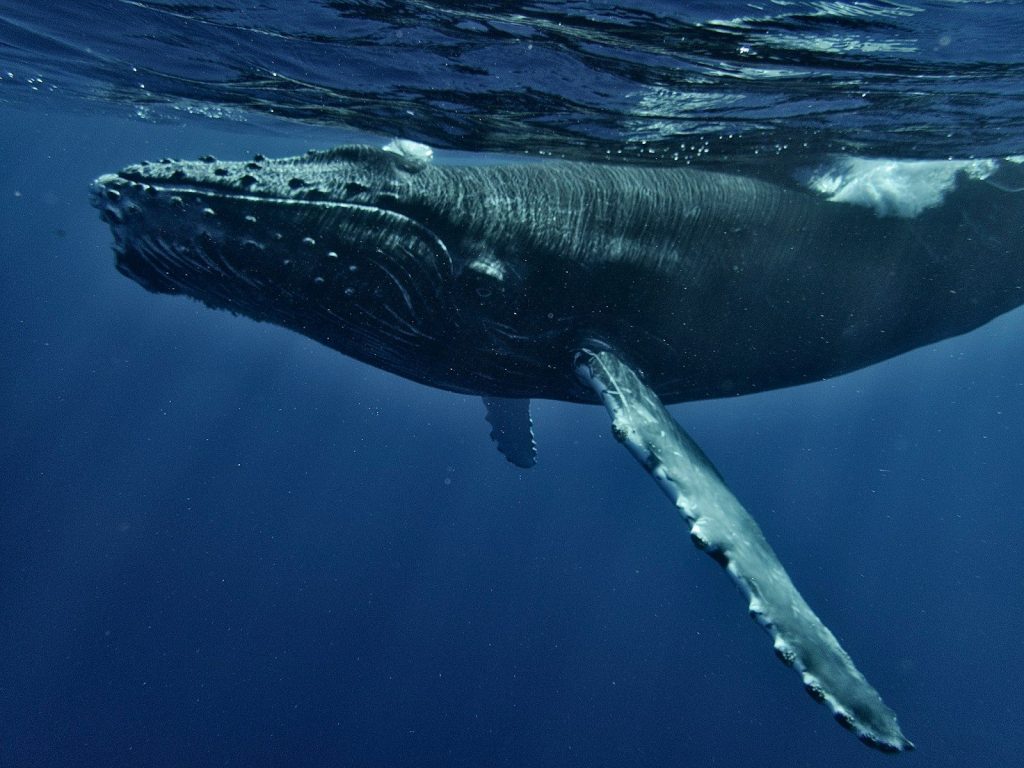
Adult humpback whales can exceed 15 meters in length and weigh many tons. Their enormous size and strength make them extremely difficult and potentially dangerous opponents for any predator.
Even juvenile whales can defend themselves with strong tail strikes and rapid movements. Because of these risks, great white sharks generally target smaller prey that can be captured with much less effort.
Opportunistic feeding explains these encounters
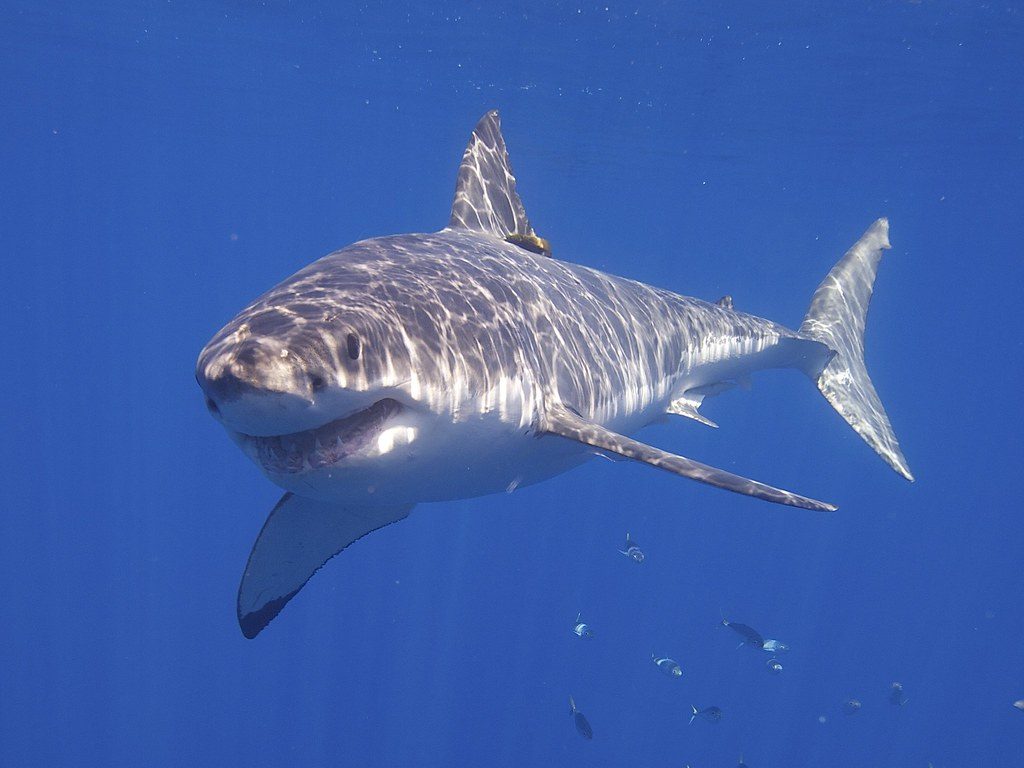
Great white sharks are opportunistic predators that take advantage of situations when prey is weakened, injured, or unable to escape effectively. This behavior allows them to obtain large meals while avoiding unnecessary energy expenditure.
Scientists believe the unusual whale attacks occurred because the vulnerable condition of the whale created an opportunity that would not normally exist. Such encounters should not be viewed as typical hunting behavior for the species.
Rare events improve scientific understanding
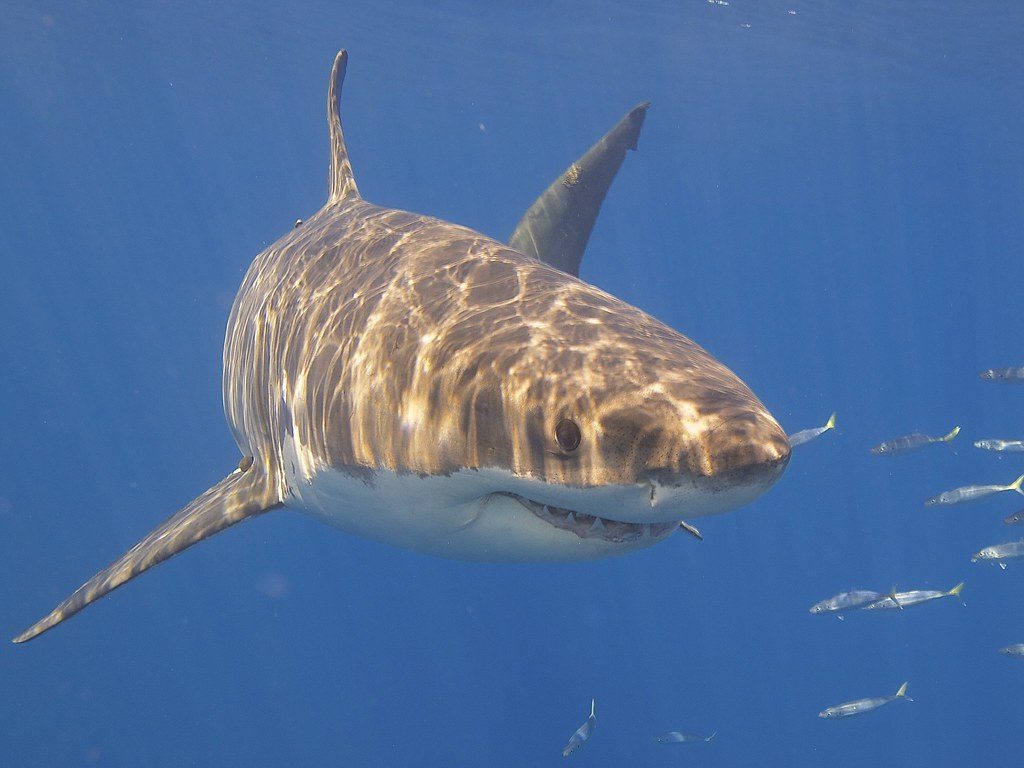
Every unusual predator encounter provides valuable information about how marine ecosystems function. Direct observations help researchers understand hunting strategies that would otherwise remain unknown.
Although great white sharks attacking live whales is extraordinarily rare, these documented events demonstrate that even well-studied predators can surprise scientists. The ocean continues to reveal behaviors that challenge long-held assumptions about its largest animals.
Leave a Reply