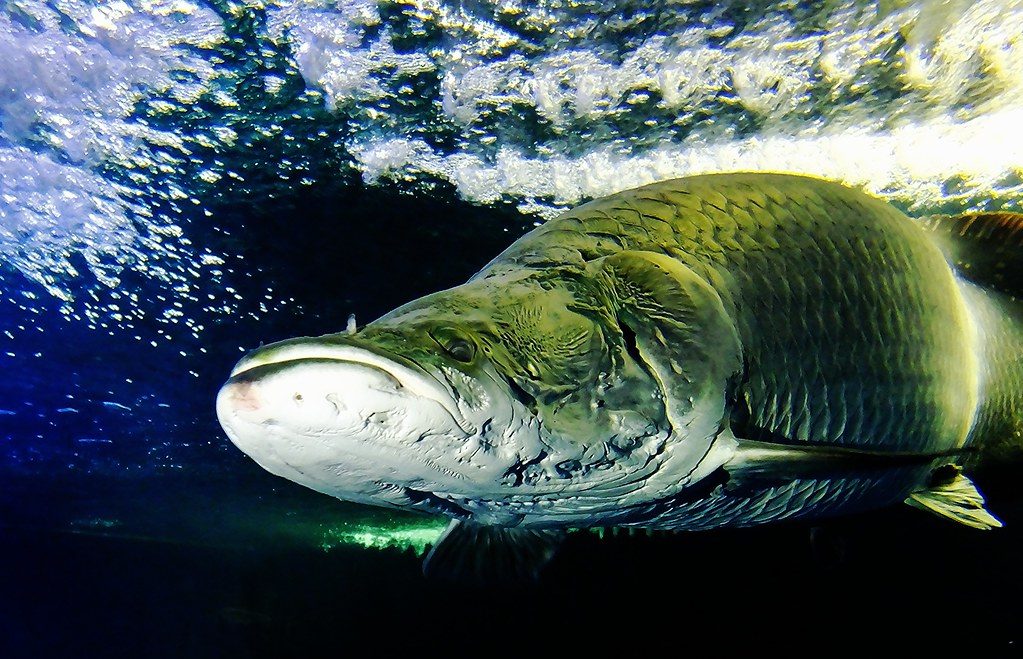
Most fish lay eggs and leave their young to survive on their own. The arapaima does something completely different. This giant freshwater fish protects hundreds of babies and produces a nutrient-rich body secretion that scientists often describe as milk-like. The discovery surprised researchers because this type of parental care is extremely rare in fish.
Instead of simply guarding its young, the arapaima appears to use its own body to help them survive during the most dangerous stage of life. This article explains how this remarkable behavior works and why it is changing what scientists know about fish evolution.
One of the world’s largest freshwater fish
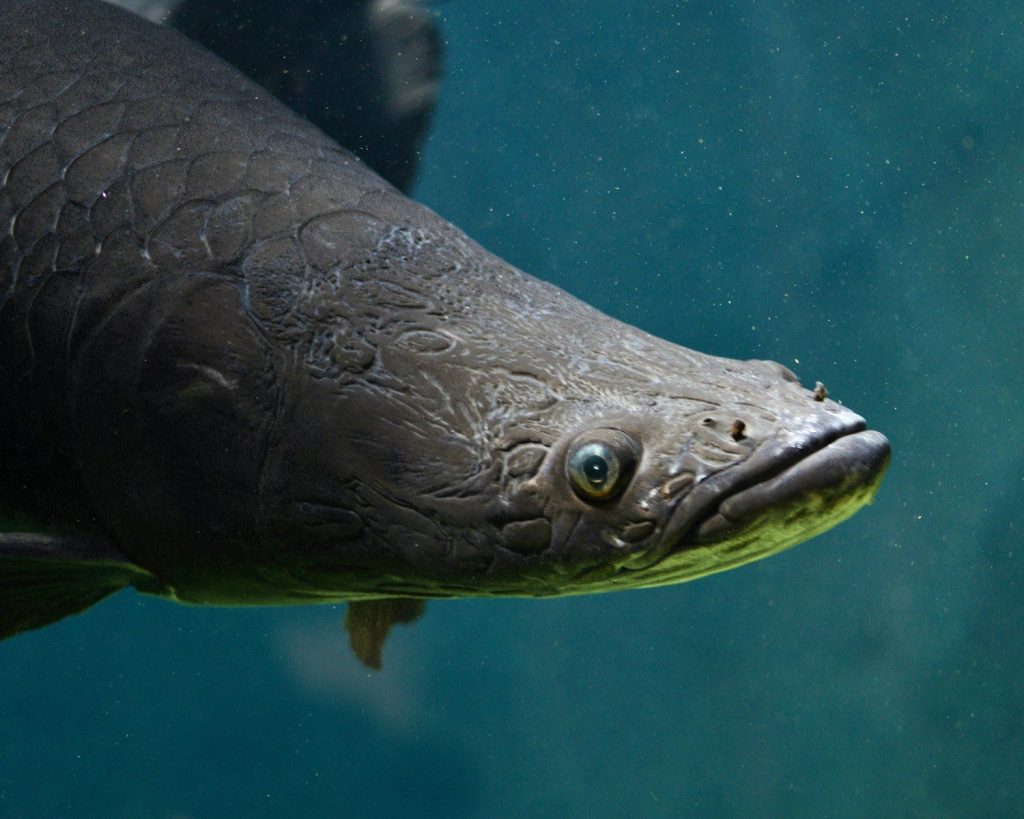
The arapaima is one of the largest freshwater fish on Earth. It lives in the rivers and flooded forests of the Amazon Basin, where adults can grow nearly 3 meters long and weigh around 200 kilograms.
Unlike most fish, the arapaima regularly swims to the surface to breathe air. This adaptation allows it to survive in warm waters where oxygen levels are often very low.
Scientists found an unusual body secretion
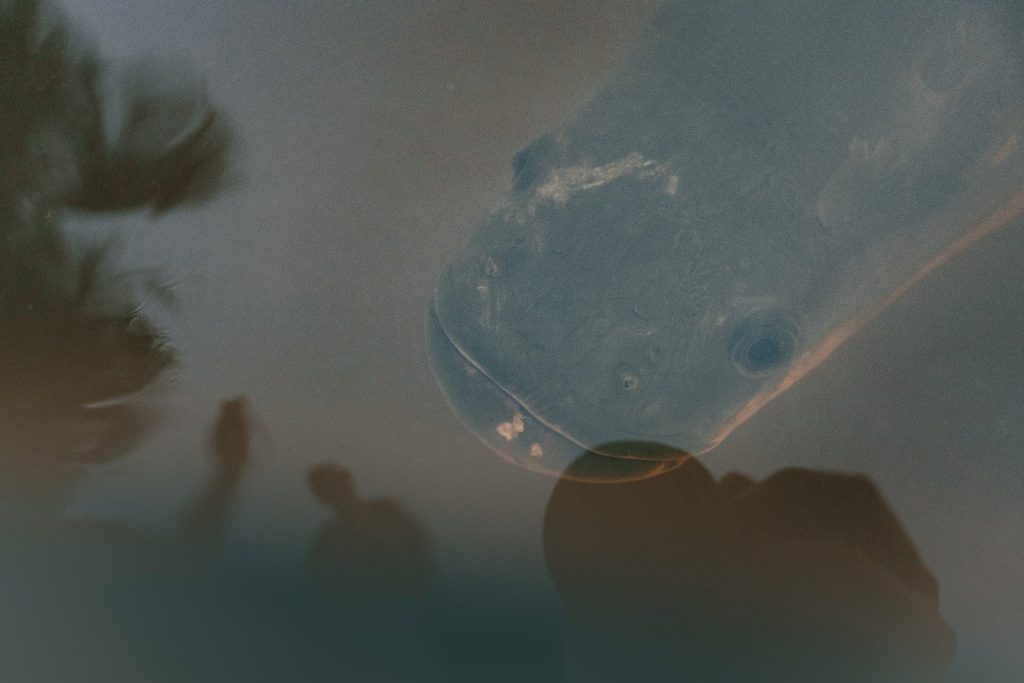
Researchers discovered that breeding adults produce a nutrient-rich fluid from glands on the head. Scientists often call this secretion “arapaima milk” because it appears to nourish young fish, although it is not true milk like that produced by mammals.
Studies have identified hundreds of proteins and peptides within the secretion. Many of these compounds are linked with growth, immune function, and early development, suggesting the fluid plays an important role during the first weeks of life.
Hundreds of babies stay close together
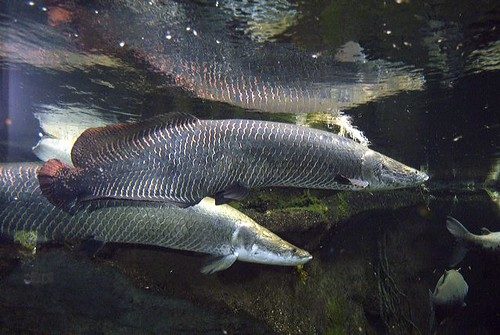
After hatching, young arapaima remain tightly grouped around the head of a parent, usually the male. The family moves together through the Amazon while the adult protects the young from predators.
Scientists believe the head secretion may also contain chemical signals that help keep the young fish together. This close formation makes it easier for the parent to defend hundreds of offspring at the same time.
A rare form of parental care
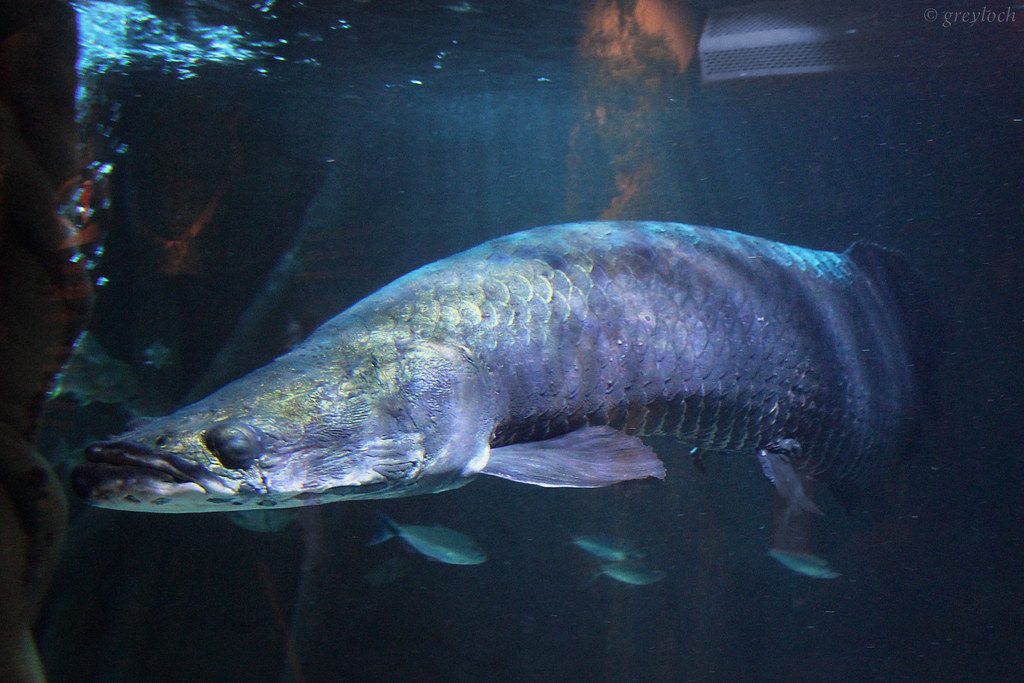
Most fish provide little or no care after their eggs hatch. The arapaima is very different because parents remain with their offspring for an extended period while they gradually become independent.
As the young grow, they begin feeding on tiny organisms in the water while continuing to stay near the adult. This combination of protection and nourishment greatly improves their chances of survival in the predator-rich Amazon ecosystem.
Scientists are still studying this behavior
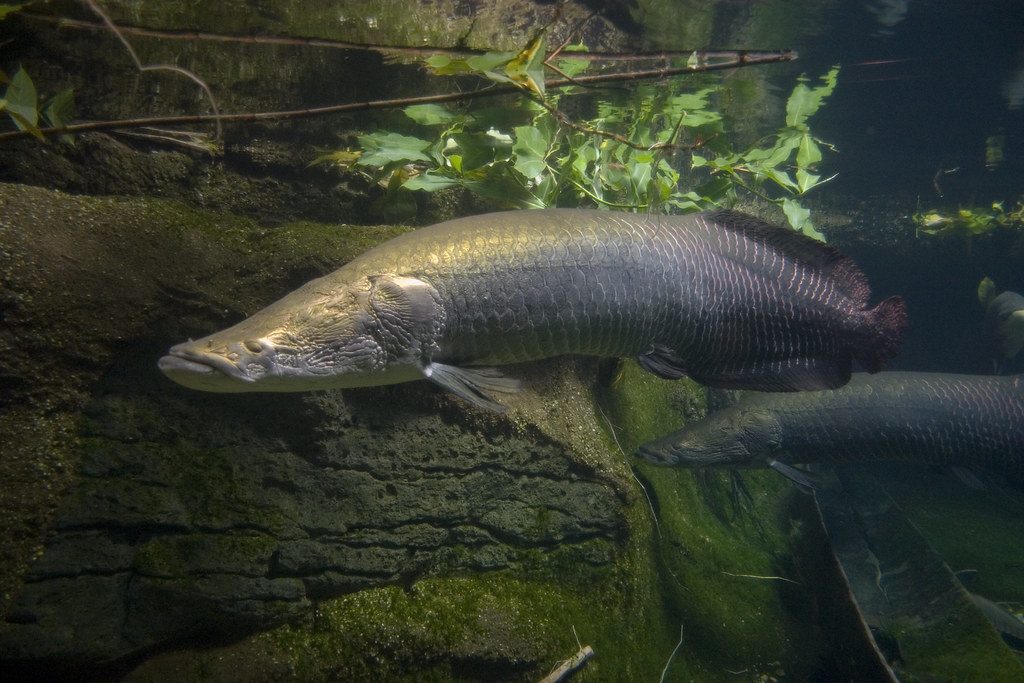
Although researchers have identified the unusual secretion, they are still investigating exactly how it benefits young arapaima. The fluid may provide nutrition, strengthen immunity, improve communication, or perform several functions at the same time.
The discovery highlights how much remains unknown about even some of the world’s largest freshwater fish. New studies continue to reveal biological adaptations that were previously thought impossible in fish.
Nature continues to surprise researchers
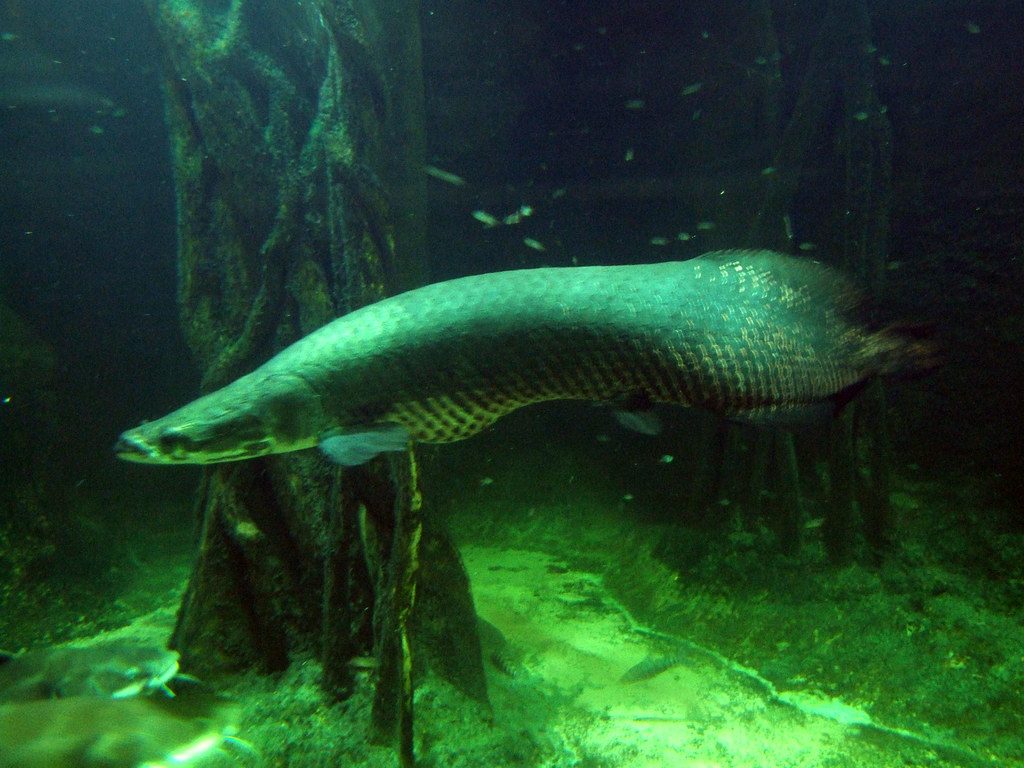
The arapaima shows that evolution can produce parenting strategies that blur familiar categories. While the secretion is not mammalian milk, it performs several similar roles by helping offspring survive during their earliest stages of life.
As scientists continue exploring the Amazon, they expect more discoveries that reshape our understanding of animal behavior. The arapaima remains one of the clearest examples that even well-known species can still hold remarkable scientific secrets.
Leave a Reply