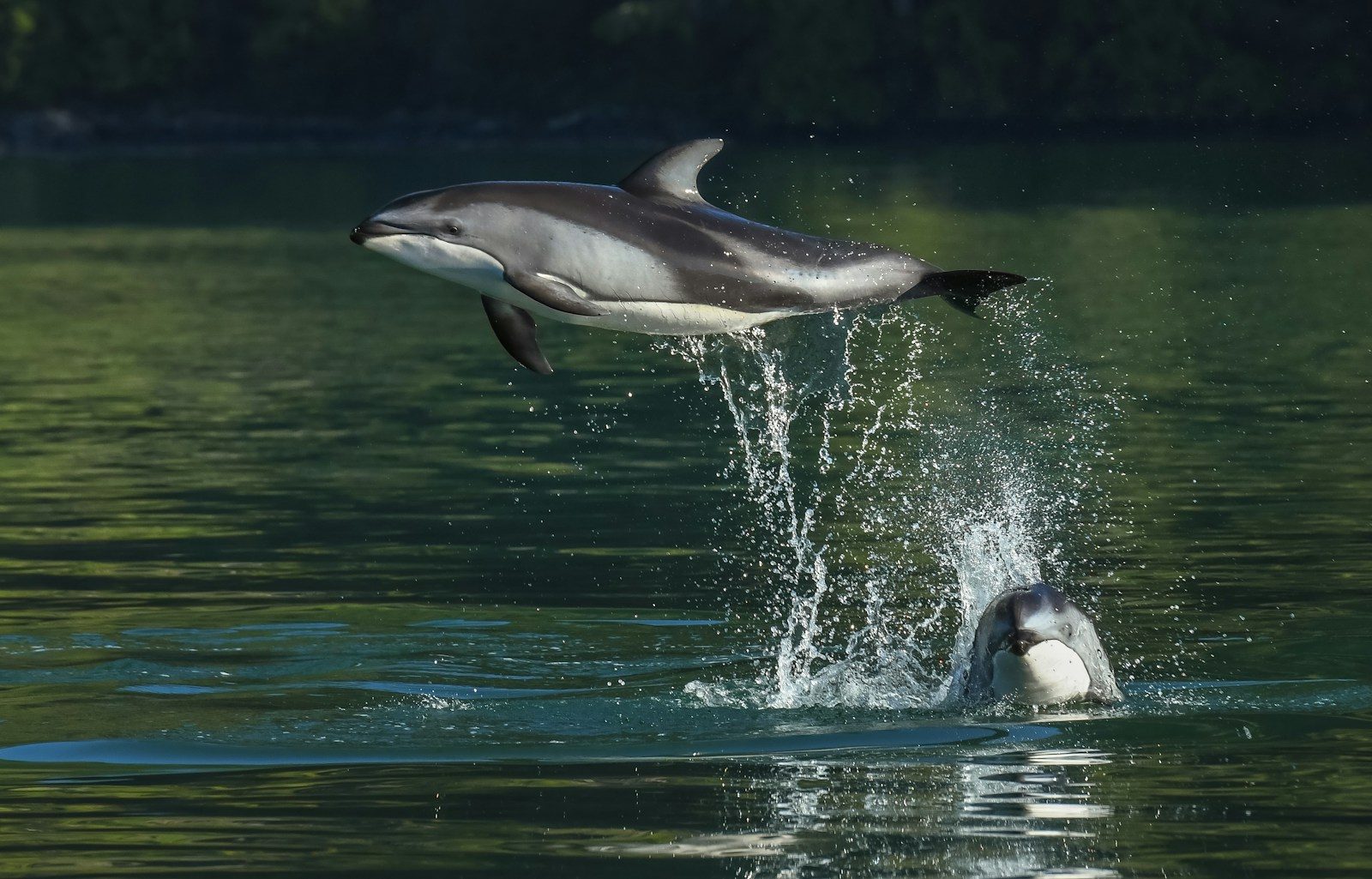
A stranded baby dolphin lying alone on a beach is a heartbreaking sight. Away from the water, these intelligent marine mammals can quickly become exhausted, overheated, and dehydrated. In one remarkable rescue, a young dolphin received a second chance after a caring person noticed its struggle and helped it return toward the sea.
While the rescue touched millions of people, it also highlights the challenges stranded dolphins face and why trained responders play an important role in protecting marine wildlife. This article explores how dolphin strandings happen, how rescues work, and why every successful release matters.
A young dolphin became stranded
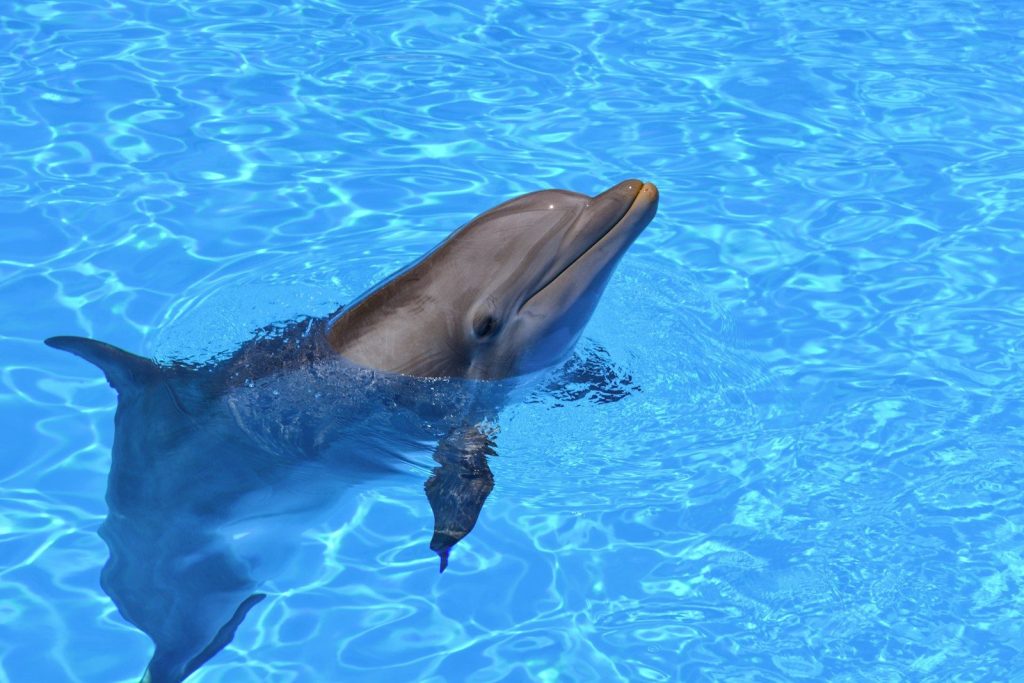
The young dolphin was found alone on the beach, unable to return to the ocean without help. Exposed to the sun and out of the water, it was becoming increasingly weak and vulnerable.
In one widely shared rescue from Namibia, a kayak guide carefully picked up the stranded baby dolphin and carried it back to the water, where it quickly swam away. The rescue became an inspiring reminder of how quickly human action can sometimes save wildlife.
Why dolphins become stranded
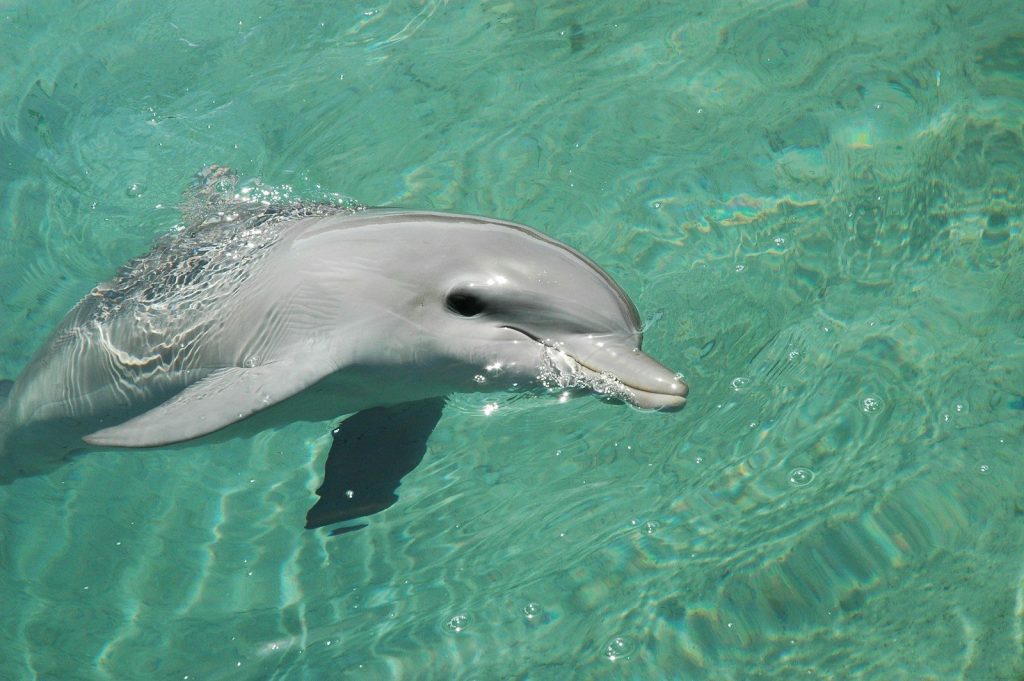
Dolphins can strand for many reasons, including illness, injury, tidal changes, rough weather, or becoming separated from their group. Young dolphins are especially vulnerable because they depend heavily on their mothers during early life.
Sometimes a stranded dolphin appears healthy but is actually suffering from an underlying medical problem. This is why experts recommend careful evaluation before any release back into the ocean.
Every rescue requires careful decisions
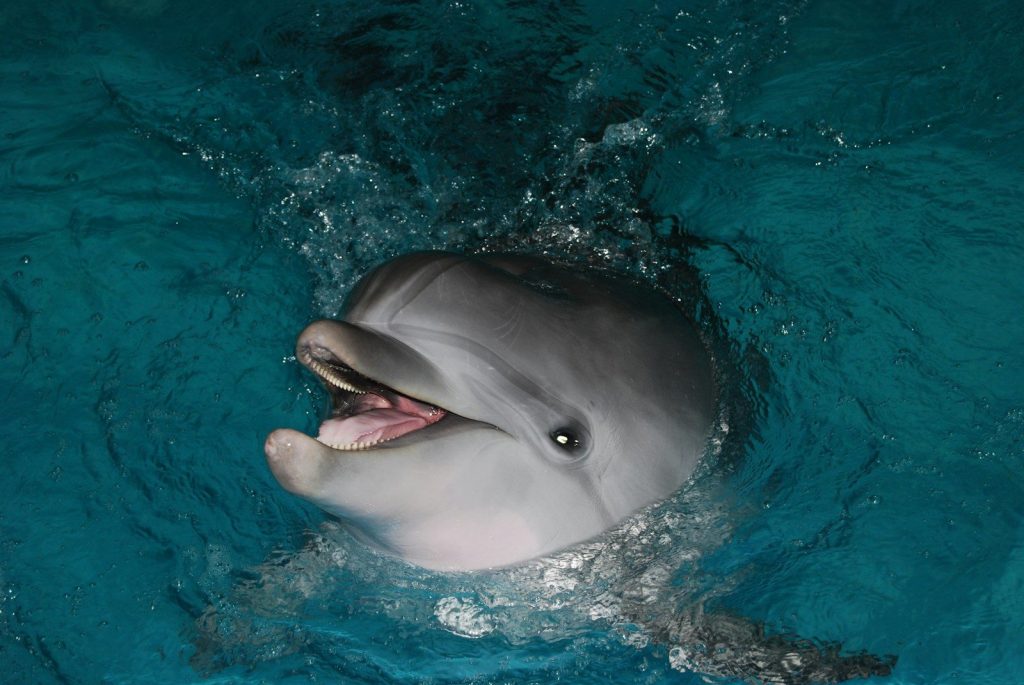
Returning a dolphin directly to the sea is not always the safest solution. If an animal is sick or injured, it may strand again or face even greater danger after release.
Marine mammal rescue organizations are trained to examine stranded dolphins, provide medical treatment when necessary, and release them only when they are strong enough to survive on their own.
Dolphins depend on healthy oceans
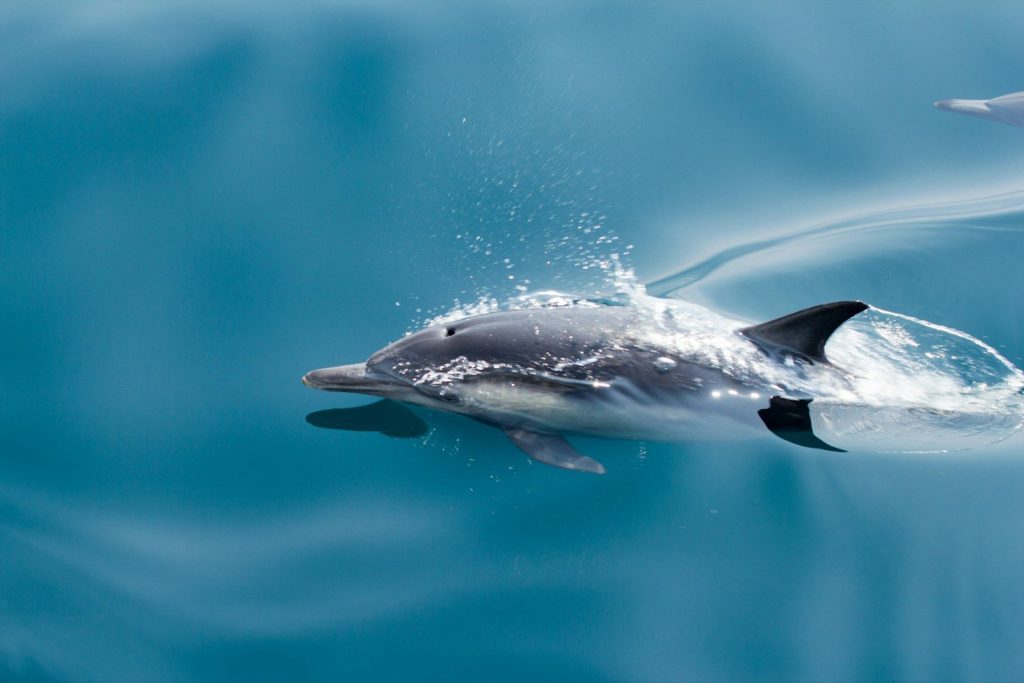
Dolphins are highly intelligent mammals that rely on communication, cooperation, and strong family bonds. Young calves often stay close to their mothers for several years while learning how to survive.
Healthy oceans are essential for dolphin survival. Pollution, fishing gear, boat strikes, habitat degradation, and disease all create challenges for wild dolphin populations around the world.
Human compassion can make a difference
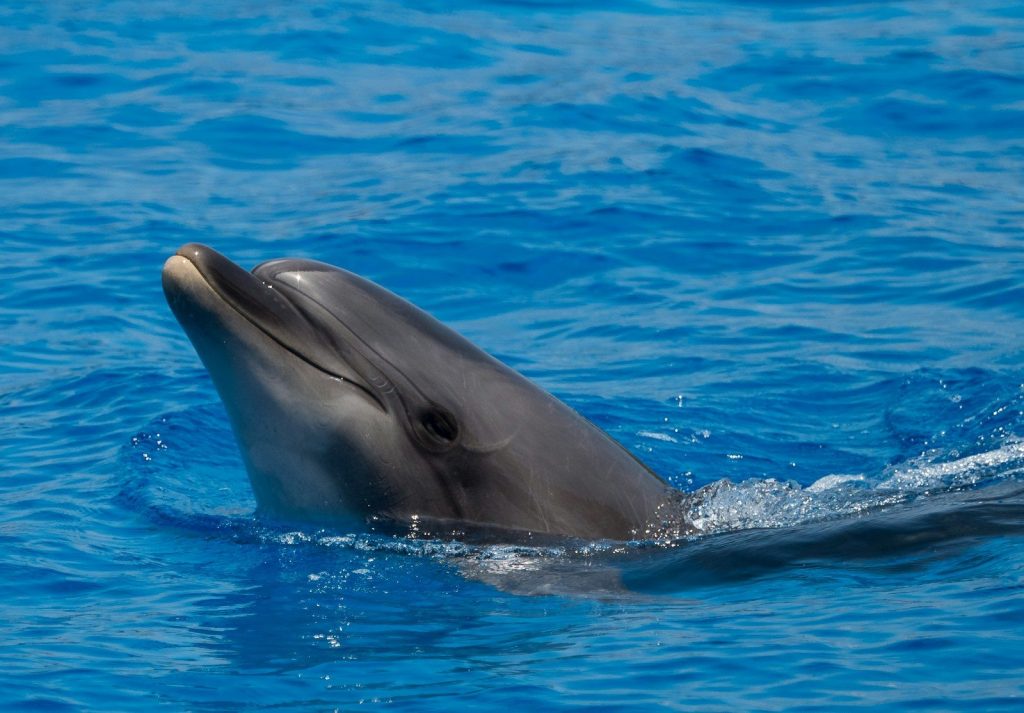
Successful rescues often involve lifeguards, wildlife experts, volunteers, and members of the public working together. Quick reporting gives rescue teams the best chance of saving stranded marine mammals.
Even when a rescue cannot guarantee survival, providing professional care gives stranded dolphins a far better chance than leaving them without assistance. Every response also helps scientists better understand why strandings occur.
A powerful reminder from the shoreline
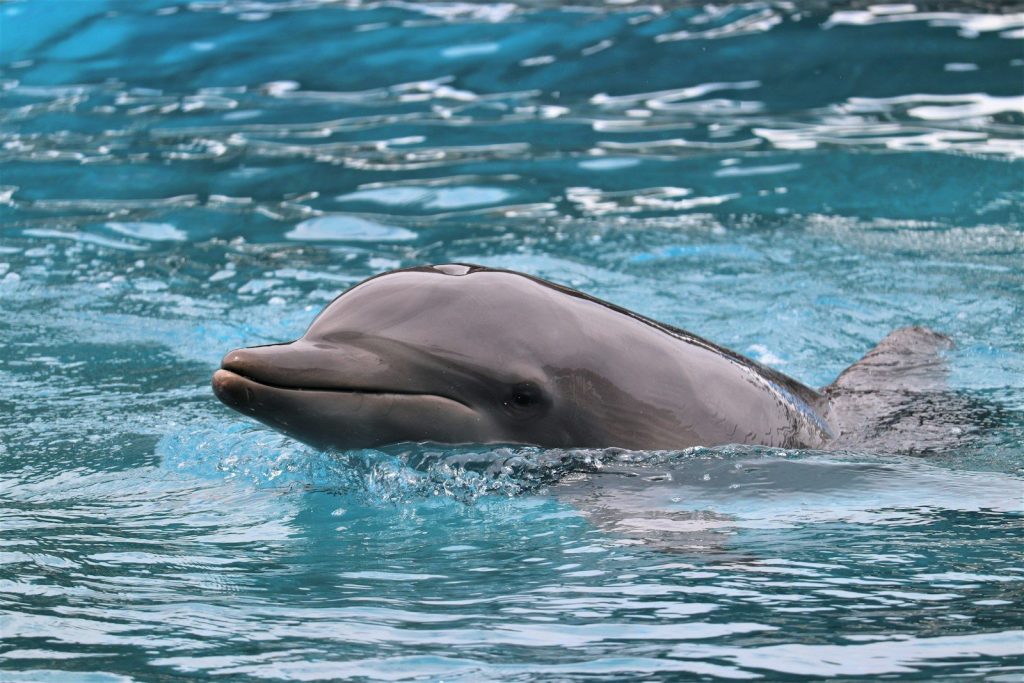
The sight of a frightened young dolphin returning to the sea is emotional because it reflects both the fragility and resilience of wildlife. These moments remind people how connected humans are to the natural world.
Protecting marine habitats, supporting rescue organizations, and reporting stranded animals quickly can help more dolphins receive the care they need. Every successful rescue offers hope for another life returned to the ocean.
Leave a Reply