Antarctica’s icy waters are home to one of the ocean’s most remarkable predators. The leopard seal may look playful while resting on sea ice, but beneath the surface, it is a fast, intelligent hunter capable of catching penguins, fish, squid, and even other seals.
Every encounter between a leopard seal and a flock of penguins becomes a test of speed, timing, and survival. This article explores how leopard seals hunt, what makes them such effective predators, and why they play an important role in one of Earth’s harshest ecosystems.
Antarctica’s top seal predator
The leopard seal is the second-largest seal species in Antarctica and one of the region’s apex predators. Adults can grow several meters long and possess powerful jaws filled with sharp teeth designed for capturing a wide variety of prey.
Unlike many other Antarctic seals, leopard seals usually live alone. Their solitary lifestyle allows them to patrol large hunting areas around pack ice where many prey species gather.
Penguins are always alert
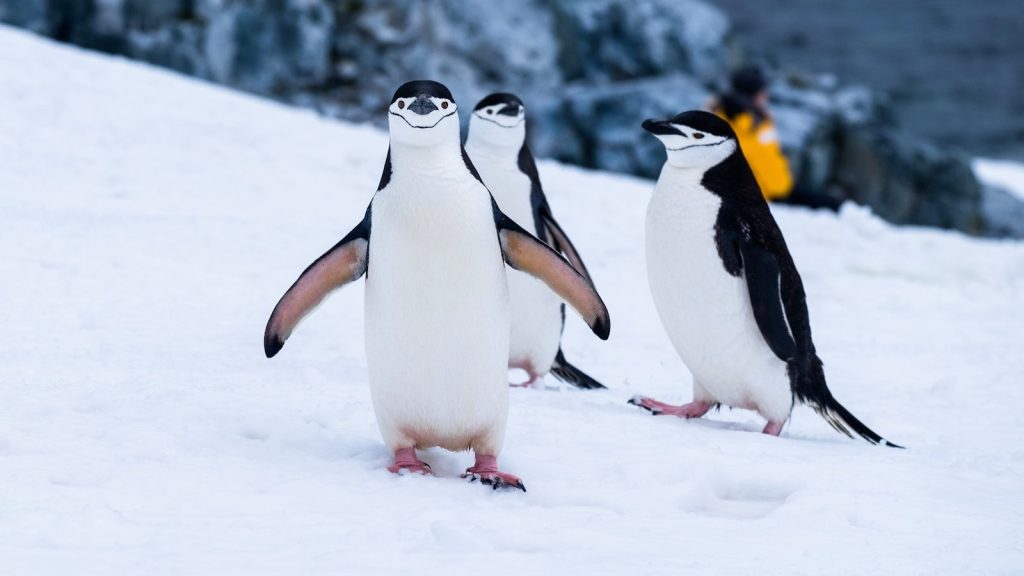
Many penguin species must enter the ocean to feed, even though predators may be waiting nearby. Leopard seals often patrol the edges of sea ice where penguins first enter the water, creating ideal ambush sites.
Not every attack succeeds. Penguins use quick turns, rapid swimming, and nearby ice as protection, and many manage to escape despite the seal’s speed.
Built for powerful hunting
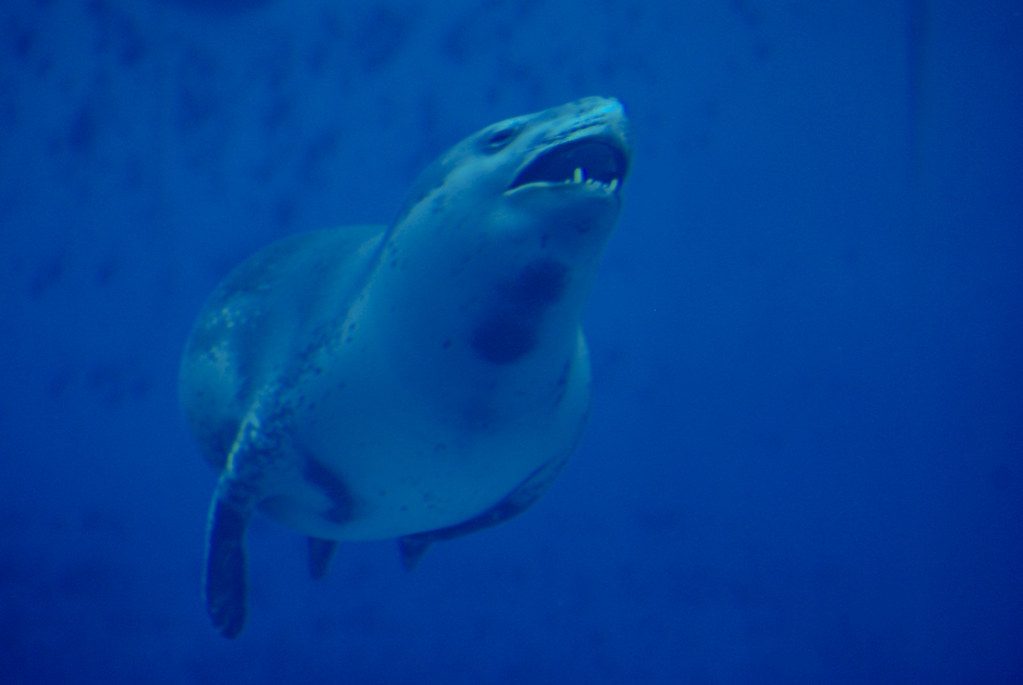
Leopard seals combine speed, strong jaws, and excellent underwater vision to capture prey. They can accelerate rapidly and strike with little warning, making them highly effective hunters beneath the ice.
Their diet is surprisingly varied. While adults commonly hunt penguins and young seals, they also eat fish, squid, and even krill, filtering small prey through specialized teeth when needed.
Life in a frozen world
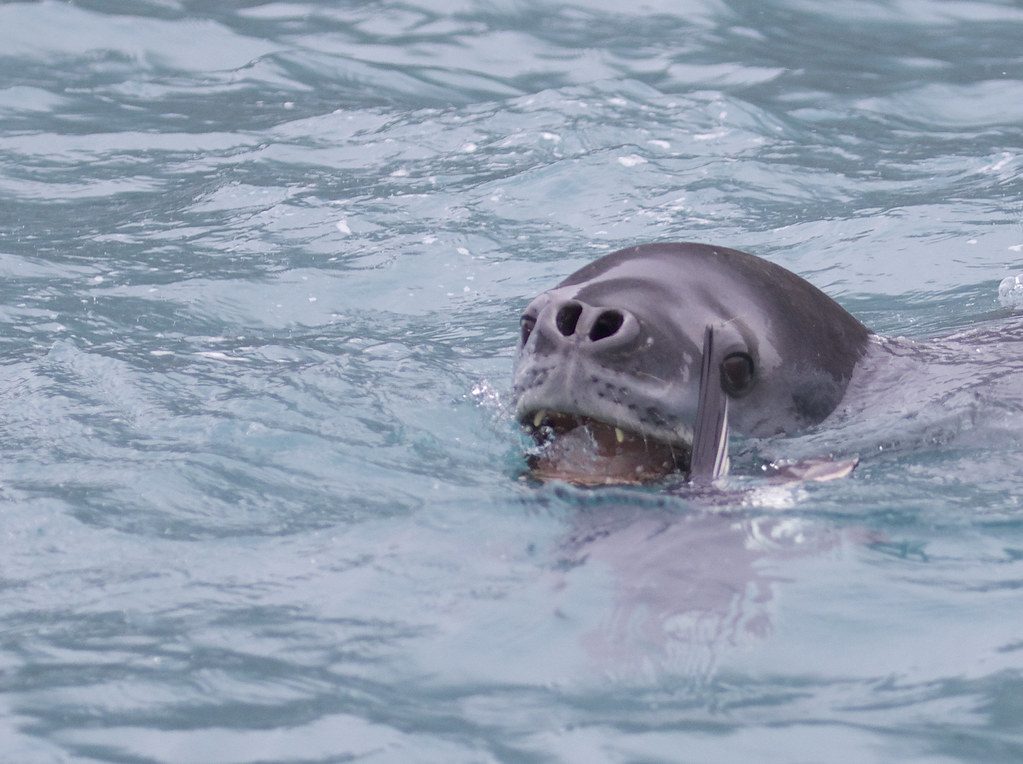
Antarctica presents extreme challenges for every animal. Thick blubber helps leopard seals stay warm, while streamlined bodies allow them to move efficiently through freezing water.
Living in such a demanding environment has shaped every part of the leopard seal’s biology. Their hunting skills are the result of millions of years of evolution in one of Earth’s coldest ecosystems.
Rare encounters with humans
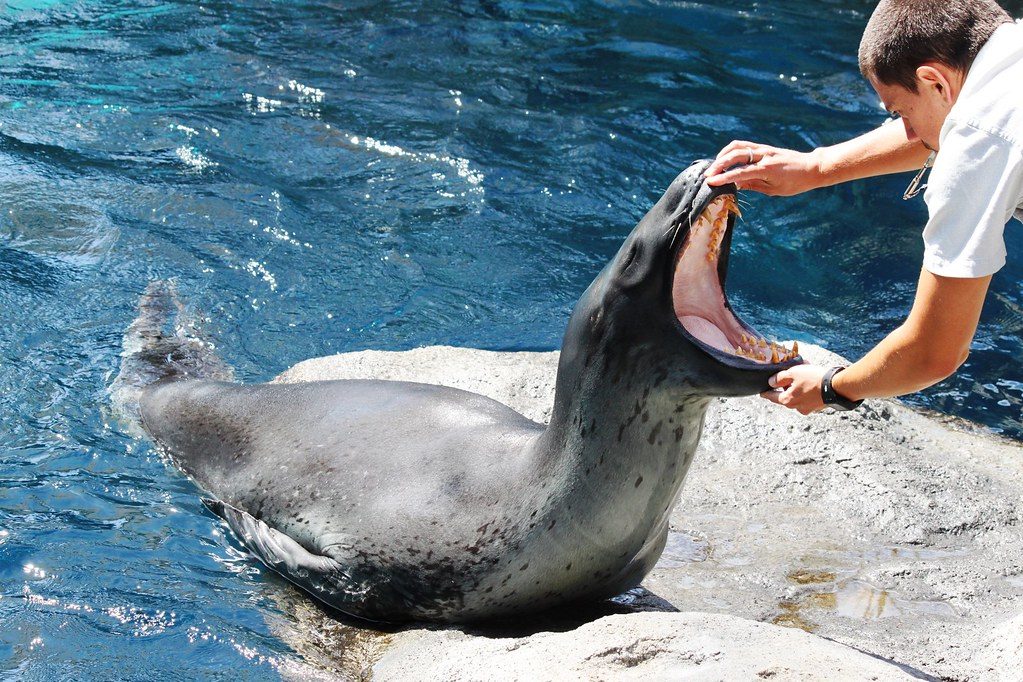
Although leopard seals can injure people, encounters with humans are uncommon because they live in remote Antarctic waters. Most seals avoid direct interaction with researchers and visitors.
Scientists have documented only a small number of aggressive encounters, including the tragic death of marine biologist Kirsty Brown in Antarctica in 2003. Such incidents remain exceptionally rare.
A vital part of Antarctica’s ecosystem
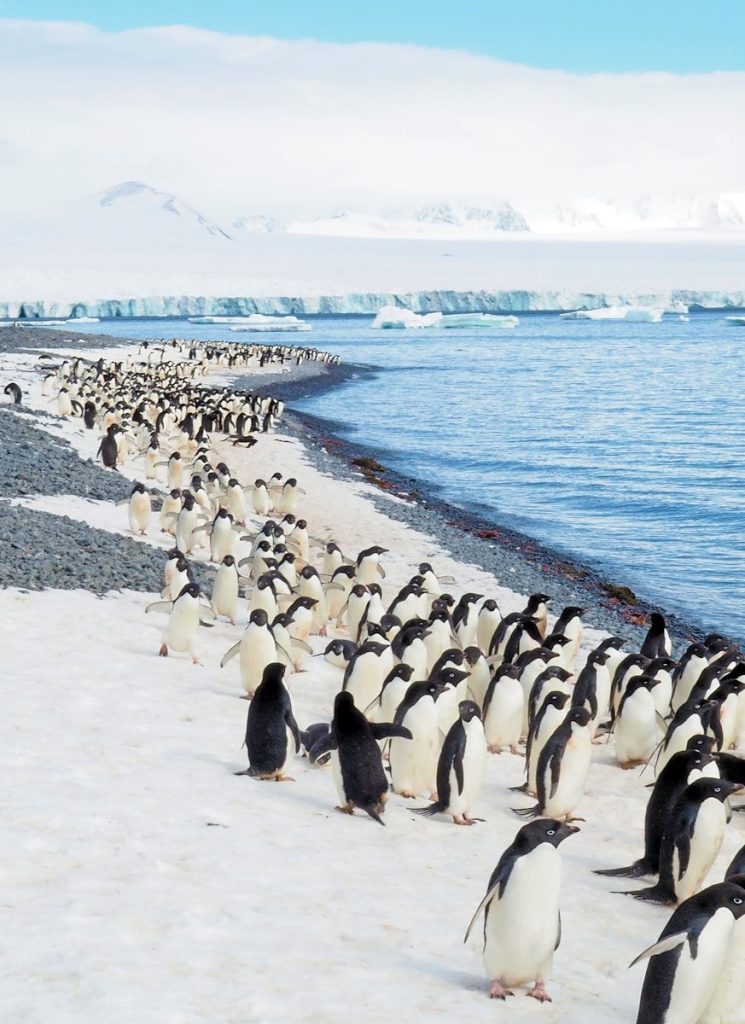
Leopard seals help maintain healthy marine ecosystems by regulating populations of penguins, fish, and other prey species. As apex predators, they play an important role in preserving ecological balance.
Watching a leopard seal hunt offers a remarkable glimpse into life in the Southern Ocean. Their strength, intelligence, and specialized adaptations continue to fascinate scientists studying one of the world’s most challenging environments.
Leave a Reply