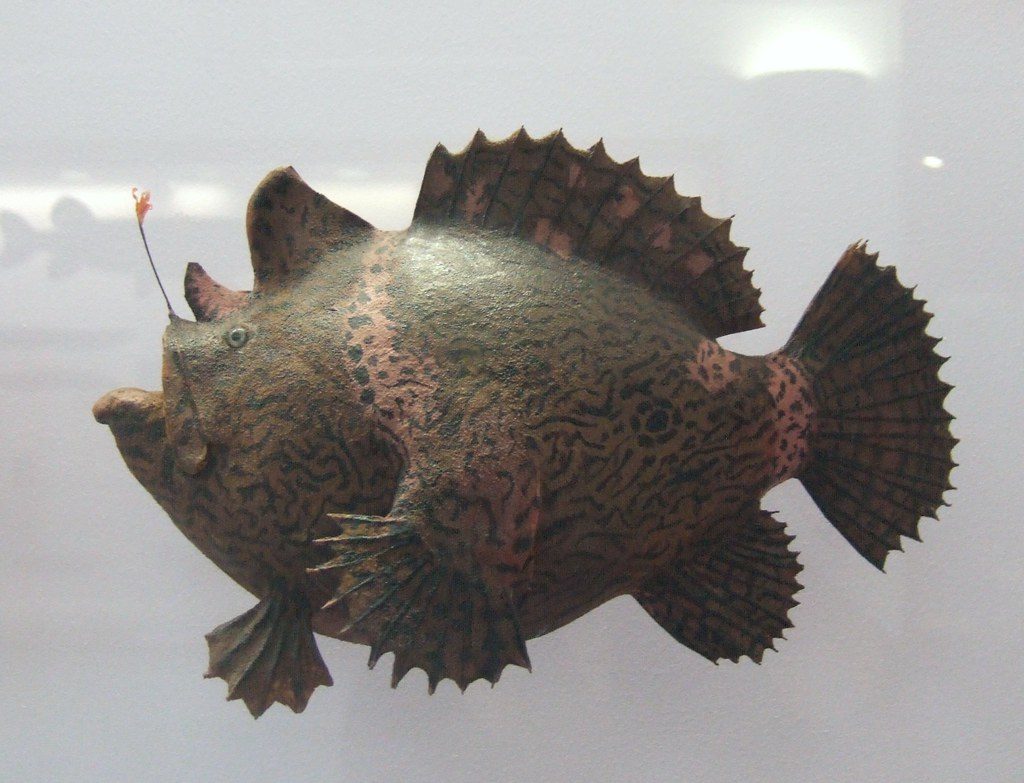
The ocean still hides amazing secrets, and some of the biggest surprises have come from sharks that scientists never expected to find. These remarkable sharks surprised researchers with their existence because they looked unlike any known species, lived in places people rarely explored, or were discovered much later than experts thought possible. Some were found only by chance, while others remained hidden in the deep sea for decades.
In this article, you will learn about six incredible sharks that changed what scientists knew about life in the ocean. Their discoveries prove that even today, Earth’s oceans still hold mysteries waiting to be uncovered.
The megamouth shark shocked the scientific world
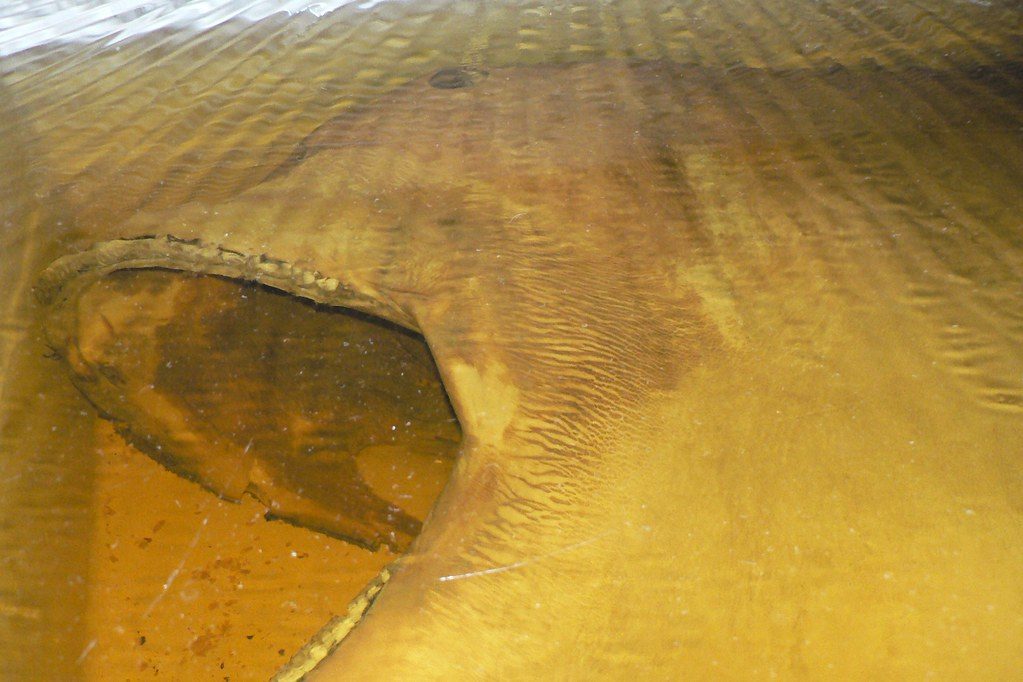
The megamouth shark became one of the greatest shark discoveries ever made. It was unknown to science until 1976, when a large shark became tangled in equipment on a U.S. Navy vessel near Hawaii. Scientists quickly realized they were looking at a completely new species.
Unlike fast hunters such as great white sharks, the megamouth shark is a slow filter feeder. It swims with its huge mouth open, collecting tiny animals called plankton. Only a small number of megamouth sharks have ever been recorded, making it one of the rarest sharks on Earth.
The goblin shark seemed almost unreal
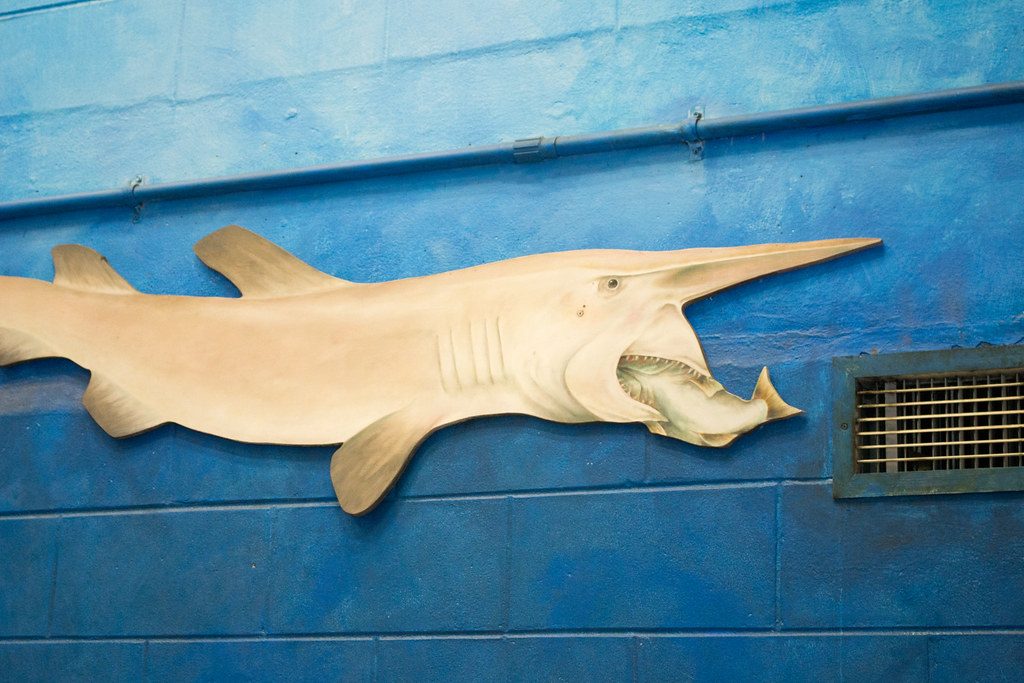
The goblin shark amazed researchers because of its strange appearance. It has a long, flat snout and jaws that can quickly shoot forward to grab prey. This unusual feeding system helps it catch fish and squid in the dark depths of the ocean.
For many years, scientists knew the species mostly from sharks accidentally caught by fishing boats. Recent deep-sea expeditions finally captured healthy goblin sharks alive in their natural habitat, giving researchers their first close look at how these rare animals live far below the surface.
The frilled shark looked like a living fossil
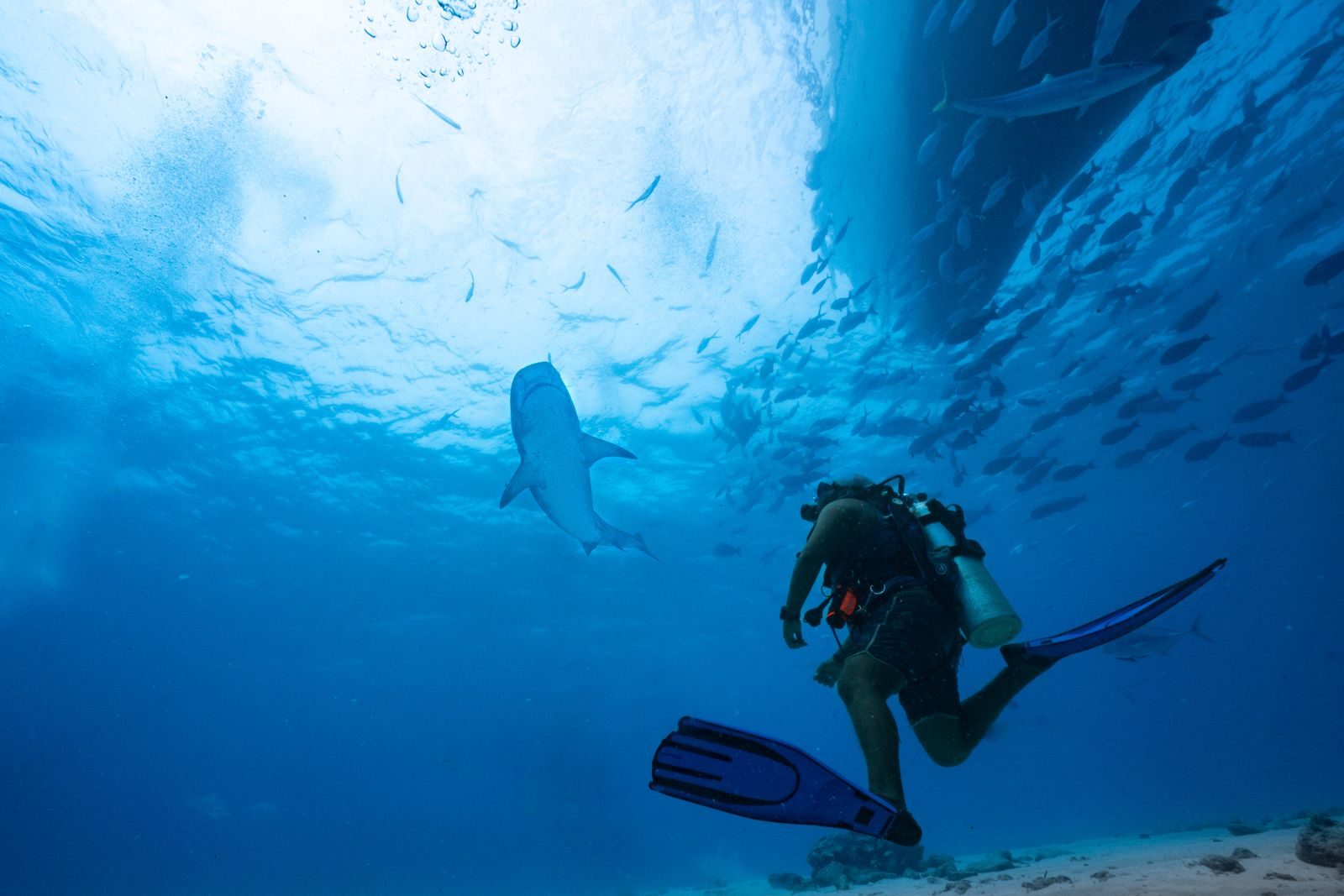
When researchers first studied the frilled shark, they were surprised by how different it looked from modern sharks. Its long, eel-like body and rows of needle-shaped teeth made it seem like a creature from ancient seas.
The frilled shark lives in deep water and is rarely seen by people. Scientists believe its body shape has changed very little over millions of years. Because of this, the species gives researchers important clues about how early sharks may have looked long before humans existed.
The pocket shark stunned scientists
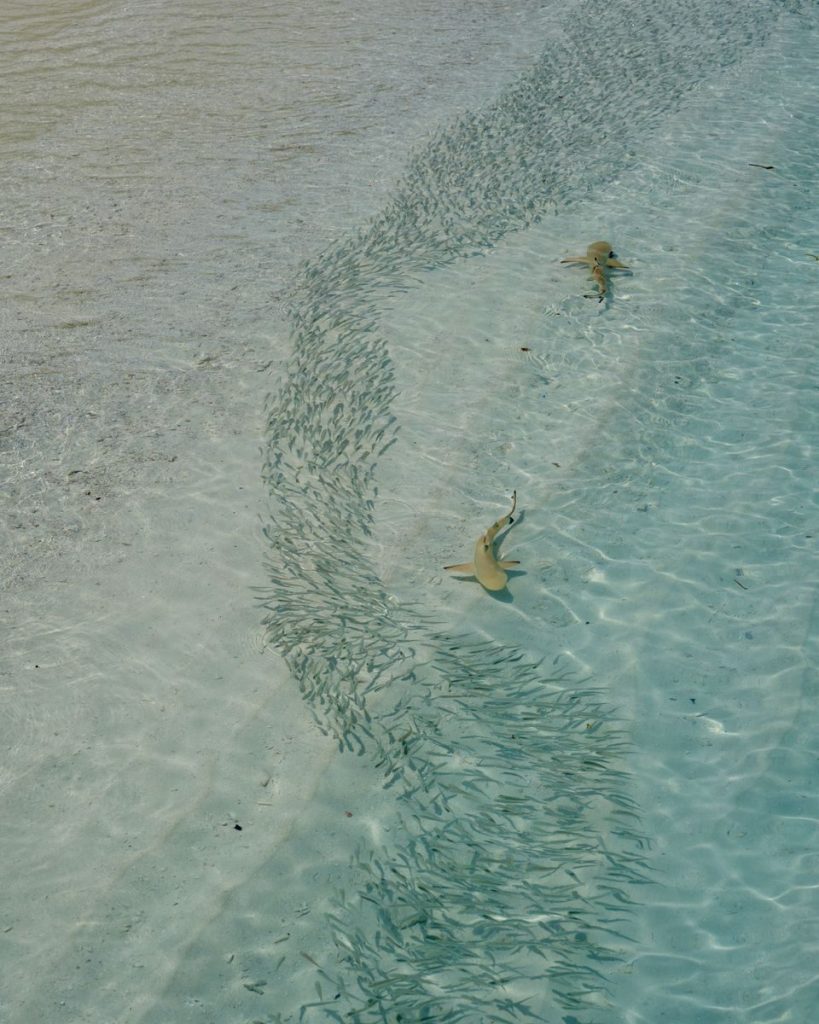
The pocket shark is one of the rarest sharks ever found. Scientists have identified only a few specimens, making every discovery extremely valuable. One known specimen was collected in the Gulf of Mexico and later described as a new species after careful study.
Researchers named it the pocket shark because it has small pocket-like openings near its front fins. Scientists are still studying what these structures do, but they may release glowing fluid or another substance. Much about this tiny deep-sea shark remains unknown, showing how little people have explored the deep ocean.
The cookiecutter shark surprised experts with its feeding

The cookiecutter shark is small, but its feeding behavior surprised scientists. Instead of swallowing large prey, it removes neat, round plugs of flesh from much bigger animals, including whales, dolphins, large fish, and even some sharks.
Its strong suction and sharp lower teeth work together to create these distinctive bite marks. Scientists have even found its circular scars on submarines and underwater equipment. This unusual hunting method is unlike that of almost any other shark species.
Deep-sea discoveries continue today
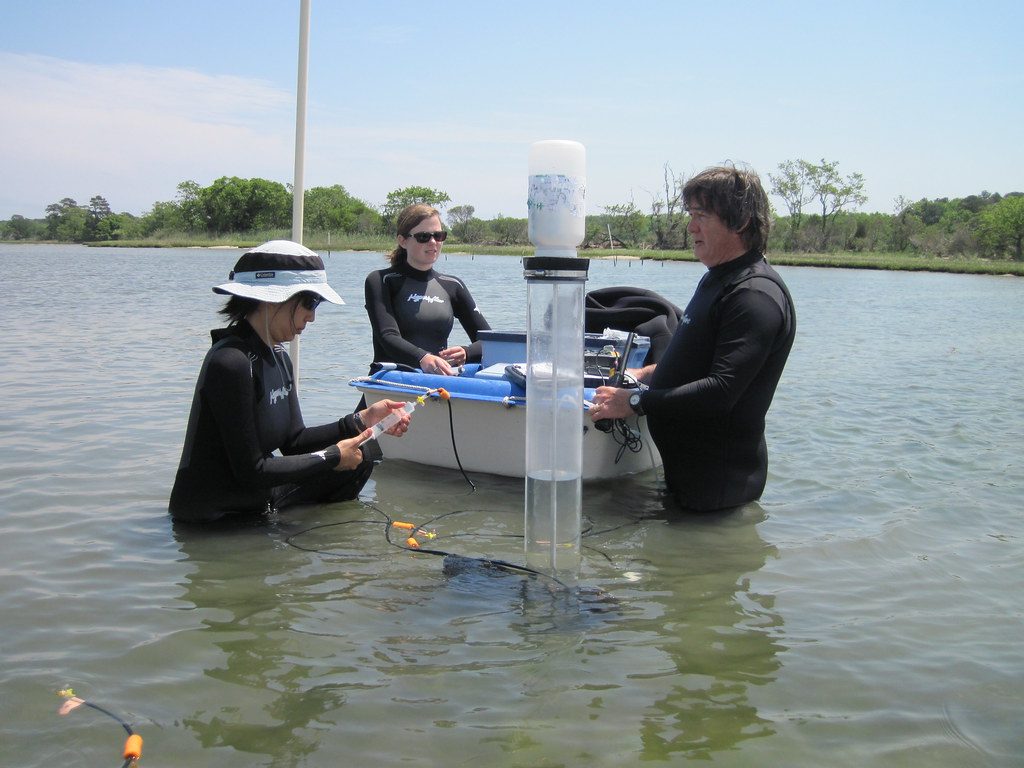
Scientists continue finding surprising sharks because much of the deep ocean remains unexplored. Better submarines, underwater cameras, and robotic vehicles now allow researchers to reach places that were once impossible to study.
Every new discovery helps scientists better understand shark evolution, ocean ecosystems, and marine biodiversity. These remarkable sharks remind us that even in the modern world, the largest habitat on Earth still holds many exciting secrets waiting to be discovered.
Leave a Reply