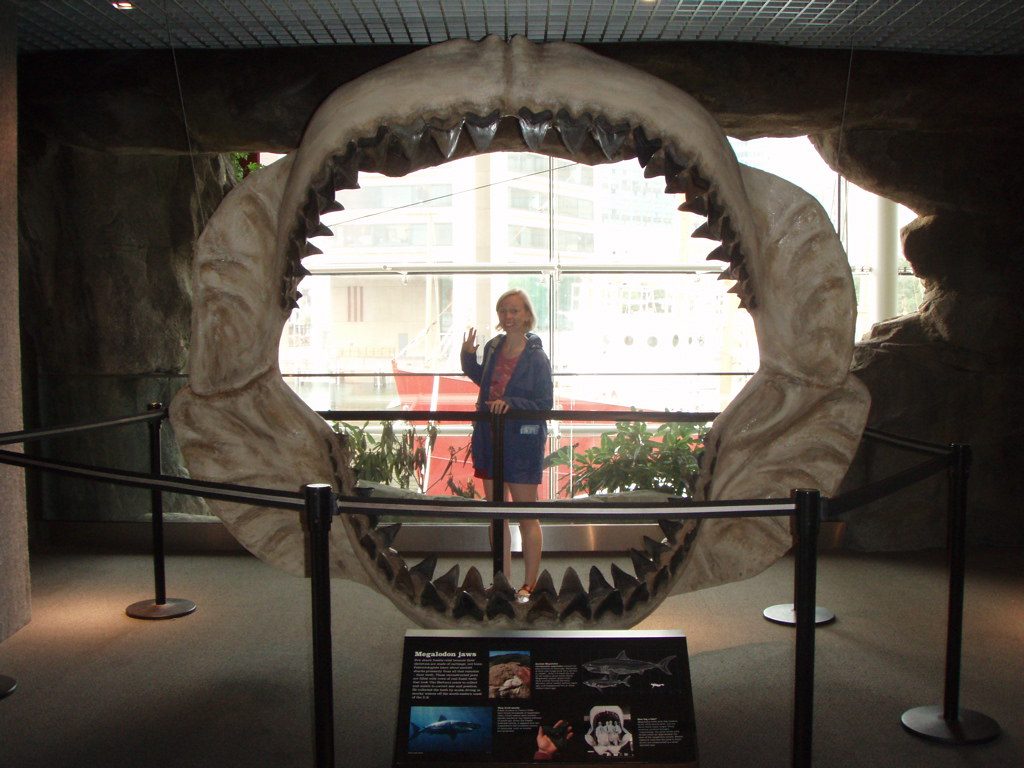
Imagine a shark so huge that its mouth could fit several adults side by side. That sounds like something from a movie, but megalodon was a real animal that ruled the oceans for millions of years. Many people wonder what exactly megalodon was and why it grew to such a massive size.
Scientists have spent decades studying its giant teeth, fossil remains, and bite marks to answer these questions. The more they learn, the more fascinating this ancient predator becomes. In this article, you will discover what megalodon was, how big it really got, what it ate, why it became so enormous, and what finally caused one of the greatest predators in Earth’s history to disappear.
Megalodon was one of the largest sharks ever
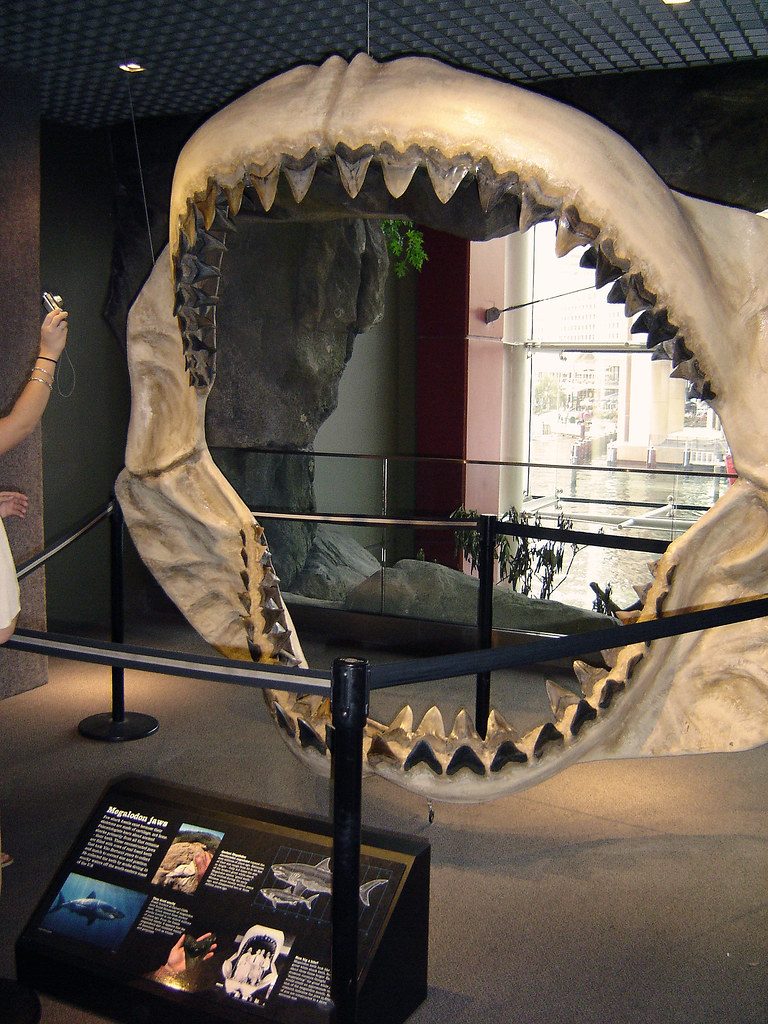
Megalodon was an extinct species of giant shark that lived from about 23 million years ago to around 3.6 million years ago. Its scientific name is Otodus megalodon, which means “big tooth.” The shark lived during the Miocene and Pliocene epochs, long before humans appeared. Fossils of its teeth have been found on every continent except Antarctica, showing that it lived in oceans around the world. Even though people often call it a giant great white shark, scientists now know megalodon belonged to a different family of sharks and was not a direct ancestor of the great white.
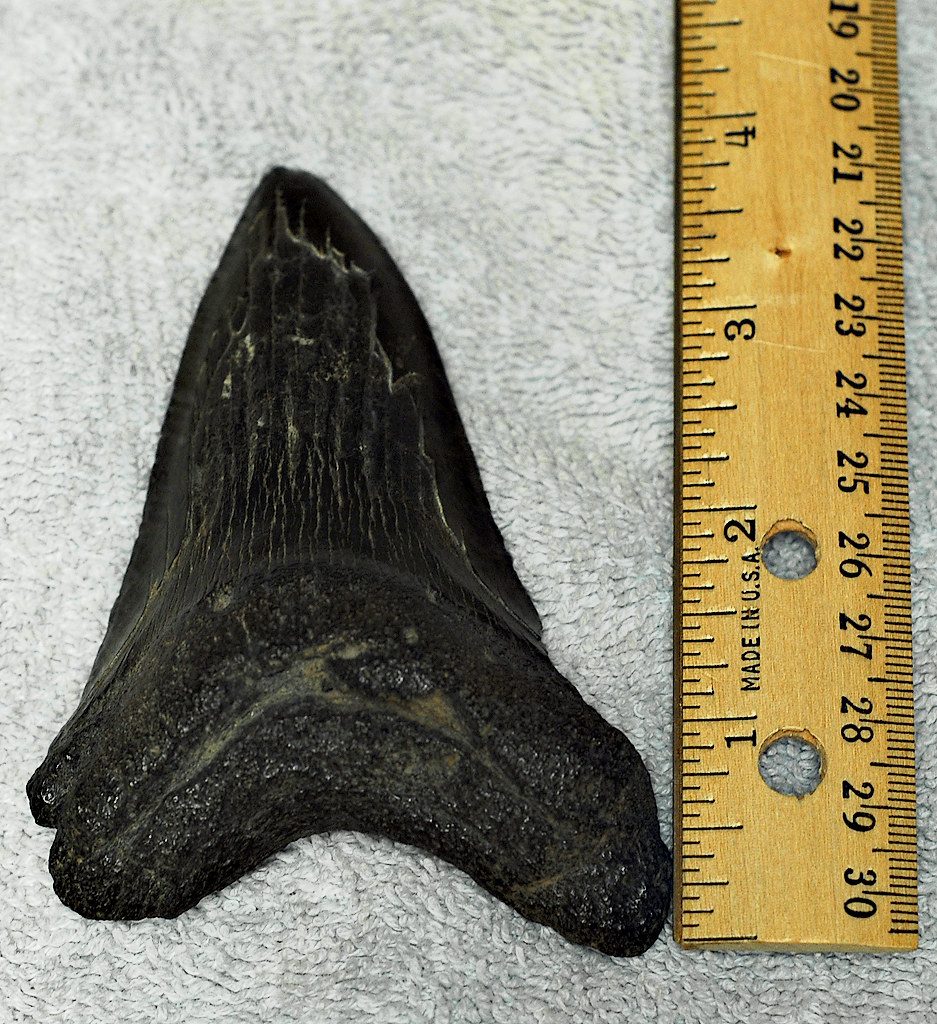
Most of what scientists know about megalodon comes from its teeth because shark skeletons are made mostly of cartilage, which rarely becomes fossilized. Its teeth were triangular, thick, and serrated, designed to grip prey and slice through flesh and bone. Some teeth are more than seven inches long, making them among the largest shark teeth ever discovered. Researchers use these teeth, along with rare vertebrae fossils, to estimate the shark’s size and understand how it lived.
Just how big was megalodon?
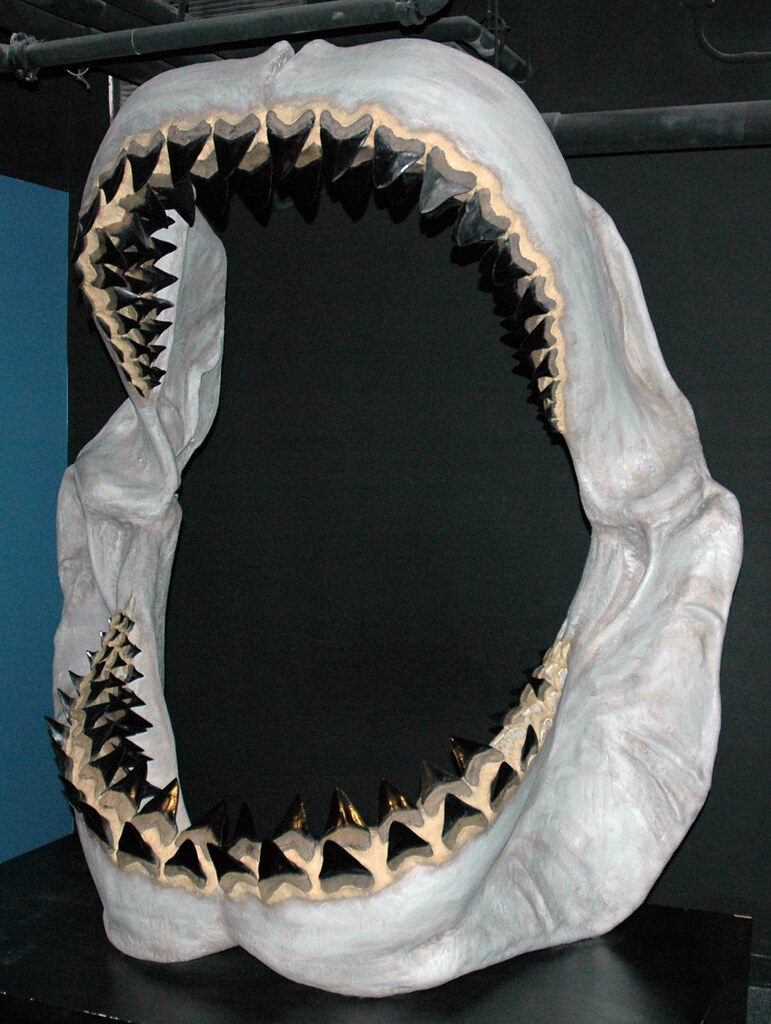
Megalodon was truly gigantic, although its exact size is still debated. Most scientists agree that large adults measured around 50 to 60 feet long, which is about three times the length of the average great white shark. Some newer studies suggest exceptionally large individuals may have reached nearly 80 feet, but these estimates remain uncertain because no complete skeleton has ever been found. Even at the lower end of estimates, megalodon was one of the largest predatory fish ever to exist.
Its weight was just as impressive. Researchers estimate that large adults may have weighed between 50 and 70 tons, with some studies proposing even greater weights for the largest individuals. The shark’s head alone may have measured around 15 feet long. Its dorsal fin could have been taller than an average adult human, while its tail stretched several feet high. Recent studies also suggest that megalodon may have had a longer and more slender body than the bulky shape often shown in movies, which would have helped it swim efficiently across vast oceans.
Why did megalodon grow so enormous?
Scientists believe several factors helped megalodon become so large. One major reason was the abundance of food in ancient oceans. During the Miocene epoch, whales and other marine mammals became more diverse and widespread. These animals provided a rich food supply for a giant predator. Having access to large prey allowed megalodon to support its enormous body and maintain the energy needed to survive.
Another reason involves a biological pattern known as gigantism, where some species evolve larger sizes because bigger animals often have important advantages. A giant predator can hunt larger prey, travel longer distances, and dominate competitors. Larger bodies also help conserve heat and store energy. Recent research suggests megalodon may have had a body temperature slightly warmer than the surrounding water, giving it extra power and speed. This combination of plentiful food, evolutionary advantages, and efficient swimming likely allowed megalodon to become one of the biggest predators the world has ever seen.
What did this giant predator eat?
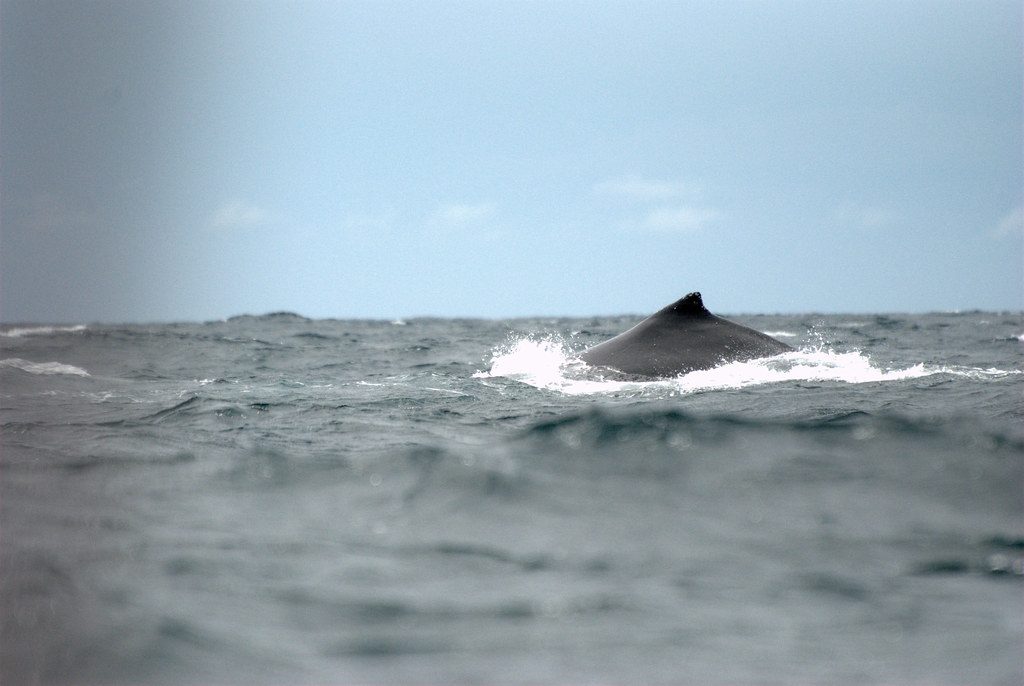
For many years, scientists believed megalodon mainly hunted whales, and there is strong evidence supporting this idea. Fossil whale bones have been found with deep bite marks that match the size and shape of megalodon teeth. These marks appear on ribs, skulls, and flippers, showing that the shark attacked some of the largest animals in the ocean. Scientists think megalodon targeted the chest area of whales to damage vital organs and quickly disable its prey.
However, newer research suggests megalodon had a more varied diet than previously thought. It probably ate dolphins, seals, sea turtles, large fish, and smaller whales as well. Scientists studying the chemical makeup of fossil teeth discovered that megalodon occupied an extremely high position in the food chain, but it was also an opportunistic hunter that ate whatever prey was available. This flexible diet would have been an advantage because it allowed the shark to survive in different environments and adapt to changing food supplies.
How did megalodon hunt and survive?

Megalodon was an apex predator, meaning it sat at the top of the food chain and had no natural enemies as an adult. It likely spent much of its time cruising slowly through warm oceans, conserving energy while searching for prey. Once it spotted a target, it could use short bursts of speed to launch an attack. Its enormous jaws and powerful muscles allowed it to deliver one of the strongest bites ever estimated in an animal.
Scientists also believe young megalodons may have used shallow coastal waters as nursery areas. These regions provided protection from larger predators and offered plenty of smaller prey. Fossil discoveries in places such as Panama suggest newborn megalodons were already huge, measuring around six to ten feet long at birth. This large size gave them a strong start in life and helped them become powerful predators at a young age. As they matured, they moved into open oceans and hunted increasingly larger prey.
Why did megalodon disappear?
Despite its incredible power, megalodon eventually went extinct around 3.6 million years ago. Scientists believe this happened because several challenges occurred at the same time. One major factor was climate change. The Earth’s oceans became cooler during the Pliocene epoch, and many warm-water habitats that megalodon depended on began to shrink. Cooling oceans also changed the migration patterns of whales, pushing many prey species into colder regions where megalodon may have struggled to survive.
Competition likely played an important role as well. Around the same time, the great white shark became more widespread. Although much smaller, great whites required less food and were highly adaptable hunters. They may have competed with young megalodons for prey and habitat. In addition, changes in whale populations reduced the availability of large prey animals. Faced with cooler oceans, shifting food sources, and growing competition, megalodon gradually declined until it disappeared completely. Despite many stories and movies suggesting otherwise, there is no scientific evidence that megalodon still exists today.
Leave a Reply