Most people think of sharks as the top hunters of the ocean. They are fast, powerful, and feared by many sea animals. But sometimes nature delivers a surprising twist. A hooked shark becomes prey in a shocking turn of events when an even larger predator sees an easy opportunity for a meal. These moments can look unbelievable, but they are a real part of ocean life.
In the video from Sebastian Inlet, anglers hook a shark and begin the long fight to bring it closer to shore. What starts as a routine shark catch quickly turns into a dramatic struggle as other sharks appear nearby. The event highlights how predators can suddenly become prey and reveals the harsh reality of survival in the ocean. Understanding why this happens helps explain shark behavior, feeding habits, and the complex food web that exists beneath the waves.
Sharks are predators but not invincible
Sharks are among the most successful predators on Earth. They have lived in the oceans for more than 400 million years and have survived multiple mass extinctions. Their sharp senses allow them to detect vibrations, movement, and even tiny electrical signals produced by other animals. These abilities help them locate prey in conditions where visibility may be poor.
Despite their reputation, sharks are not unbeatable. Large sharks often prey on smaller shark species, and young sharks face threats from many predators. Even adult sharks can become vulnerable when they are injured, exhausted, or distracted. In the ocean, being a predator does not guarantee safety. Every animal must constantly avoid becoming someone else’s meal.
What happened during the fight at Sebastian Inlet

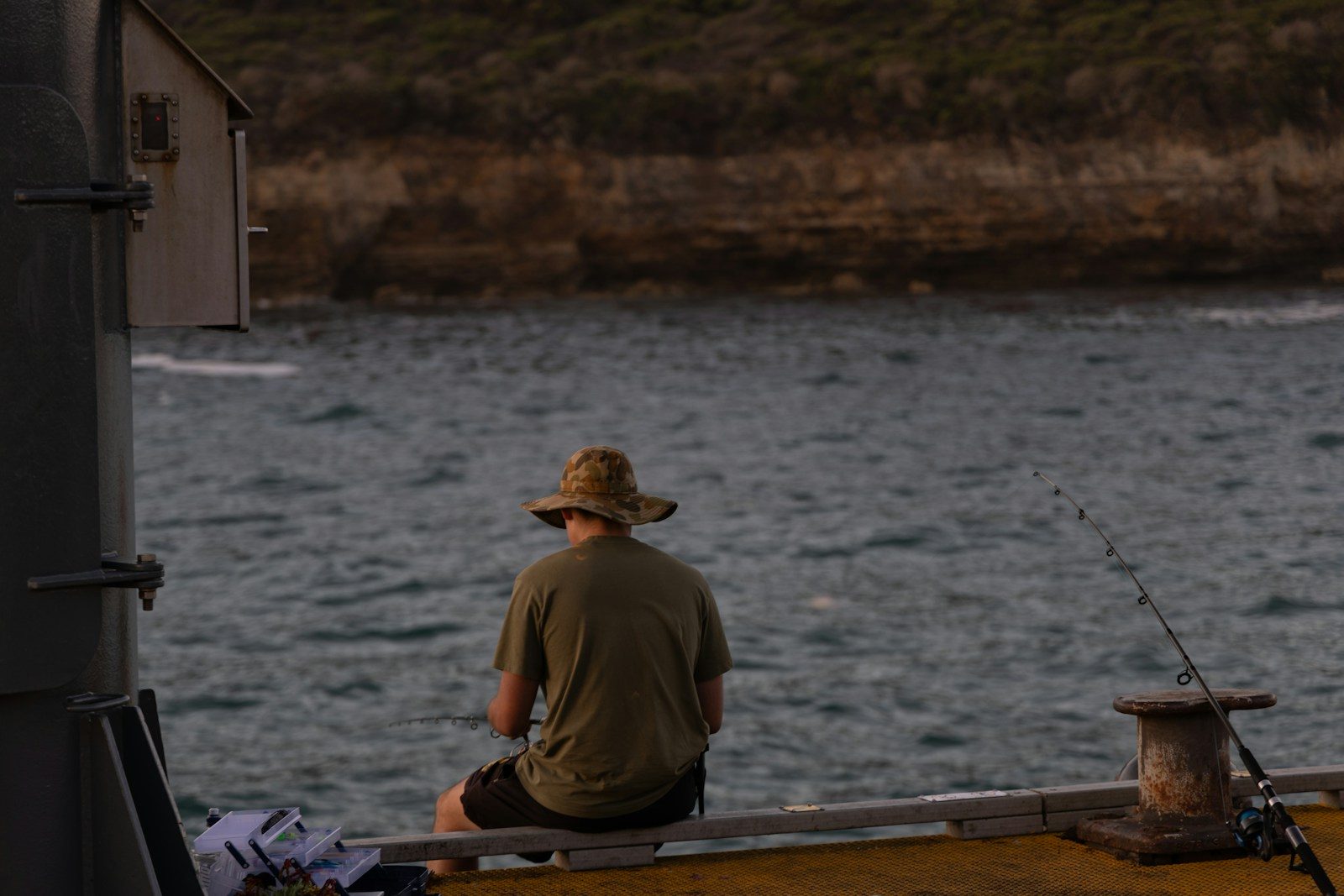
The video begins with anglers fishing at Sebastian Inlet, a well-known fishing location on Florida’s Atlantic coast. After a strong hookup, one angler realizes he has connected with a sizable shark. The fight becomes difficult as the animal uses the current and deeper water to its advantage. The shark pulls hard and moves through the inlet while the anglers try to maintain control.
As the battle continues, the situation becomes more dramatic. Several sharks appear in the area, creating concern that the hooked animal may attract unwanted attention. This is not unusual because struggling fish and sharks can produce vibrations and scents that other predators detect. The hooked shark is already under stress, making it an attractive target for larger hunters looking for an easy meal.
Why struggling animals attract other predators
Many marine predators are highly sensitive to signs of weakness. A struggling animal creates irregular movements in the water that can be detected from considerable distances. Sharks possess a specialized sensory system called the lateral line, which allows them to sense vibrations and movement. This system helps them locate injured or distressed animals.
A hooked shark often behaves differently than a healthy shark swimming freely. It may tire more quickly, move erratically, and release small amounts of blood if injured by the hook. These signals can attract nearby predators. In many cases, larger sharks investigate because they recognize an opportunity to obtain food while expending very little energy. Nature rewards efficiency, and predators often take advantage of vulnerable prey whenever possible.
Larger sharks often hunt smaller sharks
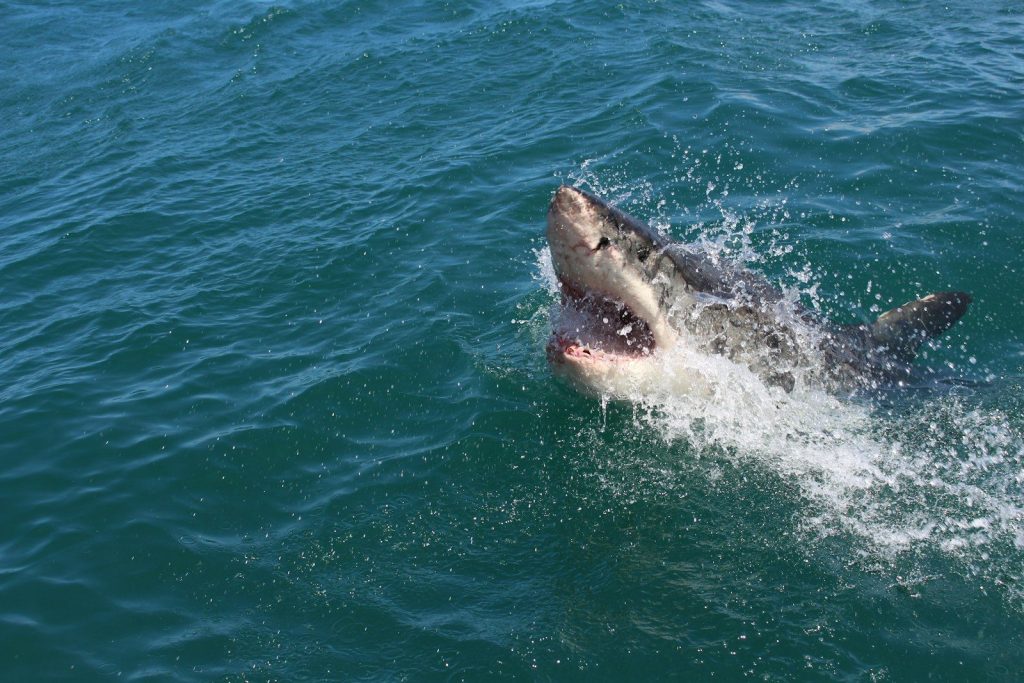
Many people are surprised to learn that sharks frequently eat other sharks. This behavior is common in oceans around the world. Species such as tiger sharks are known for their broad diets and regularly consume smaller sharks and rays. Great hammerheads also prey heavily on other shark species, while larger bull sharks may attack smaller sharks when the opportunity arises.
This behavior serves an important ecological purpose. Predators help regulate populations and maintain balance within marine ecosystems. When larger sharks consume smaller sharks, they influence where prey species live and how they behave. The ocean food web is far more complex than a simple chain where sharks sit at the top. Instead, it is a network of interactions where even predators can become prey under the right circumstances.
The role of currents and location in shark encounters
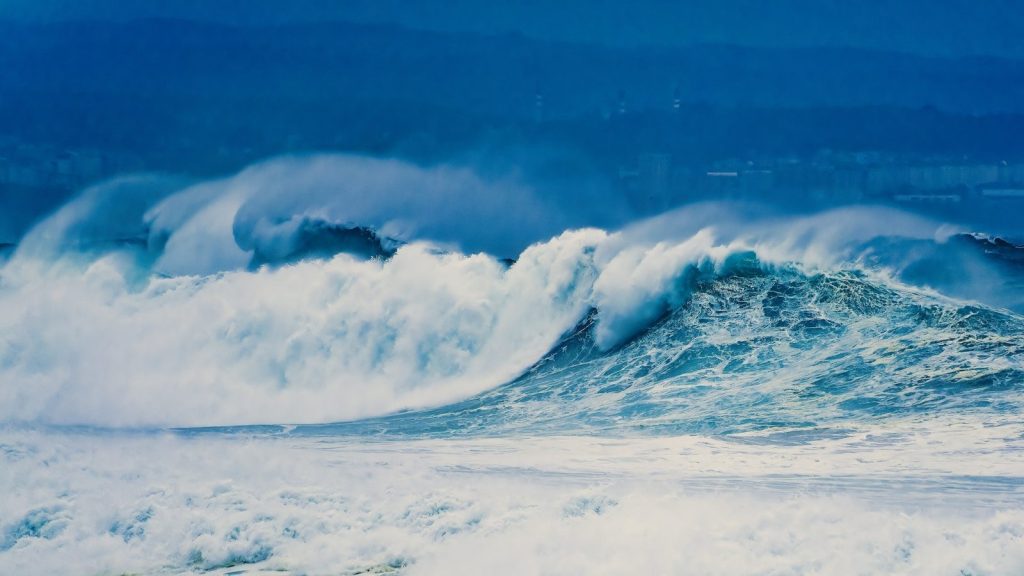
Sebastian Inlet is known for strong currents and abundant marine life. Areas like this naturally attract predators because moving water carries fish, bait, and nutrients through the ecosystem. During seasonal fish migrations, large numbers of prey animals gather in these locations, drawing sharks and other hunters into the same area.
The hooked shark in the video uses the current to its advantage during the fight. However, the same conditions that attract fish also attract multiple predators. When many sharks occupy a relatively small area, the chances of interactions increase significantly. A struggling shark in such an environment can quickly become the focus of attention from nearby predators looking for an easy feeding opportunity.
Why anglers sometimes lose sharks to other sharks

Shark-on-shark predation is one reason anglers occasionally lose hooked fish before they can land them. This phenomenon is sometimes called depredation. It occurs when a predator steals or consumes a hooked animal before it reaches the angler. While depredation is often associated with sharks eating hooked fish, sharks themselves can also become victims.
During a long fight, a hooked shark becomes increasingly tired. This exhaustion can reduce its ability to escape danger. Larger sharks may recognize the situation and attack before the animal reaches shore. In the video, the anglers ultimately lose the shark after a challenging battle. While frustrating for fishermen, such outcomes demonstrate the realities of natural predator behavior and the competitive environment that exists in coastal waters.
Leave a Reply