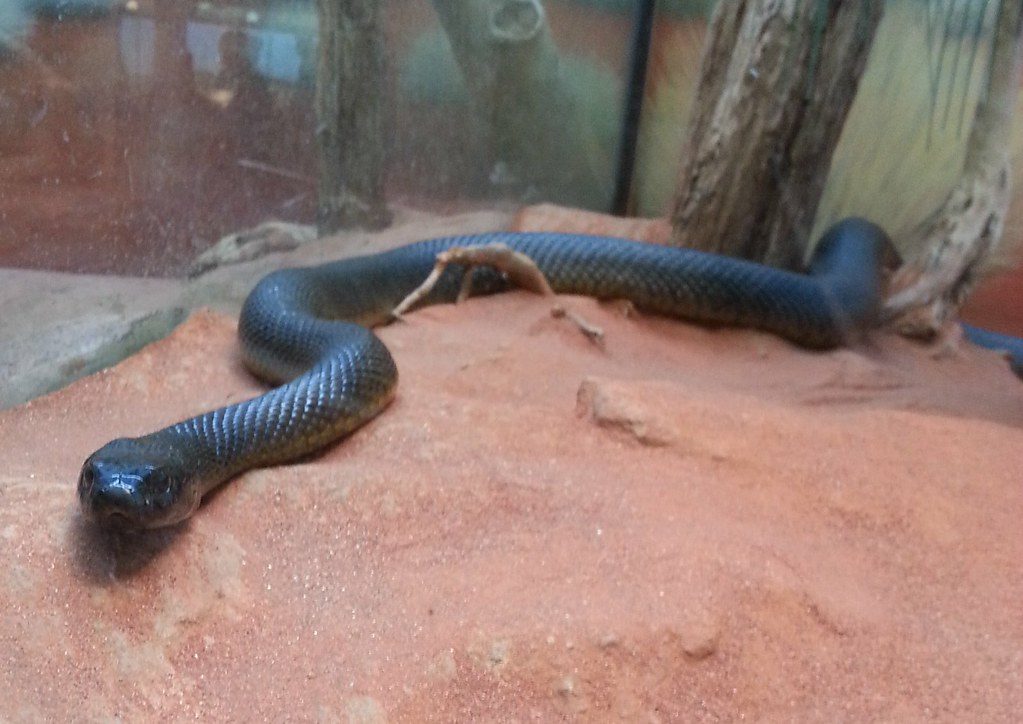
The inland taipan is often called one of the world’s most dangerous snakes, and for good reason. This rare reptile has venom so powerful that experts consider it the most toxic of any land snake on Earth. Even though it lives far from large cities and rarely meets people, scientists still study it closely because of its incredible venom and lightning-fast strike.
Many people think the most dangerous snake is the biggest or most aggressive one. The inland taipan proves that is not always true. In this article, you will learn why experts rank this snake among the deadliest animals in the world, where it lives, how it hunts, what makes its venom so deadly, and why human deaths from this species are surprisingly rare.
The inland taipan holds a frightening record
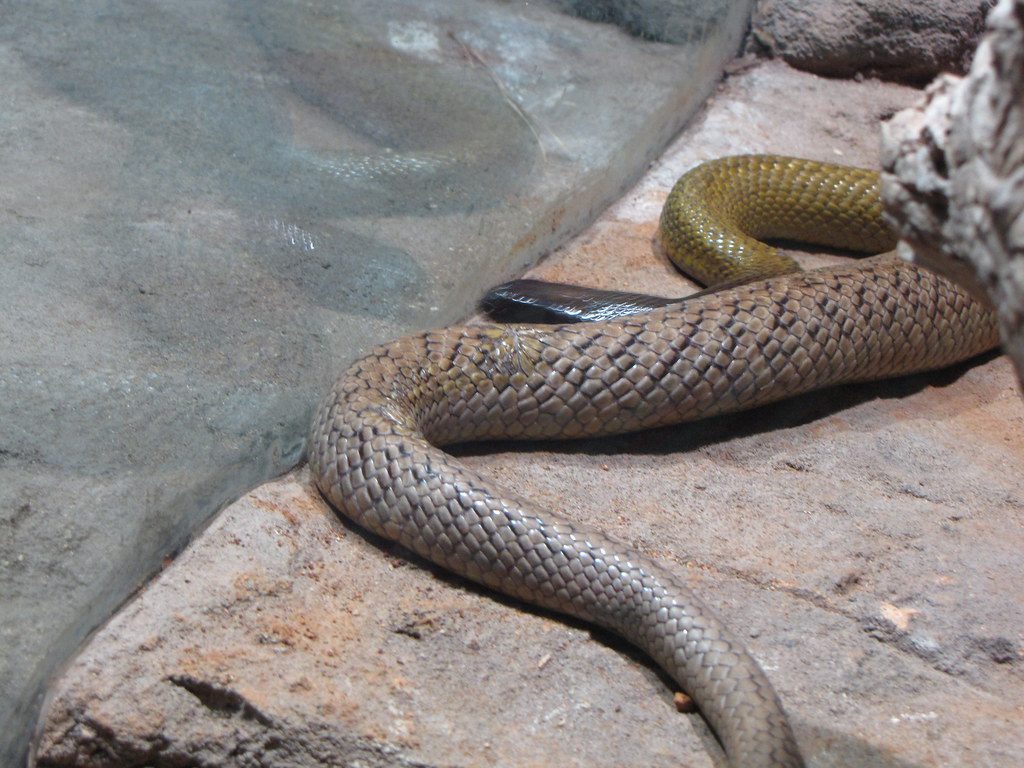
The inland taipan, also known as the fierce snake, lives in the dry regions of central Australia. It is not the largest venomous snake, but experts recognize it as the most venomous land snake ever studied. Scientists measure venom strength through laboratory testing, and the inland taipan consistently ranks at the very top. Its venom is far more toxic than that of cobras, rattlesnakes, and many other famous snakes.
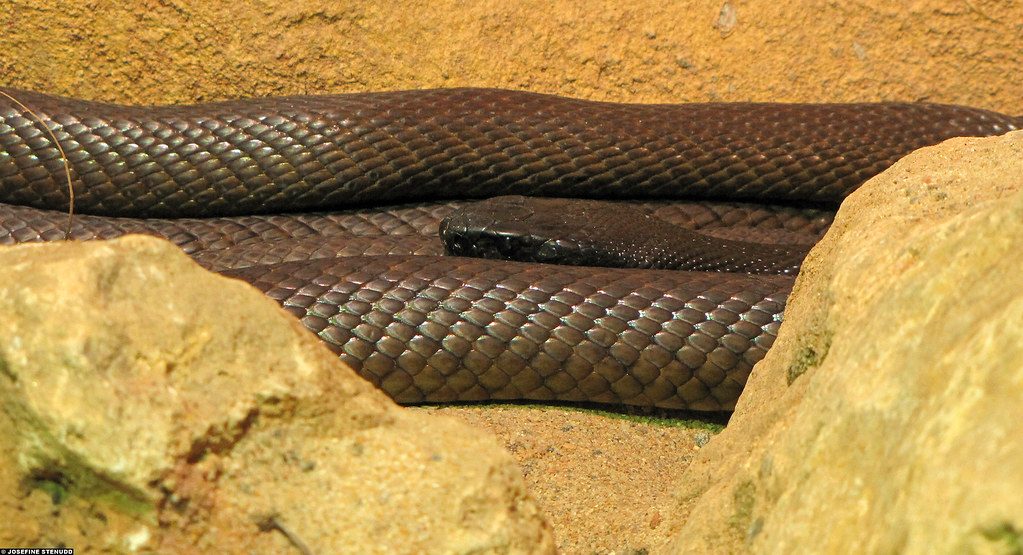
This reputation has made the snake famous around the world. The species usually grows up to about 5.5 feet long, though some individuals can be larger. Its color can change with the seasons, becoming darker during cooler months and lighter during warmer periods. These changes help it regulate body temperature in Australia’s harsh environment.
Its venom is designed to kill quickly
One reason experts consider the inland taipan so dangerous is the makeup of its venom. The venom contains powerful neurotoxins that attack the nervous system. These toxins can interfere with signals between nerves and muscles, leading to weakness and paralysis if treatment is not given quickly. At the same time, other toxins affect the blood and muscles, creating several serious medical problems at once.
Scientists have found that the venom contains neurotoxins, myotoxins, and blood-clotting toxins. Some toxins can cause dangerous clotting in the blood, while others damage muscles and body tissues. Because multiple body systems are affected at the same time, victims can become critically ill very quickly. This combination is one of the main reasons the snake is viewed with such caution by snake experts and medical researchers.
A single bite can deliver a massive dose
The danger of the inland taipan is not only about venom strength. The snake can also inject a large amount of venom in one bite. Research has shown that a single bite may contain far more venom than is needed to seriously harm a human. Experts often note that the amount delivered in one strike can theoretically kill many people if left untreated.
The snake is also known for striking with incredible speed and accuracy. When hunting, it may bite several times in quick succession. This behavior helps ensure that prey does not escape. Unlike some snakes that deliver dry bites with little or no venom, inland taipans usually inject venom when they strike. This makes every bite a serious medical emergency.
The snake evolved to hunt tough prey
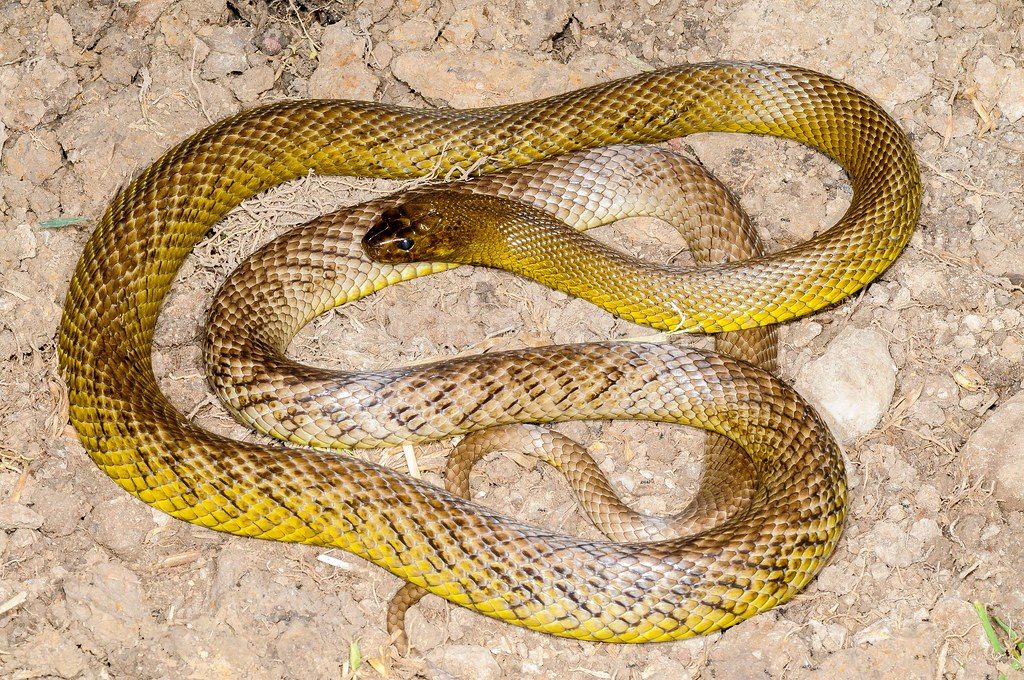
Many people wonder why the inland taipan developed such extreme venom. The answer appears to be linked to its diet. The snake mainly feeds on mammals, especially rodents that live in the dry Australian outback. These animals can fight back, bite, and injure a snake during a struggle. As a result, natural selection favored snakes that could stop prey almost instantly.
Experts believe the venom became highly specialized for killing warm-blooded animals quickly. Fast-acting venom reduces the chance of injury to the snake and prevents prey from escaping into deep cracks in the ground. Over thousands of years, this evolutionary pressure helped create one of the most potent venoms ever recorded in a terrestrial animal.
Why human deaths are surprisingly rare

Despite its terrifying reputation, the inland taipan is responsible for very few encounters with people. In fact, there are no confirmed human deaths from inland taipan bites in modern records. This fact surprises many people when they first learn about the snake. The main reason is that it lives in remote areas with very small human populations.
The snake is also generally shy and prefers to avoid conflict. When it senses danger, it often tries to escape instead of attacking. Most recorded bites have involved snake handlers, researchers, or captive animals. Modern medical care and antivenom have also greatly improved survival chances when treatment is received quickly. This combination of isolation, behavior, and medical advances has helped keep fatalities extremely low.
Dangerous does not always mean deadliest
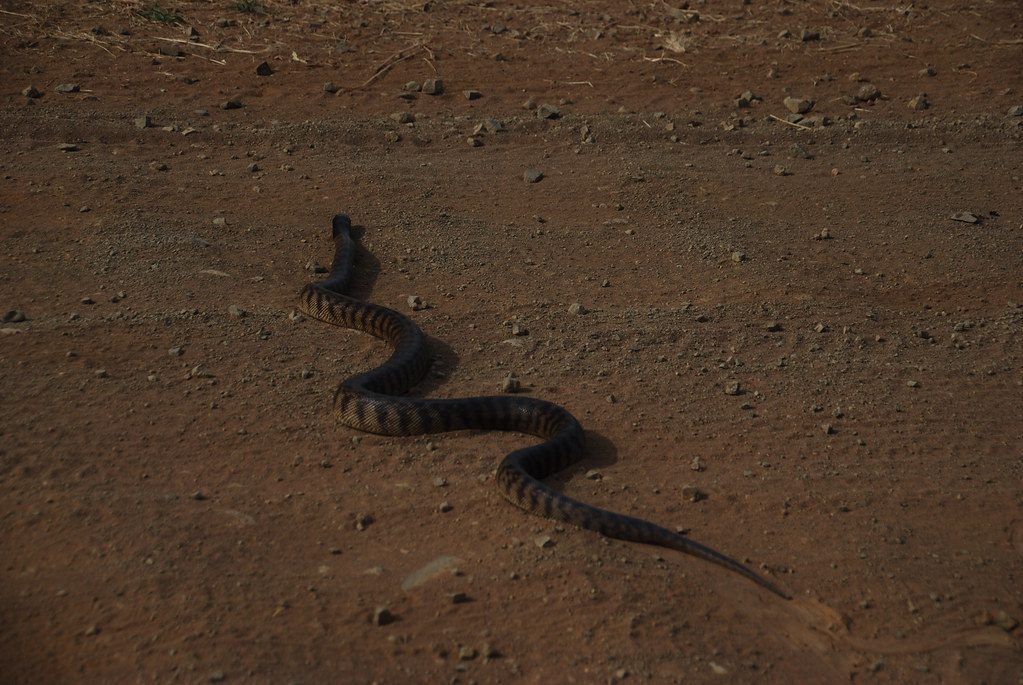
Experts often make an important distinction between the most venomous snake and the deadliest snake. The inland taipan has the most toxic venom among land snakes, but other species are responsible for more human deaths worldwide. Snakes such as the saw-scaled viper live closer to large human populations and bite people far more often. Because of this, they cause many more fatalities each year.
This difference shows why experts use several factors when discussing danger. Venom strength is only one piece of the puzzle. A snake’s location, behavior, population size, and contact with humans also matter. Even so, the inland taipan remains one of the most feared snakes on Earth because its venom is so exceptionally powerful. For scientists, it stands as an extraordinary example of how evolution can create a highly specialized predator.
Leave a Reply