What if the wildlife experiences people enjoy are actually harming the animals they came to see? Many travelers looking for ethical adventures do not realize how often tourism can cause suffering. The idea of a responsible wildlife tourism guide to animals helps explain the difference between true conservation and activities that hurt animals.
This article breaks down real examples of harmful wildlife tourism and shows better, more responsible ways to see animals. It focuses on elephants, dolphins, lions, exotic cafes, monkeys, and tigers. Readers will learn what to avoid, which choices are safer, and how tourism can either protect or put wildlife at risk.
Why wildlife tourism can harm animals
Wildlife tourism becomes harmful when animals are treated as entertainment rather than living beings. In some places, animals are kept in poor conditions or forced into unnatural behavior just to attract visitors. This leads to stress, injury, and long-term suffering for the animals involved.
A serious example is the death of 72 tigers at a tourist park in Chiang Mai, linked to disease and poor conditions. Animal welfare groups say tourism demand plays a major role in keeping such facilities open. When people seek close-up photos or experiences, animals often end up paying the price.
Elephant rides and ethical alternatives
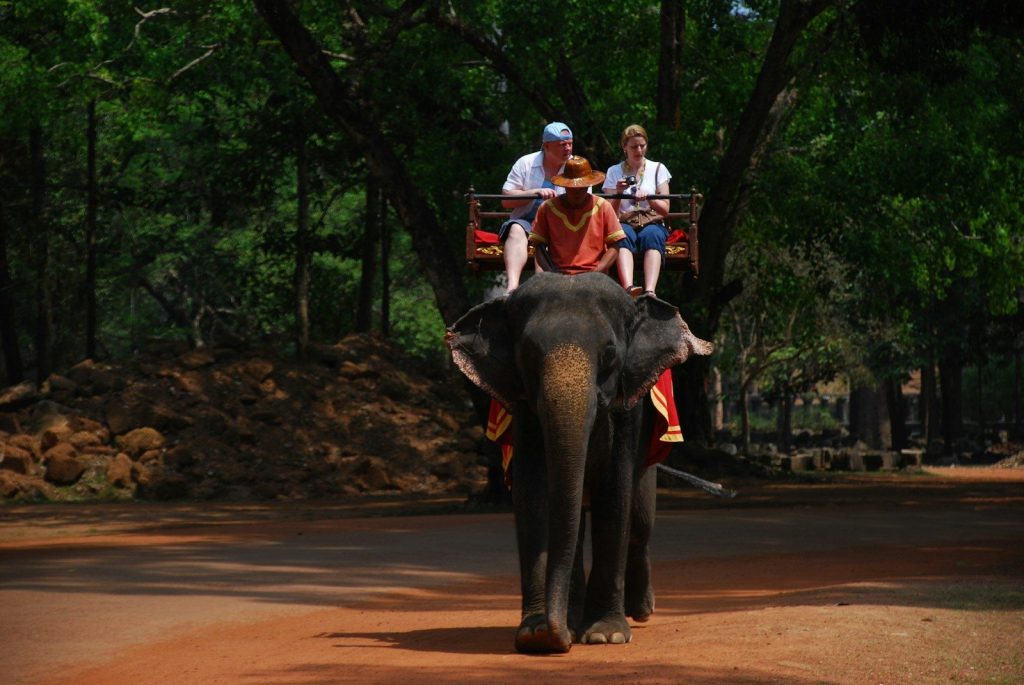
Elephant rides may look fun for tourists, but they can cause real harm. Heavy saddles and constant human weight can damage their spines. In many cases, training methods used on captive elephants are also reported to be harsh and stressful.
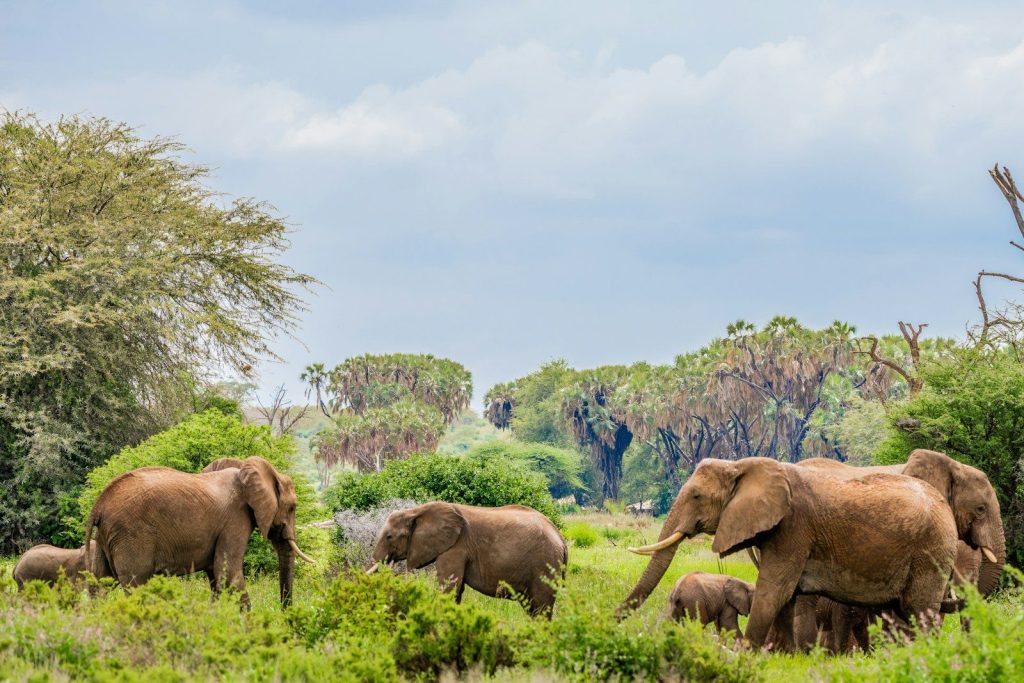
A better choice is to visit ethical sanctuaries rather than ride elephants. Places like the Sheldrick Wildlife Trust Nursery in Nairobi and the Reteti Elephant Sanctuary focus on care and rehabilitation. These locations allow visitors to observe elephants from a distance while supporting conservation work.
Dolphins in captivity and safer viewing options
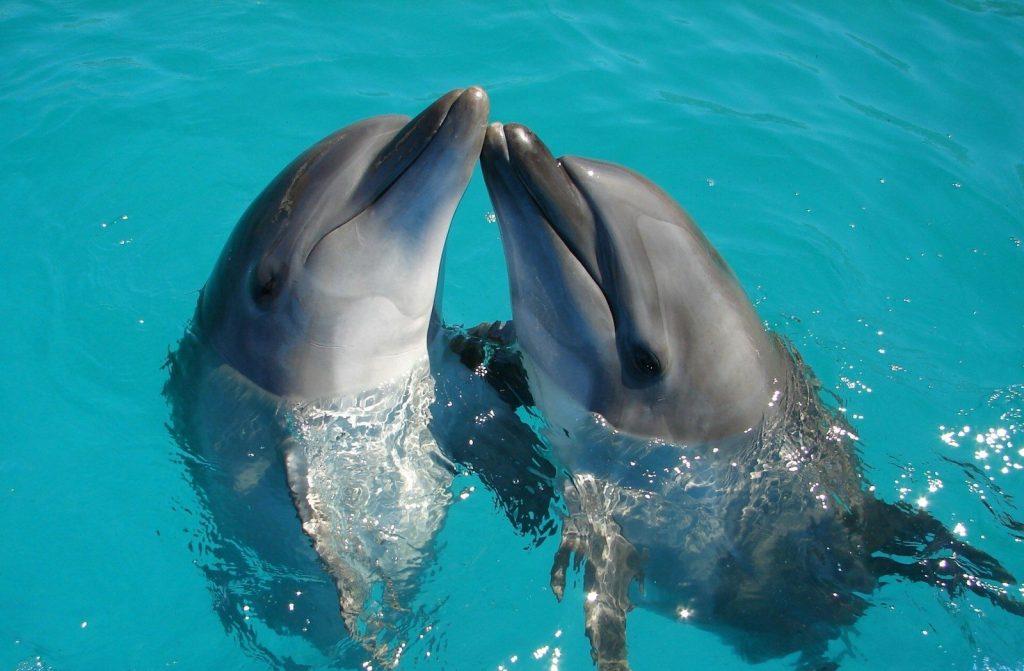
Swimming with dolphins in small pools might look exciting, but it is often harmful for the animals. Dolphins are intelligent creatures that need large spaces to swim freely. In captivity, limited space can lead to stress, repetitive behavior, and even physical damage.
A more responsible option is to observe dolphins in the wild. In places like Cardigan Bay in Wales or around the Isle of Mull and Skye, visitors can watch dolphins from boats or shore. These experiences respect natural behavior while still allowing people to enjoy wildlife safely.
Lion interactions and responsible safaris
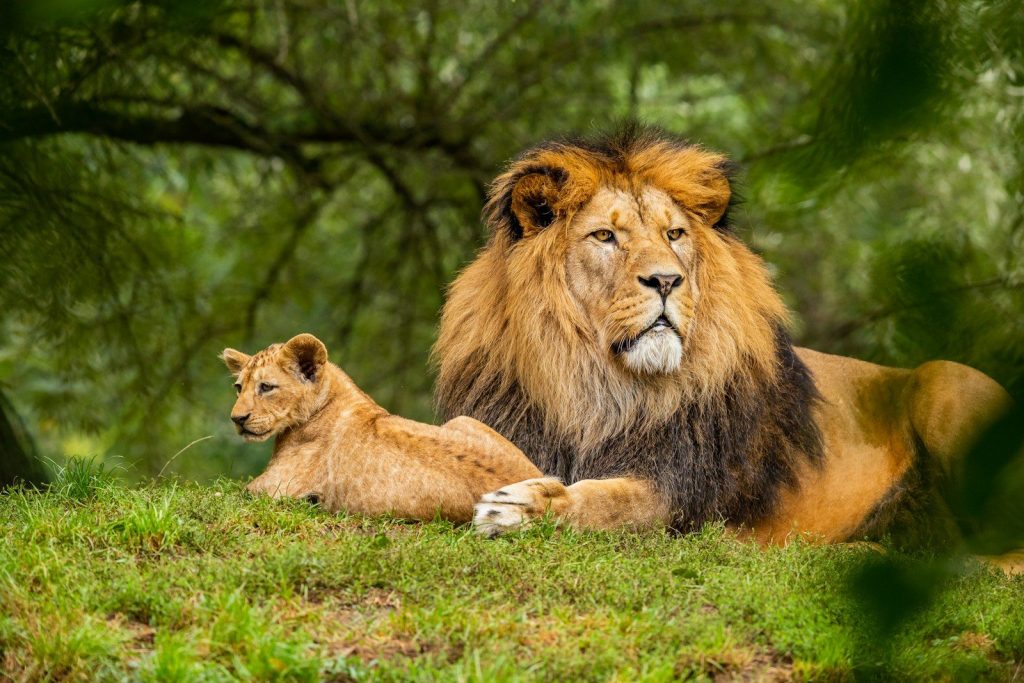
Walking with lions or touching them may seem exciting, but it is unnatural and dangerous. In South Africa, thousands of lions live in captivity, often in poor conditions. Cubs are sometimes separated from their mothers, and adults may be used in harmful tourism or hunting activities.
A safer option is joining guided safaris with conservation experts. In places like the Brazilian Pantanal or Uganda’s Queen Elizabeth National Park, tourists can track wild cats like lions, leopards, and jaguars. These safaris support conservation work while allowing animals to live naturally.
Exotic pet cafes and animal exploitation
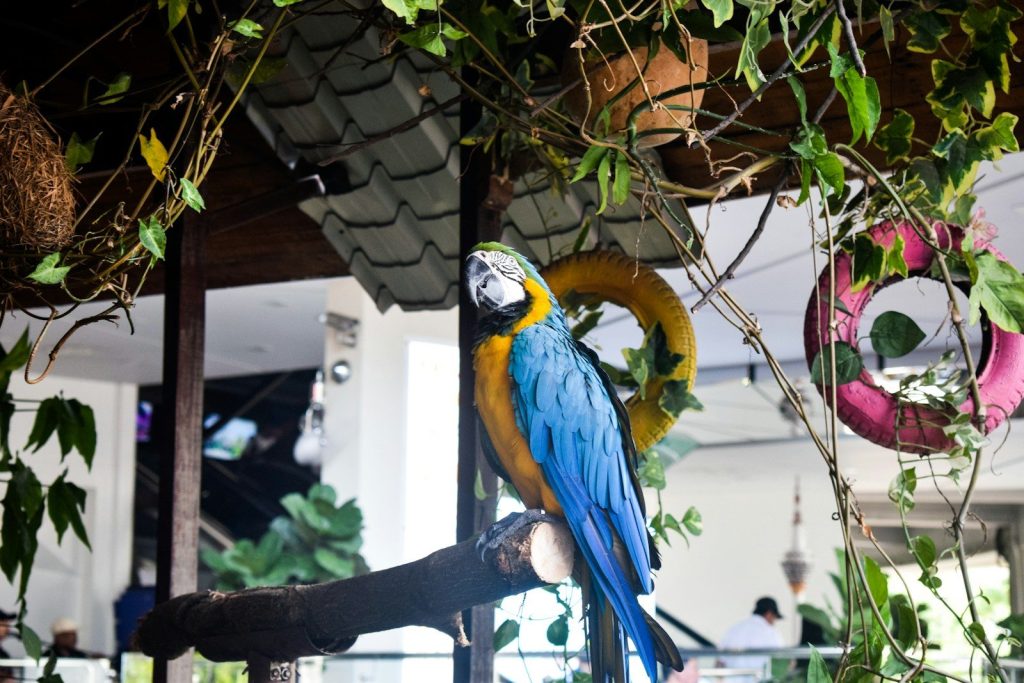
Exotic pet cafes may look cute on social media, but they often hide serious problems. Visitors can interact with animals such as hedgehogs, sloths, and civets, but many of these animals are taken from their natural habitats. This removes them from the wild where they belong.
This trend has also been linked to poaching and illegal wildlife trade. Animals may be transported long distances and kept in stressful conditions just for entertainment. A responsible choice is to avoid these cafes and support wildlife experiences that protect animals instead of exploiting them.
Monkey selfies and tiger safaris
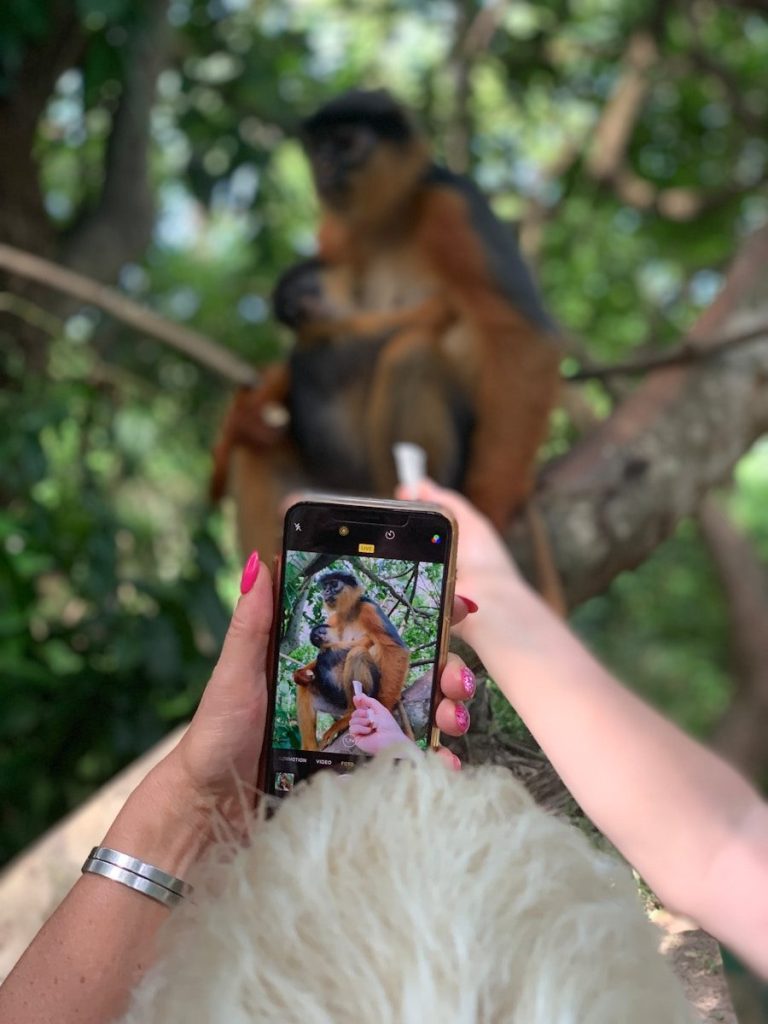
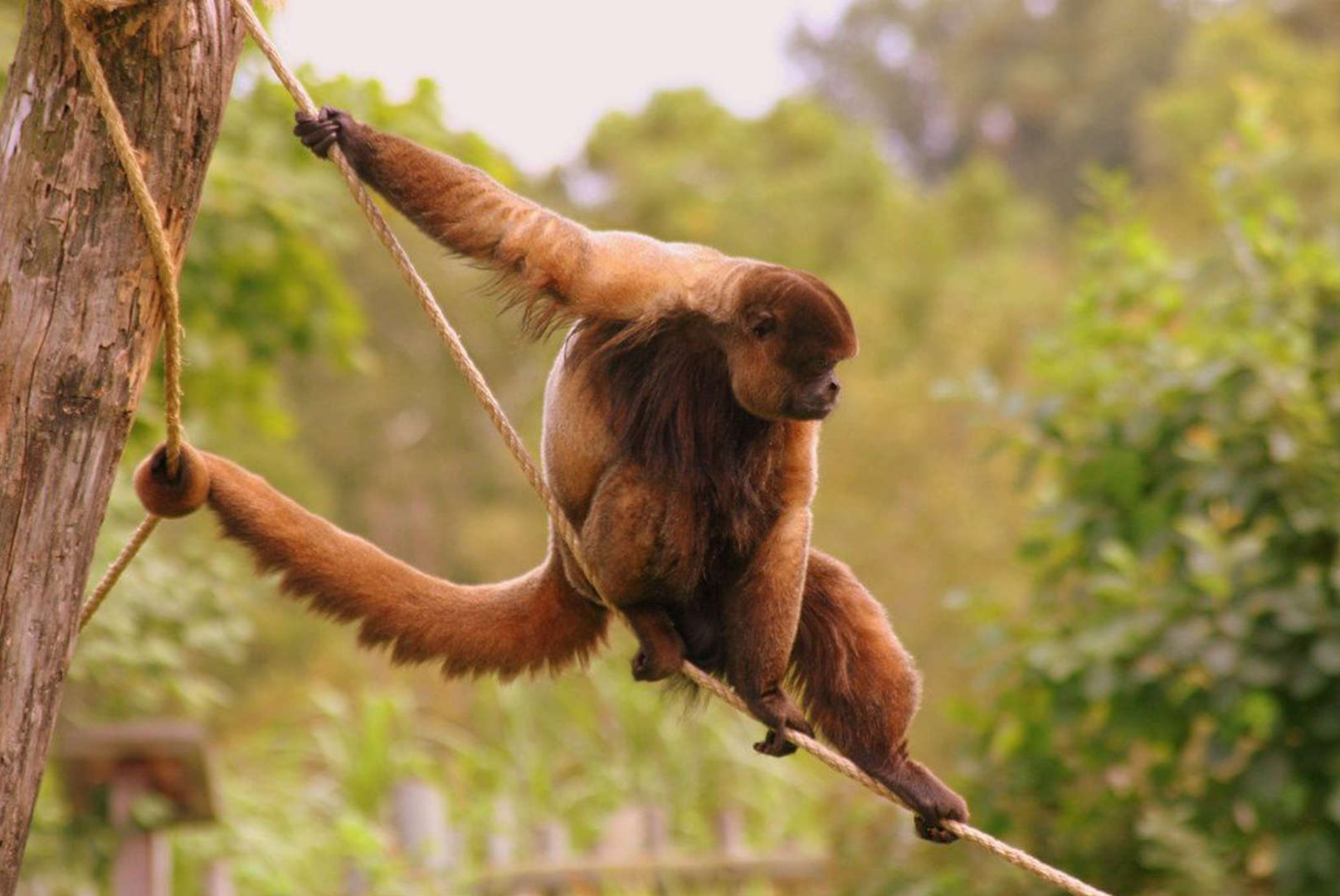
Taking selfies with monkeys or seeing them dressed in costumes may seem harmless, but it often involves abuse. Many monkeys used in tourism are chained or forced to perform. Even endangered species like Barbary macaques are affected by this kind of exploitation.
In contrast, tiger safaris in places like India show a better way forward. Bengal tiger populations have increased due to conservation efforts, and protected safaris allow safe viewing in the wild. Some parks even restrict mobile phone use to prevent risky behavior and protect both animals and visitors.
Leave a Reply