What happens when animals and other living species begin to disappear from the wild? Across the United States, many species are struggling to survive because of habitat loss, pollution, climate change, and other human-related threats. According to information highlighted under the Endangered Species Act, more than 1,300 species in the country are listed as endangered or threatened.
These species are important because each one helps support the balance of nature. This article explores some of the most endangered species in the U.S., the challenges they face, and why protecting them matters for the future of ecosystems and people alike.
Whales face growing threats in U.S. waters
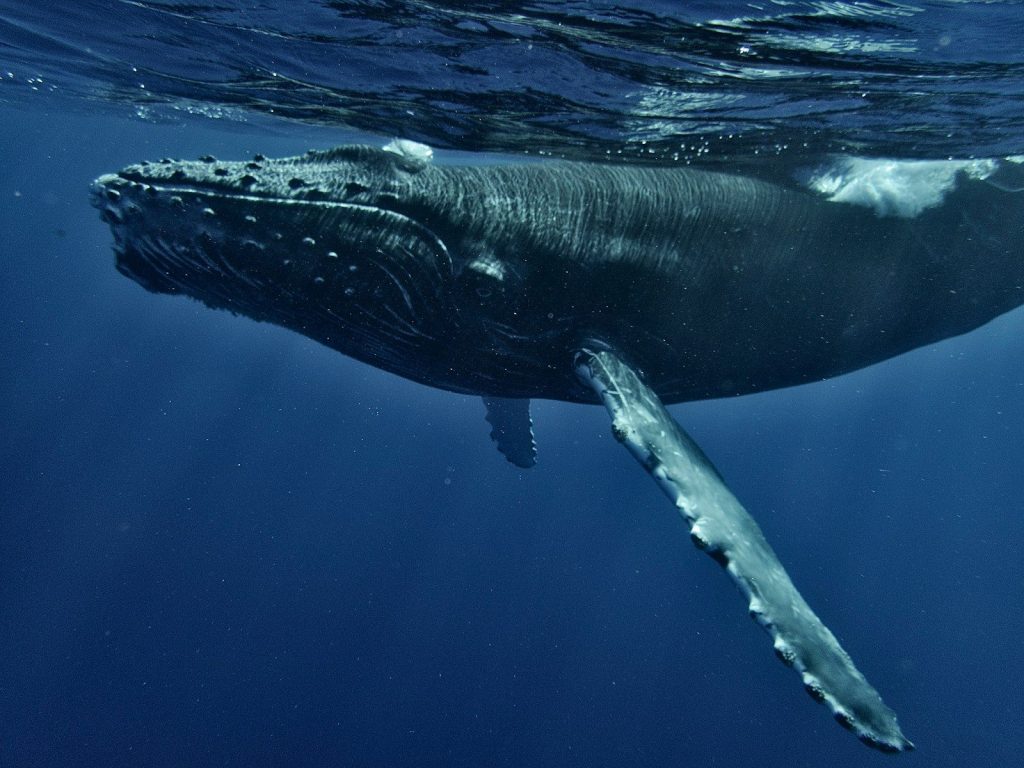
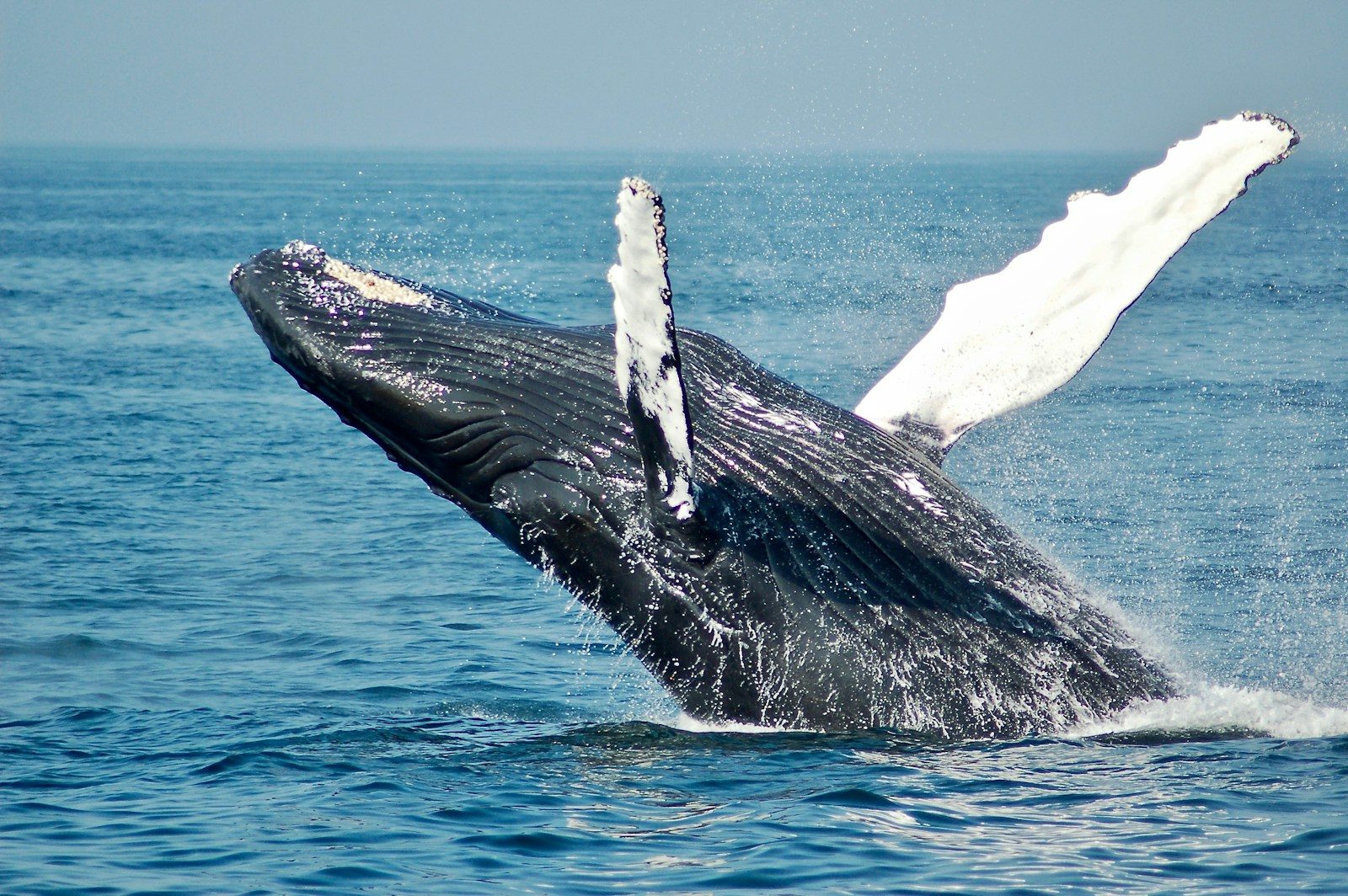
Whales are among the most endangered marine animals found in and around U.S. waters. Two species facing serious risks are the North Atlantic Right Whale and Rice’s Whale, which lives year-round in the Gulf of Mexico. These animals are threatened by vessel strikes, entanglement in fishing gear, ocean noise from ships and oil drilling, and pollution that can affect their health and reproductive ability.
Whales provide benefits that go beyond their role in the ocean. Their bodies act as carbon sinks, storing large amounts of carbon throughout their lives. The longer a whale survives, the more carbon it can store, helping reduce the effects of climate change. Their survival is important not only for marine ecosystems but also for the health of the planet.
Red wolves struggle to survive in the wild
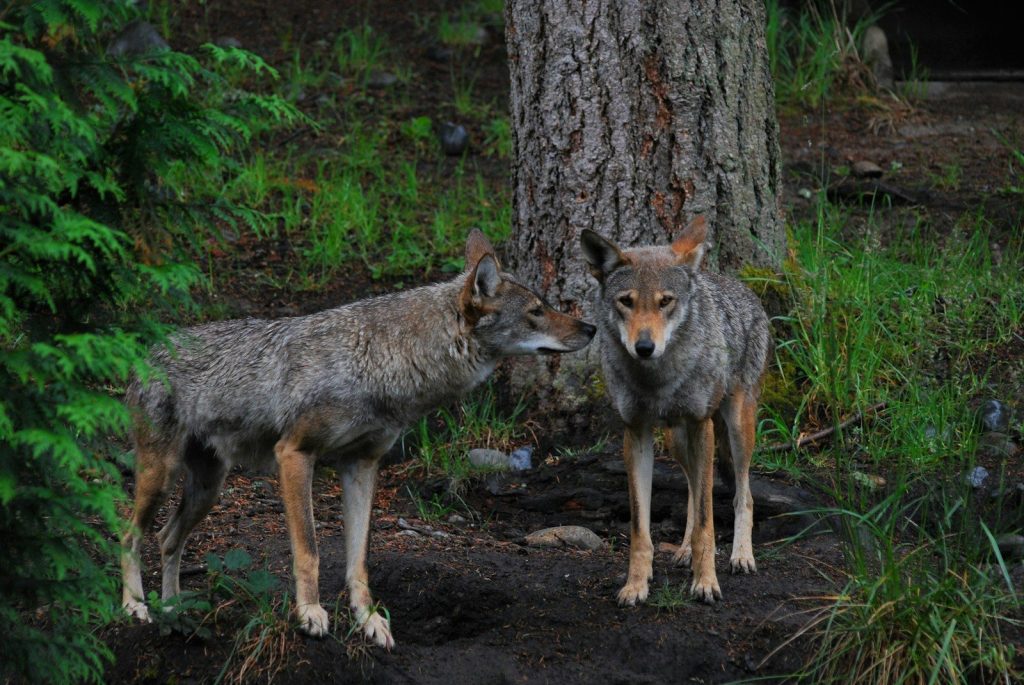
The red wolf is one of the most critically endangered members of the dog family in North America. Once found across much of the southeastern United States, the species nearly disappeared due to habitat loss and conflicts with humans. Today, wild red wolves can only be found on the Albemarle Peninsula in eastern North Carolina.
Efforts to restore red wolf populations have faced many challenges. A reintroduction program in North Carolina continues, while another attempt in Tennessee was unsuccessful. Despite ongoing debate among landowners, conservation groups, and government agencies, red wolves remain important to their ecosystems. They help control deer populations and keep smaller animals, such as rodents, from becoming too numerous.
Hickory Nut Gorge green salamanders face many dangers
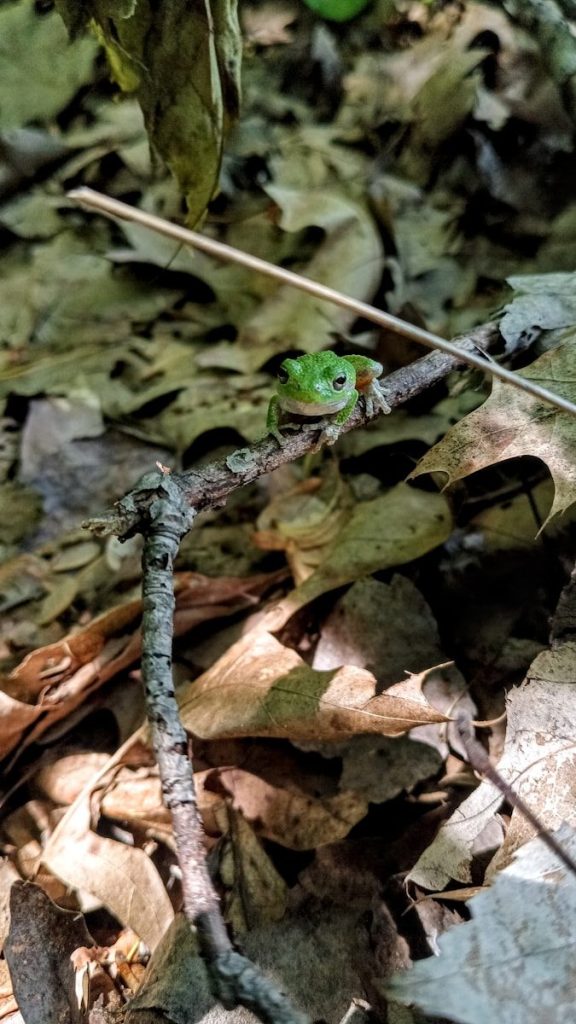
The Hickory Nut Gorge Green Salamander is a unique species found only in North Carolina’s Hickory Nut Gorge. Scientists recently recognized it as a distinct species. Like many endangered animals, it faces several threats, including climate change, habitat loss, invasive species, and disease.
Another major threat comes from the illegal pet trade. The salamander has become especially popular among collectors in Europe. Its population has declined sharply over the last two decades. The situation is especially concerning because the eastern United States is home to the world’s highest diversity of salamanders, yet many of these species are now experiencing population declines.
Salt-marsh harvest mice lose vital habitat
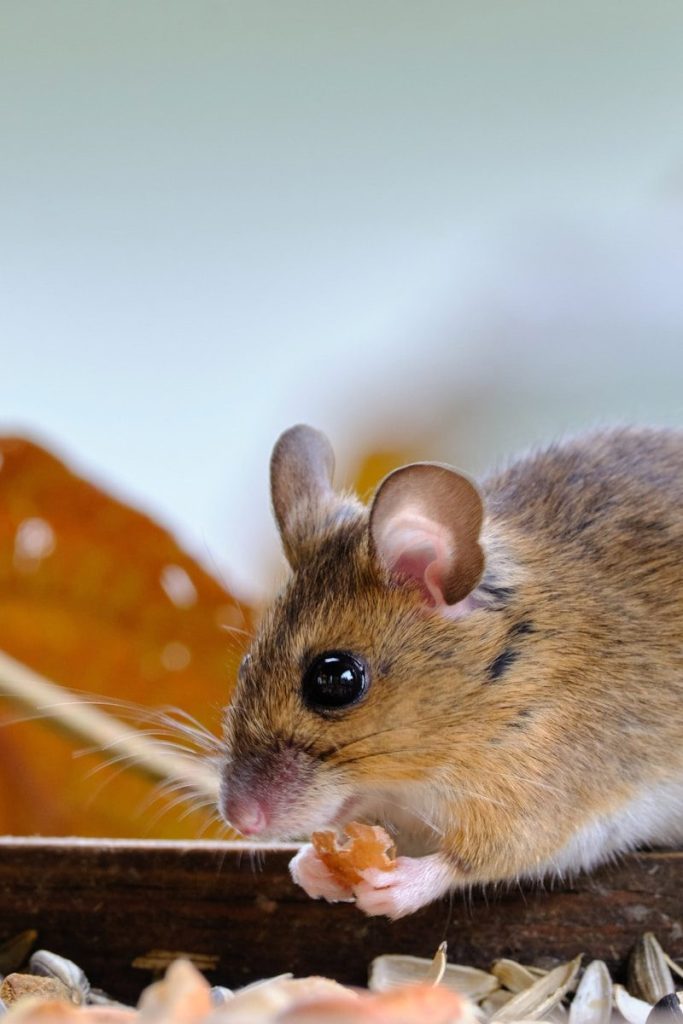
The Salt-Marsh Harvest Mouse lives in the saltwater marshes surrounding the San Francisco region. Although small, this species has remarkable abilities. It can drink saltwater, eat saltwater plants, swim for long periods, and even use its tail to help climb through vegetation.
Despite these adaptations, the species faces serious challenges. Habitat destruction caused by urban development has reduced the marshland on which it depends for survival. House cats also pose a significant threat. While the mouse has shown an impressive ability to adapt to natural environmental changes, increasing human activity may make survival much more difficult.
Bumble bees and corals support entire ecosystems
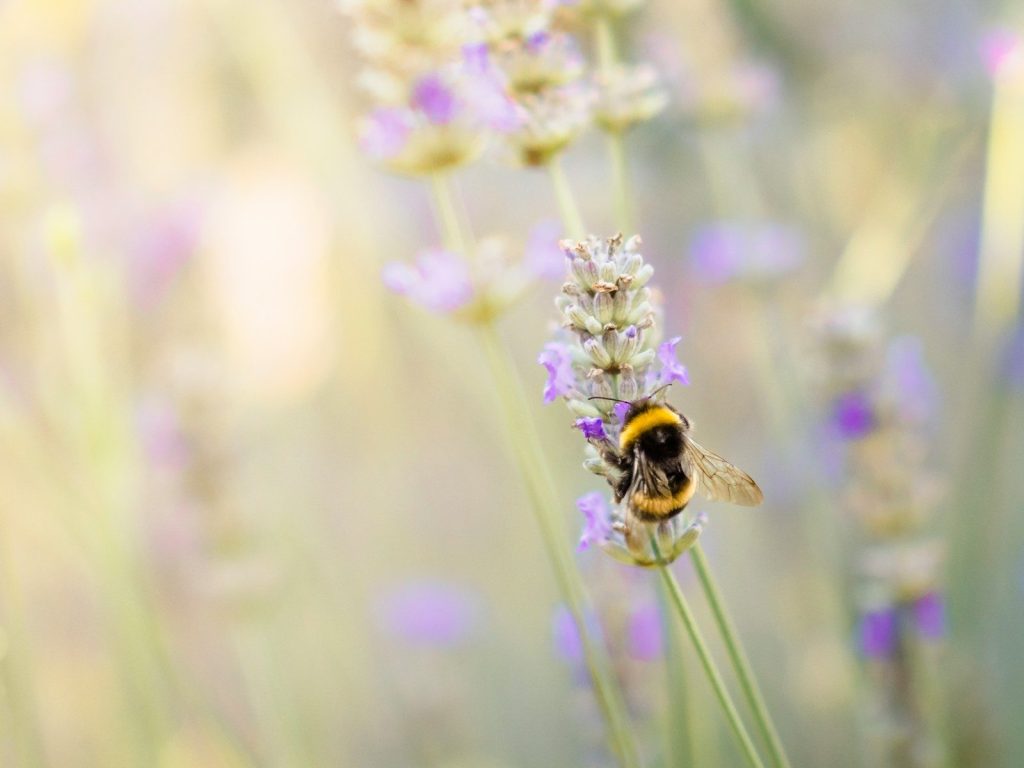
Bumble bees play a major role in pollination across the United States. Among the 46 listed bumble bee species in the country, many are considered vulnerable, endangered, or critically endangered. The Rusty Patched Bumble Bee is one of the most threatened. Habitat loss, pollution, pesticides, and climate change have all contributed to declining populations.
Corals are also facing serious challenges. While many people associate coral reefs with tropical regions, more than 60% of U.S. corals are located near Hawaii, and Florida contains the world’s third-largest coral reef system. Warming waters, disease, ocean acidification, development, and overfishing continue to threaten coral reefs. Because reefs support countless marine species and provide resources for people, their decline affects entire ecosystems and communities.
Hammerhead sharks and minnows play key ecosystem roles
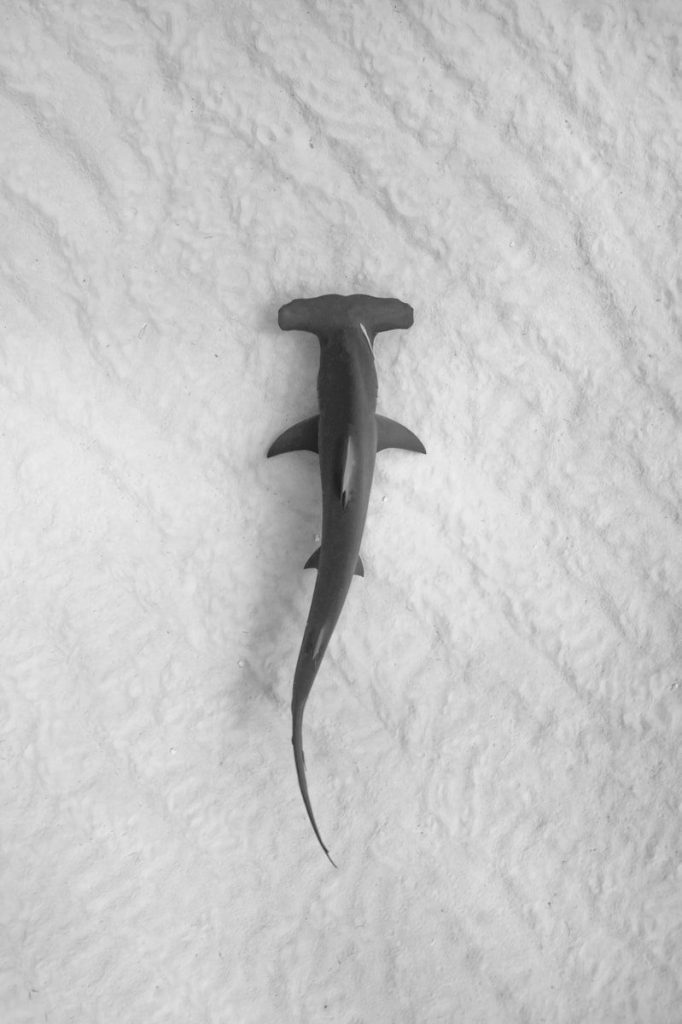
Several shark species found in U.S. waters are threatened, including the Great Hammerhead and Scalloped Hammerhead. These sharks are often hunted for their meat and fins or accidentally caught as bycatch in commercial fishing nets. Once caught, their chances of survival are extremely low. As apex predators, hammerhead sharks help maintain balance within marine ecosystems by controlling populations of other species.
Minnows may be small, but they are essential to freshwater habitats. Thirty-one U.S. minnow species are listed as endangered or critically endangered. Many face problems caused by wetland degradation, drought, dams, and poor wastewater management. Minnows serve as both predators and prey, helping connect different levels of the food chain. In some rivers, healthy minnow populations are considered a sign of a healthy ecosystem.
Leave a Reply