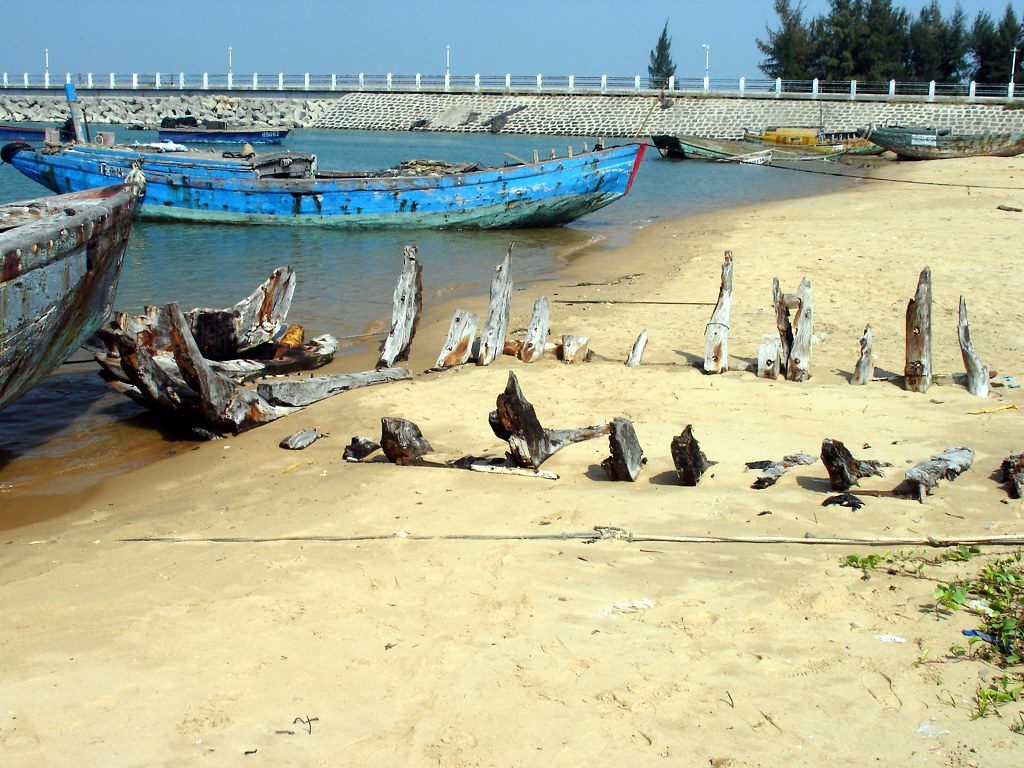
A deep-sea whale graveyard sounds like a lifeless place, but new research shows the opposite. Scientists have discovered a massive deep-sea whale graveyard in the southeastern Indian Ocean that is full of living creatures. This site sits as deep as 23,000 feet below the ocean surface and includes whale bones that are millions of years old. Instead of being empty, it is packed with strange marine life such as jellyfish, tubeworms, and brittle stars.
In this article, you will learn what this deep-sea whale graveyard is, how it formed, and why it matters to science. You will also see how whale bones support entire ecosystems, what kinds of animals live there, and how these remains survived for millions of years. This discovery helps scientists better understand how life survives in extreme ocean conditions and why the deep sea is more active than once believed.
What scientists found in the Indian Ocean whale graveyard
Scientists exploring the southeastern Indian Ocean uncovered a huge deep-sea whale graveyard that stretches across a wide area of the seafloor. It includes five major whale carcass sites along with fossil remains. These sites are located at extreme depths, reaching up to 23,000 feet below the surface, making it one of the deepest and oldest whale graveyards ever discovered.
The remains include skulls from both beaked whales and baleen whales. Some of the bones are estimated to be around 5.3 million years old. This shows that whales have been dying and settling in this region for a very long time. The discovery was made through deep-sea submersible trips in 2023, where scientists carefully mapped and studied the area in detail.
How whale graveyards form in the deep ocean
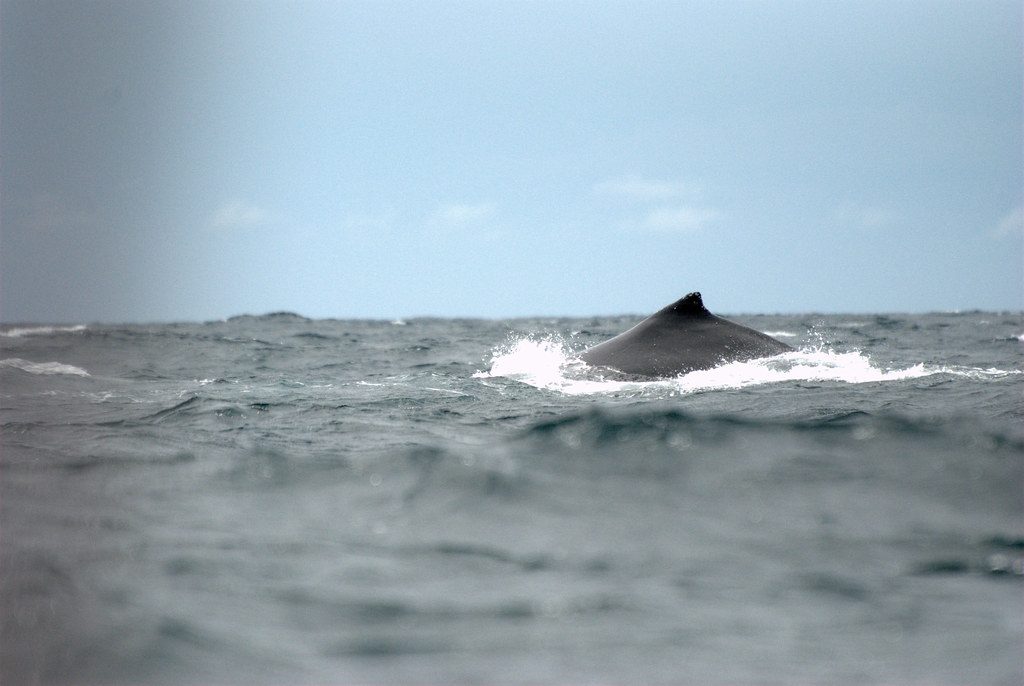
Whale graveyards begin when a whale dies, and its body sinks to the seafloor. This event is called a whale fall. Because whales are so large, their bodies become a major source of food in the deep ocean, where food is usually very limited. Once the carcass lands on the seafloor, it slowly becomes a long-lasting ecosystem.
At first, large scavengers feed on the soft tissues. Over time, smaller animals take over, feeding on what remains. Eventually, even the bones become a food source for bacteria and special organisms. This slow breakdown process can support life for decades or even longer, turning a single whale into an entire living community in the deep ocean.
Strange creatures living on whale carcasses
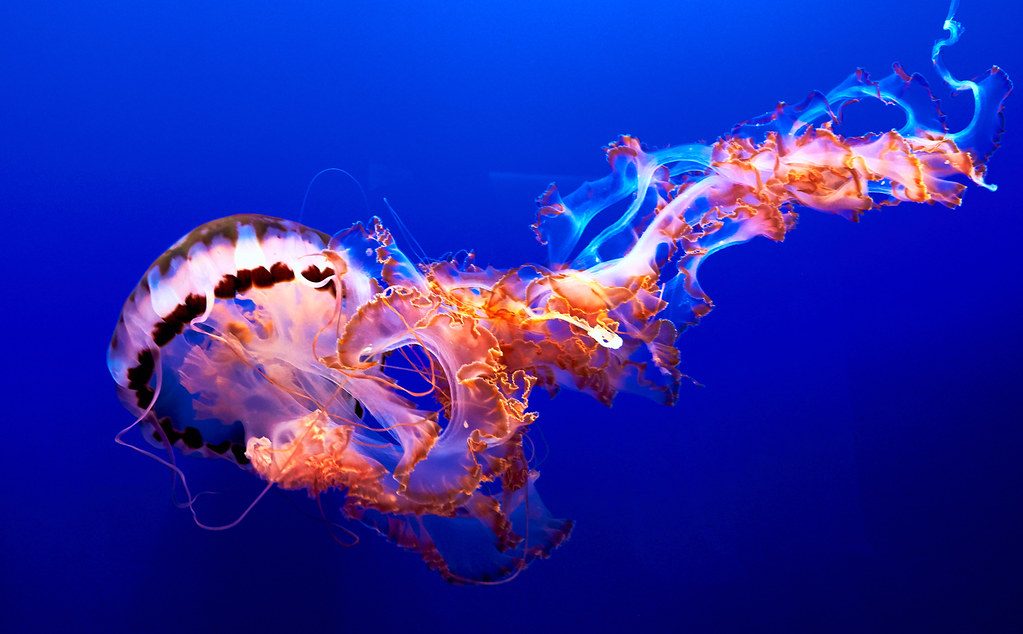
One of the most surprising discoveries at the deep-sea whale graveyard is the variety of life living on and around the bones. Scientists found jellyfish drifting nearby, along with tubeworms, brittle stars, sea cucumbers, squat lobsters, and saltwater clams. These animals survive by feeding on nutrients released from the decaying whale remains.
Many of these creatures are still not fully understood. Some may even be species that have never been recorded before. The whale bones create a special habitat that supports both large and tiny organisms. Instead of being a place of death, the graveyard becomes a busy ecosystem filled with movement and survival in one of the harshest environments on Earth.
Why this site is the deepest and oldest ever found
This deep-sea whale graveyard is unique because of its size, depth, and age. It is currently the largest known site of its kind, and it sits deeper than most previously discovered whale fall locations. The extreme depth of up to 23,000 feet creates very high pressure and complete darkness, making it a difficult place for most life to survive.
What makes it even more important is its age. Some of the whale fossils discovered at the site are millions of years old, with the oldest reaching about 5.3 million years. This suggests that whale falls have been happening in this region for a very long time, creating a long history of deep-sea ecosystems that scientists are only now beginning to understand.
How whale bones survive millions of years
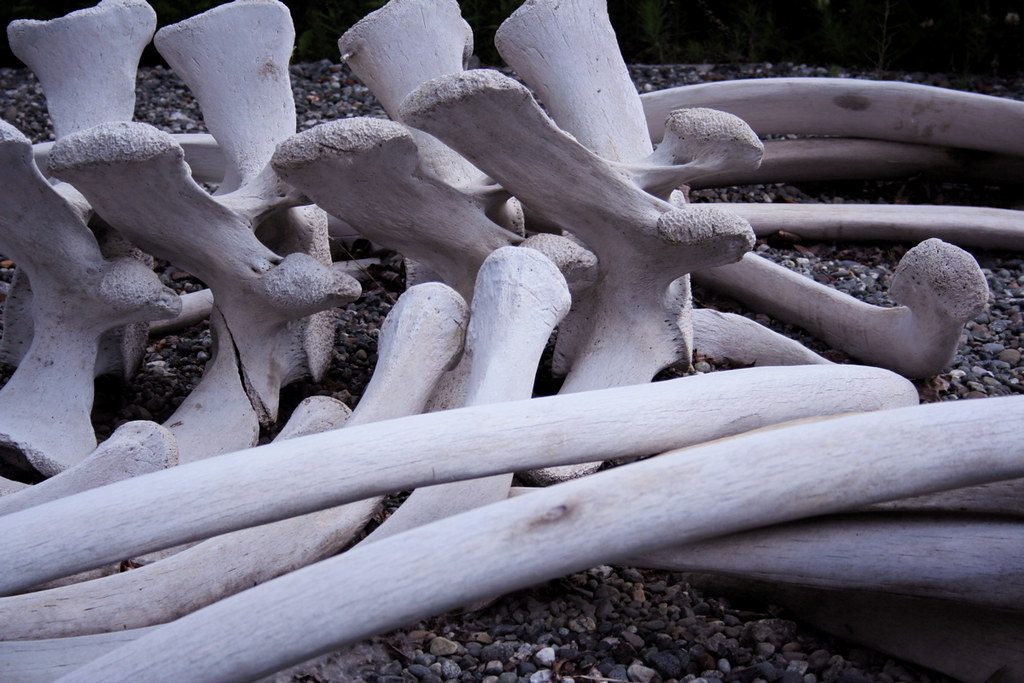
Whale bones usually break down over time, but in this deep-sea whale graveyard, many have been preserved for millions of years. Scientists believe several natural factors helped protect them. One key reason is that whale bones are very dense, which makes them harder to destroy even in harsh deep-sea conditions.
Another reason is the extreme depth of the site. The area is so deep that it avoids many disturbances, such as strong currents and sediment buildup that could bury or damage the bones. In addition, minerals from seawater slowly coat the bones over time, forming a protective layer. This coating helps prevent fast decay and allows the remains to stay intact for long periods.
What this discovery tells scientists about ocean life
This discovery changes how scientists understand life in the deep ocean. It shows that whale carcasses are not just random events, but important sources of energy that support entire ecosystems. Without whale falls, many deep-sea creatures would not have enough food to survive in such a low-nutrient environment.
It also helps researchers understand how life adapts to extreme conditions like darkness, high pressure, and low oxygen. Scientists now believe there may be many more hidden whale graveyards in the ocean waiting to be discovered. Each one could reveal new species and important clues about how life spreads across the deep sea.
Leave a Reply