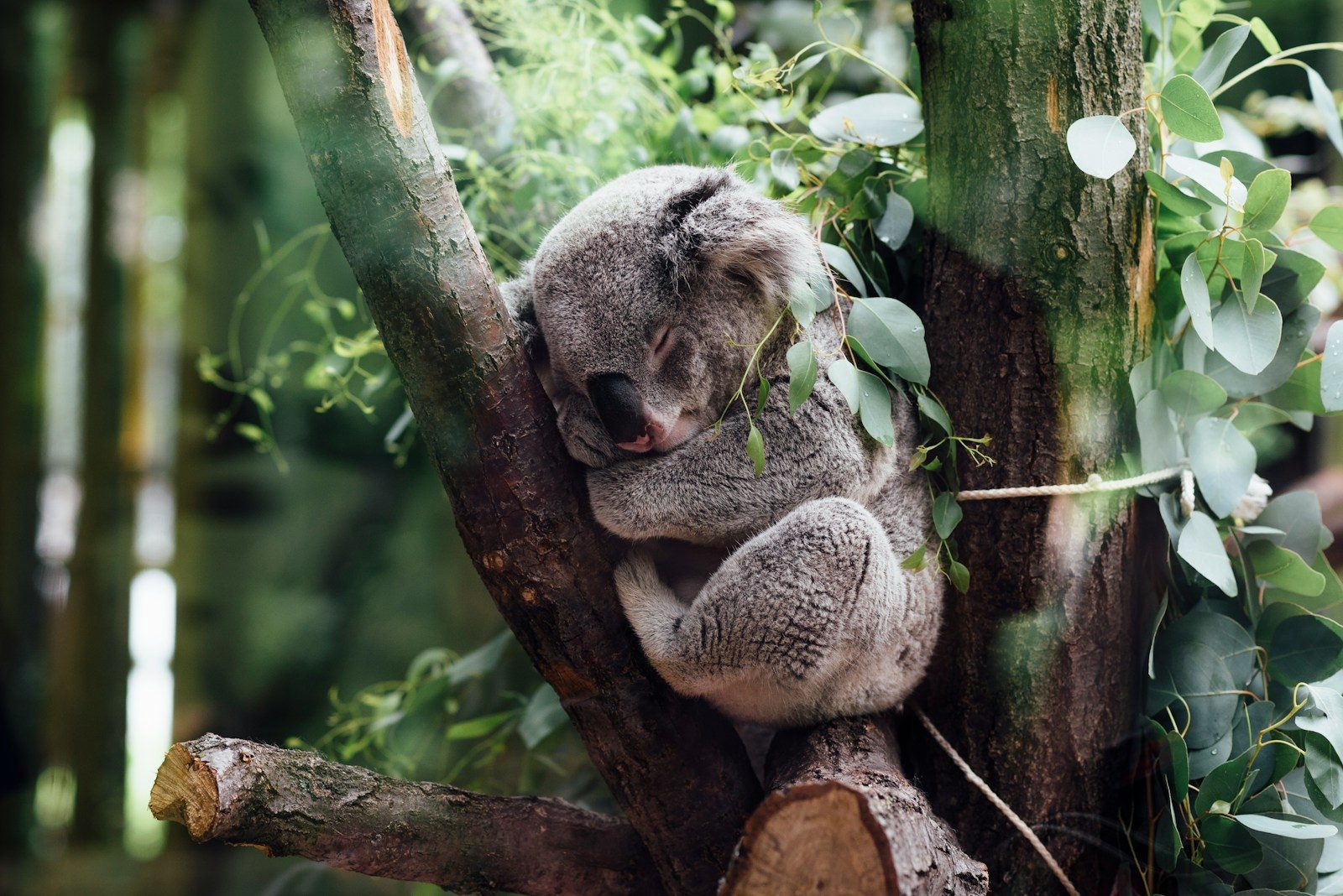
Every animal plays some role in nature, even when that role is not immediately obvious. However, some species are often viewed as lazy, inefficient, or even harmful because of their behavior, diet, or impact on their surroundings.
While scientists generally agree that all animals contribute to ecosystems in some way, certain creatures have earned reputations for doing very little or causing significant environmental problems. Here are six animals often described as the most useless or least productive in the wild, along with the reasons behind those opinions.
Pandas spend most of their lives eating and sleeping
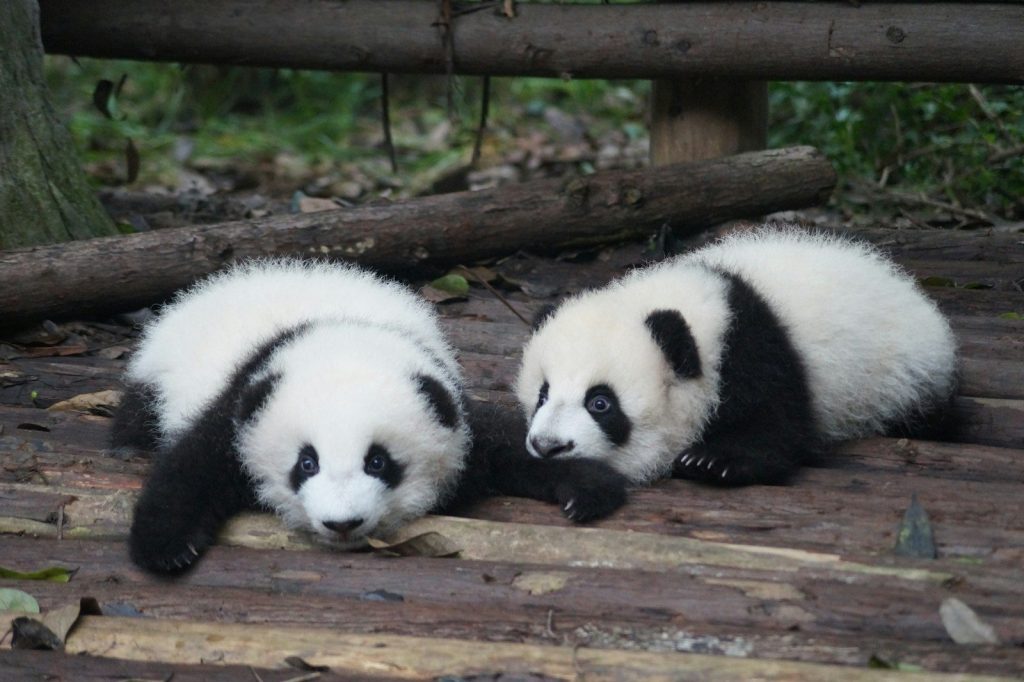
The giant panda is one of the most recognizable animals in the world. Found only in China, pandas spend the vast majority of their time eating bamboo, which makes up nearly all of their diet.
When they are not eating, pandas are usually resting or sleeping. They also have a reputation for low breeding rates, especially in captivity, which has contributed to the perception that they are less adaptable than many other animals.
Blobfish survive with very little movement
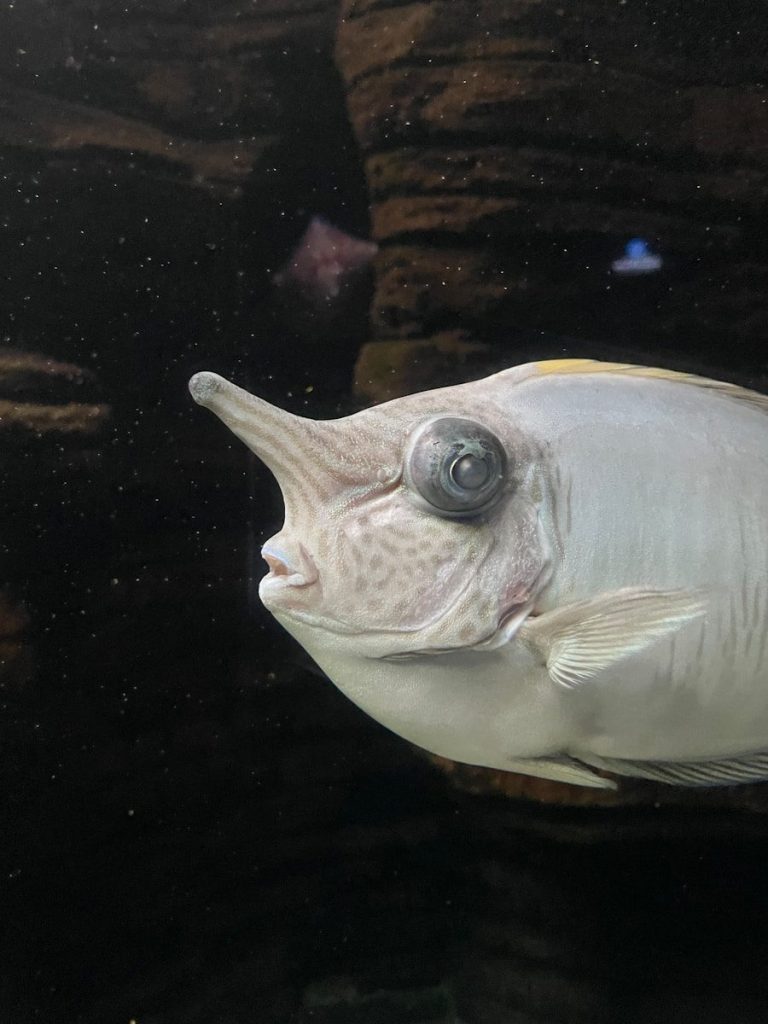
Blobfish are deep-sea creatures known for their unusual appearance. Their soft, jelly-like bodies allow them to survive in environments with extremely high water pressure.
Because blobfish have very little muscle mass, they do not actively hunt prey. Instead, they rely on edible material drifting through the water, leading many people to view them as passive animals with limited activity.
Sloths are famous for their slow lifestyle
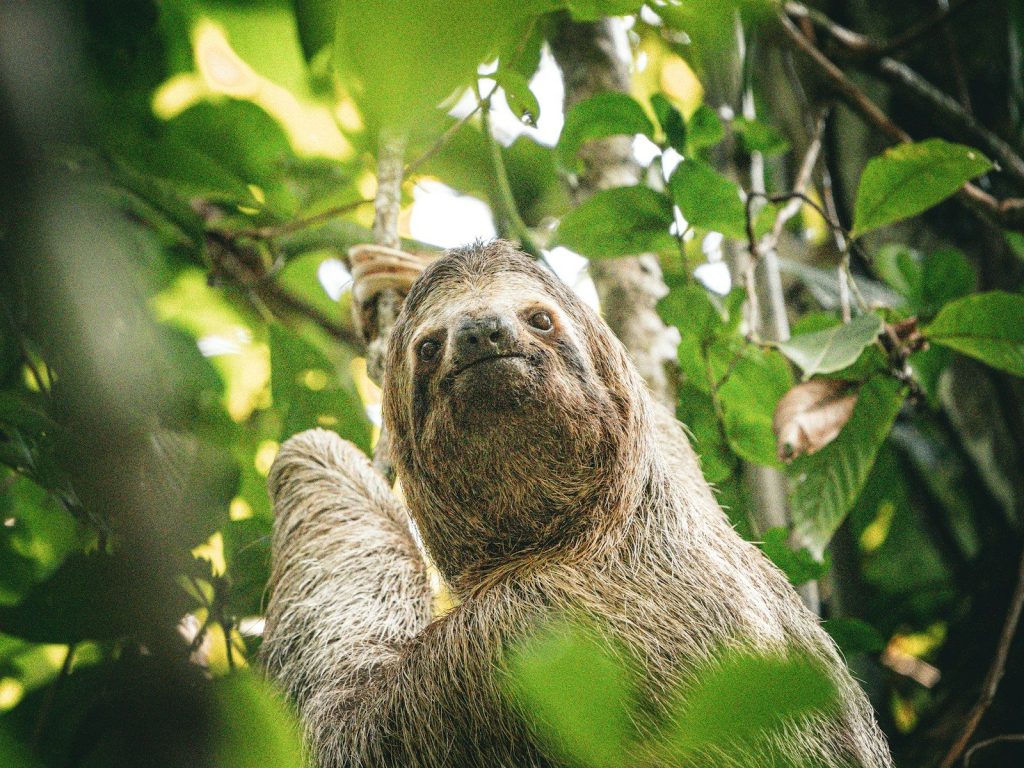
Few animals are as closely associated with laziness as sloths. These tree-dwelling mammals move very slowly and can sleep for long periods each day.
Their sluggish behavior is largely linked to their leaf-based diet, which provides limited energy. While their slow movements help them avoid detection by predators, sloths are often considered among nature’s least active animals.
Locusts can cause widespread destruction
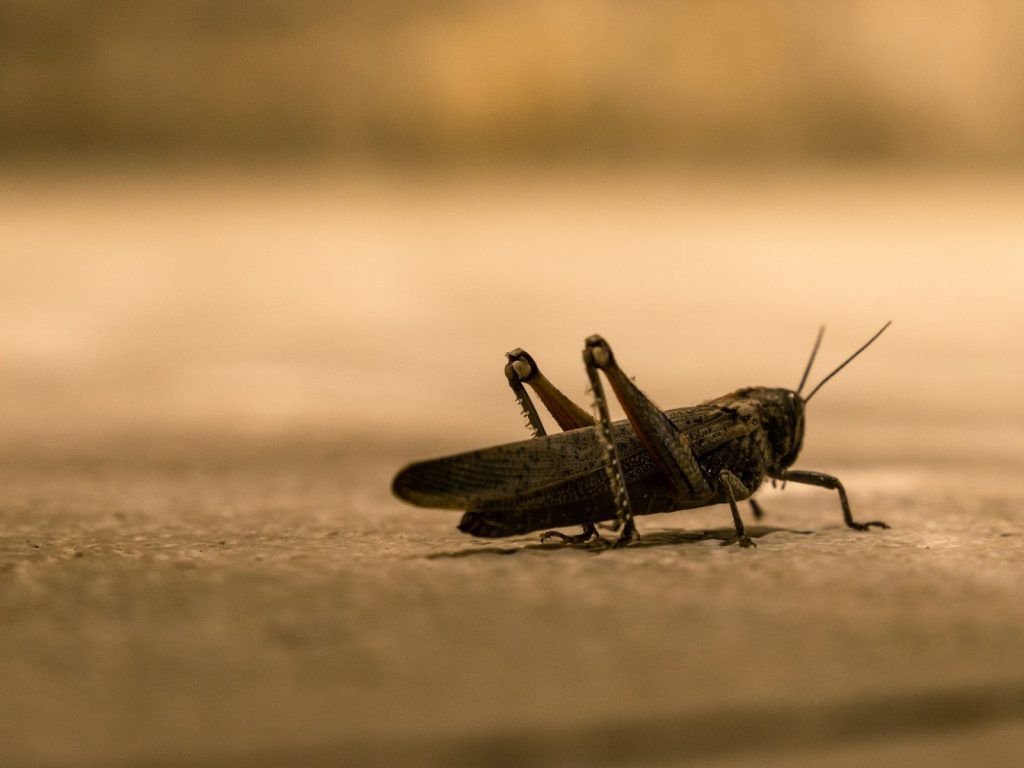
Unlike some animals that are considered useless because they do very little, locusts are often criticized because of the damage they cause. These insects can gather in enormous swarms that consume large amounts of vegetation.
Throughout history, locust outbreaks have devastated crops and contributed to food shortages. Their ability to rapidly consume plants has made them one of the most feared agricultural pests in many parts of the world.
Crown-of-thorns sea stars damage coral reefs
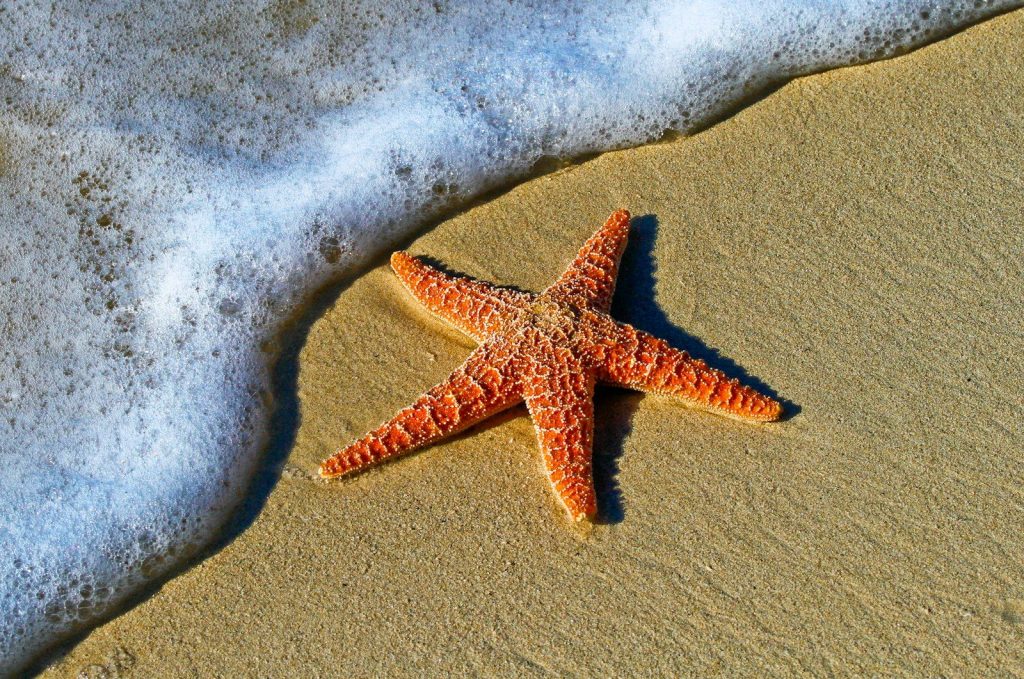
The crown-of-thorns sea star is a large starfish found in tropical and subtropical waters. It feeds primarily on coral polyps, the small organisms that help build coral reefs.
When populations grow too large, these sea stars can destroy significant areas of living coral. Their feeding habits have been linked to damage in important reef systems, including parts of the Great Barrier Reef.
Koalas spend much of their time resting
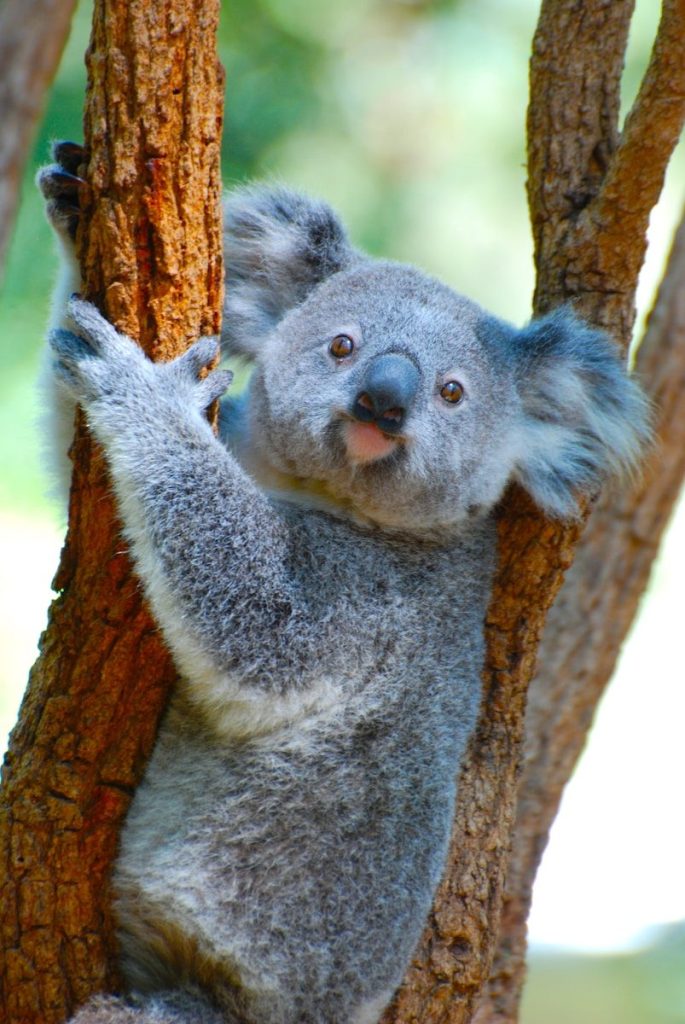
Koalas are marsupials native to Australia and are well known for their sleepy lifestyles. They spend most of their day resting and can sleep for many hours at a time.
Their diet consists mainly of eucalyptus leaves, which provide limited nutrition. Because they require large amounts of food and rest to meet their energy needs, koalas are often seen as another example of an animal with a very low activity level.
Leave a Reply