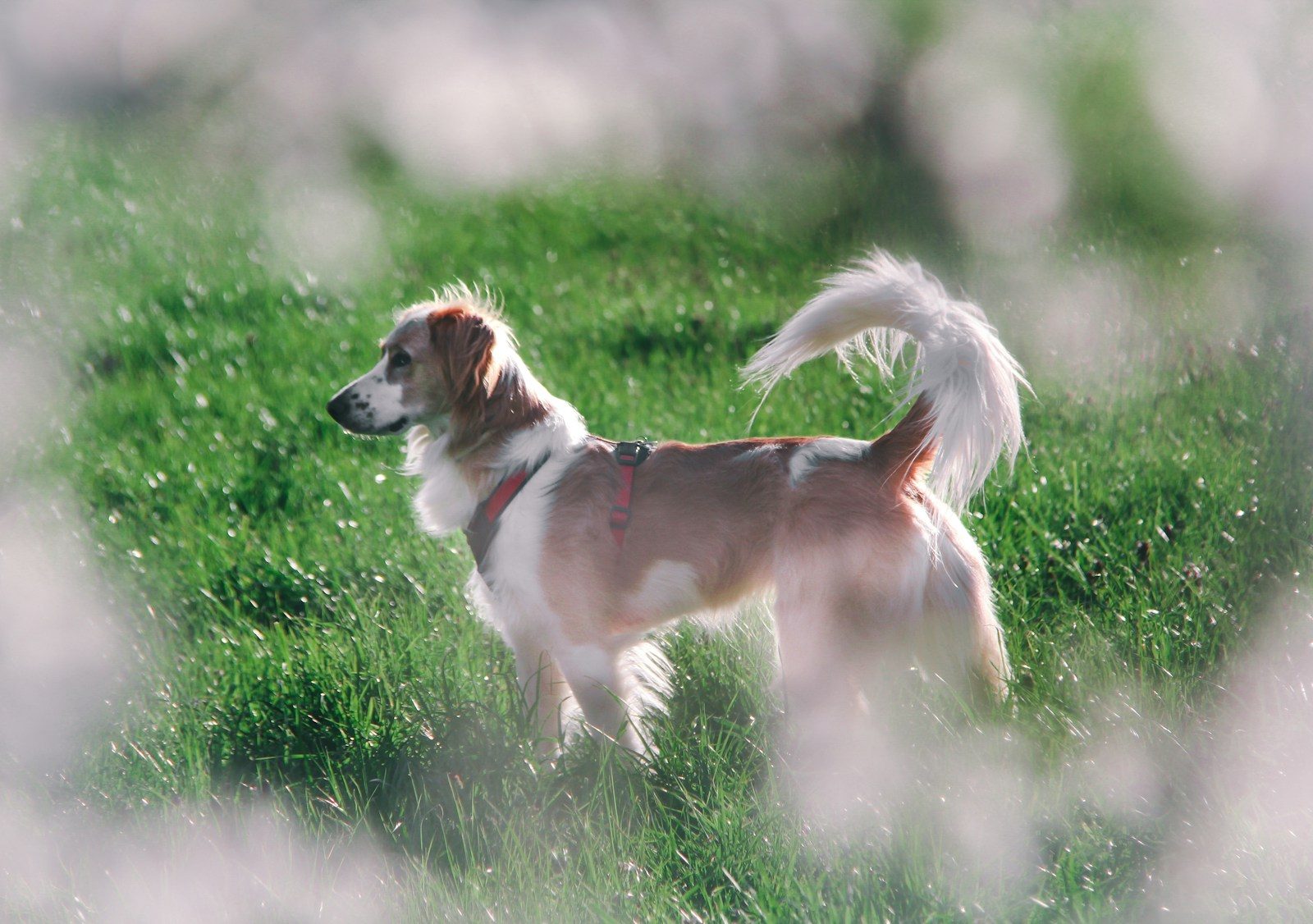
Dogs communicate their feelings through body language and behavior. When a dog feels safe and comfortable, it usually seeks attention, plays, and stays relaxed around its owner. However, fear can cause noticeable changes in behavior.
Recognizing these signs is important because it helps strengthen trust and improve the relationship between pets and their owners. While occasional nervous behavior does not always mean a dog is afraid, repeated patterns may indicate discomfort or anxiety. Here are six common signs that could suggest your dog is scared of you.
Hiding away in safe places
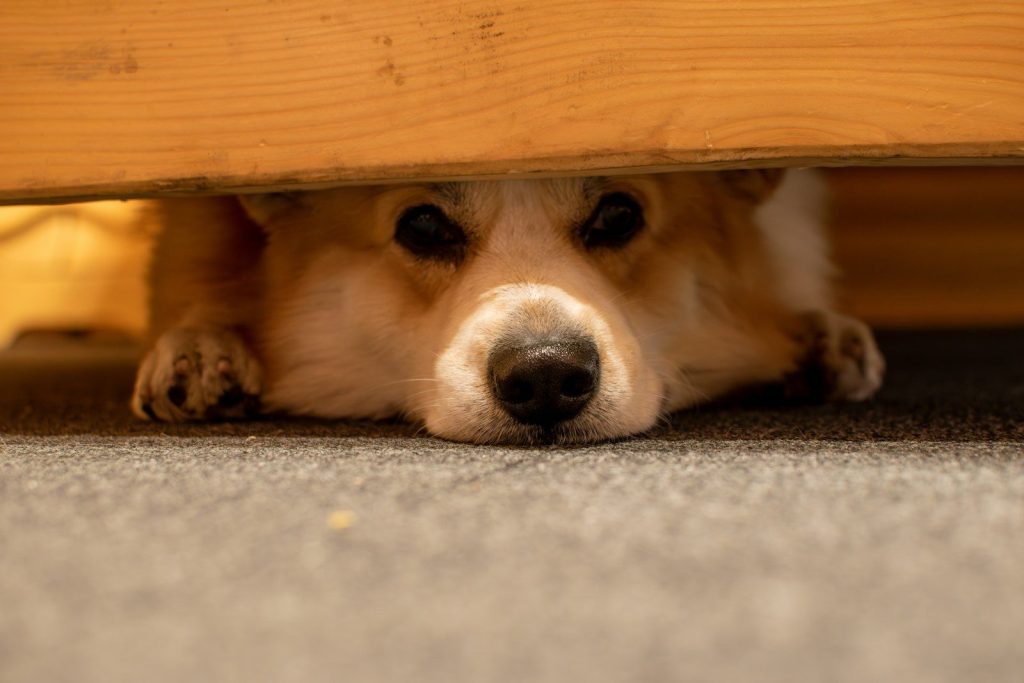
One of the clearest signs of fear is hiding. If your dog regularly disappears when you enter a room or seeks shelter under furniture, behind objects, or in quiet corners, it may be trying to create distance from something that makes it uncomfortable.
Dogs often view these spaces as safe zones where they can avoid situations they find stressful. Encouraging positive interactions with treats and patience can help build confidence over time.
Running away when approached
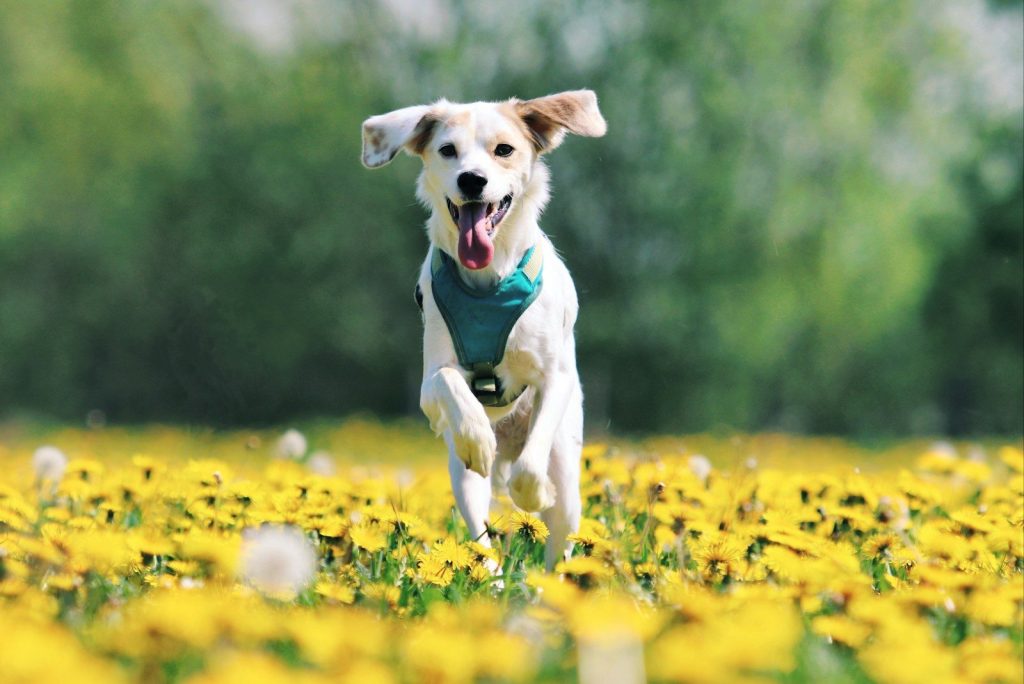
A dog that quickly moves away whenever someone approaches may be feeling fearful or uncertain. Instead of coming closer, the dog may leave the area or avoid contact altogether.
This behavior can develop when a dog associates certain interactions with discomfort, stress, or punishment. Gentle handling and positive reinforcement can help reduce fear and encourage trust.
Cowering or making itself look small
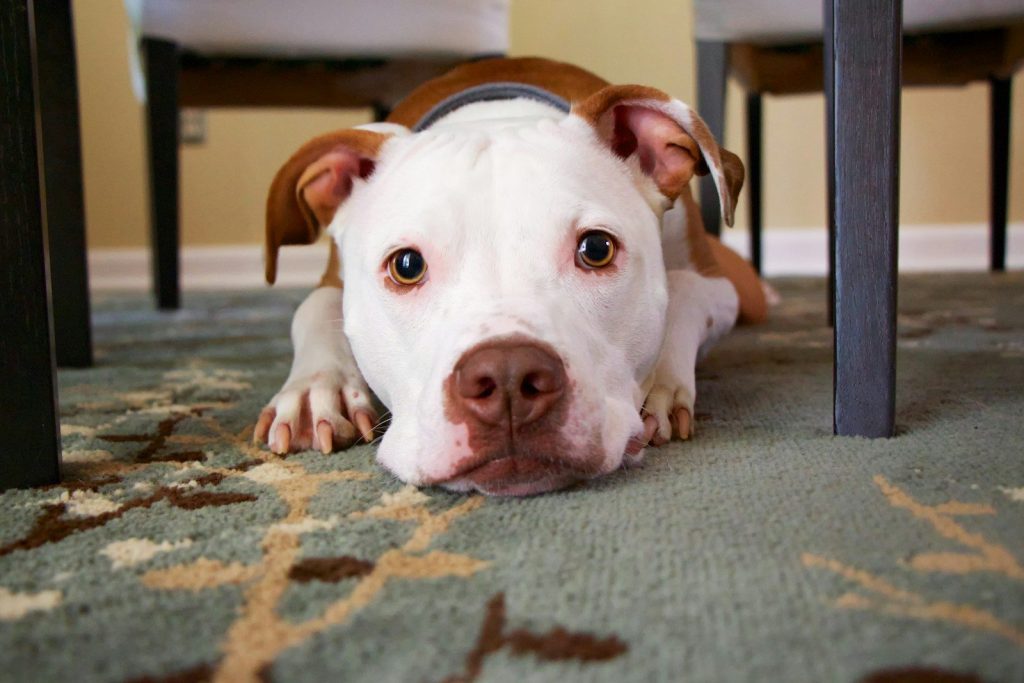
Fearful dogs often lower their heads, crouch, or pull their bodies closer to the ground. This behavior, known as cowering, is an attempt to appear smaller and less threatening.
Cowering does not always mean a dog has experienced abuse. Some dogs are naturally more anxious, while others may not have received enough socialization as young dogs.
Submissive urination
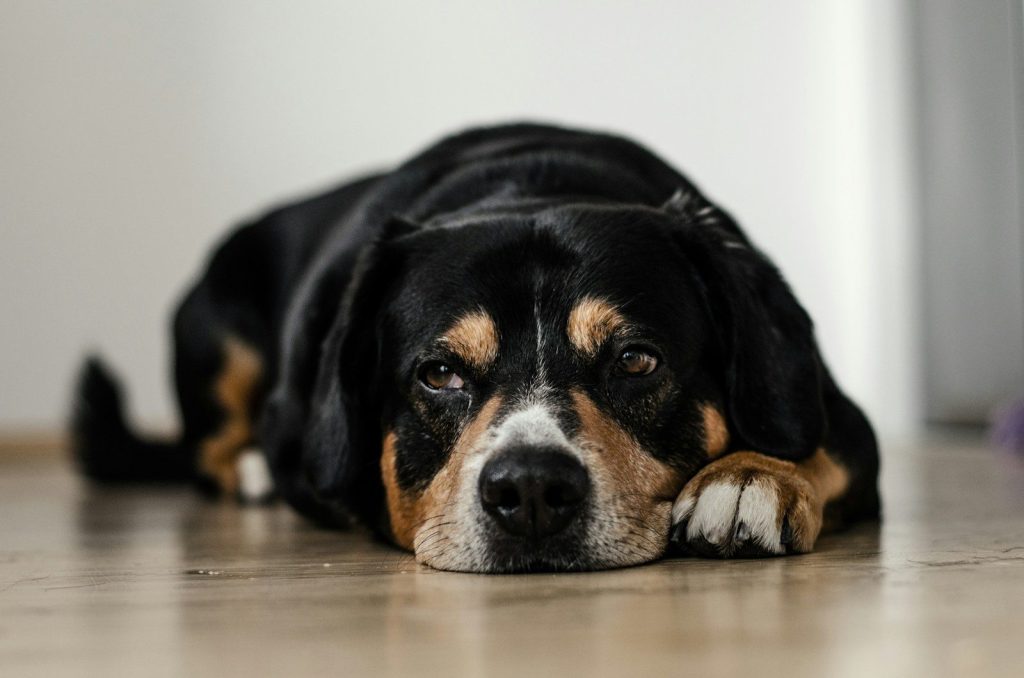
Some dogs urinate when they feel nervous or intimidated. This behavior, called submissive urination, is often seen when a dog is approached, touched, or greeted.
Rather than punishment, calm and positive interactions are recommended. Reacting negatively can increase the dog’s anxiety and make the behavior more likely to continue.
Rapid panting and whining
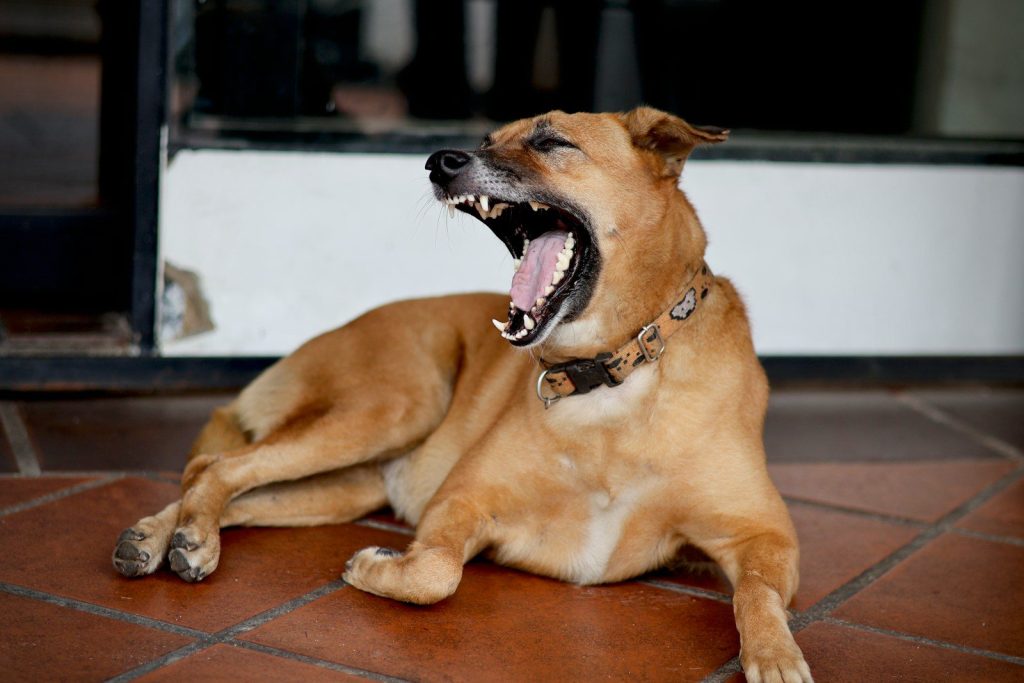
Dogs often pant to cool themselves, but fear-related panting usually appears different. A scared dog may pant quickly, pause frequently, close its mouth, and show signs of restlessness.
Whining can also accompany fearful panting. These sounds and behaviors may indicate that the dog is feeling uneasy about something in its environment or interaction.
Tail tucking and displacement behaviors
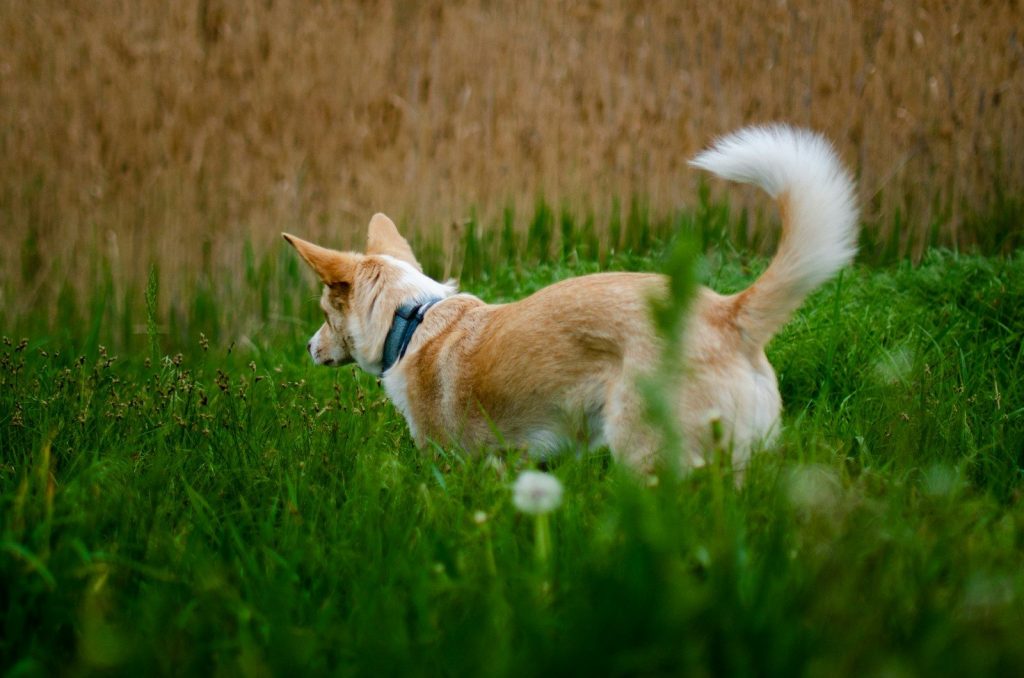
A tucked tail is one of the most recognizable signs of fear in dogs. The tail may be held low, tucked between the legs, or moved with stiff, nervous wags instead of relaxed movements.
Fearful dogs may also engage in displacement behaviors such as excessive licking, scratching, sniffing the ground, or avoiding eye contact. These actions can help them cope with stress and uncertainty.
Leave a Reply