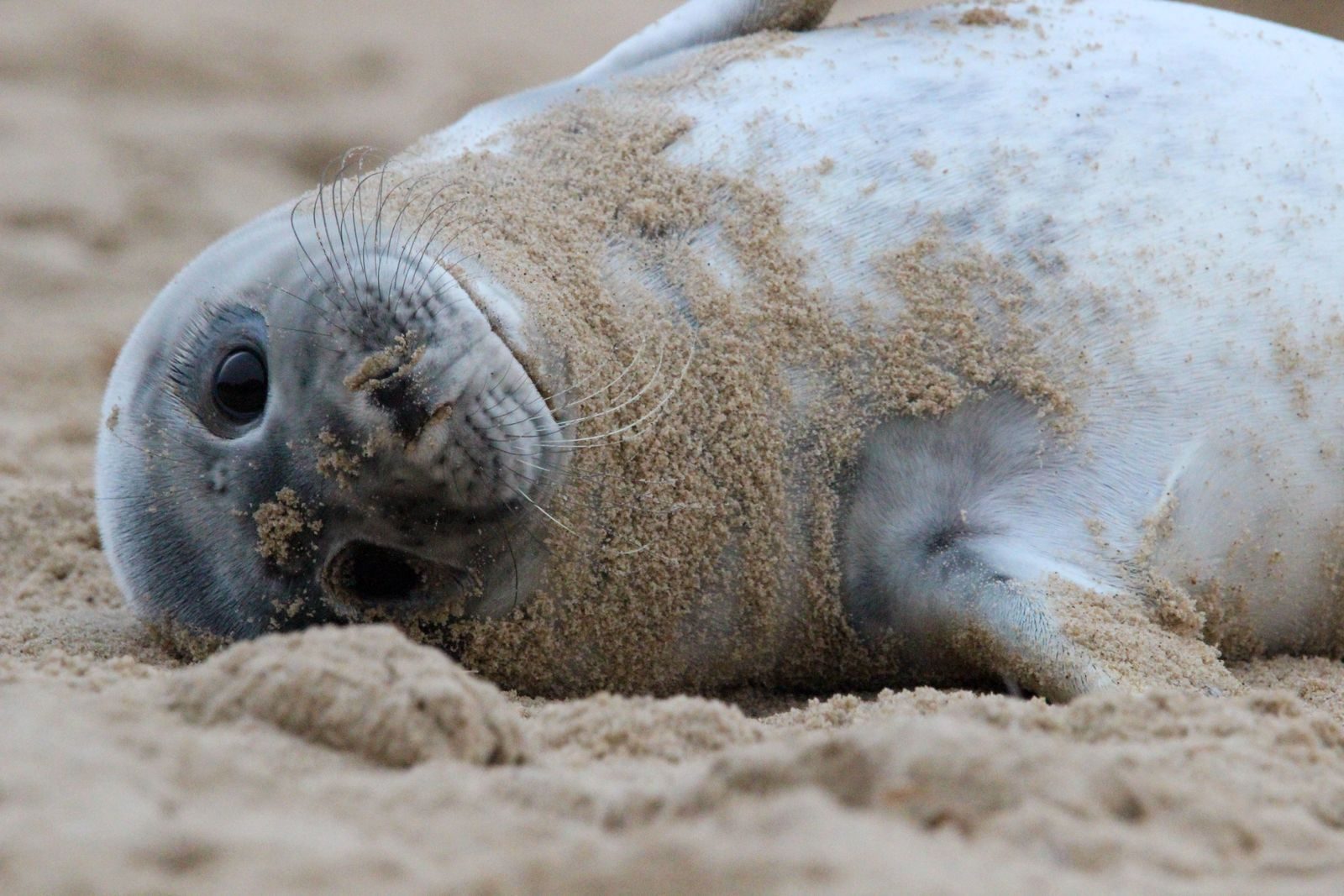
A helpless animal fighting to survive can leave a lasting mark on anyone who sees it. That is exactly why this seal pup rescue has touched so many hearts online. The story centers on a tiny seal pup found dragging a heavy fishing net across a beach while struggling to stay alive on its own. Weak, scared, and exhausted, the baby seal appeared to be losing hope before rescuers stepped in to help.
This article explores what happened during the emotional rescue, why fishing nets are so dangerous for marine animals, how rescuers help injured seals, and what this heartbreaking moment teaches us about protecting ocean wildlife. By the end, readers will have a better understanding of the dangers seals face and why even a small act of rescue can make a huge difference.
A tiny seal faced a huge struggle
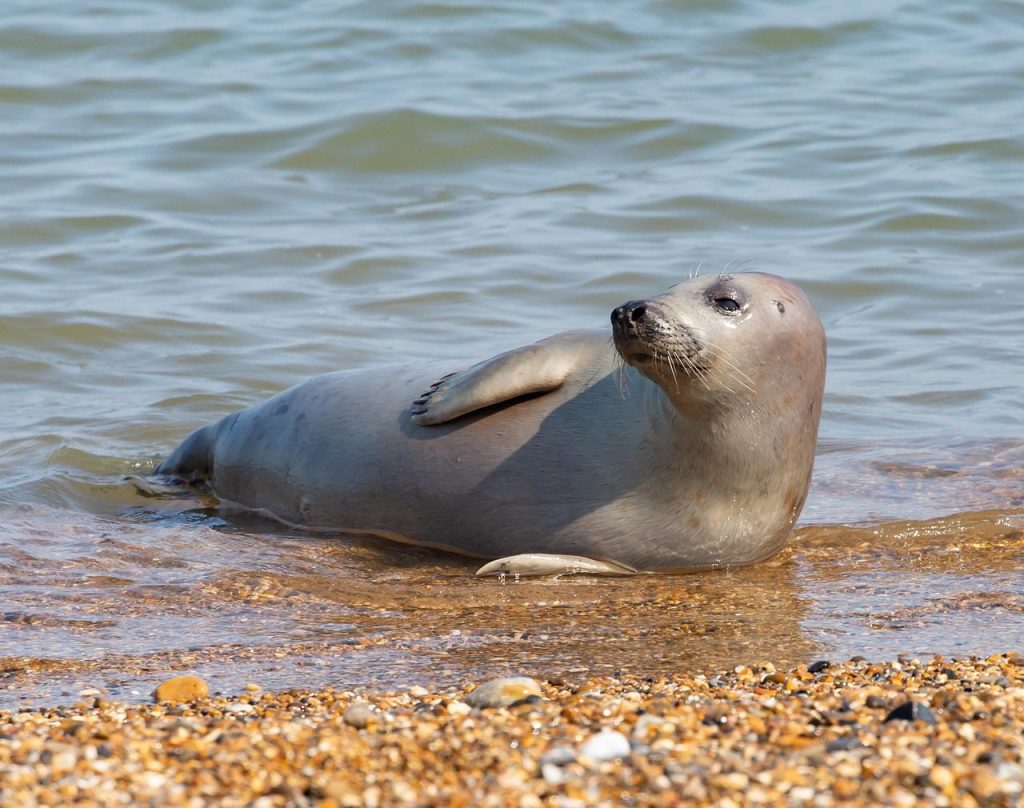
The heartbreaking scene began when a small seal pup was spotted dragging a heavy fishing net across the sand. The baby seal appeared exhausted and confused as it tried to move forward with the net weighing it down. Young seals depend heavily on their strength and energy to stay warm, avoid danger, and search for food. Carrying extra weight can quickly drain them, especially when they are already weak or alone. The sight of such a tiny animal struggling under the burden of human waste left many viewers feeling sad and helpless.
Seal pups are especially vulnerable during their first months of life. They are still learning how to survive and do not have the size or experience of adult seals. If they become trapped in fishing gear or other marine debris, they can suffer cuts, infections, starvation, or even drowning. Wildlife experts around the world have long warned that abandoned fishing gear is one of the biggest dangers facing marine animals. For a young seal already fighting to survive, dragging a net can become a life-or-death battle.
Fishing nets are a growing danger to marine life
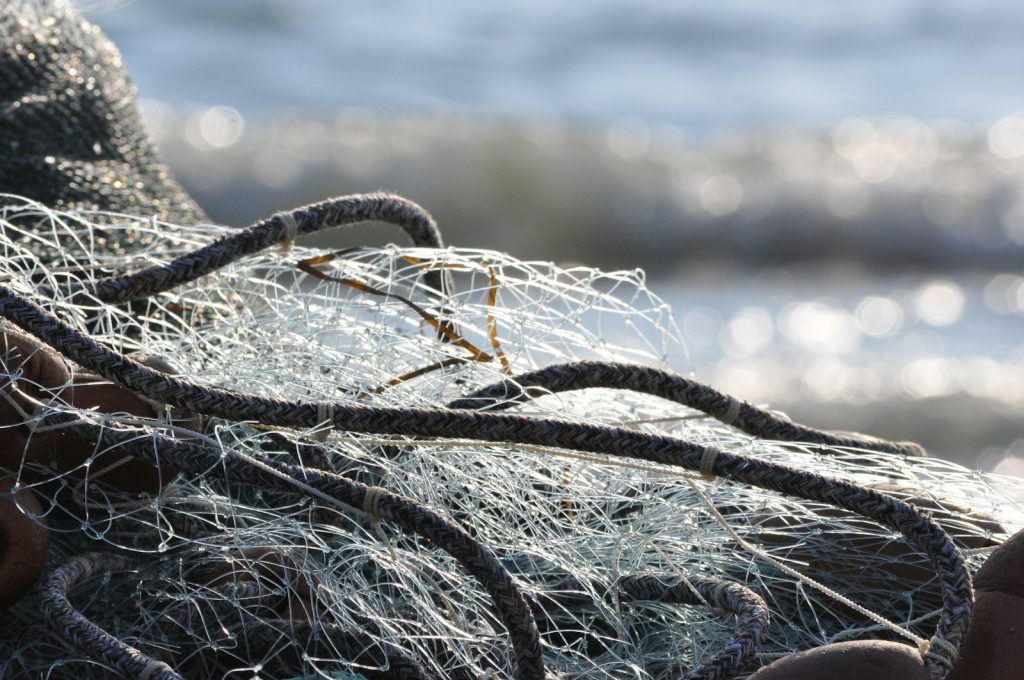
Fishing nets are designed to be strong and durable, which makes them useful for catching fish, but dangerous when they are lost or thrown away. Once abandoned in the ocean, these nets can continue trapping animals for years. This problem is often called ghost fishing because the gear keeps catching marine life even when nobody is using it. Seals, sea lions, turtles, whales, dolphins, and seabirds are all at risk of becoming tangled in these hidden traps.
When an animal becomes entangled, the net can cut into its skin as it grows or struggles to escape. Some animals lose the ability to swim properly or hunt for food. Others suffer infections that become worse over time. Young animals face an even greater risk because they have less strength and smaller bodies. The seal pup in this rescue story is a painful reminder that marine debris is not just trash floating in the ocean. It can become a deadly obstacle that changes or ends an animal’s life.
Rescuers raced to save the frightened pup
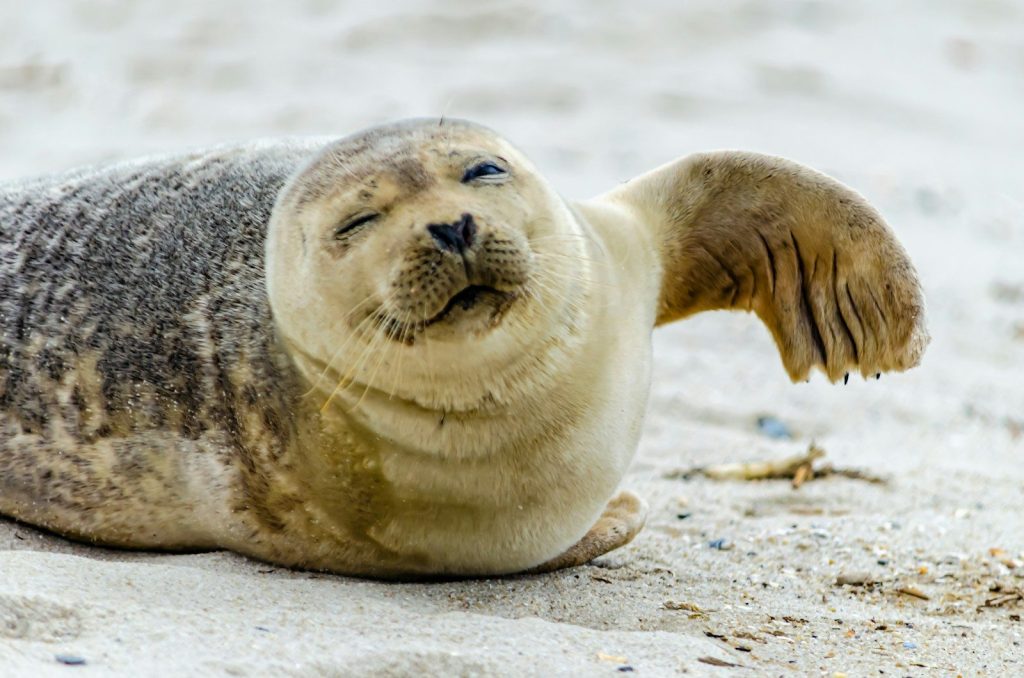
When rescuers finally reached the seal pup, they faced a difficult challenge. Wild seals are naturally cautious around humans, and a frightened baby seal may try to escape even when it desperately needs help. The rescuers had to move carefully and calmly to avoid causing more stress. Every movement mattered because the seal was already exhausted from dragging the net and could easily injure itself if it panicked.
Wildlife rescue teams are trained to handle situations like this with patience and care. They often use blankets, nets, or other special equipment to safely secure injured animals before removing dangerous objects. Their goal is to keep the animal calm while reducing pain and preventing further injury. In emotional rescues like this one, the process can take time, but that patience is often what gives an animal the best chance of survival and recovery.
Why young seals need special protection
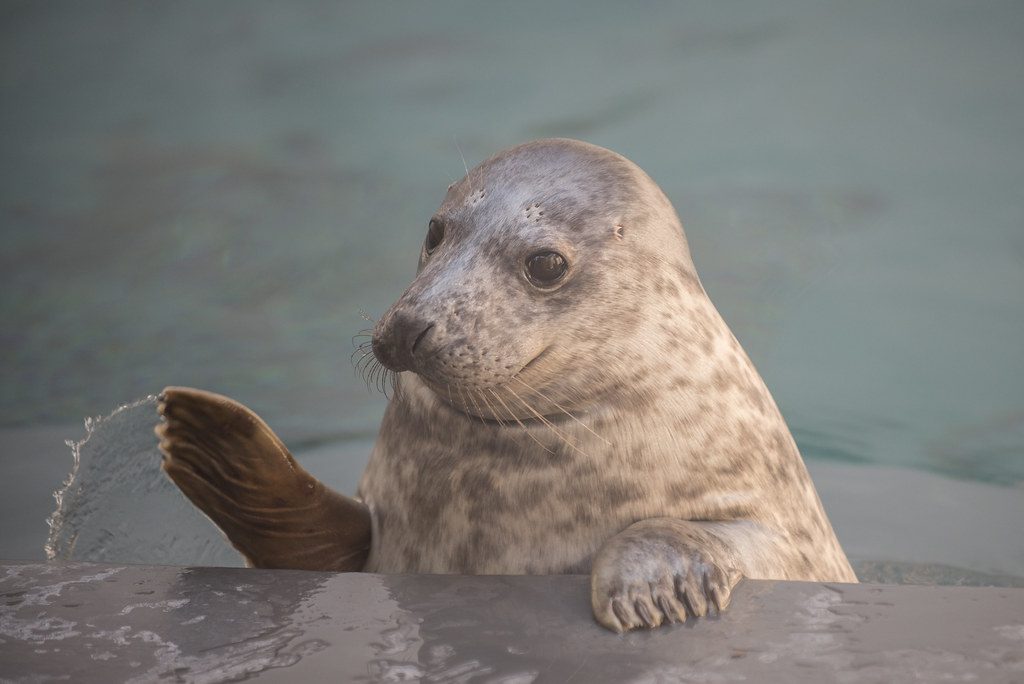
Seal pups spend their early lives learning skills that are necessary for survival. Depending on the species, they may need to learn how to swim, find food, avoid predators, and survive harsh weather conditions. During this stage, even small injuries or extra stress can have serious consequences. A heavy fishing net is not just an inconvenience for a baby seal. It can prevent normal movement, make it harder to rest, and leave the animal dangerously weak.
Young seals also have fewer fat reserves than adults. They burn energy quickly and can become exhausted after long periods of stress or hunger. If they are separated from their mothers or unable to feed properly, their condition can worsen in a short time. This is why wildlife experts encourage people to report injured seals immediately rather than trying to help on their own. Professional rescuers have the training and equipment needed to give these animals the safest possible care.
The rescue touched hearts around the world

Stories about animal rescues often spread quickly because they remind people of the bond humans share with wildlife. The image of a tiny seal struggling alone while dragging a net is difficult to forget. Many people who watched the rescue said they felt sadness, hope, and relief all at once. The seal’s fear and exhaustion were easy to see, making the rescue feel deeply personal to viewers everywhere.
Emotional stories like this can also inspire positive action. They encourage people to learn more about ocean pollution, support wildlife rescue groups, and think carefully about how everyday choices affect the environment. While one rescue cannot solve the larger problem of marine debris, it can raise awareness and motivate change. Sometimes a single animal’s story is enough to help people understand the real cost of pollution and why protecting wildlife matters.
What this story teaches us about ocean conservation
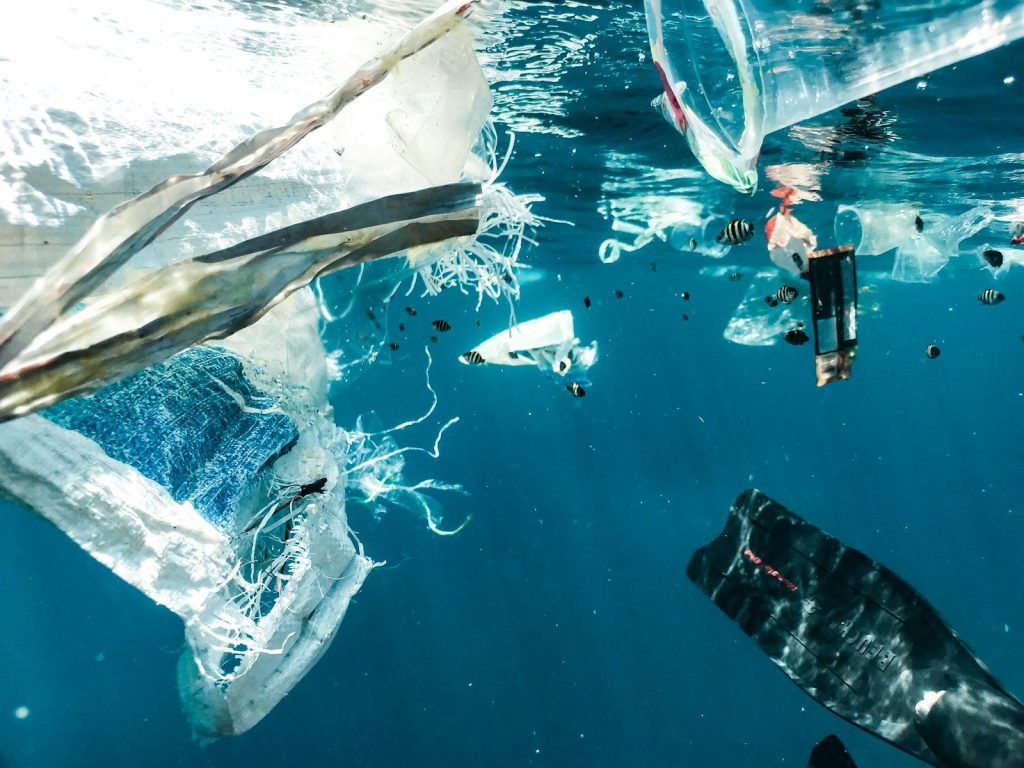
The rescue of this seal pup highlights a larger issue that affects oceans around the world. Marine debris, especially abandoned fishing gear, continues to threaten countless animals every year. Scientists and conservation groups have worked for decades to remove dangerous waste from oceans and beaches, but the problem remains significant. Every discarded net or piece of plastic has the potential to harm wildlife long after it is thrown away.
Protecting marine animals requires effort from governments, fishing industries, conservation groups, and everyday people. Better waste management, responsible fishing practices, beach cleanups, and stronger public awareness can all help reduce the risks facing seals and other ocean creatures. The story of this small seal is heartbreaking, but it is also a reminder that human actions can make a difference. With continued care and attention, more animals can be saved before it is too late.
Leave a Reply