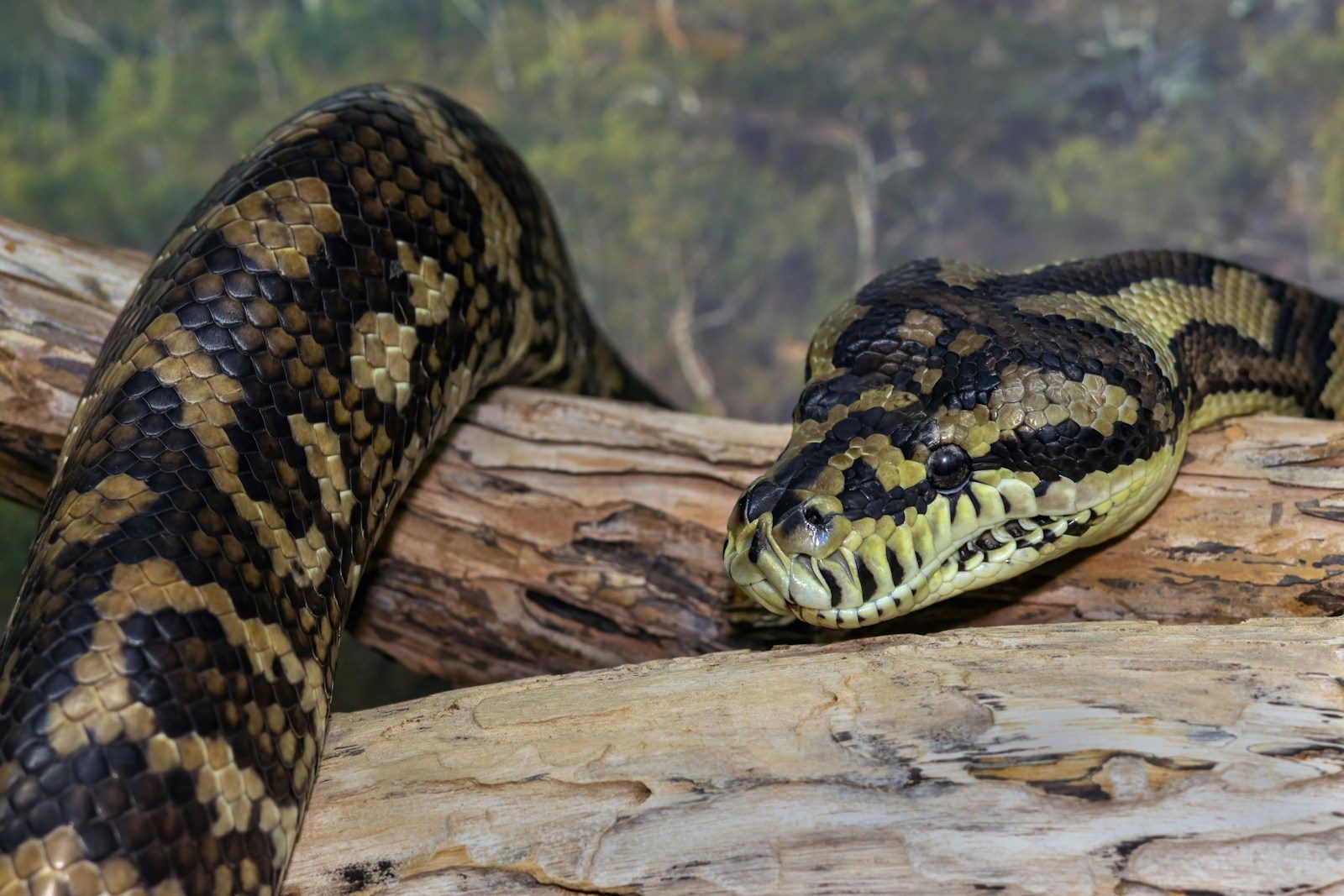
Most people think of the king cobra when they hear about giant venomous snakes. As the largest venomous snake alive today, the king cobra has earned a fearsome reputation. However, fossil evidence suggests that an ancient snake may have been even more impressive.
A prehistoric viper, Laophis crotaloides, lived millions of years ago and may have outweighed modern king cobras by a significant margin. Although much about this ancient reptile remains unknown, the fossils discovered provide a fascinating glimpse into one of the largest venomous snakes ever identified. This article explores its discovery, size, habitat, diet, and how it compares with modern snakes.
The discovery of Laophis crotaloides
The story of Laophis crotaloides began in 1857 when British paleontologist Sir Richard Owen described a remarkable fossil discovery from northern Greece. Owen examined 13 fossil vertebrae belonging to a giant snake and named the species Laophis crotaloides.
Based on the fossil remains, Owen concluded that the snake belonged to the viper family. He estimated that it was 10 to 13 feet long and weighed about 57 pounds. These estimates immediately made the species one of the most impressive venomous snakes known from the fossil record.
How does it compare to king cobras?
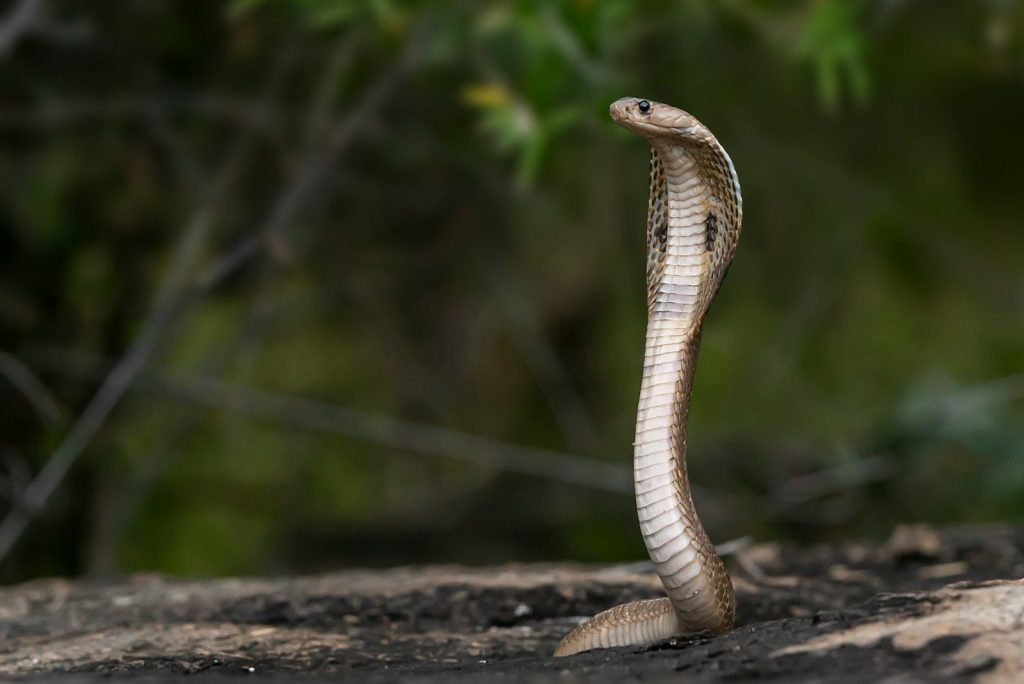
Today, the king cobra is recognized as the largest venomous snake living on Earth. Some king cobras can grow up to 18 feet long, but they rarely weigh more than 20 pounds.
According to the available estimates, Laophis crotaloides may have weighed nearly three times as much as a large king cobra. While king cobras can exceed the ancient snake in length, the prehistoric viper appears to have been far heavier and more heavily built.
Where the giant snake lived

Scientists believe that Laophis crotaloides lived in Greece around 4 million years ago. The environment likely included grasslands, dense vegetation, and cooler weather conditions.
Researchers suspect the species may have existed in other regions as well, but evidence remains limited. At present, Greece is the only confirmed location where fossils of this ancient snake have been discovered.
What scientists know about its venom
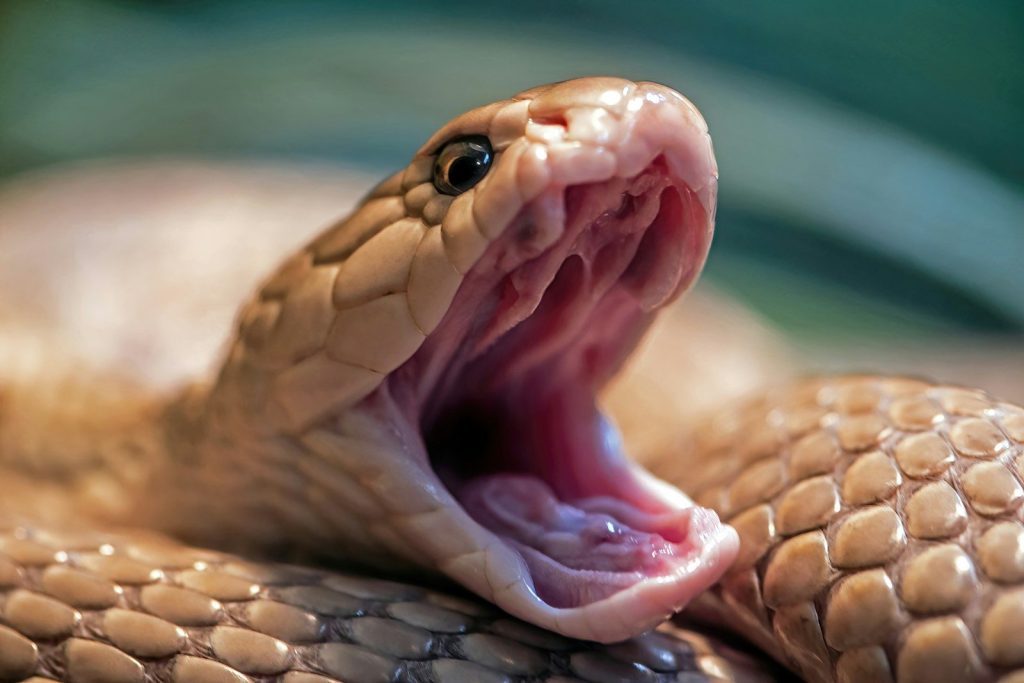
Because only limited fossil material has been found, scientists cannot determine the exact composition of the snake’s venom. Fossils do not preserve venom, making direct analysis impossible.
However, researchers know that Laophis crotaloides belongs to the viper family. Based on modern vipers, scientists believe it likely possessed venom containing proteins that damaged tissue and caused serious effects in prey. Like modern vipers, it probably used long hollow fangs to deliver venom efficiently.
Diet and hunting behavior
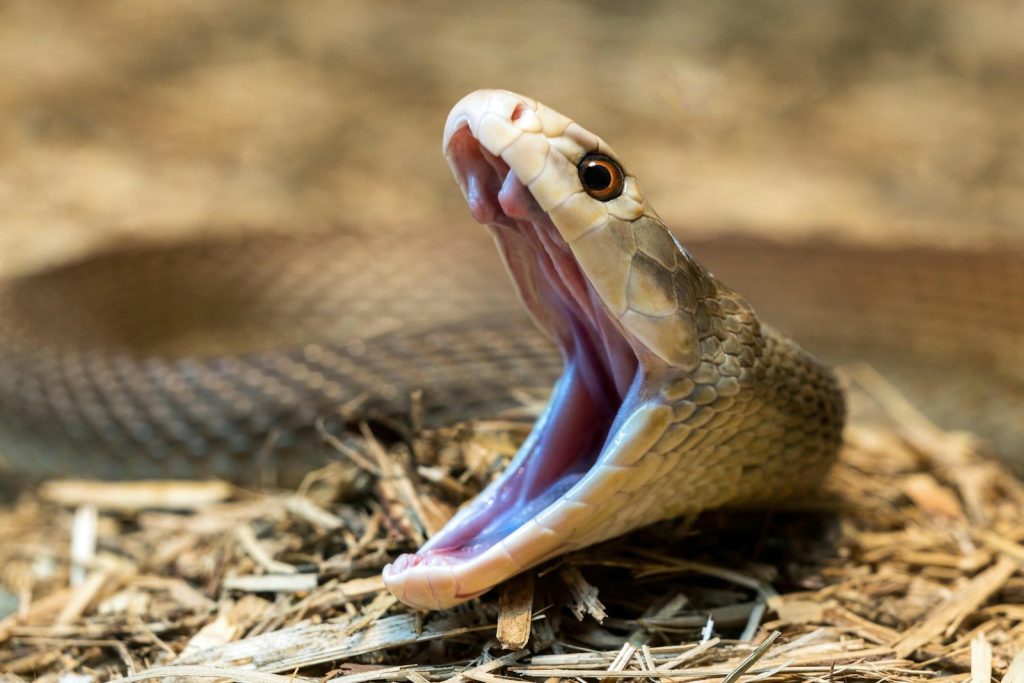
Researchers believe Laophis crotaloides hunted in a way similar to many modern snakes. Despite living alongside large animals, it likely did not target giant prey regularly.
According to researcher Georgios Georgalis, the snake probably fed mainly on small mammals such as rodents. This feeding strategy is common among many snake species today and would have provided a reliable food source in its environment.
How it compares to other snakes
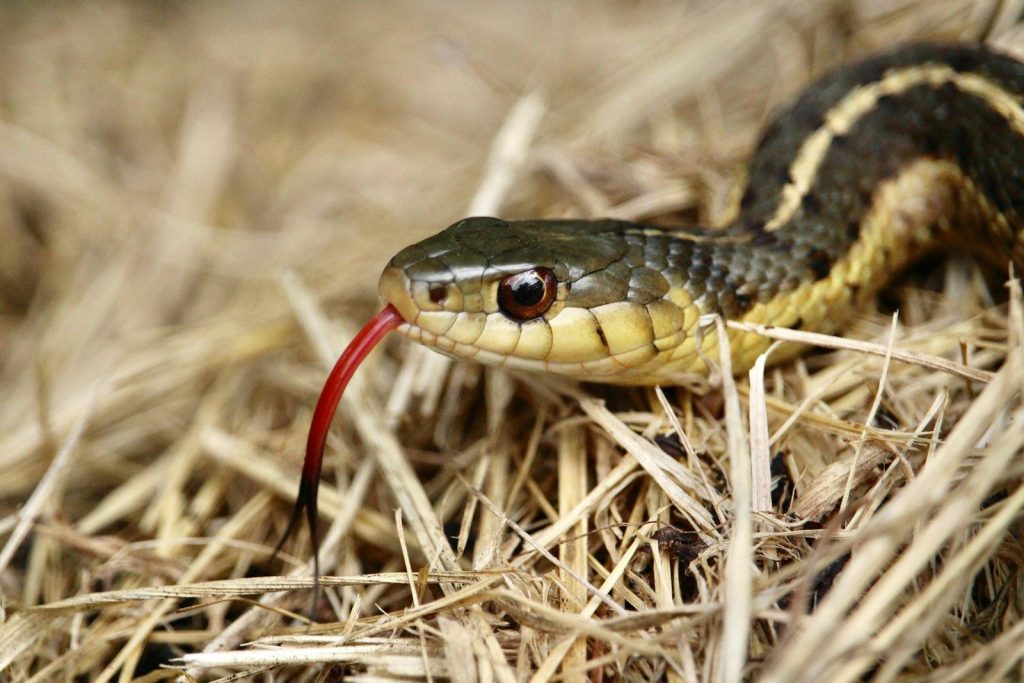
Laophis crotaloides stands out as one of the largest venomous snakes ever discovered. Compared with species such as garter snakes and tiger rattlesnakes, it was dramatically larger in both length and weight.
For example, the largest recorded garter snake measured only 4.4 feet long, while the largest known tiger rattlesnake reached about 3 feet. These comparisons highlight just how enormous the prehistoric viper was compared with many modern snake species.
Leave a Reply