What happens when one crocodile becomes a legend? In Burundi, a massive Nile crocodile named Gustave has been feared for decades. Stories about him have spread across the region, making him one of the most famous crocodiles ever known.
Gustave the Nile crocodile gained attention because of reports linking him to attacks near the Ruzizi River and the northern shores of Lake Tanganyika. While many details of his life remain uncertain, his enormous size, unusual behavior, and mysterious fate have made him a lasting legend. This article explores what is known about Gustave, the attempts to capture him, and why he continues to fascinate people today.
Who was Gustave the Nile crocodile?
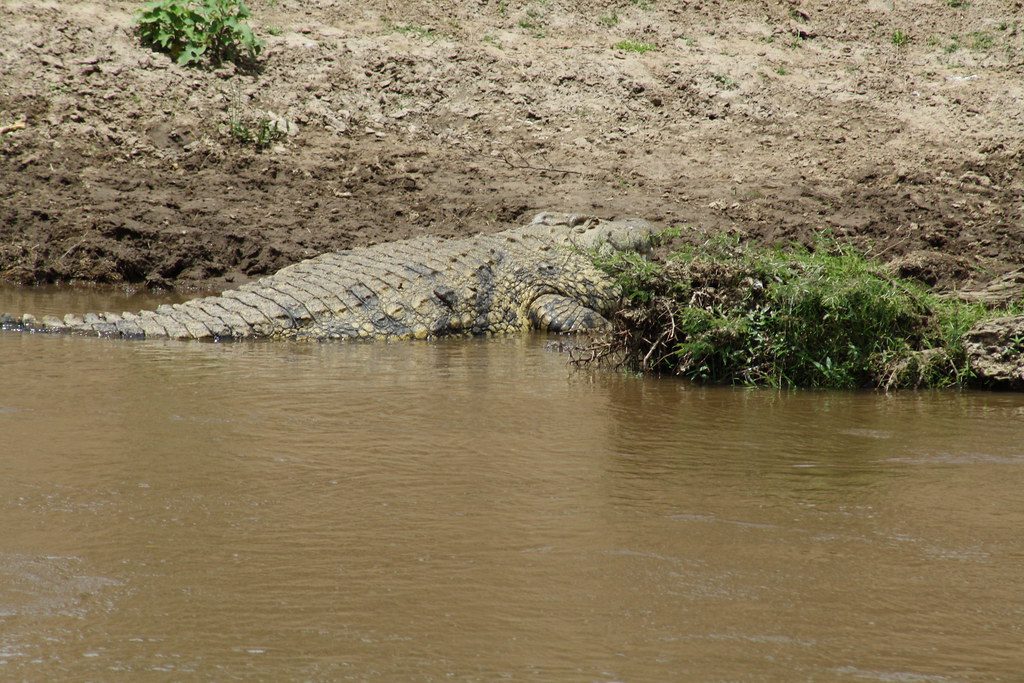
Gustave was a male Nile crocodile that lived in Burundi. He became widely known because of reports that connected him to attacks on people living near the Ruzizi River and Lake Tanganyika. Over time, stories about him spread throughout the region, creating a reputation that made him one of the most feared animals in the area.
The crocodile was named by Patrice Faye, a herpetologist who studied it beginning in the late 1990s. Much of the information about Gustave comes from the documentary Capturing the Killer Croc. The film followed efforts to learn more about the giant reptile and attempted to capture him for study.
Why Gustave became so famous
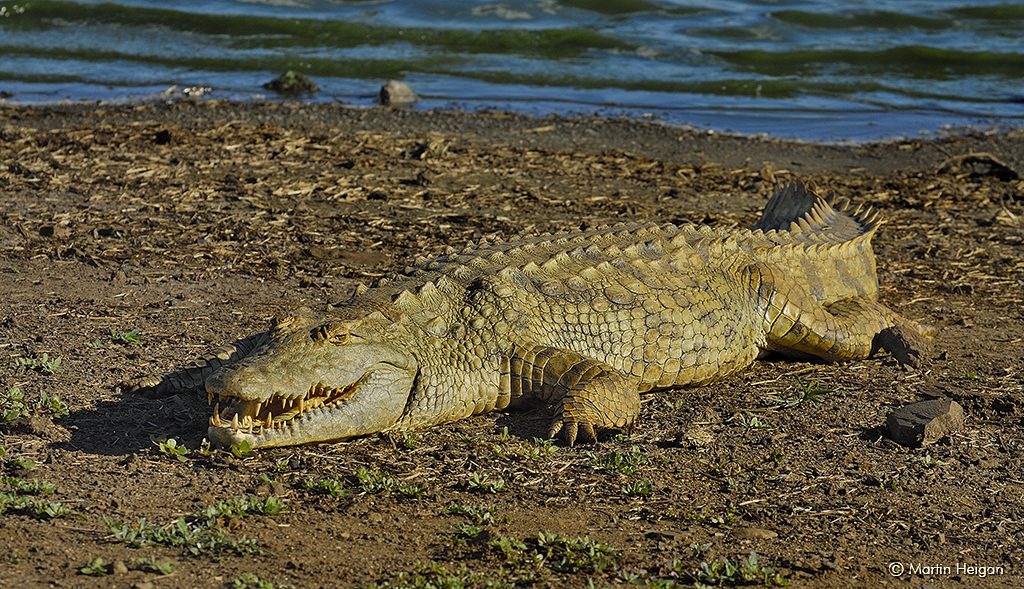
Gustave gained mythical status because of the large number of attacks linked to him. Some reports claimed he may have killed between 200 and 300 people. However, a more recent estimate suggested the real number was likely 60 people or fewer. The exact figure remains unknown.
His reputation grew because people in the region feared him greatly. Unlike ordinary crocodiles, which often go unnoticed, Gustave became a well-known figure whose name was recognized by many local residents. Stories about him were passed from person to person, adding to the mystery surrounding his life.
The enormous size of Gustave
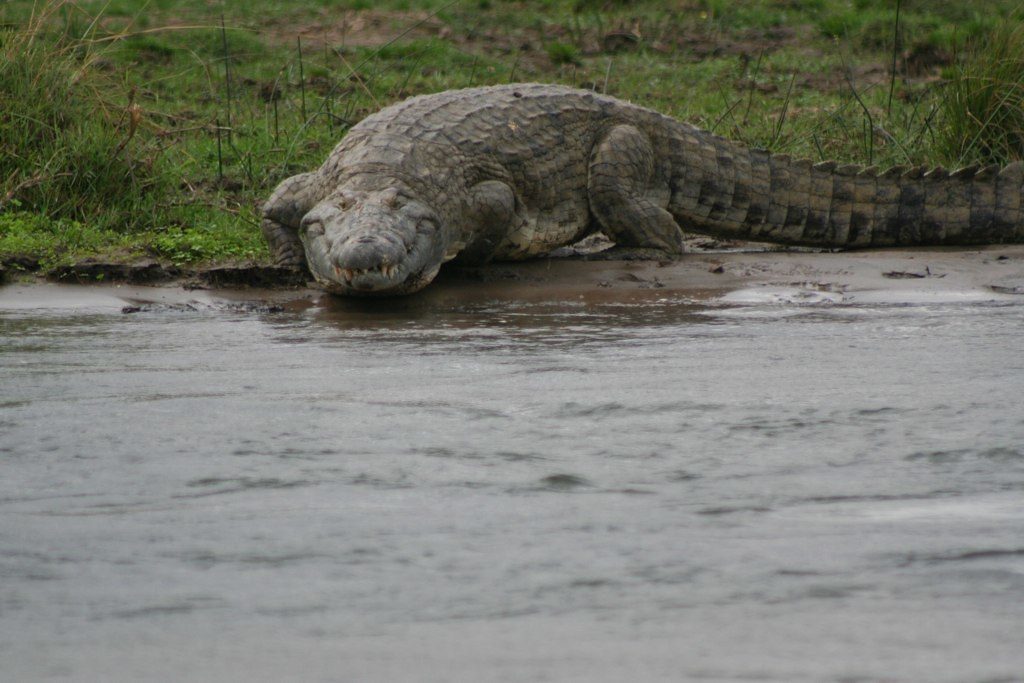
No one knows Gustave’s exact length or weight because he was never successfully captured and measured. In 2002, National Geographic estimated that he could be more than 20 feet long and weigh over 2,000 pounds. These estimates placed him among the largest Nile crocodiles ever reported.
Researchers also believed he was more than 60 years old and still growing. Nile crocodiles can live for many decades, and larger individuals may reach 70 to 100 years. His age and size helped make him stand out from other crocodiles living in the same region.
The scars and unusual behavior
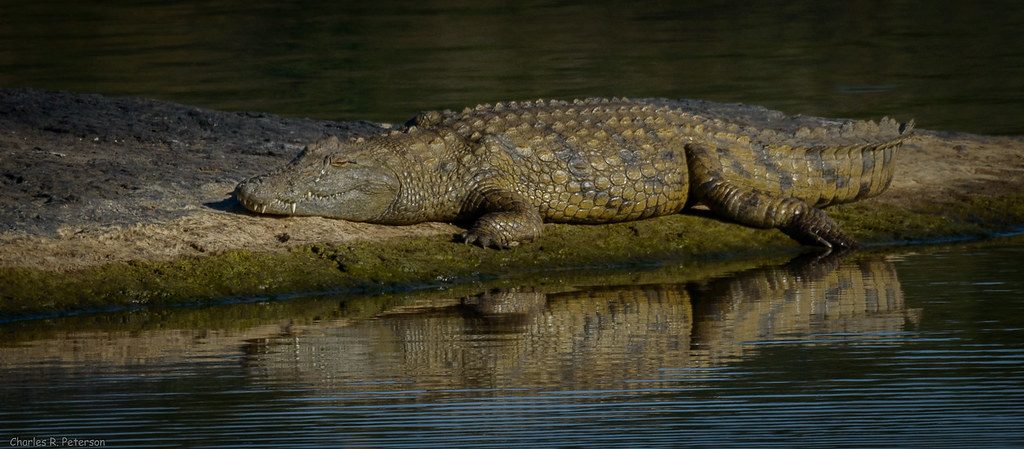
Observers noticed several scars on Gustave’s body during the late 1990s and early 2000s. Three scars appeared to be bullet wounds, while another deep injury was seen on his right shoulder blade. No one knows exactly how he received these wounds.
Scientists believed his huge size may have affected the way he hunted. Typical Nile crocodile prey includes animals such as fish, antelope, and zebra. Researchers suggested that Gustave’s massive body may have made it harder for him to catch these faster animals, causing him to target larger prey instead. Local stories also claimed that many victims were left uneaten, adding another unusual detail to his legend.
The failed effort to capture him
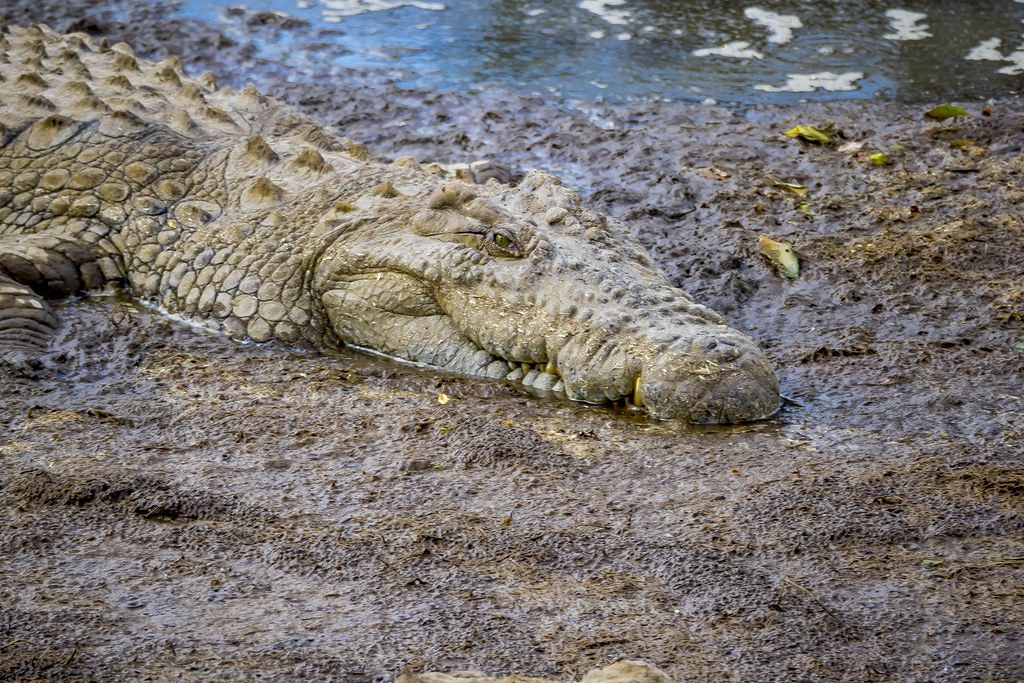
Patrice Faye and a team of scientists spent two years trying to capture Gustave. They designed a trap cage that weighed about 2,000 pounds and stretched nearly 30 feet. The team carefully located areas where Gustave was believed to travel and placed bait inside the cage.
Despite these efforts, the crocodile avoided capture. Different types of bait failed to attract him, and several giant snares only caught smaller crocodiles. In a final attempt, a live goat was placed inside the cage. A thunderstorm damaged the hidden camera, and by the next morning, the goat was gone. Because no footage was recorded, the team never learned exactly what happened.
Sightings and the mystery of his fate
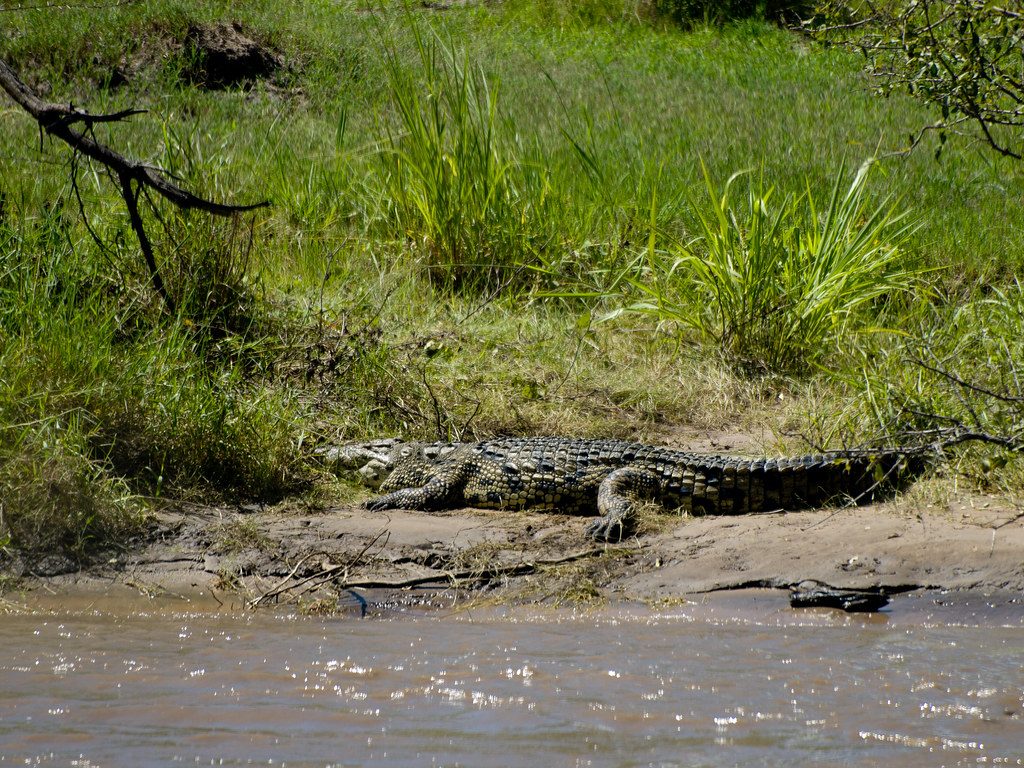
Years after the capture attempt, Gustave was reportedly seen again. In 2009, he appeared in the Ruzizi River near Lake Tanganyika. The sighting suggested that he had survived and continued living in the region despite years of attention from researchers and local residents.
Questions about his fate remain unanswered. A travel article published in 2019 reported that Gustave had been killed. However, the report did not explain how, where, or by whom this happened. No photographs or confirmed evidence have ever been presented, leaving many people uncertain about whether the famous crocodile is truly dead.
Why Gustave remains a legend
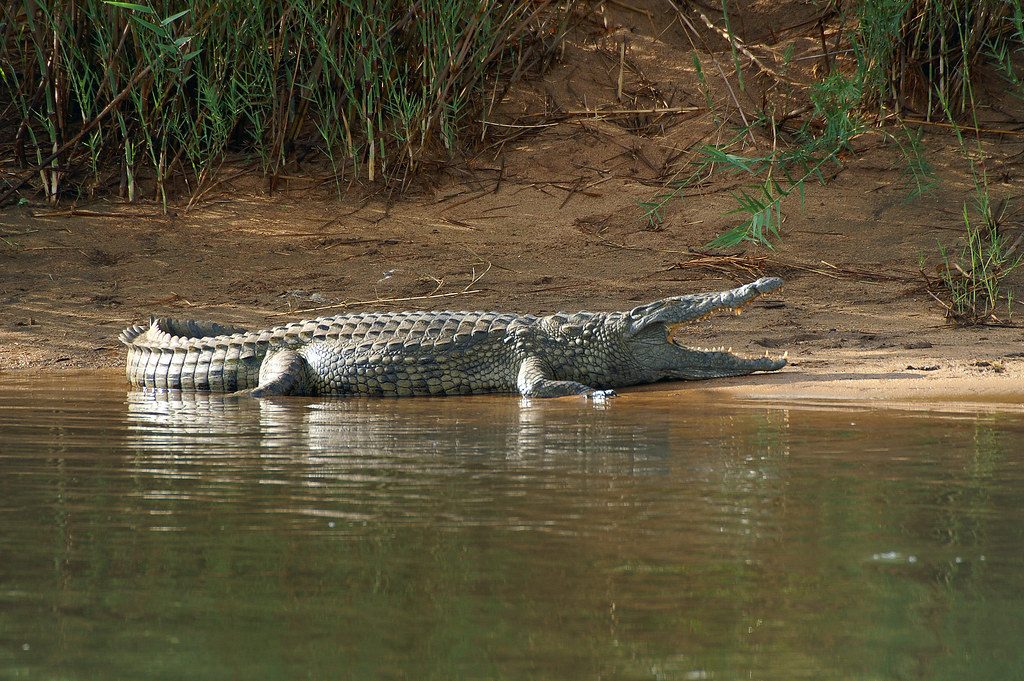
Gustave’s story continues to attract attention because so many parts of it remain unknown. His estimated size, advanced age, and ability to avoid capture helped create an image that seemed larger than life. Few wild animals have inspired as many stories and debates as he has.
Even today, people continue discussing whether the reports about him were fully accurate and what ultimately happened to him. The lack of clear answers has kept the mystery alive, ensuring that Gustave remains one of the most famous crocodiles ever recorded.
Leave a Reply