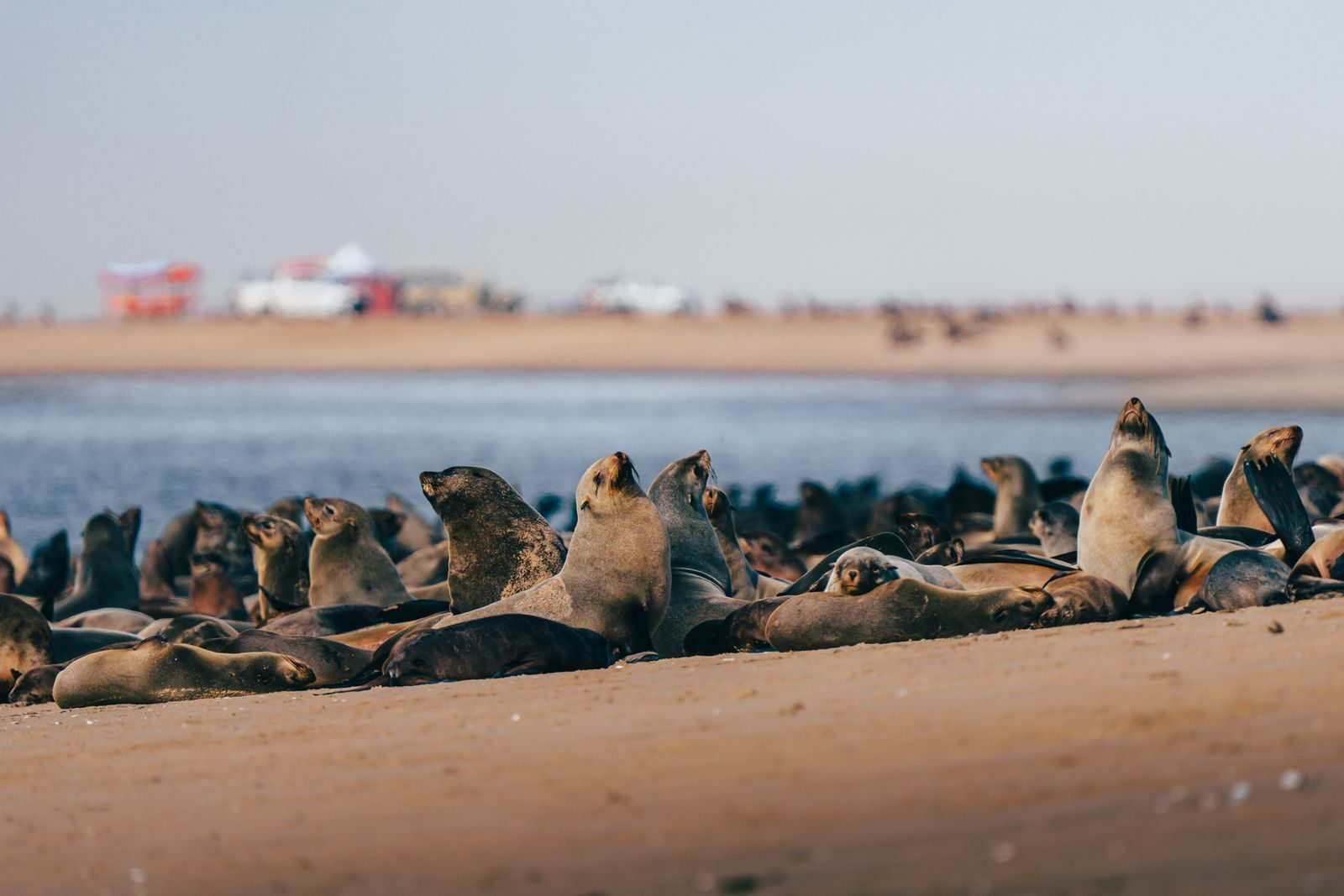
Have you ever seen an animal in pain and wished you could help? This seal’s suffering finally came to an end thanks to one brave rescuer who refused to look away. The young seal had become trapped by a fishing line wrapped tightly around his neck, turning what should have been a carefree life into a daily struggle. The rescue video touched people around the world because it showed not only the danger marine animals face but also the power of compassion. This article explores the seal’s heartbreaking situation, the dramatic rescue, and why stories like this matter for the future of our oceans.
A young seal trapped by a deadly threat
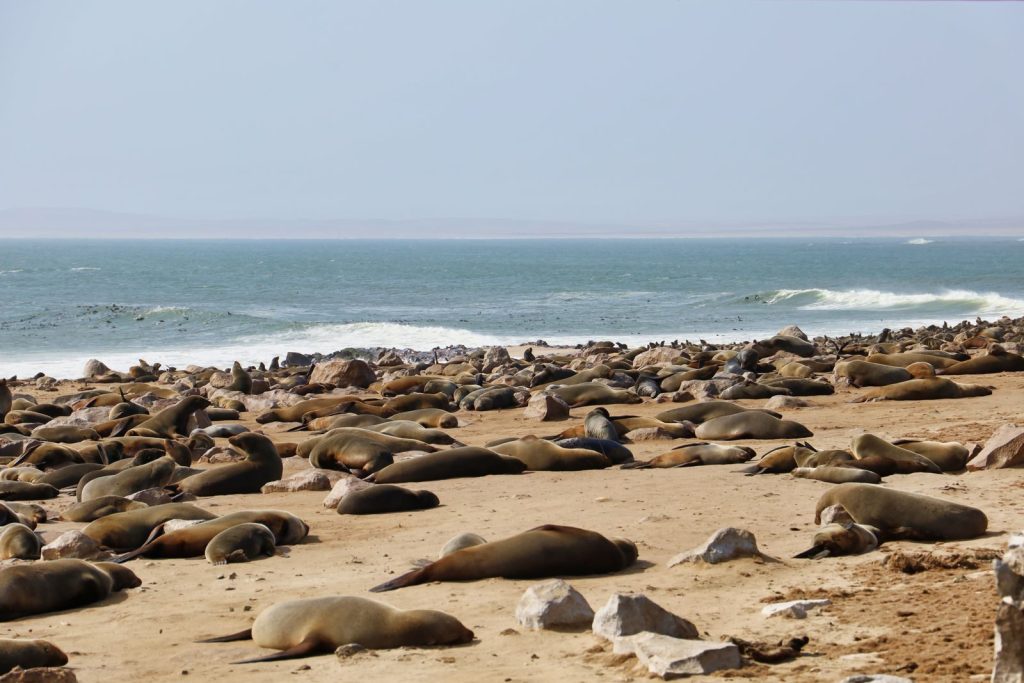
The seal in this story was a young pup living near Walvis Bay, Namibia, an area famous for its large seal colonies. Like many young seals, he was playful and curious. Sadly, that curiosity brought him close to a piece of discarded fishing line floating in the water. Before long, the line became wrapped tightly around his neck. As the seal continued to grow, the line dug deeper into his skin, causing pain and making everyday life harder.
This type of accident is sadly common. Fishing lines, ropes, and other marine debris are major dangers for seals around the world. Young seals often treat these objects like toys, unaware of the risk. Once tangled, they cannot remove the material themselves. The line keeps tightening as the animal grows, sometimes causing serious wounds, infections, or even death. For this young seal, every day with the line around his neck meant more suffering and fewer chances of survival.
A rescuer notices something is wrong
Fortunately, someone was paying attention. Kayaking guide SJ Louw spends much of his time around the seals of Walvis Bay and has rescued many animals trapped in marine debris. While out on the water, he spotted the seal pup struggling with fishing line wrapped around its neck. He immediately understood the danger and knew he had to act quickly.
Rescuing a wild seal is not easy. These animals are fast, strong, and frightened when humans approach them. Still, Louw carefully moved toward the pup, staying calm and focused. He carried a small pair of scissors and prepared to remove the line as safely as possible. Every second mattered because the frightened seal could easily escape before the rescue was complete. Yet the rescuer remained patient, determined to give the young animal another chance at life.
The dramatic moment everything changed
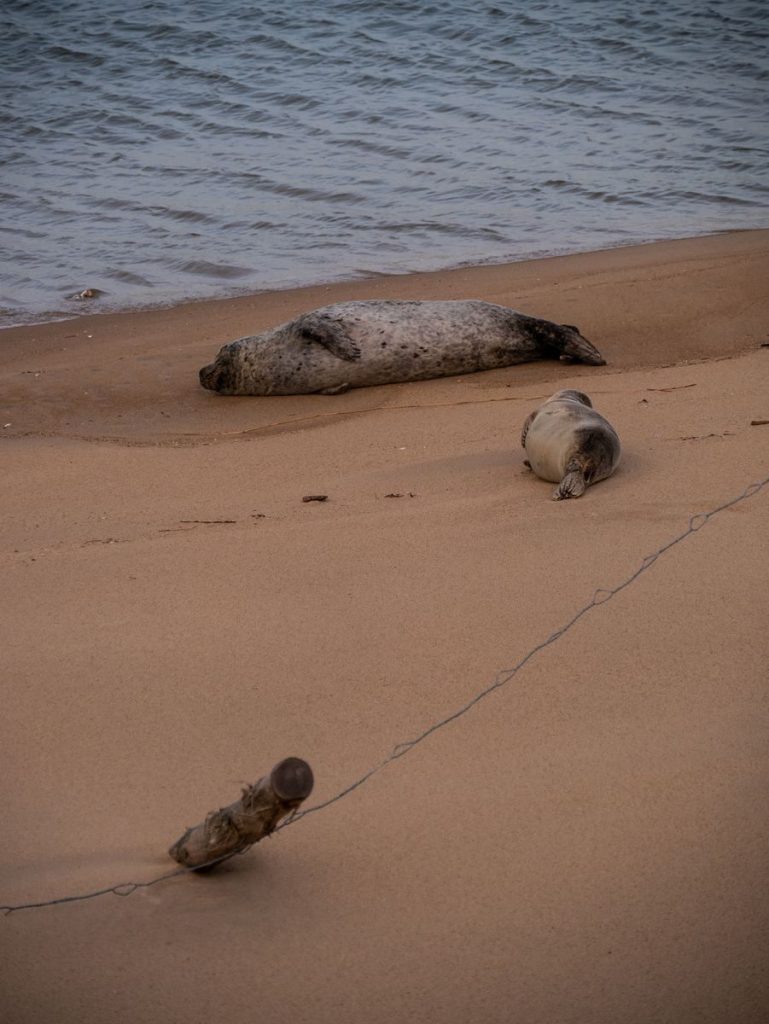
As Louw finally reached the seal, the real challenge began. Holding the frightened pup with one hand, he carefully used the scissors to cut through the fishing line wrapped around its neck. The line had become tangled in several places, so he worked slowly and carefully to avoid hurting the animal. Throughout the rescue, he spoke softly, reassuring the seal even though it could not understand his words.
Then came the moment everyone watching hoped for. The final piece of fishing line came free. Almost immediately, the seal wriggled away from the rescuer and hurried back toward the ocean. It was a simple moment, lasting only a few seconds, yet it carried enormous emotion. The burden the seal had been carrying was finally gone. After enduring pain and fear, the young animal was free again and able to return to the life nature intended.
Why seals often become entangled
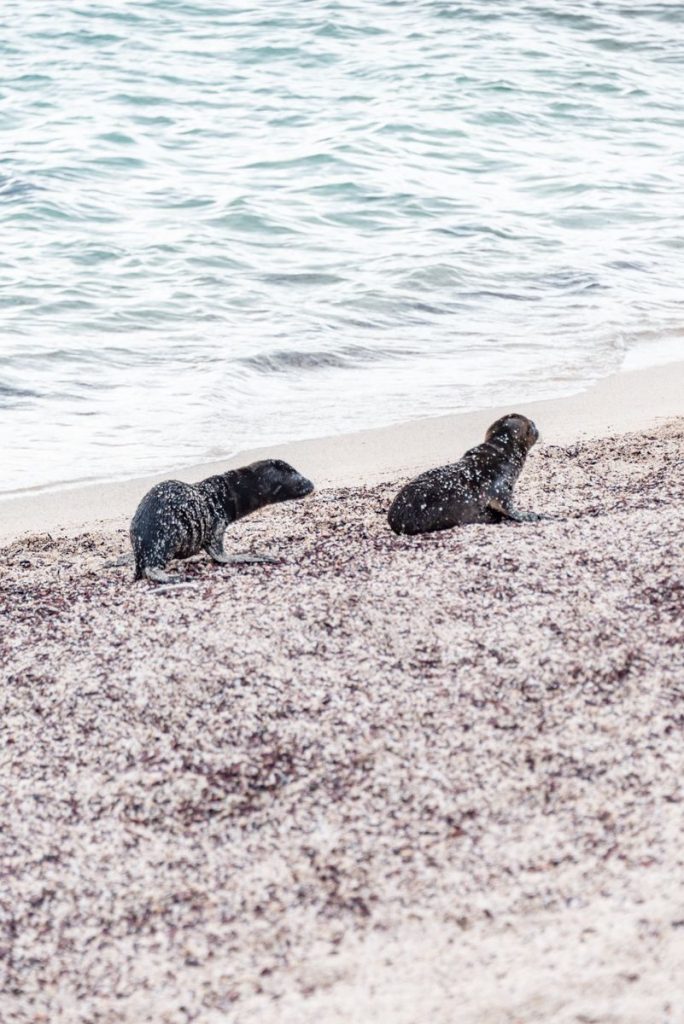
This rescue may seem unusual, but sadly it happens more often than many people realize. Young seals are naturally curious and playful. They chase floating objects, bite ropes, and investigate anything that catches their attention. Unfortunately, the ocean contains far too much human-made waste. Fishing lines, plastic straps, and old nets drift through the water and create dangerous traps for marine animals.
Once a seal becomes entangled, the situation usually gets worse over time. The material does not stretch as the animal grows. Instead, it cuts deeper into the skin and muscles, causing pain and restricting movement. In severe cases, the wound becomes infected or affects the seal’s ability to eat and swim. Wildlife rescuers around the world regularly encounter seals with these injuries, proving that marine pollution is not just an environmental problem but also a serious animal welfare issue.
The people working to save marine life

The rescue of this young seal is part of a larger effort to protect marine animals along Namibia’s coast. Conservation groups and independent rescuers spend countless hours searching for seals trapped in fishing gear and plastic waste. Their work requires patience, skill, and courage because wild animals are unpredictable and often scared. Yet these rescuers continue because they know each life matters.
Organizations dedicated to marine conservation have rescued thousands of seals over the years. They also educate the public about the dangers of ocean pollution and encourage better waste management. Their videos often spread quickly online because people are moved by seeing an animal receive help at the exact moment it needs it most. These rescues remind us that while humans create many environmental problems, humans also have the ability to fix them.
A rescue that inspired millions

There is something deeply moving about watching a helpless animal get a second chance. This rescue captured people’s attention not because it was dramatic or exciting, but because it showed kindness in action. A small seal that could not save itself met someone willing to step in, and that simple act changed everything.
The image of the seal racing back toward the ocean remains powerful because it represents hope. It reminds us that even small actions can have lasting effects. One rescuer, one pair of scissors, and one moment of courage were enough to end a painful chapter in the life of a young seal. While many challenges remain for marine animals, stories like this prove that compassion can still make a real difference and that sometimes the happiest endings begin with someone choosing to help.
Leave a Reply