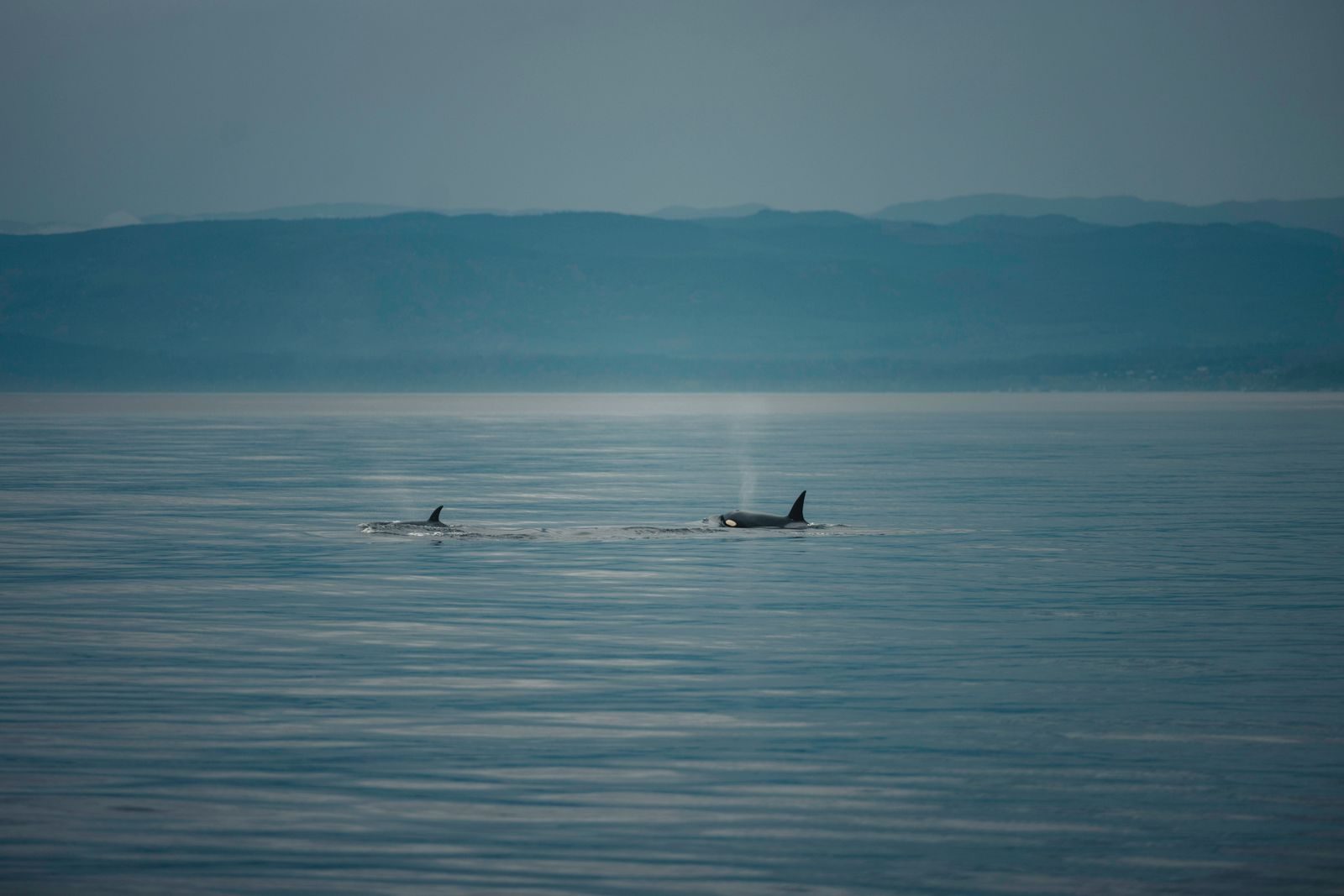
The ocean still holds many secrets, and few animals prove that better than Type D killer whales. For years, scientists believed these mysterious whales stayed in a limited part of the Southern Ocean. New discoveries are changing that idea. Researchers now think Type D killer whales are traveling across huge stretches of ocean, covering distances far greater than anyone expected. Their movements are raising new questions about where they live, what they eat, and how they survive in one of the harshest places on Earth.
This article explores what Type D killer whales are, how scientists first discovered them, the evidence for their long-distance journeys, and why these findings matter. If you want to understand one of the least-known predators in the world, these surprising discoveries offer a fascinating look at animals that are still teaching us new things.
What makes Type D killer whales so unusual
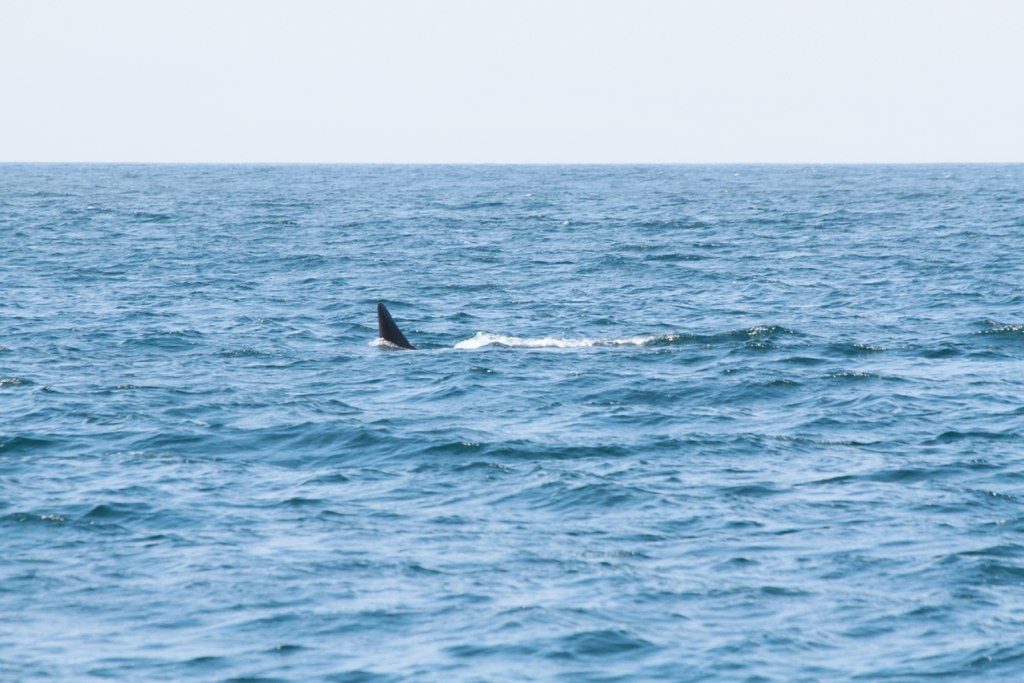
Type D killer whales are one of the rarest and least understood forms of killer whale on Earth. They look different from other orcas in several ways. They have a smaller white eye patch, a rounder head, and a dorsal fin that curves backward more than usual. Scientists first noticed these unusual features after a mass stranding of 17 whales in New Zealand in 1955. At the time, researchers did not know if they were seeing a strange group of normal orcas or an entirely different type of killer whale. It took decades of sightings and research before scientists recognized Type D as a distinct ecotype, meaning a population with unique physical and behavioral traits.
Their remote home is one reason they remained a mystery for so long. Type D killer whales mostly live in the cold offshore waters of the Southern Ocean and the subantarctic region. These seas are famous for rough weather, giant waves, and long periods without ships nearby. Because of this, sightings have been extremely rare. Many encounters have happened by chance when fishing boats or tourist ships crossed their path. Scientists still do not know their exact population size, and some studies even suggest they may be genetically different enough to become their own species in the future.
Scientists once thought their range was much smaller

For many years, researchers believed Type D killer whales occupied only a narrow band of ocean around the Antarctic and nearby islands. Since sightings were so uncommon, scientists assumed the whales had a restricted range and stayed close to familiar feeding grounds. Early records mostly came from scattered locations such as the Crozet Islands, South Georgia, and waters south of New Zealand. With so few observations, it was difficult to connect these sightings into a larger picture.
As more reports appeared, however, scientists began to notice something surprising. Type D killer whales were being seen thousands of miles apart, often in very different parts of the Southern Ocean. Their appearances near Chile, Argentina, New Zealand, and remote islands in the Indian Ocean suggested they might have a nearly circumpolar distribution, meaning they travel around much of Antarctica. This idea challenged earlier beliefs and hinted that these whales may roam much farther than anyone imagined. The scattered sightings that once seemed unrelated now appear to be pieces of a much larger puzzle.
New discoveries reveal long-distance journeys

One of the biggest breakthroughs came in 2019 when a team of international scientists launched an expedition from southern Chile to search specifically for Type D killer whales. The researchers headed into the Drake Passage, a dangerous stretch of water between South America and Antarctica. After days of searching, they finally located a group of about 30 whales. The encounter gave scientists their first chance to collect skin samples, record sounds, and closely observe these elusive animals in the wild.
The expedition did more than provide new biological information. It strengthened the idea that Type D killer whales travel across enormous distances. Their presence near South America matched sightings from other oceans and supported the theory that these whales move throughout much of the Southern Ocean rather than staying in one place. Similar long-distance movements have already been documented in other Antarctic killer whale types, including Type C whales that travel between Antarctica and New Zealand waters. These discoveries suggest that large-scale migrations may be more common among Antarctic killer whales than researchers once believed.
Why these whales may travel so far
Scientists are still trying to understand why Type D killer whales cover such large distances. One possible reason is food. Researchers believe these whales mainly eat fish, especially species that live in cold southern waters. Observations have shown Type D whales near longline fishing vessels targeting Patagonian toothfish, a large fish found in subantarctic waters. If their prey moves across wide areas, the whales may need to follow these food sources throughout the year.
Another possibility involves the changing seasons of the Southern Ocean. Conditions in Antarctic and subantarctic waters can shift dramatically as sea ice expands and shrinks. Fish populations move, ocean temperatures change, and feeding opportunities vary from season to season. Long-distance travel may help Type D killer whales find the best places to hunt and survive. Scientists have also suggested that migrations could play a role in breeding or skin health, although these ideas still need more research. For now, the exact reasons behind their journeys remain one of the greatest mysteries surrounding these animals.
Researching Type D killer whales is extremely difficult

Studying Type D killer whales is not easy. The waters they inhabit are among the most dangerous on Earth. Strong winds, freezing temperatures, and towering waves make research trips expensive and risky. Even when scientists reach the right area, there is no guarantee the whales will appear. Many expeditions spend days or weeks searching without success, which explains why researchers still know so little about these animals.
Technology is beginning to change that. Scientists now use drones, satellite imagery, genetic testing, and advanced photography to learn more from each encounter. Skin samples collected during rare sightings allow researchers to study DNA and compare Type D whales with other killer whale populations. Genetic studies have already revealed that Type D killer whales are highly distinct and may be among the most genetically isolated marine mammals ever studied. These findings suggest they have been separated from other killer whale groups for a very long time, making them even more important for scientists to understand and protect.
What these discoveries mean for the future
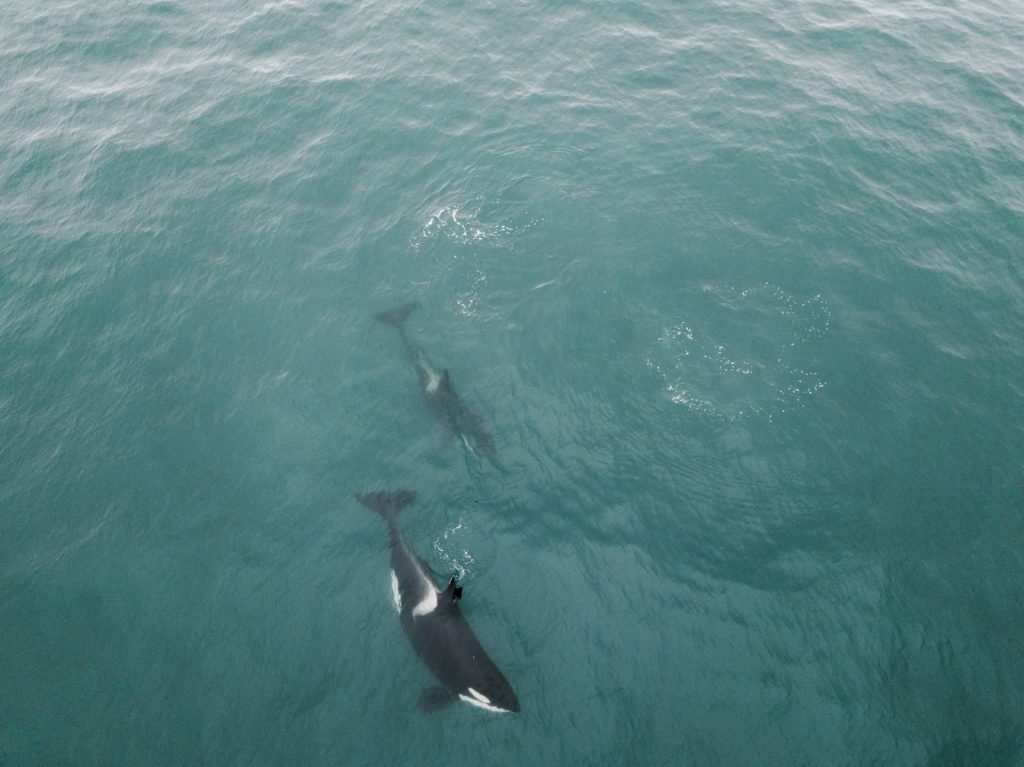
The growing evidence of long-distance travel is changing how scientists think about Type D killer whales. Instead of viewing them as a small, isolated group living in one corner of the ocean, researchers are beginning to see them as wide-ranging predators that connect many different marine ecosystems. Their journeys may stretch across entire oceans, linking regions that once seemed unrelated. This new understanding could influence how marine protected areas are designed and how conservation plans are developed.
There is also a sense of urgency surrounding these discoveries. Because Type D killer whales are so rare and difficult to study, scientists worry that threats such as climate change, shifting fish populations, and human activity could affect them before researchers fully understand their needs. Every new sighting adds valuable information and helps paint a clearer picture of their lives. As research continues, these mysterious whales may reveal even more surprises about how large predators survive in Earth’s most remote waters.
Leave a Reply