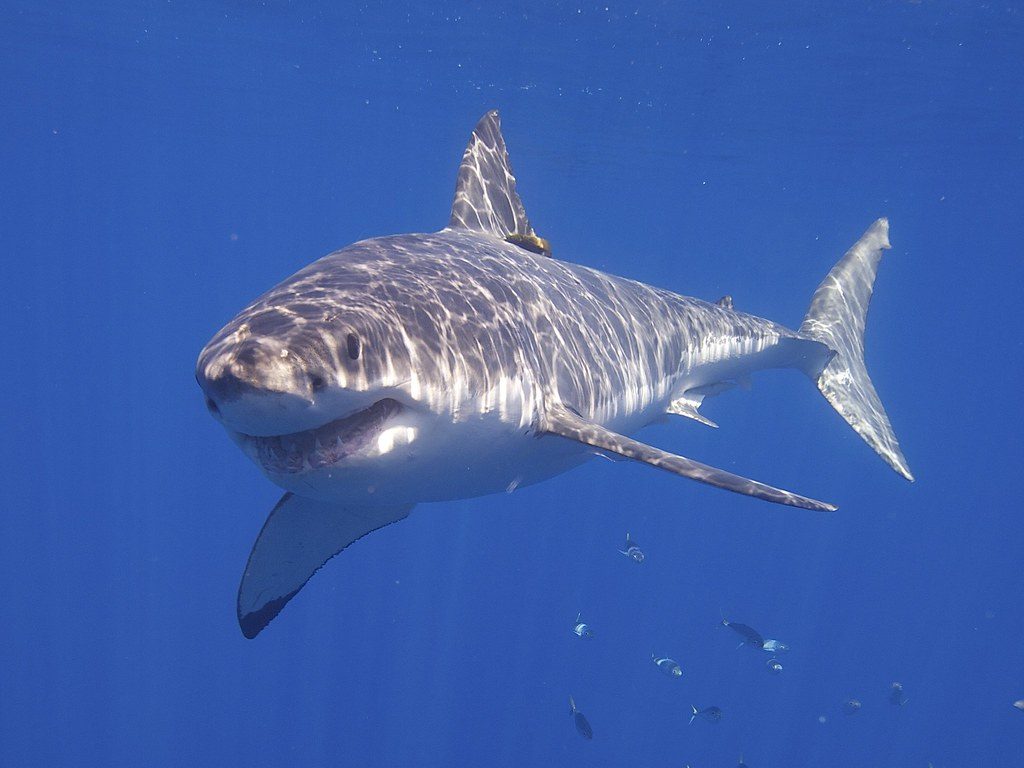
A great white shark attack can happen in just a few seconds. One moment, the ocean appears calm, and the next, a powerful predator explodes from the water beneath its target. These dramatic attacks have made great white sharks one of the most feared animals on Earth.
Yet, behind the violence lies a highly refined hunting strategy shaped by millions of years of evolution. Great white sharks rely on speed, surprise, and powerful senses to capture prey. Understanding how they attack helps scientists learn more about these remarkable predators and their role in ocean ecosystems.
Great white sharks are masters of surprise
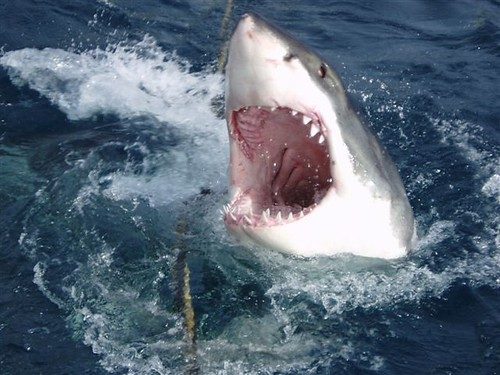
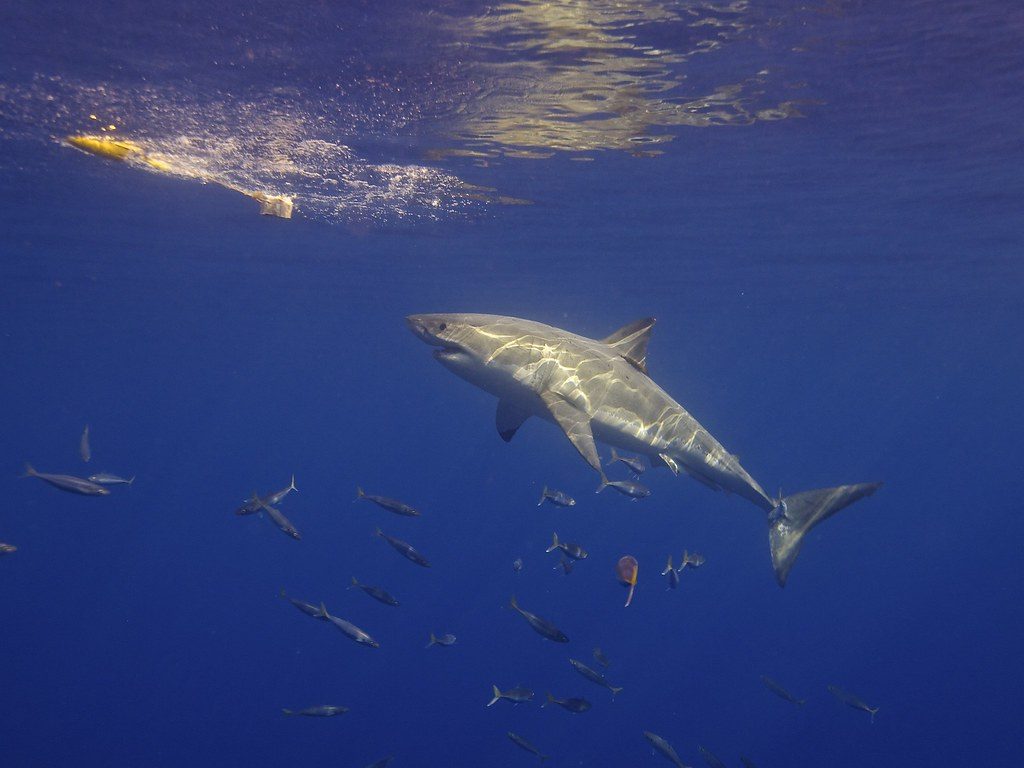
Great white sharks rarely chase prey over long distances. Instead, they often use ambush tactics. Researchers have found that they commonly approach from below, remaining hidden in darker water while observing prey near the surface.
This position gives the shark a major advantage. Animals swimming at the surface are silhouetted against the light above, making them easier to spot. By staying hidden until the last moment, the shark can launch an attack before its target has time to react.
The attack begins with a rapid ascent
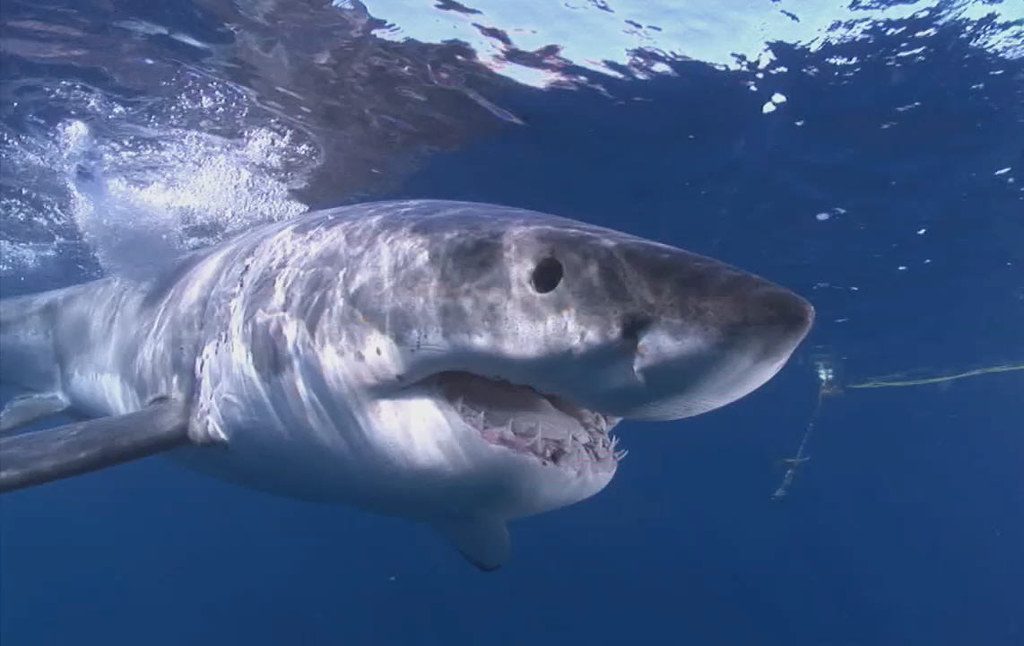
Once a target is selected, the shark accelerates upward from deeper water. Using its powerful tail, it can reach impressive speeds as it closes the distance between itself and its prey. Great whites can reach speeds of up to 50 kilometers per hour.
The final moments happen incredibly fast. The shark aims directly at the prey and often strikes from beneath. This upward attack can generate tremendous force and frequently catches seals and other marine mammals completely off guard.
Breaching is one of nature’s most spectacular hunts
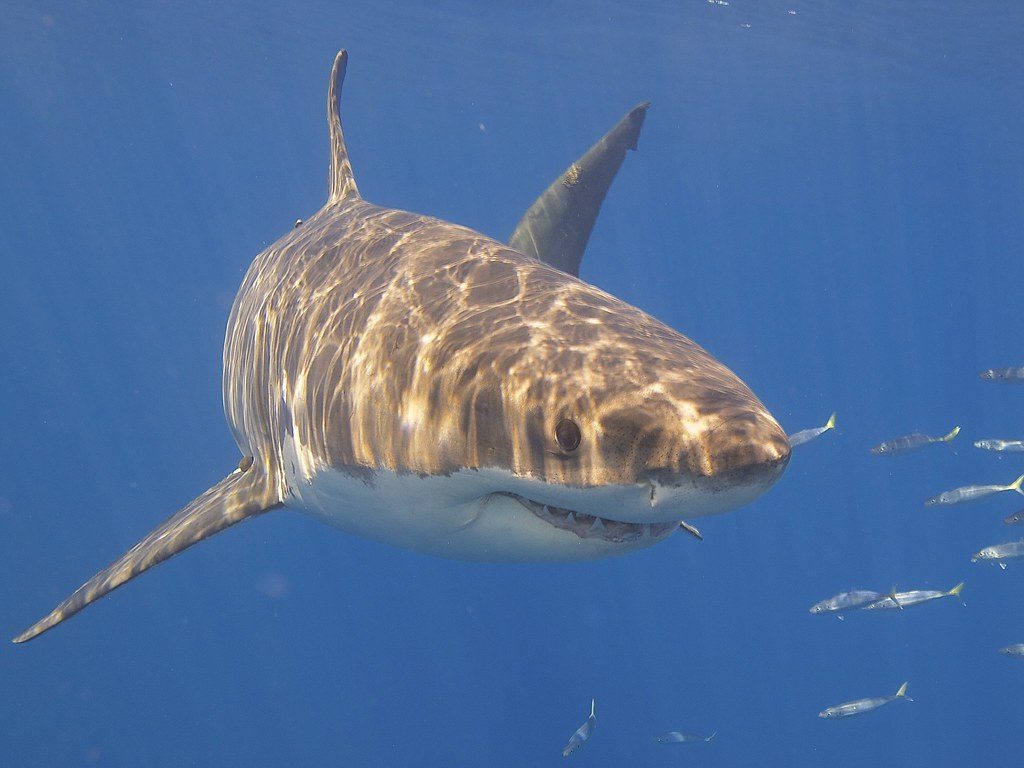
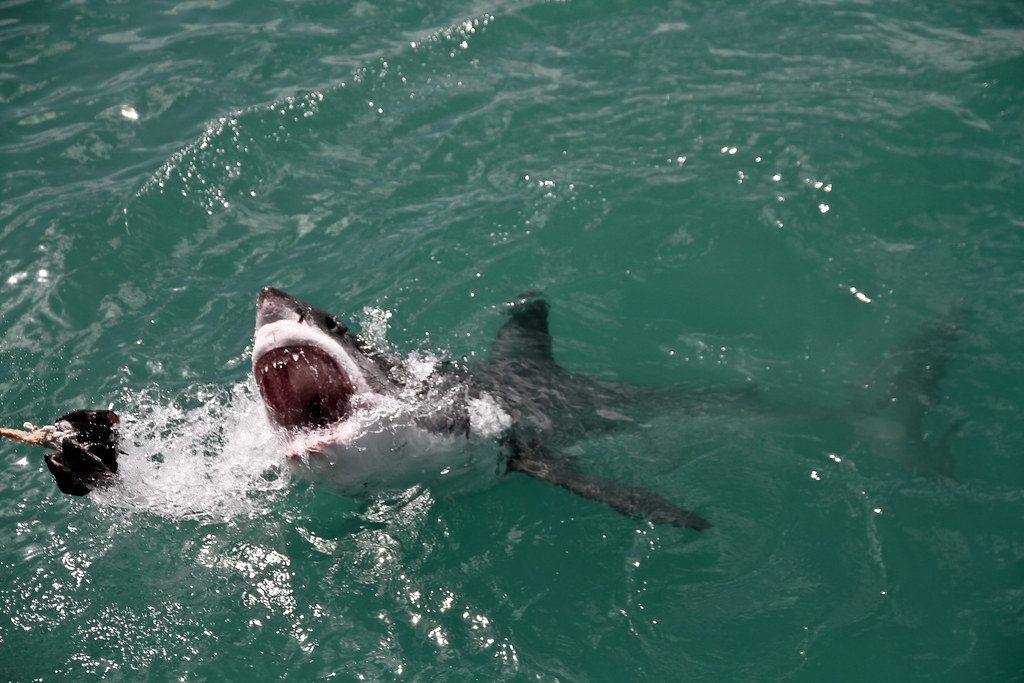
In some locations, particularly where seals are common, great white sharks perform a behavior known as breaching. During these attacks, the shark launches itself entirely out of the water while pursuing prey.
Breaching requires precise timing and enormous power. The shark builds speed underwater before bursting through the surface. Slow-motion footage has revealed just how explosive these attacks are, with several tons of predator and prey sometimes becoming airborne for a brief moment.
Powerful teeth do the rest
A great white shark’s mouth is equipped with rows of large, triangular teeth designed for gripping and tearing flesh. During an attack, the shark often delivers a powerful initial bite intended to disable its prey.
Researchers have observed that the first strike is often the most important. Once the prey is injured or weakened, the shark can return to feed more safely. This strategy reduces the risk of injury from struggling prey, especially large animals such as seals.
Human encounters are usually different
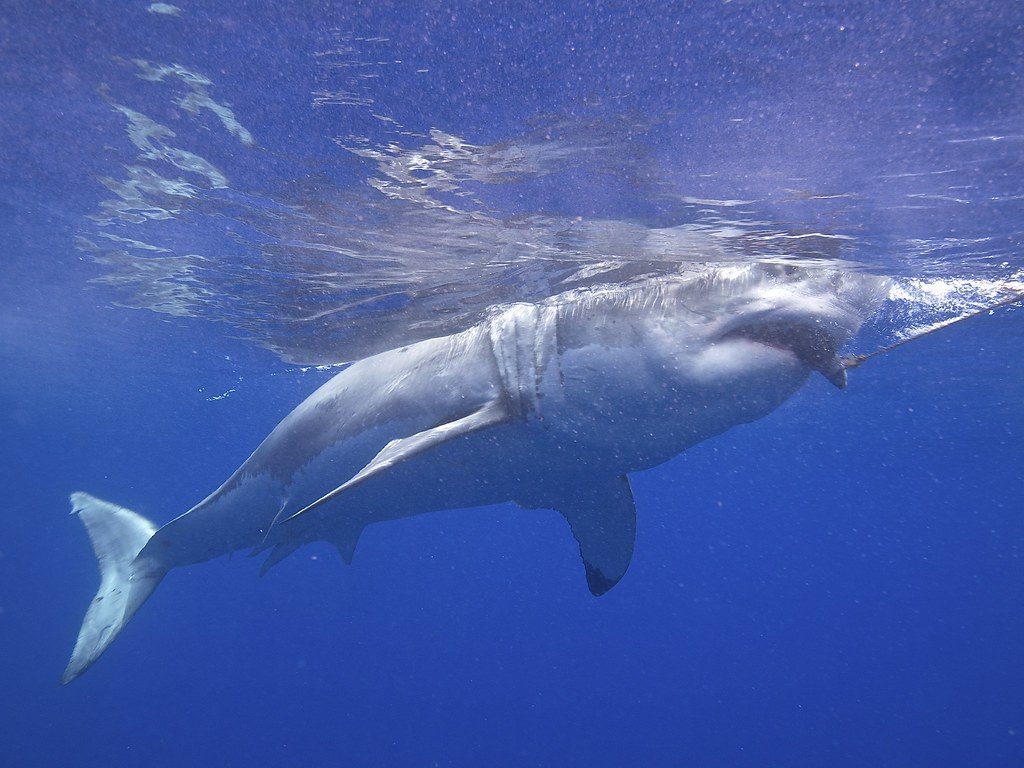
Although great white sharks are responsible for more recorded shark bite incidents than any other shark species, humans are not considered their preferred prey. Scientists believe many incidents involve mistaken identity, particularly when a surfer or swimmer resembles a seal from below.
Many encounters involve what researchers call a “test bite.” In these cases, the shark investigates an unfamiliar object with a bite and then moves away. Most people who survive a great white shark attack are not pursued afterward because humans do not match the shark’s usual food preferences.
Even great white sharks have enemies
Great white sharks sit near the top of the ocean food chain and have very few natural predators. Their size, speed, and hunting ability make them one of the sea’s most successful predators.
However, killer whales have shown they can hunt great white sharks. Researchers have documented orcas attacking, killing, and feeding on great whites, often targeting their nutrient-rich livers. These encounters demonstrate that even apex predators can become prey under the right circumstances.
Leave a Reply