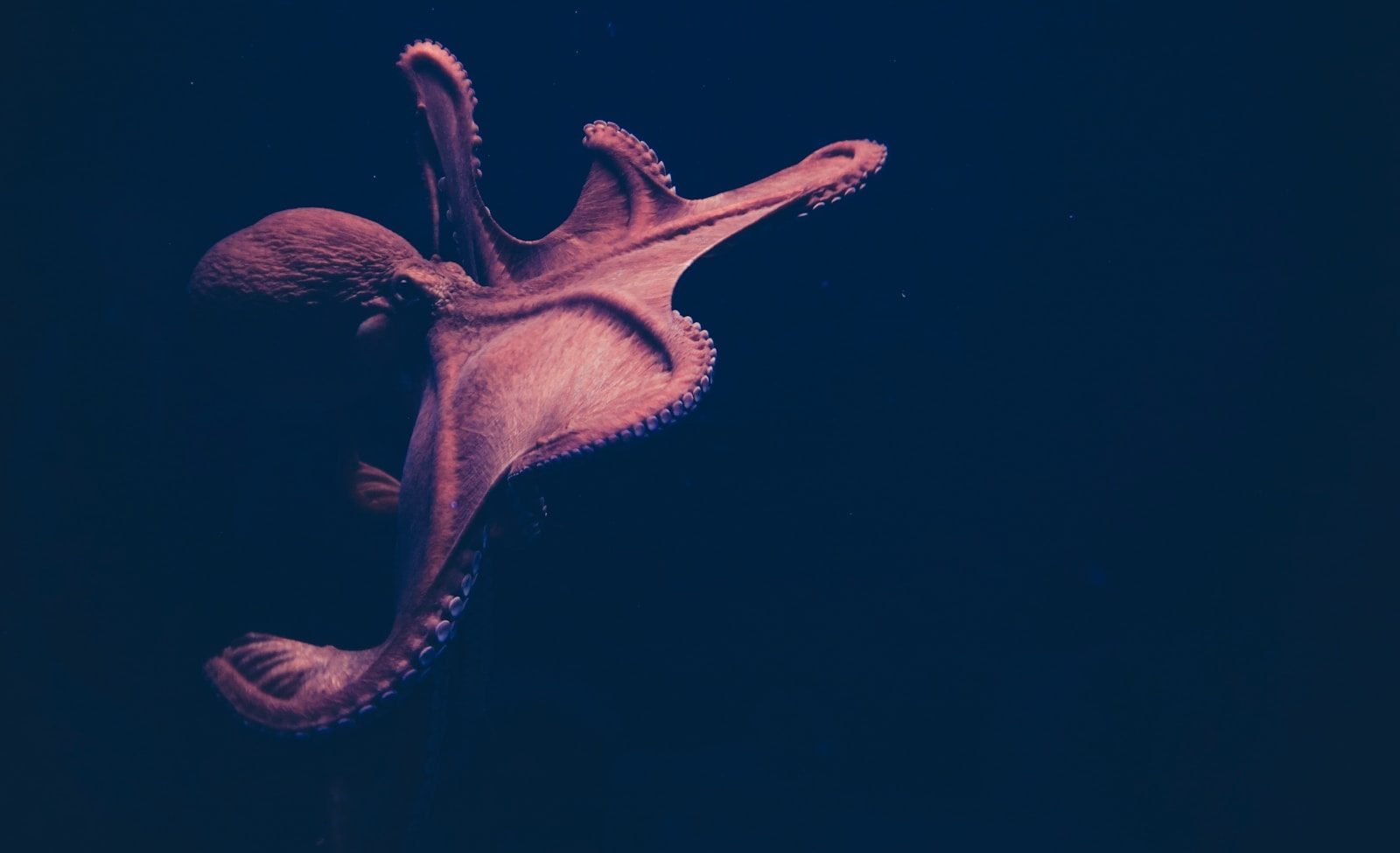
Mythical creatures have fascinated people for thousands of years. Stories of dragons, sea monsters, unicorns, and other legendary beasts appear in cultures around the world. While many of these creatures seem impossible, some may have been inspired by real animals that people misunderstood, exaggerated, or encountered only briefly.
Before modern science, unusual animals often sparked rumors and legends. Strange bones, rare sightings, and mysterious creatures from distant lands could easily become the foundation of myths. Here are six famous mythical creatures and the real animals that may have inspired them.
The kraken may have been a giant squid
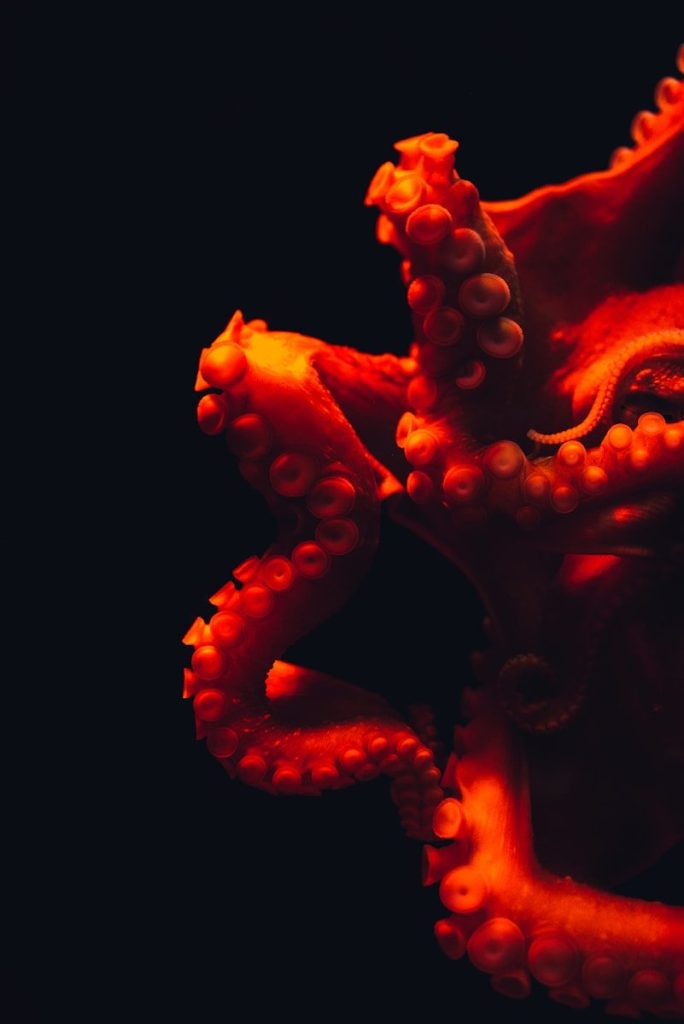
The kraken is one of the most famous sea monsters in Scandinavian folklore. Legends described it as a gigantic creature lurking beneath the waves, capable of terrifying sailors and dragging ships down to the depths.
Descriptions recorded during the 1700s mentioned large structures rising from the water and growing larger as they emerged. These accounts closely resemble giant squid. Living deep in the ocean, giant squid can reach enormous sizes and are rarely seen by humans, making them perfect candidates for the origin of the kraken legend.
Sea serpents may have been giant oarfish
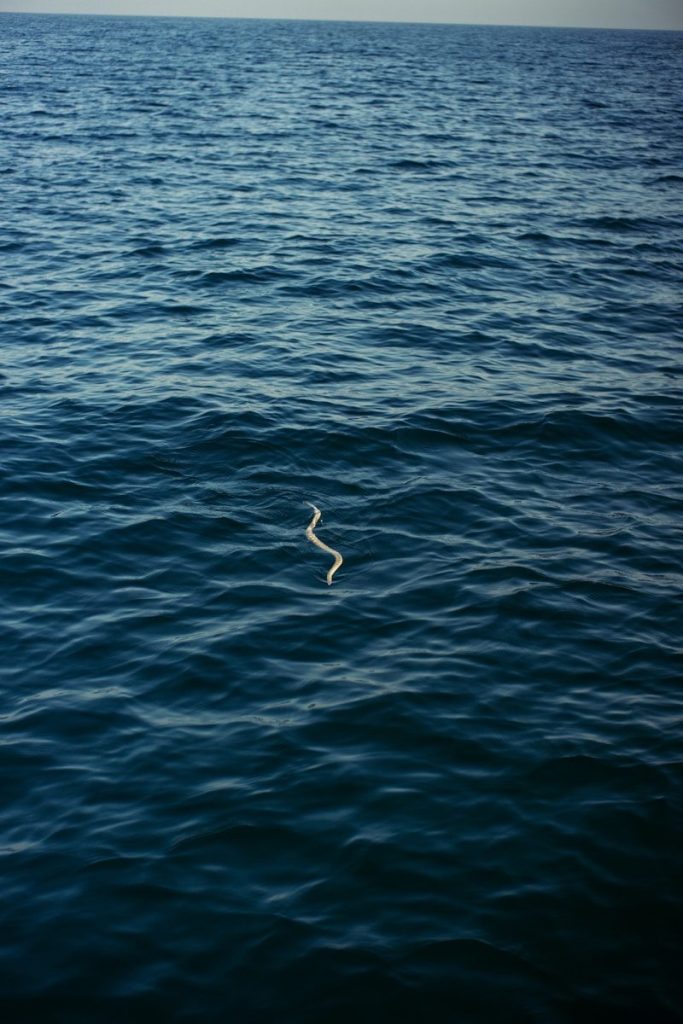
Stories of giant sea serpents appear throughout maritime history. Sailors often reported seeing long, snake-like creatures moving through the water, leading many people to believe that monstrous serpents lived beneath the waves.
A likely explanation is the oarfish. This deep-sea fish can grow up to 26 feet long and has a long, ribbon-like body. When seen near the surface, especially from a distance or during rough weather, an oarfish could easily be mistaken for a giant sea serpent.
Dragons may have started with ancient fossils
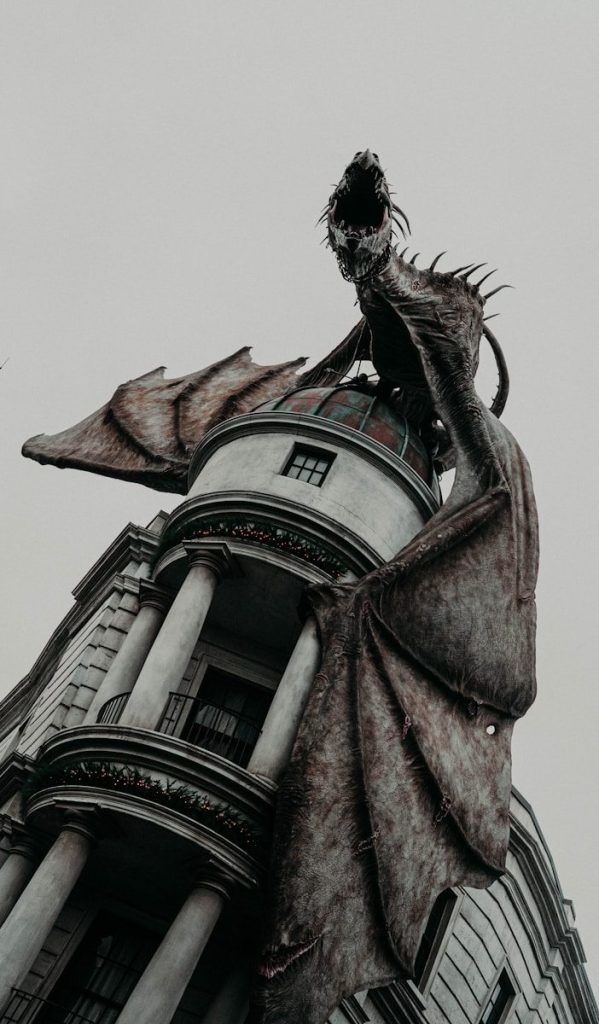
Dragons appear in myths from Europe to Asia and are among the most famous creatures in human history. Many stories describe them as large reptilian beasts capable of causing destruction and inspiring fear.
One possible source of dragon legends comes from fossil discoveries. In Austria during the 1300s, people discovered a large skull and believed it belonged to a dragon. Centuries later, scientists identified the remains as those of a woolly rhinoceros. Similar discoveries of unusual bones may have fueled dragon stories across different cultures.
Unicorns may have been inspired by rhinos and narwhals
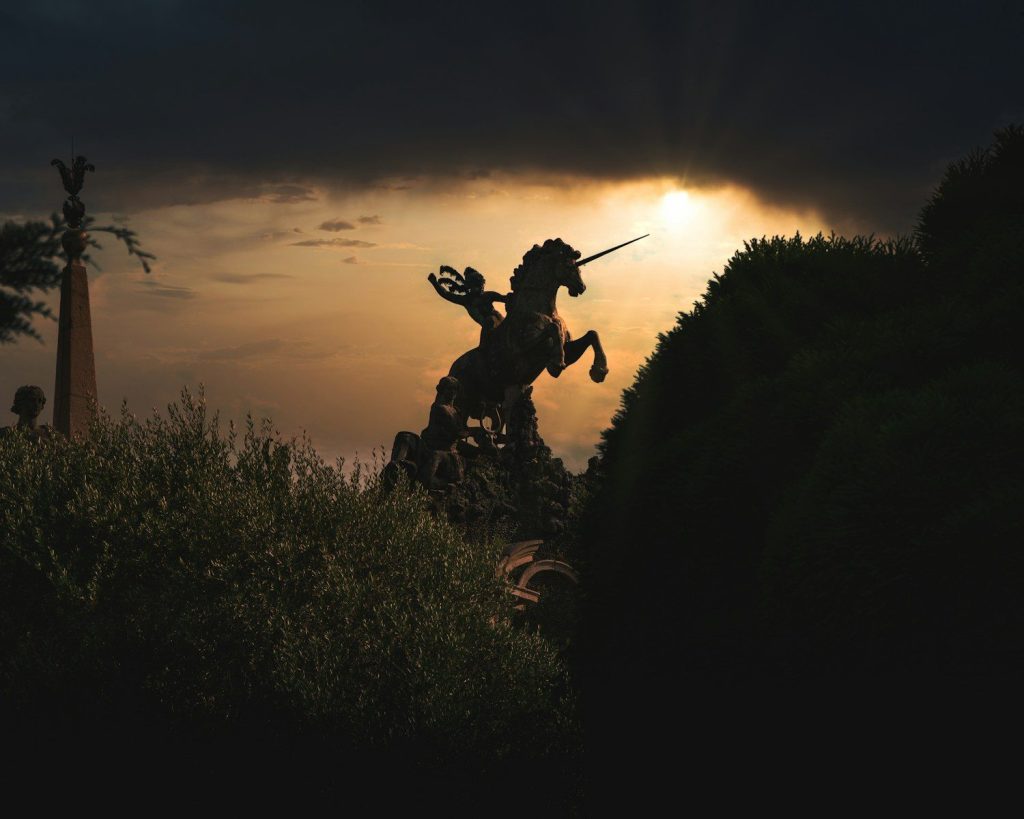
Unicorns are usually described as horse-like animals with a single horn growing from their forehead. For centuries, many people believed they were real, and unicorn horns became valuable treasures among wealthy collectors.
The legend may have been inspired by rhinoceroses, which possess a prominent horn and would have seemed extraordinary to people unfamiliar with them. The prized “unicorn horns” sold during the Middle Ages were often narwhal tusks. These long spiral tusks closely matched popular descriptions of unicorn horns, thereby strengthening belief in the mythical creature.
Kappa legends resemble giant salamanders
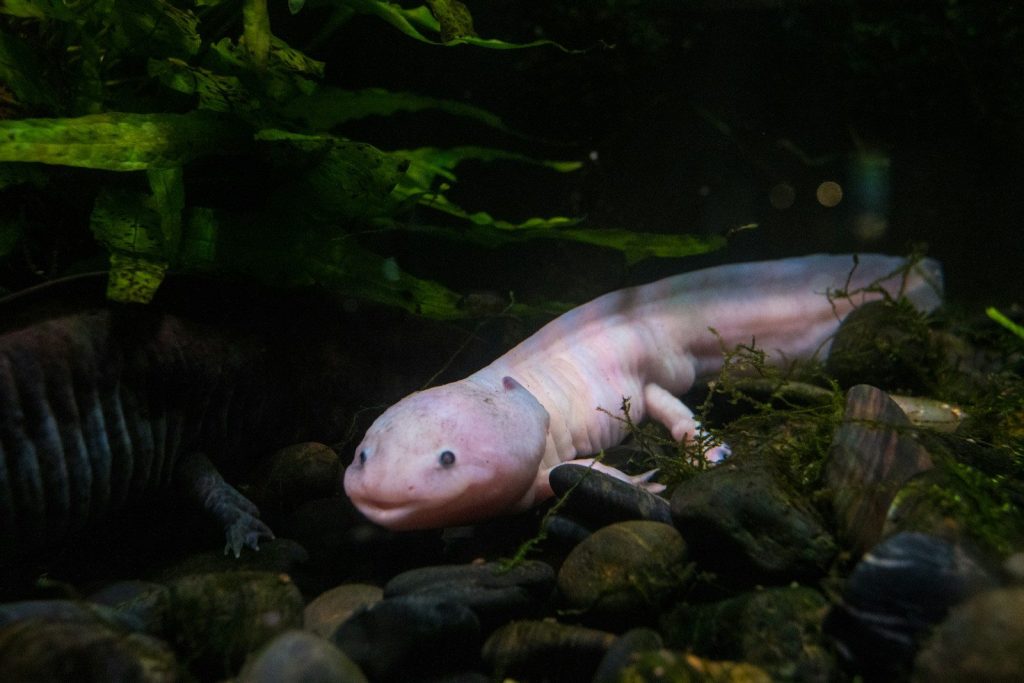
The kappa is a famous creature from Japanese folklore. It is often described as a strange water-dwelling being that lives in rivers and ponds and has both human and amphibian features.
Many researchers believe sightings of Japanese giant salamanders may have contributed to these stories. These large amphibians can grow up to five feet long and live in freshwater habitats. Their unusual appearance and secretive behavior could easily have inspired tales of mysterious river creatures.
Griffins may have come from ancient fossils
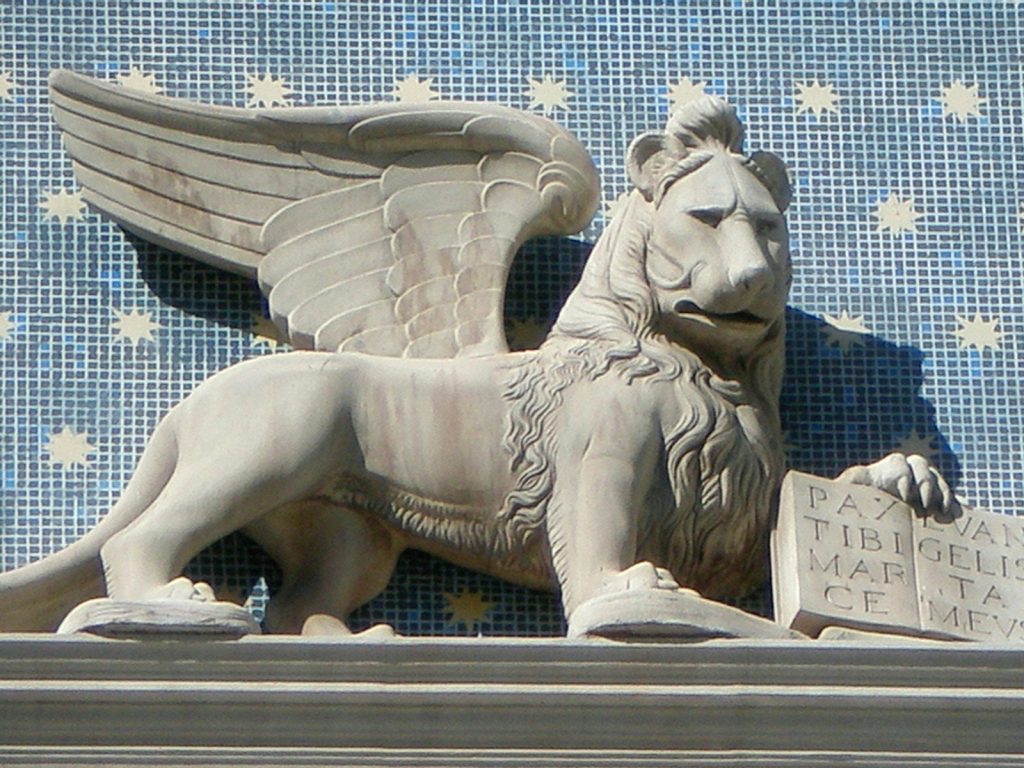
Griffins are legendary creatures with the body of a lion and the head and wings of an eagle. Ancient stories claimed that griffins guarded valuable treasures, particularly gold hidden in remote regions.
One theory suggests that Griffin legends began when ancient people discovered unusual fossils in gold-rich areas. Without knowledge of extinct animals, strange skeletons could have appeared to belong to giant creatures that combined features of different animals. These discoveries may have helped shape the image of the griffin in mythology.
Leave a Reply