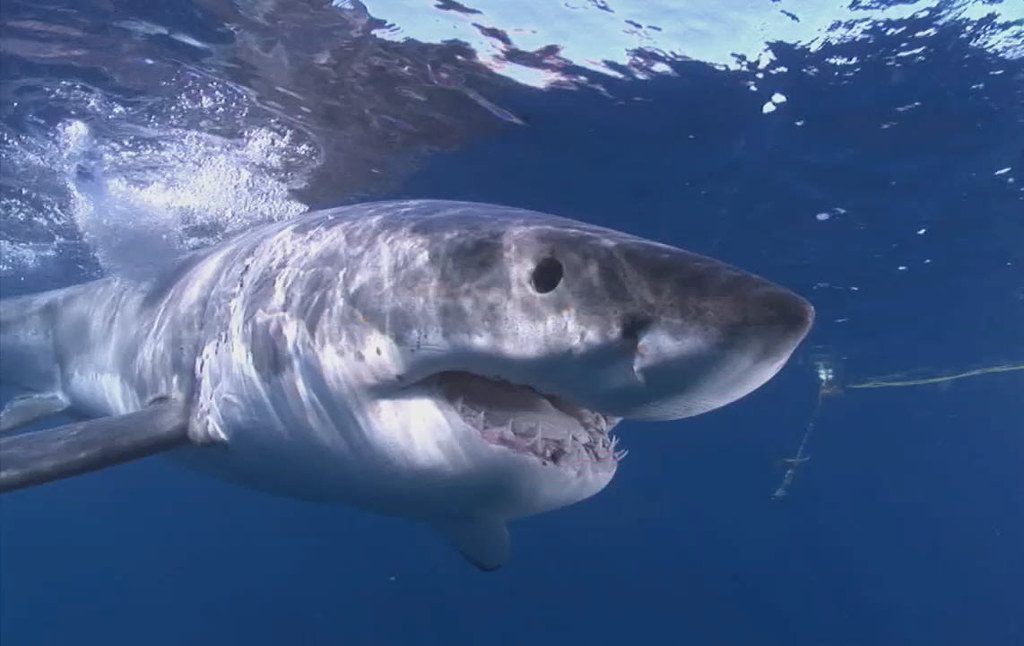
The Bahamas is often considered one of the most beautiful places on Earth, with clear blue waters, colorful coral reefs, and thriving marine life. But a new study has revealed a troubling reality hidden beneath the surface. Researchers testing sharks near Eleuthera Island in the Bahamas discovered that many carried traces of drugs in their blood.
The findings surprised scientists and raised new concerns about how human pollution is affecting ocean ecosystems. From caffeine to painkillers and even cocaine, the substances found in these sharks show that pollution can reach even the most remote and seemingly untouched environments.
A surprising discovery in paradise
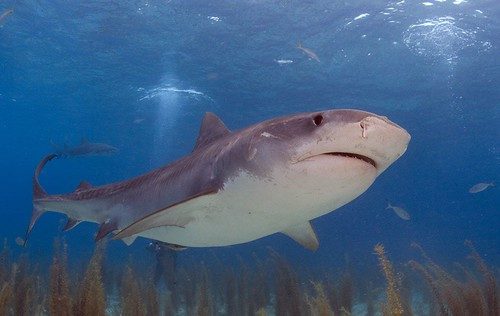
For generations, sharks in the Bahamas have lived among coral reefs and tropical waters known for their beauty. The region is often viewed as one of the world’s most pristine marine environments.
That image was challenged by a recent study that examined sharks living near Eleuthera Island. Scientists expected to learn more about shark health, but the results revealed something far more concerning about the surrounding ecosystem.
Testing sharks for hidden contaminants
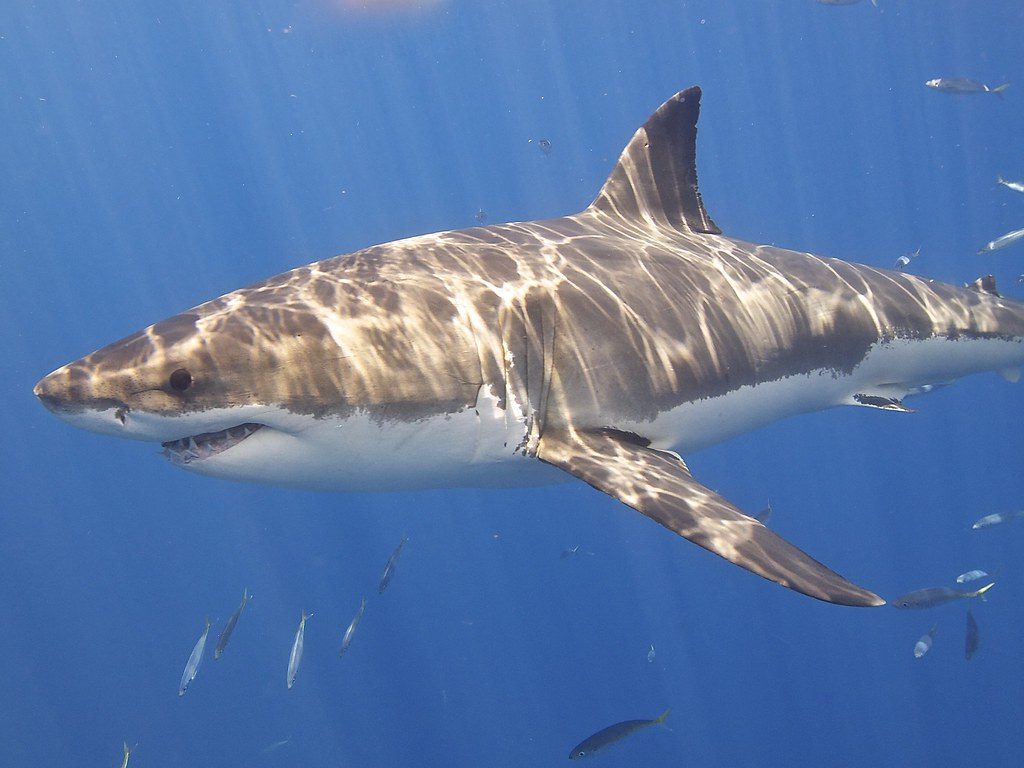
Researchers collected blood samples from 85 sharks living in the waters around the island. The project was led by biologist Natascha Wosnick from Brazil’s Federal University of Paraná.
When the samples were analyzed, scientists found that 28 sharks contained detectable levels of different substances. This meant that nearly one-third of the animals tested had traces of human-related contaminants in their bloodstreams.
Caffeine appeared most often

Among all the substances discovered, caffeine was the most common. This finding stood out because caffeine had never previously been documented in any shark species anywhere in the world.
The discovery highlights how widespread human pollution has become. A substance commonly found in drinks consumed by people had somehow reached marine predators living far from major population centers.
More than one type of drug was found
Researchers also detected acetaminophen and diclofenac in some of the sharks. Both substances are commonly used medications and are not naturally found in marine environments.
Even more surprising was the discovery of cocaine in two sharks. Scientists believe the animals may have encountered the drug after biting objects or packages that entered the ocean. Some sharks were found to have multiple substances in their blood at the same time.
Why the location matters
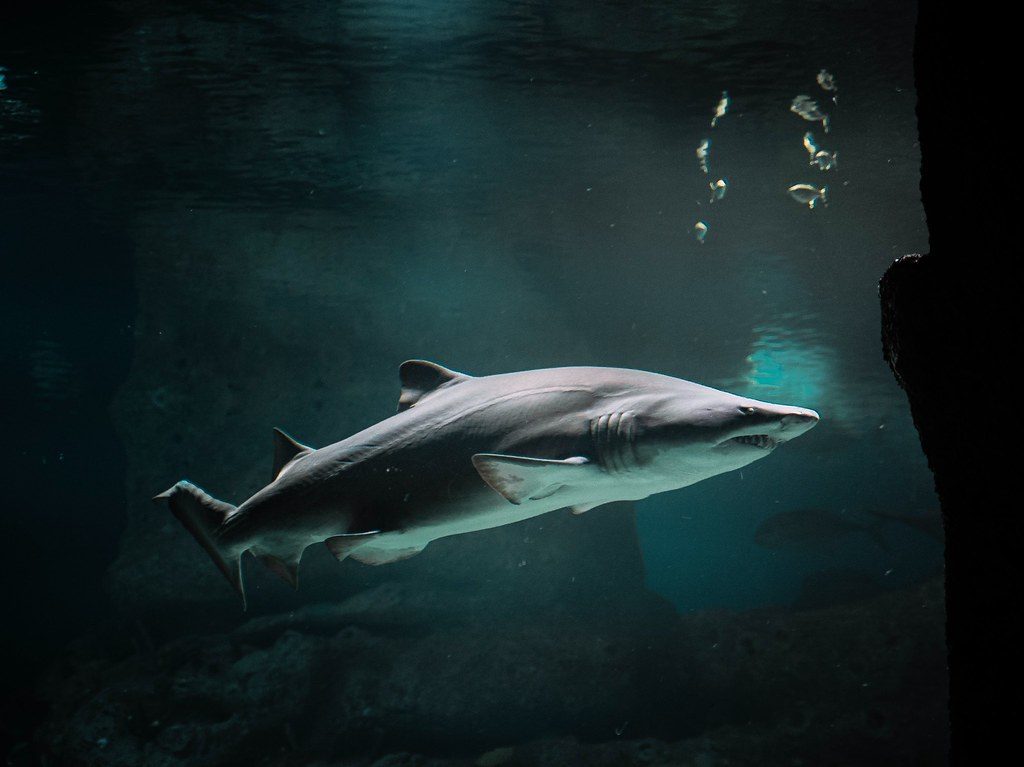
One of the most striking parts of the study is where it took place. Eleuthera Island is considered one of the more remote parts of the Bahamas and is located far from major cities.
Many people assume that isolated tropical waters remain protected from pollution. The findings suggest otherwise. Even locations that appear untouched can still be affected by contaminants that travel through waterways and ocean currents.
What the findings mean for the future
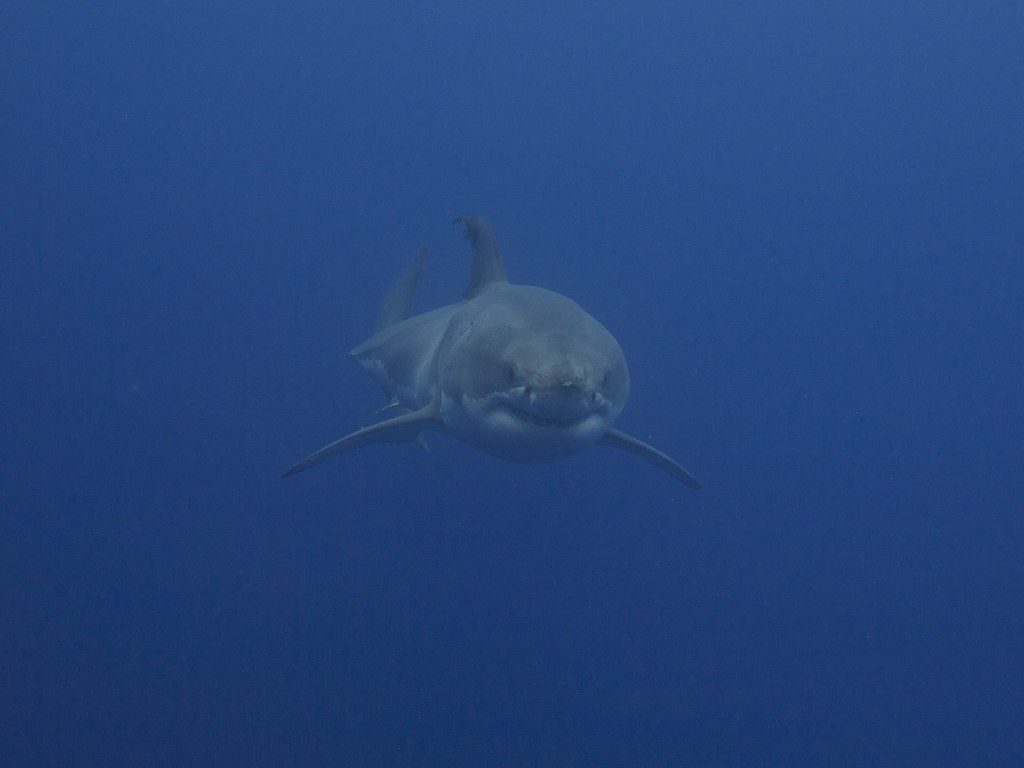
The study serves as a reminder that pollution does not stay in one place. Human activities can have effects that reach ecosystems far beyond where contaminants originally entered the environment.
Researchers say the results show how deeply human influence has spread across the planet. The discovery also raises important questions about how these substances may affect marine animals and the health of ocean ecosystems over time.
Leave a Reply