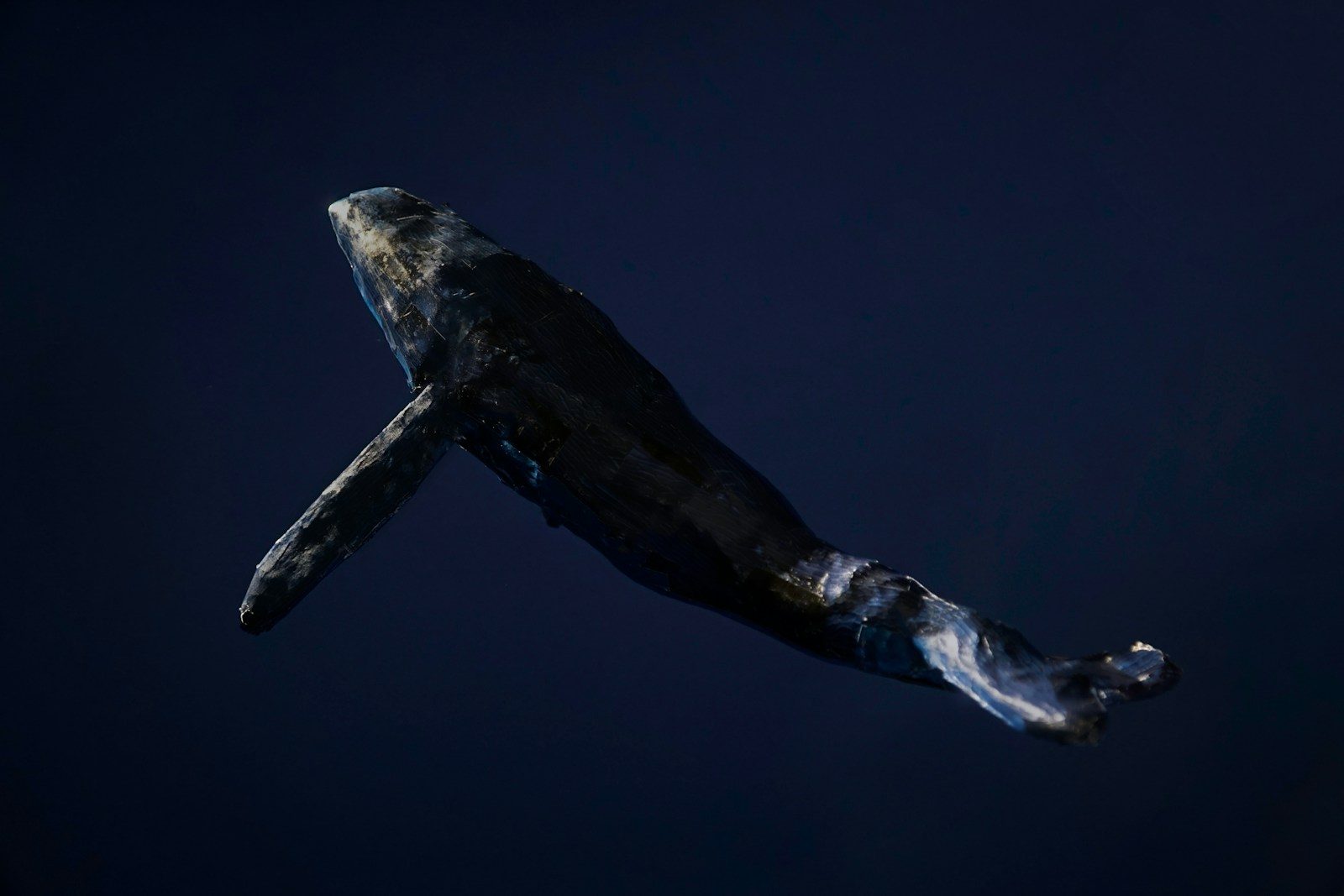
What if humans are not the only species with a highly structured communication system? A new study suggests that sperm whales may use vocal patterns that share surprising similarities with human speech. Researchers analyzing thousands of whale recordings discovered sound structures that resemble vowel patterns found in human languages.
The findings are helping scientists better understand how sperm whales communicate and raising new questions about the intelligence of these deep-diving marine mammals. As researchers continue decoding their clicks, they may be uncovering one of the most complex communication systems ever found in the animal kingdom.
Sperm whales communicate through clicks

Unlike humpback whales, which are known for their songs, sperm whales communicate using rhythmic clicking sounds called codas. These clicks allow whales to exchange information while living in the vast ocean.
Scientists have studied codas for years, hoping to understand what they mean. Early research focused mainly on the timing of the clicks, similar to how people might analyze Morse code to uncover hidden messages.
Researchers discovered speech-like patterns

A team from Project CETI and the University of California, Berkeley, took a different approach. Instead of focusing only on timing, they examined the frequencies of the clicks produced by sperm whales.
Their analysis revealed patterns similar to human vowel sounds. The researchers identified two categories of whale vocalizations that they described as a-vowels and i-vowels, opening a new area of study in whale communication.
Two types of whale “vowels”

The newly identified vocal patterns have characteristics similar to vowels used in human languages. Some contained a single resonance peak, while others showed two resonance peaks.
Researchers also found that these sounds could rise and fall in pitch. In some cases, two pitches appeared within a single vocalization, creating a pattern similar to diphthongs used in certain human languages.
Gathering years of whale recordings

To conduct the study, scientists attached small underwater microphones to 15 sperm whales. Over four years, they collected thousands of recordings that captured the animals communicating naturally.
Computer analysis allowed researchers to examine the sound waves in detail. By studying these recordings, they were able to identify consistent patterns that appeared throughout the whales’ vocal behavior.
Similarities to human language

The findings surprised researchers because some features closely resemble patterns found in human speech. For example, certain human languages distinguish words by changing the length or structure of vowel sounds.
Scientists noted that sperm whale vocalizations appear to follow organized rules rather than being random noises. This suggests the animals may be using a highly structured communication system that carries information.
Evidence of possible whale accents

Another interesting discovery involved differences between whale groups. Researchers found that separate pods often used different types of clicks and vocal patterns.
These variations suggest that sperm whales may have regional communication styles, similar to accents found among human populations. While scientists do not yet know the exact meaning of these differences, they indicate a remarkable level of complexity.
Leave a Reply