Swimming in the open ocean may sound exciting, but it also comes with risks. When US Navy sailors take part in a swim call, safety becomes the top priority. Swim calls allow sailors to enter the water for recreation while their ship is stopped in a carefully selected location. Before anyone jumps in, extensive planning and monitoring take place to reduce potential dangers.
From trained divers to specialized teams that search for underwater threats, the Navy uses several layers of protection. These measures help create a safer environment while allowing sailors to enjoy a rare opportunity to swim in the open sea.
What is a swim call?
A swim call is a planned event that allows sailors to swim in the ocean while their ship is underway. These activities provide a break from daily routines and offer a unique experience that few people ever get to enjoy.
Although swim calls can be enjoyable, they are not spontaneous events. Every activity is carefully organized, and safety procedures must be followed before sailors are permitted to enter the water.
Safety starts before anyone swims
Planning begins long before a swim call takes place. Navy personnel carefully evaluate the area around the ship to determine whether conditions are suitable for swimming.
Factors such as water conditions, visibility, and potential hazards are considered. The goal is to identify risks early and ensure the environment is as safe as possible before the event begins.
Monitoring the water for threats
Once a location has been selected, trained personnel continue monitoring the surrounding waters. This helps identify anything that could pose a danger to swimmers.
Constant observation is important because ocean conditions can change quickly. Maintaining awareness allows crews to respond rapidly if any concern arises during the swim call.
The role of Navy divers
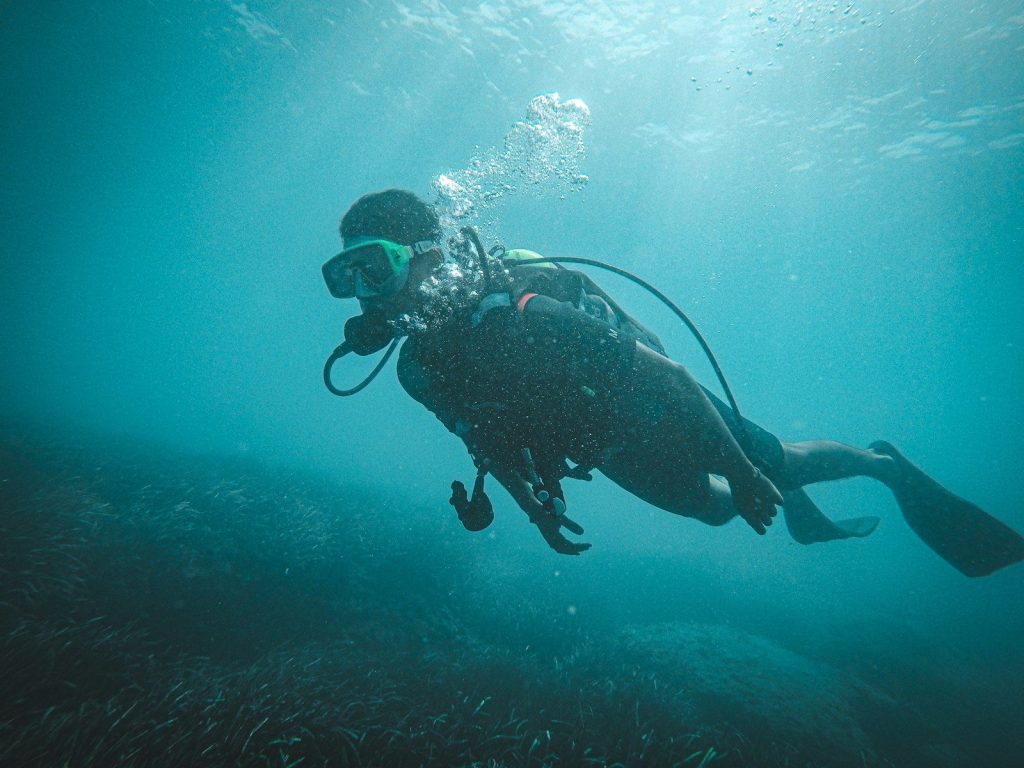
Specialized divers play an important role in swim call safety. These highly trained professionals can inspect areas around the ship and help evaluate underwater conditions.
Their experience allows them to identify potential hazards that may not be visible from the surface. Divers provide an additional layer of security and support throughout the operation.
Dolphins and underwater detection
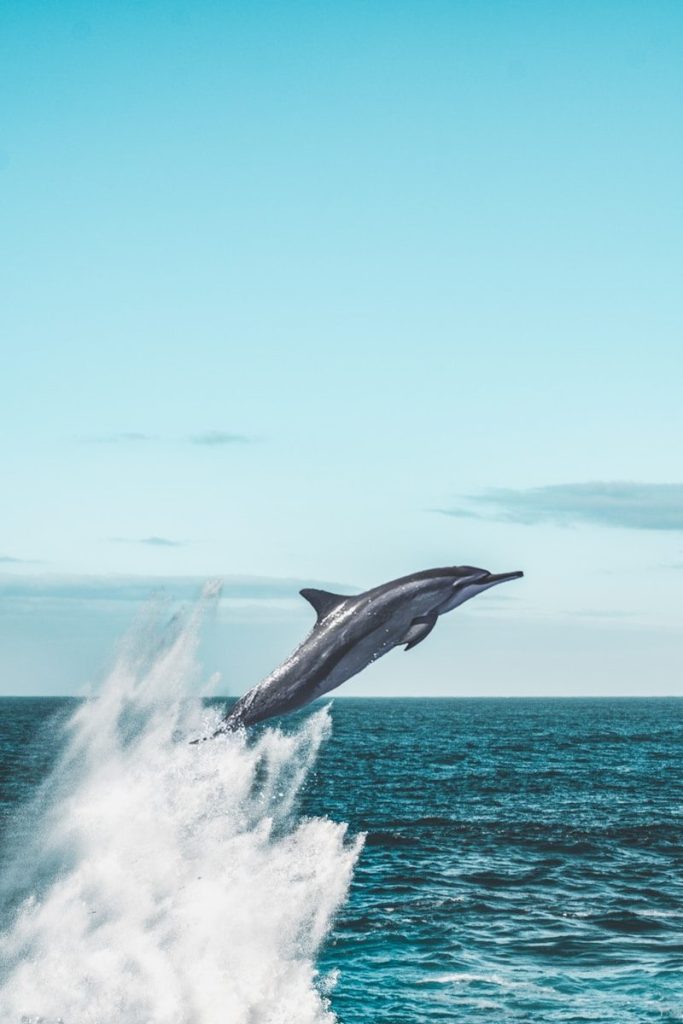
The Navy has also used dolphins in certain maritime operations because of their natural ability to detect objects underwater. Their biological capabilities make them highly effective in environments where visibility may be limited.
Working alongside trained personnel, these animals have been used to help locate underwater objects and support specialized missions. Their abilities demonstrate how nature can assist advanced maritime operations.
Multiple layers of protection
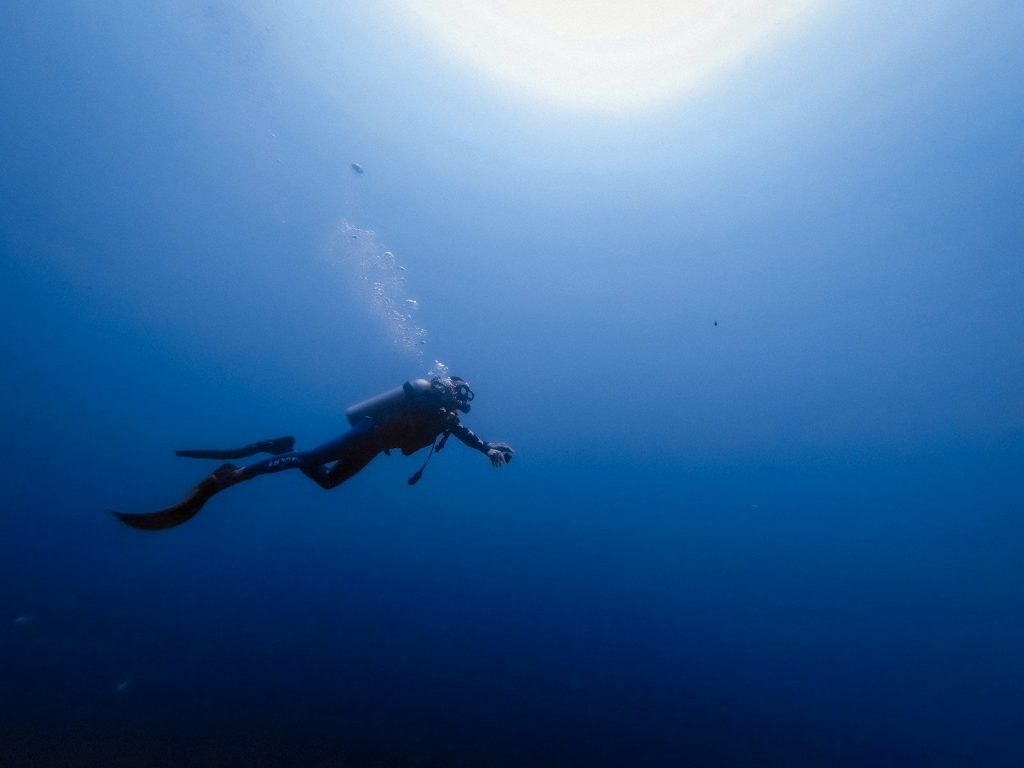
Swim call safety relies on a combination of planning, observation, technology, and trained personnel. No single measure provides complete protection on its own.
Instead, the Navy uses multiple layers of security designed to reduce risk and improve awareness. This approach helps create a safer environment for sailors participating in open water activities.
Leave a Reply