
The Bahamas is famous for its beautiful beaches, clear water, and thriving marine life. It is also one of the world’s most popular destinations for shark tourism. However, several shark incidents in recent years have raised concerns among scientists and the public. While shark bites remain rare, some researchers believe multiple factors may be increasing the chances of encounters between sharks and people.
From warmer ocean temperatures to growing tourism activity, experts are examining why more incidents appear to be occurring. Understanding these factors may help explain what is happening beneath the surface and why sharks and humans may be crossing paths more often.
The Bahamas is a shark bite hotspot

The Bahamas is considered one of the world’s notable shark bite regions. Historically, shark bite numbers have remained relatively low, averaging between zero and two incidents per year over several decades.
Despite that history, recent years have seen a noticeable increase in reported incidents. Several shark-related events occurred within a relatively short period, drawing attention to possible changes in the region.
A growing number of people enter the water

Tourism plays a major role in the Bahamas’ economy. Millions of visitors travel to the islands to enjoy beaches, boating, diving, snorkeling, and other water activities.
As more people spend time in the ocean, the chances of encounters naturally increase. A higher number of swimmers, divers, and paddleboarders means more opportunities for sharks and humans to occupy the same waters.
Warm ocean temperatures may play a role

Researchers believe rising ocean temperatures could be influencing shark behavior. During particularly warm periods, coral reefs can become stressed, leading to coral bleaching and changes within marine ecosystems.
As reef systems change, prey species may move to new areas or decline in number. Sharks that rely on those food sources may follow shifting prey populations, potentially bringing them closer to coastal waters where people are active.
Sharks may need more food

Warmer water can also affect shark metabolism. As temperatures rise, sharks may process food more quickly and require additional energy to meet their needs.
This increased demand for food could encourage sharks to spend more time searching for prey. If sharks are hunting more frequently near populated coastlines, encounters with humans may become more likely.
The impact of shark tourism and feeding

One of the most debated issues involves the feeding or baiting of sharks. Some tourism operators use food to attract sharks closer to boats so visitors can view them more easily.
Critics argue that repeated feeding may encourage sharks to associate boats with food. Since boats are often surrounded by swimmers, divers, and snorkelers, this association could increase the likelihood of sharks approaching areas where people are present.
Human activity can change shark behavior

In addition to organized shark tourism, other activities may also attract sharks. Fish scraps discarded from boats and fishing operations can create feeding opportunities in areas frequently visited by people.
Over time, sharks may learn that certain locations regularly provide food. This does not mean sharks intentionally target humans, but it may increase the number of interactions between sharks and people in the same environment.
A complex issue with no single cause
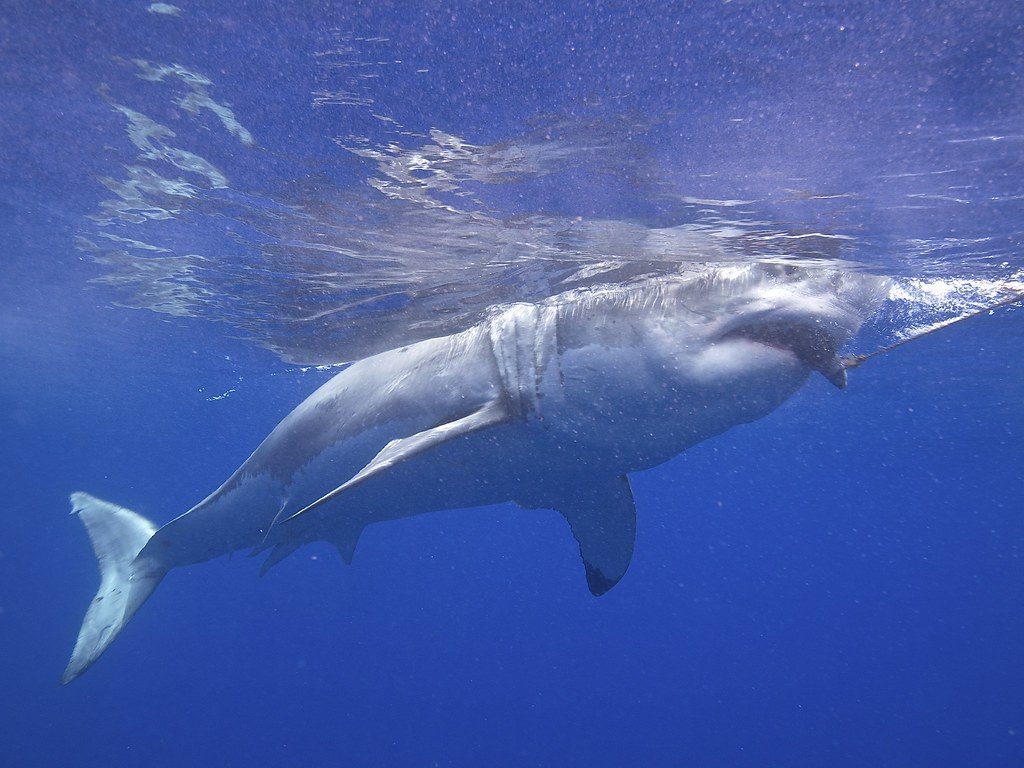
Most experts agree there is unlikely to be one simple explanation for recent shark incidents. Instead, multiple environmental and human-related factors may be working together.
Changes in ocean conditions, increased tourism, warmer temperatures, and food-related activities could all contribute to more shark encounters. Continued research will be important for understanding these trends and helping improve safety in the future.
Leave a Reply